These California Ground Squirrels Are Doing Something Useful In Your Garden
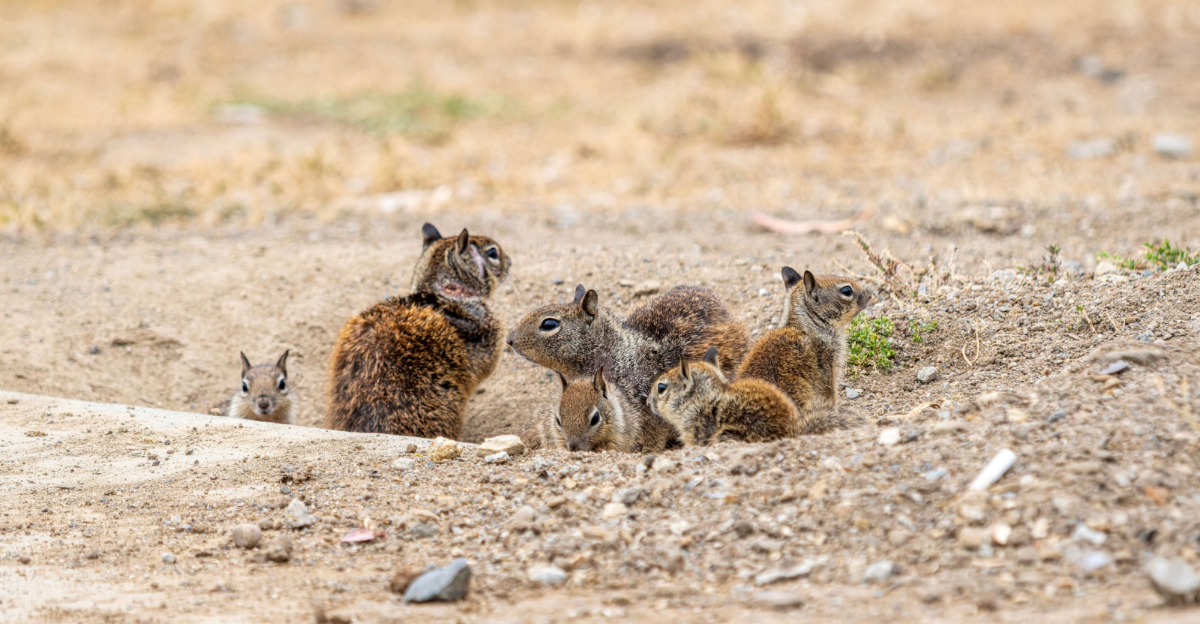
California ground squirrels are a lot of things, and “welcome garden guest” is rarely one of them.
If you have ever watched one systematically work through your vegetable bed or found fresh digging holes scattered across your lawn before breakfast, you already know the frustration.
These little guys are industrious, persistent, and completely unbothered by your opinion of them. But here is something that might surprise you: ground squirrels are not all bad news.
In certain parts of California, they actually do some quietly useful things for soil health, native predator populations, and open grassland ecosystems that do not get talked about nearly enough.
Understanding both sides of the story can help you make smarter, more practical decisions about where to draw the line in your own yard and where a little tolerance might actually make sense.
1. Their Burrows Move And Loosen Soil
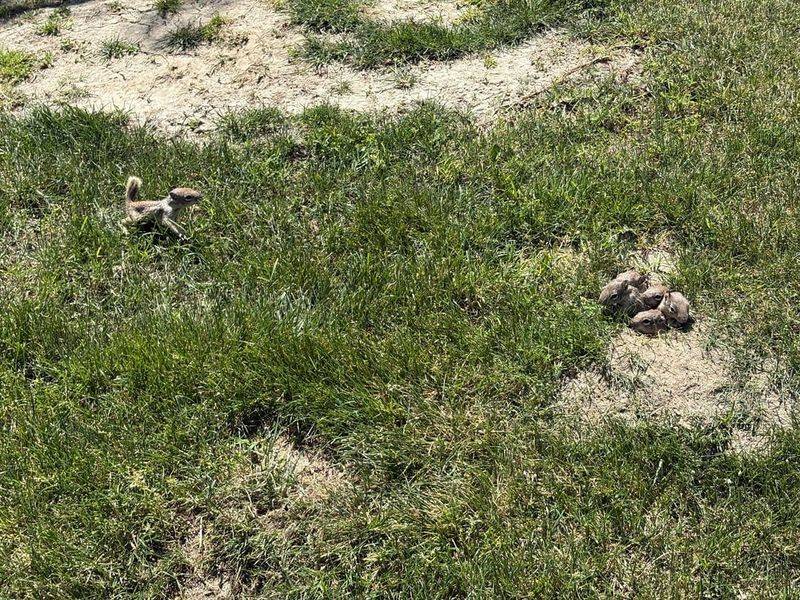
Loose soil piled around a burrow entrance is one of the first things gardeners notice when ground squirrels move into a yard. This fresh, crumbly soil can look messy at first, but it also shows how much the squirrels are changing the soil below the surface.
Those small mounds are actually a sign of significant underground work. As squirrels dig, they break apart compacted layers of soil, creating channels that allow air and water to move more freely below the surface.
In open areas far from vegetable beds and foundations, this kind of soil movement can be genuinely helpful. Compacted soil in California landscapes often struggles to absorb rain or irrigation water efficiently.
When small tunnels form beneath the surface, water can reach deeper root zones more easily, which may benefit nearby native plants and grasses.
That said, the same burrowing that loosens soil in a meadow edge can cause serious trouble near retaining walls, slopes, or irrigation lines. Tunnels near slopes can weaken the ground and contribute to erosion, especially during rainy season.
Burrows that reach under concrete or irrigation infrastructure may cause expensive damage over time.
Thinking about location matters here. Loose soil movement may offer some benefit along open garden edges or habitat-style planting areas, but it becomes a liability the moment it gets too close to structures.
Watching where squirrels are digging and acting early can prevent small soil disturbances from turning into larger problems in your California garden.
2. Old Burrows Can Shelter Other Wildlife
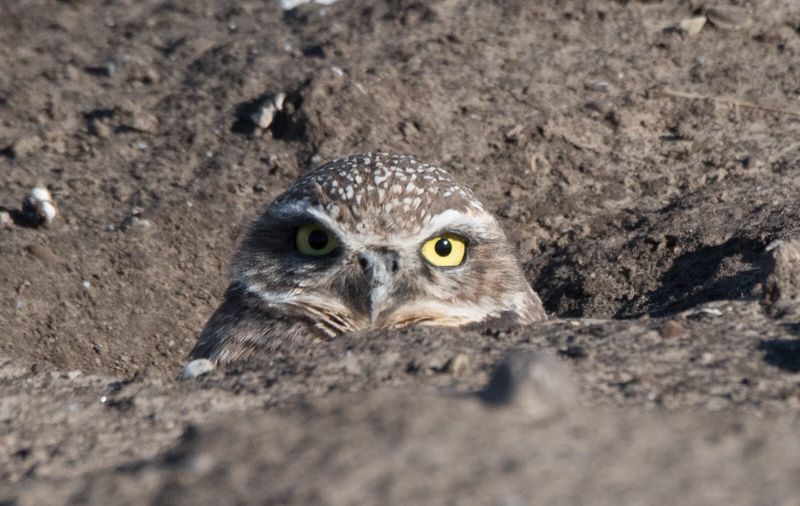
Once a California ground squirrel moves on or a burrow is abandoned, something interesting tends to happen. Other wildlife moves in.
Burrowing owls are one of the most well-known examples, using vacant squirrel tunnels as nesting sites across open landscapes where natural cavities are hard to find.
Burrowing owls are a species of conservation concern in California, and their connection to old squirrel burrows is well documented.
Gopher snakes, California tiger salamanders in certain regions, and various invertebrates have also been observed using abandoned burrow systems.
In habitat-style gardens or properties near open land, this kind of secondary use adds real ecological value.
Your California Garden Changes Every Week. Your Plan Should Too.
Gardening in California changes quickly throughout the season. Every Friday you’ll receive a simple weekly plan showing exactly what to plant, prune, fertilize, harvest, and protect so you never miss the right timing.
Of course, this benefit applies most clearly in open, lower-traffic areas of a California property rather than near the house, vegetable garden, or irrigation systems.
An old burrow near a foundation is still a structural concern even if something useful eventually moves in.
The key is recognizing that burrow systems in the right location can support native species long after squirrels have moved elsewhere.
For gardeners with larger properties or habitat edges, leaving a few undisturbed burrows in low-risk zones may quietly support native wildlife.
Closer to the home, however, filling and discouraging new burrows remains the more sensible approach to avoid ongoing damage to soil, slopes, and structures.
3. They Provide Food For Native Predators
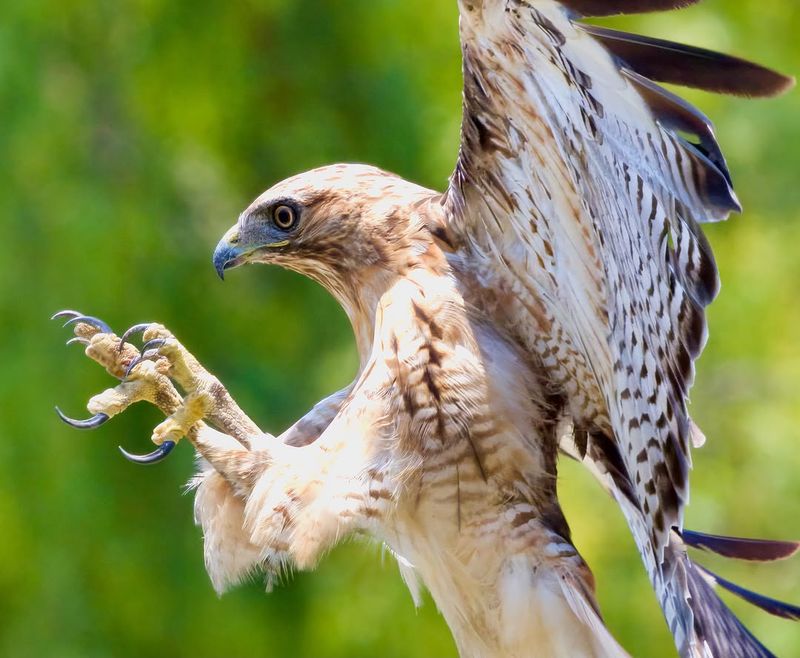
Red-tailed hawks circling over California neighborhoods are a familiar sight, and ground squirrels are a significant reason why.
These squirrels sit near the base of many California food webs, supporting a wide range of native predators that depend on reliable prey sources throughout the year.
Coyotes, golden eagles, American badgers, rattlesnakes, and gopher snakes all include California ground squirrels in their regular diets. In areas where squirrel populations are present, these predators tend to stay active and visible.
That predator activity benefits gardens indirectly by keeping other pest populations in check and maintaining the kind of ecological balance that healthy landscapes depend on.
From a homeowner’s perspective, this dynamic is most relevant at the edges of California properties that border open land, parks, or natural areas.
Squirrels living near those edges contribute to a food chain that supports raptors and other native species without necessarily causing damage to your garden beds or irrigation lines.
The challenge is that squirrel populations can grow quickly when predator pressure is low, especially in suburban settings where natural predators are less common.
A small group of squirrels near an open garden edge is very different from a large colony near vegetable beds or a slope.
Supporting predator habitat nearby, such as perch posts for raptors, can help keep squirrel numbers from growing beyond a manageable level.
4. Their Foraging Can Open Small Bare Patches
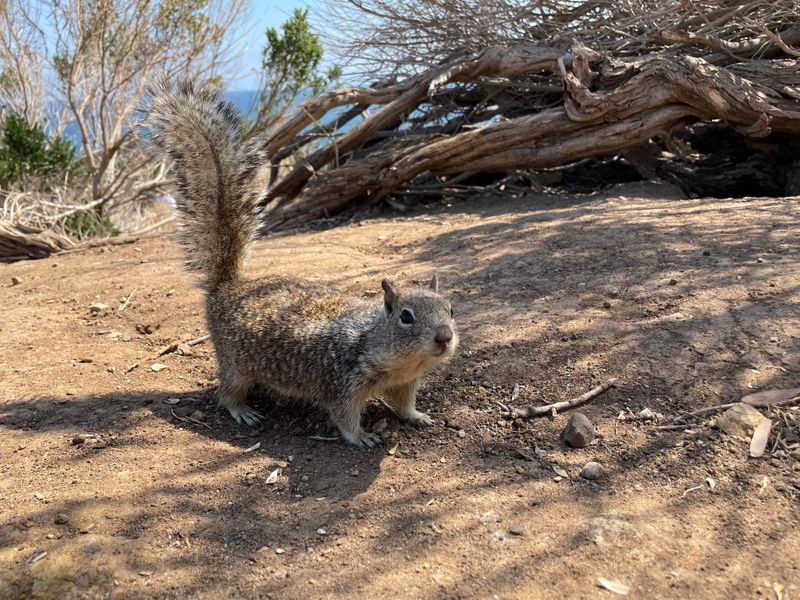
Bare patches of soil often look like damage, but in some California settings they serve a quiet ecological purpose.
When ground squirrels forage through dry grass or scratch at the surface while searching for seeds and roots, they disturb the soil and remove plant material, leaving small open areas behind.
These exposed patches can actually benefit native plants that need direct soil contact to germinate. Many California native wildflowers and annual grasses struggle to establish through thick thatch or dense non-native turf.
A small opening in the ground cover can give native seeds a foothold they would not otherwise find, especially in open garden edges or habitat-style planting areas.
This is most relevant in low-maintenance zones of a California garden, not in carefully tended vegetable beds or ornamental borders where bare soil invites weeds and erosion.
Near vegetable beds, open patches created by foraging squirrels are far more likely to become weed problems than wildflower opportunities.
The distinction between useful disturbance and plain damage really comes down to location and scale. A few small open patches along a dry hillside edge may quietly support native plant recruitment.
Widespread foraging across a lawn, garden bed, or slope is a different situation entirely and usually signals a population that has grown too large for the space. Watching patterns early gives you time to respond before foraging becomes a larger issue.
5. They Eat A Varied Plant-Based Diet
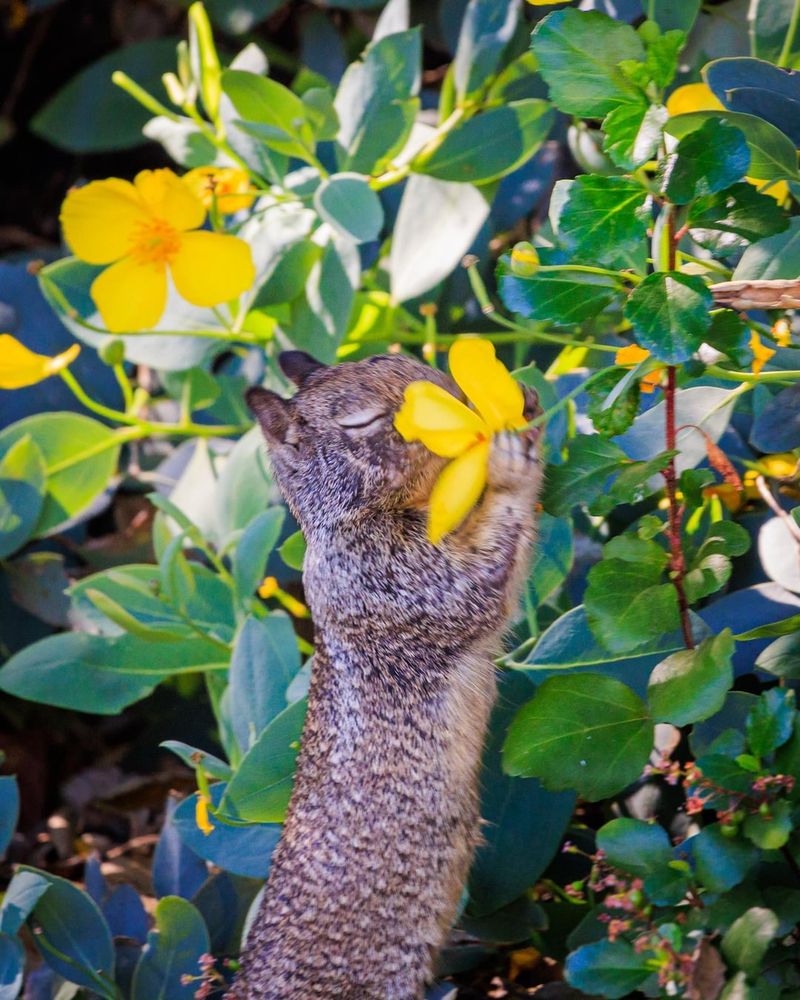
Seed pods, green stems, bulbs, roots, and grain crops are all fair targets for California ground squirrels, which are primarily herbivores with a wide and opportunistic appetite.
Their flexible diet helps them thrive across many California environments, from open grasslands and roadsides to suburban yards and garden edges.
In natural settings, this plant-based foraging contributes to seed dispersal. Squirrels cache seeds in shallow soil deposits, and not every buried seed gets retrieved.
Seeds left in the ground may eventually germinate, which means squirrels sometimes plant native grasses and forbs without intending to. In open landscapes, this low-level seed dispersal can support plant diversity over time.
For home gardeners, though, the same feeding habits translate into real losses. Vegetable seedlings, bulbs, strawberries, fruit tree bark, and young transplants are all vulnerable.
Gardeners with established edible gardens often find that squirrels are among the most persistent and frustrating pests to manage, especially when populations are high during late spring and summer.
Understanding their diet helps with planning. Raised beds with hardware cloth barriers, bulb cages, and physical exclusion around young trees can reduce feeding damage significantly.
Knowing that squirrels are motivated by availability means that reducing easy food sources near the home, such as fallen fruit or exposed birdseed, also helps discourage them from moving in close and treating your garden as their primary food source.
6. They Help Show Where Soil Is Vulnerable
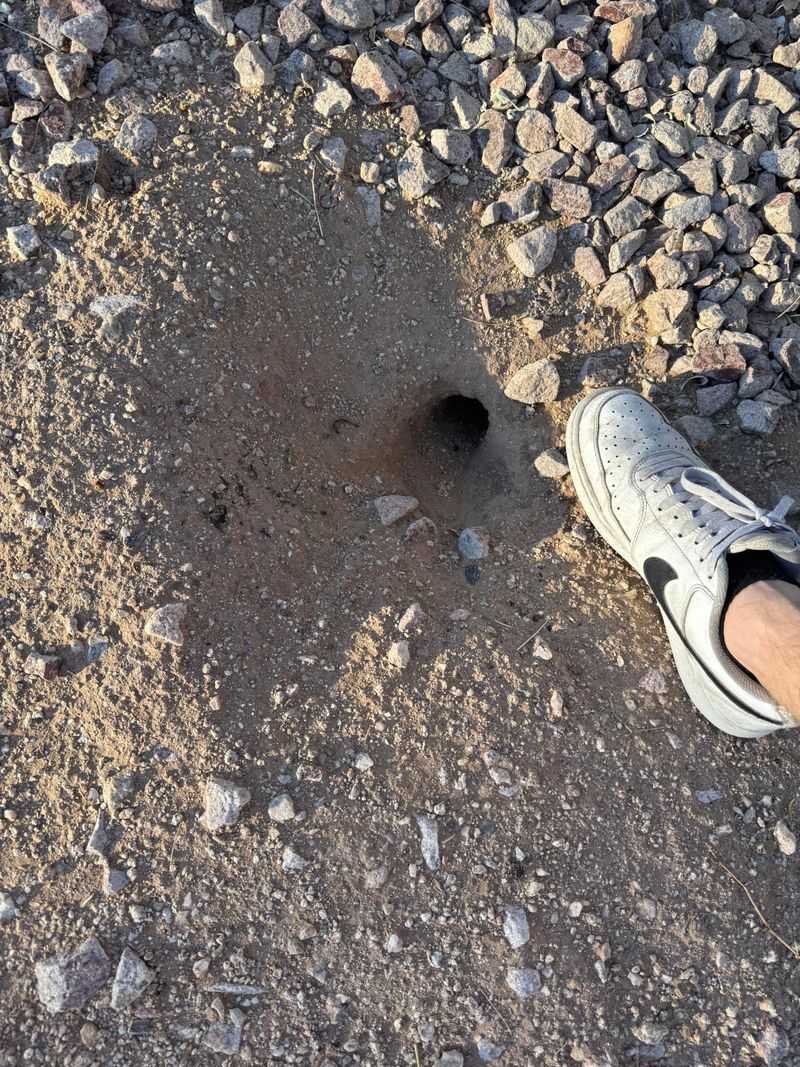
Noticing where ground squirrels choose to burrow can tell a California homeowner something useful about their soil. Squirrels tend to favor areas with loose, dry, or sandy soil that is easy to excavate.
When burrows appear on a slope or near a retaining wall, it is often a signal that the soil in that area is already less stable than it should be.
In that sense, squirrel activity acts as an unplanned indicator of vulnerable spots in a California landscape.
Slopes that drain poorly, areas where irrigation has softened the subsoil, and spots where compaction has cracked the surface are all attractive to burrowing animals.
Seeing new activity in those areas is worth paying attention to.
This does not make the burrowing helpful in itself. Tunnels in unstable soil can accelerate erosion and weaken the ground further, especially on hillsides that are already prone to slippage during heavy rain.
But the visible sign of activity may prompt a gardener to investigate soil health, drainage, or slope stability before a bigger problem develops.
Addressing the underlying soil conditions, improving drainage, adding ground cover to hold slopes, or installing erosion barriers can reduce the attractiveness of those areas to burrowing animals over time.
Thinking of squirrel activity as a symptom as much as a cause can shift the response from reactive to more proactive, which tends to produce better long-term outcomes for gardens and slopes.
7. Their Activity Supports Grassland Ecosystems
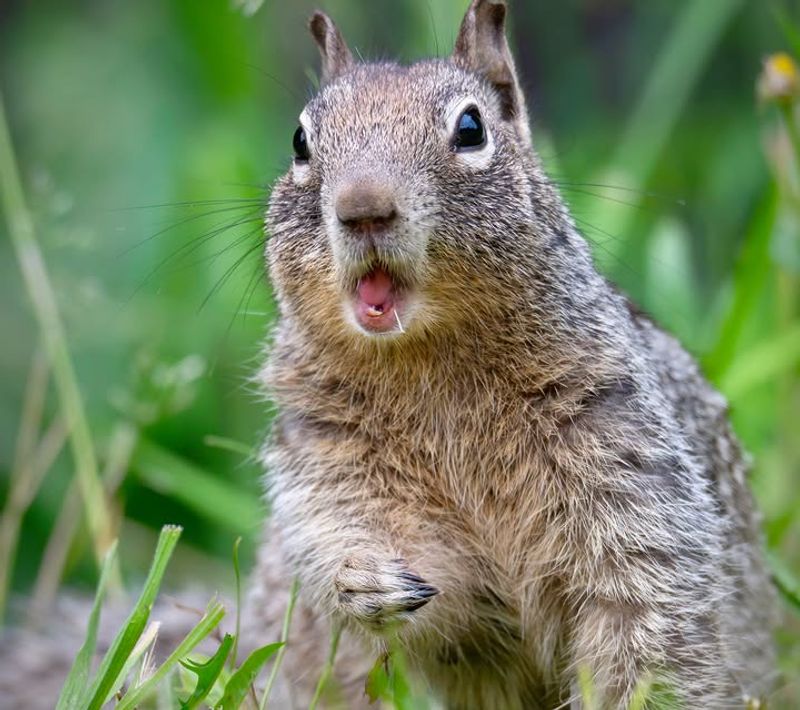
Across California’s open valleys, oak woodlands, and dry grasslands, ground squirrels are a foundational part of how those ecosystems function.
Their burrowing, foraging, and seed caching all contribute to the kind of low-level soil disturbance that grassland plant communities have adapted to over thousands of years.
In those natural settings, squirrel activity helps cycle nutrients, create microhabitats, and support the predator networks that keep grassland food webs balanced.
California’s native grasslands evolved alongside burrowing mammals, and many of the plant and animal species that depend on those landscapes are connected to squirrel behavior in ways that are not always obvious at first glance.
For homeowners with properties that border grasslands, open spaces, or wildlife corridors, this context matters. Squirrels living at the edge of a natural area are participating in an ecosystem that predates suburban development.
Managing them thoughtfully near those edges, rather than simply eliminating them, tends to produce better ecological outcomes.
That said, the grassland ecosystem context does not apply in the same way to a backyard vegetable garden, a manicured lawn, or a slope near a foundation. The ecological value of ground squirrel activity is real but location-specific.
Recognizing where a California garden ends and a natural edge begins is the most practical way to balance tolerance for squirrel behavior with the legitimate need to protect your landscape from damage.
8. Useful Behavior Still Needs Boundaries
Acknowledging that California ground squirrels have some ecological value does not mean letting them run freely through every part of a garden.
The same animal that loosens soil along an open edge can collapse an irrigation line, undermine a retaining wall, or strip a vegetable bed bare within a season.
Boundaries matter, and setting them clearly is part of managing any California landscape responsibly.
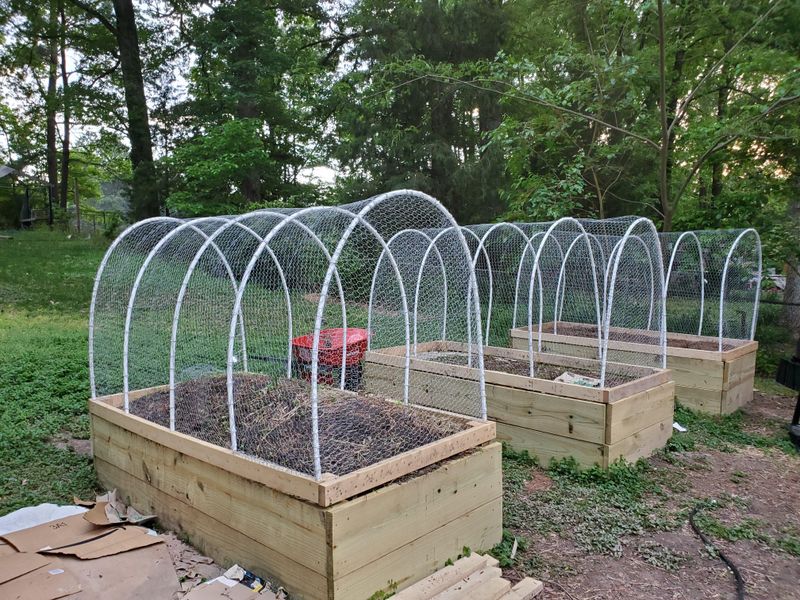
Physical exclusion is one of the most reliable tools available.
Hardware cloth barriers around raised beds, wire mesh around the base of young trees, and underground exclusion fencing along vulnerable slopes can all reduce squirrel access to sensitive areas without requiring ongoing intervention.
These methods work best when installed before squirrel populations become established near the home.
Habitat modification also helps.
Removing brush piles, keeping grass trimmed short, eliminating easy food sources like fallen fruit and exposed birdseed, and reducing areas of loose bare soil near structures all make a California yard less inviting to squirrels looking for a permanent home.
Thinking about the garden in zones can bring some clarity. Open edges, native plantings, and habitat-style areas may be reasonable places to tolerate a small amount of squirrel activity.
Vegetable beds, foundations, irrigation systems, and slopes near structures are not.
Drawing that line and maintaining it consistently gives gardeners a practical way to appreciate whatever ecological role squirrels play while still protecting the parts of the garden that matter most.