7 Summer Benefits Of Growing Basil In Georgia Vegetable Gardens
Many Georgia gardeners plant tomatoes, peppers, and squash and call it a complete summer garden.
There is one plant that outworks all of them combined, and many people treat it like an afterthought. It does not produce fruit. It does not take up much space.
But remove it from a productive Georgia summer garden and something noticeably changes about how the whole bed functions.
The flavor of meals gets flatter. The pollinator visits slow down. The harvest feels less connected to the kitchen somehow.
Seven specific benefits explain why serious Georgia gardeners never skip this plant, and a few of them have nothing to do with cooking at all.
The best part? Georgia summers, the ones that send most herbs into retreat, are exactly the conditions this plant was built for. What is it, and why does it belong in your garden this season?
1. Basil Repels Common Vegetable Garden Pests
Aphids, thrips, and whiteflies are among the most persistent nuisances in a Georgia summer vegetable bed. Most gardeners reach for sprays and treatments.
Basil offers a quieter solution that works through scent alone, and it runs all day without any effort from the gardener.
The essential oils in basil leaves, particularly eugenol and linalool, produce a strong aromatic compound that many common garden pests find genuinely unpleasant.
Aphids and whiteflies tend to avoid plants growing near basil, particularly when several plants are distributed across a bed rather than grouped in a single corner.
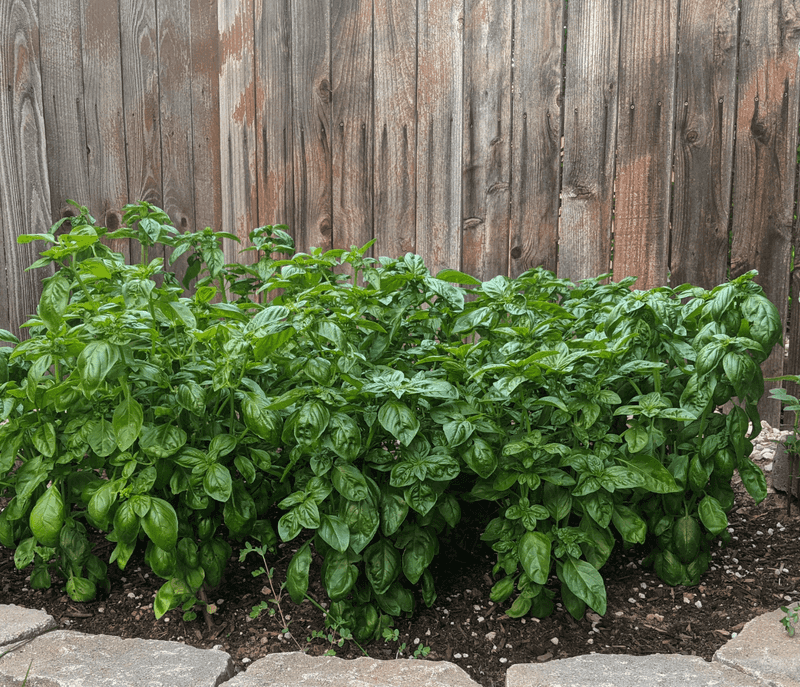
Planting basil between tomatoes and peppers creates a scent barrier that makes the whole area less inviting to pests looking for a landing spot.
This is not a complete pest management solution on its own, and it works best as part of a broader approach.
But for gardeners who want to reduce pest pressure without reaching for chemical treatments at every sign of trouble, basil adds a layer of natural deterrence that costs almost nothing and smells significantly better than any spray product available.
The effect is most noticeable during peak summer heat when pest populations build fastest in Georgia gardens.
Keeping basil plants full and actively growing, rather than letting them bolt and lose their aromatic intensity, maintains that deterrent effect through the hottest weeks. Regular trimming keeps oil production high and the scent strong.
The pests do not announce their retreat, but the reduced damage on neighboring plants tells the story well enough.
2. It Attracts Beneficial Insects To The Bed
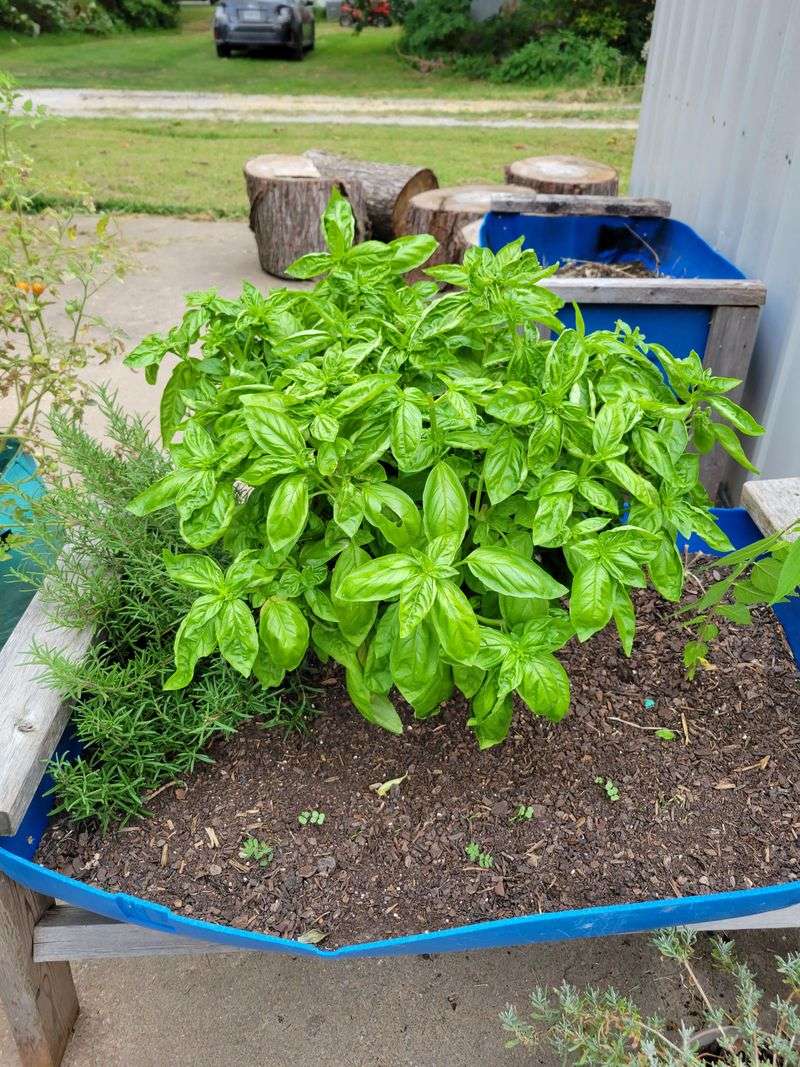
Not every insect in a Georgia vegetable garden is a problem.
Parasitic wasps, lacewings, and hoverflies are among the most effective natural pest managers available, and they need nectar sources to survive and reproduce.
Basil in bloom provides exactly that, turning a vegetable bed into a more complete and self-sustaining ecosystem.
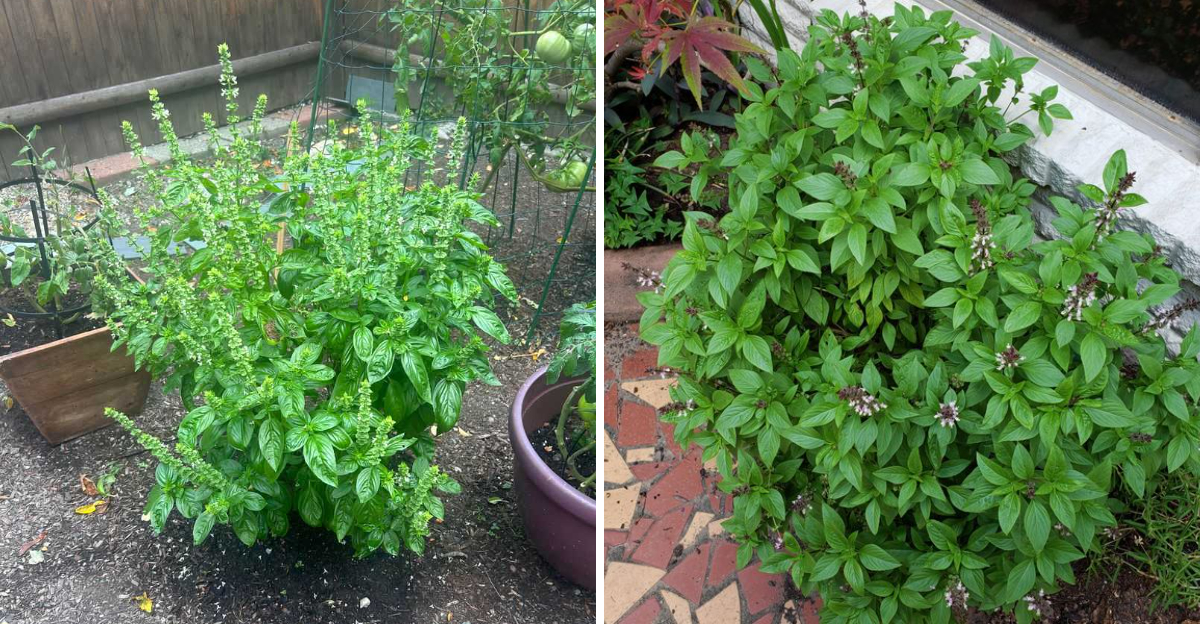
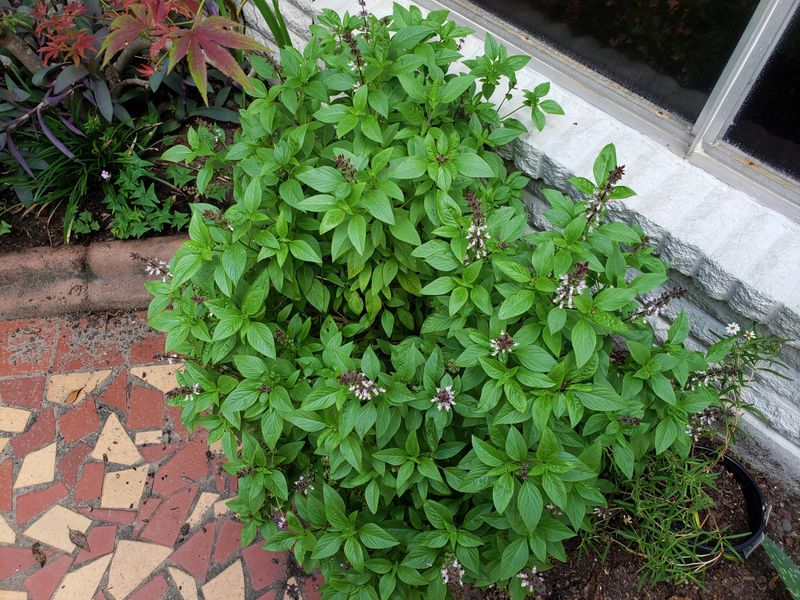
When basil is allowed to flower, the small white and pale purple blooms become remarkably busy with beneficial insect activity.
Parasitic wasps that lay eggs in aphids and caterpillars are frequent visitors.
Hoverflies, which look like small bees but are harmless to people, feed on nectar as adults while their larvae consume aphids at impressive rates.
Your Georgia Garden Changes Every Week. Your Plan Should Too.
Gardening in Georgia changes quickly throughout the season. Every Friday you’ll receive a simple weekly plan showing exactly what to plant, prune, fertilize, harvest, and protect so you never miss the right timing.
Attracting these insects to the garden creates ongoing pest pressure from above that chemical sprays cannot replicate.
The practical strategy most experienced Georgia gardeners use is keeping most basil plants trimmed for kitchen use while allowing one or two to flower near the edges of the bed.
This approach delivers fresh leaves for cooking and a consistent nectar source for beneficial insects throughout the season without requiring any separate plantings or additional effort.
Honeybees and native bees also visit basil flowers consistently, supporting pollination across tomatoes, peppers, squash, and cucumbers growing nearby.
Better pollination produces better fruit set and more consistent harvests. A single flowering basil plant near the center of a vegetable bed pulls in beneficial visitors that raise the overall productivity of every crop around it.
That is a significant return from a plant that costs less than a cup of coffee to establish.
3. Fresh Leaves Carry Real Nutritional Value
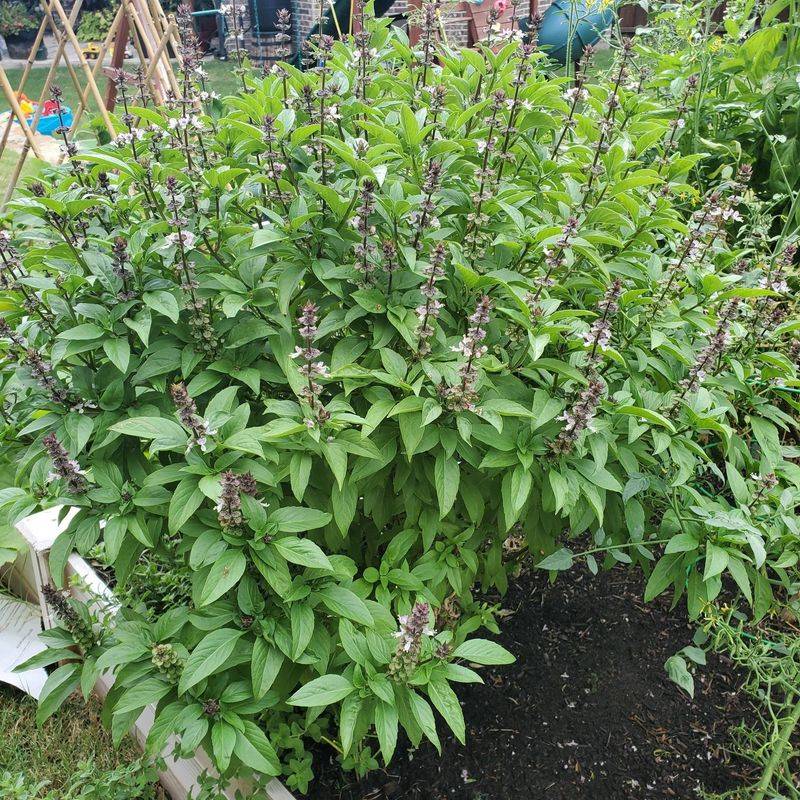
Fresh basil is not just a flavor enhancer.
The leaves contain concentrations of rosmarinic acid, flavonoids, and vitamin K that contribute genuine nutritional value to meals made with garden-fresh herbs.
Using basil harvested directly from a Georgia garden, where leaves are consumed within minutes of picking, delivers those compounds at their peak concentration before any degradation occurs.
Rosmarinic acid is one of the most studied compounds in basil and carries antioxidant properties that support cellular health.
The concentration in fresh leaves is significantly higher than in dried basil, which loses a substantial portion of its beneficial compounds during processing and storage.
Georgia gardeners harvesting basil at its freshest are getting the most nutritionally complete version of the herb available.
Vitamin K content in fresh basil is notably high relative to the small quantities typically used in cooking.
Regular consumption through summer meals contributes meaningfully to daily intake without requiring any deliberate supplementation or dietary planning.
It shows up in pasta, salads, and tomato dishes as a natural part of summer cooking.
The practical takeaway is straightforward. Fresh basil from a home garden provides nutritional benefits that the same dried herb from a grocery store jar simply cannot match at comparable quantities.
For Georgia gardeners already growing vegetables for better flavor and freshness, adding basil to the bed extends that same logic to the herb side of the kitchen.
Better freshness means better flavor and better nutritional value simultaneously, which is the kind of outcome that makes the garden feel genuinely worth the effort.
4. Tomato Flavor Improves With A Nearby Neighbor
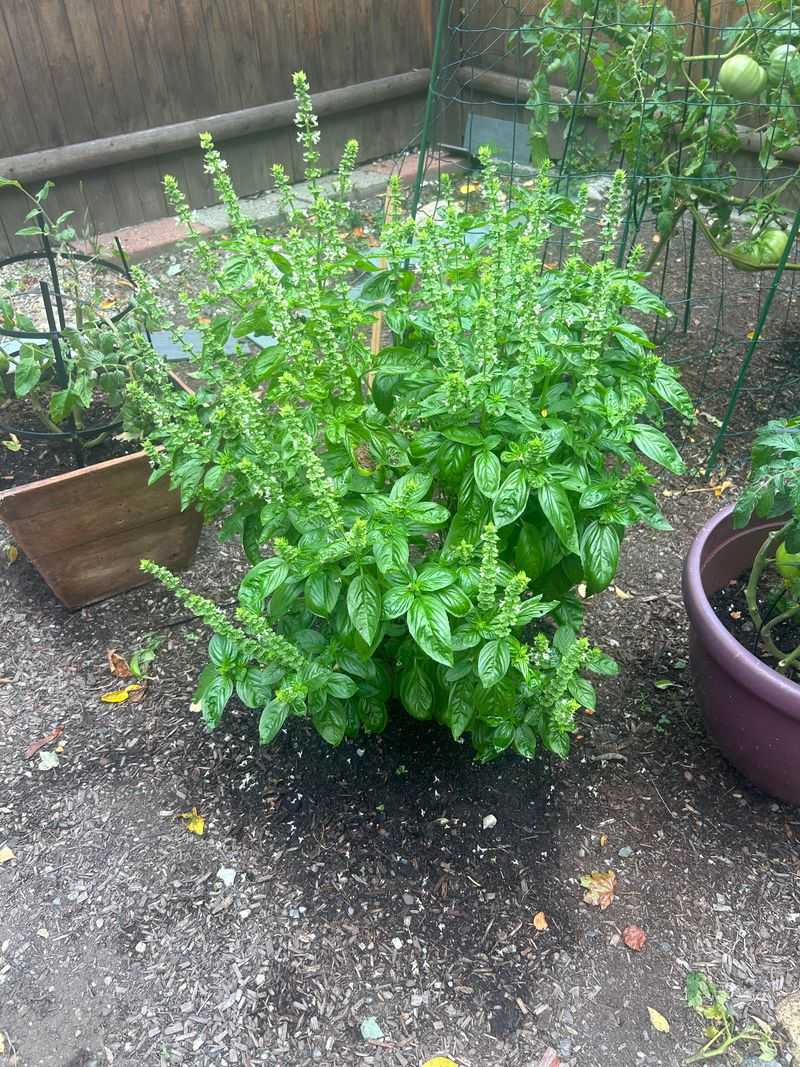
The companion planting relationship between basil and tomatoes is one of the most widely observed combinations in vegetable gardening. The evidence behind it is more substantial than garden folklore.
Growing basil in close proximity to tomato plants has been associated with improved flavor in the fruit, and several mechanisms may explain why.
Volatile compounds released by basil leaves into the surrounding air interact with tomato plant tissue through a process called airborne chemical signaling.
Some researchers suggest these compounds influence the production of aromatic molecules in nearby tomatoes, contributing to a richer, more complex flavor profile in the harvested fruit.
Georgia gardeners growing basil between tomato rows often report noticeably better-tasting tomatoes compared to years when the herbs were grown separately.
Basil also supports tomato health indirectly through the pest deterrence and beneficial insect attraction discussed in earlier sections.
Fewer pest pressures and more pollinator activity around tomato plants translate directly into healthier plants and more consistent fruit development across the season.
Placement matters for getting the most from this pairing.
Tucking basil plants directly between tomato cages rather than at the garden edges keeps the aromatic compounds concentrated around the tomatoes where the effect is strongest.
Two or three basil plants per tomato row is a practical starting point.
Georgia summers give both crops a long growing window together, which means the companion benefit builds and compounds across the full season rather than just during a brief overlap period.
5. Digestive Support Comes Free With Dinner
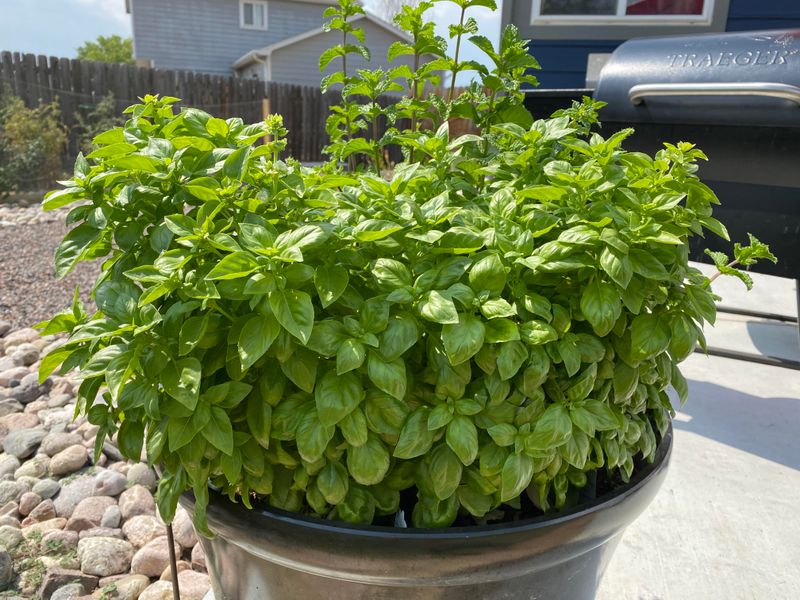
Georgia summers produce an abundance of heavy, rich foods.
Grilled meats, thick pasta dishes, and vegetable-heavy stews are staples of summer cooking, and basil has been used across culinary traditions for centuries as a digestive herb that eases the aftermath of substantial meals.
The essential oils in basil, particularly eugenol, have been studied for their effects on digestive muscle function.
Eugenol supports the relaxation of smooth muscle tissue in the digestive tract, which can reduce bloating and discomfort after large meals.
Fresh basil consumed as part of a meal, rather than as a supplement or tea, delivers these compounds in the gentlest and most natural form available.
Traditional Mediterranean and Asian culinary practices incorporated basil into rich, fatty dishes not only for flavor but specifically for this digestive benefit.
The pairing of fresh basil with olive oil, tomatoes, and cheeses in Italian cooking reflects centuries of observational wisdom about how the herb interacts with heavy ingredients.
Georgia gardeners cooking from their summer harvest are participating in a tradition that predates modern nutrition science by a significant margin.
Keeping fresh basil accessible throughout summer means it ends up in more meals naturally, which compounds the benefit across the season without requiring any deliberate supplementation approach.
The herb does double duty as a flavor enhancer and a digestive support simultaneously. That is a practical combination that dried herbs in a jar simply cannot replicate at the same concentration or freshness.
Fresh basil in a summer kitchen is genuinely earning its space in more ways than most cooks realize.
6. Natural Antibacterial Properties Come With Every Harvest
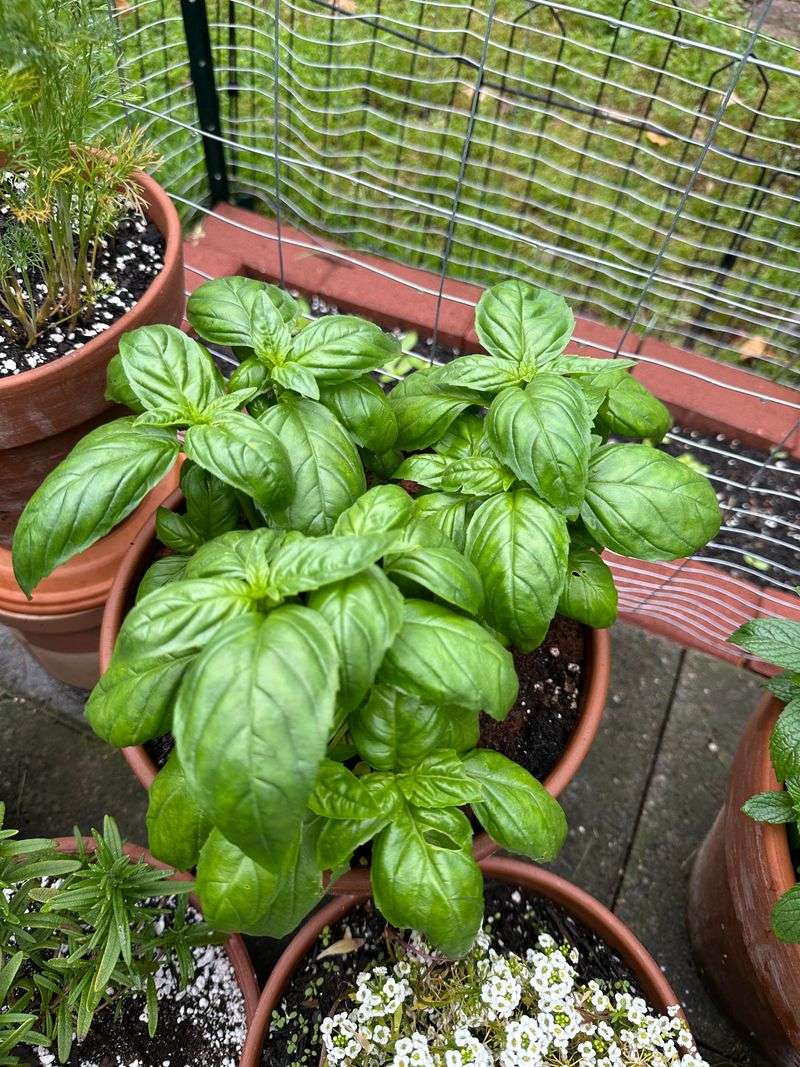
Fresh basil contains compounds that demonstrate antibacterial activity against several common foodborne organisms, which has practical implications for Georgia gardeners using basil in summer food preparation.
The eugenol and linalool content in fresh leaves create conditions less favorable for certain bacterial growth when basil is incorporated into fresh dishes, marinades, and preserved foods.
This property has been studied in food science contexts where basil extracts are evaluated as natural preservative components.
While home cooking does not replicate laboratory conditions, the regular use of fresh basil in summer salads, tomato preparations, and herb-based sauces contributes a layer of natural antibacterial action that dried herbs cannot match at equivalent quantities.
For Georgia gardeners making summer preserves, pestos, and fresh sauces from garden produce, incorporating generous amounts of freshly harvested basil adds flavor and a degree of natural preservation support simultaneously.
The combination of basil with garlic, olive oil, and acidic ingredients like tomatoes or lemon creates a preparation environment that discourages bacterial activity through multiple overlapping mechanisms.
The antibacterial properties are strongest in fresh leaves where essential oil content is highest.
Basil harvested in the morning before the heat of the day has volatilized the surface oils carries the highest concentration of these compounds.
Georgia summers, with their long warm days, actually support high essential oil production in basil leaves throughout the growing season.
The hotter the summer, the more aromatic the basil, and the more potent those natural compounds become. Georgia heat, it turns out, is doing the herb a favor.
7. Pollinators Boost The Whole Vegetable Bed
A vegetable garden without strong pollinator activity is a vegetable garden leaving yield on the table.
Tomatoes, peppers, cucumbers, and squash all depend on pollinator visits to set fruit properly, and basil in bloom pulls those visitors in with a consistency that few other plants match during Georgia’s peak summer weeks.
Basil flowers are small and easy to overlook, but honeybees and native bees find them remarkably attractive.
A plant allowed to flower near the center of a vegetable bed becomes a landing zone that keeps pollinators working the surrounding crops throughout the day.
The bees that arrive for basil nectar do not stay on the basil. They move through the entire bed, visiting tomato blossoms, squash flowers, and pepper plants on the same foraging trip.
The practical approach is simple.
Keep most basil plants trimmed for kitchen use to maintain flavor and leaf production, but let one or two plants near the middle or edges of the bed develop their flower spikes through late summer.
That modest concession in leaf harvest pays back significantly in improved fruit set across every crop in the surrounding area.
Georgia summers run long enough that a single basil plant can contribute months of pollinator activity before the season closes.
The bloom period extends well into fall if plants are not cut back, giving late-season squash and pepper flowers consistent visitor traffic at exactly the point when natural pollinator populations begin to thin out.
Better pollinator coverage means fewer unpollinated blossoms dropping without setting fruit.
For Georgia gardeners who have ever wondered why a tomato plant loaded with flowers produced less fruit than expected, the answer is often pollinator traffic.
Basil in bloom is one of the simplest ways to address that gap without any additional investment beyond letting a few stems go.