Lettuce Gives Up In Florida Summer But These Heat-Proof Greens Are Just Getting Started
Florida summer gardening has a reputation problem.
The common advice is to scale back, wait it out, and accept that the productive season ends when the heat arrives.
A lot of Florida gardeners follow that advice every year and spend three months looking at bare raised beds.
A smaller group does something different. Their gardens stay green and productive all the way through August. Same heat. Same humidity. Same brutal afternoon sun. Completely different results.
The difference is not a special technique or an expensive soil amendment. It is knowing which plants treat Florida summer conditions as their preferred operating environment rather than something to merely survive.
Lettuce is not on that list. But eight other greens are, and most Florida gardeners have never grown a single one of them.
Have you ever wondered why certain gardens stay productive all summer while yours goes quiet in June?
The answer is plant selection, and it changes the entire conversation about what Florida summer gardening can look like.
1. Grow Malabar Spinach For Summer Vines
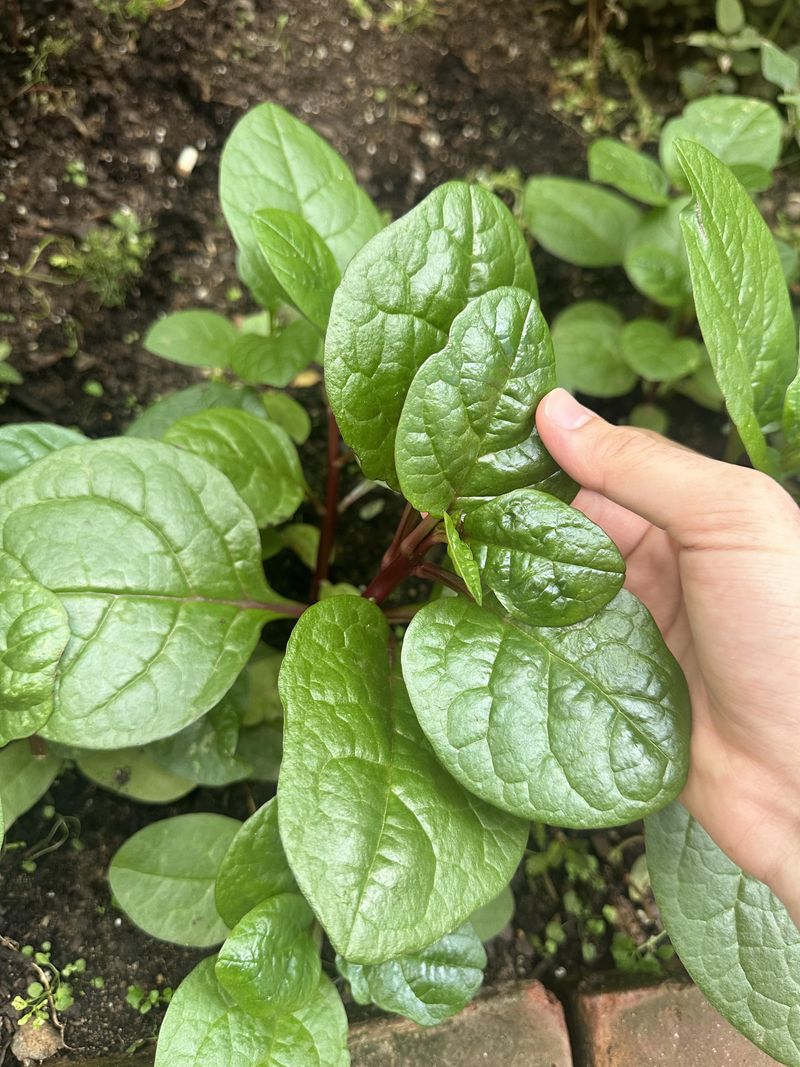
Most greens slow down when Florida summer arrives. Malabar spinach speeds up.
This tropical vine treats heat and humidity as a growth signal rather than a stress condition, which makes it one of the most reliably productive leafy greens available for the Florida summer garden.
Malabar spinach is not a true spinach, but the thick, glossy leaves deliver a mild flavor that works well in stir-fries, soups, and smoothies.
The texture is slightly mucilaginous when cooked, similar to okra, which makes it a natural fit for warm dishes where that quality adds body and richness.
Vertical space is the main requirement. A simple trellis, fence, or cattle panel gives vines something to climb, and Malabar spinach will use every inch of it.
Plants can reach six feet or more in a single season. Full sun, rich moist soil, and consistent watering are the other pieces.
Harvesting starts just a few weeks after planting. Young leaves and stem tips come off first, and regular picking is what keeps production going strong.
The more frequently leaves are removed, the more aggressively the plant pushes out fresh growth from below.
Red-stemmed varieties add a visual bonus to the garden alongside the same productive performance as the green-stemmed types. Both taste the same and behave the same way.
One plant can feed a family of four through an entire Florida summer. The vine does not know it is supposed to slow down in July, and that is exactly the point.
2. Plant New Zealand Spinach For Heat
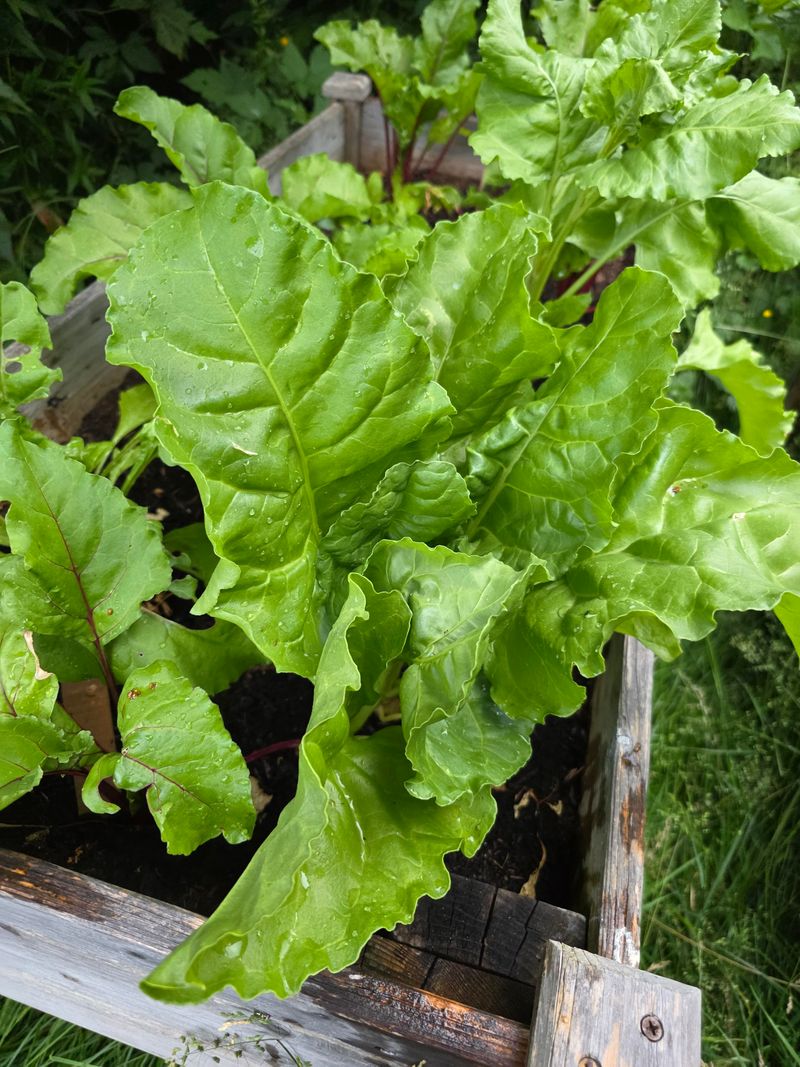
The name is misleading, but the performance is not. New Zealand spinach has no botanical connection to common spinach, but it delivers a similar mild, slightly earthy flavor and holds up beautifully in cooked dishes.
More importantly, it does something common spinach cannot do at all: thrive through a Florida summer without bolting or turning bitter.
This low-growing, mat-forming green spreads outward rather than growing tall, filling garden bed space efficiently as the season progresses.
Your Florida Garden Changes Every Week. Your Plan Should Too.
Gardening in Florida changes quickly throughout the season. Every Friday you’ll receive a simple weekly plan showing exactly what to plant, prune, fertilize, harvest, and protect so you never miss the right timing.
The leaves are firmer and more succulent than common spinach, which gives them excellent texture in sautes, pasta dishes, and egg scrambles.
Full sun and well-drained soil are the basic requirements. New Zealand spinach develops reasonable drought tolerance once established, though consistent watering through dry stretches keeps production steady.
Spacing at about eighteen inches per plant gives the spreading habit room to develop without crowding.
Seeds can be slow to germinate. Soaking them overnight before planting gives germination a significant head start and reduces frustration considerably.
Harvesting the young growing tips every week keeps the plant bushy and prevents leggy, unproductive stems from taking over. Each snip encourages two or three new shoots to emerge from the cut point.
New Zealand spinach quietly earns its garden space every hot month without drama, complaint, or any visible awareness that conditions are supposed to be difficult.
3. Pick Amaranth Leaves Through Hot Weather
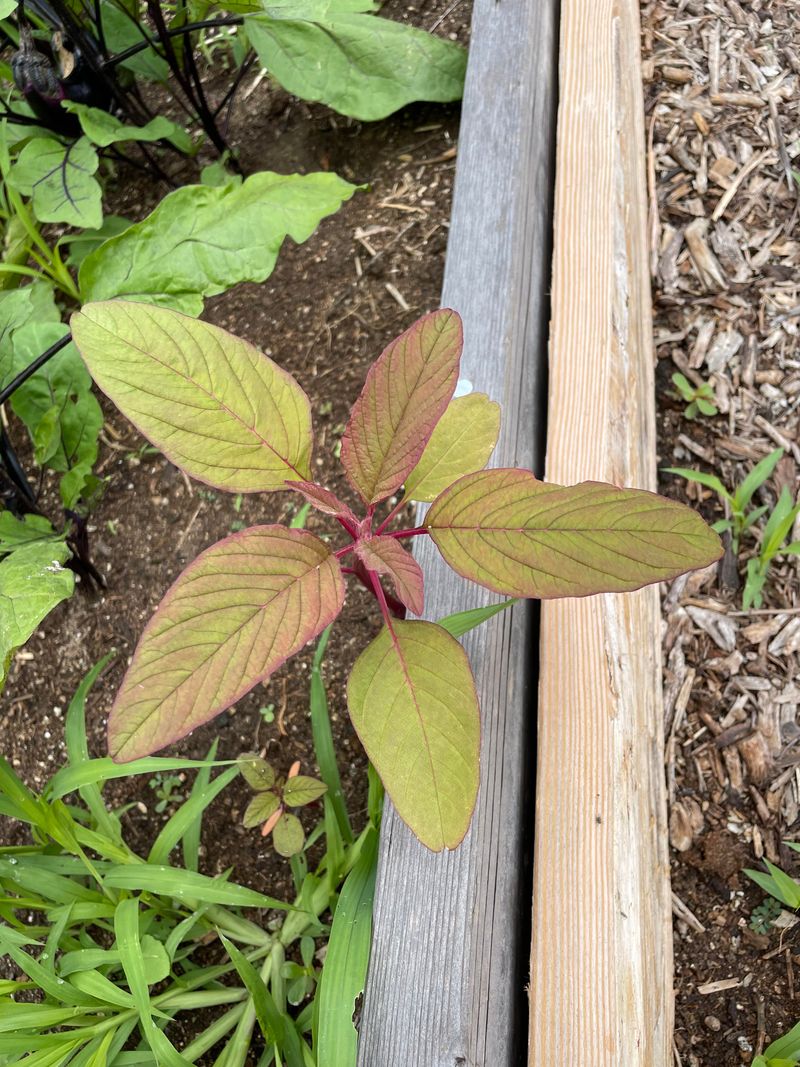
Amaranth is grown worldwide as both a grain crop and a leafy vegetable, and the leaves are genuinely impressive on a nutritional level.
Iron, calcium, vitamins A and C, all present in meaningful quantities. Communities across Africa, Asia, and the Caribbean have relied on amaranth greens as an everyday food source for centuries.
Florida gardeners are catching on to how well it performs in summer heat, and the performance is straightforward. The hotter and brighter the conditions, the faster amaranth grows.
Plants can shoot up quickly under ideal Florida summer conditions, so starting the harvest early is the smart move.
Picking outer leaves regularly keeps the plant at a manageable size and encourages fresh, tender growth from the base and side shoots continuously through the season.
Young leaves are the most tender and the most versatile. Small, they go into salads raw. Larger, they saute beautifully with garlic and olive oil.
The flavor sits somewhere between spinach and a heartier leafy green, mild enough for everyday cooking but with enough character to stand on its own.
Full sun, fertile well-drained soil, and a light application of balanced fertilizer at planting are the basics. Amaranth handles Florida’s summer rains without complaint.
Harvesting outer leaves repeatedly rather than cutting the whole plant extends the productive window across many weeks. One planting feeds the table for a long stretch of summer without asking for much in return.
4. Use Swiss Chard For Steady Harvests
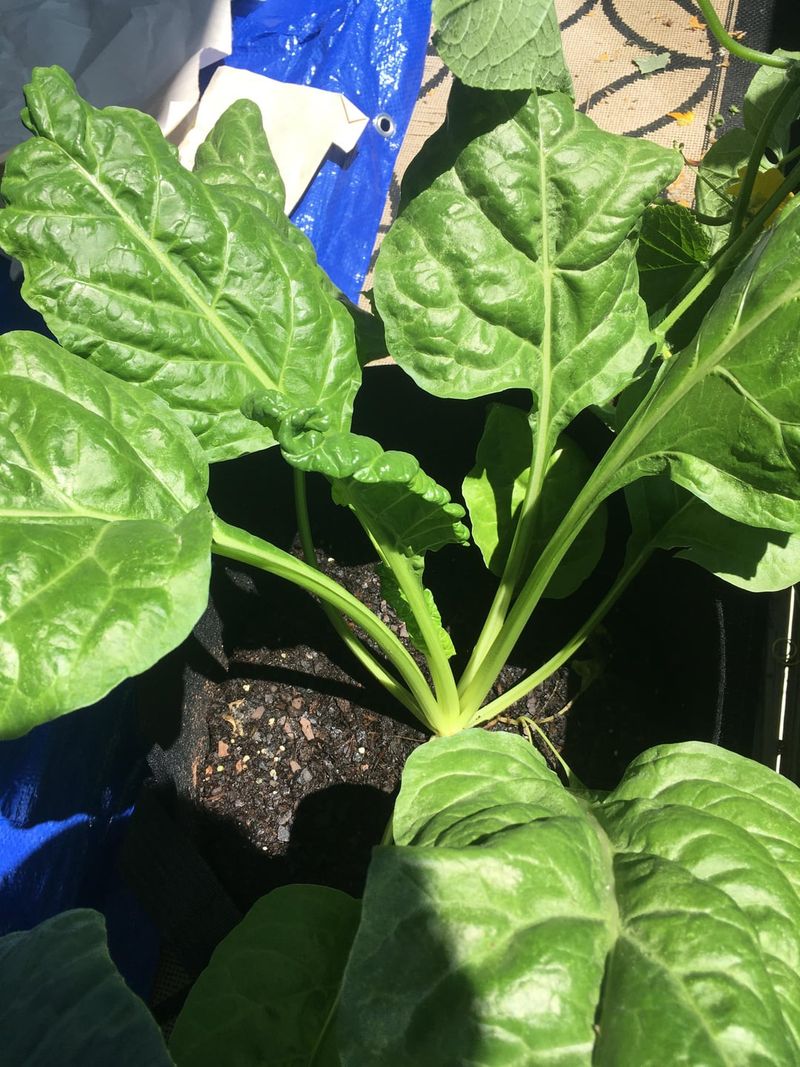
Red, yellow, orange, and white stems moving in a summer breeze is a genuinely cheerful sight in an August Florida garden.
Swiss chard is one of the most visually striking vegetables available, and it keeps producing leaves steadily through warm weather when managed with a little intention.
It is not the most heat-tolerant green on this list, but it handles Florida summers considerably better than lettuce.
The keys are consistent soil moisture and some afternoon protection during the most intense weeks. A shade cloth rated at thirty percent makes a real difference in leaf quality and how long individual plants stay productive.
Rich soil amended with compost gives chard the nutritional foundation it produces well from. Spacing plants about twelve inches apart maintains the airflow that reduces fungal pressure during humid stretches.
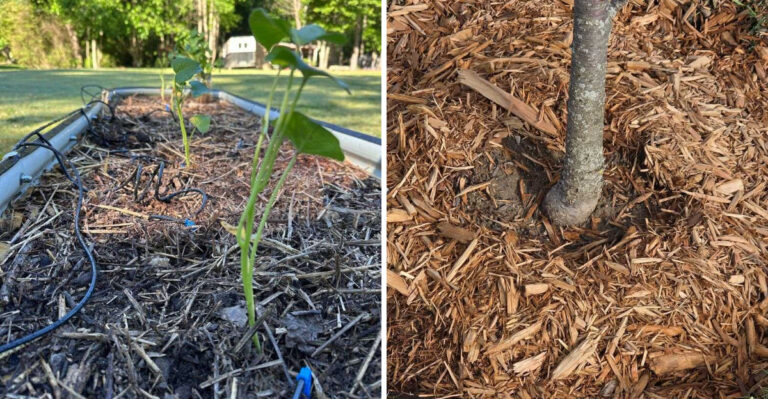
Mulching around the base stabilizes soil moisture and keeps roots cooler on scorching afternoons.
Outer-leaf harvesting is the method that extends production. Cut leaves at the base of the stem from the outside of the plant inward, leaving the center leaves and growing point completely intact.
Taking no more than a third of the plant at any session keeps the plant healthy and producing for weeks or months.
The leaves work in stir-fries, soups, egg dishes, and pasta with equal success. Chard is reliable, colorful, and worth every inch of garden real estate it occupies.
The stems alone make it worth growing. Everything else is a bonus.
5. Try Okinawa Spinach In Warm Beds
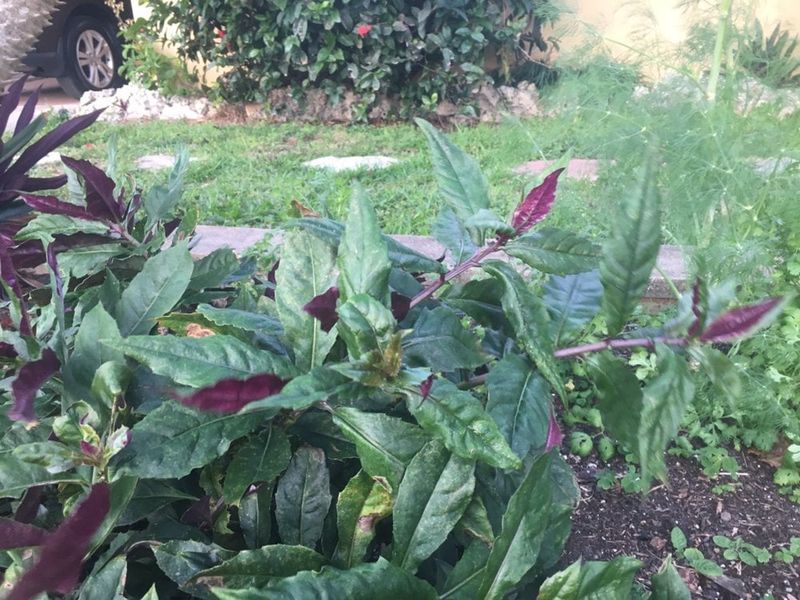
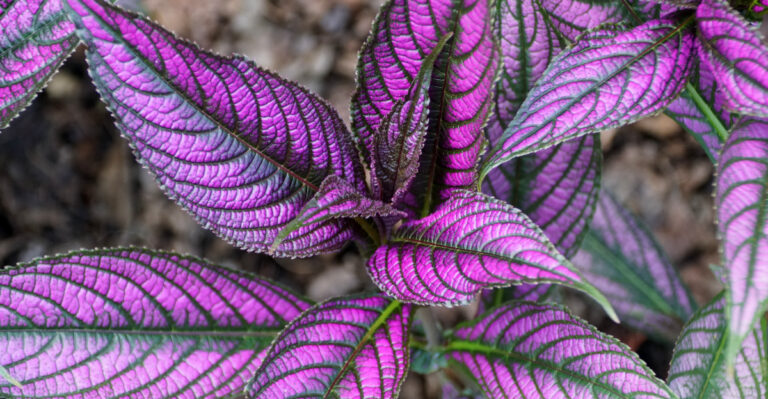
Flip an Okinawa spinach leaf over and the underside is a vivid, rich purple while the top surface stays deep green.
That two-toned contrast is striking enough that visitors to a Florida garden regularly stop to ask about it. The flavor is as appealing as the appearance.
Okinawa spinach is a perennial in Florida’s warm climate, which changes the economics of growing it significantly.
One planting establishes and keeps producing year after year without replanting. That kind of low-effort continuity is genuinely valuable in a summer garden that typically demands regular replanting to stay productive.
This green performs best with partial shade, particularly during the most intense summer afternoons. Too much direct sun fades the purple coloring and stresses the leaves.
Morning sun with afternoon shade keeps leaf quality high and growth rates steady throughout the season.
Consistent moisture without waterlogging is the soil management goal. Raised beds and containers with good drainage work especially well.
Regular top-dressing with compost every few weeks maintains the steady growth that makes Okinawa spinach worth the garden space it occupies.
Young leaves and stem tips have the mildest flavor and the most appealing texture. Older leaves develop a slightly stronger taste that some cooks prefer in cooked applications.
Both raw and lightly cooked preparations work well with this green.
A perennial vegetable that looks this interesting and produces this reliably through Florida summer is not a common find. Okinawa spinach is genuinely that.
6. Grow Longevity Spinach In Partial Shade
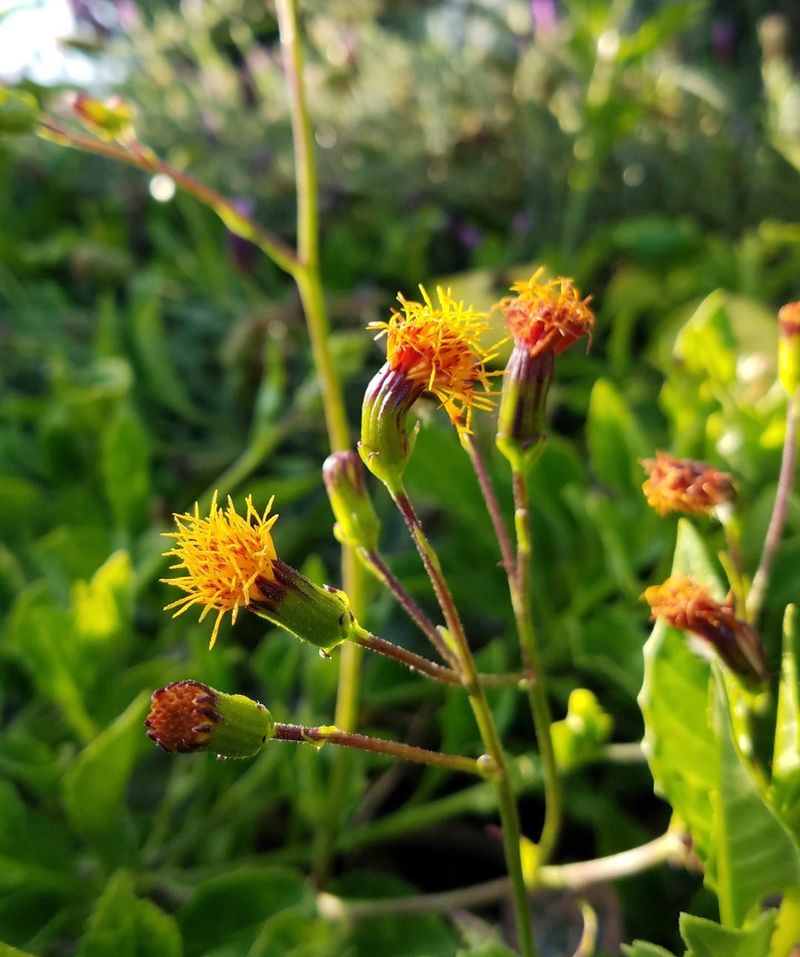
Traditional wellness practices across parts of Asia and Africa have incorporated this plant for generations, which says something about how long people have recognized its value.
Longevity spinach, known botanically as Gynura procumbens, is a low-growing, shade-tolerant green that produces soft, mild leaves through Florida’s hottest months without much fuss.
Unlike greens that bolt or turn bitter when temperatures climb, Longevity spinach stays calm and productive through summer conditions that eliminate most alternatives.
Partial shade is the preferred environment, which makes it a smart choice for spots under taller plants, along fence lines, or beneath a shade structure.
Propagation is unusually easy. A stem cutting with a few nodes stuck into moist soil roots within days. One plant becomes many within a single season.
That makes Longevity spinach one of the most cost-effective greens a Florida gardener can grow. Share cuttings freely because the plant replaces itself faster than most people can give it away.
Harvesting young stem tips and leaves every one to two weeks keeps production strong and encourages the plant to branch outward into a fuller, more productive ground cover over time.
Regular picking is the simple habit that separates a productive plant from a scraggly one.
The flavor is mild and slightly grassy, working well raw in salads or lightly wilted in warm dishes. Consistent moisture and a thin mulch layer protect the shallow roots through the hottest stretches.
A shade-tolerant summer green that propagates itself for free is a genuinely hard combination to beat.
7. Harvest Sweet Potato Leaves For Greens
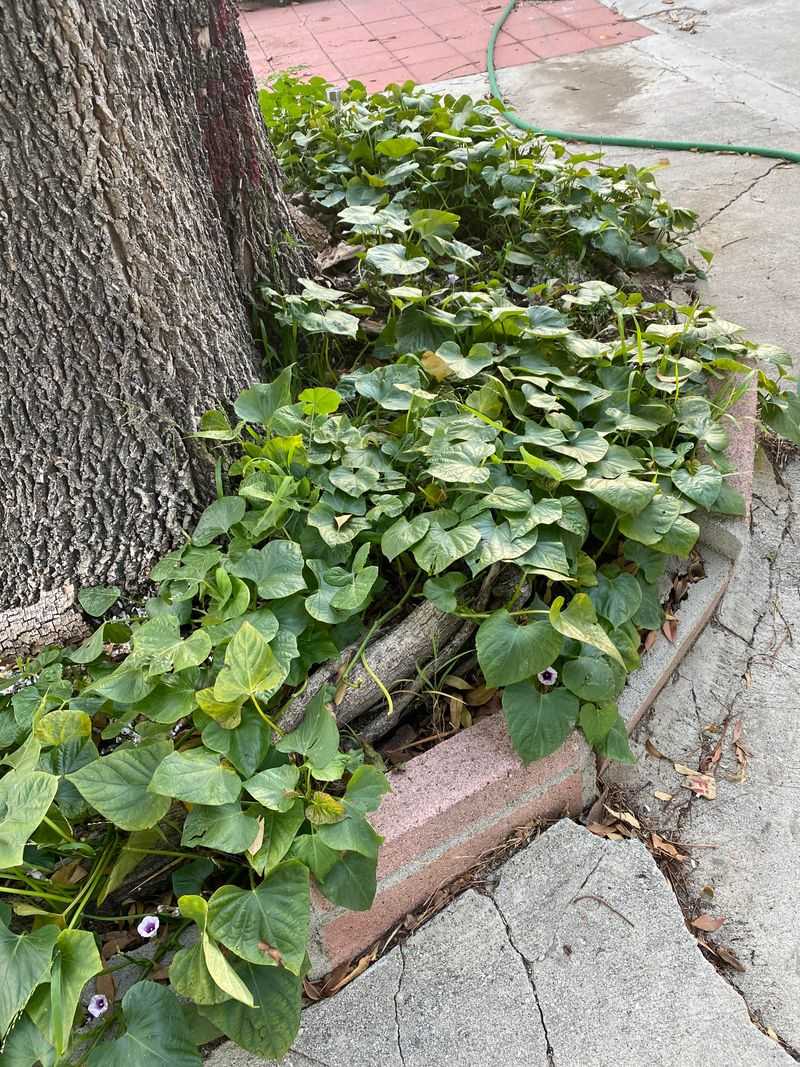
Sweet potatoes already have devoted fans for their roots. The leaves deserve their own audience, and across much of Africa, Asia, and the Caribbean, they have had one for centuries.
Florida gardeners growing sweet potatoes for the harvest can pull a steady supply of nutritious greens from the same plant all summer long without any additional planting.
The harvesting approach determines whether leaf picking helps or hurts the root crop. Snipping only the young stem tips, taking about four to six inches from the growing ends, gives the kitchen fresh greens while leaving the main vines intact.
Never stripping leaves from primary vines, and keeping total removal under about twenty percent of the foliage at any one time, lets the plant produce roots underground while simultaneously supplying the table with greens.
Sweet potato vines grow aggressively in Florida’s summer heat and full sun. They spread quickly and can cover a garden bed in weeks.
That vigorous growth works in the gardener’s favor during regular leaf harvesting because the plant rebounds fast after each picking session.
Young leaves and tips have a mild, slightly sweet flavor when cooked. Sauteed with garlic and oil, added to soups, or stirred into curries, they soften quickly and develop a tender texture similar to spinach.
Growing sweet potatoes for both roots and leaves makes them one of the highest-return crops a Florida gardener can plant during summer. Two harvests from one plant is an arrangement worth paying attention to.
8. Give Collards Room For Summer Strength
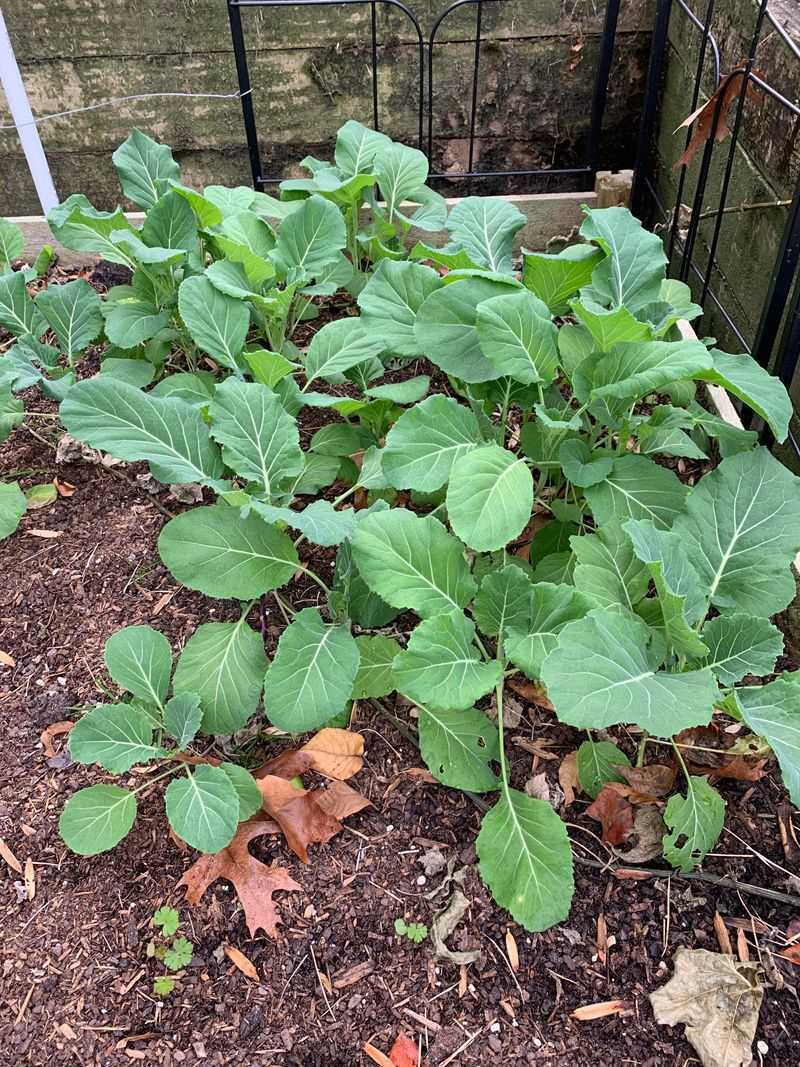
Collard greens have been a staple of Southern cooking for centuries for a practical reason.
These broad-leafed plants handle heat, humidity, and Florida’s unpredictable summer weather better than many gardeners expect, and they do it year after year without reinventing themselves as something new.
Spacing is the variable that separates productive collard plants from struggling ones in Florida summer. Crowded plants invite fungal problems, weak growth, and harvests that disappoint from the start.
Each plant needs at least eighteen to twenty-four inches of space in every direction. That generous spacing creates the airflow that matters enormously when moisture clings to everything and fungal diseases spread quickly through humid conditions.
Deep, consistent watering without overhead spray is the other key practice. Keeping leaves dry reduces leaf spot and other fungal problems that flare up reliably in summer humidity.
Drip irrigation or soaker hoses deliver moisture directly to the root zone without wetting foliage throughout the watering session.
Outer-leaf harvesting extends the productive window significantly.
Working from the bottom of the plant upward, cutting outer leaves while leaving the central growing bud and younger inner leaves intact, keeps the plant pushing out fresh growth continuously.
The harvest window stretches across weeks using this approach rather than days.
A light mulch layer around the base retains soil moisture and keeps roots from overheating on blazing afternoons.
Collards in Florida summer with proper spacing look nothing like the crowded, struggling versions most people have seen. Given room to breathe, they become something else entirely.