These 8 Plants Keep Fireflies Coming Back To Indiana Yards
There is something about a warm Indiana evening that slows everything down. The air gets thick, the yard goes quiet, and then the whole backyard comes alive with tiny floating lights.
If that has not been happening in your yard lately, the plants you are growing might be why. Fireflies are not random. They show up where the habitat is right, and they skip the yards where it is not.
The good news is that fixing it does not take much. A handful of native plants, planted in the right spots, can completely change what your summer evenings look like.
These are not rare or hard-to-find species. Most of them grow naturally across Indiana, and some you may already have.
What matters is knowing which ones fireflies actually rely on, and why they make such a difference.
1. Goldenrod

Walk past a patch of goldenrod on a late August evening and you might just spot the first blink of the season. This cheerful native wildflower has a reputation for being weedy, but that reputation is completely undeserved.
Goldenrod supports an enormous number of insects throughout the growing season. Those insects become food for firefly larvae hunting through moist soil and leaf litter nearby.
The plant blooms from late summer into fall, which gives fireflies extra time to find food and lay eggs before cold weather settles in. Goldenrod also attracts beetles, flies, and tiny wasps that round out a healthy backyard food web.
Planting goldenrod along a fence line or garden edge is a smart move. It spreads slowly over time, filling in gaps and creating a dense habitat layer that firefly larvae love to explore.
One thing homeowners appreciate is how low-maintenance goldenrod really is. It tolerates poor soil, handles drought surprisingly well, and rarely needs watering once established in Midwestern ground.
If you are worried about it taking over, just plant it in a contained bed or mow around the edges each spring. That small amount of effort keeps it tidy without losing any of its wildlife benefits.
Goldenrod pairs beautifully with wild asters and little bluestem grass, creating a layered planting that looks intentional and natural at the same time. Yards with goldenrod tend to feel alive in a way that closely mowed lawns rarely do.
2. Wild Asters
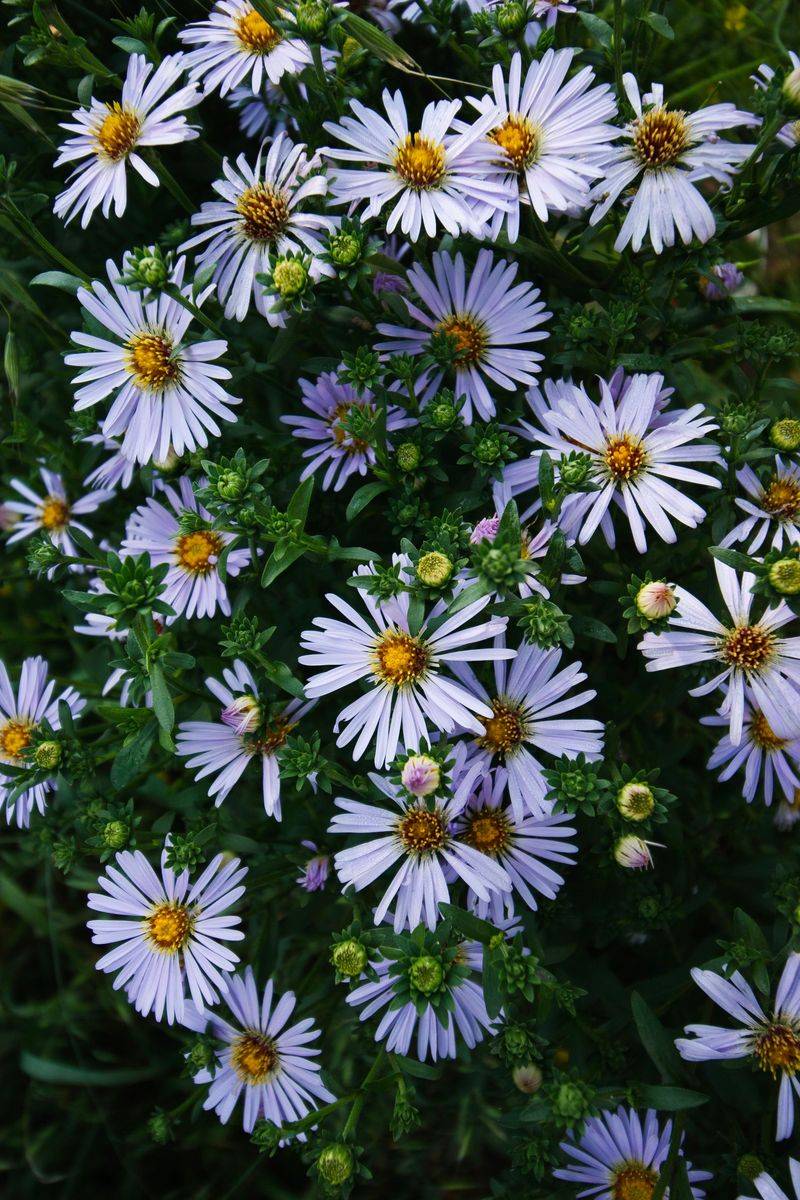
Tiny purple blooms scattered across a fall garden have a way of stopping you mid-step. Wild asters do that every single time, especially when the light hits them just right in the late afternoon.
These native perennials are powerhouse plants for firefly habitat. They bloom late in the season, keeping insect activity buzzing long after most garden flowers have faded.
Firefly larvae spend most of their lives underground, feeding on soft-bodied insects and snails. Wild asters attract the kinds of small insects that end up becoming part of that underground food chain.
The dense, leafy base of a wild aster plant also provides excellent ground cover. Moist soil beneath that canopy is exactly where firefly eggs are laid and where larvae overwinter.
Your Indiana Garden Changes Every Week. Your Plan Should Too.
Gardening in Indiana changes quickly throughout the season. Every Friday you’ll receive a simple weekly plan showing exactly what to plant, prune, fertilize, harvest, and protect so you never miss the right timing.
There are several native aster species that thrive across the Midwest, including New England aster and smooth aster. Both grow well in average garden soil with minimal care and reward you with weeks of color.
Planting asters near a rain garden or low spot in the yard gives them the consistent moisture they prefer. That same moisture is a magnet for fireflies looking for prime egg-laying territory.
Wild asters also attract native bees, monarch butterflies, and beneficial wasps. Adding them to your yard creates a whole ecosystem, not just a single pretty plant.
Once you see the activity they generate, most gardeners find it hard to imagine their yard without them. Fireflies responding to plants that keep fireflies coming back to Indiana yards begins with choices like this one.
3. Little Bluestem
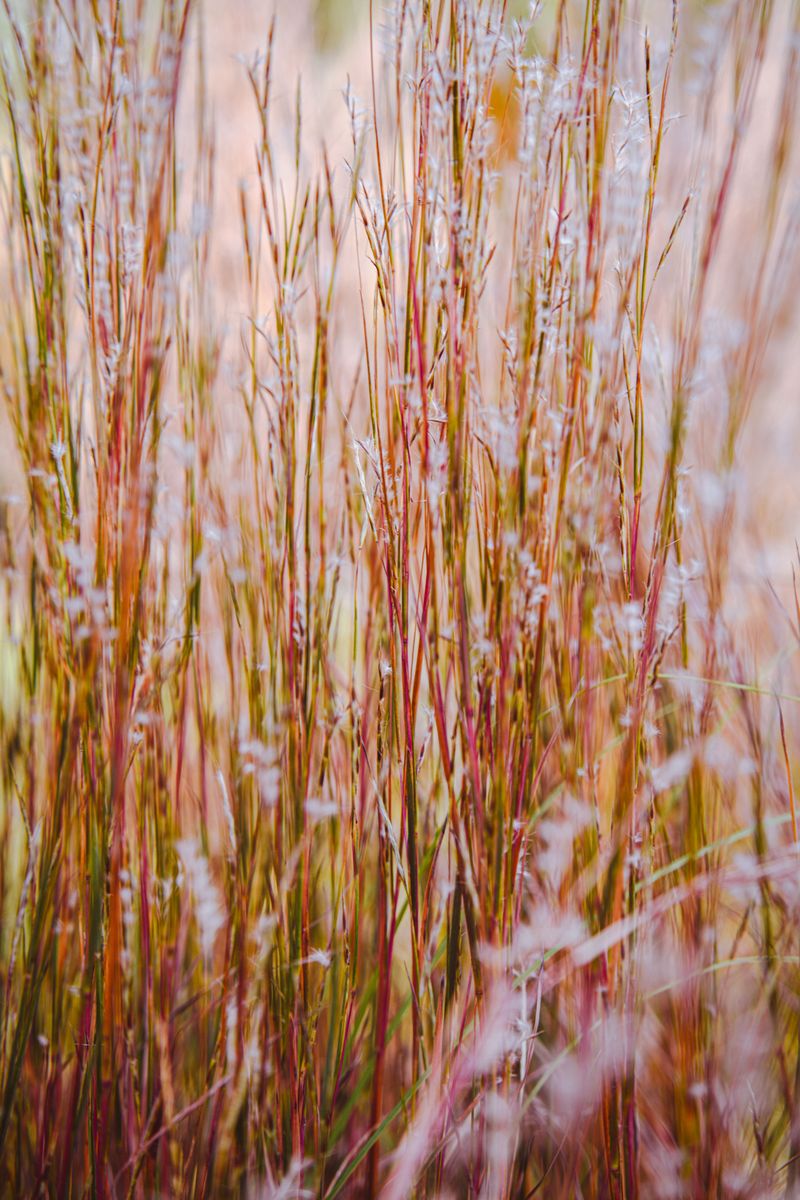
Few plants transform a yard the way little bluestem does in autumn. Green all summer, it shifts to shades of copper, rust, and burgundy as temperatures drop, looking almost like it is glowing from the inside.
This native grass is a cornerstone plant for firefly-friendly landscaping. Its dense clumps create protected zones at ground level where moisture collects and larvae can safely develop.
Little bluestem grows in tight bunches rather than spreading aggressively. That clumping habit makes it easy to place in borders, along walkways, or mixed into pollinator garden beds without worrying about it taking over.
The base of each clump stays moist and shaded even during dry summer stretches. Firefly larvae need exactly that kind of cool, damp microhabitat to thrive between feeding and molting cycles.
Birds love little bluestem too, especially in winter when the seed heads hang on long after the first frost. Sparrows and juncos pick through the stalks, adding life to the yard during the quietest months of the year.
Planting little bluestem in full sun gives it the best color and the strongest root system. Once established, it handles heat and dry spells with ease, asking very little from the gardener in return.
Pair it with goldenrod and black-eyed Susan for a classic Midwestern meadow look that doubles as a firefly magnet. Native grasses also help the soil hold moisture, which keeps the whole planting firefly-friendly season after season.
4. Black-Eyed Susan
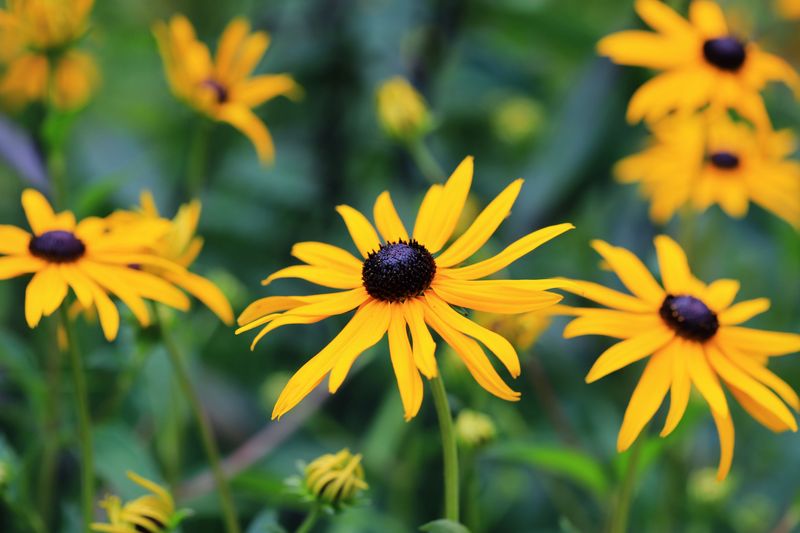
If there is one flower that feels like pure Indiana summer, it is the black-eyed Susan. Those bold yellow petals with dark centers have been brightening roadsides and gardens across the Midwest for generations.
Beyond their good looks, black-eyed Susans are serious workhorses for firefly habitat. They attract beetles, native bees, and small flies that become critical food sources for firefly larvae in surrounding soil.
The plants bloom from June through September, bridging the gap between early summer wildflowers and fall bloomers like asters. That long season keeps insect traffic high in your yard during the exact months when fireflies are most active above ground.
Black-eyed Susans reseed themselves generously when happy. Over a few seasons, a small planting can expand into a cheerful drift that looks both wild and intentional at the same time.
They grow well in average soil and tolerate dry conditions once established. Planting them in a spot that gets at least six hours of sun per day gives you the densest blooms and the most insect activity.
Letting the seed heads stand through winter is a smart move for wildlife. Goldfinches feast on the seeds, and the dried stalks provide shelter for small insects that will emerge again in spring.
Combine black-eyed Susans with native grasses and milkweed for a planting that supports the plants that keep fireflies coming back to Indiana yards. Simple, sturdy, and genuinely beautiful, this flower earns its spot in any yard aiming to glow at dusk.
5. Buttonbush
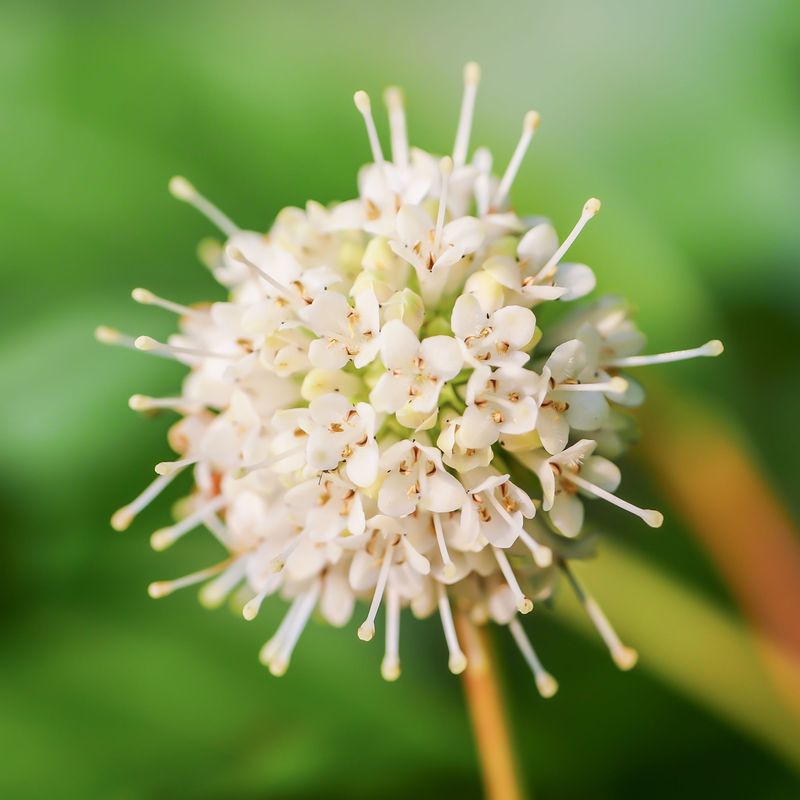
Image Credit: © Jessica Lewis 🦋 thepaintedsquare / Pexels
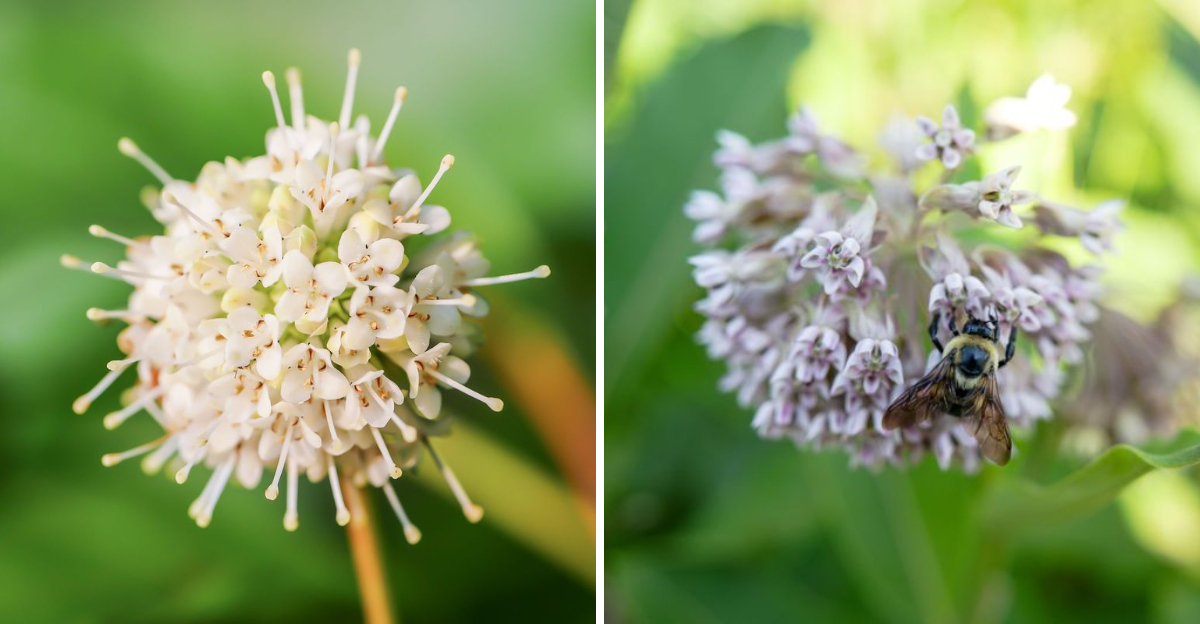
Buttonbush is one of the more unusual-looking native shrubs you can plant, with round white flowers that tend to stop people mid-step. Planted near water, it becomes one of the more productive firefly plants available to Indiana gardeners.
This native shrub thrives in wet or seasonally flooded areas. That preference for soggy ground makes it ideal for rain gardens, pond edges, and low spots that collect water after storms.
Fireflies strongly prefer moist environments for egg-laying and larval development. Buttonbush planted near water creates a humid microhabitat that makes the surrounding area significantly more attractive to fireflies.
The flowers attract an impressive variety of insects from late June through August. Bees, wasps, beetles, and butterflies all visit regularly, building the insect diversity that firefly larvae depend on for food.
Buttonbush grows into a medium-sized shrub, typically reaching six to twelve feet tall in good conditions. It can be kept smaller with light pruning in late winter, making it manageable even in modest backyards.
The shrub also provides cover for nesting birds and amphibians, adding another layer of life to the garden. Frogs and toads that shelter beneath buttonbush also eat insects, which keeps the whole ecosystem cycling naturally.
Homeowners with a wet corner they have struggled to plant should strongly consider buttonbush. It solves a drainage problem and creates a firefly hotspot at the same time, which feels like a genuine win for anyone who loves a glowing summer evening.
6. Pennsylvania Sedge
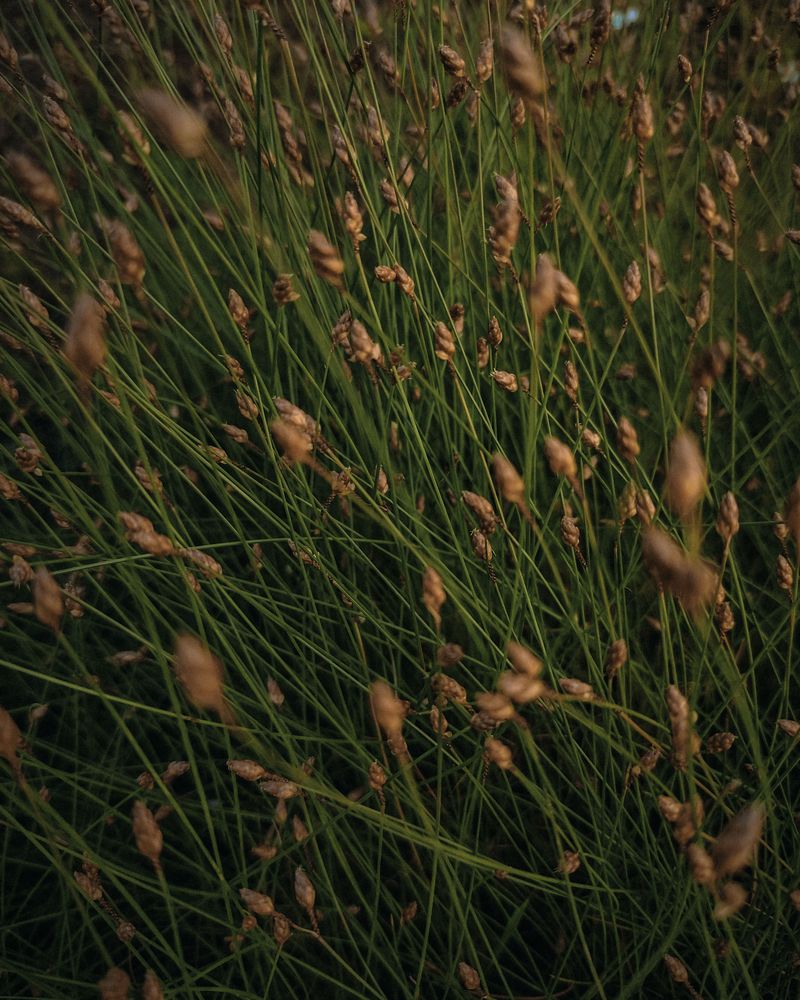
Most groundcovers are purely decorative. Pennsylvania sedge is something different entirely, acting as living mulch that actively supports firefly habitat right beneath your feet.
This fine-textured native sedge forms a low, soft carpet under trees and in shaded areas where lawn grass struggles. It stays green through drought, tolerates deep shade, and needs almost no mowing once established.
The real value for fireflies lies in what happens at soil level. Pennsylvania sedge keeps the ground beneath it cool and consistently moist, creating ideal conditions for firefly larvae to burrow, feed, and develop through multiple seasons.
Firefly larvae spend up to two years underground before emerging as adults. During that long developmental period, they need stable soil moisture and a reliable food supply, both of which Pennsylvania sedge helps provide.
Planting it under oaks, maples, or any large shade tree creates a layered habitat that mimics the woodland edges where fireflies naturally thrive. That layering effect is something a simple lawn simply cannot replicate.
Pennsylvania sedge also suppresses weeds without the need for herbicides. A thick planting fills in over two to three seasons, shading out most weed competition and reducing garden maintenance significantly.
It pairs naturally with wild ginger and Solomon’s seal, adding texture to shaded beds. Gardeners who swap bare mulch for Pennsylvania sedge may begin to notice more firefly activity as early as the first full season.
7. Common Milkweed
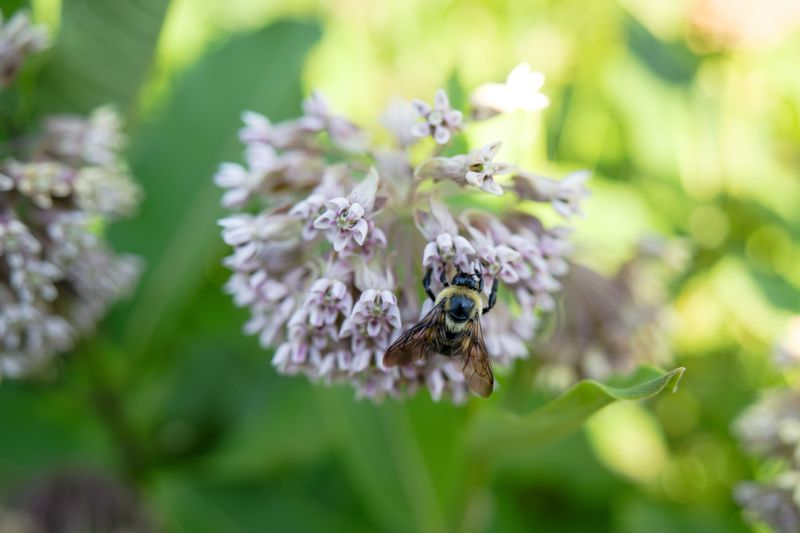
Image Credit: © James Mirakian / Pexels
Common milkweed has been getting well-deserved attention for its role in supporting monarch butterflies. What fewer gardeners realize is that it also plays a meaningful part in creating firefly-friendly yards.
The large, fragrant flower clusters bloom from June through August, attracting dozens of insect species. That insect traffic builds the kind of food web that supports firefly larvae hunting through nearby soil.
Milkweed grows in full sun and tolerates poor, dry soils with ease. It spreads by underground rhizomes over time, filling in open areas and creating dense patches that hold soil moisture better than bare ground.
The broad leaves provide shade at ground level, keeping soil temperatures lower during hot Indiana summers. Cooler, moister soil beneath milkweed patches is significantly more attractive to egg-laying fireflies than dry, compacted turf.
Milkweed supports a wide range of beetle species, adding to the insect diversity that firefly larvae depend on. Planting it near goldenrod or black-eyed Susan keeps insect activity high from early summer through fall.
One thing to know before planting is that milkweed spreads enthusiastically. Planting it in a dedicated meadow area or using a root barrier helps keep it from moving into places you would prefer it not to go.
Letting milkweed go to seed adds beautiful texture to the late-season garden. Few plants deliver this much ecological value with this little effort.
8. Native Oak Trees
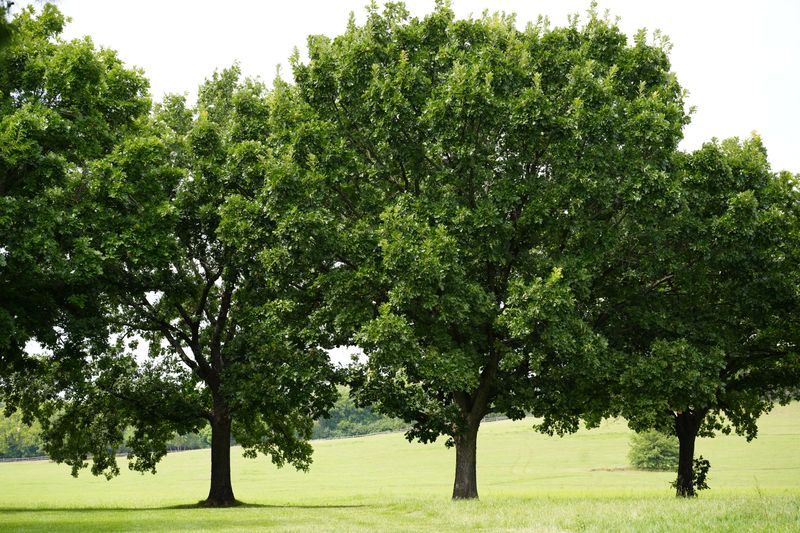
Every firefly yard needs an anchor, and nothing anchors a landscape quite like a native oak. These trees are the foundation species of Midwestern ecosystems, supporting more wildlife than almost any other plant in the region.
Oak trees host hundreds of caterpillar and moth species throughout the growing season. Those caterpillars fall to the ground, become part of the leaf litter, and enter the soil food web that firefly larvae depend on for survival.
The thick layer of leaves an oak drops each autumn is genuinely valuable. That leaf litter insulates the soil, retains moisture, and creates a rich, spongy layer where firefly larvae can overwinter safely and feed through spring.
Resisting the urge to rake and bag those leaves is one of the most effective things you can do for fireflies. Leave them in place under the tree canopy, and you are essentially building a firefly nursery for free.
Bur oak, white oak, and red oak all grow well across Indiana and provide similar ecological benefits. Any of these planted today can support firefly populations for decades.
Oaks also create the shaded, humid microclimate that fireflies prefer for their nightly flights. Warm air rising under a tree canopy on a still evening is exactly the kind of condition that triggers adult fireflies to emerge and flash.
If you are serious about the plants that keep fireflies coming back to Indiana yards, start with an oak. Many of the other plants on this list establish more easily when planted nearby, benefiting from the shade and soil conditions oaks create.