Why Indiana Gardeners Shouldn’t Toss Tomatoes With This Dark Bottom Spot
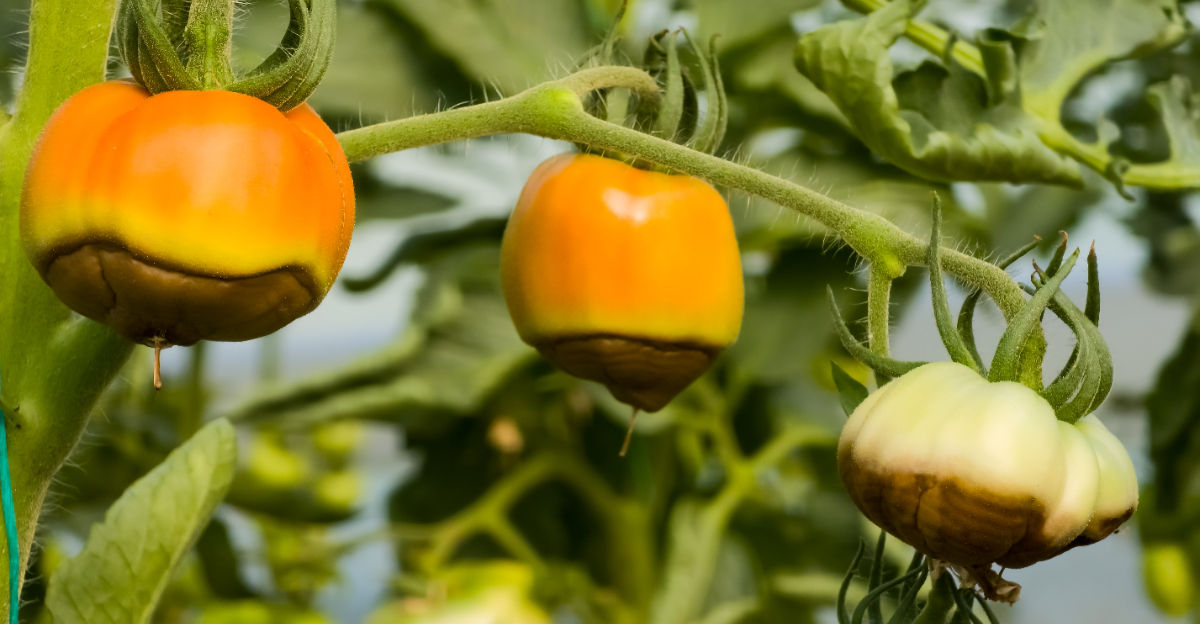
Your tomato plant finally delivered, plump red fruit ready for picking. Then you flip it over and spot a leathery brown patch spreading across the bottom like a bruise that won’t heal.
That ugly blemish isn’t a disease, and it isn’t game over for your plants either. It’s your garden sending a signal, and once you learn to read it, the fix is surprisingly simple.
Skip the compost bin for now. A few small adjustments to your watering routine and soil could turn this season’s tomatoes from disappointing to abundant.
What Blossom End Rot Actually Is
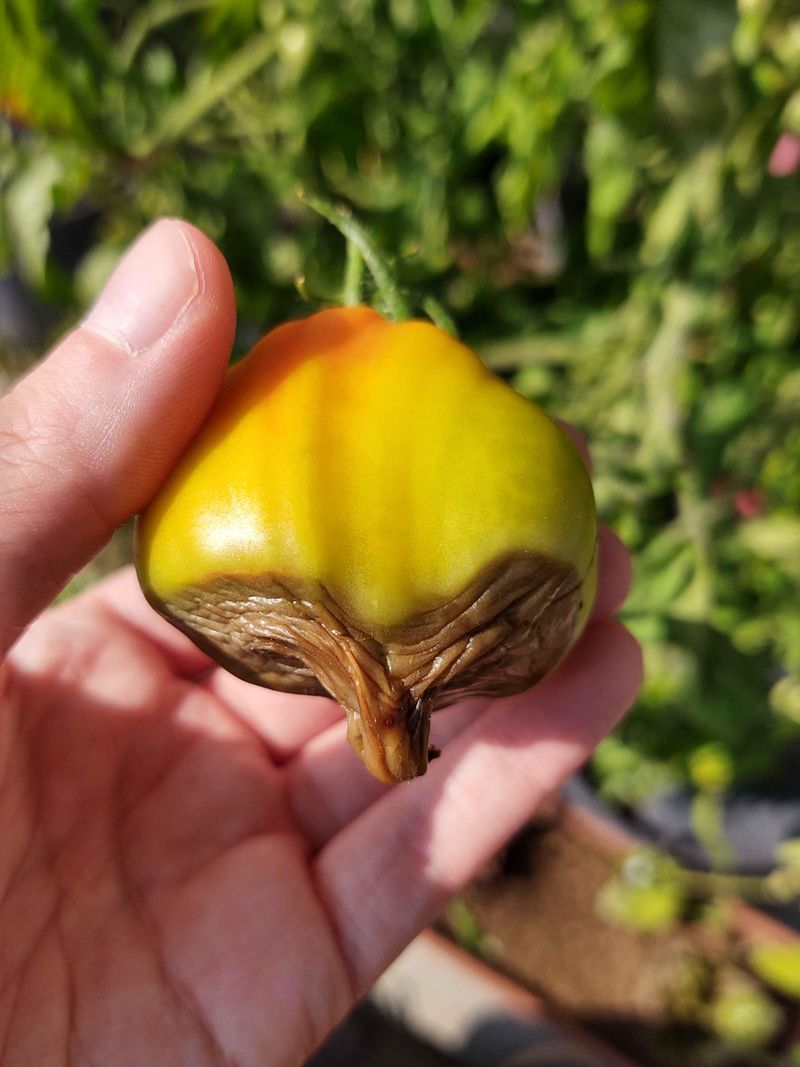
That dark patch on the bottom of your tomato is not a disease, and it is not caused by bugs. It is called blossom end rot, and it happens when the tomato cannot get enough calcium to its growing tip.
Calcium is the building block that keeps tomato cells firm and healthy. When the fruit grows faster than calcium can travel through the plant, the cells at the blossom end break down.
The result is that sunken, leathery, dark spot that makes gardeners want to throw the whole tomato away. The spot starts small and can grow to cover half the fruit if conditions stay the same.
Blossom end rot shows up most often during the first flush of tomatoes in early summer. Indiana gardeners see it a lot because the weather here swings fast between hot dry spells and heavy rain.
Blossom end rot is also not contagious. Your other tomatoes will not catch it from the affected ones sitting nearby on the vine.
It is also not a sign that your soil has failed you. Most Indiana garden soil has plenty of calcium in it already.
Think of it like having a full water tower but a cracked pipe. The resource exists but it never reaches where it needs to go. Understanding this distinction is the first step toward fixing the problem for good.
Uneven Watering Is The Real Culprit
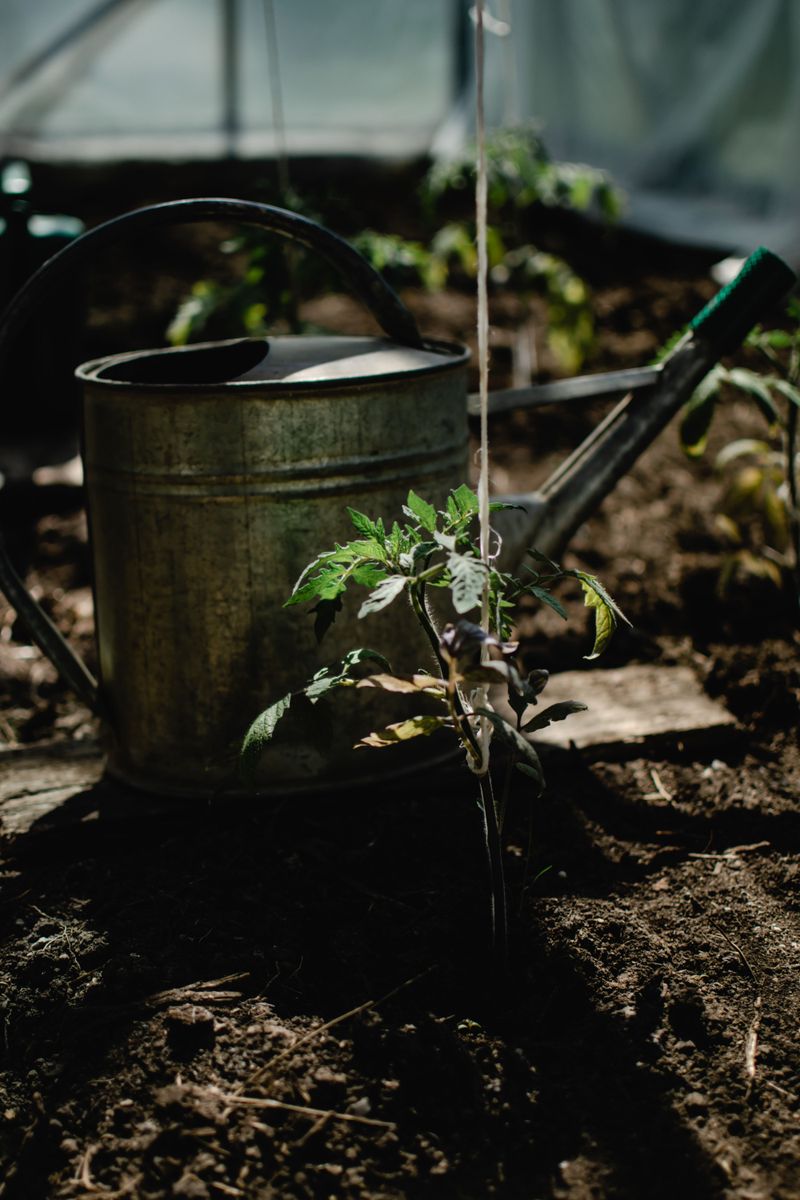
Here is the twist most gardeners miss: your soil probably has enough calcium already. The problem is that your tomatoes cannot absorb it without steady moisture.
Calcium moves through the plant dissolved in water. When the soil goes dry, the flow of water stops, and calcium stops moving too.
Then a big rain hits, and the plant rushes to grow again. That sudden growth surge happens faster than calcium can catch up, and the blossom end pays the price.
Indiana summers are famous for this exact pattern. A week of dry heat followed by a soaking thunderstorm is practically a recipe for blossom end rot.
Watering lightly but frequently makes the problem worse. When you water a little each day, the roots stay shallow and the plant stays stressed between sessions.
Roots need to go deep to find consistent moisture during dry stretches. Shallow watering trains them to stay near the surface, where they suffer the most when the top inch of soil dries out fast.
Your Indiana Garden Changes Every Week. Your Plan Should Too.
Gardening in Indiana changes quickly throughout the season. Every Friday you’ll receive a simple weekly plan showing exactly what to plant, prune, fertilize, harvest, and protect so you never miss the right timing.
The fix is not complicated, but it does require consistency. Aim for about one to two inches of water per week, delivered in two or three steady sessions rather than a daily sprinkle.
Drip irrigation or a soaker hose works beautifully for this purpose. Even moisture reaching the roots on a regular schedule gives calcium the steady highway it needs to reach the fruit.
Whether You Can Still Eat The Affected Tomato
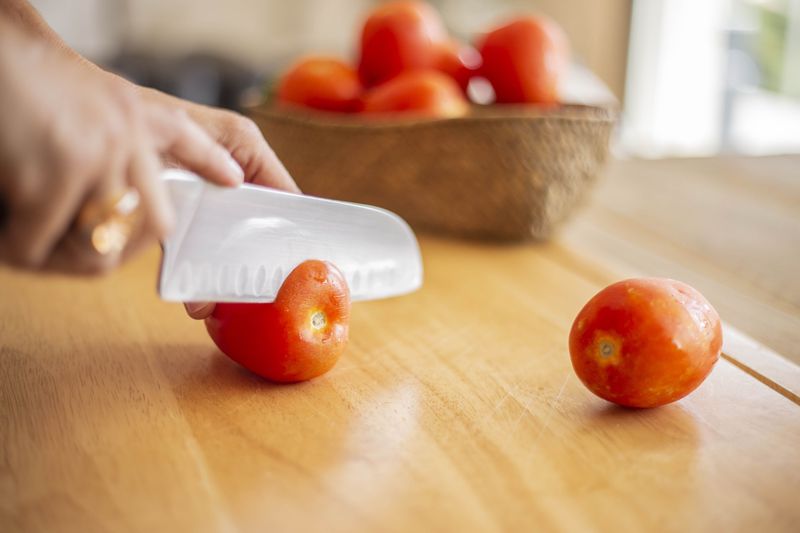
Here’s something worth knowing before you toss it. A tomato with blossom end rot is still safe to eat, and most of the fruit is perfectly fine.
The dark spot is damaged tissue, not mold or poison. It is simply cells that broke down because calcium never arrived to keep them together.
All you need to do is cut the dark section away with a sharp knife. Leave about half an inch of healthy flesh as a buffer, and the rest of the tomato is ready to use.
The flavor of the unaffected portion tastes just like any other tomato. Many gardeners who try this for the first time are surprised at how much good tomato is left after trimming.
Smaller spots are even easier to manage. When the rot covers only a dime-sized area, you lose almost nothing after a quick trim.
Larger spots that cover the bottom third of the fruit are trickier. You may end up with less tomato than you hoped, but the top section is still worth saving for sauces, salsas, or sandwiches.
Do not let the appearance fool you into wasting food. Tossing an entire tomato because of a small dark patch is like throwing away a loaf of bread because one slice got crusty.
Use the trimmed tomatoes right away rather than storing them. Once you cut into the fruit, it should be eaten or cooked within a day or two for the best flavor and texture.
Fixing The Watering Pattern For Future Fruit
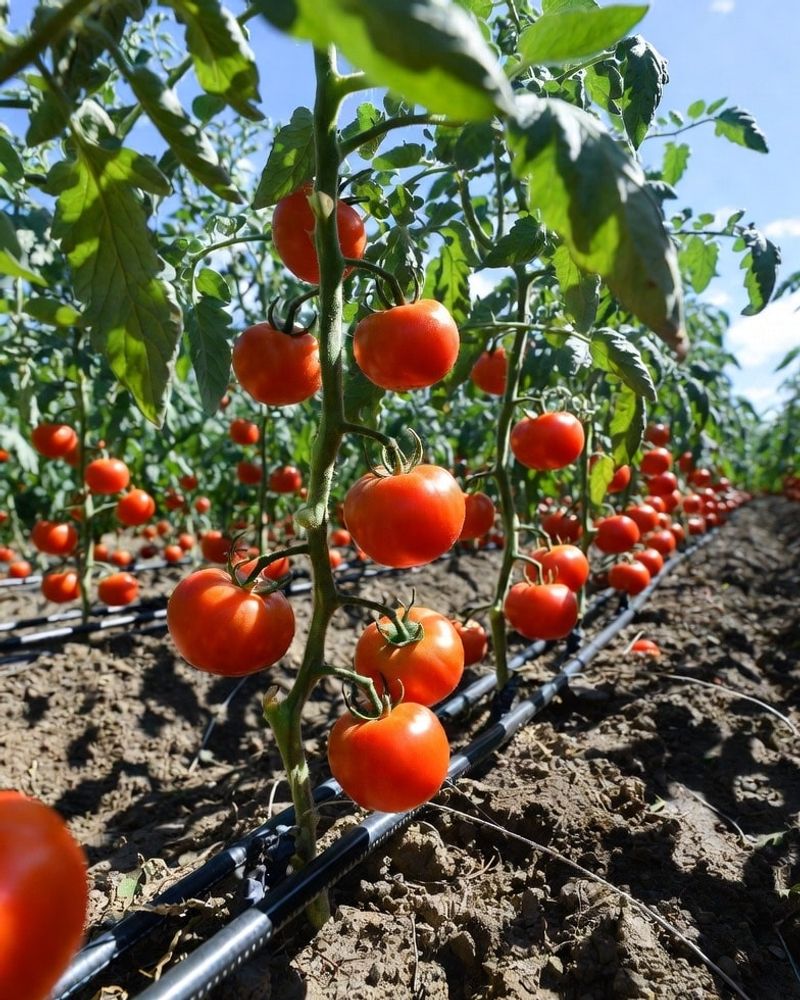
Changing how you water is one of the most powerful moves you can make. A reliable schedule beats random watering when it comes to preventing blossom end rot.
Start by checking your soil before you water. Stick your finger about two inches into the ground near the base of the plant. If it feels dry at that depth, it is time to water.
When you do water, go slow and go deep. A long, slow soak lets moisture sink down to where the deeper roots are reaching.
Soaker hoses are one of the easiest upgrades you can make in your tomato patch. They deliver water right at soil level, reducing evaporation and keeping moisture consistent around each plant.
Drip systems on a timer take most of the guesswork out. Set it and forget it, and your tomatoes get the same steady supply of moisture no matter how busy your week gets.
Avoid watering the leaves and stems. Wet foliage invites other problems, and the water never reaches the roots where it actually matters.
Morning watering is better than evening watering. Plants absorb moisture through the day, and any excess on the surface has time to evaporate before cooler nighttime temperatures arrive.
Track your rainfall with a simple rain gauge. If Indiana gives you an inch of rain in a week, you can skip your next watering session without guilt.
Mulch And Soil Steps That Help Prevent It
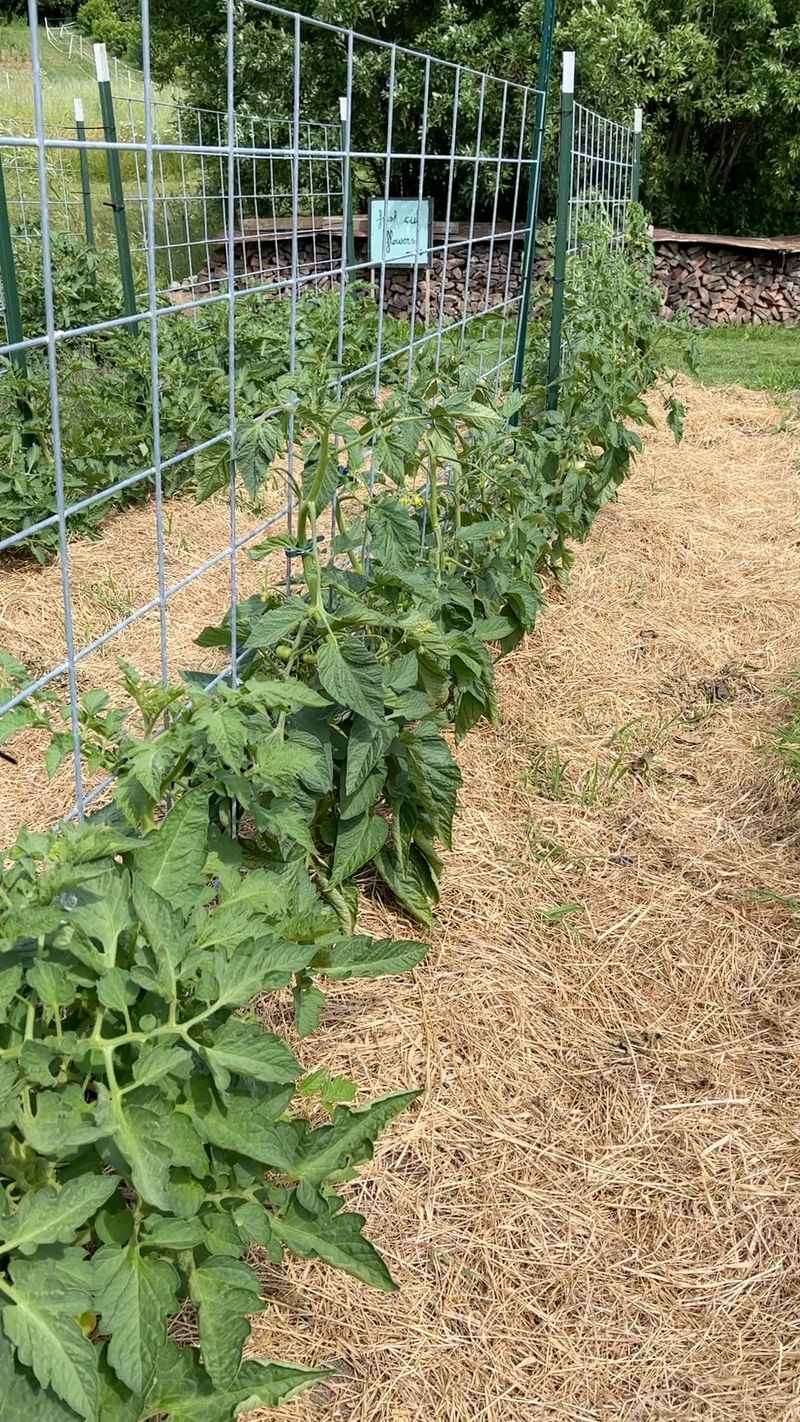
Mulch is one of the most underrated tools in any tomato grower’s toolkit. A thick layer around the base of your plants does something remarkable for moisture control.
When you spread two to three inches of straw, shredded leaves, or wood chips around each plant, the soil underneath stays cooler and holds moisture much longer. That steady moisture environment is exactly what calcium transport needs to stay consistent.
Mulch also slows the wild swings between wet and dry that trigger blossom end rot in the first place. Indiana summers can swing hard between wet and dry, and mulch acts like a shock absorber for your soil.
Apply mulch after your first good watering of the season. Locking in moisture right from the start gives your plants a strong foundation before summer heat arrives.
Beyond mulch, your soil structure matters a great deal. Compacted soil drains poorly and creates uneven moisture pockets that stress plant roots.
Loosen the top six to eight inches of soil before planting each season. Adding compost improves both drainage and the soil’s ability to hold the right amount of moisture.
Check your soil pH as well. Tomatoes prefer a pH between 6.2 and 6.8, and soil that falls outside this range can block calcium uptake even when calcium is present.
A simple soil test kit from your local garden center gives you accurate numbers fast. Adjust with lime if the soil is too acidic, following the package instructions for your bed size.
Myths About Calcium Sprays And Eggshells
Walk into any garden center and you will find calcium sprays marketed as the cure for blossom end rot. The packaging looks convincing, but the science tells a different story.
Foliar calcium sprays, meaning sprays applied to the leaves, do very little to help the fruit. Tomatoes cannot absorb enough calcium through their leaves to make a real difference at the blossom end.
The calcium needs to travel through the root system along with water. Spraying the outside of the plant skips that entire pathway and leaves the actual problem unsolved.
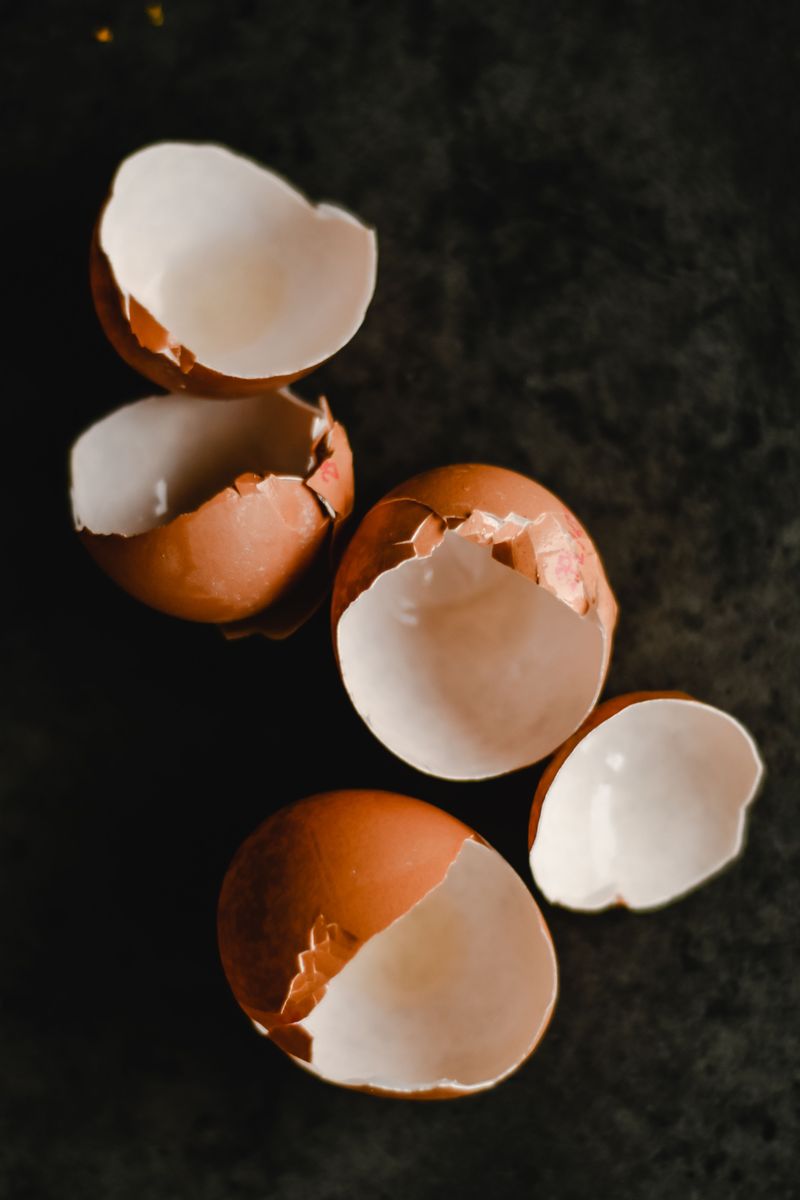
Eggshells are another popular folk remedy that gardeners swear by every season. The idea sounds logical because eggshells contain calcium, but they break down far too slowly to help your current crop.
Fresh eggshells can take years to decompose enough to release usable calcium into the soil. By the time they matter, that tomato season is long over.
Crushed eggshells added to compost over many seasons do build soil health gradually. Just do not expect them to rescue the tomatoes you planted last month.
If a soil test shows your calcium level is genuinely low, garden lime or gypsum is a faster and more reliable fix. Both release calcium in a form roots can actually use.
The real myth here is that blossom end rot means a calcium shortage in the soil. Most of the time, the soil has plenty of calcium. The fix is water management, not a spray bottle.