Illinois Yard Spots Where Ticks Most Likely Lurk This Summer
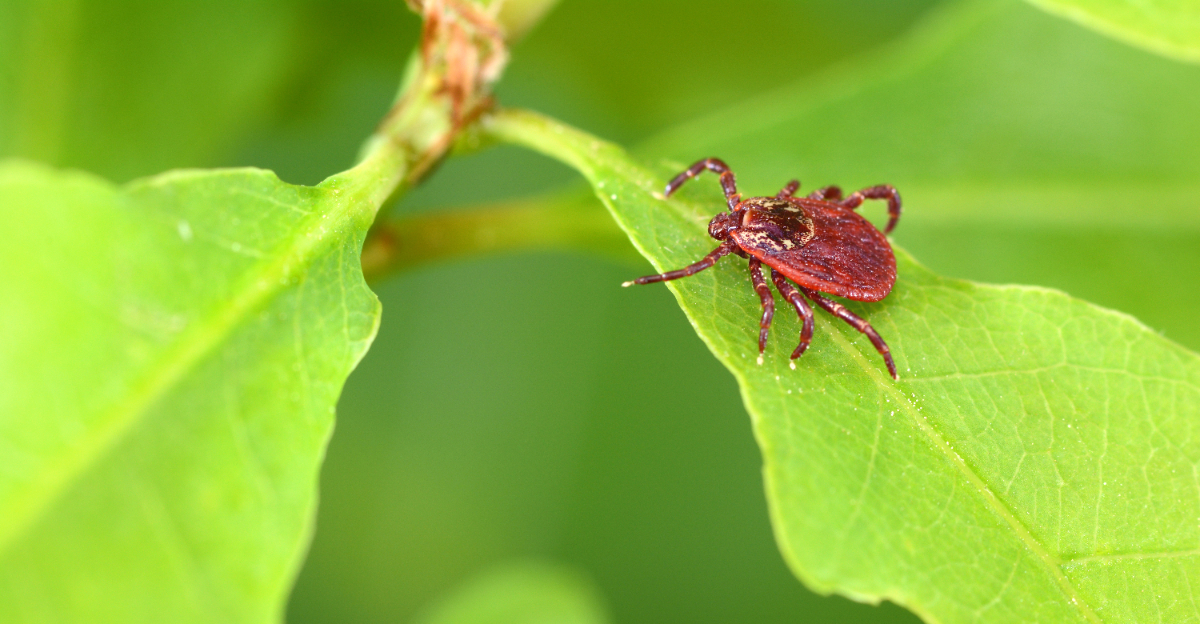
Summer in Illinois hits differently, the fireflies are out, the grill is going, and the yard is calling your name. What you might not notice is the tick clinging to a blade of tall grass, waiting for you to walk by.
Ticks are active across Illinois from late spring well into fall, and they are not randomly scattered across your yard.
They concentrate in specific spots, and those spots are probably closer to where you actually spend your time than you’d expect.
You do not have to avoid your yard. You just have to know where to look. And once you do, keeping your family and pets safer gets a whole lot easier.
1. Tall Grass And Overgrown Lawn Areas
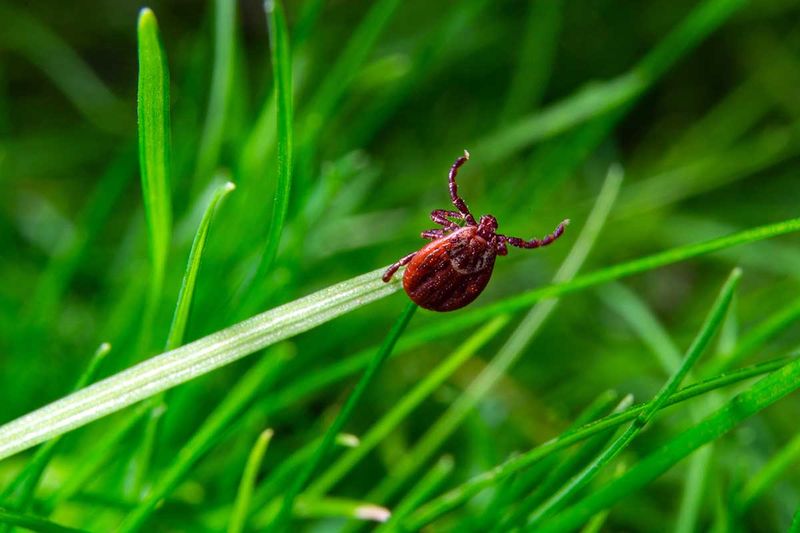
Tall grass is basically a five-star hotel for ticks. They cling to the tips of blades and wait for a warm body to brush past.
This behavior is called questing. A tick stretches out its front legs and grabs onto whatever moves nearby.
Grass that reaches your ankles or higher is the sweet spot ticks prefer. Keeping your lawn mowed short is one of the most effective steps you can take.
Aim to mow weekly during peak summer months. Ticks struggle to survive in short, dry, sun-exposed grass.
Pay special attention to spots you tend to skip. The patch behind the shed, the strip along the driveway, and the corners near the fence all get missed easily.
Weeds mixed into your lawn make things worse. Dense, tangled vegetation holds moisture and shade, creating ideal tick conditions.
After mowing, bag your clippings rather than leaving them in piles. Clipping piles stay moist and shaded, which ticks absolutely love.
Check your legs and ankles after every yard session. Ticks move fast once they find skin.
Kids and dogs are especially at risk because they run through grass without thinking twice. A quick body check after outdoor play takes less than three minutes and can make a real difference.
Staying consistent with lawn maintenance is not glamorous work. But it is one of the most practical defenses you have against tick exposure in your own backyard this summer.
2. Leaf Litter And Organic Mulch
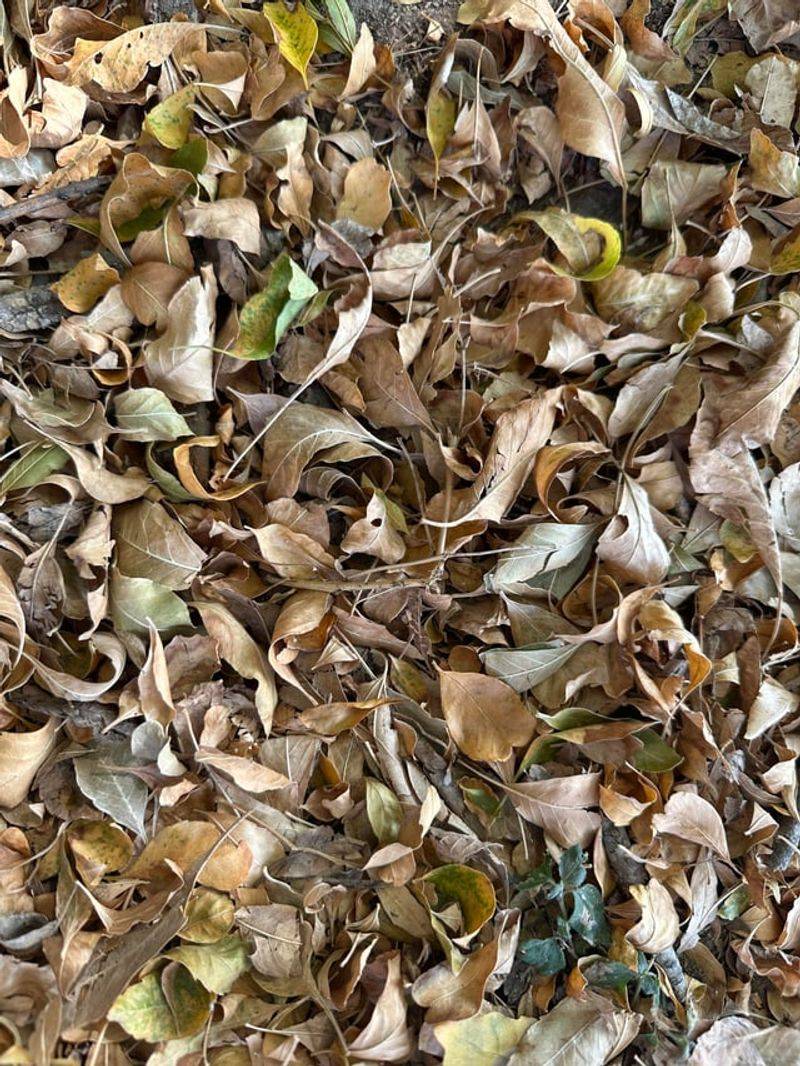
That cozy layer of leaves you left near the garden last fall? Ticks moved in months ago. Leaf litter is one of the dampest, darkest places in any yard.
Ticks thrive in cool, moist environments. A thick pile of decomposing leaves checks every box on their wish list.
Organic mulch is tricky because it looks tidy and intentional. Cedar mulch is sometimes considered less attractive to ticks, but most common mulches hold just as much moisture as raw leaves.
Keep mulch layers no thicker than two or three inches. Anything deeper holds too much moisture close to the ground.
Rake out old leaf litter from garden beds at least once a season. Do not let it accumulate against your home’s foundation either.
A three-foot-wide barrier of dry wood chips or gravel between your lawn and garden beds may help slow tick movement. Ticks are not fans of dry, open terrain.
Your Illinois Garden Changes Every Week. Your Plan Should Too.
Gardening in Illinois changes quickly throughout the season. Every Friday you’ll receive a simple weekly plan showing exactly what to plant, prune, fertilize, harvest, and protect so you never miss the right timing.
Wear gloves and long sleeves when working in mulched areas. Ticks are tiny and easy to miss until they have already latched on.
Light-colored clothing helps you spot them faster. A dark tick on a white sock is much easier to catch before it reaches skin.
Gardening is one of the most common ways people pick up ticks without realizing it. Slowing down to check yourself after a weeding session is a habit worth building this summer.
3. Woodpiles And Brush Piles
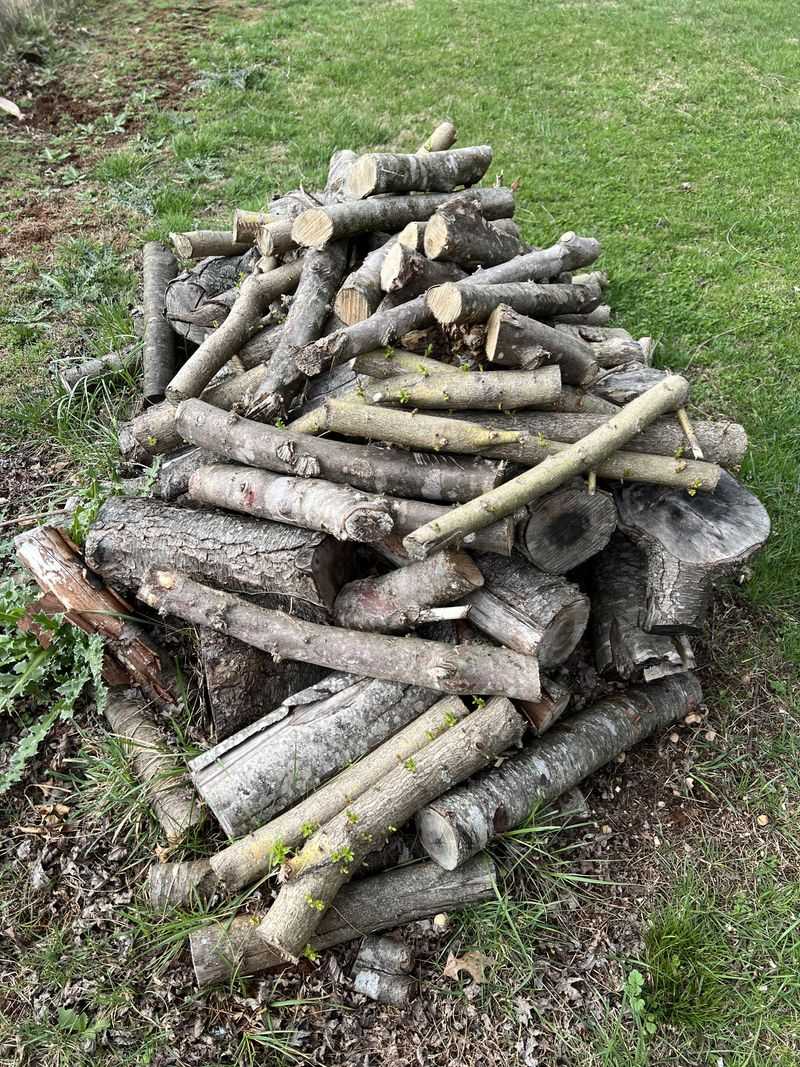
A woodpile looks harmless enough sitting near the back fence. But stacked logs create exactly the kind of dark, humid shelter that ticks and tick-hosting animals seek out.
Small rodents like mice and voles love nesting in woodpiles. These animals are major tick carriers, and where they go, ticks follow.
Brush piles left from spring cleanup are just as risky. Tangled branches, spent leaves, and old plant stems create a layered maze that stays moist even on dry summer days.
Move your woodpile away from the house if possible. Keeping it at least twenty feet from your back door reduces the chance that ticks hitch a ride inside.
Stack wood neatly and off the ground on a rack or pallets. Airflow underneath the pile helps keep things dry and less attractive to pests.
Clear brush piles as soon as you create them. Do not let them sit through the summer waiting for a weekend cleanup trip.
If you use your fireplace or fire pit regularly, rotate through your woodpile so older logs get used first. Logs sitting untouched for months become prime tick real estate.
Always wear gloves when handling firewood in summer. Shake out logs gently before carrying them inside.
Even a quick glance at your arms after grabbing wood for a fire can save you a lot of trouble. Ticks often start on the hands and wrists and travel upward from there.
4. Along Fence Lines And Property Edges
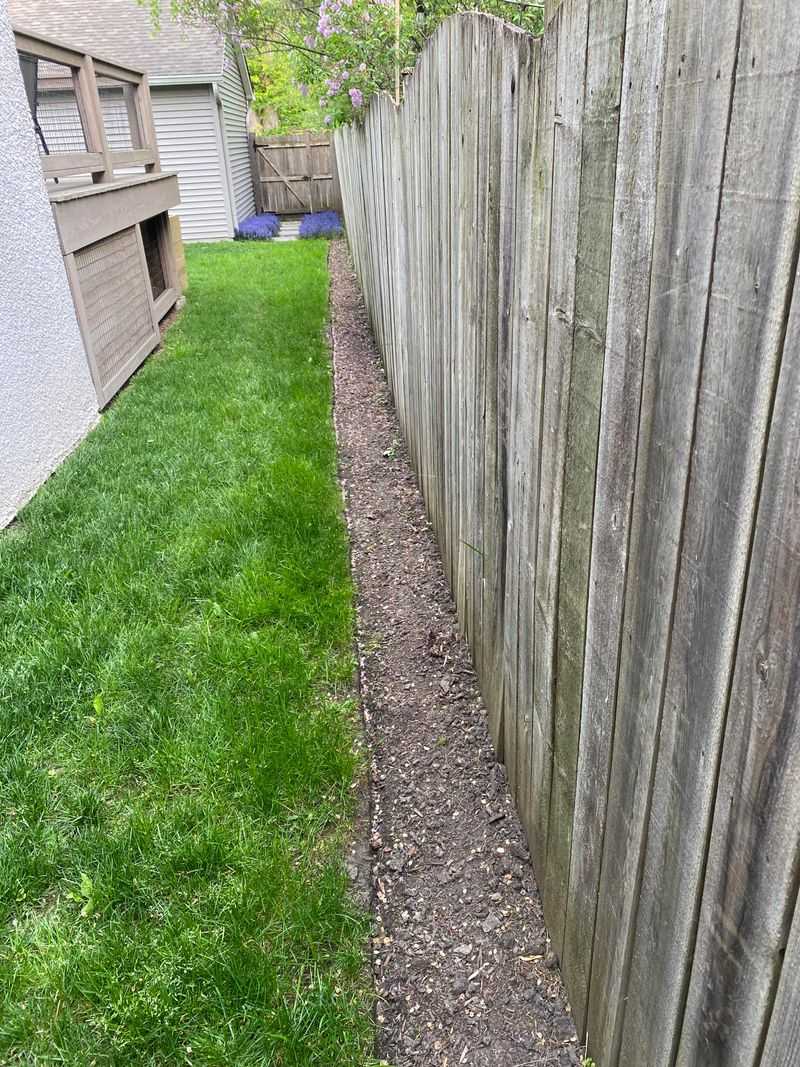
Fence lines have a sneaky way of becoming neglected strips of wild growth. Grass and weeds pile up along the base, and nobody really mows there as carefully as the open lawn.
That narrow strip of untrimmed vegetation is a tick highway. Animals travel along fence lines regularly, and ticks drop off and wait for the next host to pass by.
Property edges where your yard meets a neighbor’s space are especially risky. You cannot always control what grows on the other side of the fence.
Use a string trimmer along fence bases every time you mow. Keeping that strip short and tidy removes one of the most overlooked tick hotspots in the yard.
Consider laying a gravel border or edging along the fence line. A dry, open barrier makes it harder for ticks to survive and move across.
Check for gaps in the fence where wildlife might squeeze through. Deer, raccoons, and other wildlife carry ticks and use fence gaps as regular travel routes.
If your fence borders a wooded lot or an unmaintained field, your risk goes up significantly. A treated perimeter spray applied by a professional can help create a buffer zone.
Even decorative fences with climbing plants are worth watching. Dense ivy or climbing vines hold moisture and shade, which is everything a tick needs to stay active.
Walking along your fence line barefoot is a habit worth skipping. Flip-flops might feel fine, but closed shoes protect your feet from questing ticks near the base of the fence.
5. Shaded Garden Beds And Dense Shrubs

Garden beds look beautiful, but dense plantings create the kind of shady, humid microclimate ticks absolutely love. The thicker the foliage, the more protected ticks are from heat and drying winds.
Hostas, ornamental grasses, and ground covers are gorgeous in an Illinois garden. They are also some of the most tick-friendly plants you can grow close to your home.
Ticks do not jump or fly. They simply wait at the edge of a plant, legs extended, ready to grab onto anything warm that brushes past.
Prune shrubs regularly to improve airflow and let sunlight reach the soil. A shaded, airless garden bed stays moist at ground level all day long.
Pull weeds consistently from garden beds near patios and walkways. Weeds add density and moisture retention right where you spend the most time outdoors.
Consider replacing some dense ground covers near the house with gravel, stone, or mulch-free zones. Open spaces around your foundation reduce tick pressure near entry points.
Perennial borders along pathways are charming but worth checking often. Ticks can easily transfer to your legs as you walk past overhanging plants.
Wear long pants when gardening in shaded beds, even on warm days. Tucking your pant legs into your socks is old-school but genuinely effective.
Inspecting your garden tools after use is a smart habit too. Ticks can cling to gloves, kneepads, and tool handles until they find a better opportunity.
6. The Border Between Your Lawn And Wooded Areas

If your yard backs up to trees or a wooded lot, you already live next to one of the highest-risk tick zones in the state. The transition line between mowed lawn and wild woods is where tick activity peaks.
Ecologists call this the ecotone, the meeting point of two different habitats. Wildlife moves back and forth across this line constantly, dropping ticks as they go.
Deer are among the biggest tick transporters in Illinois yards. They follow the same paths night after night, depositing ticks along the woodland edge with every visit.
Creating a defined barrier between your lawn and the wooded area helps slow tick migration. A strip of wood chips, gravel, or mulch at least three feet wide creates a dry crossing that ticks are less likely to cross.
Avoid planting attractive vegetation right at the wood’s edge. Berry bushes and fruit trees near the tree line draw deer and other wildlife directly toward your living space.
Keep outdoor play equipment away from the wooded border. Swing sets, sandboxes, and lawn chairs placed closer to the house dramatically reduce tick exposure for kids.
This Illinois yard spot where ticks most likely lurk deserves a regular visual check. Walk the edge of your property every couple of weeks and look for signs of heavy wildlife traffic.
Flattened grass, droppings, and worn dirt paths are all signs animals are using that border regularly. Where wildlife travels, ticks travel with them.
7. Outdoor Furniture In Low-Traffic Corners
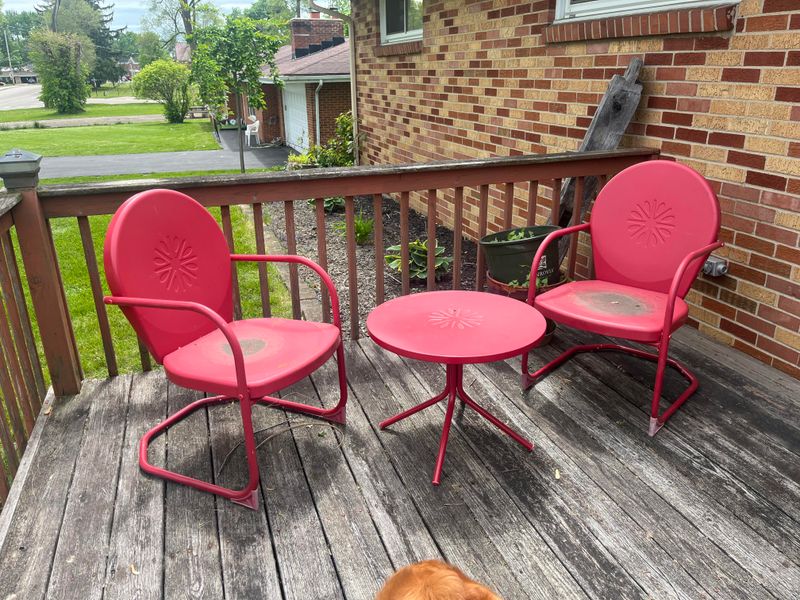
That Adirondack chair tucked in the shady corner of the yard looks peaceful. But if nobody sits there regularly, it may have become a quiet tick staging area without you noticing.
Ticks do not need a living host to survive for short periods in humid conditions. They rest on surfaces like chair cushions, armrests, and table legs while waiting for something warm to come along.
Low-traffic spots in the yard are often surrounded by taller grass or nearby shrubs. The combination of shade, vegetation, and undisturbed furniture makes these corners surprisingly risky.
Move rarely used furniture into a sunnier, more open spot. Direct sunlight and airflow are tough conditions for ticks to endure.
If you keep cushions outside, shake them out and inspect them before sitting down. A quick visual check takes seconds and can catch a tick before it reaches you.
Wipe down metal or plastic furniture with a damp cloth occasionally. Ticks can hide in joints, grooves, and crevices on outdoor furniture frames.
Pay attention to the ground directly under and around your furniture. If the grass there is tall or the soil stays damp, that area needs more regular maintenance.
Consider storing unused outdoor furniture in a shed or garage during the weeks you do not plan to use it. Less clutter in shaded corners means fewer places for ticks to set up camp.
A little rearranging goes a long way toward making your outdoor space genuinely enjoyable and safer for everyone this summer.
8. Around Bird Feeders And Wildlife Paths
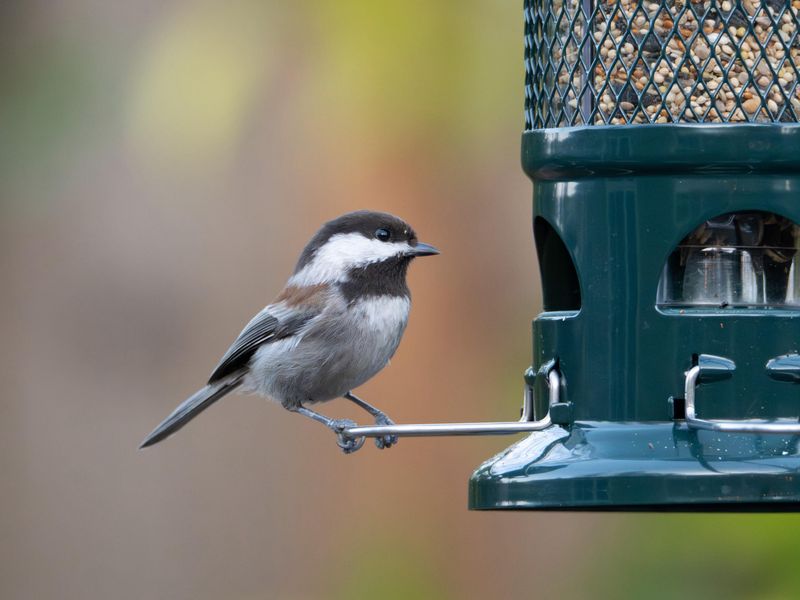
Bird feeders bring a lot of joy to a backyard, and they also bring a surprising amount of wildlife traffic. Squirrels, chipmunks, deer, and raccoons all visit feeders regularly, and every one of them can carry ticks.
The ground beneath a feeder is constantly disturbed by animal activity. Fallen seeds attract rodents, and rodents are among the most efficient tick carriers in the animal world.
White-footed mice and other small rodents are known carriers of blacklegged ticks, the species responsible for Lyme disease. Having a feeder near your patio essentially invites these animals into your daily outdoor space.
Move feeders at least fifteen to twenty feet away from patios, doors, and play areas. Putting distance between wildlife activity and human activity is a straightforward way to lower your risk.
Clean up spilled seed regularly from the ground beneath feeders. Seed piles attract more rodents, which means more tick-carrying animals spending time in that spot.
Watch for worn paths in your yard where animals travel consistently. These trails often run along fence lines, through garden beds, and across the yard edge.
Ticks drop off and reattach along these paths constantly. Knowing where wildlife walks through your property helps you identify exactly which grass strips and garden edges need the most attention.
These Illinois yard spots where ticks most likely lurk are easy to overlook when you love watching birds and backyard wildlife. A few simple adjustments let you enjoy the view without turning your yard into a tick welcome mat this summer.