One June Mistake That Could Ruin Virginia Hydrangeas Before Summer Ends
June feels like the perfect time to grab your pruning shears and clean up the garden. For Virginia hydrangeas, that instinct can cost you an entire summer of blooms.
Most Virginia gardeners never see it coming. The plant looks healthy, the stems feel solid, and nothing about that June morning hints at the damage being done.
But hydrangeas store next year’s buds on old wood, and by the time June arrives, those buds are already in place. One wrong cut removes them all at once.
The frustrating part is that the plant will not show any signs of trouble right away. It stays green, grows normally, and gives no warning.
The emptiness only becomes obvious in August, when the blooms that should have been there simply never appear. This is the mistake. And once you understand it, you are far less likely to make it again.
June Pruning Can Cost You An Entire Summer Of Blooms
Imagine waiting all spring for your hydrangeas to explode with color, and then watching June turn into July with nothing but leaves.
That empty shrub is often the direct result of one well-meaning snip at the wrong time. Pruning hydrangeas in June is one of the most damaging mistakes Virginia gardeners make each summer.
Here is why it hurts so much. Some of Virginia’s most popular hydrangea varieties set their flower buds the previous fall. Those buds sit quietly on the stems all winter, waiting for warm weather to open up.
When you prune in June, those buds are already formed and swelling. You are not trimming old wood. You are cutting off the very blooms you have been waiting months to enjoy.
The plant does not panic or rush to replace them. Old-wood varieties simply move on without flowering for the rest of that season.
Virginia summers are hot and humid, which means hydrangeas are already under stress by mid-June. Adding a hard pruning on top of heat stress pushes the plant into survival mode, not blooming mode.
Protecting your blooms starts with understanding this one rule. Timing your pruning correctly makes all the difference between a spectacular summer display and a season full of regret.
Pruning Hits Virginia Hydrangeas Harder Than You Expect
Virginia’s humid summers and unpredictable late frosts create a uniquely stressful growing environment for hydrangeas. That climate pressure makes every gardening decision more critical here than many other parts of the East Coast.
Old wood carries next season’s buds, and a June pruning cut goes directly through that stored potential. The summer heat that follows only deepens the damage, leaving your plant struggling to recover during its most demanding months.
Virginia sits in a climate overlap zone where coastal humidity meets inland heat swings. That combination hits hydrangeas harder than most shrubs can handle.
Bigleaf hydrangeas are especially vulnerable because they set buds earlier than most gardeners expect. By the time June arrives, the damage from a misplaced cut is already done.
Your Virginia Garden Changes Every Week. Your Plan Should Too.
Gardening in Virginia changes quickly throughout the season. Every Friday you’ll receive a simple weekly plan showing exactly what to plant, prune, fertilize, harvest, and protect so you never miss the right timing.
Most Virginia gardeners only realize the mistake when August arrives and the plant stands full of leaves but empty of blooms. That moment of recognition is frustrating, but it is also the turning point.
Understanding this sensitivity is not just helpful. It changes how you treat these plants for good. Virginia gardeners who get this right are the ones with spectacular blooms every August.
Old Wood Vs. New Wood
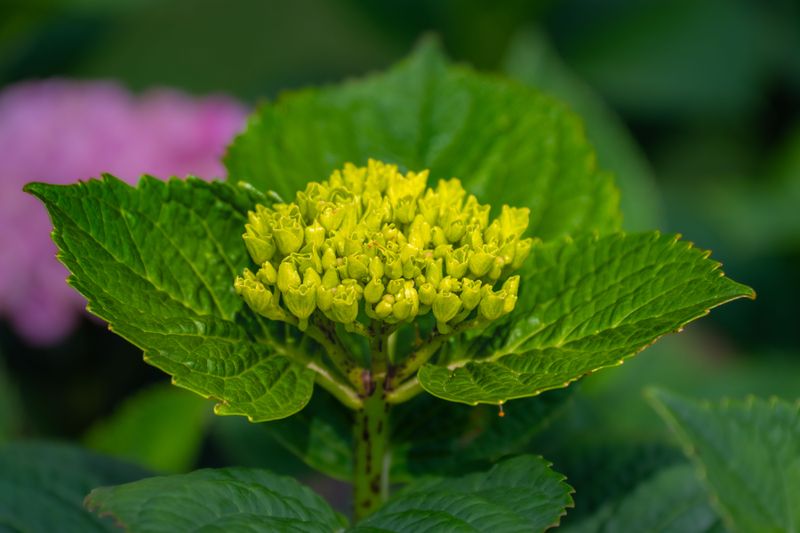
Most people have no idea that hydrangeas store next year’s flower buds on old wood before winter even begins. Those stems you see right now have been quietly building blooms since last fall.
New wood is any growth that sprouts fresh during the current spring season. Varieties that bloom on new wood can handle a late-spring trim without losing a single blossom.
Old wood and new wood look nearly identical to the untrained eye. That visual similarity is exactly where most June mistakes begin.
Knowing which type you have is not optional. It is the single most important piece of information before you pick up a pair of pruning shears.
The problem is that many of Virginia’s most popular hydrangeas bloom exclusively on old wood. Cut those stems in June and you have essentially erased an entire season of color in one afternoon.
Getting this wrong once is enough to make you rethink every gardening move you make in early summer. Learn it now and you will not forget it next June either.
One wrong cut does not just cost you this summer. It can set old-wood varieties back by a full year before they find their rhythm again.
Which Virginia Hydrangea Types Are Most At Risk
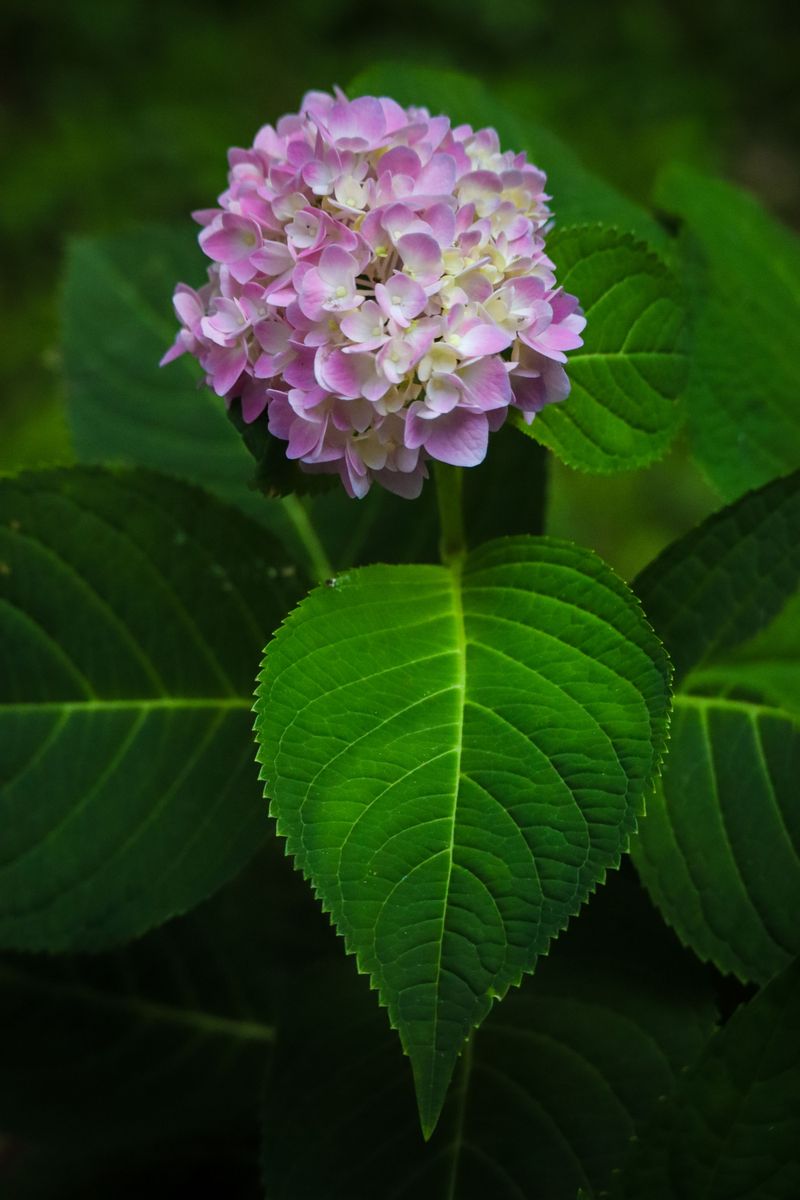
Bigleaf hydrangeas, the familiar mophead and lacecap types, sit at the very top of the most-at-risk list. Their blooms depend almost entirely on old wood, which means June is exactly the wrong time to trim them.
Oakleaf hydrangeas, a native species that thrives across Virginia, carry the same vulnerability. Any aggressive pruning during early summer puts next year’s flowers directly in jeopardy.
Reblooming varieties like Endless Summer can produce on both old and new wood. Even those are not fully immune, and a heavy June cut still reduces what they can deliver by August.
The safest move is to know your variety before you do anything else. A quick label check or photo search takes two minutes and saves an entire growing season.
If you are not sure what you have, treat it like an old-wood variety until you know for certain. That cautious approach costs you nothing and protects what matters most.
Smooth hydrangeas and panicle hydrangeas are far more forgiving because they flower on new wood each season. If you have one of those growing in your yard, you have a little more flexibility in your pruning schedule.
Signs Your Hydrangea Already Lost This Year’s Buds
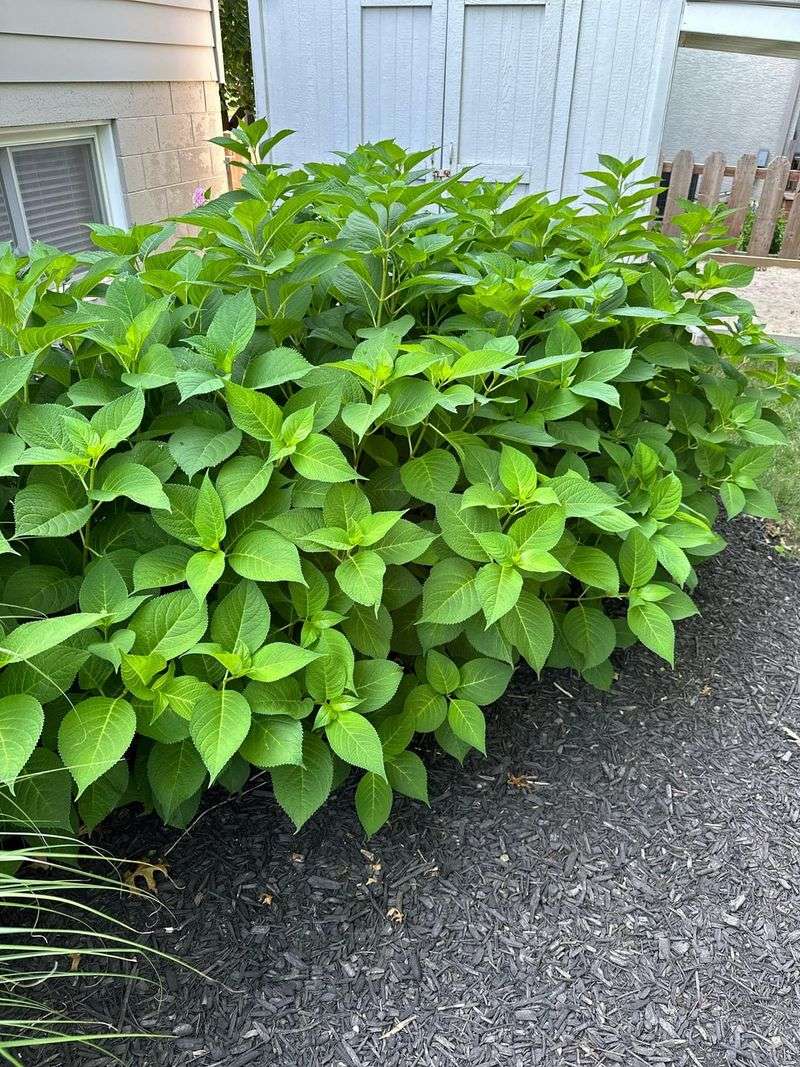
A hydrangea covered in leaves but completely empty of flower buds is the most obvious signal that something went wrong earlier in the season. If you pruned in late spring or early June, that missing color is almost certainly the result.
Get close to last year’s woody stems and check the tips carefully. Plump, greenish swellings along the stem mean buds are still alive and on their way.
Some stems may still carry viable buds even after a partial pruning mistake. Check every branch individually before writing off the whole plant.
A healthy old-wood stem feels firm and shows at least some green when you scratch the surface lightly. A spent one snaps cleanly and shows brown or gray all the way through.
Do not remove those stems just yet. Leave them in place until late summer so you can clearly see which old wood survived and plan your next pruning session around it.
Dry, shriveled tips with no swelling or new growth mean those buds are already gone for the year. The best option now is to care for the plant well.
What To Do In June Instead Of Pruning
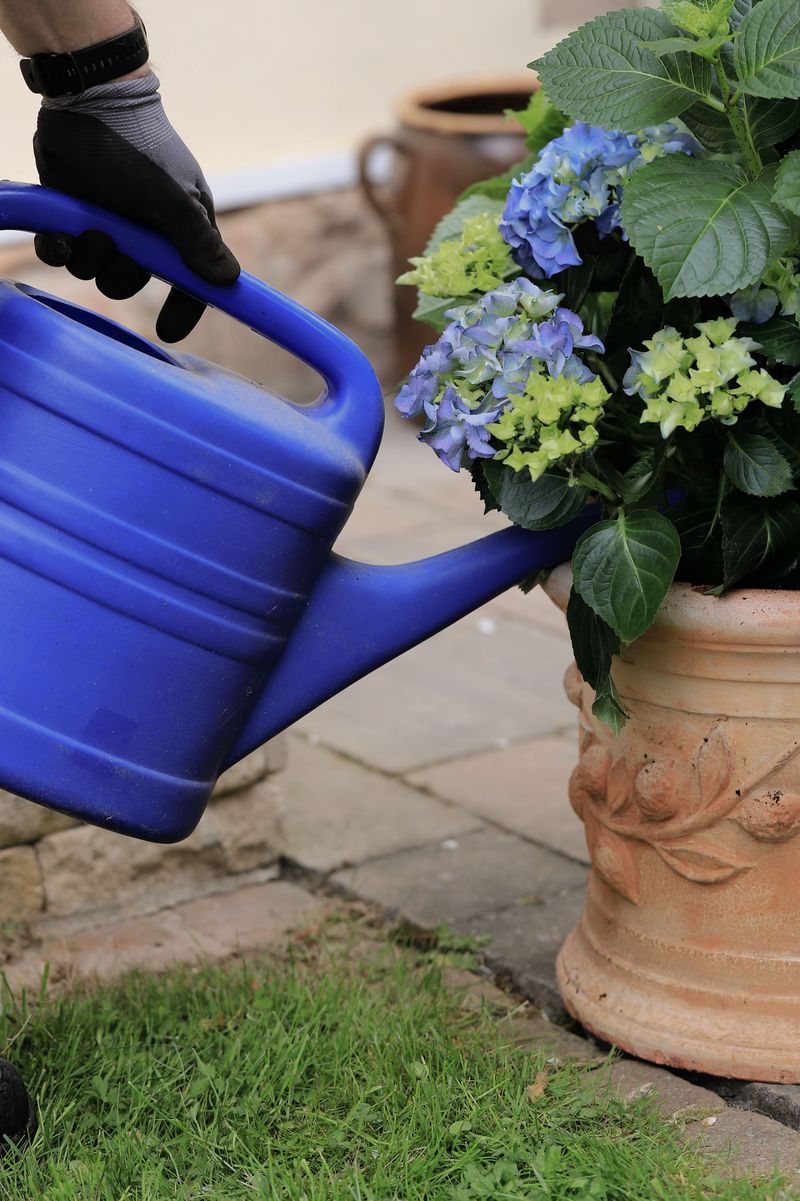
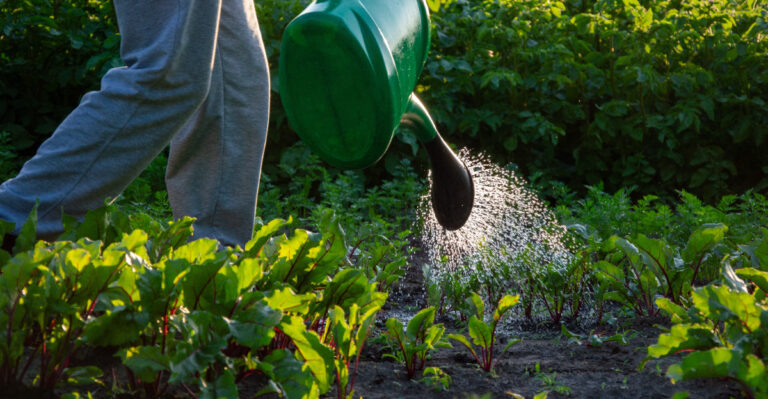
Put down the shears and pick up the garden hose. June is prime time for deep, consistent watering, and Virginia’s early summer heat can dry out soil fast.
Thirsty hydrangeas will drop buds before they ever open. Getting the watering schedule right in June protects everything the plant has been building since last fall.
A layer of mulch around the base of each plant cools roots and holds moisture through the hottest weeks. Two to three inches is enough to make a genuine difference when the humidity starts climbing.
If your soil is low on nutrients, a balanced slow-release fertilizer in early June can help. Avoid high-nitrogen formulas, which push leafy growth at the expense of buds.
Avoid wetting the leaves when you water. Wet foliage in Virginia’s humid summers can increase the risk of fungal disease taking hold.
Shade cloth over the most exposed plants can also reduce heat stress during Virginia’s peak afternoon sun. A little protection in June often means a much fuller display come August.
When The Right Time To Prune Actually Is
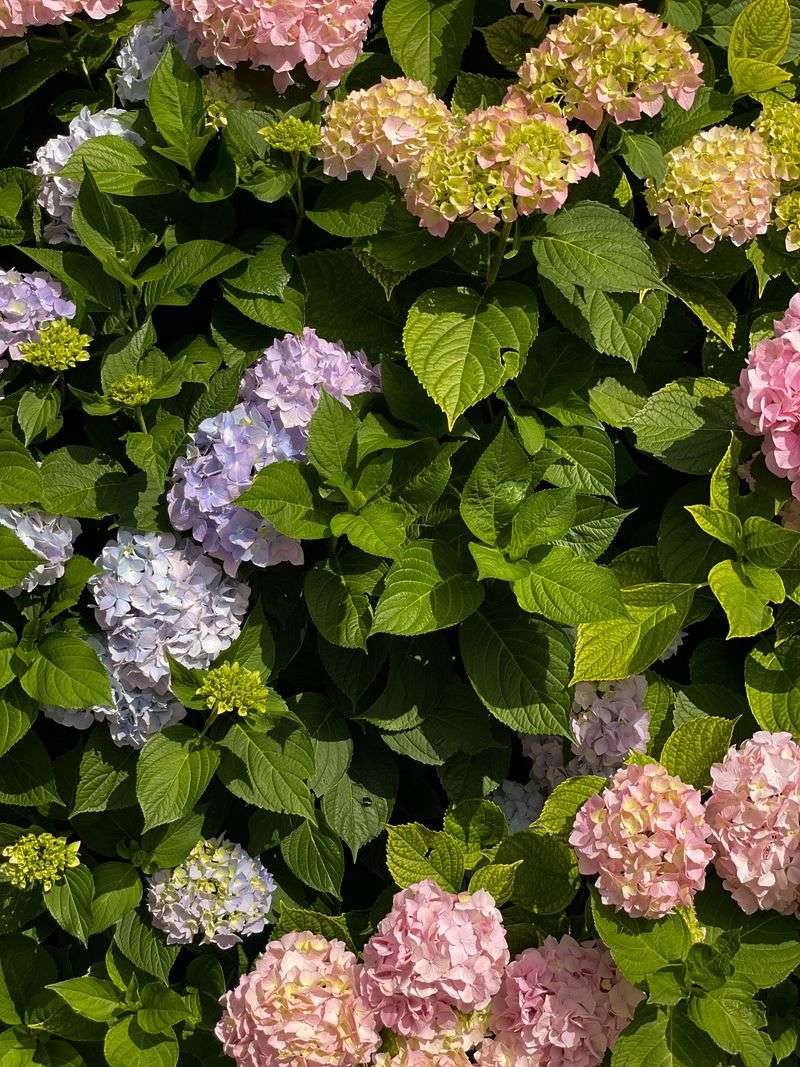
Pruning hydrangeas is completely fine. The key is choosing a moment the plant is actually ready for it.
For bigleaf and oakleaf varieties, that window arrives right after the blooms fade, typically in late summer or early fall. Pruning then gives the stems enough time to form next season’s buds before Virginia’s first frost hits.
Miss that window and wait until winter, and you will face another bloomless summer. Timing is everything with these plants, and the difference between right and wrong is often just a few weeks.
Avoid removing more than one third of the plant in a single session. That limit protects enough old wood to keep next year’s bloom cycle fully intact.
Always use clean, sharp shears and cut just above a healthy bud or leaf node. A clean cut heals faster and reduces the risk of disease entering the stem.
Panicle and smooth hydrangeas can be cut back in late winter, right before new growth begins. Pruning those varieties in March tends to produce fuller, stronger stems and noticeably bigger blooms.