Here Is Why Your Kentucky Porch Keeps Attracting Carpenter Bees
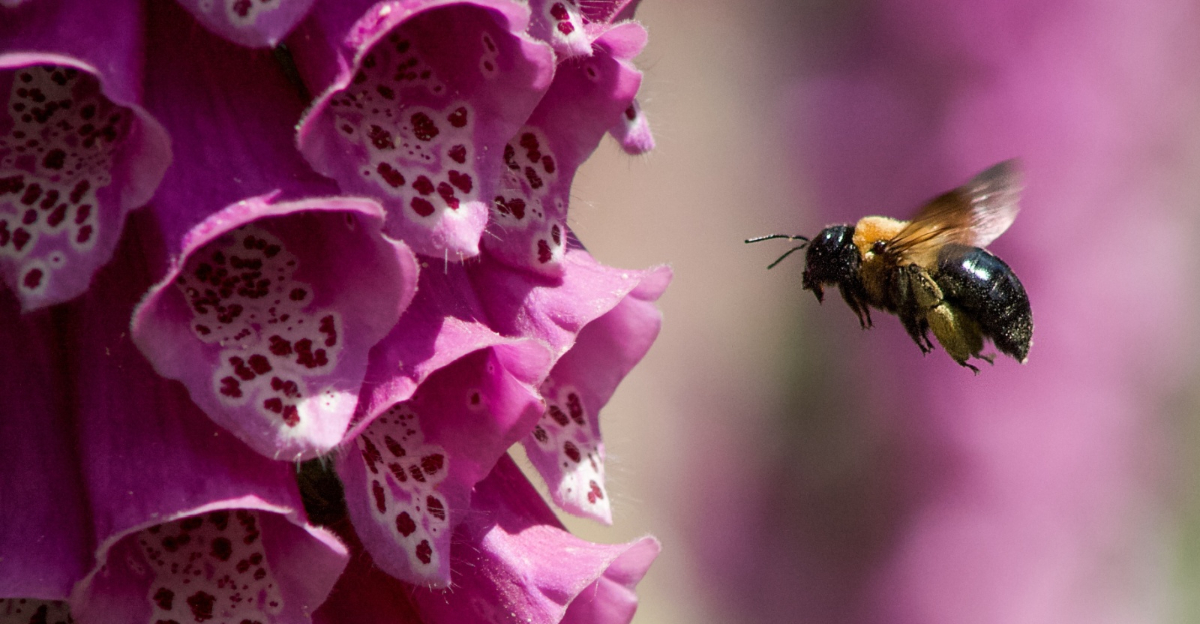
You press your thumb into your porch railing and feel something soft, hollow, and completely wrong. That fat, hovering bee wasn’t decorating your Kentucky porch, it was boring straight through it.
Carpenter bees don’t sting first, they drill first, working in silence with more patience than you’d expect.
Tiny sawdust piles show up like confetti nobody ordered, and then the holes follow, and then more bees arrive.
Suddenly you’re wondering how a creature without a toolbelt just outworked you on your own property.
Ever notice how the destruction always turns up somewhere you stopped looking? Kentucky homeowners lose entire deck railings before they ever connect the dots.
These bees aren’t random or careless, they’re calculated, returning to the same wood, the same grooves, the same soft grain every single year.
What you haven’t figured out yet is exactly what they’re counting on. Everything below is what they never counted on you knowing.
Unpainted Or Bare Wood Draws Them In Immediately
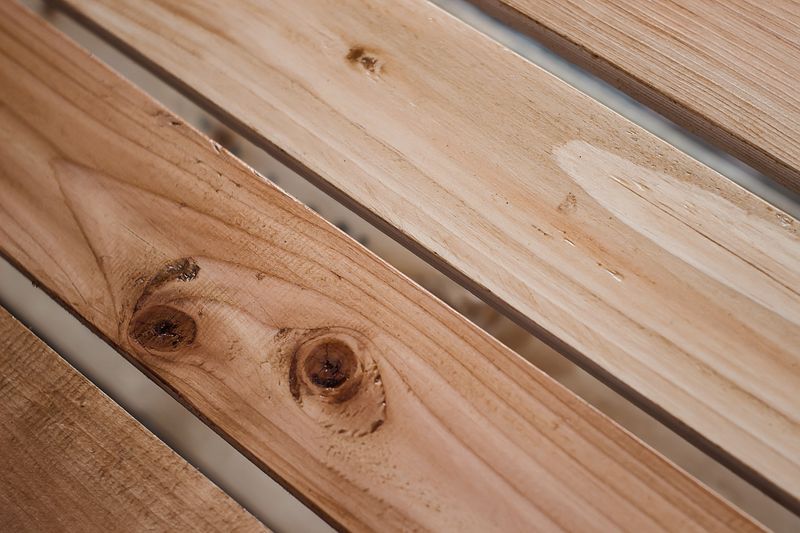
Raw wood is basically a welcome mat for carpenter bees. The moment you leave wood unfinished, you are sending out an open invitation to nest.
Carpenter bees are strongly attracted to bare, untreated surfaces. They can detect natural wood oils and grain texture from surprisingly far away.
Painted or sealed wood is far less appealing to them. The coating acts as a barrier that disrupts the sensory cues bees rely on when scouting nesting spots.
Many Kentucky homeowners use pine boards for porch construction because it is affordable and widely available. Unfortunately, pine is also one of the softest and most vulnerable woods when left exposed.
Even a small patch of peeling paint can be enough to attract attention. Once one bee finds an entry point, others tend to follow the same path in future seasons.
Applying a fresh coat of exterior paint or wood stain is one of the most effective deterrents available. Oil-based finishes tend to work better than water-based ones for long-term protection.
Polyurethane sealant is another strong option that creates a hard, smooth surface. Bees struggle to bore into treated wood, so they typically move on to easier targets nearby.
Check your porch annually for chips, cracks, or fading finish. Staying ahead of wear and tear is the simplest way to keep carpenter bees from choosing your home over your neighbor’s.
April Through June Is Their Peak Nesting Season
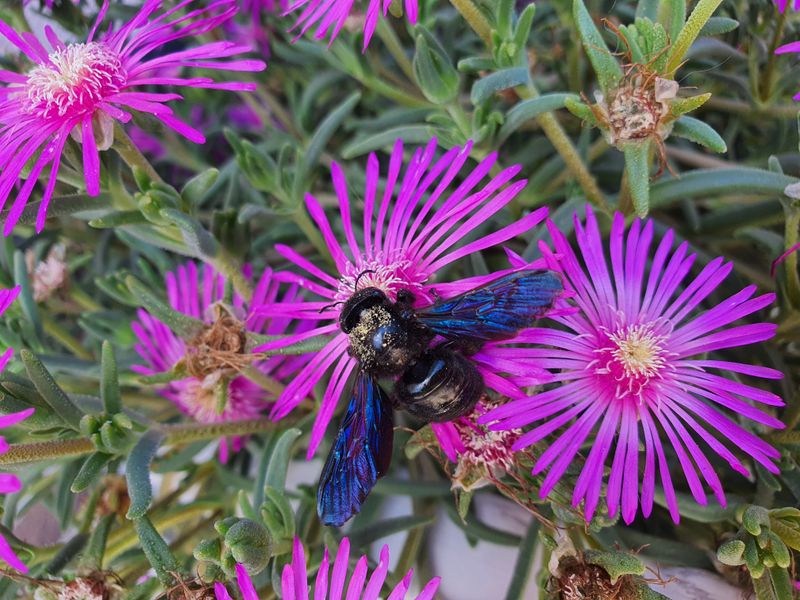
Spring in Kentucky is gorgeous, but it also signals the start of carpenter bee season. The moment temperatures consistently reach the mid-60s, these insects get busy fast.
Carpenter bees typically emerge in April and stay active through June. During this window, females are aggressively searching for nesting sites to lay their eggs.
The timing overlaps with peak porch season for most homeowners. You are spending more time outside just as these bees are at their most determined and territorial.
Females do the actual boring and nesting work during these months. Males hover and patrol but cannot sting, which is important to remember when one flies close to your face.
Your Kentucky Garden Changes Every Week. Your Plan Should Too.
Gardening in Kentucky changes quickly throughout the season. Every Friday you’ll receive a simple weekly plan showing exactly what to plant, prune, fertilize, harvest, and protect so you never miss the right timing.
If you spot bees circling your porch in April, do not wait to act. Early intervention is far easier than dealing with an established colony later in the summer.
Filling old holes before March arrives is a smart preventive move. Bees often return to previous nesting sites, so sealing them in late winter cuts off that option entirely.
Wood putty or steel wool stuffed into old holes works well as a quick fix. Follow up with paint or sealant to lock the repair in place before the season begins.
By July, most nesting activity slows down noticeably. But the damage from April through June can be significant if the wood was left unprotected during those critical weeks.
They Bore Tunnels To Lay Eggs Inside Your Wood
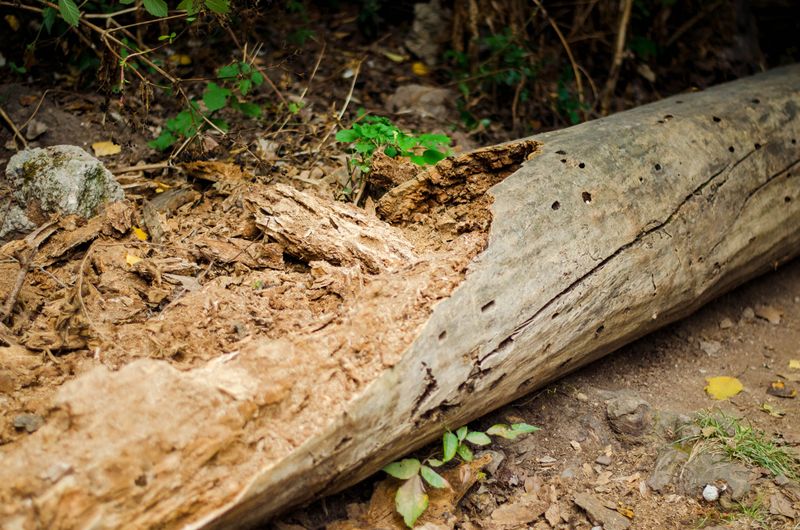
That perfectly round hole in your porch railing is not random damage. A female carpenter bee can complete an entry hole in pine within about a week of focused work.
Carpenter bees chew through wood using their strong mandibles, not a stinger. They create a small entry hole, then turn and bore horizontally along the wood grain inside.
The tunnel can extend six to eight inches deep inside a single board. Inside, the female creates individual chambers, each stocked with pollen and a single egg.
The sawdust-like frass you see below the hole is a clear sign of active boring. Fresh frass means a bee is currently working, while old dried frass indicates a previous season’s nest.
Structural damage accumulates over multiple seasons of nesting. One or two holes may seem minor, but dozens of tunnels can seriously weaken a wooden beam or board over time.
Woodpeckers often make the damage worse by pecking into bee tunnels to reach the larvae inside. This secondary damage can split boards and cause far more destruction than the bees alone.
Catching the activity early makes a big difference in repair costs. A single hole caught in April is a much simpler fix than a board riddled with tunnels by August.
Plugging active holes at night when bees are inside is not recommended without proper protection. Wait until late fall when the tunnels are empty before sealing and repainting affected areas.
They Return To The Same Spots Year After Year
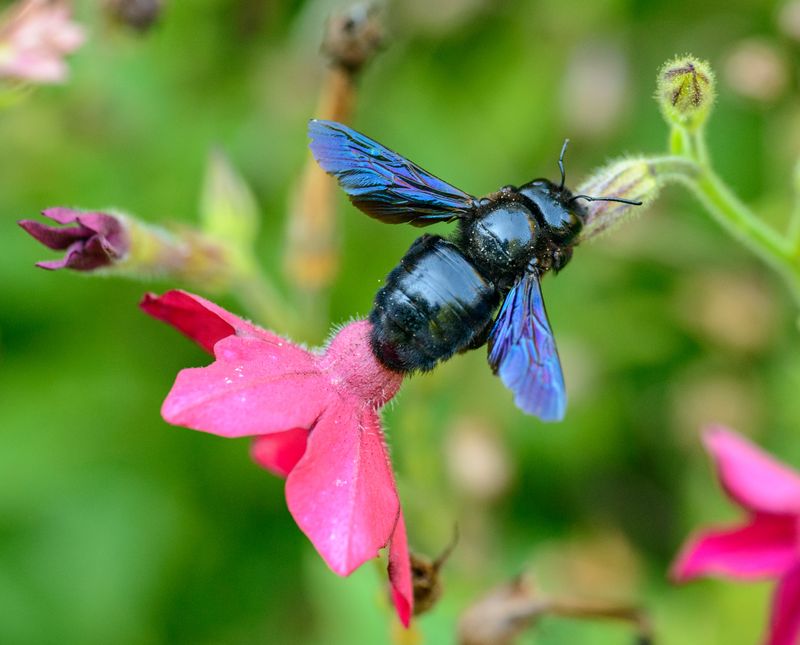
Carpenter bees have an almost stubborn loyalty to their nesting sites. Once a location is established, they treat it like a family property passed down through generations.
Females often return to the exact same holes they used the previous year. They also nest close to where they themselves hatched, creating a cycle that is hard to break.
This behavior is called site fidelity, and it is one reason infestations grow worse each season. What starts as two or three holes can become twenty within just a few years.
Even if you seal a hole, bees may attempt to re-bore in the same spot. They are persistent, and the familiar scent of an old nest draws them back reliably.
Treating the wood around old holes with almond oil or citrus spray can help mask those scent cues. These natural repellents disrupt the olfactory signals bees use to locate previous nests.
Replacing heavily damaged boards is sometimes the most practical long-term solution. Starting fresh with properly sealed, painted wood removes the sensory history that keeps drawing bees back.
Hanging decoy bee houses away from your porch is another clever tactic some homeowners swear by. Redirecting nesting activity to a sacrificial structure can reduce damage to your main living spaces.
Breaking the return cycle takes consistency and patience across multiple seasons. Stay alert each spring, and you will gradually reduce the population drawn to your Kentucky porch each year.
Softwoods Like Pine And Cedar Are Their Favorite Targets
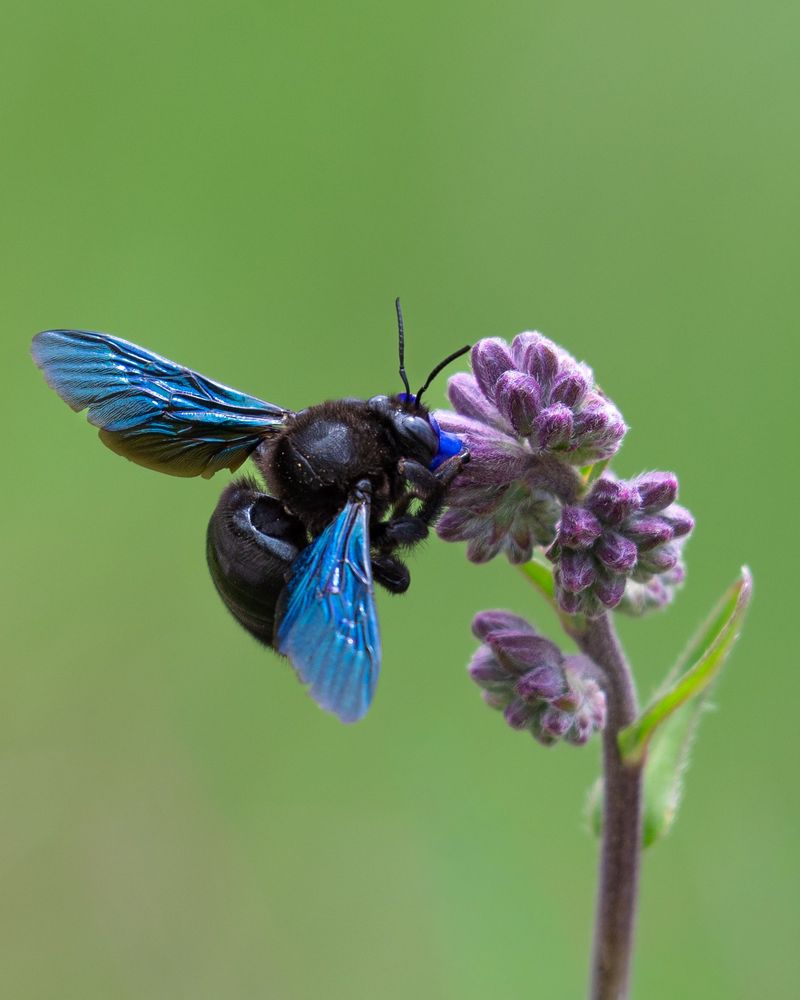
Not all wood is equally appealing to carpenter bees. Softwoods are significantly easier to bore through, and these insects always choose the path of least resistance.
Pine and cedar are two of the most commonly used woods in Kentucky porch construction. Both are affordable and attractive, but they are also prime targets for nesting activity.
Cedar has a pleasant natural scent that humans love, but it also contains oils that do not deter carpenter bees the way many people assume. That myth has led to a lot of unprotected cedar porches taking the worst of it each spring.
Pine is even softer than cedar and bores extremely easily. A female carpenter bee can complete an entry hole in pine within just a day or two of focused work.
Hardwoods like oak, maple, and pressure-treated lumber are far less inviting. The density makes boring much harder and slower, so bees typically avoid them in favor of softer options nearby.
If you are building or rebuilding a porch, choosing harder wood species is a smart long-term investment. The upfront cost is higher, but the savings in repairs and treatments add up quickly.
For existing pine or cedar structures, surface protection is the key. Thick exterior paint, sealant, or varnish creates a hard layer that mimics the resistance of denser wood types.
Even partially treated softwood is better than bare wood sitting exposed. Every layer of protection you add makes your porch a less desirable option for a searching carpenter bee.
Males Patrol And Defend The Area As Their Territory
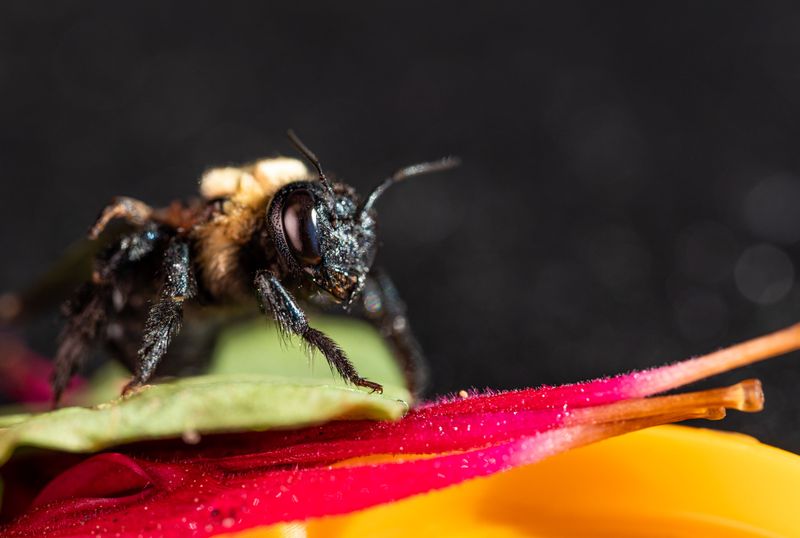
That bee dive-bombing your head every time you walk outside? That is a male carpenter bee doing his job, and he takes it seriously. He is all bluster and no stinger.
Male carpenter bees cannot sting at all. Their intimidating hovering behavior is purely territorial display meant to scare off rivals and perceived threats near the nesting area.
Females are the ones who can sting, but they rarely do so unless directly handled or trapped. Most people who feel threatened by carpenter bees are actually being buzzed by harmless males.
Males will hover in the same spot for hours, darting at anything that enters their zone. This includes people, pets, birds, and even falling leaves that drift too close.
The presence of patrolling males is a reliable sign that active nesting is happening nearby. If a male is guarding your porch, a female is almost certainly boring somewhere within a few feet.
Waving males away or swatting at them only escalates the behavior temporarily. They will return within seconds because their instinct to guard the territory is stronger than any short-term disruption.
Understanding that males are harmless can significantly reduce the stress of dealing with them. Knowing the difference between a male and female bee helps you respond calmly and strategically.
Focus your protective efforts on the wood, not the bee in your face. Addressing the nesting site is the only way to reduce territorial behavior on your Kentucky porch for good.
Weathered And Aging Wood Signals Easy Access To Scouts
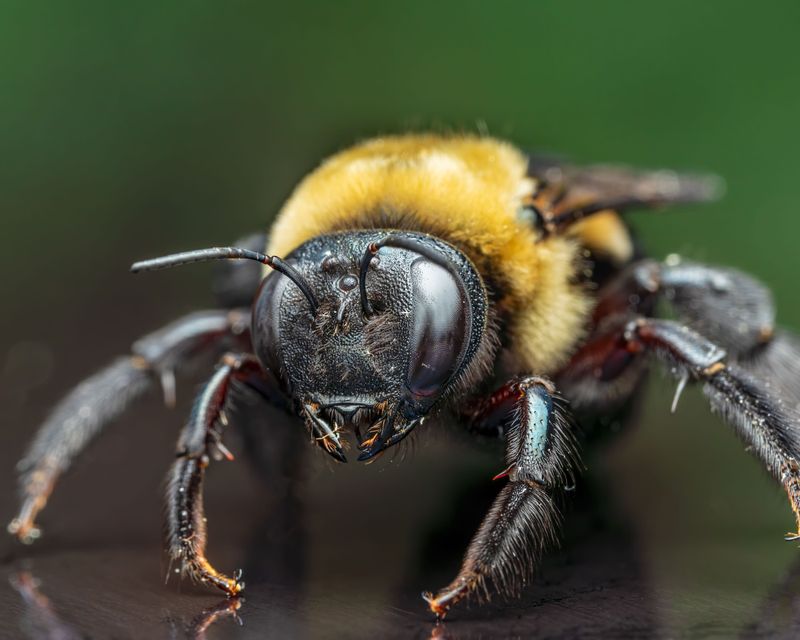
Old wood does not just look tired. To a carpenter bee scouting for a nesting site, it looks like an open door with a neon sign above it.
As wood ages and weathers, it becomes softer, drier, and easier to bore through. The natural degradation process essentially pre-softens the material for nesting activity.
Cracks and splits that develop over years of sun exposure are especially attractive. Bees can begin a tunnel in an existing crack, which cuts their boring time nearly in half.
Gray, silvery wood that has lost its original finish is a strong visual and chemical signal. Bees detect the change in surface chemistry that happens as wood loses its protective coating over time.
Kentucky summers are punishing on exterior wood, with intense heat and humidity accelerating wear.
Porches that go several seasons without maintenance become significantly more vulnerable to carpenter bee activity.
Refinishing weathered wood before it reaches a critically degraded state is the smartest move.
Sanding down the surface and applying fresh sealant can restore its resistance and extend its lifespan significantly.
Look for boards that feel soft or spongy when you press on them. These are the most compromised spots and should be replaced or treated before the next spring season arrives.
Protecting your porch from carpenter bees starts with respecting the wood beneath your feet.
Consistent maintenance is your best defense against attracting carpenter bees back to your Kentucky porch season after season.