Kentucky Flower Beds Aren’t Thriving Because Of This Common July Watering Mistake
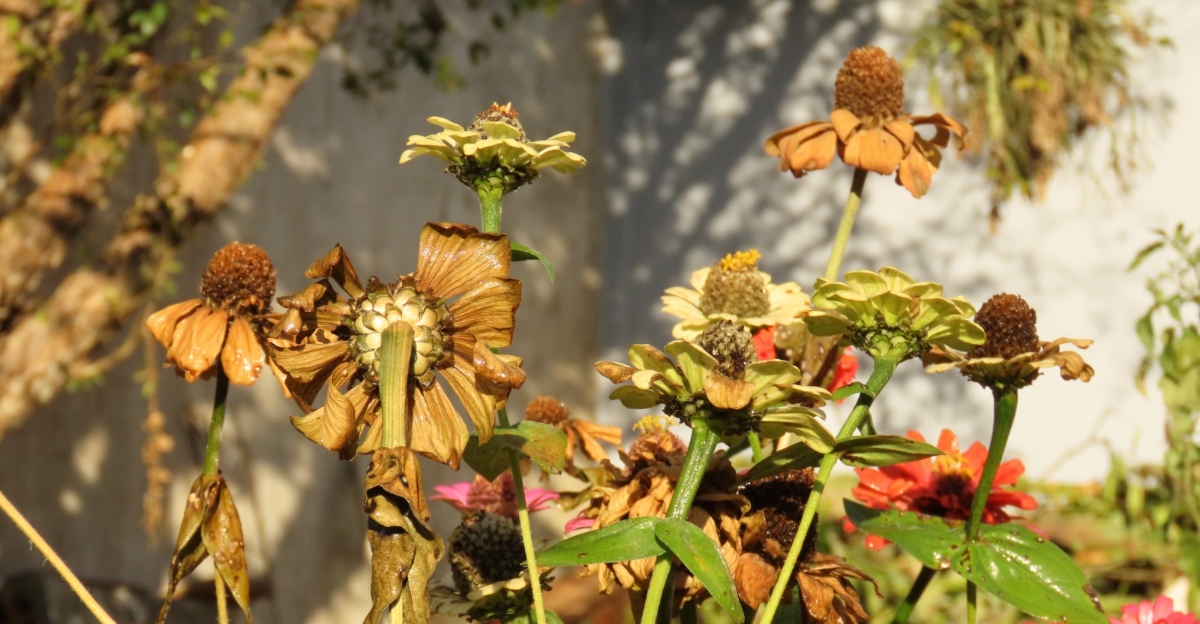
Your flowers are struggling, and you can feel it. Watering daily should fix this, yet nothing changes at all. Droopy blooms and dry soil reveal roots that never went deep enough.
Kentucky summers test shallow habits faster than most gardeners expect. Every drop you pour seems to disappear before it helps.
Plants trained on shallow watering stay weak and quietly exposed. Heat waves reveal that weakness within hours, not days.
Roots that never traveled downward cannot find real moisture. Nutrients live deeper than most gardeners ever realize. Soil across Kentucky holds secrets your watering can hasn’t touched.
Surface habits create fragile plants that struggle fast under pressure. A routine you trust doesn’t always match what your plants actually need. Nothing about this problem is permanent, mysterious, or unfixable.
Fixing it starts with understanding why depth matters more than frequency ever could. You truly cannot afford to skip what comes next.
Breaking Down The Culprit Behind Wilting Flower Beds
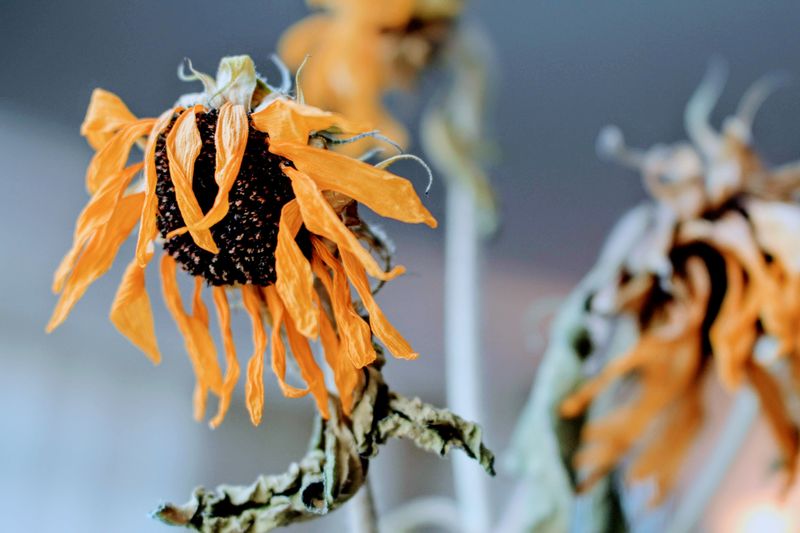
Your flowers are sending you a message. They’re drooping, fading, and struggling despite getting watered almost every day this July. The problem isn’t how often you water. The problem is how deep that water actually goes.
Shallow, frequent watering is the most common July watering mistake made in flower beds across the region. Gardeners grab the hose, give everything a quick sprinkle, and assume the job is done.
But that water barely soaks past the top inch of soil. Roots need moisture much deeper than that to stay strong and healthy through summer heat.
When plants only get surface-level moisture, they grow their roots upward toward it. That sounds harmless, but it creates a fragile root system sitting right at the surface where heat and evaporation hit hardest.
Think of it like giving someone just a few crackers when they need a full meal. The plant holds on short-term but weakens fast.
July in the Bluegrass region brings intense sun and high humidity that speed up evaporation dramatically. Shallow watering evaporates before roots ever get a real drink.
That cycle of surface watering and quick evaporation leaves flowers perpetually stressed. Stressed plants can’t bloom properly, can’t fight off pests, and can’t handle heat spikes.
Breaking this cycle starts with recognizing the pattern. Once you see shallow watering for what it is, fixing your flower beds becomes a straightforward and satisfying process.
Why Shallow Watering Weakens Root Systems
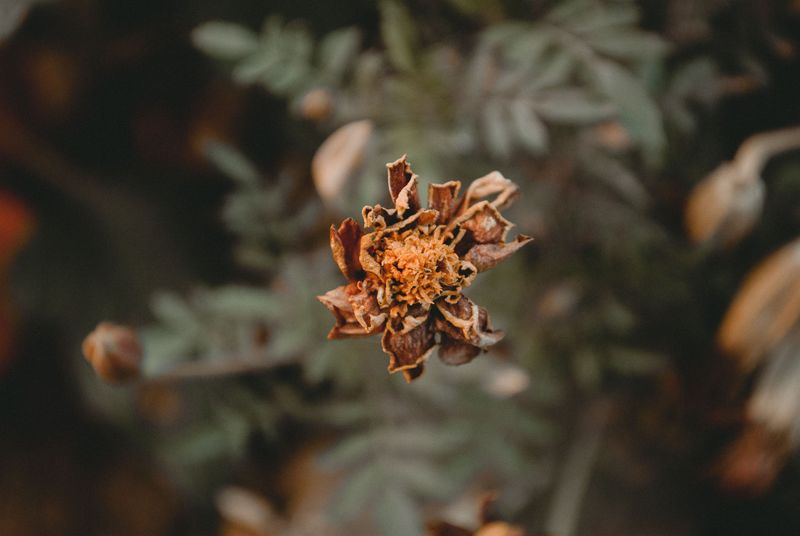
Roots follow water. That’s one of the most important facts every gardener should know. When water only reaches the top inch of soil, roots grow sideways and upward chasing that moisture.
They never develop the deep anchor that keeps plants stable and nourished. A strong root system should extend several inches below the surface. Deep roots tap into moisture reserves that don’t evaporate quickly in summer heat.
Shallow roots have no such safety net. The moment the surface dries out, which happens fast in July, those roots are already stressed and struggling.
Your Kentucky Garden Changes Every Week. Your Plan Should Too.
Gardening in Kentucky changes quickly throughout the season. Every Friday you’ll receive a simple weekly plan showing exactly what to plant, prune, fertilize, harvest, and protect so you never miss the right timing.
Plants with weak root systems also absorb nutrients less efficiently. Soil nutrients dissolve in water and travel downward, so shallow roots miss out on the good stuff sitting deeper in the ground.
Over time, shallow watering creates plants that look okay on the surface but are quietly falling apart underneath. Gardeners often blame the heat or the soil, never realizing the watering habit is the actual problem.
Frequent light watering keeps moisture concentrated in the top layer of soil, which can make future water penetration harder over time. Combined with clay-heavy soil, this creates a frustrating cycle that gets worse each week.
Breaking the shallow root habit requires patience. Plants need time to redirect root growth downward once you change your watering approach.
But the transformation is real and noticeable. Deeper roots mean stronger stems, bigger blooms, and flowers that actually hold up when temperatures climb past 90 degrees.
How Kentucky Heat Makes This Mistake Worse
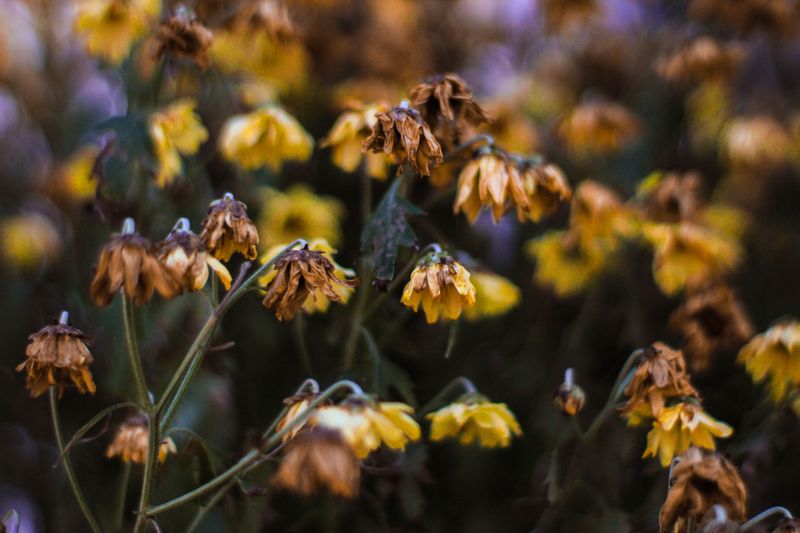
July heat in this part of the country is significant. Temperatures can climb into the mid-90s during heat waves, and the humidity makes it feel even more intense.
That combination of heat and humidity creates a demanding environment for flower beds already weakened by shallow watering. Evaporation happens faster here than in drier climates.
When you water lightly in the morning, that moisture can be gone from the top soil layer by noon. Plants relying on shallow roots have nothing left to pull from by afternoon.
Humidity tricks a lot of gardeners into thinking their plants are getting enough moisture from the air. But humid air doesn’t replace soil moisture, and roots can’t absorb what isn’t there.
The clay-heavy soil common in many parts of this state makes things trickier. Clay soil absorbs water slowly, so quick surface watering runs off or sits on top instead of soaking in deep.
That means even gardeners who think they’re giving their beds a thorough soak may be watching water pool and evaporate rather than penetrate. The roots stay dry while the surface looks wet.
Heat also speeds up plant metabolism, meaning flowers often need more water during July than in cooler months. Shallow watering simply can’t keep pace with that increased demand.
Understanding the local climate is part of becoming a smarter gardener. Working with the heat instead of against it starts with changing how, not just how often, you water your beds.
Signs Your Flower Beds Are Being Underwatered Deeply
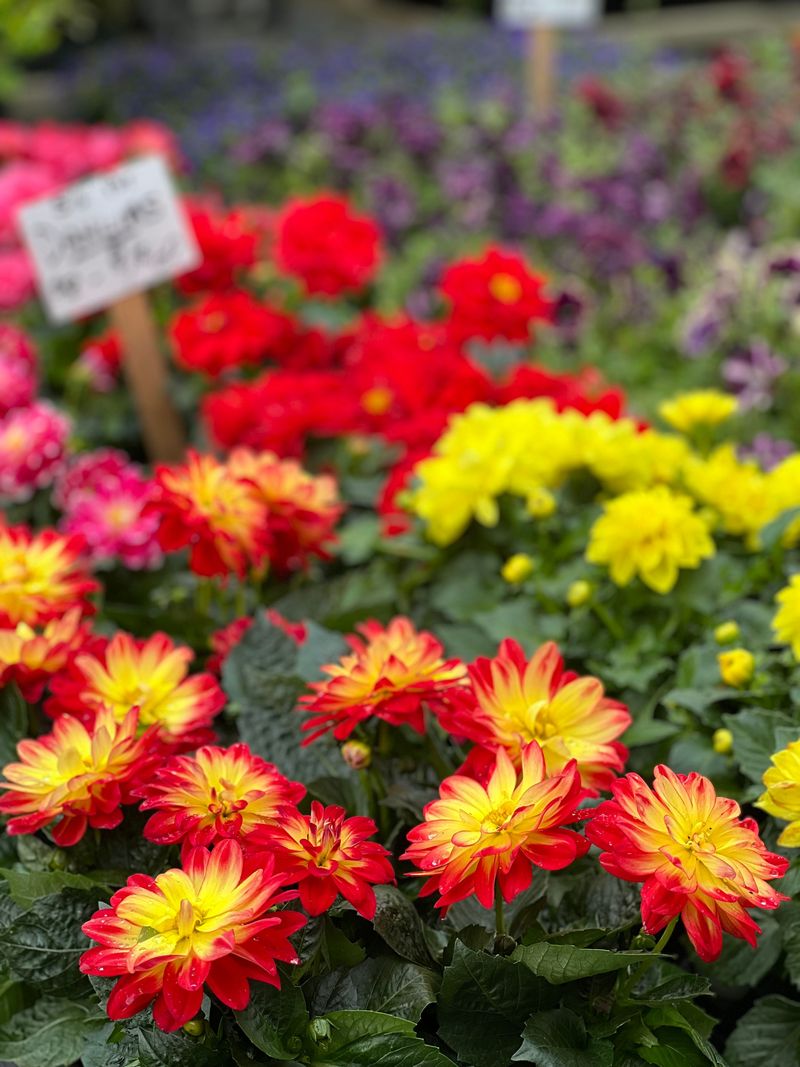
Spotting the signs early can save your whole summer garden. Most gardeners miss the clues because they look similar to plain old heat stress.
Wilting in the morning is a serious red flag. Flowers that perk up in the evening but droop again by mid-morning are telling you their roots can’t hold enough moisture overnight.
Yellowing leaves near the bottom of the plant are another clue. When roots can’t pull nutrients from deeper soil, lower leaves start showing deficiency signs first.
Soil that looks moist on top but feels bone dry an inch down is one of the clearest indicators. Stick your finger into the soil near your plants and check what you actually find.
Crispy leaf edges that appear even when you’re watering daily point directly to shallow root stress. The surface gets wet, but the roots never get a satisfying, deep drink.
Flowers that bloom small or drop petals early are also struggling. Blooms take a lot of energy, and plants under water stress cut corners on flower size and longevity.
Stunted growth mid-season is worth paying attention to. Plants that looked healthy in June but stopped growing in July are likely caught in a shallow watering cycle.
Check your soil moisture at two to three inches deep every few days. That single habit will tell you more about your flower bed’s health than a quick glance at the surface ever could.
Once you know what to look for, fixing the problem feels empowering rather than overwhelming.
The Right Way To Water For Deep Root Growth
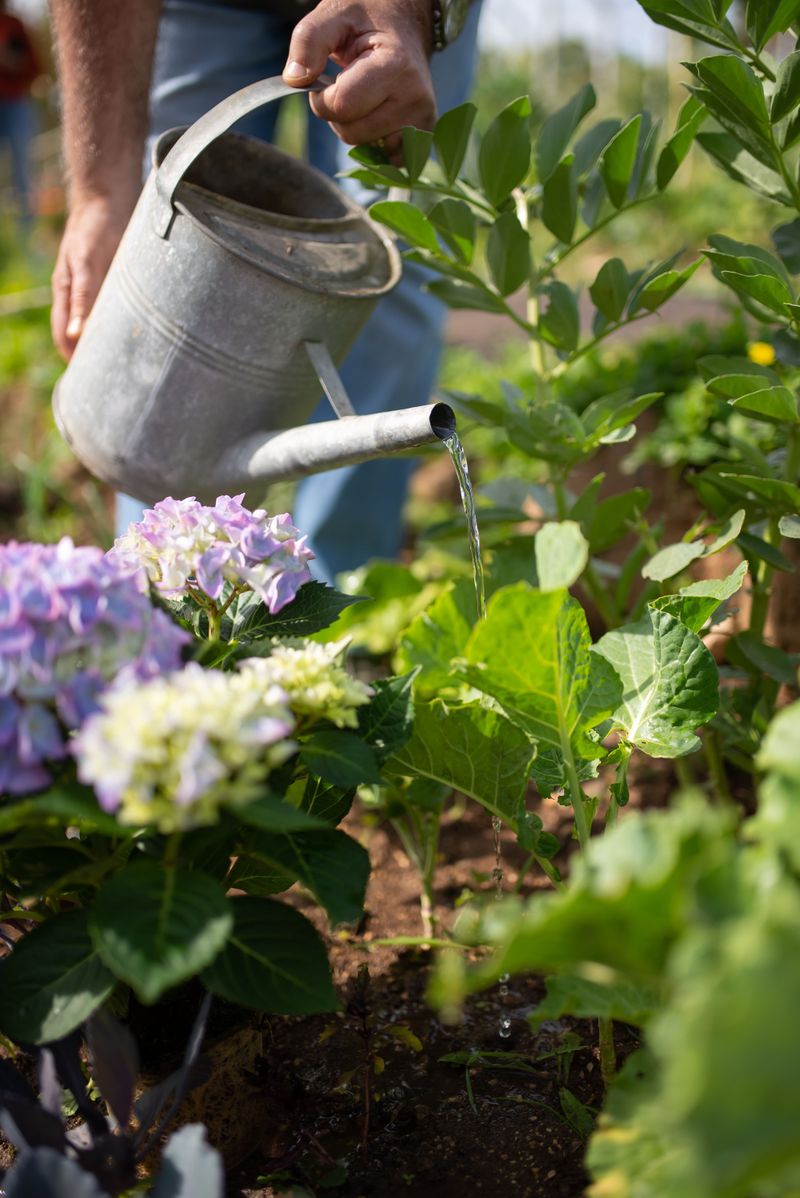
Watering deeply is simpler than most people expect. The goal is to soak the soil to a depth of at least six inches during each session.
That sounds like a lot, but it’s really about slowing down and letting water absorb rather than rushing through your routine. Slow and steady wins here.
Use a soaker hose or a drip irrigation setup if possible. These tools deliver water directly to the root zone slowly, giving the soil time to absorb moisture without runoff.
If you’re using a regular hose, water in pulses. Soak the bed for a few minutes, pause for ten minutes to let it absorb, then soak again.
Early morning is the best time to water. Moisture soaks in before heat picks up, and foliage dries quickly, reducing the chance of fungal problems.
After watering, check the soil with your finger or a cheap moisture meter. You want moisture to reach at least five to six inches below the surface.
Water less frequently but more thoroughly. Watering two to three times per week deeply is far more effective than light daily sprinkles.
Mulching around your flower beds also helps dramatically. A two to three inch layer of mulch slows evaporation and keeps soil cooler between watering sessions.
Switching to this approach might feel counterintuitive at first. Within a couple of weeks, many gardeners begin noticing stronger stems, fuller blooms, and a garden that finally looks the way they imagined it would.
Simple Adjustments To Save Your Summer Flower Beds
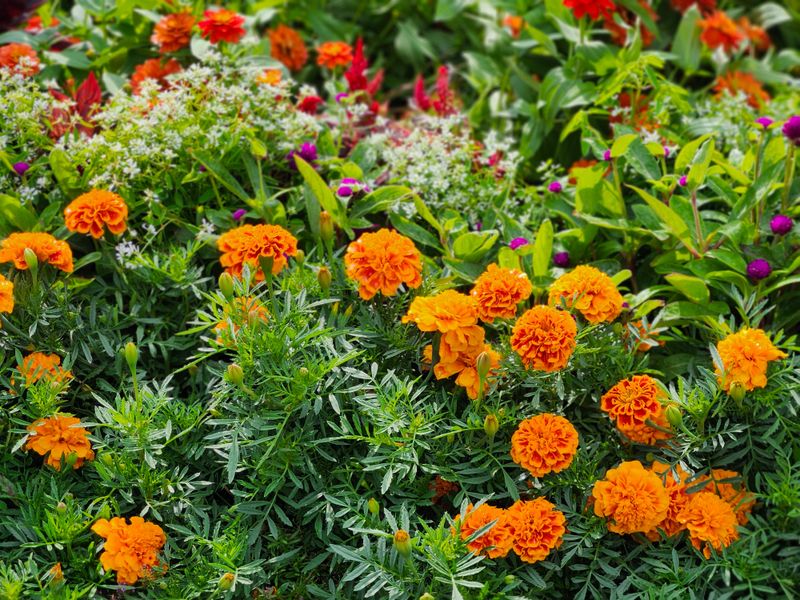
Saving your flower beds doesn’t require a full garden overhaul. A few targeted changes made this week can turn things around before summer ends.
Start by cutting your watering frequency in half. If you’re watering every day, switch to every other day but double the amount of time you spend on each bed.
Add mulch immediately if you haven’t already. Organic mulch like shredded bark or straw reduces soil temperature and locks in the deep moisture your plants desperately need.
If your soil is clay-heavy, consider mixing in a bit of compost around the base of your plants. Compost improves drainage and helps water move downward instead of pooling on top.
Check your watering time. Afternoon watering in July often wastes water because heat evaporates moisture before it reaches the roots.
Move your routine to early morning, ideally before eight o’clock. Cooler temperatures mean more water actually makes it into the soil where it counts.
Consider installing a simple drip system for your most important beds. Basic drip kits are relatively affordable and make deep watering nearly effortless once set up.
Walk your garden every few days and do the finger test. Push your finger into the soil near plant bases and confirm moisture is present below the surface.
This common July watering mistake is easy to fix once you know it exists. Your flower beds have everything they need to thrive this summer with just a smarter approach to watering.