What It Really Means When Carpenter Bees Start Circling Your Indiana Porch
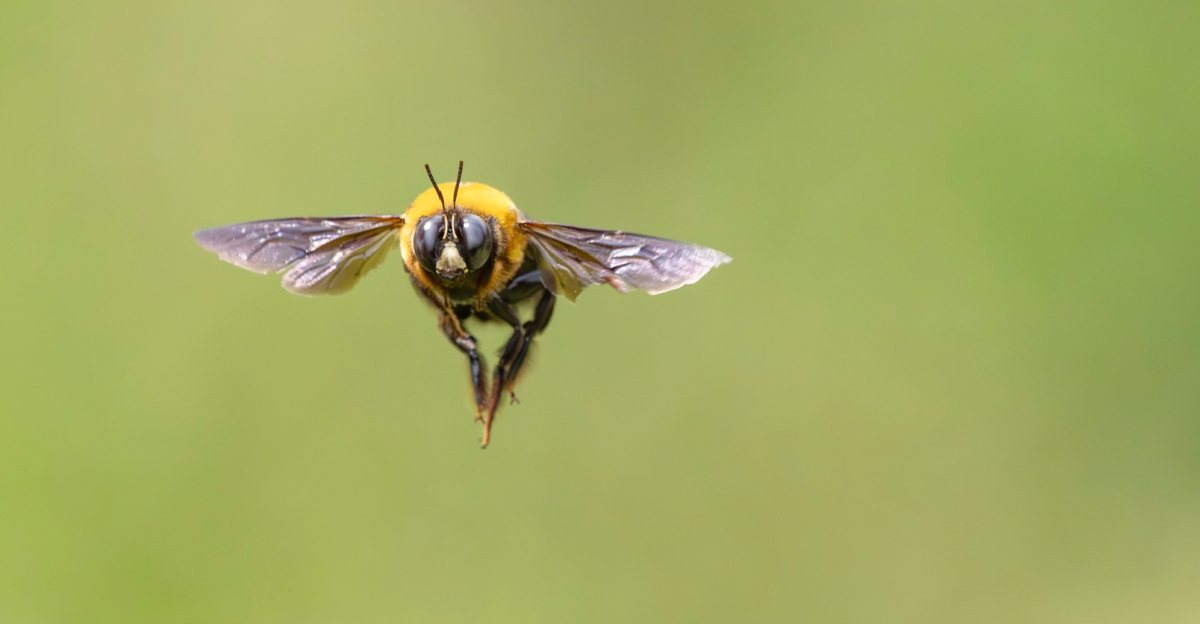
It hovers two inches from your face. Big. Black. Loud. A carpenter bee, bold as it gets, guarding your Indiana porch like a bouncer who forgot you live there. You freeze.
It doesn’t. Then it swoops past your head and disappears into a perfectly drilled hole in your railing.
That hole was not there last week. Neither was the one beside it. Or the one beside that. Why do these bees treat your home like a personal renovation project?
They are not random. They are methodical. Indiana homeowners face this every year and most have no idea what is happening to their wood, or how quickly things compound. You are not dealing with a quirky visitor.
You are dealing with a squatter with power tools. What you discover next might make you look at that fuzzy little landlord very differently.
1. It Is Nesting Season (April Through June In Indiana)
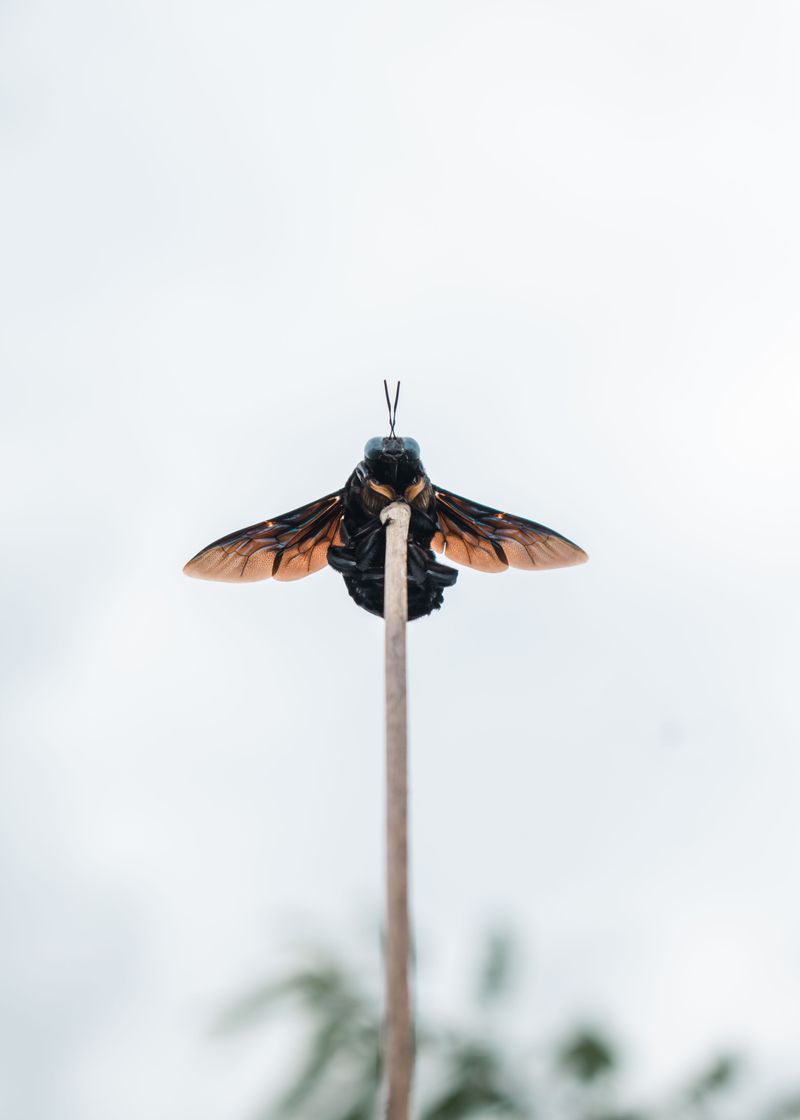
Spring arrives in Indiana and carpenter bees wake up ready to work. April through June is peak nesting season, and your porch is prime real estate.
Female carpenter bees spend this window boring into wood to create egg chambers. Each tunnel can stretch six inches or longer inside your boards.
Warm temperatures trigger their activity, so the first sunny days of April often bring the first sightings. You might notice sawdust beneath wooden beams as a telltale clue.
Unlike honeybees, carpenter bees are solitary nesters. Each female works alone, drilling her own tunnel without a colony backing her up.
The male bees you see hovering aggressively near the porch are not drilling anything. They are guarding the nesting females working just inches away.
Knowing the seasonal window helps you act at the right time. Treating or sealing wood before April gives you a real head start against new damage.
Missing the window means the eggs are already laid and tunnels are already carved. Acting after June is still useful, but early prevention wins every time.
Nesting season is short but impactful, and your porch feels every hour of it. The buzz you hear in May is a reminder your wood will not wait.
2. Your Porch Wood Is Untreated Or Weathered
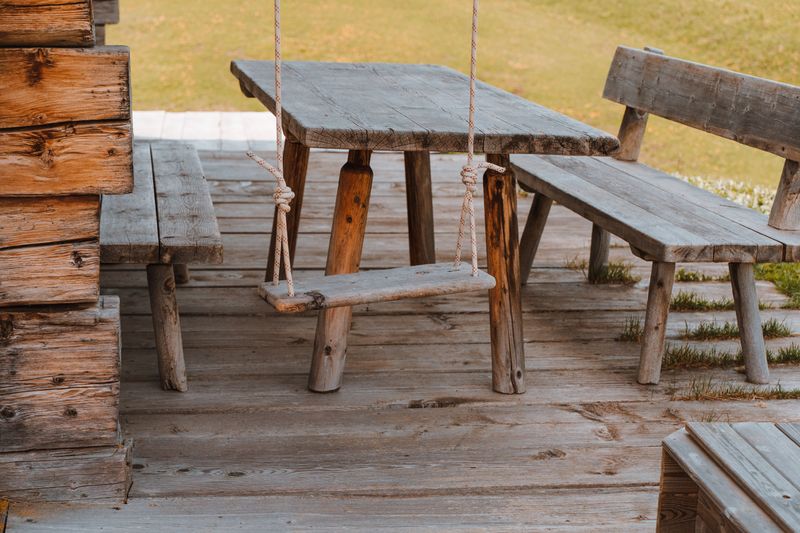
Soft, bare wood is basically a welcome mat for carpenter bees. If your porch boards are untreated or weathered, you have already rolled it out.
Carpenter bees strongly prefer wood that has not been painted, stained, or sealed. Weathered wood is softer and easier to bore through with minimal effort.
Cedar, pine, and redwood are their top picks for nesting material. Hardwoods like oak are far less appealing because the drilling takes too much energy.
Gray, cracked, sun-bleached boards signal an easy entry point to a scouting female. She will test the surface with her mandibles before committing to a spot.
Painted surfaces are not completely bee-proof, but they do slow things down significantly. A fresh coat of exterior paint or solid stain can act as a deterrent.
Some homeowners use almond oil, citrus spray, or tea tree oil as natural repellents on bare wood. These options work best as a supplement to proper sealing, not as a replacement.
Your Indiana Garden Changes Every Week. Your Plan Should Too.
Gardening in Indiana changes quickly throughout the season. Every Friday you’ll receive a simple weekly plan showing exactly what to plant, prune, fertilize, harvest, and protect so you never miss the right timing.
The fix is straightforward but requires consistency. Sand rough surfaces, fill old holes with steel wool and wood filler, then apply a quality exterior finish.
Untreated wood invites repeat visits year after year. Protect the surface now, and you change the entire equation for future seasons.
3. They Are Returning To An Established Nesting Site
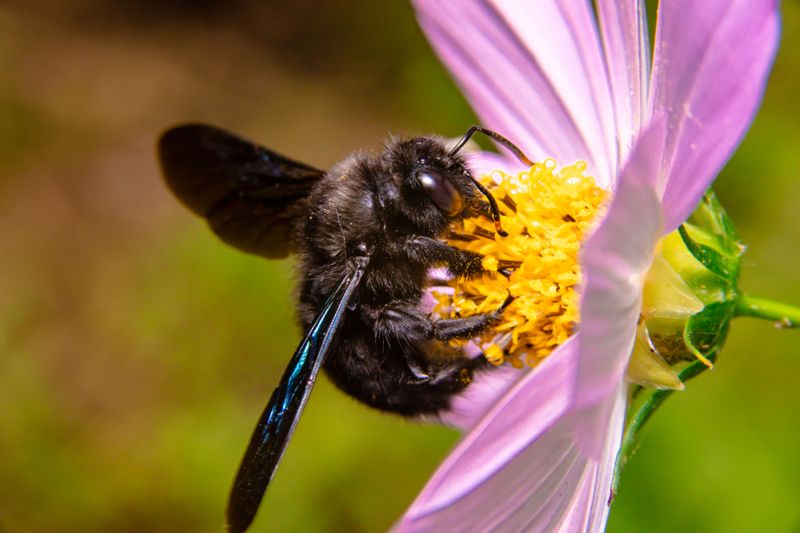
Carpenter bees have an impressive homing instinct, and they use it every spring. If bees circled your porch last year, expect them back this year too.
Adult offspring often return to the exact same structure where they hatched. This behavior is called natal philopatry, and it makes old nesting sites magnets for new activity.
Each existing tunnel represents saved effort for a returning female. She can expand an old gallery instead of starting from scratch in fresh wood.
Old holes left unrepaired act as open invitations. A bee does not need to scout long when a perfectly good tunnel is already waiting.
Filling holes in late summer or fall is one of the most effective prevention steps. Use steel wool packed tightly inside, then cover with exterior wood filler or caulk.
Wait until late summer to seal the tunnels so any larvae inside have already emerged. Sealing too early traps developing bees inside, which creates a different kind of problem.
Once sealed, paint or stain over the repair to discourage fresh boring in the same spot. Bees rely on visual and tactile cues to locate old sites.
Breaking the return cycle takes a couple of seasons of consistent effort. Stick with it, and you will notice fewer bees circling your porch each spring.
4. Males Are Patrolling And Defending Territory
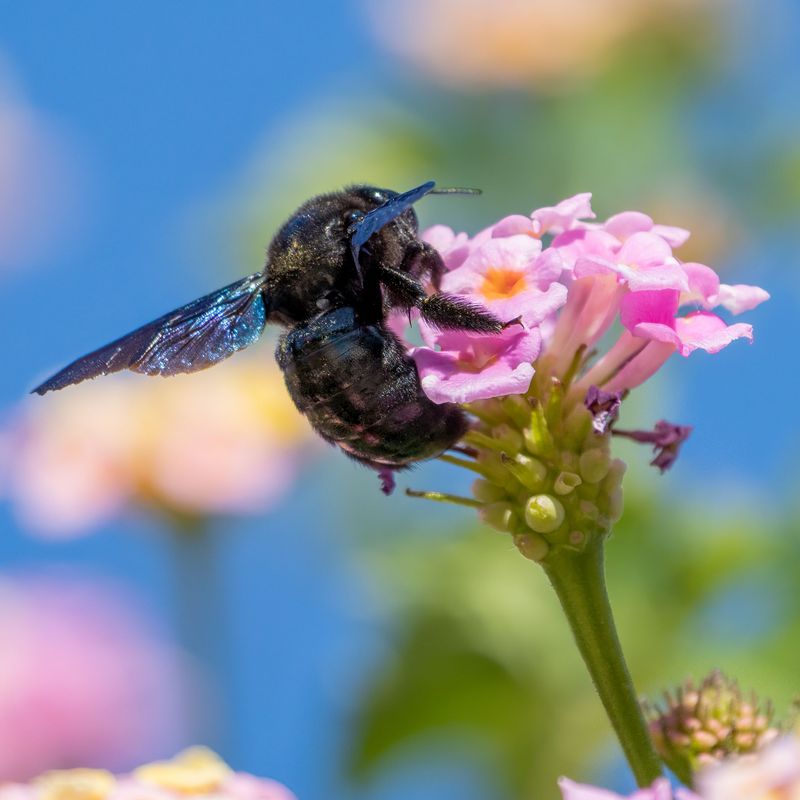
That bee flying straight at your face is almost certainly a male, and he is all bluster. Male carpenter bees cannot sting, but they put on an impressive show anyway.
Males lack a stinger entirely, so their swooping behavior is pure intimidation. They patrol a fixed zone, chasing away other insects and startling humans with surprising boldness.
A male will hover at roughly face height, which is exactly why encounters feel so alarming. He is sizing up the threat, not preparing an attack.
Their territory usually covers a few square feet around the nesting site. You will often see the same bee returning to the same hovering spot throughout the day.
Males are easy to identify by the white or yellow patch on their face. Females have solid black heads and are the ones actually doing the structural work on your wood.
The aggressive hovering peaks during the warmest part of the day, usually between 10 a.m. and 3 p.m. Cooler mornings and evenings are much calmer on the porch.
Waving them away is enough to redirect a patrolling male. He will return, but he will not follow you into the house or pursue you down the street.
Once you know the male cannot sting, the whole experience shifts from scary to almost comical. He is a tiny security guard with no actual authority.
5. Your Porch Has Ideal Structural Features
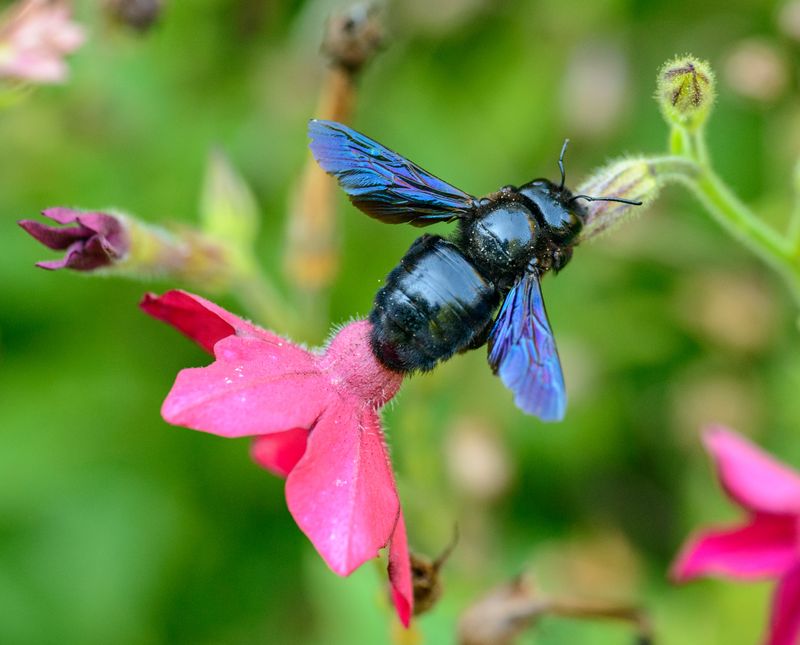
Not every porch gets targeted equally, and yours might have features that make it especially attractive. Overhangs, exposed beam undersides, and horizontal wood surfaces are top-tier nesting spots.
Carpenter bees prefer to bore into wood at a horizontal or slightly upward angle. This orientation keeps rain out of their tunnels naturally.
Porch fascia boards, deck joists, and pergola rafters are all common targets. Any exposed wood with a flat underside is worth inspecting closely each spring.
Overhangs provide shelter from rain and direct sun, which helps regulate tunnel temperature. A shaded, protected spot is far more appealing than open, exposed wood.
Thick lumber is also a draw because it allows for longer tunnels with more egg chambers. Thin boards get skipped in favor of meatier structural wood.
If your porch has multiple ideal features stacked together, expect heavier activity. An overhang with thick, unpainted fascia and soft pine joists is basically a luxury condo for carpenter bees.
Modifying structural features is not always practical, but you can compensate with surface treatments. Sealing every exposed surface of vulnerable wood removes the appeal even when the shape is perfect.
Understanding your porch layout helps you target your prevention efforts smartly. Focus on the undersides of beams first, because that is where the action almost always starts.
6. Nearby Flowering Plants Are Drawing Them In
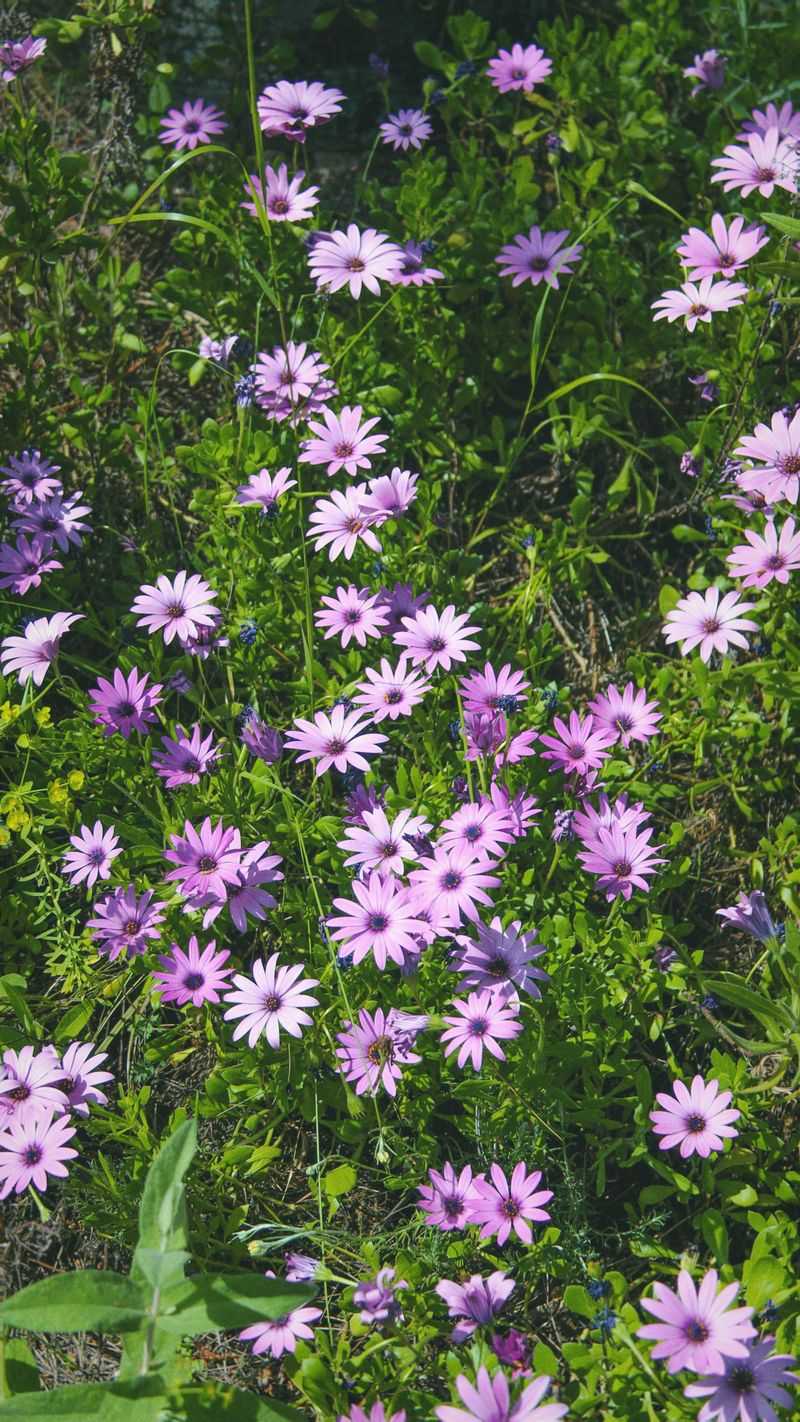
Carpenter bees are pollinators first, and your garden might be pulling them toward your porch. Flowering plants close to the structure create a natural flight path that ends at your wood.
Wisteria is a notorious attractant because it blooms heavily in spring and often grows on or near porches. Its sweet fragrance and accessible blooms make it a carpenter bee magnet.
Black-eyed Susans, coneflowers, and lavender are also favorites in Indiana gardens. These native plants are wonderful for pollinators, but they do concentrate bee activity near your home.
Relocating heavy-blooming plants a few feet away from the porch can reduce direct traffic. You keep the garden and the pollinators without funneling them straight into your wood.
Carpenter bees are actually excellent pollinators, especially for open-faced flowers. Their size and buzz pollination technique make them more effective than honeybees for certain crops.
Planting bee-friendly flowers in a dedicated garden spot away from the structure gives them a reason to linger elsewhere. Distance matters more than elimination when it comes to managing their presence.
Window boxes and hanging baskets mounted directly on porch railings are worth reconsidering during nesting season. They concentrate foraging activity right where you do not want it.
A thoughtful garden layout can reduce porch activity without harming the local pollinator population. Small shifts in plant placement make a surprisingly big difference each season.
7. The Impact Builds Quietly Over Time
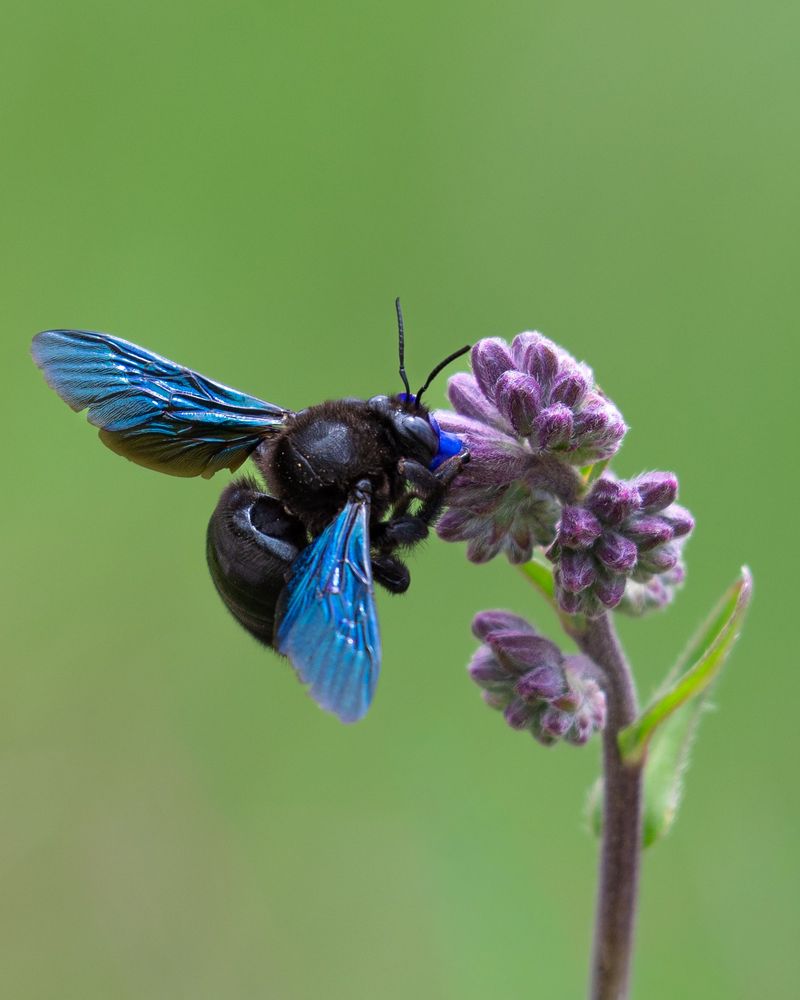
One season of carpenter bee activity looks minor. Five seasons of it can significantly weaken a structural beam, in severe cases hollowing it from within.
Each tunnel starts as a half-inch entry hole but branches into multiple galleries inside. A single beam can host several interconnected tunnels after repeated use.
Woodpeckers make things significantly worse by pecking into bee tunnels to reach the larvae. A board with bee holes becomes a woodpecker target, and the wear accelerates quickly.
Water enters the tunnels and causes rot over time, especially in older wood. What starts as a cosmetic issue can become a structural one within a few years.
Inspecting your porch annually in early spring takes about twenty minutes. Look for fresh sawdust below beams and new perfectly round holes about half an inch wide.
Catching new tunnels early means less repair work and less structural compromise. A fresh hole is far easier to address than a system of connected galleries deep in the wood.
Homeowners often underestimate how much impact accumulates over a decade of ignored activity. The bees are not malicious, but the cumulative effect can add up over time.
Addressing the problem early is both cheaper and less disruptive than waiting. A small tube of wood filler and a can of stain today beats a full beam replacement next summer.
8. Your Porch Lights Are Running All Night
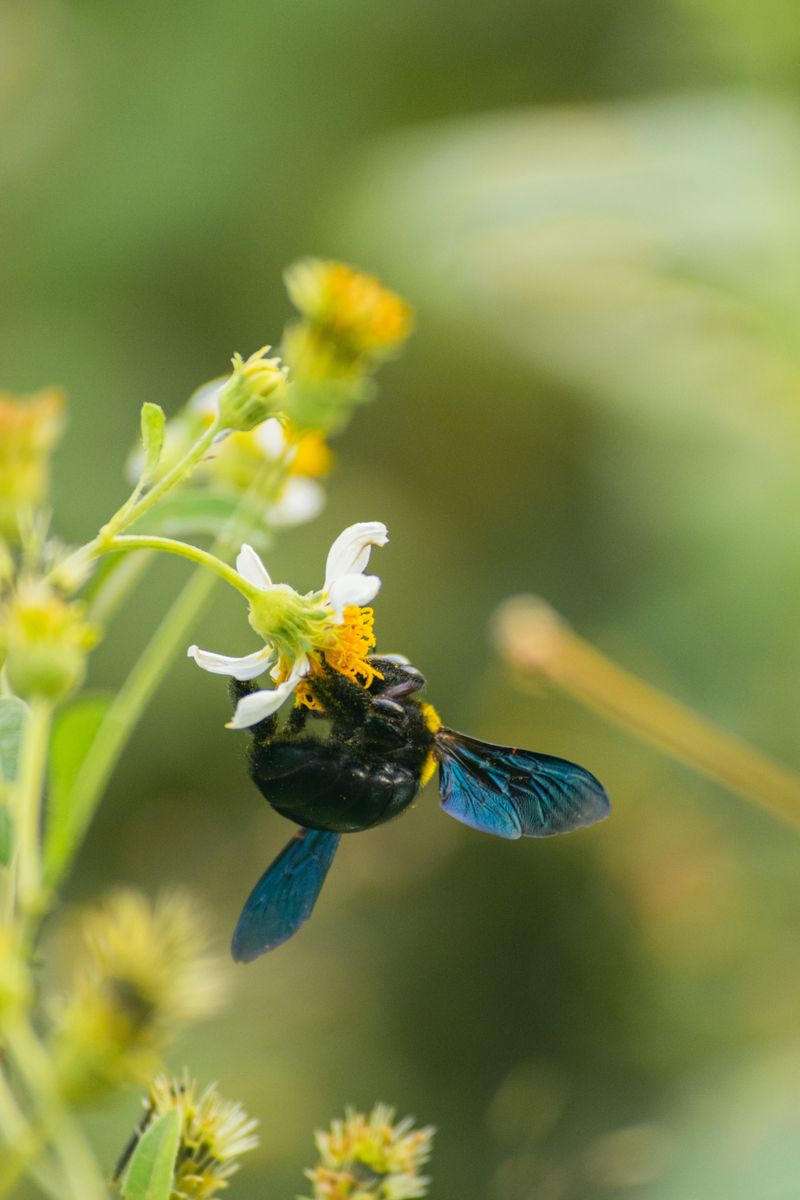
Leaving outdoor lights on through the night does more than light up your steps. It quietly signals to carpenter bees that your porch is an active, warm, and worthwhile place to investigate.
Carpenter bees are drawn to light and warmth, and a brightly lit porch extends their active window beyond typical daylight hours.
Artificial lighting can disrupt their natural rhythms and keep them oriented toward your structure longer than usual.
Warm-spectrum bulbs are particularly attractive to insects of all kinds, including carpenter bees scouting for nesting locations.
Switching to cool-spectrum or yellow bug-light bulbs reduces the magnetic pull your porch projects after dark.
Motion-activated lights are a practical alternative that eliminate the constant beacon effect. They give you visibility when you actually need it without broadcasting an all-night invitation.
Light also attracts the smaller insects that carpenter bees feed on during certain life stages. A porch swarming with moths and gnats at midnight becomes a reliable food source that keeps bees returning.
Fixtures mounted directly into wooden beams or railings are worth paying extra attention to. The heat they generate softens surrounding wood slightly, making nearby surfaces marginally easier to bore into.
Reducing overnight lighting is one of the lowest-effort adjustments you can make during nesting season. No products, no ladders, no chemicals required.
A simple timer or smart plug can automate the change so you never have to think about it again. Small habits that reduce porch appeal add up across an entire season of prevention.