These Flowering Oregon Shrubs Create Privacy Without Looking Like A Green Wall
Privacy does not have to feel stiff or closed in. In Oregon gardens, flowering shrubs can soften a view while still making the yard feel open and welcoming.
They bring height where you need coverage, but their blooms keep the space from looking like a plain green barrier. That makes them a smart choice along fences, patios, and property edges.
The right shrub can screen a busy sidewalk without swallowing the whole garden. It can also add seasonal color, which makes privacy feel more like a design feature than a problem to solve.
Size still matters, especially in smaller yards. Choose shrubs that fit the space once mature, and the result can feel natural, pretty, and private without turning your garden into a wall.
1. Baldhip Rose Makes A Natural Flowering Boundary
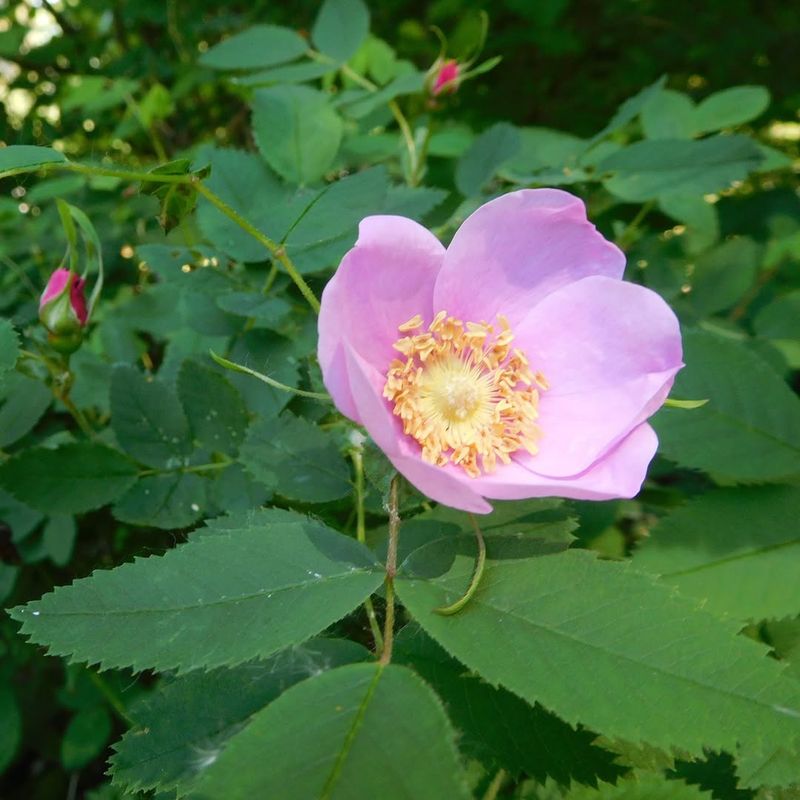
Few native plants pull double duty as gracefully as the Baldhip Rose. Known botanically as Rosa gymnocarpa, this slender, arching shrub produces small but lovely pink flowers in late spring and early summer.
It grows naturally in open woodlands and forest edges across Oregon, which means it already knows how to thrive here without much help from you.
What makes it a smart privacy choice is its dense, twiggy growth habit. The canes layer over each other as the shrub matures, creating a soft but effective screen.
It tops out at around three to five feet tall, making it ideal for low boundaries along pathways, fence lines, or property edges where you want definition without total blockage.
The flowers are small and delicate, with a light fragrance that draws native bees and butterflies. After blooming, it produces tiny red hips that birds absolutely love.
So while you are gaining privacy, you are also feeding local wildlife through every season.
Baldhip Rose handles dry summers well once it is established. It prefers well-drained soil and does best in full sun to partial shade.
It spreads slowly by root sprouts, which helps fill in gaps naturally over time without becoming invasive or overwhelming.
Plant it in a row with a little spacing, and within two to three seasons, you will have a flowering thicket that looks wild and natural. It softens any hard edge beautifully and brings real seasonal interest to your yard all year long.
2. Thimbleberry Creates A Soft Flowering Thicket
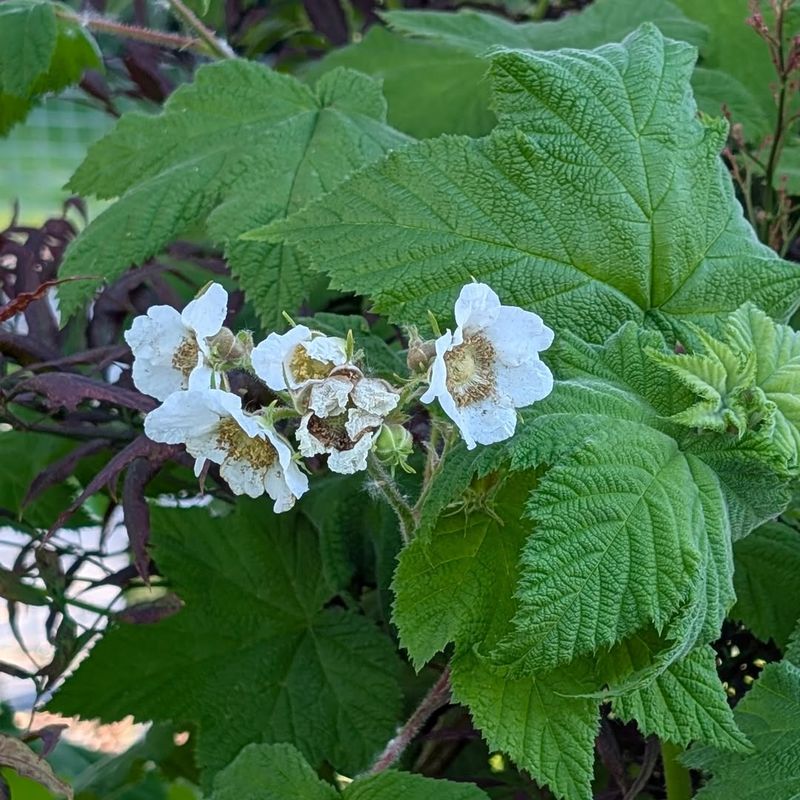
Bold, broad, and covered in big white flowers, Thimbleberry is the kind of shrub that stops people in their tracks. Rubus parviflorus is its botanical name, and it earns its place in any native planting scheme with ease.
The flowers appear in late spring, and they are surprisingly large for a native shrub, almost like small single roses, with bright white petals that stand out against the deep green foliage.
The leaves themselves are a feature worth noting. They are wide and maple-shaped, sometimes reaching eight inches across, which gives the planting a lush, layered look even when the plant is not in bloom.
That leaf size also means Thimbleberry creates visual density quickly, making it one of the faster-growing options for a natural privacy screen.
Your Oregon Garden Changes Every Week. Your Plan Should Too.
Gardening in Oregon changes quickly throughout the season. Every Friday you’ll receive a simple weekly plan showing exactly what to plant, prune, fertilize, harvest, and protect so you never miss the right timing.
It spreads by underground runners, forming a thicket over time. This is actually a good thing when you want to fill in a long stretch of fence line or create a wide buffer along a property edge.
Just be aware that it will keep spreading, so planting it where it has room to roam is a smart move.
After the flowers fade, soft red berries appear that are edible and beloved by birds. The berries are fragile and do not ship well commercially, which makes finding them in the wild feel like a small treasure.
Thimbleberry grows best in partial shade with moist, well-drained soil. It handles full sun in cooler spots and rewards you with a lively, wildlife-friendly thicket that never looks stiff or formal.
3. Salmonberry Fills Damp Edges With Pink Blooms
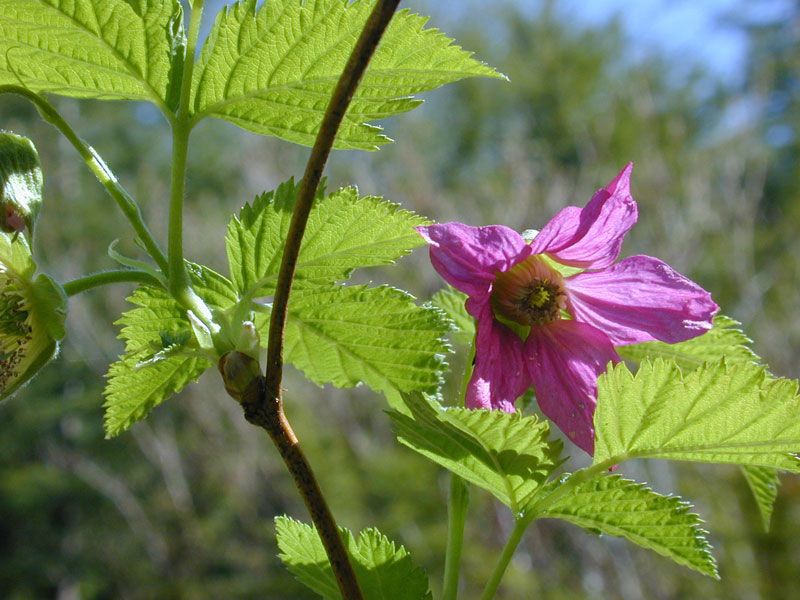
Early spring in Oregon has a secret weapon, and it blooms magenta-pink before most other plants have even woken up.
Salmonberry, or Rubus spectabilis, is one of the first native shrubs to flower each year, sometimes as early as February or March.
That early color is a lifeline for hummingbirds just returning from their winter range, and watching them hover around the blooms is one of the best reasons to plant this shrub.
It loves wet feet. Salmonberry thrives along stream banks, pond edges, drainage swales, and any low spot in your yard that tends to stay moist.
If you have a soggy corner that feels like a problem, this plant turns it into an asset. It grows quickly, reaching six to twelve feet tall in ideal conditions, and it spreads by root sprouts to form a dense, arching thicket.
That height and density make it a serious privacy option for wet edges of the yard. The canes arch outward and overlap, creating a layered screen that blocks sightlines without looking clipped or controlled.
The overall effect is lush and naturalistic, like something you would find along a forest trail.
Salmon-colored to yellow berries follow the flowers in early summer. They are edible, sweet, and popular with birds, bears, and adventurous humans alike.
The berries ripen unevenly, so you get a long harvest window that keeps wildlife visiting for weeks.
Plant Salmonberry in groups for the best privacy effect. Give it room to spread, and it will reward you with seasons of color, food, and natural beauty.
4. Oso Berry Gives Early Flowers And Light Screening
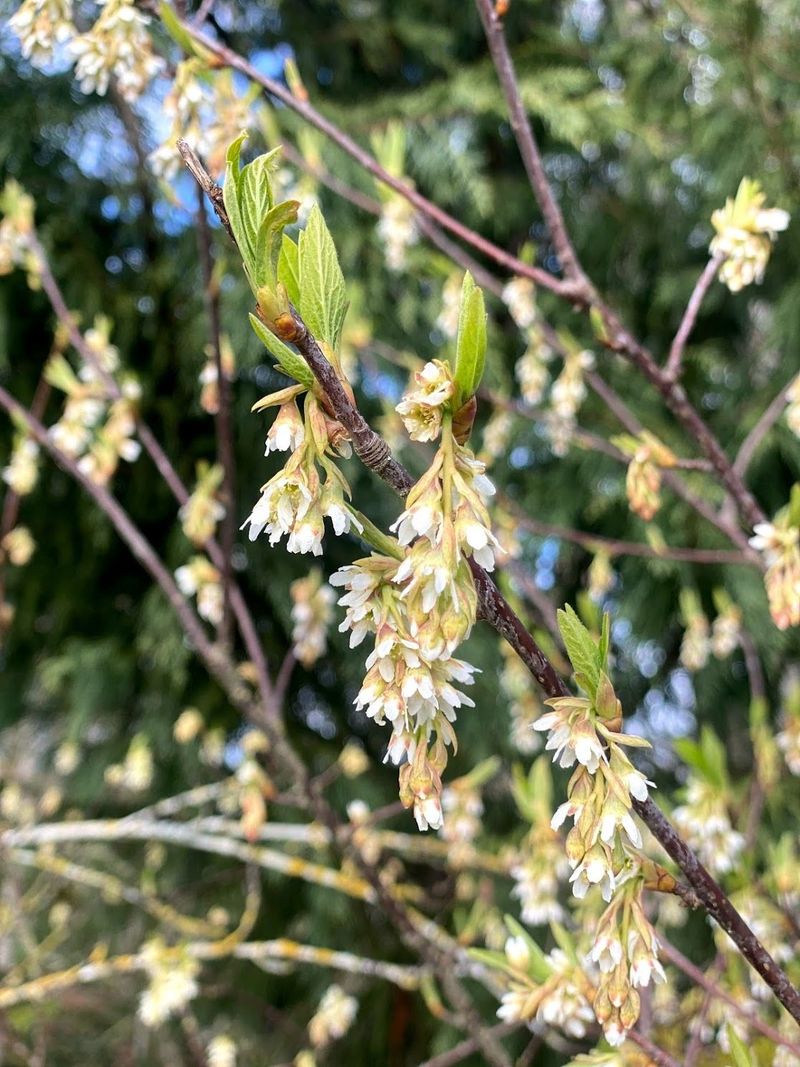
Long before most shrubs even think about budding, Oso Berry is already showing off. Oemleria cerasiformis is the botanical name, and it holds the impressive title of being one of the earliest flowering native shrubs in the Pacific Northwest.
Blooms can appear as early as January in mild years, making it a critical early food source for native bees just emerging from winter dormancy.
The flowers are small, white, and clustered in drooping chains that hang from bare branches before the leaves fully open. There is something elegant about that look, a little like a winter-blooming cherry tree.
The fragrance is light and sweet, which adds another layer of appeal to an already charming shrub.
Oso Berry grows to about eight to fifteen feet tall and has an upright, open branching structure.
That structure means it provides light screening rather than a solid wall, which is actually ideal in spots where you want some privacy but still want air movement and filtered light.
It works beautifully as a mid-layer plant between taller trees and lower ground covers.
Male and female flowers grow on separate plants, so you need both to get berries. The small blue-black fruits ripen in early Oregon summer and are quickly eaten by birds, especially cedar waxwings and robins.
Planting a few together ensures good pollination and a reliable berry crop.
Shade tolerance is one of its best traits. It grows well under tall conifers and along shaded property lines where other shrubs struggle, making it a practical and pretty choice for tricky spots in the yard.
5. Western Spiraea Softens Wet Edges With Summer Flowers
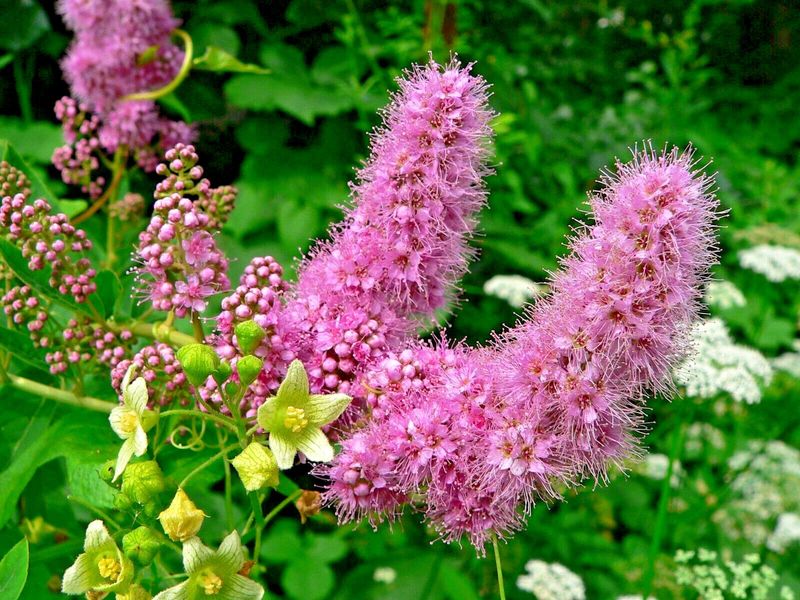
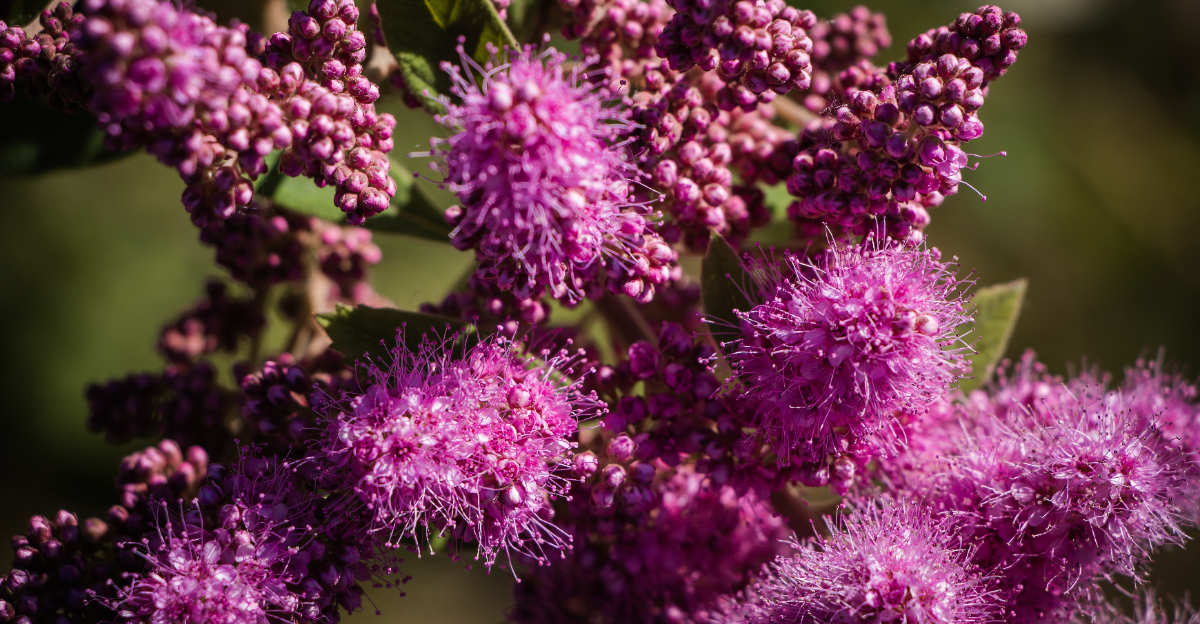
There is something cheerful and unassuming about Western Spiraea that makes it easy to love. Spiraea douglasii produces fluffy, rose-pink flower clusters in midsummer that look almost like cotton candy waving in the breeze.
It blooms when many other native shrubs have already finished for the season, which makes it a valuable source of late-season color and pollinator food.
This shrub is a natural for wet areas. It grows along stream banks, wetland margins, and poorly drained spots that would challenge most other plants.
If your yard has a low corner that stays wet through summer, Western Spiraea will not just survive there, it will thrive and spread to fill the space with something genuinely attractive.
It typically grows three to six feet tall with upright stems that arch slightly at the tips. The dense growth habit and spreading root system mean it fills in gaps quickly, creating a soft, natural-looking screen along wet edges.
The overall texture is fine and feathery, which gives it a very different look from coarser-leaved privacy shrubs.
Bees and butterflies are wild about the flowers. Planting a mass of Western Spiraea along a fence line or property edge creates a mid-summer pollinator hotspot that buzzes with activity.
That kind of wildlife action makes your yard feel alive in the best possible way.
Fall color is a quiet bonus. The leaves turn warm shades of orange and red before dropping, adding one more seasonal moment to a shrub that already earns its keep all year.
It is a low-fuss, high-reward plant for wet spots in any native Oregon garden.
6. Nootka Rose Adds Loose Privacy With Wildlife Value
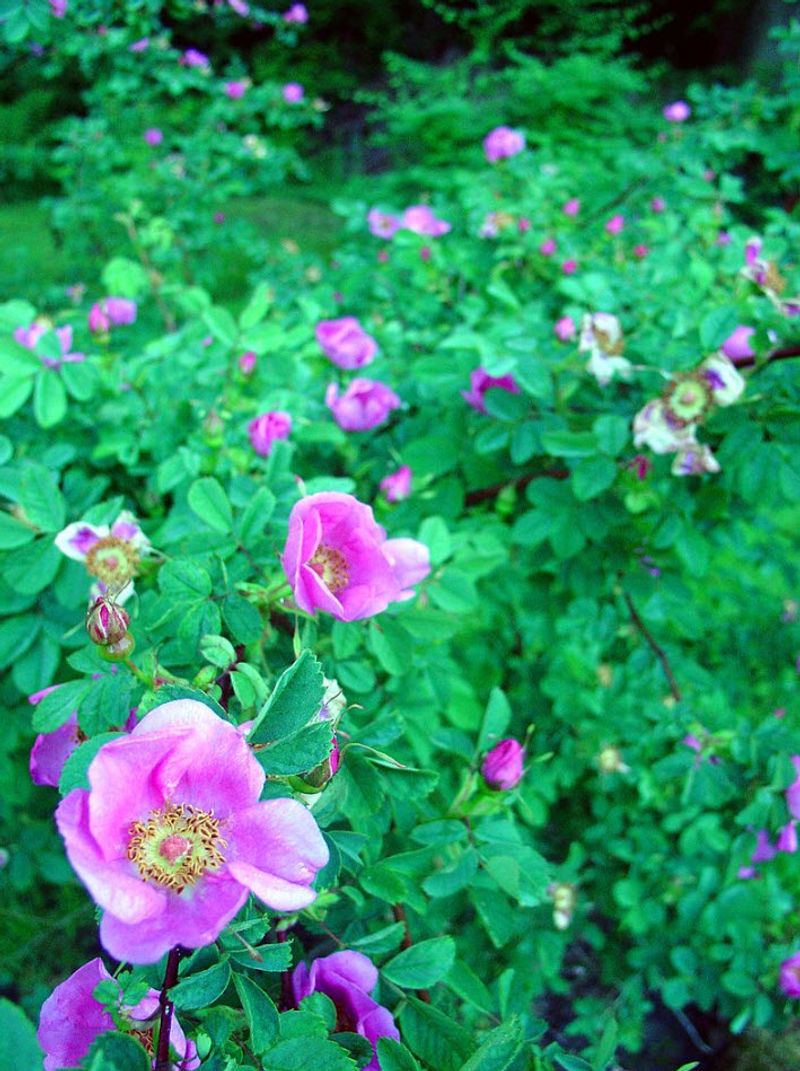
Ask any wildlife gardener in the Pacific Northwest which native rose they would plant first, and Nootka Rose usually tops the list.
Rosa nutkana is larger and more vigorous than its cousin the Baldhip Rose, reaching four to ten feet tall with big, showy pink flowers that bloom in late spring to early summer.
Each flower can be up to two inches across, making this one of the most visually impressive native roses in our region.
The canes are arching and thorny, which means this shrub does double duty as both a visual screen and a physical deterrent.
Once established, a row of Nootka Rose creates a boundary that is genuinely difficult to push through, which is useful along property lines or garden edges where you want to discourage foot traffic without installing a fence.
After the flowers drop, large red rose hips develop and persist on the plant well into winter. Those hips are a critical food source for birds during the cold months.
Cedar waxwings, robins, and finches all visit regularly, turning your privacy hedge into a winter feeding station.
Nootka Rose is adaptable to a wide range of soil types and moisture levels. It handles both dry and moderately wet conditions, and it grows in full sun or partial shade.
That flexibility makes it one of the most versatile native shrubs for privacy planting across different yard conditions.
Give it room to spread, because it will. Within a few seasons, a small planting grows into a full, arching thicket that looks completely natural and requires very little care to maintain its shape and density.
7. Oceanspray Creates A Soft Flowering Screen
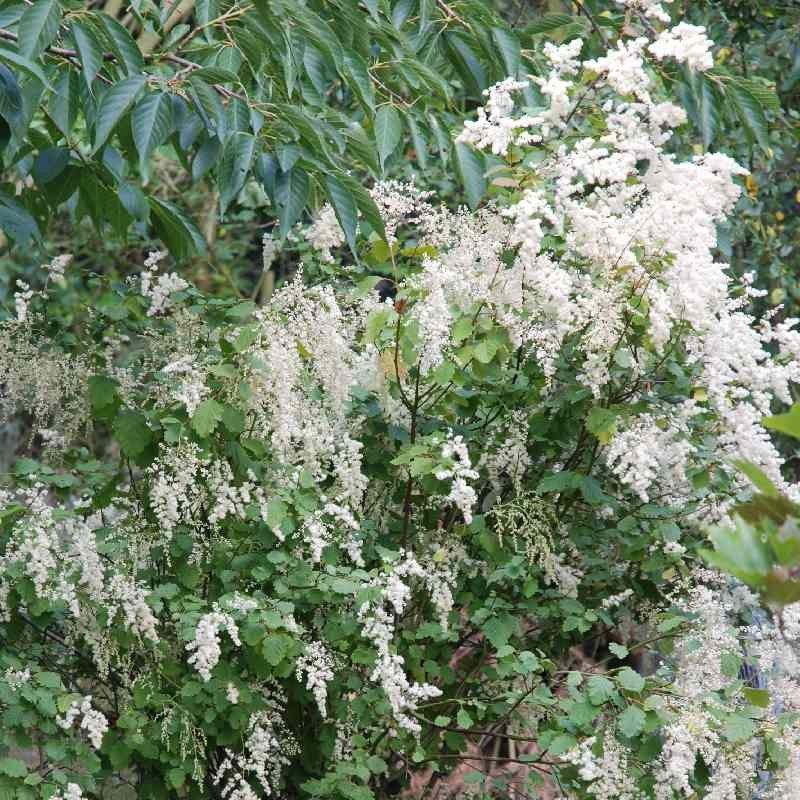
When Oceanspray is in full bloom, it genuinely looks like something out of a dream. Holodiscus discolor produces massive, cascading plumes of creamy white flowers in early to midsummer, and the effect is breathtaking.
The plumes can reach a foot or more in length, and they arch gracefully over the surrounding plants, creating a soft, flowing look that is about as far from a stiff green wall as you can get.
This shrub grows six to fifteen feet tall depending on conditions, making it one of the taller options on this list.
That height is useful when you need screening at eye level or above, such as along a raised deck, a sloped yard edge, or a tall fence line.
The arching branches fill horizontal space as well as vertical space, creating a layered screen with real visual depth.
Drought tolerance is a standout trait. Once established, Oceanspray handles the dry summers of Oregon with minimal supplemental watering.
It prefers well-drained soil and full sun to partial shade. Rocky slopes and dry hillsides are actually ideal locations, which makes it useful in spots where wetter-loving shrubs would not survive.
The dried flower clusters persist through fall and winter, turning a warm tan color that catches the light beautifully.
Many gardeners leave them on the plant through the cold months for winter interest and as a food source for small birds that pick through the seeds.
Pollinators absolutely swarm the flowers when they are open. Native bees, beetles, and butterflies all visit in large numbers, making a blooming Oceanspray one of the busiest wildlife spots in any native garden during the summer months.