The Native Oregon Plant That Attracts More Butterfly Species Than Any Ornamental In Nurseries
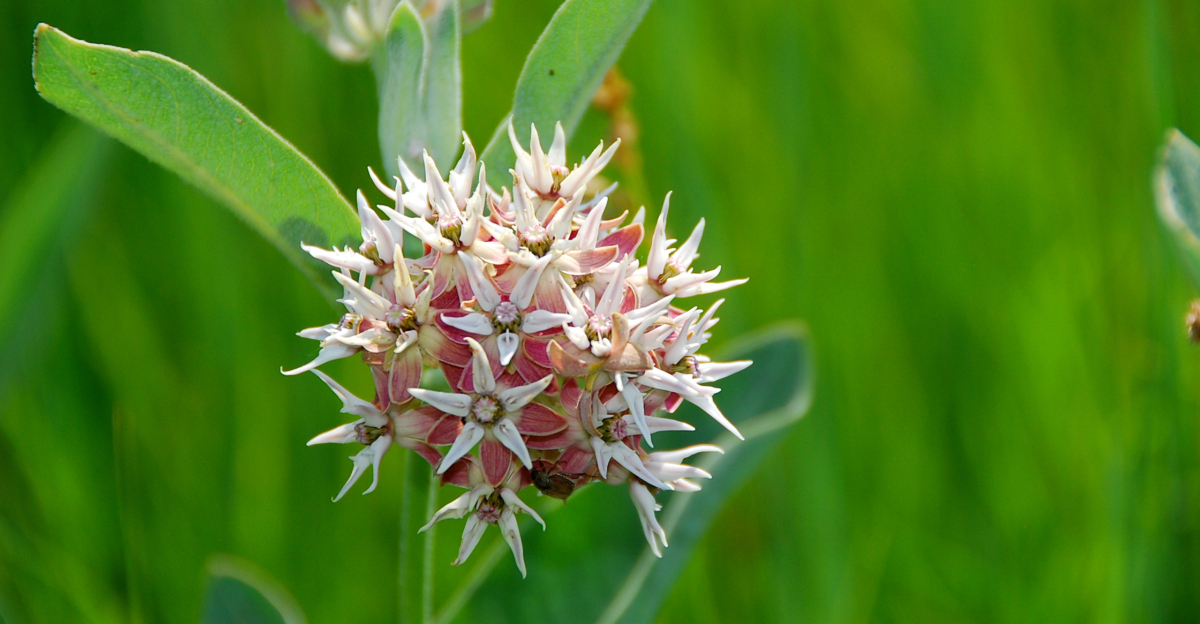
A sunny Oregon garden can look beautiful with nursery flowers, but beauty alone does not always help butterflies. Many popular ornamentals offer color for people and a little nectar for adult insects.
Yet they often miss the most important part of the story. Butterflies need more than pretty blooms.
They need host plants, nectar, shelter, and safe places to complete their life cycle. That is where showy milkweed stands out.
This native wildflower brings purpose to a bed in a way many common ornamentals cannot match. Its pink flower clusters look soft and charming, but the real value goes much deeper.
Adult butterflies visit the blooms for nectar, while monarchs depend on the leaves for their caterpillars. That makes the plant both a dining spot and a nursery.
Across Oregon, from dry inland gardens to sunny valley beds, showy milkweed can turn a simple planting into real habitat. It is not the neatest plant in every season, and it does need space.
Still, for gardeners who want more butterflies and a stronger native garden, few choices feel more meaningful. A patch of showy milkweed can make a yard feel alive in a way a pot of ordinary flowers rarely can.
1. Showy Milkweed Is More Than A Pretty Oregon Wildflower
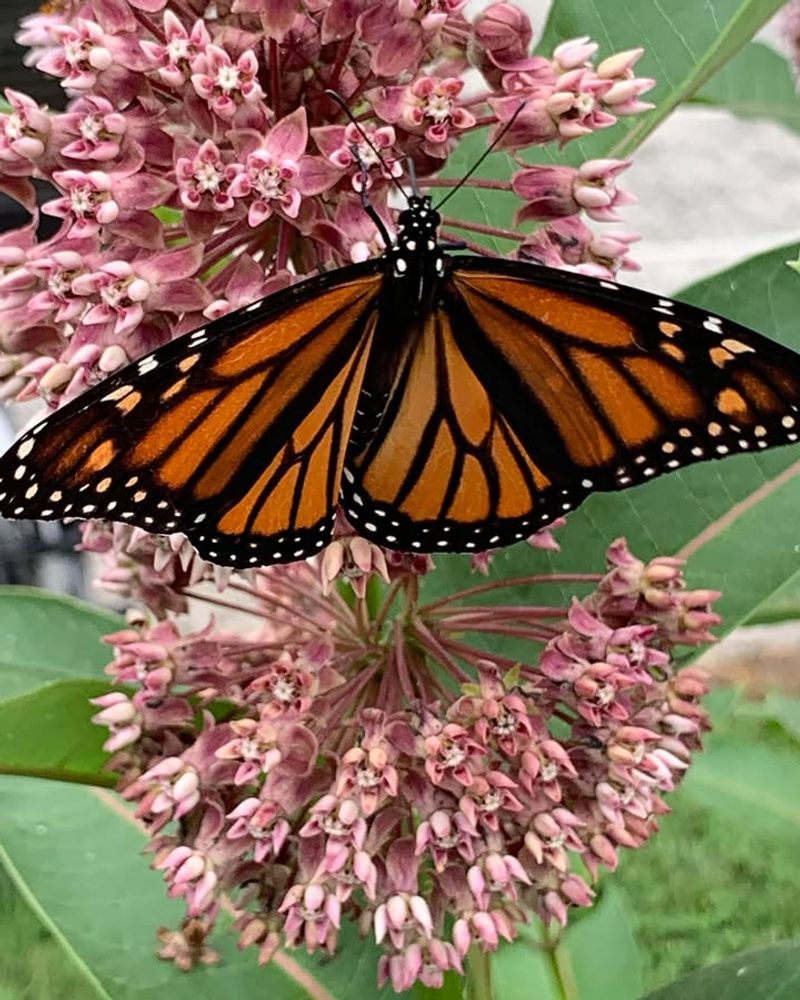
At first glance, the soft pink blooms may seem like the main reason to grow this native. The round flower clusters sit above broad gray-green leaves and bring a relaxed wildflower look to sunny spaces.
In many Oregon gardens, that look fits right in with native grasses, yarrow, penstemon, goldenrod, and other pollinator favorites. Yet the beauty is only part of its value.
Showy milkweed is useful because it plays a direct role in butterfly habitat. It gives adult insects nectar, but it also gives monarch caterpillars the food they need.
That is the difference between a decorative flower and a working native plant. A nursery annual may bloom for months, but it may not support young butterflies at all.
Showy milkweed helps fill that gap. It can also support bees and other beneficial insects, which makes the garden feel busier and more balanced.
The plant is especially helpful in sunny spots with well-drained soil. Once settled, it can handle dry summer conditions better than many thirsty ornamentals.
Gardeners should remember that native does not mean invisible or boring. In the right place, this wildflower has presence, fragrance, wildlife value, and a real reason to belong in the bed.
2. Its Pink Flower Clusters Draw Butterflies Into Sunny Beds
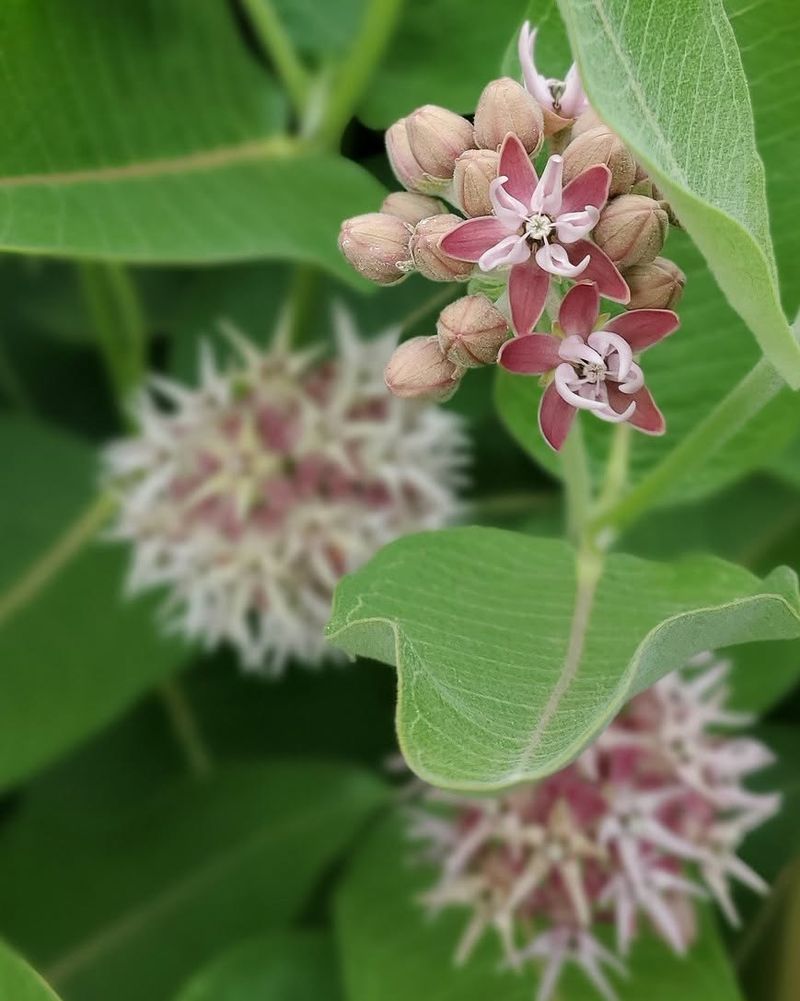
During bloom season, the flower heads can act like small landing pads. Each cluster holds many tiny star-shaped flowers, which makes it easy for butterflies to stop and feed.
The soft pink color also brings a gentle brightness that works well in natural garden designs. In Oregon, the plant often feels most at home in open, sunny places where butterflies already travel.
A warm border, meadow-style bed, or wide pollinator strip can all work well. Sun matters because butterflies are more active in bright, warm spaces.
Your Oregon Garden Changes Every Week. Your Plan Should Too.
Gardening in Oregon changes quickly throughout the season. Every Friday you’ll receive a simple weekly plan showing exactly what to plant, prune, fertilize, harvest, and protect so you never miss the right timing.
The blooms are also easier for them to find when they are not hidden under shrubs or crowded by taller plants. Place showy milkweed where it can rise above lower companions and receive plenty of light.
Good partners include native asters, blanketflower, farewell-to-spring, and other flowers that extend nectar through the season. A single plant can help, but a small group is easier for butterflies to notice.
Repeating the plant in a sunny bed also creates a stronger visual rhythm. Keep pesticide sprays away from the planting.
Even products meant for common garden pests can harm the insects you are trying to invite. The goal is not just to attract butterflies for a quick visit.
The goal is to give them a safer place to return.
3. Monarchs Need Showy Milkweed For Their Caterpillars
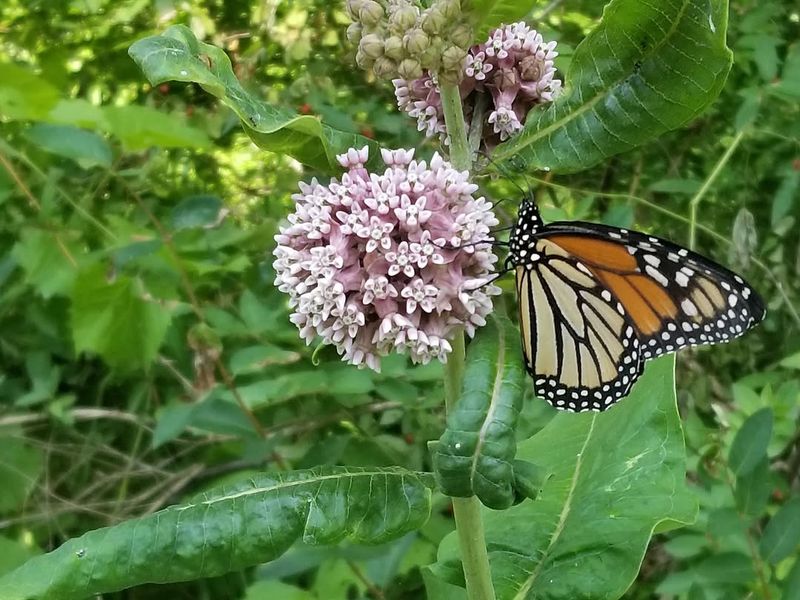
One reason this native matters so much is simple. Monarch caterpillars feed on milkweed.
Adult monarchs may sip nectar from many flowers, but their young need milkweed leaves. Without that host plant, a garden is only serving part of the butterfly’s needs.
Showy milkweed gives Oregon gardeners a regionally fitting way to help. Female monarchs look for milkweed when they are ready to lay eggs.
Tiny caterpillars hatch and begin feeding on the leaves. That feeding can make the plant look chewed, and that is not a failure.
It is the plant doing its job. Gardeners used to perfect foliage may need to adjust their expectations.
A few ragged leaves can be a sign that the habitat is working. Avoid removing caterpillars or spraying the plant to make it look cleaner.
Also watch before trimming stems during the active season. Eggs and small caterpillars can be easy to miss.
If aphids appear, use gentle methods and avoid harsh sprays. A strong garden should have room for insects at several stages.
Showy milkweed asks gardeners to think beyond flowers. It turns a bed into a place where butterflies can begin, grow, and return as adults.
4. Adult Butterflies Visit The Blooms For Nectar
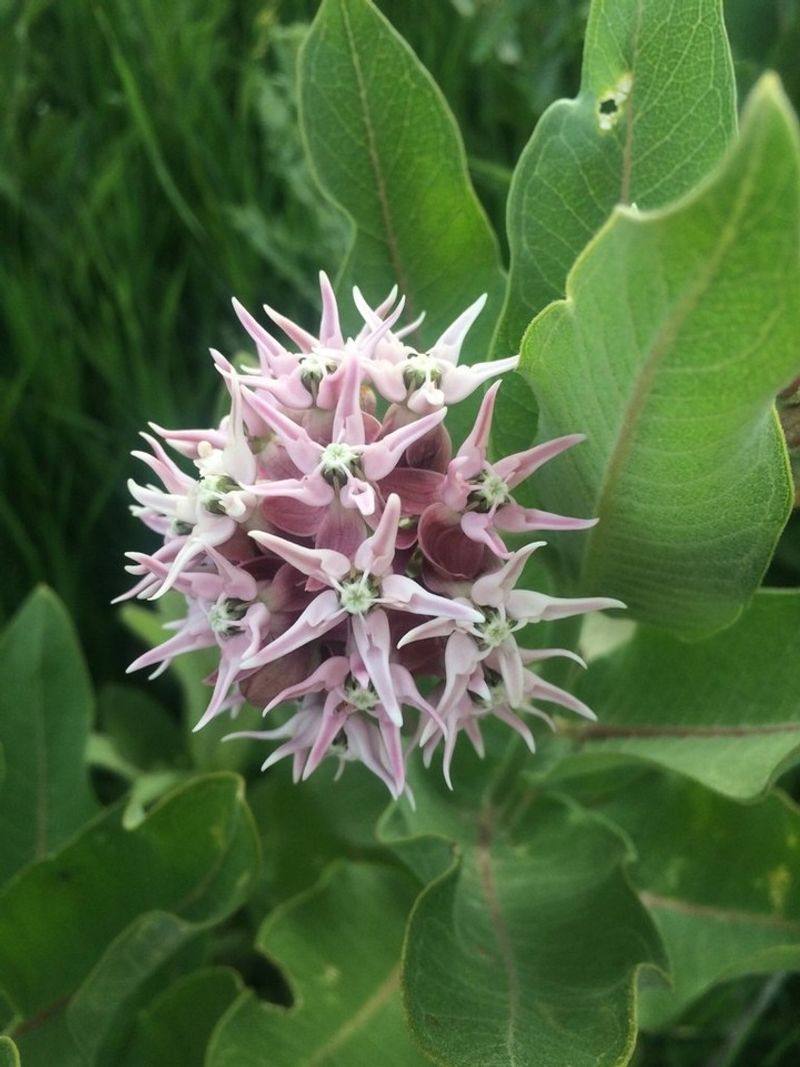
After caterpillars become winged adults, nectar becomes the main draw. Showy milkweed flowers offer that sweet fuel during the warm part of the year.
Adult butterflies need nectar for energy as they fly, search for mates, and move through the landscape. In Oregon yards, this can make a sunny patch feel active and full of motion.
You may see monarchs, swallowtails, painted ladies, skippers, and other visitors stopping at the blooms. Bees may arrive too, along with other pollinators that work the tiny flowers.
The plant becomes a meeting place rather than a single-purpose feature. To make the nectar value stronger, avoid planting it alone in a bare bed.
Add other native flowers that bloom before and after showy milkweed. Early bloomers help insects at the start of the season, while late bloomers support them after the milkweed fades.
A full-season nectar plan keeps the garden useful for longer. Water the plant while it is getting established, but do not overdo it once roots are settled.
Too much rich care can lead to floppy growth. Lean, sunny conditions often suit it better.
When adults find nectar and host leaves close together, the garden becomes far more helpful than a simple display of colorful bedding plants.
5. This Native Flower Supports The Full Butterfly Life Cycle
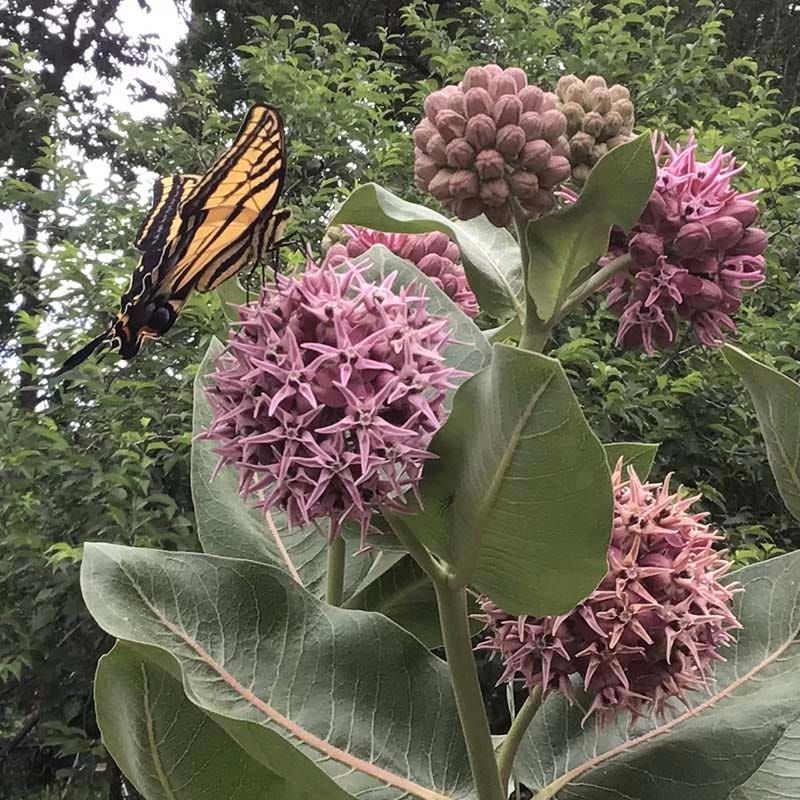
A real butterfly garden does more than offer a few bright flowers. It supports the full process from egg to caterpillar to chrysalis to adult.
Showy milkweed is important because it helps cover more than one stage. The leaves support monarch caterpillars, while the flowers provide nectar for adults.
That combination gives the plant a deeper role than many ornamentals sold for pollinator appeal. A hanging basket may draw a butterfly for a moment, but it usually does not help the next generation.
Showy milkweed can. In Oregon, that makes it a smart choice for gardeners who want their space to do more than look pleasant.
Plant it near other native flowers, but give it enough room so it does not get shaded. Butterflies also benefit from flat stones or open soil patches where they can warm in the sun.
A shallow water source with damp sand can help some insects, as long as it stays clean. Avoid overcleaning the garden during the growing season.
Stems and leaves may hold eggs, caterpillars, or resting insects. A tidy garden can still be useful, but it should not be sterile.
When gardeners plan for every stage, the yard begins to feel less like decoration and more like habitat.
6. Showy Milkweed Gives Pollinator Gardens A Real Purpose
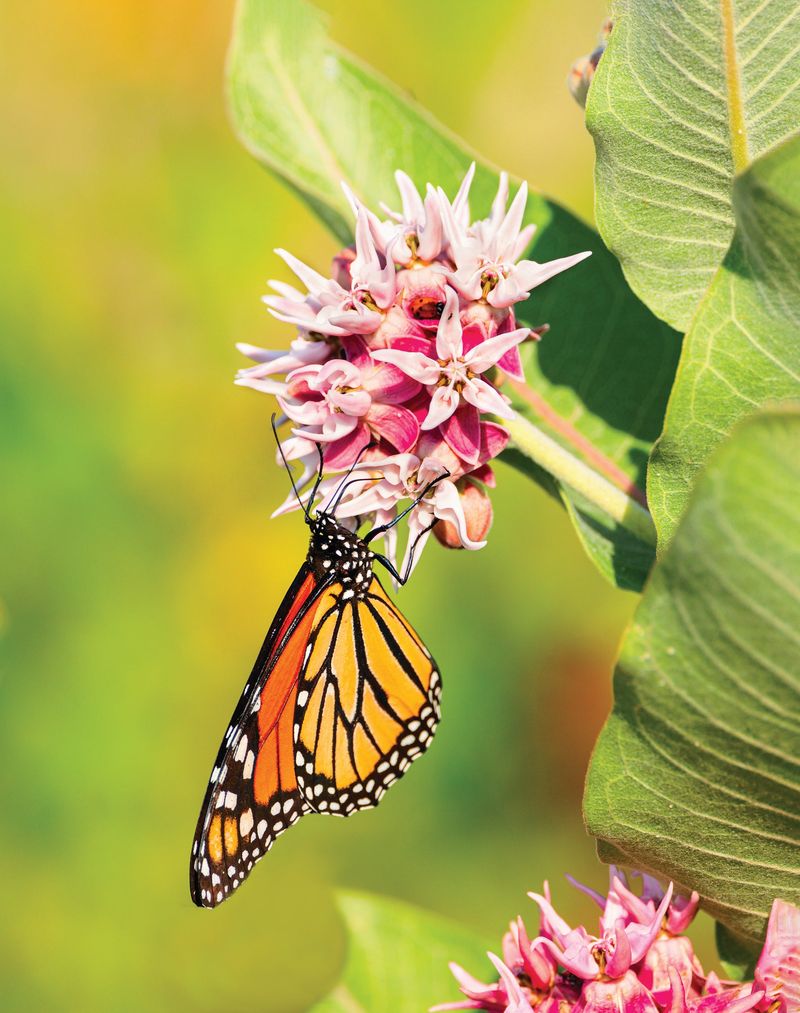
Plenty of flowers carry a pollinator label at the nursery. Some are useful, while others are mostly decorative.
Showy milkweed brings a clearer purpose because it connects directly to butterfly survival needs. It supports monarch caterpillars, feeds adult insects, and adds native structure to the garden.
That makes it a strong anchor for a pollinator bed. In Oregon, where many gardeners want landscapes that save water and support wildlife, this plant fits the moment well.
It does not need to look polished every week to earn its place. Its value comes from what it gives back to the living world around it.
A pollinator garden with milkweed can also become a teaching space. Children and visitors can watch eggs, caterpillars, flowers, seed pods, and insects through the season.
That kind of garden creates a stronger connection than a bed built only for color. Pair showy milkweed with other natives that bloom at different times, and the whole planting becomes more useful.
Keep the area free from insecticides, and buy plants from sources that avoid systemic chemicals. A plant meant to feed caterpillars must be safe for caterpillars to eat.
With that care, the garden can become both beautiful and honest.
7. Plant It Where It Has Room To Spread
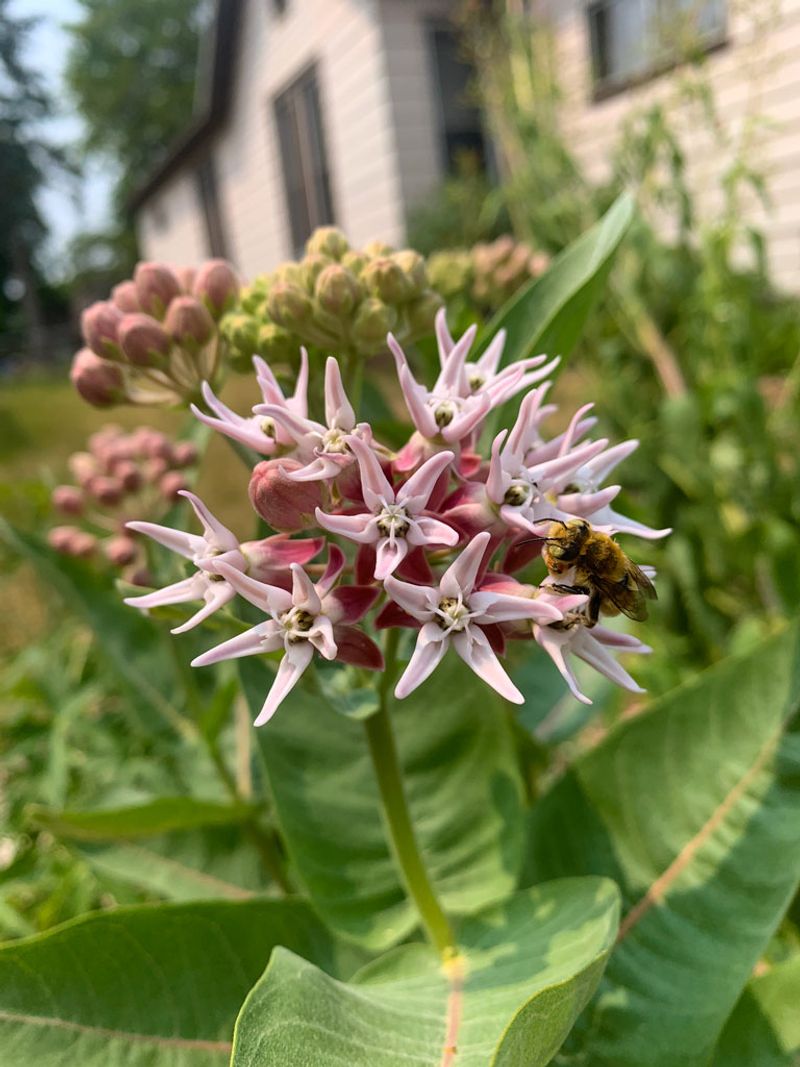
Before adding this native, think carefully about space. Showy milkweed can spread by underground roots when it is happy.
That habit is helpful in a meadow or large pollinator strip, but it can surprise gardeners in tight beds. Give it a spot where a small colony would be welcome.
A back border, sunny slope, open corner, or wildlife area can be a good fit. In smaller Oregon yards, use it where the natural look will not bother you.
Avoid placing it right beside delicate plants that need perfect order. The spread can be managed by pulling young shoots where they are not wanted.
You can also edge around the patch to keep it in bounds. Good drainage is important, especially during wet months.
Once established, the plant usually prefers sun and does not need constant summer watering. Let seed pods mature if you want a more natural patch, or remove some pods if you want less self-sowing.
Wear gloves when handling stems, since the milky sap can bother sensitive skin. Planting it with room to spread helps you enjoy its strengths instead of fighting its nature.
In the right place, a patch of showy milkweed can become one of the most valuable butterfly features in the whole garden.