The Reason Foxes Keep Coming Back To North Carolina Yards With These Specific Plants
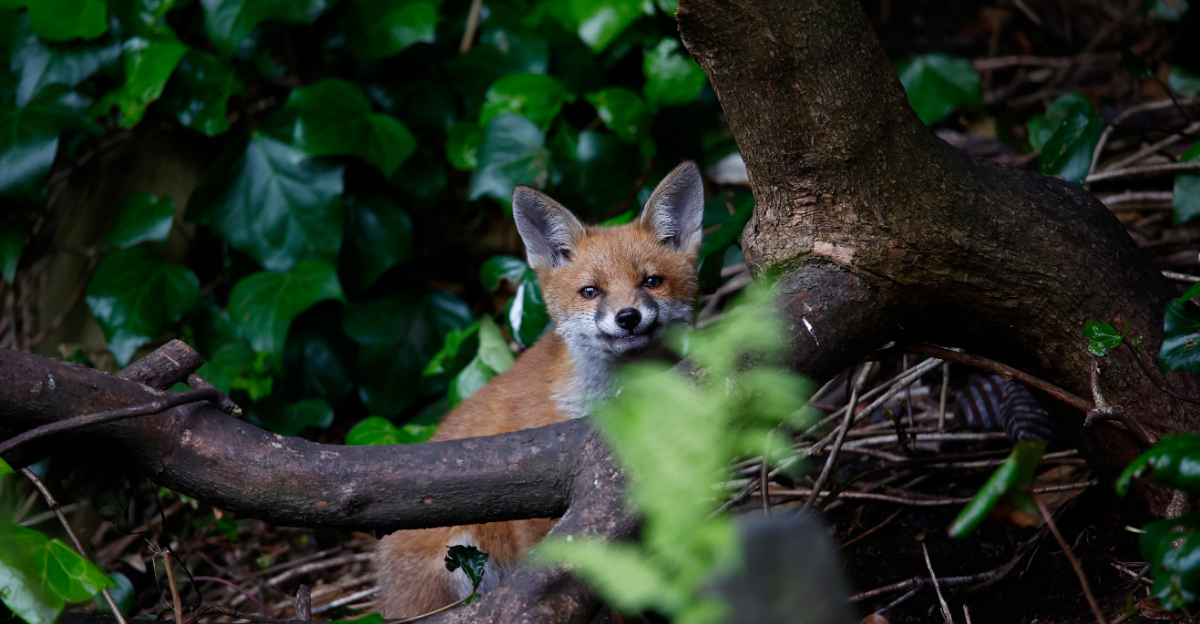
Spotting a fox in the yard once feels like a lucky moment. Seeing one return consistently over days or weeks means something in that space is actively drawing it back.
North Carolina provides excellent fox habitat across a wide range of landscapes, from rural properties to suburban neighborhoods with mature plantings, and certain yard compositions create conditions that foxes find reliably attractive.
The connection between specific plants and repeated fox activity is more direct than most homeowners realize, rooted in what those plants shelter, feed, and attract at ground level.
Understanding that connection gives you a completely different way of reading your own outdoor space and explains why some yards become regular stops on a fox’s territory while nearly identical neighboring properties get ignored entirely.
1. Blueberry Bushes
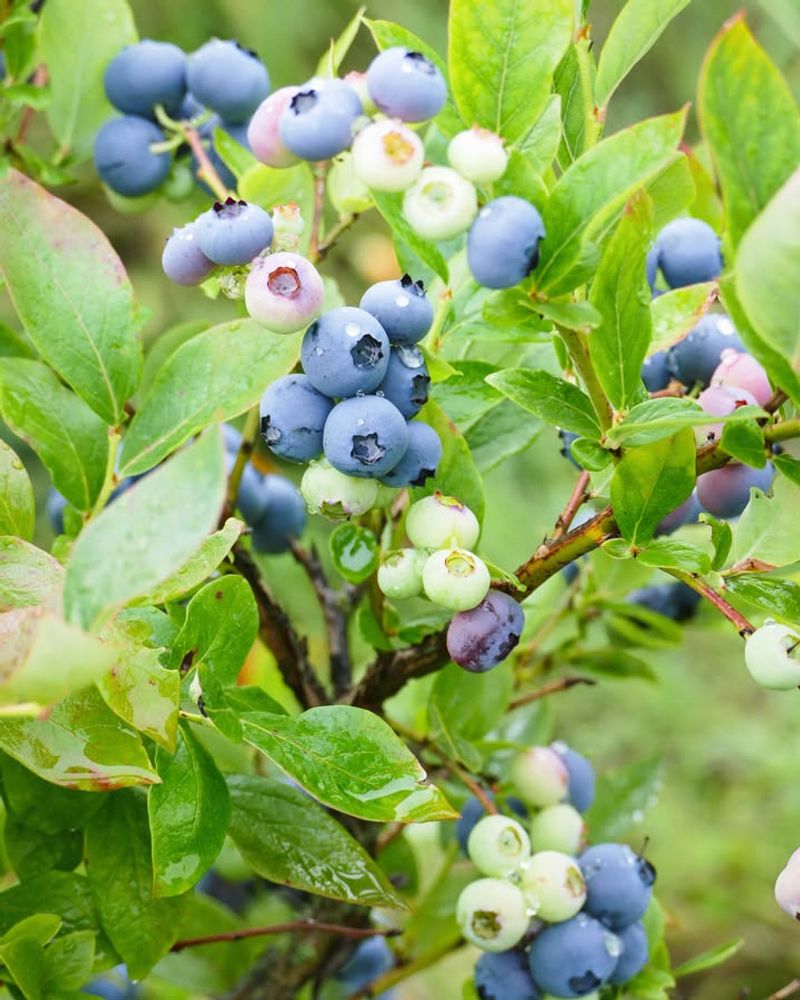
Few garden plants pull double duty as well as the blueberry bush. Not only do you get a steady supply of sweet, juicy berries for your own kitchen, but foxes absolutely love them too.
When blueberries ripen in late spring through summer, the sweet scent carries through the air, and curious foxes are quick to notice.
Foxes are opportunistic eaters, meaning they eat whatever is easy and available. Fallen or low-hanging blueberries are basically an open invitation.
Gardeners across North Carolina have reported regular fox sightings near their blueberry patches during peak ripening season, usually from May through August depending on the variety.
For North Carolina yards, rabbiteye blueberries (Vaccinium virgatum) and southern highbush varieties perform especially well. These types handle the heat and humidity of the Piedmont and coastal regions without much fuss.
Plant them in full sun with well-drained, acidic soil, aiming for a pH between 4.5 and 5.5. Adding a few inches of pine bark mulch around the base helps maintain soil acidity and keeps moisture in during dry spells.
Blueberries grow best when planted in groups of two or more, since cross-pollination improves fruit production significantly.
Spacing plants four to six feet apart gives each bush room to spread and produce generously.
You do not need a large yard to grow blueberries. Even a modest planting of three or four bushes along a fence line can bring foxes sniffing around regularly throughout the season.
2. Blackberries
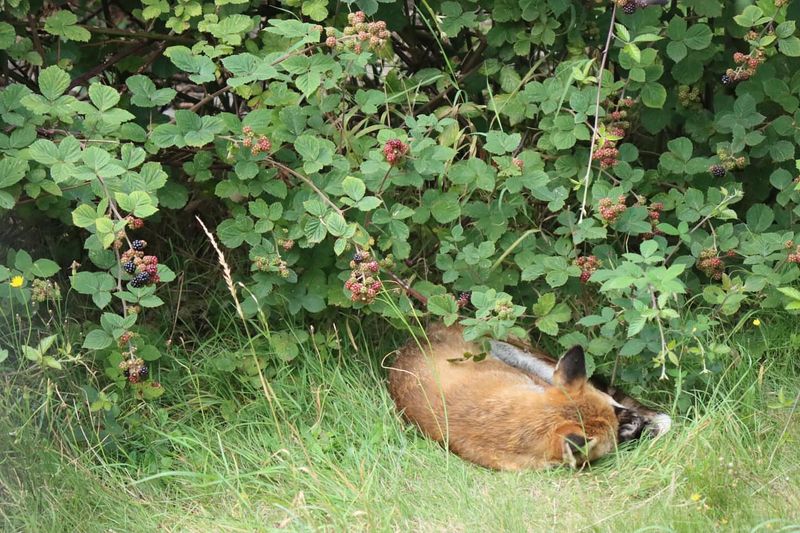
Blackberries grow almost like they have a mind of their own, spreading energetically along fence lines, garden edges, and open fields across North Carolina. That wild, abundant growth is exactly what makes them so appealing to foxes.
When summer arrives and those deep, glossy berries ripen, foxes will visit your yard night after night to pick off the low-hanging fruit.
One thing to keep in mind with blackberries is the thorns. Traditional varieties are heavily armed, which can make harvesting tricky for gardeners.
Thornless cultivars like ‘Natchez’ or ‘Ouachita’ are popular choices in North Carolina because they produce large, flavorful berries without the scratchy hassle. Both varieties thrive in the state’s warm summers and mild winters.
Positioning matters a lot when planting blackberries. A sunny spot along the back fence or at the edge of your property gives the canes room to spread while keeping them somewhat contained.
Your North Carolina Garden Changes Every Week. Your Plan Should Too.
Gardening in North Carolina changes quickly throughout the season. Every Friday you’ll receive a simple weekly plan showing exactly what to plant, prune, fertilize, harvest, and protect so you never miss the right timing.
Training the canes along a simple trellis system helps with air circulation, reduces disease pressure, and makes it easier to spot ripening fruit before the foxes beat you to it.
Blackberries typically ripen from June through August in North Carolina, giving foxes a reliable food window during the hottest months.
Since foxes tend to be most active at dawn and dusk, you might catch a glimpse of one working through the canes during those golden early morning hours.
Planting blackberries in a slightly sheltered spot also gives foxes a sense of cover, which they prefer when feeding close to human spaces.
3. Elderberry
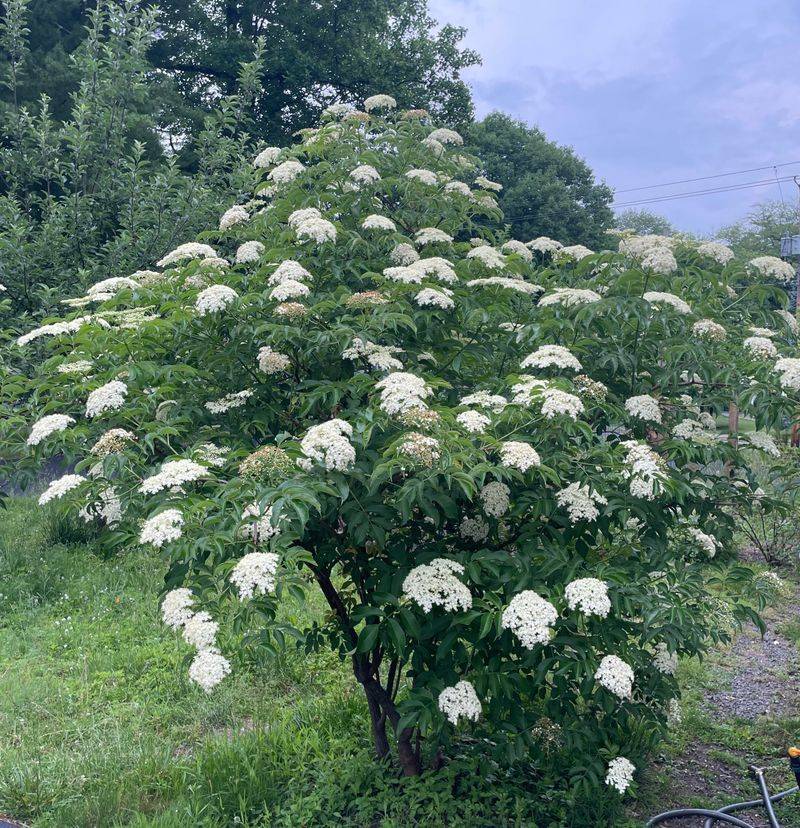
Native to the eastern United States, American elderberry is one of those plants that practically belongs in every North Carolina garden.
It grows fast, handles a range of soil conditions, and produces massive flat-topped clusters of tiny dark purple berries that ripen from late summer into early fall.
Foxes find these berry clusters irresistible, often visiting elderberry shrubs repeatedly during the fruiting season.
What makes elderberry especially valuable for wildlife is the sheer volume of fruit it produces. A single mature shrub can yield pounds of berries in a good season.
Foxes, along with birds and other wildlife, will work through these clusters methodically, returning each evening as new berries ripen. Watching a fox stand up on its hind legs to reach a heavy berry cluster is a genuinely charming sight.
Elderberry grows well across most of North Carolina, from the mountains to the coast. It prefers moist, well-drained soil and does well in full sun to partial shade.
Planting near a rain garden or low-lying area of the yard where water collects briefly is a great strategy, since elderberry tolerates occasional wet feet better than many shrubs.
Plant at least two shrubs for better cross-pollination and berry production. Space them six to ten feet apart to allow for their naturally wide, arching growth habit.
Minimal pruning each spring keeps the shrubs productive and tidy without sacrificing the fruiting branches.
As a native plant, elderberry also supports pollinators in spring, making it a true multi-season performer in any wildlife-friendly North Carolina yard.
4. Serviceberry
Serviceberry is one of those plants that rewards you early when the rest of the garden is still waking up. It blooms with delicate white flowers in early spring, then produces small, sweet, blueberry-like fruits by late spring to early summer.
That early fruiting window is actually a big deal for foxes, since reliable food sources can be scarce before other summer fruits come in.
North Carolina is home to several native Amelanchier species, including downy serviceberry (Amelanchier arborea) and Canadian serviceberry (Amelanchier canadensis).
Both adapt well to the state’s varied climate zones and work beautifully as garden shrubs or small trees.
They are genuinely handsome plants year-round, offering spring flowers, summer fruit, and brilliant orange-red fall foliage.
Foxes visit serviceberries for the fruit, which is soft, sweet, and easy to eat. The berries tend to ripen quickly, often within a short window of two to three weeks, so foxes that learn the timing of your serviceberry will show up right on schedule.
Planting near a woodland edge or naturalized area of your yard is ideal, since foxes feel more comfortable feeding near cover.
Serviceberry grows in full sun to partial shade, making it versatile for yards with mixed light conditions. It prefers well-drained, slightly acidic soil but adapts reasonably well to average garden soil.
Watering regularly during the first growing season helps establish a strong root system that supports heavy fruiting in subsequent years.
A mature serviceberry in a North Carolina garden can reach ten to twenty feet tall, creating a beautiful focal point while quietly doing its job as a wildlife magnet.
5. Crabapple Trees
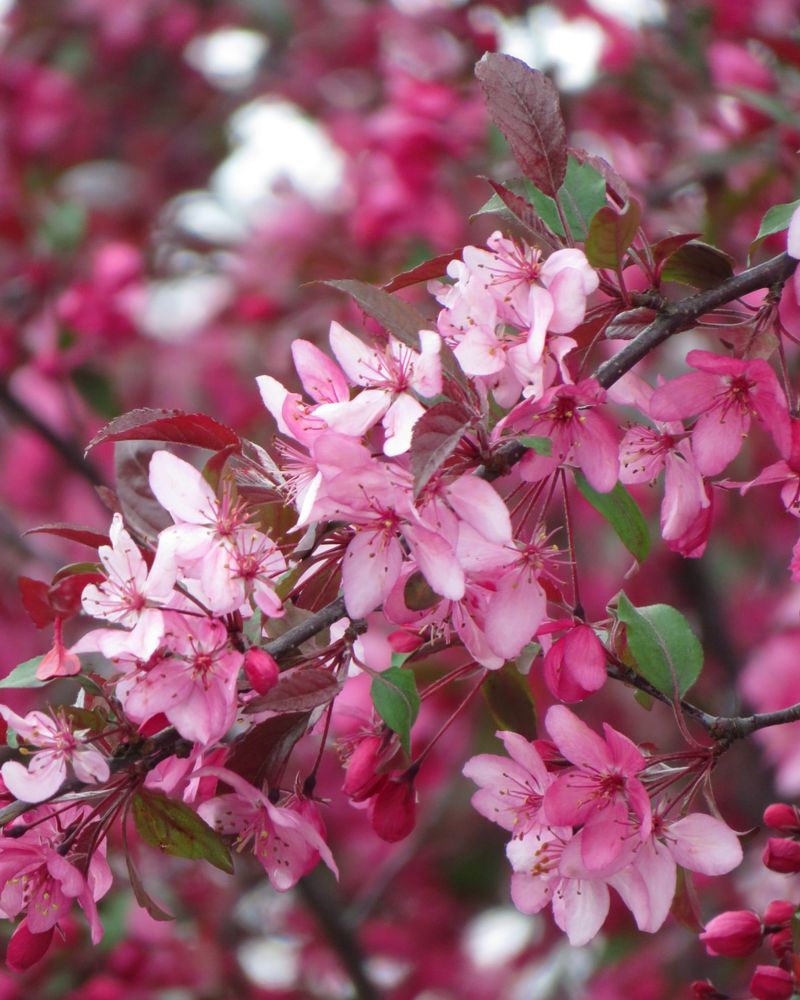
There is something almost storybook about a crabapple tree in full fruit. The branches droop under the weight of hundreds of small, colorful apples, and the sweet-tart scent that drifts from a ripe crabapple tree can be noticed from surprisingly far away.
Foxes have an excellent sense of smell, and that scent is basically a dinner bell for them.
Crabapple fruit typically ripens from late summer through fall in North Carolina, though some varieties produce earlier. When apples fall naturally from the tree, they create an easy buffet on the ground below.
Foxes are ground feeders, so fallen fruit is exactly what draws them in for repeated evening visits. A single productive crabapple can drop fruit over several weeks, giving foxes a reason to return again and again.
For North Carolina gardens, look for disease-resistant crabapple varieties like ‘Prairifire,’ ‘Adirondack,’ or ‘Indian Summer.’
These handle the humidity and heat of the state well while producing generous crops of fruit. Most crabapples prefer full sun and well-drained soil, and they reward minimal care with reliable annual fruiting once established.
Crabapples also provide excellent structure in a yard, offering nesting habitat for birds in spring and summer. Planting one near the edge of your property creates a natural transition zone that foxes find comfortable when approaching your garden.
Avoid raking up all the fallen fruit right away if you want to encourage fox visits. Leaving some on the ground for a few days gives wildlife a chance to find and enjoy the seasonal bounty your crabapple provides.
6. Mulberries
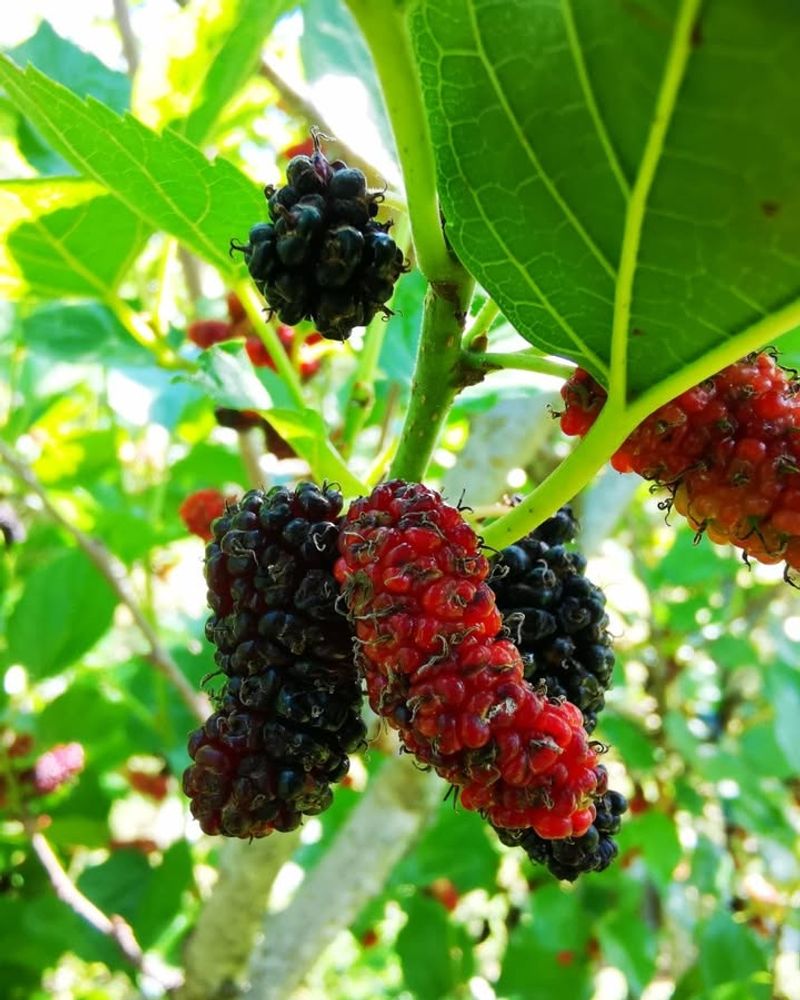
Ask any North Carolina gardener who has a mulberry tree, and they will tell you the same thing: the wildlife shows up before you even get a chance to harvest.
Mulberries ripen fast and fall freely from the tree, creating a carpet of sweet, juicy fruit on the ground below.
Foxes, raccoons, and birds all compete for the bounty, but foxes are especially fond of these soft, sweet berries.
Red mulberry (Morus rubra) is the native species found throughout North Carolina and grows vigorously in the state’s warm climate. White mulberry (Morus alba), originally introduced from Asia, has naturalized widely and is equally productive.
Both produce fruit from late spring through midsummer, with peak dropping usually happening in June and early July.
The key thing to understand about mulberries is how much fruit they produce. A single mature tree can drop several pounds of berries each week during peak season.
That kind of abundance keeps foxes coming back nightly, especially if the tree is near a wooded edge or fence line where they feel sheltered while feeding.
Mulberries are low-maintenance once established, growing happily in full sun with average soil and moderate watering.
They do spread aggressively through seeds dropped by wildlife, so planting away from garden beds or paved areas helps keep things manageable.
Trimming lower branches as the tree matures keeps the canopy tidy without reducing fruit production.
If you want consistent fox activity in your yard through early summer, a mulberry tree is genuinely one of the most reliable choices you can make.
7. Figs
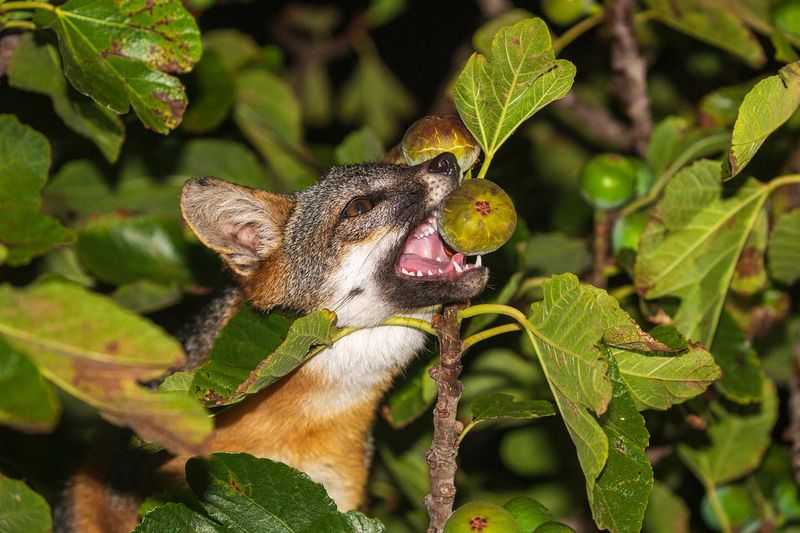
Figs have been grown in North Carolina gardens for generations, and for good reason.
They are remarkably easy to grow in the state’s warm climate, produce generously, and ripen into soft, honey-sweet fruit that almost every creature in the neighborhood seems to love.
Foxes are no exception, and a backyard fig tree in peak season can become a regular stop on a fox’s nightly route.
The main ripening season for figs in North Carolina typically runs from July through September, depending on the variety and location. During this window, ripe figs fall from the tree frequently, especially after rain or wind.
Foxes are quick to learn where easy food sources are located, and a fig tree that drops fruit regularly will attract visits within a season or two of planting.
Popular varieties for North Carolina include ‘Brown Turkey,’ ‘Celeste,’ and ‘LSU Purple,’ all of which handle the state’s heat well and produce reliable crops.
Figs prefer full sun and well-drained soil, and they establish quickly, often producing their first significant crop within two to three years of planting.
In colder parts of the state, wrapping young trees in burlap during winter helps protect them from occasional hard freezes.
To minimize any garden disruption from fox visits, plant your fig tree away from vegetable beds or delicate plantings. Foxes generally focus on the fallen fruit and move on without causing damage to surrounding plants.
Harvesting your own figs every few days while leaving a few on the ground creates a natural sharing arrangement that benefits both you and the local fox population.