The One Thing You Must Do To Ohio Lilacs Before June Ends (Most Gardeners Miss It)
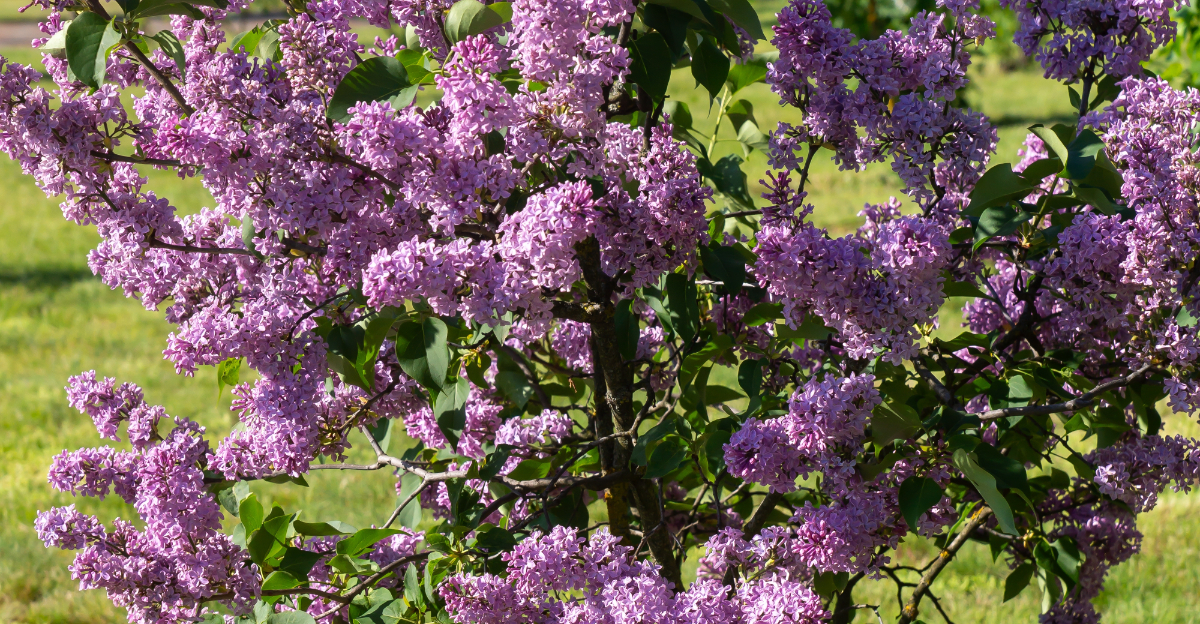
Lilacs get a lot of attention in May and almost none in June. The blooms fade, the excitement moves on, and most Ohio gardeners walk past their lilac bushes for the rest of the month without giving them a second thought.
That inattention in June is quietly setting up next spring’s disappointment. There is a narrow window right now, one that closes before June ends, where one specific task makes an outsized difference in how well Ohio lilacs bloom next season.
Miss it and the opportunity does not come back around for another full year. Most gardeners skip it not out of carelessness but because lilacs in June look perfectly fine.
Nothing about them signals urgency. The bush is green, the season feels long, and the task feels easy to push off.
That is exactly the mistake. June is the month lilacs actually need your attention most.
1. Trim Spent Lilac Blooms Before June Slips Away

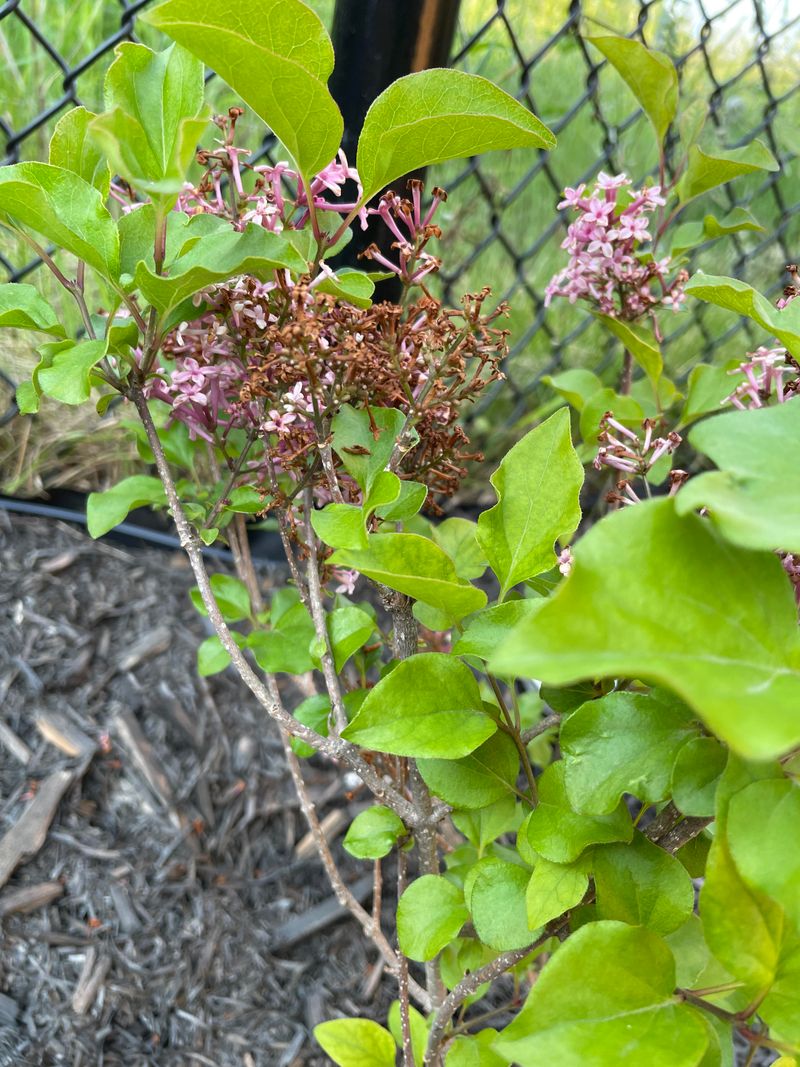
A shrub can smell unforgettable in May, then vanish from the to-do list the moment the flowers turn brown. Those faded clusters do not fall off on their own.
They hang there, dry and papery, pulling energy toward seed production instead of next year’s growth.
Trimming spent lilac blooms is the one June task that most Ohio home gardeners skip. It is not complicated, and it does not take long.
You simply remove the old flower heads after they have finished blooming. This keeps the shrub looking tidy and redirects its energy toward healthy stems and developing buds.
Timing matters here more than most people realize. Lilacs begin working on next spring’s flower buds soon after bloom ends.
Getting in there early, before June slips away, gives the shrub more time to put energy into those developing bud sites. It is not a guarantee of a perfect bloom show next year.
But it is a simple, low-effort step that supports the shrub’s natural cycle. Most gardeners who skip this task do not realize the window is even open.
Now you know it is, and that already puts you ahead.
2. Prune Right After Flowers Fade To Protect Next Spring

Most shrubs forgive you for pruning at the wrong time. Lilacs are not quite as forgiving.
Because they bloom on old wood, the timing of any pruning you do has a direct effect on next year’s flower show.
Old wood simply means the stems that grew in previous seasons. New growth that pushes out in summer or fall will not carry flowers the following spring.
So if you wait until August to clean up your lilac, you may end up removing stems that were already developing buds for next May.
Pruning right after the flowers fade, usually in late May or early June in most parts of this state, keeps you safely inside the right window. You are working with stems that have already done their job for the season.
Any cuts you make now give the shrub time to recover and grow before summer ends. This does not mean every lilac needs a heavy pruning session every year.
Your Ohio Garden Changes Every Week. Your Plan Should Too.
Gardening in Ohio changes quickly throughout the season. Every Friday you’ll receive a simple weekly plan showing exactly what to plant, prune, fertilize, harvest, and protect so you never miss the right timing.
Light shaping and trimming may be all a healthy shrub needs. But if you do need to make cuts, doing it soon after bloom is the right move for protecting next spring’s display.
3. Cut Flower Heads Back To A Healthy Pair Of Leaves
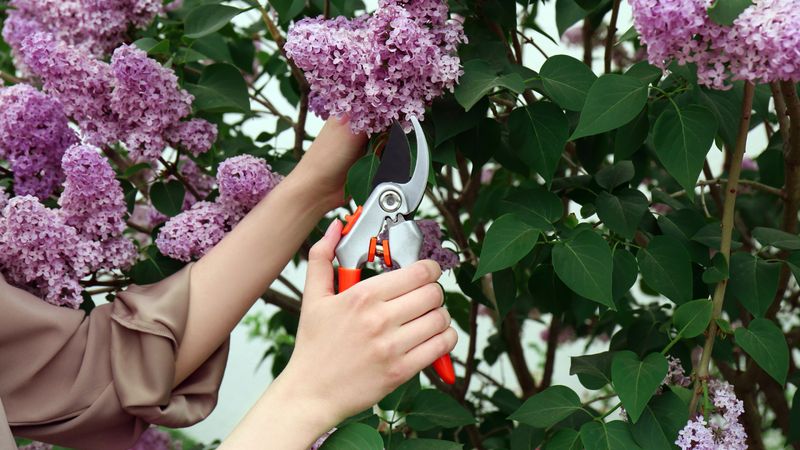
Once you decide to trim your lilac, the technique is straightforward. You do not need special tools or a lot of experience.
You just need to know where to make the cut.
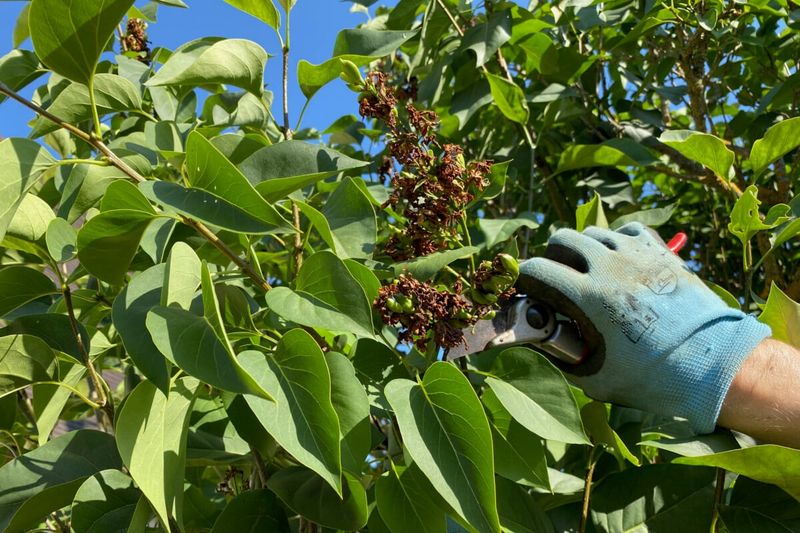
Find the base of the spent flower cluster. Just below it, you should see a pair of healthy leaves or a good side shoot.
That is your target. Make a clean cut just above that point.
Try not to cut into bare wood below the leaves if you can avoid it. Sharp, clean pruners make this easier and reduce the chance of tearing the stem.
Clean tools matter more than most beginners expect. Dull blades can crush the stem instead of cutting it cleanly.
Wiping your pruners with rubbing alcohol between shrubs is a smart habit, especially if you are working through several plants in one session. The whole process moves quickly once you get the hang of it.
A mature lilac might have a dozen or more spent clusters to remove. Work your way around the shrub from the outside in.
You will be done faster than you think, and the shrub will look noticeably cleaner within minutes of starting.
4. Remove Old Thick Stems To Let Light Back In
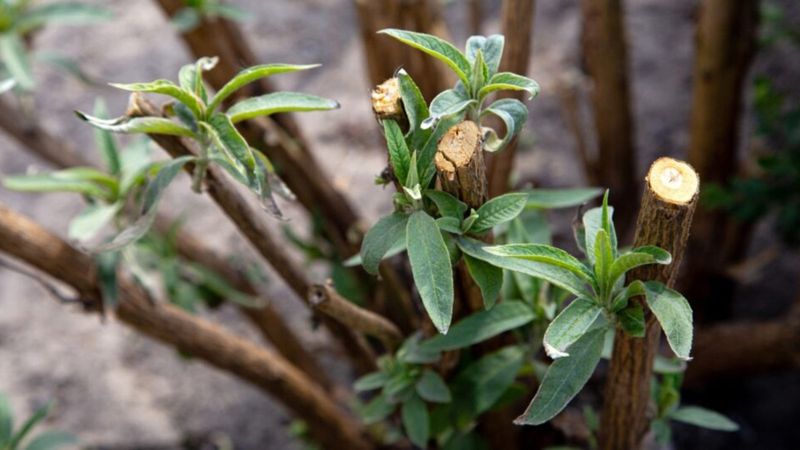
Older lilacs can start to look more like a thicket than a flowering shrub. Decades of growth pile up in the center, blocking light and airflow from reaching the interior.
The result is often a shrub that blooms only at the tips and looks scraggly everywhere else.
Renewal pruning is the fix for this situation. The idea is to remove some of the oldest, thickest stems down near the ground over a period of a few years.
Taking out one to three of the most crowded old canes each season, right after bloom, opens up the interior without shocking the shrub all at once.
This approach is not for every lilac. A young, healthy shrub with good airflow does not need renewal pruning.
Save this technique for overgrown plants that have lost their shape or stopped blooming well in the center. Removing those old stems lets sunlight reach younger growth inside the shrub.
That younger growth tends to produce better flowers over time. Think of it as helping the shrub refresh itself gradually rather than forcing a dramatic change all at once.
Patience with this process pays off over two to three seasons.
5. Skip Late Summer Pruning That Steals Next Year’s Blooms
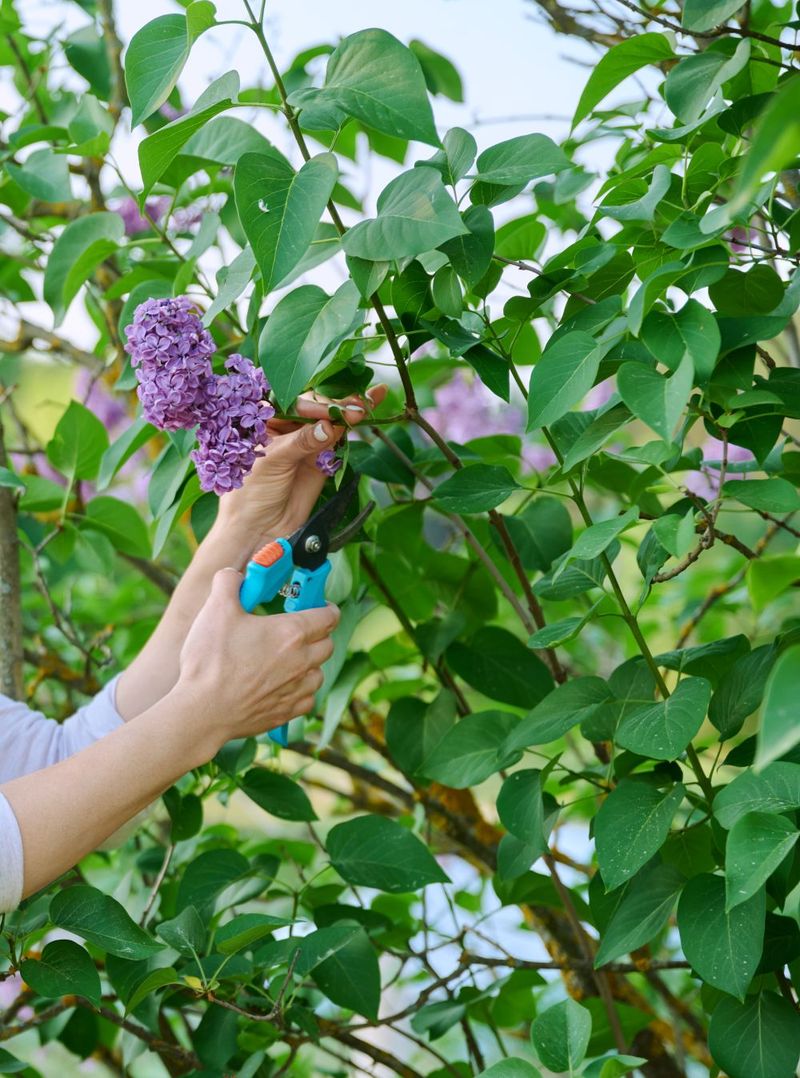
Every fall, some Ohio gardeners look at their lilac and decide it needs a trim before winter. The shrub looks a little wild, the season is winding down, and it seems like a good time to tidy things up.
That instinct, while understandable, can cost you a season of flowers.
By late summer, lilacs have already formed the buds that will open next spring. Those buds sit on the same stems you might be tempted to cut.
A hard pruning session in August, September, or October removes those buds before they ever get a chance to open. You end up with a neatly shaped shrub in fall and almost no flowers the following May.
The fix is simple: resist the urge to prune in late summer or fall unless you are removing clearly damaged or broken growth. Save the shaping work for right after bloom, when the timing is actually on your side.
If your lilac looks a little unruly by August, that is okay. Let it be.
The payoff comes next spring when the flowers open on wood you chose not to cut. Gardeners who learn this lesson once rarely forget it.
6. Shape Lightly Without Shearing Off New Bud Sites
Hedge trimmers make quick work of a shrub, and the result looks neat from the curb. For lilacs, though, that kind of shearing can do more harm than good.
Running a hedge trimmer across the outside of a lilac removes a lot of stem tips in a short time. Many of those tips carry next year’s flower buds.
The result is a dense outer shell of foliage with very little flowering wood left near the surface. The shrub may look full, but the bloom count drops noticeably the following spring.
Shearing also tends to push growth outward rather than encouraging a natural, open shape.
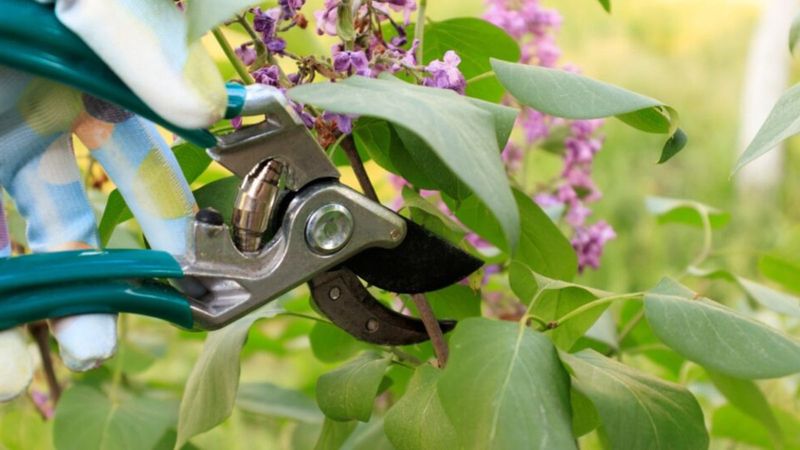
Selective hand pruning is a better approach for most home lilacs. Instead of cutting everything at once, look at individual stems.
Remove the ones that are crossing, rubbing, or growing in the wrong direction. Step back often and check the overall shape as you go.
This takes a little longer than running a trimmer along the surface, but the shrub responds much better over time. The goal is to keep the plant open and well-spaced, not perfectly geometric.
Lilacs with a natural shape tend to bloom more freely than tightly sheared ones.
7. Leave Young Lilacs Alone Until They Settle In
A freshly planted lilac has a lot of work to do underground before it worries about putting on a big flower show. New roots need to establish.
The shrub needs time to adjust to its new spot. Jumping in with heavy pruning during the first year or two can set that process back.
Young lilacs often bloom lightly or not at all in the first few seasons. That is normal.
Resist the urge to prune hard just because the shrub looks small or sparse. Light trimming of any spent flowers is fine and will not cause any problems.
But major shaping cuts can wait unless a stem is clearly damaged, broken, or crossing badly over another.
Gardeners sometimes get impatient with young lilacs and wonder if something is wrong. In most cases, the shrub just needs another season or two to settle in.
Once the root system is established, growth picks up and flowering improves on its own. Planting in a spot with full sun and good drainage gives young shrubs the best start.
Skipping unnecessary pruning in the early years is one of the easiest things you can do to support a lilac as it finds its footing in a new location.
8. Clean Up Suckers Before The Shrub Gets Crowded
Wander past a mature lilac in early summer and you might notice a cluster of thin green shoots poking up from the soil around the base. Those are suckers, and they are worth paying attention to before they take over.
Lilacs can send up suckers from the roots or from the base of the shrub, depending on the variety and how it was propagated.
Grafted lilacs may produce suckers from the rootstock, which can have different leaf shape and bloom color than the shrub you actually wanted.
Own-rooted lilacs produce suckers that match the parent plant, but they still need to be managed if they are crowding the base or spreading into nearby beds.
Removing suckers is straightforward. Pull them out by hand if they are small and shallow-rooted.
Use pruners or loppers for thicker ones. Try to remove them as close to the point of origin as possible to slow regrowth.
Do not leave stubs, since those tend to sprout again quickly. Keeping the base of the shrub clear of unwanted growth lets air and light reach the main stems.
It also keeps the lilac from spreading beyond the space you intended for it in the landscape.