The Fire-Resistant California Shrubs That Replace Ornamental Grasses Near Homes
Ornamental grasses can look soft and pretty, but they are not always the best choice close to a California home. Dry blades can build up fast, especially when summer heat and wind settle in.
That is why many gardeners are looking for shrubs that offer structure without adding the same concern near walls, decks, or windows. Fire-resistant planting is not about finding a plant that cannot burn.
It is about choosing options that stay easier to maintain with the right spacing and care. The best shrubs can give a yard shape, color, and a calmer look while fitting better into defensible space plans.
For homeowners rethinking what grows near the house, a smarter shrub can make the landscape feel safer without looking stripped down.
1. Purple Sage Handles Lean Soil Better Than Ornamental Grasses
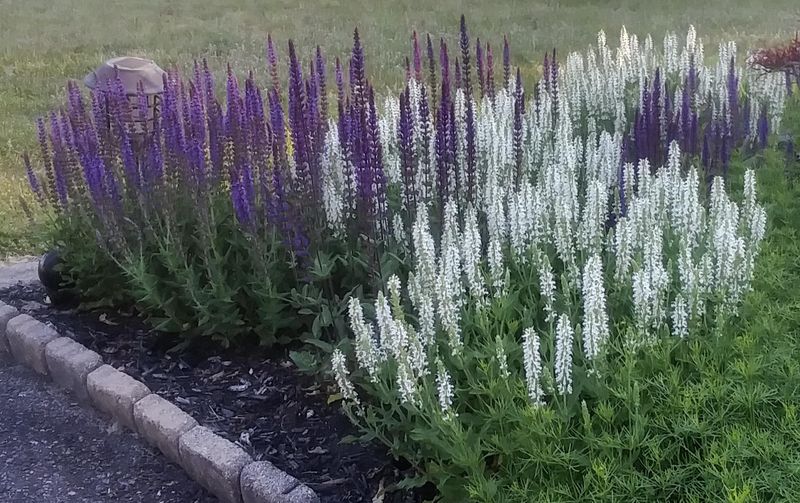
Few plants earn their place in a fire-smart yard as quietly and confidently as purple sage. Known by its botanical name Salvia leucophylla, this tough native shrub grows naturally across the dry slopes of coastal and inland areas in California.
It asks for very little and gives back a lot. The leaves are silvery-gray and soft to the touch, with a strong herbal scent that actually helps repel some insects.
When spring arrives, purple sage bursts into bloom with tall wands of lavender-pink flowers that attract hummingbirds and native bees.
It is a real showstopper without needing extra care.
What makes it a smart replacement for ornamental grasses is its low moisture content during dry months. Ornamental grasses dry out completely and burn fast.
Purple sage stays relatively moist inside its woody stems, which slows how quickly fire can move through it.
It grows best in well-drained, lean soil. Rich or overly watered soil actually weakens it.
Plant it at least five feet from your home’s walls and keep it pruned to remove damaged wood. It handles full sun with ease and needs almost no irrigation once it is established in the ground.
Purple sage typically reaches three to five feet tall and wide. That compact, rounded shape makes it a natural stand-in for the clumping form of ornamental grasses without the fire risk.
2. California Brittlebush Adds Soft Mounds And Yellow Blooms
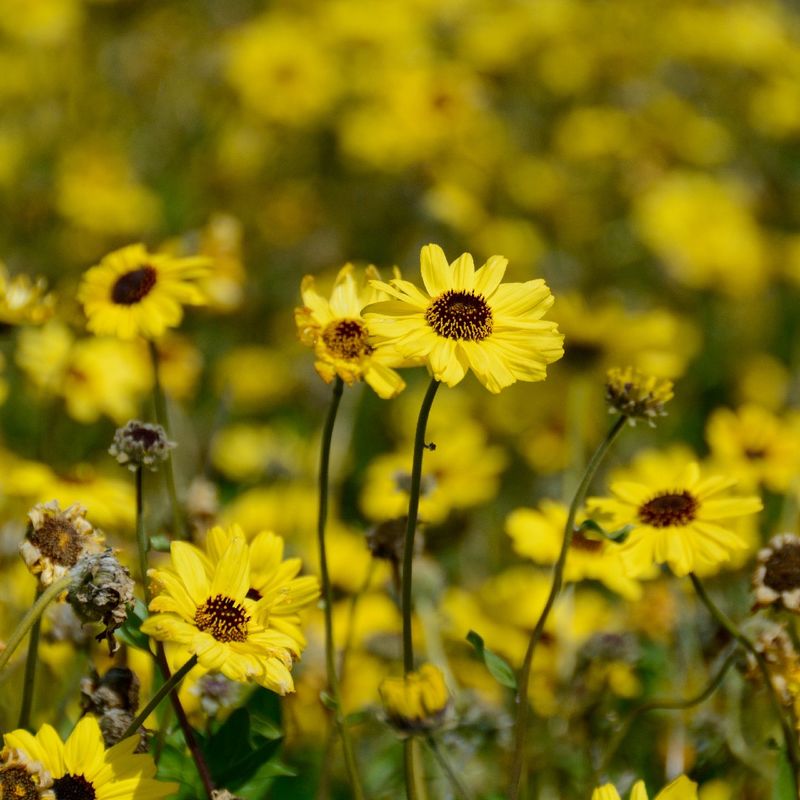
Bright yellow flowers rising above a soft mound of silver-green leaves make brittlebush one of the cheeriest plants in any fire-smart garden.
Encelia californica, as it is formally known, grows naturally along coastal bluffs and dry hillsides throughout the southern part of California. It is built for tough conditions.
The plant forms a tidy, rounded mound that usually stays under three feet tall. That low profile is actually a big advantage near homes, where keeping plants compact reduces fire risk.
Brittlebush does not sprawl or send out runners the way some grasses do.
Its leaves have a slightly waxy, gray-green coating that helps the plant hold onto moisture during dry spells.
That same quality makes it harder to ignite than the papery, bone-dry blades of ornamental grasses in late summer.
Lower flammability means more time for firefighters or sprinklers to respond.
Your California Garden Changes Every Week. Your Plan Should Too.
Gardening in California changes quickly throughout the season. Every Friday you’ll receive a simple weekly plan showing exactly what to plant, prune, fertilize, harvest, and protect so you never miss the right timing.
Brittlebush blooms heavily from late winter through spring, covering itself in cheerful, daisy-like yellow flowers. After blooming, it can be cut back lightly to keep its shape tidy.
In very dry summers, it may drop some leaves, but it bounces back quickly once cooler weather returns.
Plant it in full sun and well-drained soil. It does not need fertilizer or much water once established.
Brittlebush is a reliable, low-fuss shrub that earns its spot in any fire-conscious yard.
3. Desert Lavender Works In Hot Inland Fire-Smart Gardens
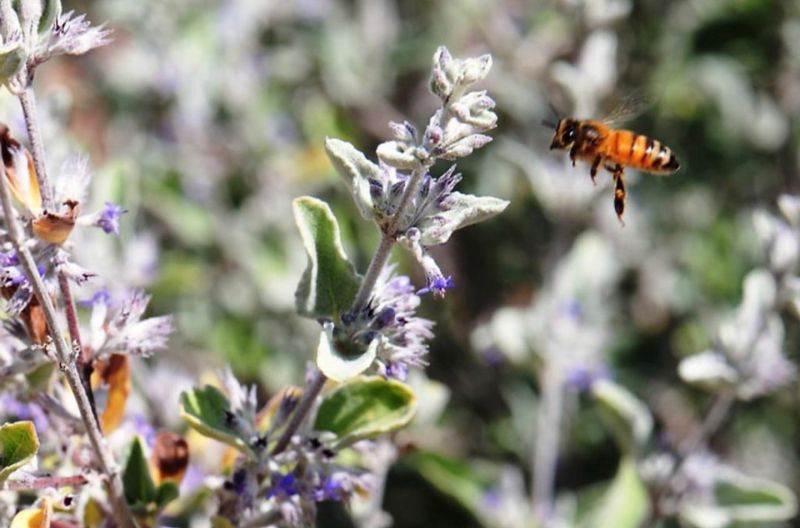
Hot inland gardens can be brutal in summer, and most ornamental plants struggle to survive without heavy watering. Desert lavender, or Hyptis emoryi, thrives in exactly those conditions.
It is native to the desert edges and dry washes of the inland Southwest, making it perfectly suited for the hottest corners of California.
The plant grows into a rounded, open shrub that can reach five to eight feet tall over time. Its gray-green leaves are covered in tiny woolly hairs that give the whole plant a soft, silvery appearance.
Those hairs are not just decorative. They help reflect sunlight and reduce water loss on scorching days.
Small purple flowers appear in clusters along the stems, usually from late spring into summer. The blooms have a faint lavender scent and attract native bees, butterflies, and hummingbirds.
Desert lavender is a pollinator magnet that also happens to be fire-smart.
Compared to ornamental grasses, desert lavender holds up far better in a fire-risk landscape. Its woody stems and moisture-retaining leaves do not dry out as completely or as quickly as grass blades.
That difference matters a lot when embers are flying during a wildfire. Give it full sun and fast-draining soil. Once established, it needs very little water.
Avoid planting it right against walls or fences. A spacing of six feet from structures gives it room to grow and keeps fire risk low.
4. Woolly Bluecurls Brings Airy Flowers To Fire-Smart Borders
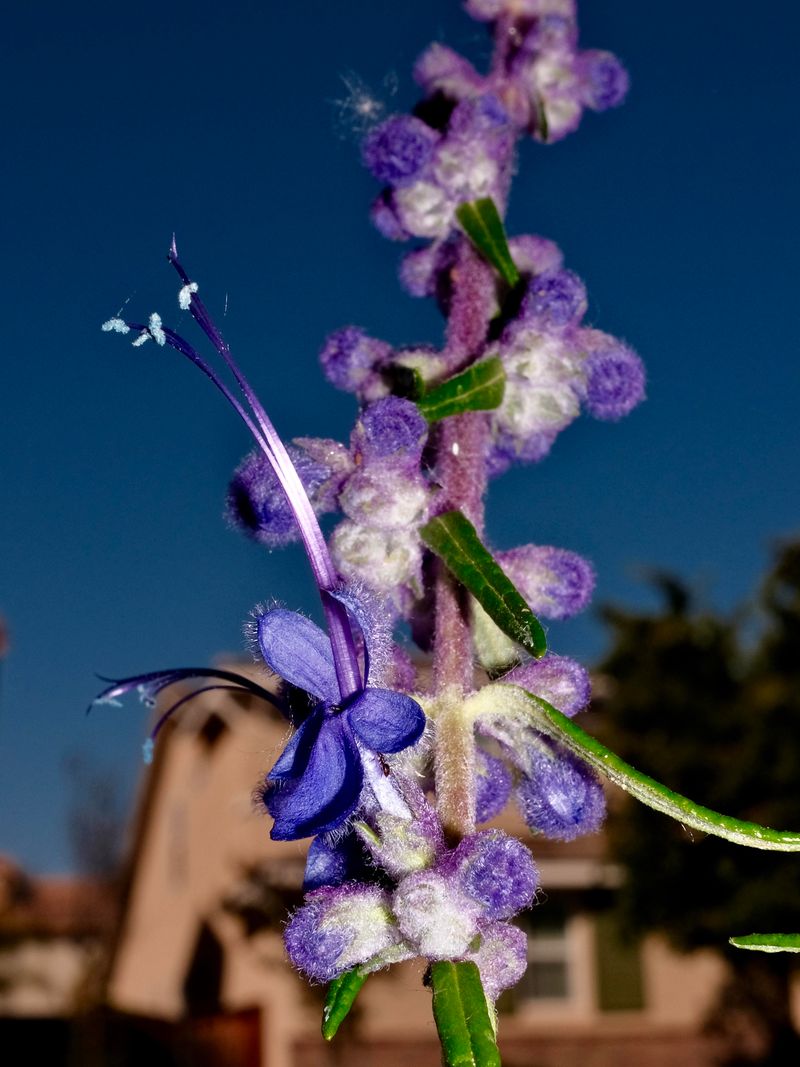
There is nothing quite like woolly bluecurls in full bloom. Trichostema lanatum is one of those plants that stops people in their tracks the moment they see it.
The flowers are a vivid blue-purple with long, curled stamens that look almost too fancy to be real. And yet, this stunning shrub is completely native to California.
It grows naturally on dry, rocky slopes in coastal sage scrub habitat. That background tells you a lot about what it needs: lean soil, full sun, excellent drainage, and very little water.
Give it those conditions and it rewards you with months of blooms from spring through early summer.
The leaves are narrow, gray-green, and strongly aromatic. That strong scent comes from oils in the leaves that actually help slow combustion.
Plants with aromatic oils are often misunderstood as fire hazards, but woolly bluecurls burns much slower than dry grass because its moisture content stays higher through the season.
As a border plant near a home, it works beautifully. It typically grows three to five feet tall and wide, forming a soft, airy mound that provides real visual interest.
Unlike ornamental grasses, it does not produce masses of dry, papery material that accumulates at the base.
Keep it away from irrigation systems and avoid clay soils. Root rot is its biggest weakness. Plant it on a slope or raised bed for the best results and longest life in your yard.
5. Cleveland Sage Replaces Grass Clumps With Rounded Structure
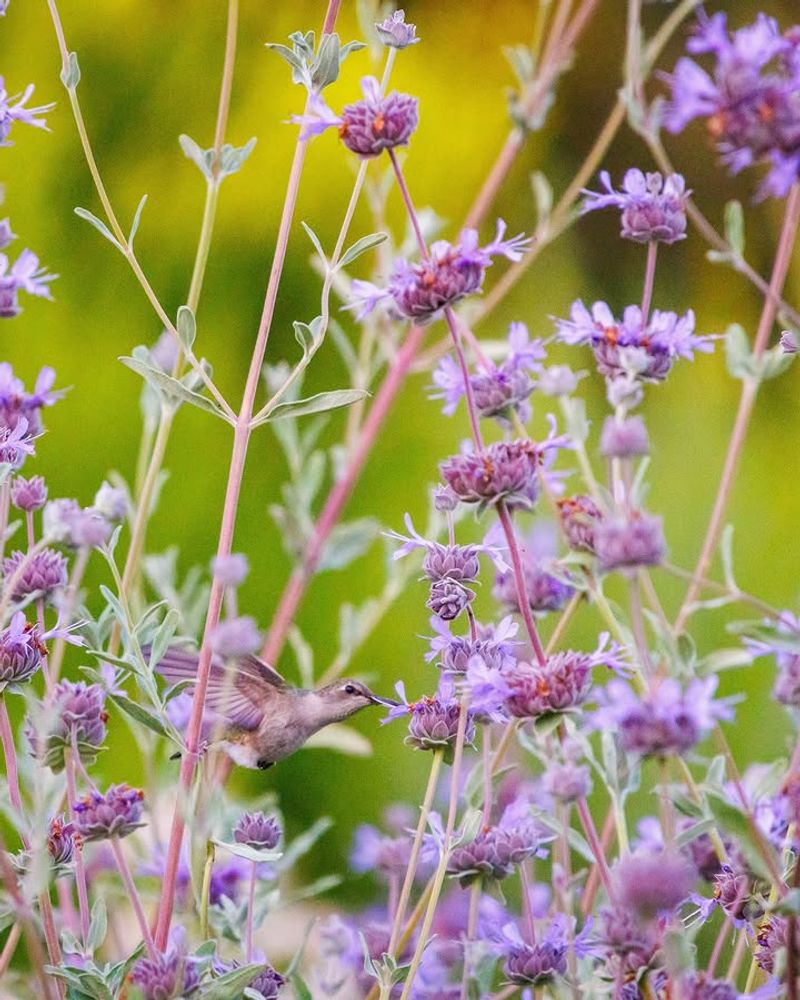
Walk past a Cleveland sage in bloom and the scent alone will make you stop. Salvia clevelandii is famous for its powerful, clean fragrance that fills the air on warm afternoons.
Gardeners have loved it for decades, and fire safety experts have started recommending it more often as a grass replacement near homes.
The plant grows into a compact, rounded mound, usually two to four feet tall and just as wide. That shape is very similar to the clumping form of ornamental grasses, which makes it an easy visual swap in a landscape design.
The difference is that Cleveland sage stays far less flammable as the dry season progresses.
Its dark green leaves are thick and retain more moisture than dried grass blades. The purple flower whorls appear in late spring and early summer, drawing in hummingbirds and native bees by the dozens.
It is a lively, active shrub that brings movement and color to a yard.
Cleveland sage does best in full sun and fast-draining soil. It is very drought-tolerant once established and actually prefers dry summers.
Overwatering during warm months weakens the plant and can cause root problems.
Prune it lightly after flowering to keep its tidy shape. Remove withered stems to reduce any dry material near the base.
Planted five or more feet from a structure, it serves as an attractive, low-risk alternative to ornamental grass clumps in any fire-prone neighborhood.
6. Apache Plume Creates Light Texture Without Dense Dry Blades
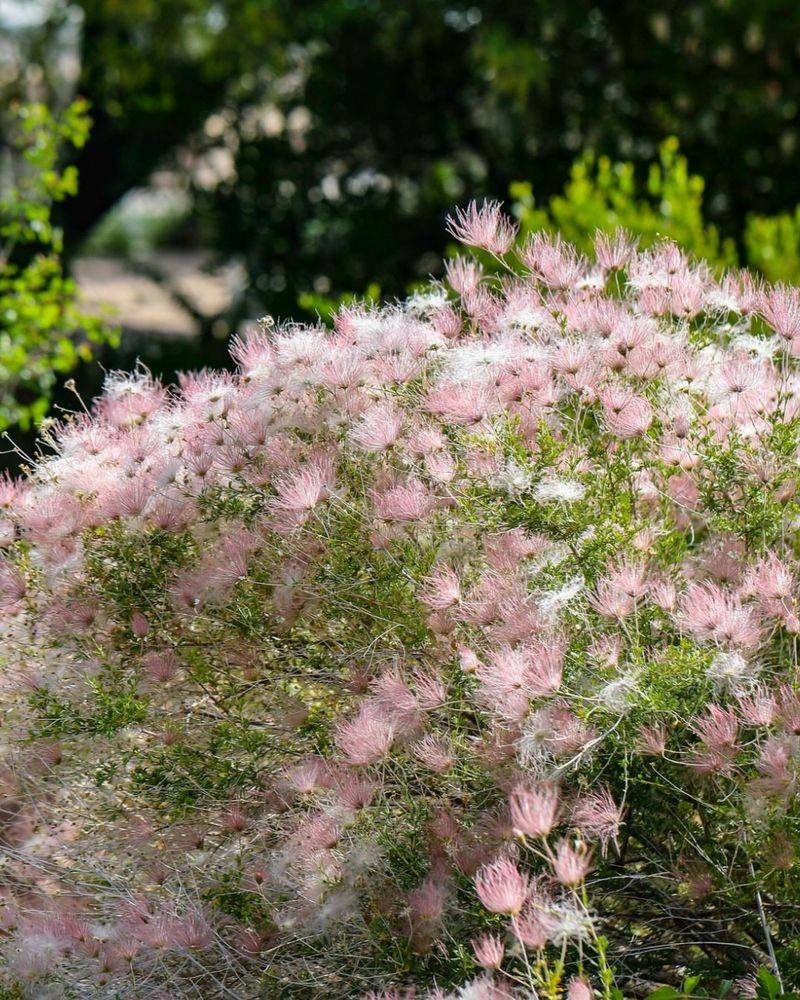
Feathery, rosy seed plumes that catch the breeze and shimmer in afternoon light make Apache plume one of the most striking plants you can add to a fire-smart landscape.
Fallugia paradoxa is a western native that grows across dry foothills and desert edges.
It brings a softness to the yard that ornamental grasses try to achieve but cannot match in fire safety.
The plant grows four to six feet tall with an open, airy structure. Its small white flowers bloom in late spring, and after the petals fall, long feathery plumes develop in pink and cream tones.
Those plumes persist for weeks, giving the shrub a cloud-like appearance that is hard to forget.
Unlike ornamental grasses, Apache plume does not build up large amounts of dry, papery material at its base. The stems are woody and relatively moisture-retentive.
That structural difference makes it a much safer choice near a home during fire season.
It grows best in sandy or gravelly, well-drained soil in full sun. It handles drought very well and does not need supplemental irrigation once it is established. In fact, too much water can make it floppy and weak.
Apache plume works especially well along fences, dry slopes, or open borders where you want movement and texture without dense, flammable mass.
It is cold-hardy too, making it a solid option for homeowners in higher-elevation or northern regions of California.
7. Sugar Bush Works As A Larger Fire-Smart Shrub Away From Walls
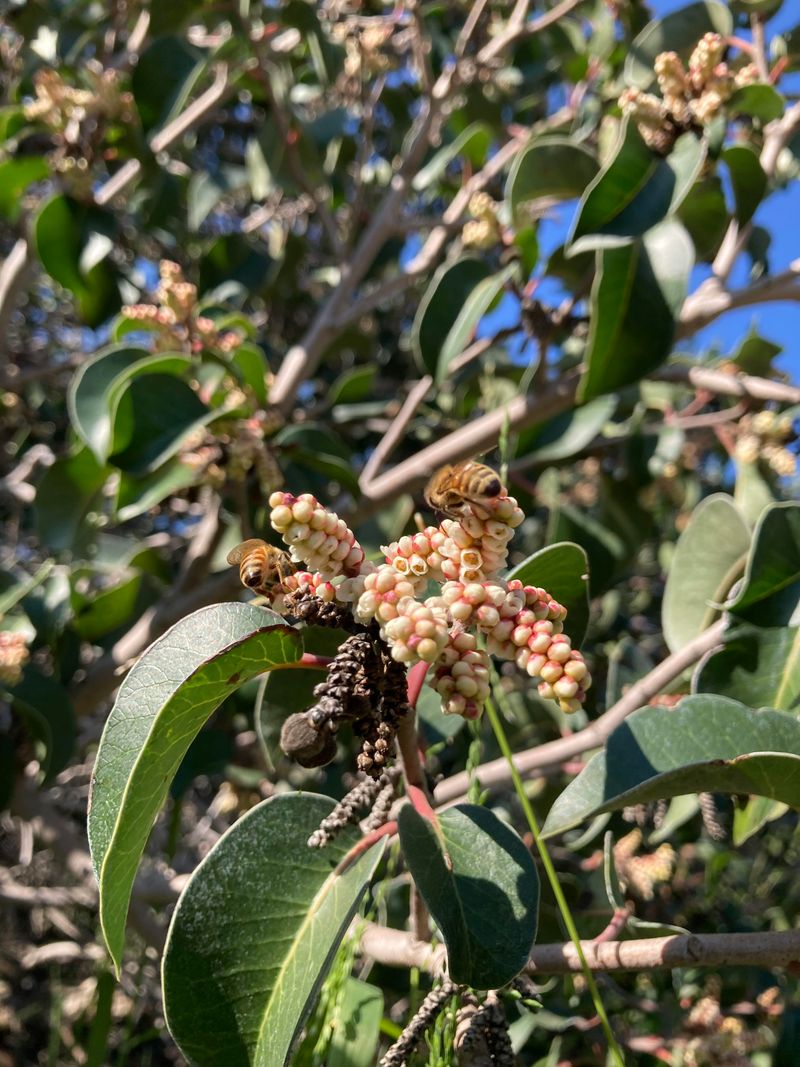
Some yards need a bigger plant to fill in a slope or create a visual screen, and sugar bush is built for exactly that job.
Rhus ovata is a large, dense native shrub that grows naturally on dry chaparral slopes throughout the southern and central parts. It is tough, long-lived, and genuinely fire-smart.
The glossy, dark green leaves are thick and leathery, which helps the plant hold moisture through the dry season.
That leaf quality is one of the main reasons sugar bush is considered less flammable than many other large shrubs.
Ornamental grasses of similar size would be completely dried out and combustible by midsummer.
Small clusters of pink-white flowers appear in early spring, followed by sticky red berries that wildlife loves. Birds, squirrels, and other animals rely on the berries as a food source.
Planting sugar bush supports local wildlife while also making your yard safer.
Because it can grow eight to twelve feet tall and wide, sugar bush is best placed farther from the home, ideally ten feet or more from any structure.
Use it on slopes, along property edges, or as a large backdrop plant rather than a foundation shrub.
It thrives in full sun and well-drained soil. Once established, it needs very little water.
Avoid heavy pruning, as sugar bush responds best to light shaping. It is a long-term investment in both beauty and fire safety for your property.
8. Lemonade Berry Adds Evergreen Screening Beyond The Home Zone
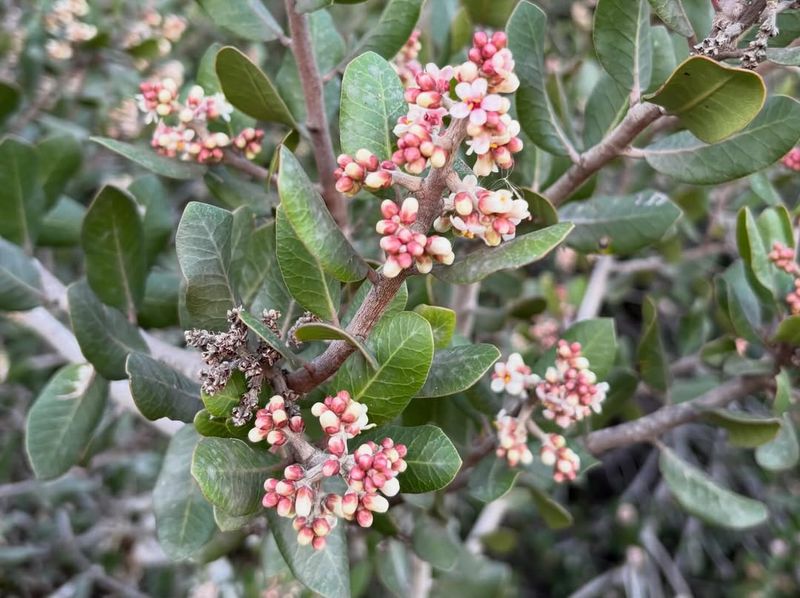
Along the coast and in the hills of southern parts of California, lemonade berry has been growing quietly for thousands of years.
Rhus integrifolia is a dense, evergreen native shrub that makes an excellent screen or hedge in a fire-smart landscape.
It holds its leaves year-round and keeps a full, lush appearance even through dry summers.
The leaves are thick, oval, and slightly glossy, which gives the whole plant a polished look. Small clusters of pink to white flowers appear in late winter and early spring.
After flowering, the plant produces small, sticky red berries that taste faintly tart, giving the shrub its memorable common name.
For fire-smart landscaping, lemonade berry offers real advantages over ornamental grasses. Its thick, moisture-holding leaves do not dry out as severely as grass blades.
The shrub also maintains a dense, woody structure rather than accumulating dry thatch at its base.
It grows best in coastal and inland areas with mild winters and dry summers. Full sun and well-drained soil are ideal.
Once established, lemonade berry needs very little supplemental water and handles coastal winds without much trouble.
Because it can reach six to twelve feet tall, it works best as a screen or backdrop plant placed well away from the home’s walls.
Use it along fences, property lines, or the outer edges of your defensible space zone. It provides privacy, beauty, and a meaningful reduction in fire risk all at once.
9. California Buckwheat Feeds Pollinators With Low Water Needs
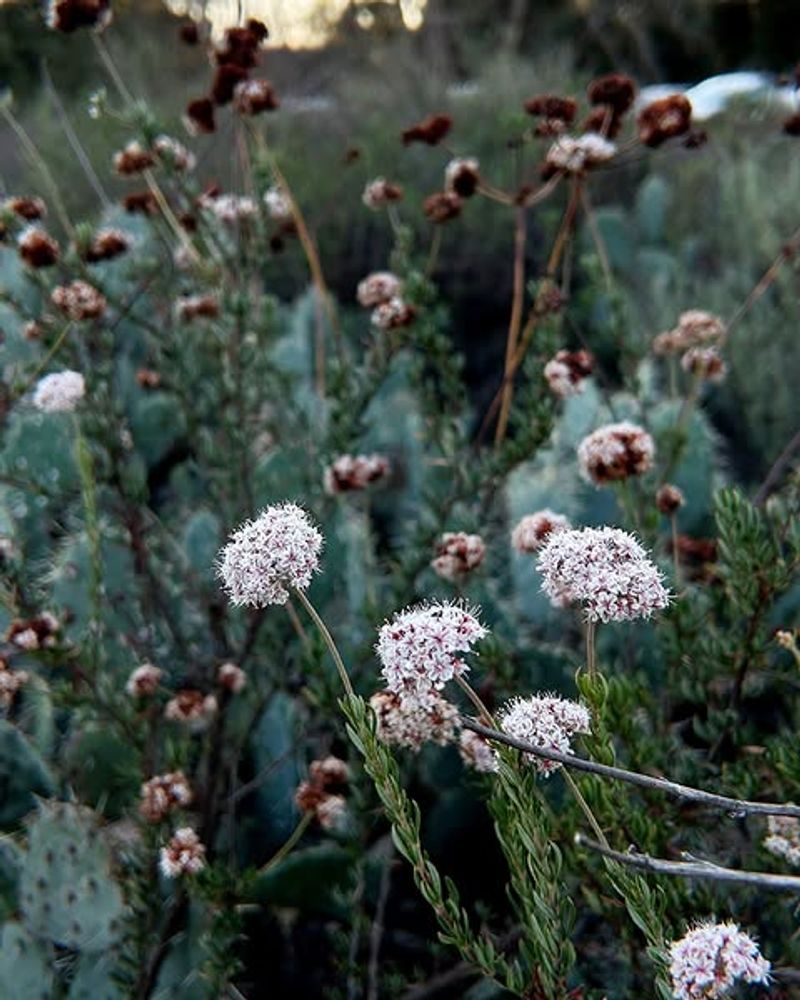
Pollinators go absolutely wild for buckwheat. Eriogonum fasciculatum is one of the most important native plants for bees, butterflies, and other beneficial insects.
It blooms from late spring through summer with clusters of tiny white to pink flowers that age to a warm rusty-brown. Even after the blooms fade, the dried seed heads add texture and color to the garden.
As a fire-smart plant, buckwheat has several real advantages. Its stems are woody rather than grassy, and the plant does not build up large amounts of dry thatch the way ornamental grasses do.
That difference in structure makes it a much safer choice near a home during fire season.
It grows into a low, spreading mound, usually one to three feet tall and up to four feet wide. That compact size makes it easy to manage and ideal for planting in the zone closest to a home.
It fits naturally along pathways, in rock gardens, or at the base of slopes.
Full sun and fast-draining soil are essential. Buckwheat does not tolerate heavy clay or frequent irrigation.
Once established, it is one of the most drought-tolerant shrubs available for gardens in California.
Pruning lightly after the flowering season helps keep the plant tidy and encourages fresh growth. Buckwheat is also incredibly easy to find at native plant nurseries.
It is affordable, reliable, and one of the best overall trades you can make when replacing ornamental grasses near your home.