Vegetables To Skip In Virginia Raised Beds (And Perfect Replacements)
Your first Virginia raised bed looked perfect. Rich soil, neat cedar planks, ambitious seed packets lined up like tiny promises.
Then July hit. The humidity wrapped around everything like a wet towel. Your carefully planted crops yellowed, bolted, or simply gave up.
You stood there, sweaty and confused, wondering what went wrong. Did you follow every instruction? You did. The problem was not your effort. The problem was the plant list.
Virginia summers are unforgiving, the springs are fickle, and that gorgeous clay soil beneath your beds drains poorly.
Certain vegetables simply cannot handle those conditions, no matter how lovingly you tend them.
Choosing the wrong crops costs you money, weeks of work, and your gardening confidence. The right plant list changes everything.
Ditch the duds, swap in smarter choices, and your Virginia raised beds will finally start growing what they were always supposed to grow: results.
Sweet Corn
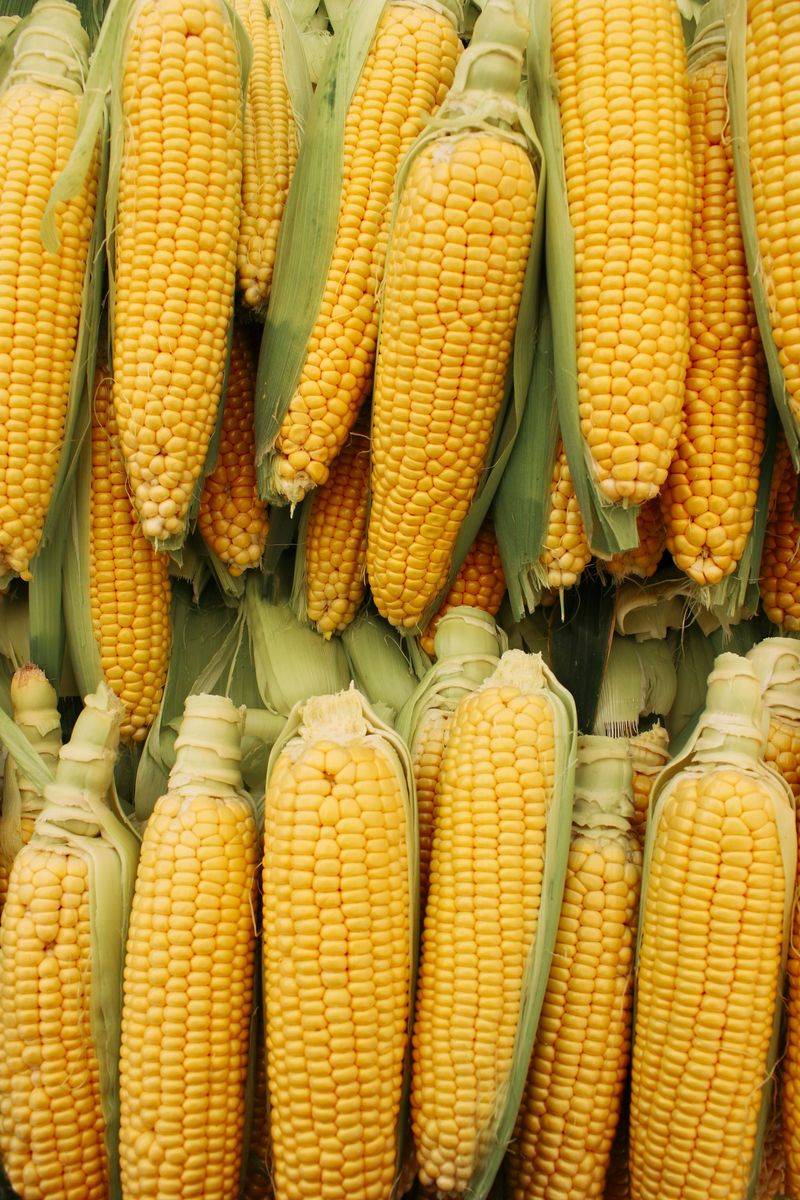
Sweet corn looks amazing in seed catalogs, but raised beds are one of the least suitable environments for it. Corn needs massive space and wind pollination from dozens of plants growing close together.
A standard raised bed holds maybe eight to twelve stalks. That number is nowhere near enough for proper pollination, so you end up with sparse, half-filled ears.
Virginia’s sticky summer heat also invites corn earworms and fungal diseases that spread fast in tight spaces. The humidity makes things worse, especially in low-lying areas near the coast or the Piedmont region.
Skip the corn and grow edamame instead. Edamame thrives in Virginia’s warm summers and does beautifully in compact raised beds.
Each plant produces loads of pods, and you only need a few plants for a solid harvest. The flavor is fresh, nutty, and far more rewarding than a patchy corn cob.
Edamame also fixes nitrogen in the soil, which actually helps the bed stay fertile for your next planting. That is a bonus you will never get from corn.
Plant edamame after your last frost date, which in most of Virginia falls between late March and late April, though mountain regions may run later. Give each plant about six inches of space and watch them take off fast.
You will be snacking on steamed pods by midsummer and wondering why you ever considered corn in the first place. Your raised bed will thank you.
Watermelon
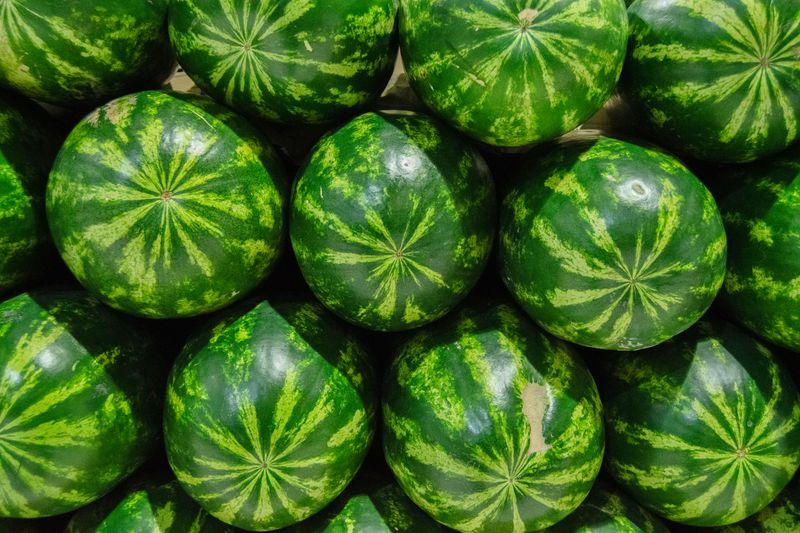
Watermelon is basically the golden retriever of the vegetable garden: lovable, enthusiastic, and completely unaware of personal boundaries.
One plant can send vines stretching ten to fifteen feet in every direction. Raised beds simply cannot contain that kind of energy.
Virginia’s summer heat does suit watermelons in theory, but the season length is the real problem. Most full-sized varieties need ninety or more days of warmth, and late spring frosts can cut that window short.
The heavy fruit also puts stress on raised bed structures when vines hang over the sides. A ten-pound melon dangling from a wooden frame is a recipe for a broken board.
Your Virginia Garden Changes Every Week. Your Plan Should Too.
Gardening in Virginia changes quickly throughout the season. Every Friday you’ll receive a simple weekly plan showing exactly what to plant, prune, fertilize, harvest, and protect so you never miss the right timing.
Try growing bush cucumber instead. Compact varieties like Spacemaster fit perfectly in raised beds and produce crisp, refreshing fruit all summer long.
Cucumbers love Virginia’s heat and humidity, and they climb trellises beautifully without taking over the whole yard. You get that same cool, summery crunch without the chaos.
Plant cucumbers after soil temps hit sixty degrees and give them a vertical support to climb. Harvest often to keep production going strong through August.
The swap from watermelon to cucumber might feel like a downgrade at first glance. But when you are pulling cucumbers daily while your neighbor wrestles with sprawling vines, you will feel like a genius.
Artichoke
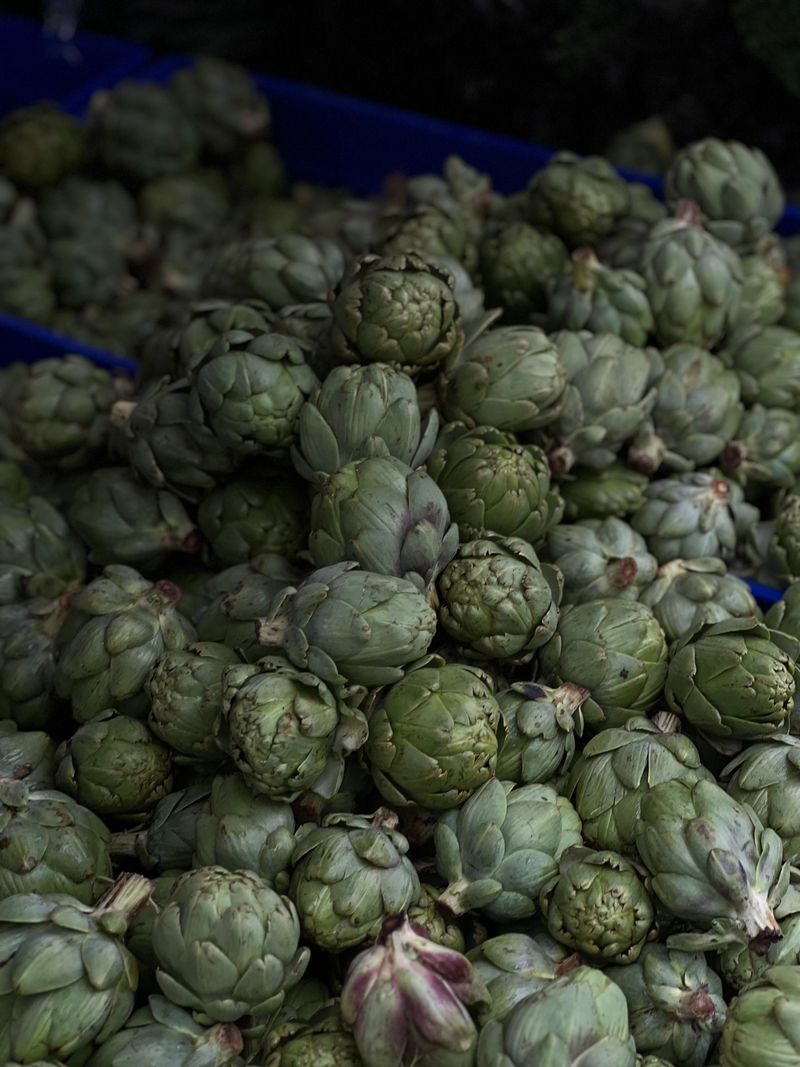
Artichokes are among the most climate-sensitive vegetables you can grow. Virginia’s climate simply does not meet their needs.
These plants are native to the Mediterranean and prefer mild, fog-kissed coastal weather.
They need a long cool period to produce buds, followed by a gentle warm season. Virginia’s spring rushes from chilly to blazing hot almost overnight, which confuses artichokes completely.
Each plant also grows four to five feet tall and wide, making it a terrible fit for a tidy raised bed. That footprint crowds out everything else and still might not produce a single edible bud.
In colder parts of Virginia, like the Shenandoah Valley, artichokes may not even survive winter without heavy protection. The effort rarely matches the payoff.
Cardoon is a close artichoke relative that handles heat better and grows as an ornamental edible. But the smarter swap for most gardeners is Swiss chard.
Swiss chard thrives in Virginia’s spring and fall seasons and looks stunning in raised beds. The colorful stems in red, yellow, and orange add beauty while delivering serious nutrition.
Chard handles light frosts, tolerates summer heat with afternoon shade, and keeps producing for months. You can harvest outer leaves repeatedly without pulling the whole plant.
Plant chard in early spring or late summer for a fall harvest. Once you taste freshly sauteed chard from your own garden, you will stop mourning the artichoke dream entirely.
Pumpkin
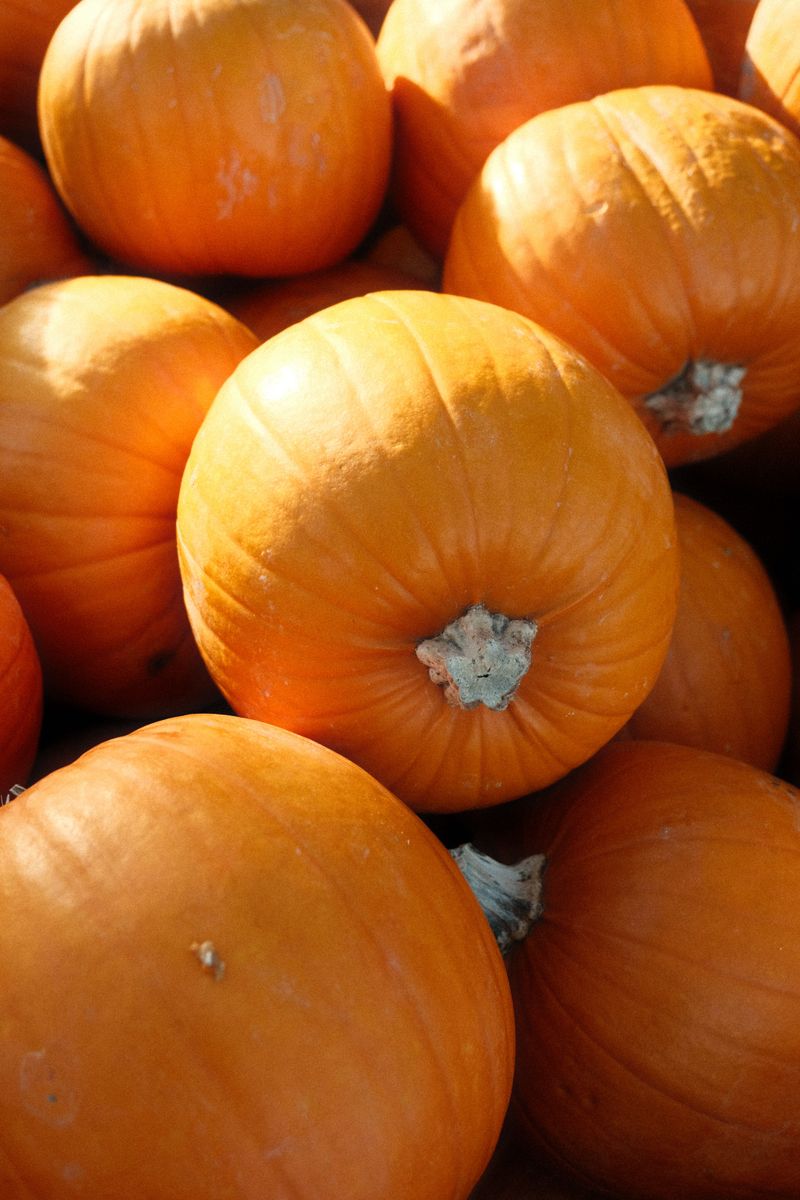
Pumpkins are festive, fun, and a poor fit for raised beds in Virginia. A single vine can run fifteen feet or longer, turning your tidy bed into a jungle by July.
The plants also need pollinator support, plenty of water, and rich soil to produce those big orange fruits. Meeting all those needs in a confined raised bed is an uphill battle from day one.
Virginia’s hot, humid summers bring powdery mildew and squash vine borers, which love pumpkins like nothing else. Once borers get into the stem, the vine collapses fast and there is little you can do.
Growing pumpkins in the ground with plenty of room is a much better plan if you are set on them. Save your raised beds for crops that actually benefit from that premium growing environment.
Delicata squash is a fantastic raised-bed alternative. It produces compact vines, matures in about eighty days, and resists many of the pest problems that plague pumpkins.
The sweet, nutty flavor of delicata rivals any fall squash you have ever tasted. Roast it with olive oil and maple syrup and you will never look back.
Train delicata up a sturdy trellis to save space and improve airflow. Better airflow means fewer fungal issues, which is a huge win in Virginia’s muggy late summer.
Harvest when the skin turns cream with green stripes and a few orange patches. That moment of pulling your first delicata is genuinely one of the best feelings in gardening.
Indeterminate Tomatoes
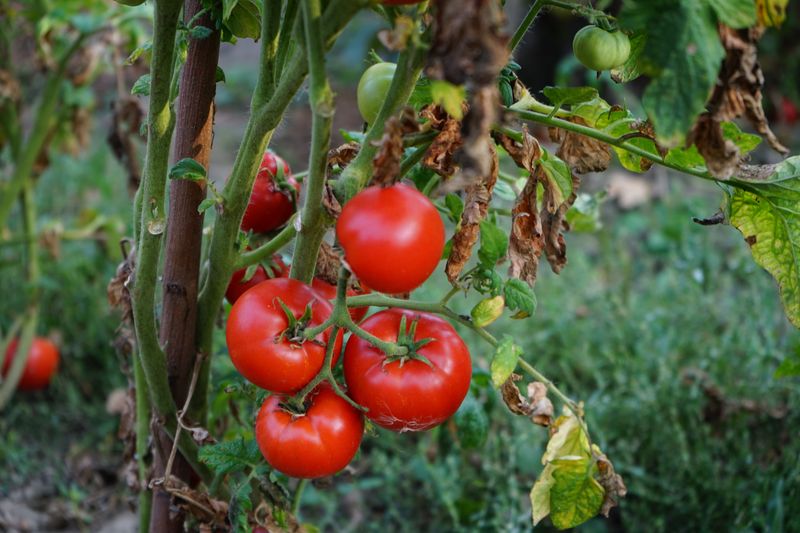
Hold on before you scroll past this one. Tomatoes are not off the table entirely, but the wrong type will wreck your raised bed and your patience.
Indeterminate varieties like beefsteak and heirloom giants keep growing all season long, reaching six feet or more. In a raised bed, those monsters become impossible to manage and block sunlight from everything nearby.
Virginia’s summer heat also causes blossom drop in tomatoes when daytime temps push past ninety-five degrees or nights stay above seventy-five degrees consistently.
That means fewer fruits during the hottest weeks, which is exactly when you expected a bumper crop.
Large indeterminate types also need deep staking, heavy caging, or complex trellis systems that can overwhelm a standard raised bed setup. The result is often a tangled mess by August.
Determinate tomatoes are the smarter play for raised beds in Virginia. Varieties like Celebrity, Bush Early Girl, and Roma stay compact and produce a concentrated harvest.
These types stop growing at a manageable height and are far easier to support. They also tend to finish before the worst heat hits, giving you ripe tomatoes without the drama.
Plant determinate varieties in mid-April through early May for best results in most of the state. Use a quality cage or a simple stake and tie system to keep plants tidy.
Choosing the right tomato variety for your Virginia raised beds makes all the difference between a frustrating season and a fridge full of fresh fruit.
Lettuce And Salad Greens
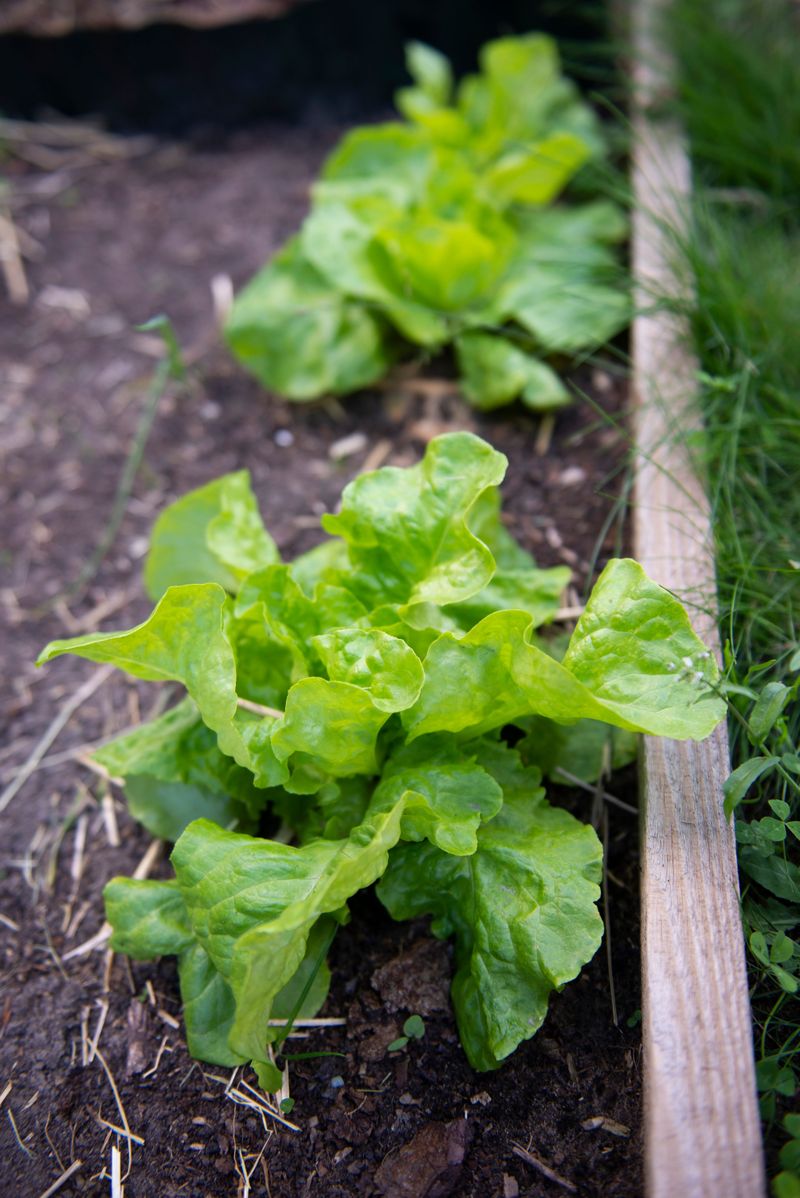
Lettuce sounds like the perfect raised bed crop, and in spring it absolutely is. The problem is that Virginia’s mild spring window is often shorter than gardeners expect before summer heat takes over.
Once temperatures climb past seventy-five degrees consistently, lettuce bolts and turns bitter almost overnight. You plant it with such hope, and then it becomes inedible before you even get a full salad.
Summer heat causes lettuce to send up a flower stalk, shifting all its energy away from producing leaves. That tall, leggy plant is a sign that your harvest window has slammed shut.
Growing lettuce in Virginia raised beds requires careful timing and shade cloth during warm spells. Without those tricks, you are planting a crop with a closing window.
Malabar spinach is the perfect warm-season swap. It thrives in Virginia’s heat and humidity, producing glossy, mild-flavored leaves all summer long.
This climbing plant loves a trellis and looks gorgeous in a raised bed. The leaves work beautifully in salads, stir-fries, and soups without any of the bitterness that bolted lettuce brings.
Plant Malabar spinach after frost danger passes and give it something to climb. It grows fast once temperatures rise, so you will have harvests ready within weeks.
Return to traditional lettuce in late August or September for a fall crop that actually has time to mature. Timing your greens around Virginia’s seasons is the secret weapon most new gardeners miss.
Radishes And Carrots
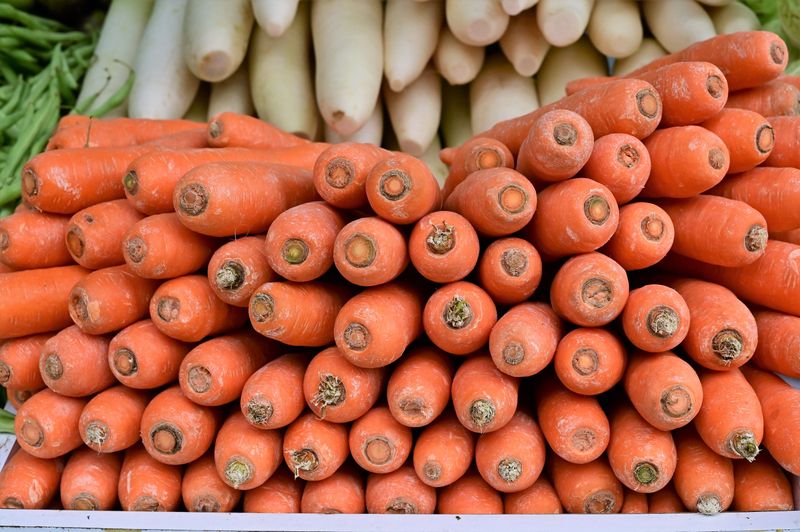
Radishes seem like the easiest win in gardening, and carrots feel like a rite of passage. But both crops have hidden quirks that make raised beds in Virginia surprisingly tricky.
Radishes bolt lightning fast in Virginia’s warm spring weather. Plant them a week too late and they skip the root stage entirely, going straight to seed without producing anything worth eating.
Carrots need deep, loose, rock-free soil to grow straight and full. Most raised beds do not go deep enough, or the soil mix is too compact, leading to forked, stubby roots that look nothing like the seed packet photo.
Clay-heavy native soil mixed into raised beds makes carrot problems even worse. Those twisted, stunted roots are frustrating after months of patient waiting.
For radishes, switch to daikon radish varieties that handle heat better and have a longer harvest window. They grow larger, stay milder in flavor, and do not rush to bolt the moment temperatures tick upward.
For carrots, try beets instead. Beets tolerate Virginia’s spring and fall seasons beautifully and do not need as much soil depth to produce a satisfying harvest.
Beet greens are also edible, giving you two crops in one plant. That kind of double value is exactly what a raised bed should deliver.
Plant beets in early spring or late summer and thin them to three inches apart. Your raised beds in Virginia will produce gorgeous, jewel-toned beets that make any gardener look like a pro.
Large Bell Peppers
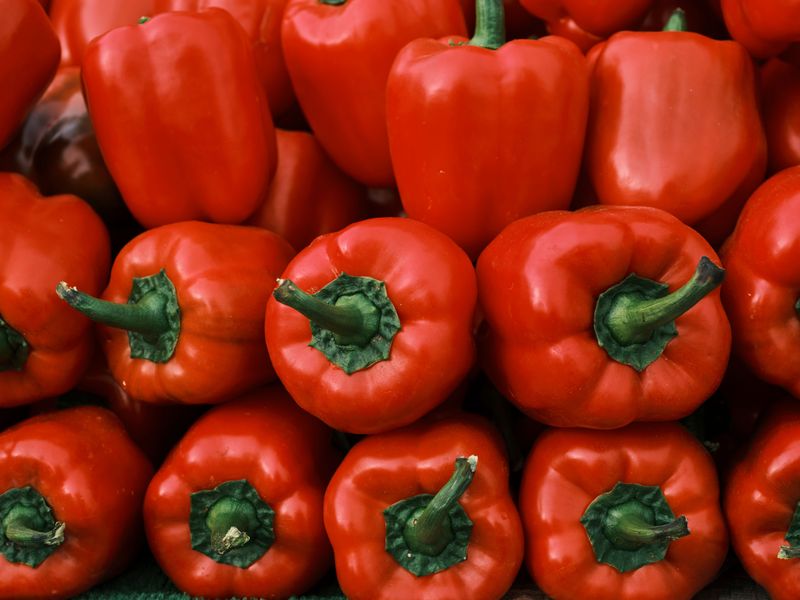
Peppers are not a lost cause in Virginia, but growing them without a strategy leads to disappointment fast. Like tomatoes, the wrong approach turns a promising crop into a season-long struggle.
Large bell peppers are especially finicky in Virginia’s climate. They need a long, warm season but suffer badly when heat spikes above ninety-five degrees, causing blossom drop and fruit that never sets.
The raised bed environment actually makes heat stress worse because the soil warms up faster than in-ground beds. That extra warmth speeds up stress during the hottest weeks of July and August.
Peppers also attract aphids and spider mites in hot, dry spells, which spread quickly in the enclosed space of a raised bed. Staying on top of pest pressure takes real effort and attention.
Thin-walled pepper varieties like banana peppers, shishito, and Jimmy Nardello handle Virginia’s heat with much more grace. They produce heavily even when temperatures soar and rarely drop their blossoms.
Shishito peppers have become wildly popular for good reason. They are mild, blistered beautifully in a hot pan, and productive enough to keep up with your appetite all summer.
Plant any pepper variety after soil temps reach sixty-five degrees and mulch heavily to retain moisture. Consistent watering is the single biggest factor in pepper success during hot Virginia summers.
Making smart choices in your Virginia raised beds means more food, less stress, and a garden that genuinely works with the climate instead of fighting it.