The Michigan Native Berry Bush That Helps Deter Ticks And Produces Tons Of Fruit
Michigan yard edges do not have to be a problem. They can be a feature, and American elderberry is one of the best native shrubs for making that shift happen.
This is a plant that belongs here, grows naturally along wooded borders and moist low spots across the state, and delivers real value across the season. Large white flower clusters in early summer.
Dark berry bunches that bring in birds by midsummer. A natural, open structure that fits a well-managed yard edge without creating the dense, brushy growth that makes tick habitat worse.
Pair it with smart cleanup habits and a clear barrier between wild areas and high-use lawn space, and that neglected border starts looking like an intentional part of the landscape instead of an afterthought.
1. American Elderberry Fits A Tick-Smart Edge
Wooded yard edges in Michigan can be tricky to manage. They tend to collect leaf litter, grow brushy and dense over time, and create exactly the kind of low-contact zone where ticks prefer to wait.
Planting something intentional along that edge, rather than letting it go wild, gives homeowners a reason to keep the border cleaner and more open.
American elderberry fits that role well. It is a Michigan native shrub that grows naturally along forest edges, stream banks, and brushy borders throughout the state.
Because it belongs here, it tends to settle in without a lot of fuss once it finds a spot with reasonable moisture and decent light.
The shrub itself does not repel ticks through scent, chemistry, or fruit. No credible evidence supports that idea.
What elderberry can do is anchor a managed edge that you keep clear of dense ground-level brush, leaf piles, and tall grass, which are the real conditions that raise tick contact risk.
Placing elderberry along a fence line or wooded border, then maintaining a wood chip or gravel barrier between it and your patio or path, creates a more deliberate transition zone.
That combination of native planting and thoughtful edge management is what makes the setup useful.
The shrub adds beauty and fruit while the managed surroundings do the practical work of reducing tick-friendly habitat near the spaces you actually use.
2. Big Berry Clusters Bring Summer Harvests
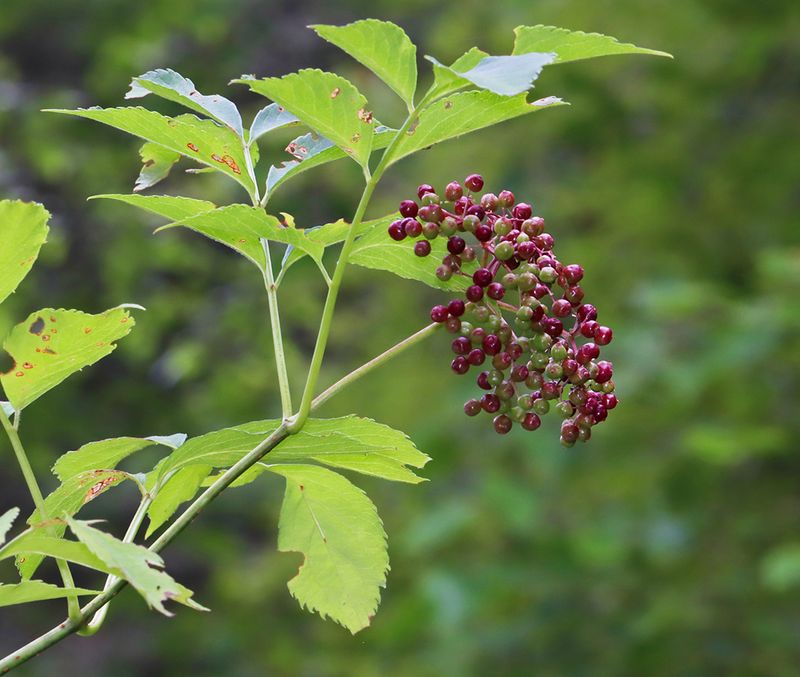
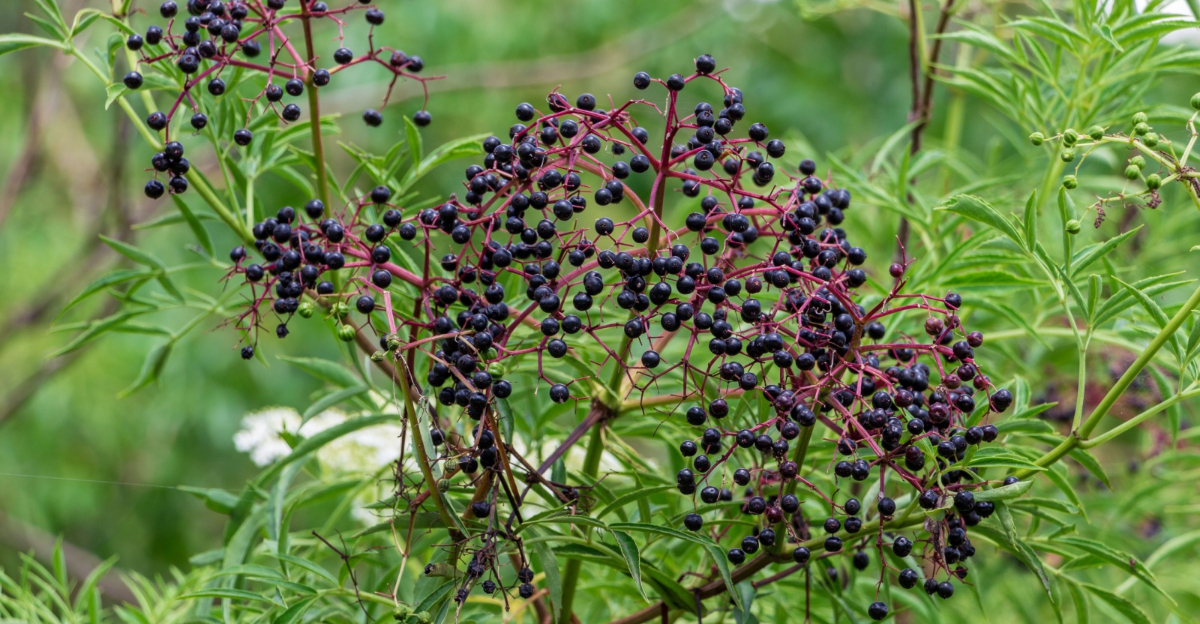
Few native shrubs can match the sheer visual impact of American elderberry loaded with ripe fruit. By late summer, mature plants produce heavy, flat-topped clusters of small dark purple berries that droop slightly under their own weight.
Each cluster can hold dozens of individual berries, and a well-established shrub may carry several clusters at once.
For Michigan homeowners, that kind of production is genuinely exciting. The berries are used in jams, jellies, syrups, and baked goods, and they have a long history of use in home kitchens across the Midwest.
Raw elderberries should not be eaten in large amounts, and the seeds, bark, and leaves contain compounds that can cause stomach upset, so most recipes involve cooking the fruit before using it.
Harvesting is straightforward once you get the hang of it. Whole clusters are typically snipped from the shrub and then stripped from their stems using a fork or by hand.
Your Michigan Garden Changes Every Week. Your Plan Should Too.
Gardening in Michigan changes quickly throughout the season. Every Friday you’ll receive a simple weekly plan showing exactly what to plant, prune, fertilize, harvest, and protect so you never miss the right timing.
The berries are small, so stripping a full cluster takes a little patience, but the yield from even one or two shrubs can be surprisingly generous.
Planting two or more elderberry shrubs near each other tends to improve fruit set, since cross-pollination between plants often leads to fuller clusters.
Michigan gardeners who want reliable harvests year after year usually find that a small grouping of shrubs performs better than a single specimen planted alone.
3. White Flower Clusters Add Early Season Interest
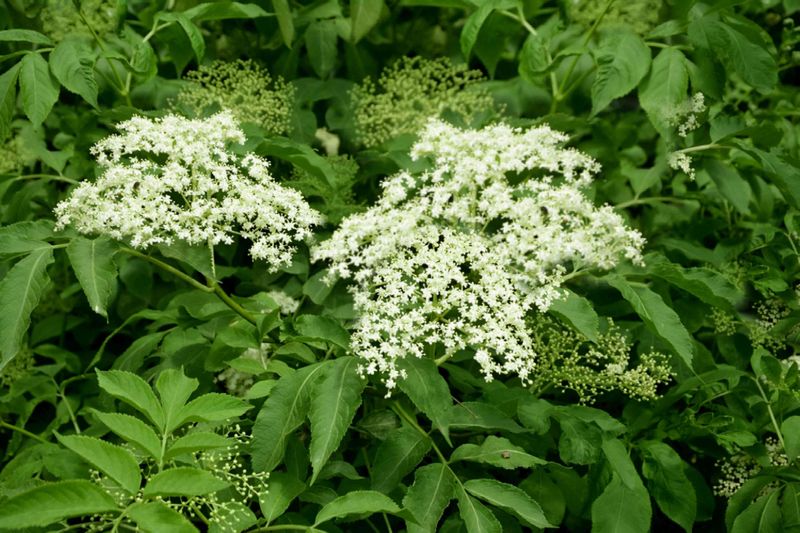
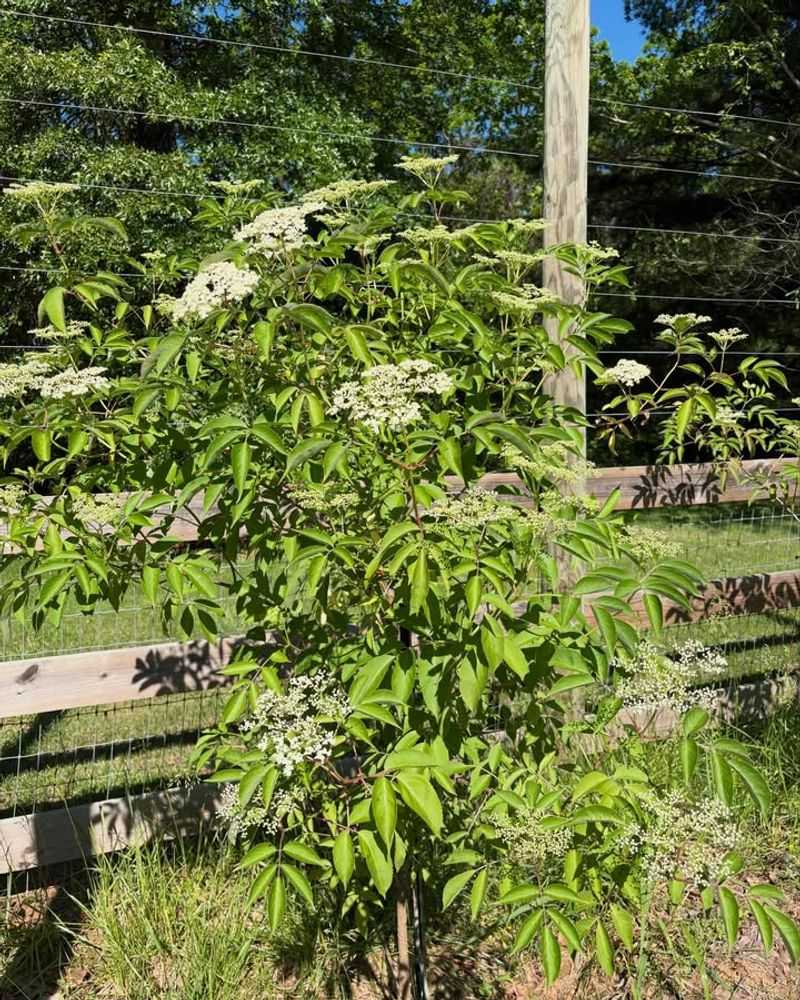
Before the berries even appear, American elderberry puts on a show that many Michigan gardeners do not expect the first time they see it. In late spring to early summer, the shrub produces broad, flat-topped clusters of tiny white flowers called cymes.
Each cluster can span several inches across, and a mature shrub covered in bloom is genuinely striking along a wooded edge or sunny fence line.
The flowers have a light, pleasant fragrance that tends to attract pollinators. Bees visit them regularly, and the blooms also draw butterflies and other beneficial insects that Michigan gardeners generally want to encourage.
That early pollinator activity is part of what makes elderberry a genuinely useful addition to a naturalistic yard edge rather than just a pretty one.
Elderflowers are also edible and have their own culinary tradition. They are used to make elderflower cordial, infused syrups, and fritters in various European and American cooking traditions.
Harvesting some flowers for the kitchen does reduce the number of berries that develop later in the season, so most gardeners choose one or the other depending on what they want most from the shrub that year.
Even without harvesting, the flowers provide weeks of visual interest at a time when many other native shrubs are still leafing out.
That early-season presence makes elderberry a dependable anchor plant for Michigan yard edges that need structure and interest from spring through fall.
4. Moist Soil Helps Elderberry Settle In
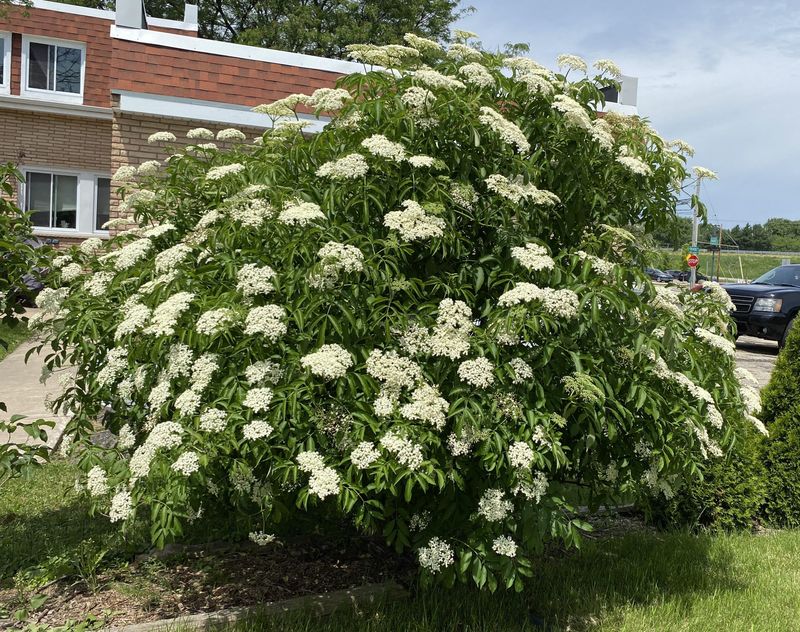
Low spots in a Michigan yard often feel like problems waiting to happen. They stay wet after rain, grow weedy quickly, and rarely support the turf grass or ornamental plants that do well in drier conditions.
American elderberry, though, tends to thrive in exactly those kinds of spots.
Native to moist soils along stream banks, wetland edges, and shaded ravines across Michigan, elderberry is well-suited to areas where water lingers a little longer than average.
It can handle periodic wet conditions that would stress many other shrubs, making it a practical choice for low-lying borders, rain garden edges, and spots near downspout outlets or drainage swales.
That said, elderberry is not strictly a wetland plant. It also grows well in average, reasonably moist garden soil as long as the site does not dry out completely during summer.
Consistent moisture during the first growing season helps young plants establish a strong root system before they face the stress of dry spells.
Amending heavy clay soil with compost before planting can improve drainage just enough to prevent waterlogging while still retaining the moisture elderberry prefers. Sandy soils may need more consistent watering in the first year or two.
Once established, elderberry generally becomes more resilient and requires less hands-on attention, which is part of what makes it an appealing low-maintenance option for Michigan homeowners managing naturalistic yard edges.
5. Full Sun Can Support Better Fruit Production
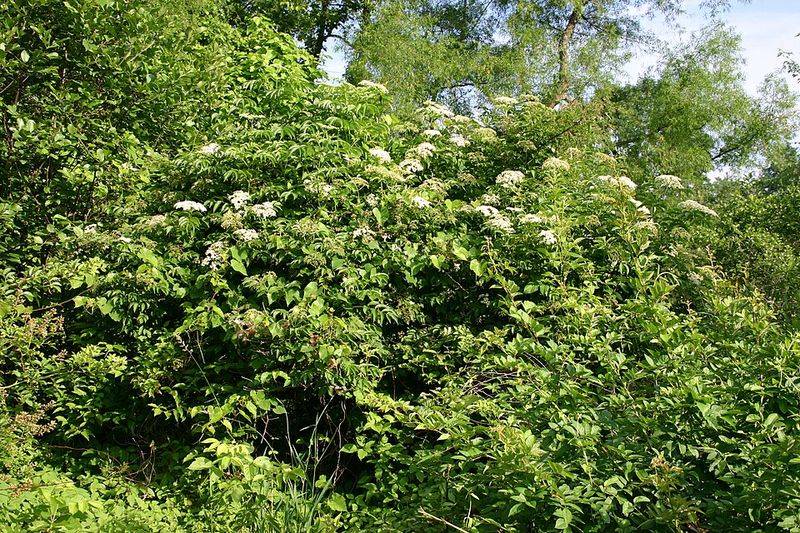
Sunlight plays a bigger role in elderberry performance than many gardeners initially expect.
While the shrub can survive in partial shade, especially along lightly wooded edges common in Michigan backyards, fruit production tends to be noticeably better when the plant receives six or more hours of direct sun each day.
Shrubs growing in shadier conditions often put more energy into reaching for light, producing taller, leggier growth with fewer flower clusters. That means fewer berries by late summer, which is a real trade-off for gardeners who want a productive harvest.
Choosing a spot with open sky above, even along a wooded border, gives elderberry the light it needs to flower and fruit well.
Sunny fence lines, open yard edges, and south- or west-facing borders tend to be good candidates.
Many Michigan homeowners find that the sunniest part of a naturalistic yard edge, where the tree canopy opens up or ends, is the sweet spot where elderberry really performs at its best.
Full sun does tend to increase water demand, so plants in sunny spots may need more consistent moisture, especially during dry stretches in July and August.
Mulching around the base of the shrub helps retain soil moisture and keeps the root zone cooler during warm spells.
A layer of wood chip mulch, kept a few inches away from the main stems, works well and fits naturally into a managed yard-edge design.
6. Large Growth Needs Thoughtful Placement
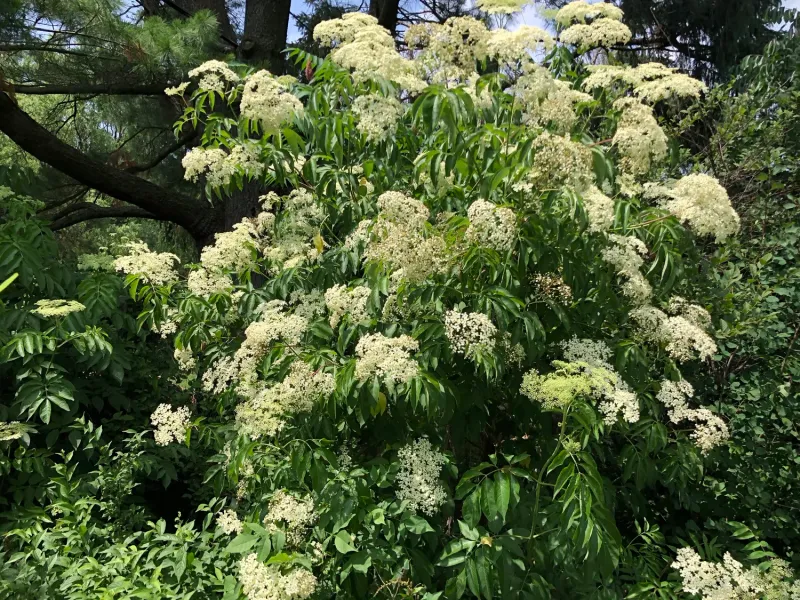
Gardeners who plant American elderberry for the first time are sometimes caught off guard by how large it can get. Mature shrubs commonly reach eight to twelve feet tall with a spread that can match or exceed that height over several growing seasons.
That is a substantial plant for a residential yard, and placement matters more than many people realize before they dig the first hole.
Along a wide wooded edge or a back fence line with plenty of room, that size is an asset. Elderberry creates real visual structure, provides cover for birds and other wildlife, and fills in a border with a naturalistic density that feels intentional rather than overgrown.
In a tight side yard or close to a path or patio, though, that same growth can quickly feel overwhelming.
Elderberry spreads by root suckers, sending up new stems from the base and from roots that extend outward over time. A single plant can gradually expand into a colony if left unmanaged.
For most Michigan homeowners, that means checking the perimeter of the planting each spring and removing unwanted suckers before they get established.
Pruning older stems back periodically encourages fresh, productive growth and keeps the shrub at a more manageable size.
Many gardeners cut one-third of the oldest stems to the ground each year in early spring, which keeps the plant vigorous without removing all the wood that will flower and fruit that season.
Planning for size from the start saves a lot of work later.
7. A Managed Edge Matters More Than The Shrub Alone
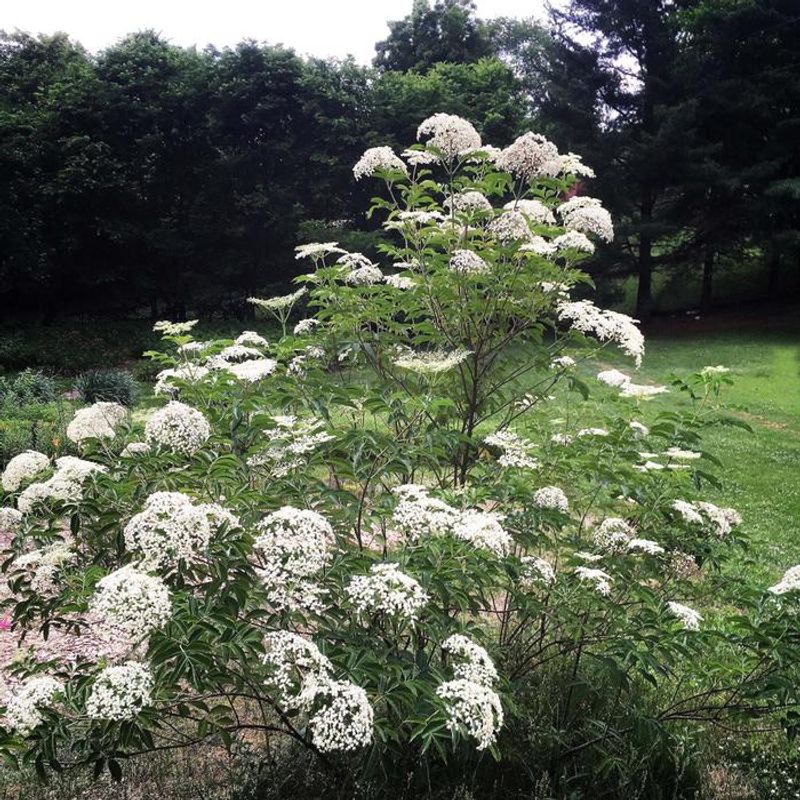
Planting elderberry along a yard edge is a good start, but the shrub by itself does not create a tick-smart border. The real work comes from how the surrounding space is managed.
Ticks prefer shady, humid areas with dense ground cover, leaf litter, tall grass, and brushy understory growth. Those are exactly the conditions that tend to build up along neglected yard edges in Michigan.
Keeping the area around elderberry clear of deep leaf piles, dense low brush, and overgrown grass reduces the habitat that ticks need to survive and find hosts.
A wood chip or gravel barrier, roughly three feet wide, placed between the shrub border and the lawn, path, or patio creates a drier, more exposed transition zone that ticks tend to avoid crossing.
Regularly clearing leaf litter from under and around the shrubs, especially in fall and early spring, also reduces the moist, sheltered conditions that support tick populations near the yard.
Keeping any paths or pet routes adjacent to the planting open and well-trimmed lowers the chance of brushing against vegetation where ticks may be waiting.
These practices are consistent with tick-prevention guidance from public health sources and work regardless of what shrubs are growing in the border.
American elderberry fits well into this kind of managed edge because it is upright and can be maintained with clear space underneath, unlike low, sprawling ground covers that create dense contact zones right at ankle level.
8. Birds May Notice The Berries First
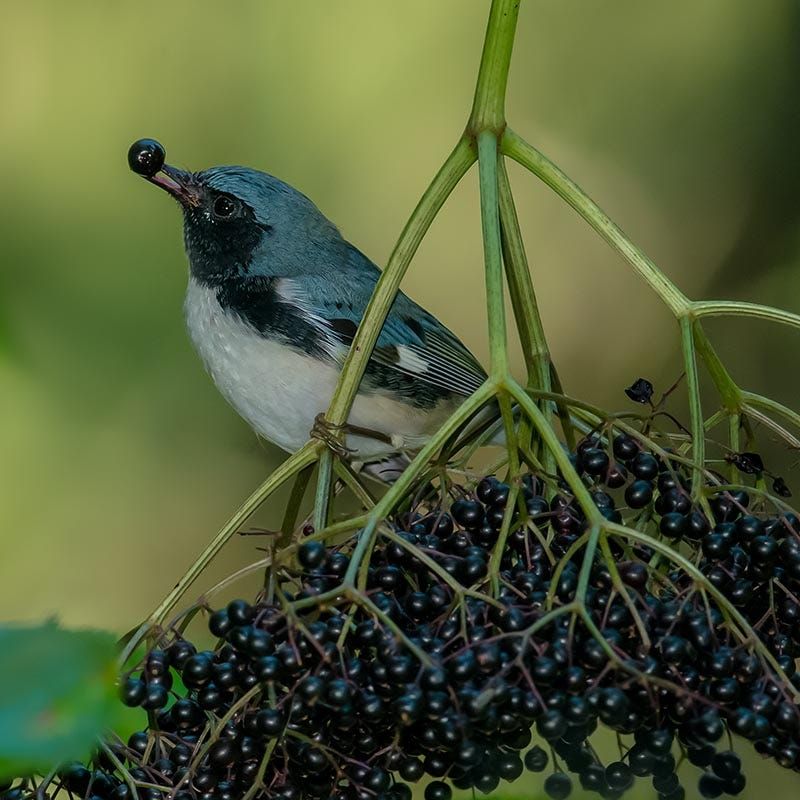
Every Michigan gardener who has grown American elderberry eventually learns the same lesson: the birds find the berries before you do.
Robins, cedar waxwings, catbirds, and a range of other songbirds are drawn to ripe elderberries, and they can strip a cluster surprisingly fast once the fruit reaches peak ripeness in late summer.
For wildlife gardeners, that is not a problem at all. Attracting native birds to a yard edge is one of the main reasons many Michigan homeowners choose native fruiting shrubs over ornamental plants that offer little food value.
Elderberry delivers on that goal reliably, and the combination of summer berries and spring flowers makes it one of the more wildlife-friendly shrubs available for residential use in the state.
For gardeners who want to keep more berries for themselves, timing matters. Harvesting clusters as soon as they reach full dark color, rather than waiting for every berry on every cluster to ripen at once, tends to result in a better yield before the birds move in.
Covering individual clusters with fine mesh netting is another option that some gardeners use during the final ripening window.
Either way, sharing the harvest with birds is not a bad outcome.
The wildlife activity elderberry brings to a Michigan yard edge adds movement, sound, and a sense of connection to the natural landscape that most homeowners find genuinely enjoyable, even when the birds get there first.