4 Worst Vegetables for Tennessee Raised Beds, And Alternatives That Thrive
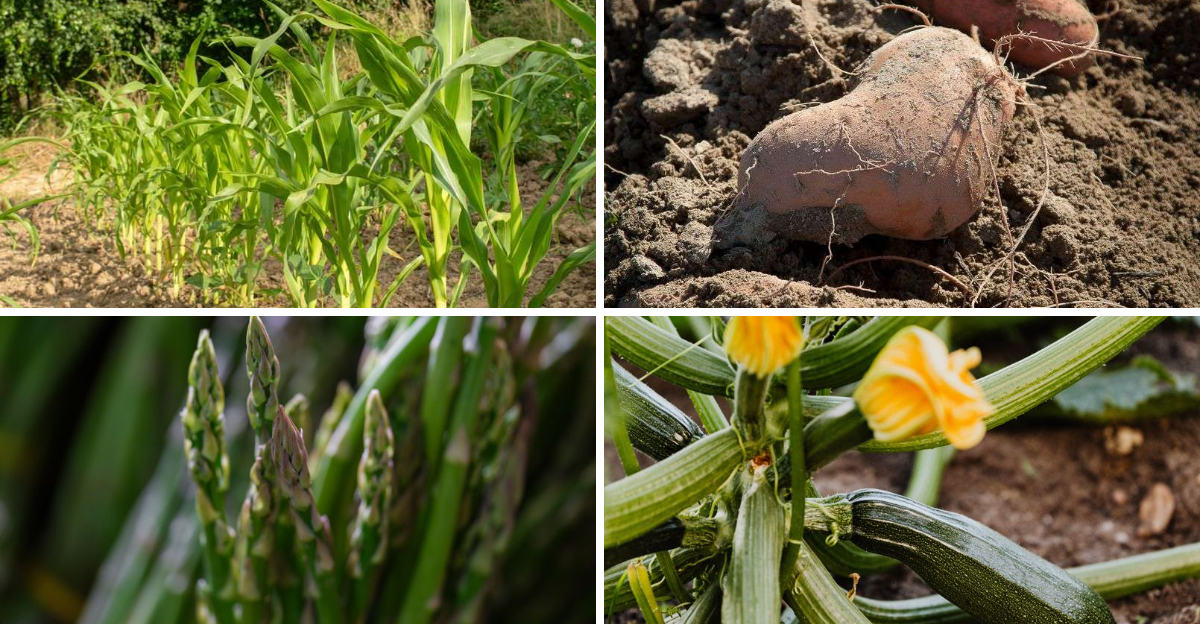
Raised bed gardening in Tennessee comes with a real learning curve, and not every vegetable is worth your time or space.
The Volunteer State deals out humid summers, late spring frosts, and clay soil that sits just below your carefully built bed mix waiting to cause problems.
Some crops will drain your soil, swallow your space, and still deliver a disappointing harvest after months of effort. Others will thrive from the first warm week straight through to fall without much fuss at all.
Knowing the difference before you plant saves you real money and a lot of mid-season frustration. Here are the four worst offenders for Tennessee raised beds, and the four crops that actually earn their spot.
1. Corn
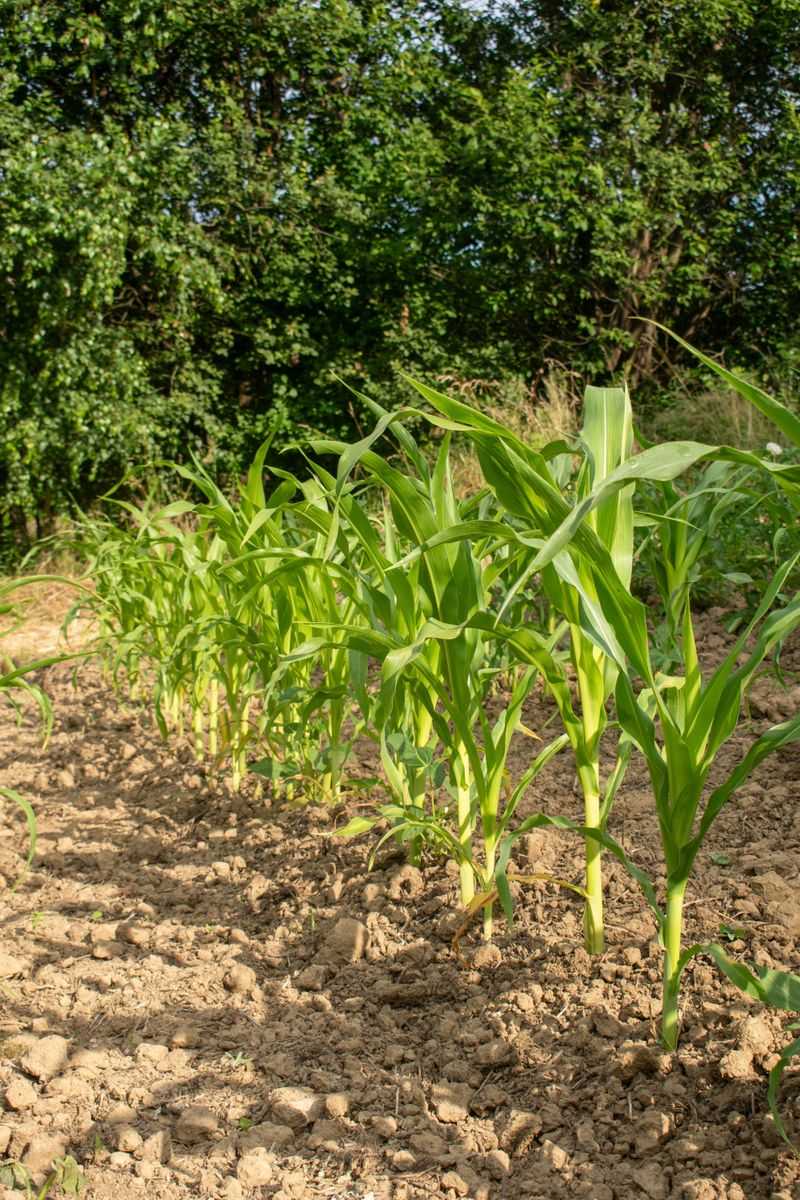
Image Credit: © Marino Kurunić / Pexels
Corn looks impressive in a farm field, but inside a Tennessee raised bed, it becomes a serious problem fast. A single stalk can shoot past six feet tall, casting shade over everything else you carefully planted nearby.
The bigger issue is pollination. Corn needs large blocks of plants growing close together to pollinate properly, and a raised bed simply cannot accommodate that kind of volume.
Tennessee’s humid summers also make corn a target for earworms, one of the most frustrating pests in the region. Once earworms move in, they rarely stay contained to just the corn.
Raised bed space in Tennessee is too valuable to hand over to a crop that demands so much and delivers so little in return. You would need multiple beds dedicated entirely to corn just to get a decent harvest.
The heat and humidity that define Tennessee summers also stress corn during its critical tasseling stage. Pollination rates drop, ears develop poorly, and you end up with patchy, underwhelming results after months of effort.
Corn also depletes nitrogen from the soil at an aggressive rate, leaving your raised bed mix significantly poorer for the next planting season. Rebuilding that soil fertility takes time and extra amendments you could have avoided entirely.
Corn is rarely worth the trade-off in a Tennessee raised bed. The space, the soil depletion, and the pest pressure make it one of the least efficient crops you can choose for a contained growing setup.
2. Sweet Potatoes
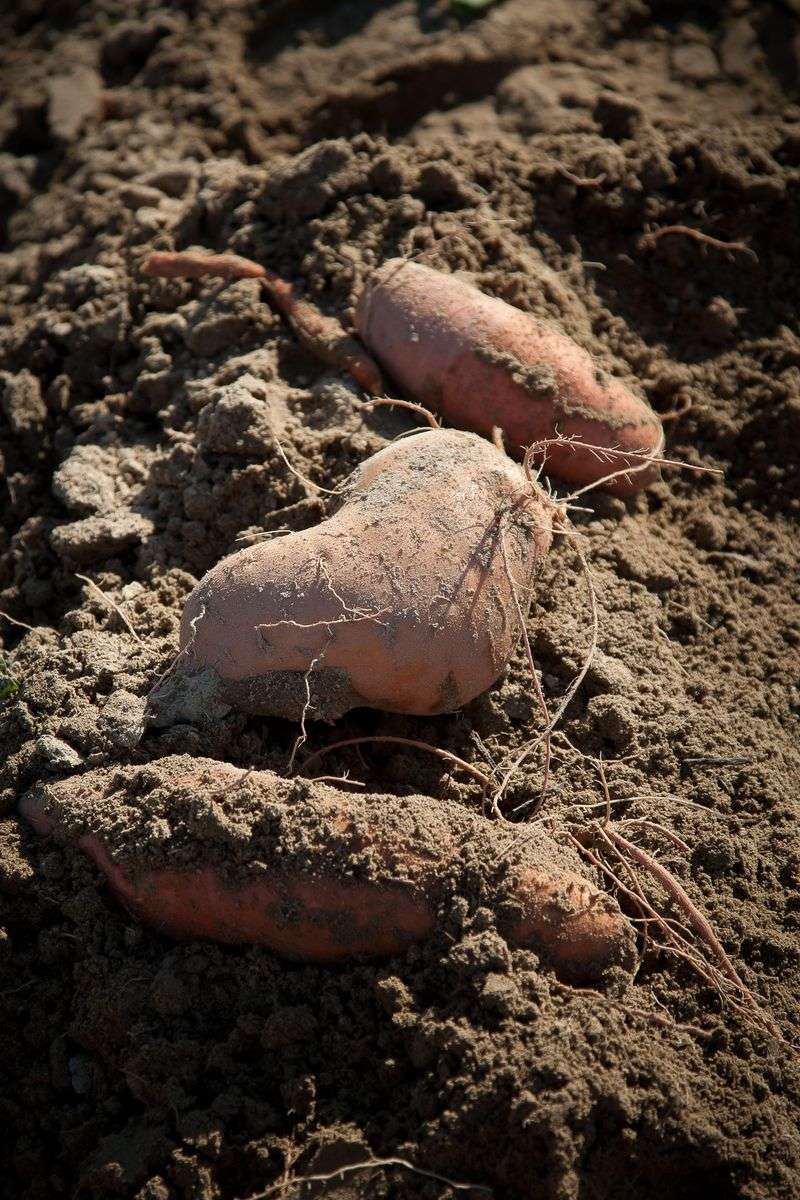
Image Credit: © Mark Stebnicki / Pexels
Sweet potatoes have a reputation for being easy and low-maintenance, but that reputation falls apart quickly inside a raised bed. Their vines spread aggressively, easily covering four to six square feet per plant within just a few weeks of planting.
In a standard four-by-eight raised bed, one sweet potato plant can crowd out nearly everything else you put in the ground. That kind of takeover defeats the whole purpose of a carefully planned raised bed garden.
The root system is just as problematic as the vines above ground. Sweet potatoes develop large, spreading tubers that need significant depth and horizontal space to form properly shaped roots worth harvesting.
Most raised beds do not provide enough depth, which means your sweet potatoes end up oddly shaped, stunted, or nearly impossible to dig out without damaging the bed structure. The harvest rarely justifies the space you sacrificed.
Your Tennessee Garden Changes Every Week. Your Plan Should Too.
Gardening in Tennessee changes quickly throughout the season. Every Friday you’ll receive a simple weekly plan showing exactly what to plant, prune, fertilize, harvest, and protect so you never miss the right timing.
Tennessee springs also complicate things further. Sweet potatoes need 100 to 140 days to mature, and a late frost can push your planting date back far enough to put the entire harvest at risk before the first fall chill arrives.
The humidity that defines Tennessee summers encourages fungal issues in dense, sprawling vines that sit close to the soil. Once disease sets in across a vine network that size, it spreads quickly and is difficult to manage in a contained space.
Sweet potatoes belong in a large in-ground garden where their vines can roam freely without consequences. In a raised bed, they tend to demand far more than they give back.
3. Asparagus
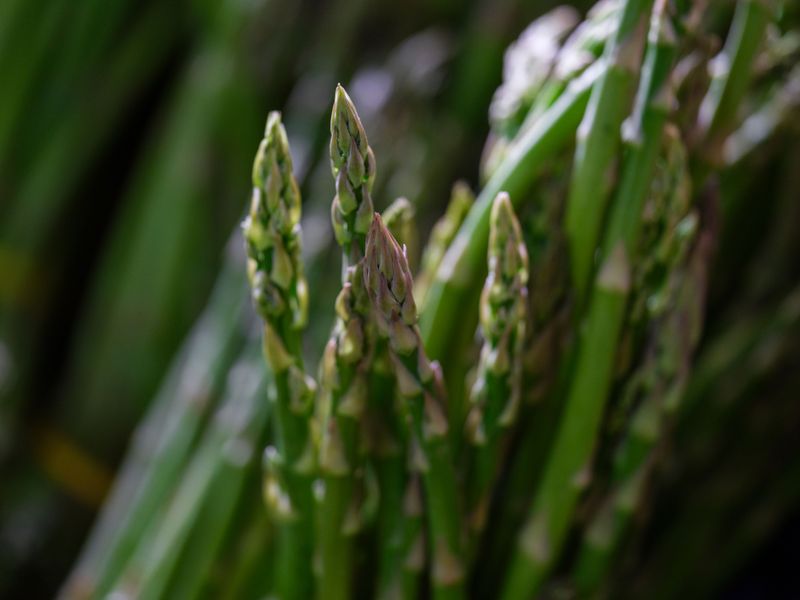
Image Credit: © Engin Akyurt / Pexels
Asparagus is one of those vegetables that sounds like a smart long-term investment until you actually do the math. Growing from crowns means waiting two to three full years before you can harvest a single spear from your raised bed.
That is valuable raised bed real estate locked up completely with no return during the entire establishment period. In Tennessee, where the growing season is long and productive, that kind of wait is especially hard to justify.
Tennessee summers work against asparagus in a significant way. Once temperatures regularly climb past 85 degrees, asparagus crowns struggle.
The fern-like foliage that asparagus sends up after harvest gets tall and bushy, shading neighboring plants and making the bed difficult to manage. You essentially lose the surrounding space along with the asparagus footprint itself.
Established asparagus is also notoriously difficult to remove once it takes hold. The root system spreads deep and wide, and digging it out without disturbing your raised bed structure becomes a real project.
Asparagus beetles are another concern in Tennessee gardens. These pests target it specifically and can defoliate plants quickly, adding pest management pressure to a crop that is already asking a lot from you.
Asparagus rarely makes sense for a Tennessee raised bed. The years of waiting, the summer heat stress, and the permanent footprint make it a poor fit for a productive contained garden.
4. Zucchini
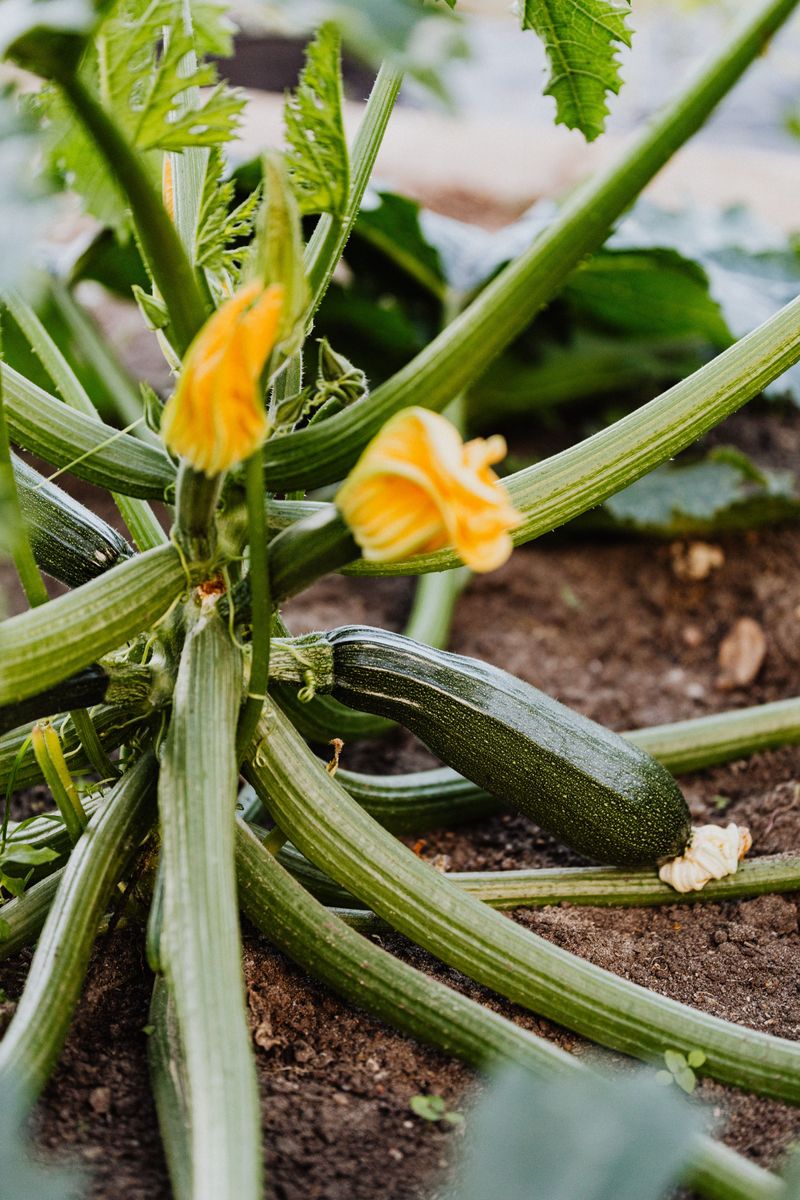
Image Credit: © www.kaboompics.com / Pexels
Zucchini has a well-earned reputation for productivity, but that comes packaged with an aggressive spreading habit that overwhelms a raised bed almost overnight.
One zucchini plant can easily sprawl three to four feet wide within just a few weeks of planting. In a standard raised bed, that single plant consumes space that could have supported four or five other productive crops.
The large leaves compound the problem significantly. Zucchini foliage is broad and dense, blocking sunlight from reaching anything growing nearby and creating a humid microclimate underneath that encourages fungal disease.
Tennessee summers are already humid enough without a zucchini canopy trapping moisture at soil level. Powdery mildew spreads fast in those conditions, often shortening the productive life of the plant considerably.
Squash vine borers are another serious threat for Tennessee gardeners specifically. These pests tunnel into the base of zucchini plants, causing sudden collapse right when the harvest is hitting its stride.
Losing a zucchini plant mid-season to vine borers after sacrificing that much raised bed space is deeply frustrating. The combination of space demands and pest vulnerability makes zucchini a risky choice for a contained setup.
Zucchini performs far better in an in-ground garden where it has room to sprawl without consequence. Save your raised bed space for crops that grow upward rather than outward and deliver a better return on every square foot.
5. Tomatoes
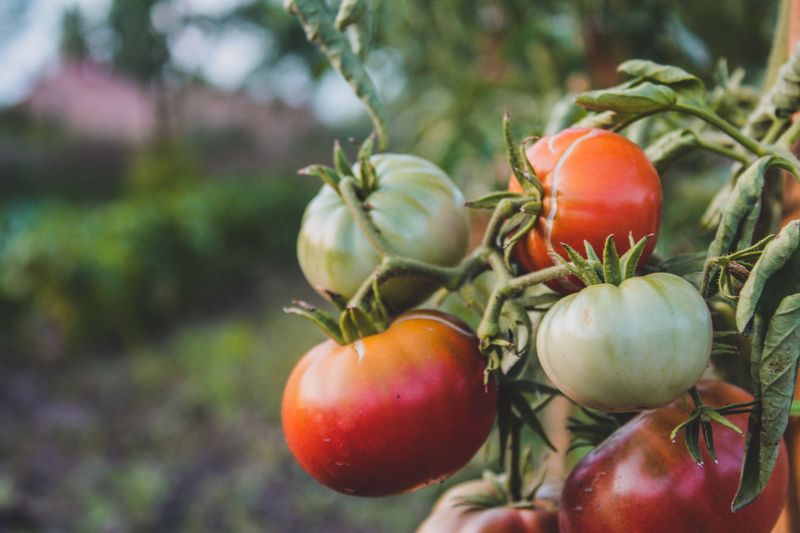
Tomatoes and Tennessee raised beds are one of the most natural pairings in home gardening. The long, warm growing season gives tomato plants exactly the sustained heat they need to produce heavily from midsummer through early fall.
Tennessee’s native soil tends to run heavy with clay, holding moisture in ways that encourage root rot and soil-borne disease in tomatoes planted directly in the ground. A raised bed eliminates that drainage problem entirely.
Tomato roots stay healthy, the plant focuses its energy on fruit production, and you avoid the frustrating cycle of disease that plagues in-ground tomato growers across the state.
Tomatoes also grow vertically, which makes them an ideal fit for the limited footprint of a raised bed. A sturdy cage or stake keeps the plant contained and productive without stealing space from neighboring crops.
Heat-tolerant varieties like Celebrity, Better Boy, and Cherokee Purple handle Tennessee’s summer humidity without dropping blossoms or stalling fruit development.
A simple drip system keeps moisture levels steady through the dry stretches that hit Tennessee gardens in July and August, and a raised bed makes that kind of consistent watering much easier to manage.
For Tennessee gardeners, tomatoes represent everything a raised bed crop should be. They are productive, manageable, and perfectly matched to the climate and conditions the Volunteer State delivers every single growing season.
6. Peppers
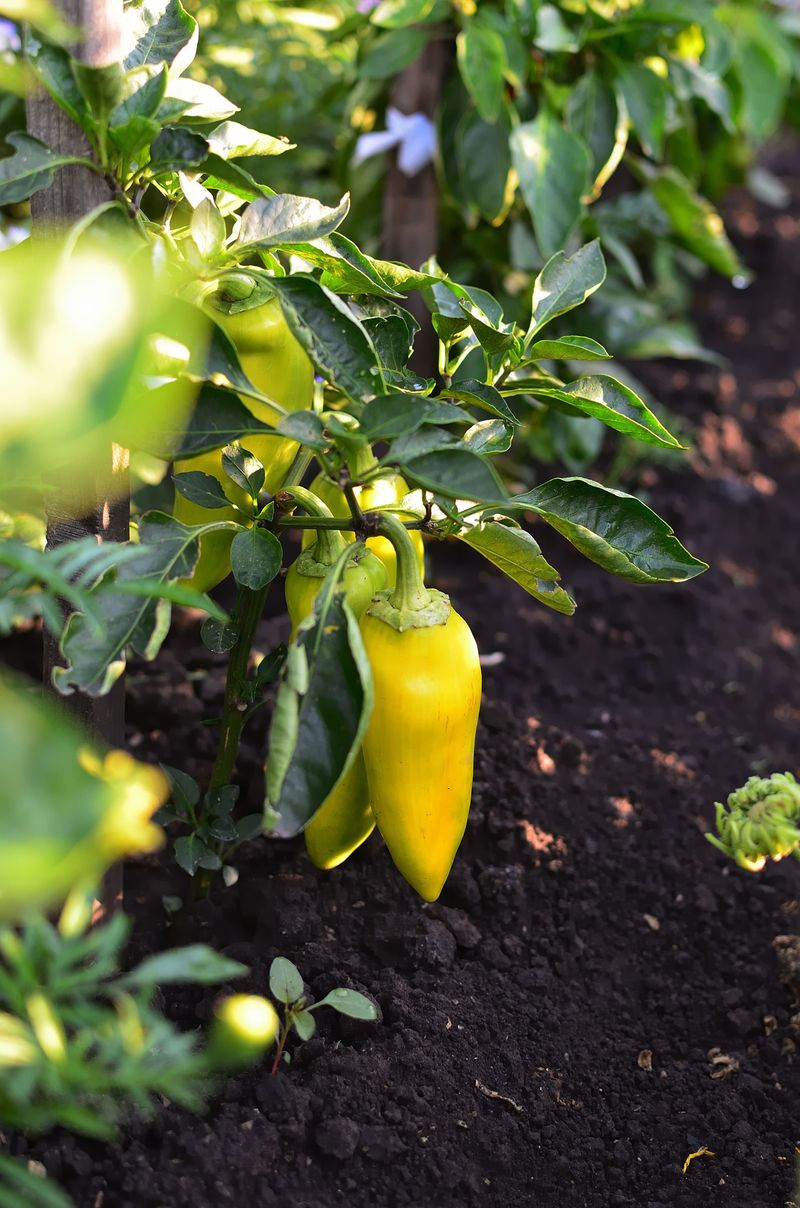
Peppers are one of the smartest crops a Tennessee raised bed gardener can choose. They are compact, grow upright, and stay well within the boundaries of a raised bed without threatening neighboring plants.
Raised bed soil warms up faster in spring than in-ground garden soil, and that early warmth gives peppers a significant advantage. Peppers stall in cool soil, and a raised bed gets them off to a strong start several weeks ahead of schedule.
Tennessee’s long summer delivers exactly the sustained warmth peppers need to produce consistently. The growing season is long enough to support multiple waves of fruit on a single well-tended plant.
Bell peppers, banana peppers, and hot varieties like cayenne and jalapeño all perform beautifully in Tennessee raised beds. Each type handles the regional heat well and bounces back quickly after summer rainy stretches.
Peppers pair naturally with tomatoes in a raised bed layout, sharing nearly identical water and sunlight requirements. Planting these two crops together makes irrigation and maintenance straightforward all season long.
Disease pressure is easier to manage in a raised bed as well. Good drainage and healthy soil mix reduce the risk of bacterial spot and root rot, two issues that commonly affect peppers grown in Tennessee’s heavy native soil.
For Tennessee raised bed gardeners looking for a reliable, high-yield crop that fits the space without drama, peppers tend to deliver reliably season after season. They are productive, easy to manage, and perfectly suited to everything Tennessee’s climate has to offer.
7. Lettuce And Leafy Greens
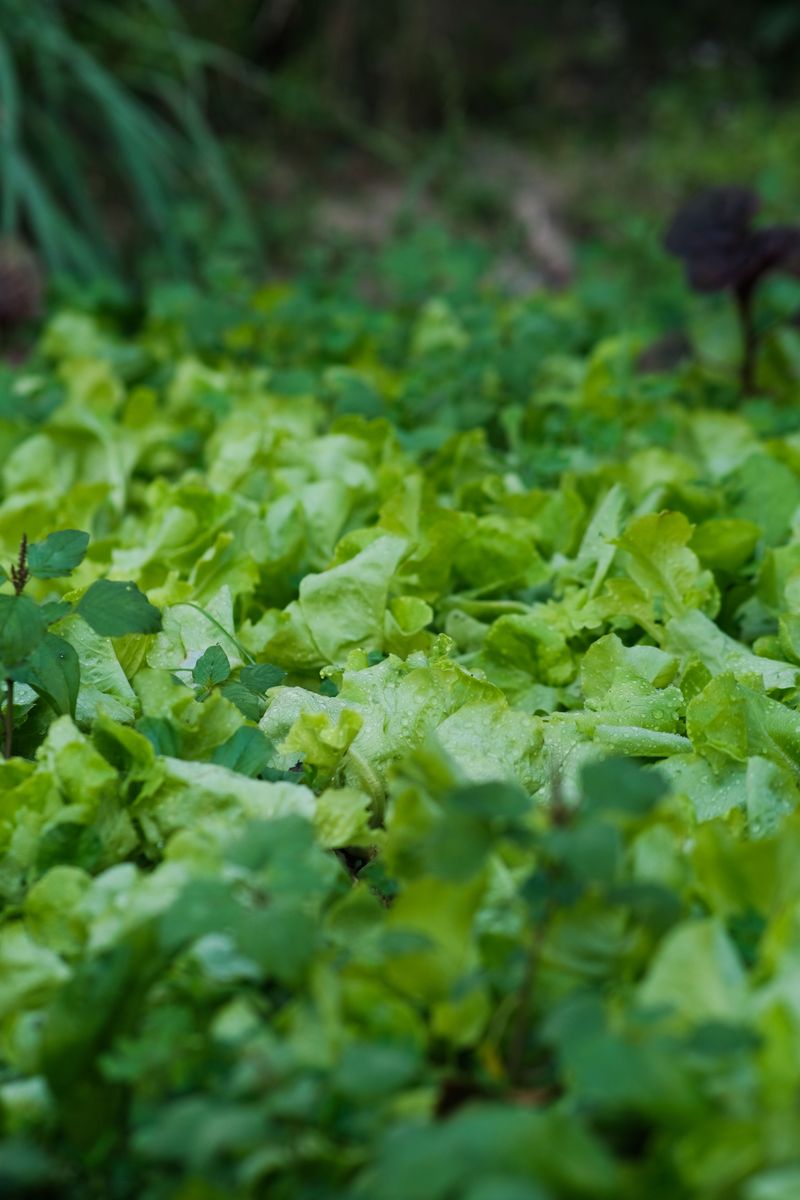
Lettuce and leafy greens are the most underrated crops a Tennessee raised bed gardener can plant. The timing works perfectly with the state’s seasonal rhythm, fitting neatly into both spring and fall windows.
A raised bed gives leafy greens a significant advantage over in-ground planting in Tennessee. The well-draining soil mix warms quickly in early spring, letting you get seeds in the ground weeks before the last frost date.
Spinach, arugula, kale, butterhead lettuce, and Swiss chard all thrive during the shoulder seasons. These crops are ready to harvest in as little as 30 to 45 days from seed, making them one of the fastest returns in the garden.
Leafy greens handle light frost surprisingly well, extending your harvest window on both ends of the season. A simple row cover on cold nights can push your spring and fall harvests several weeks longer than an unprotected planting.
During the hottest stretch of Tennessee summer, leafy greens can be tucked underneath taller crops to take advantage of partial shade. This strategy can extend your raised bed’s productive season significantly.
The raised bed environment also helps with slugs and soil-borne pests. These pests have a harder time reaching crops elevated above ground level, reducing pressure without any extra intervention on your part.
For Tennessee gardeners who want fast harvests and consistent production across multiple seasons, leafy greens belong in every raised bed. Few crops deliver that kind of reliable return with so little effort required.
8. Bush Beans
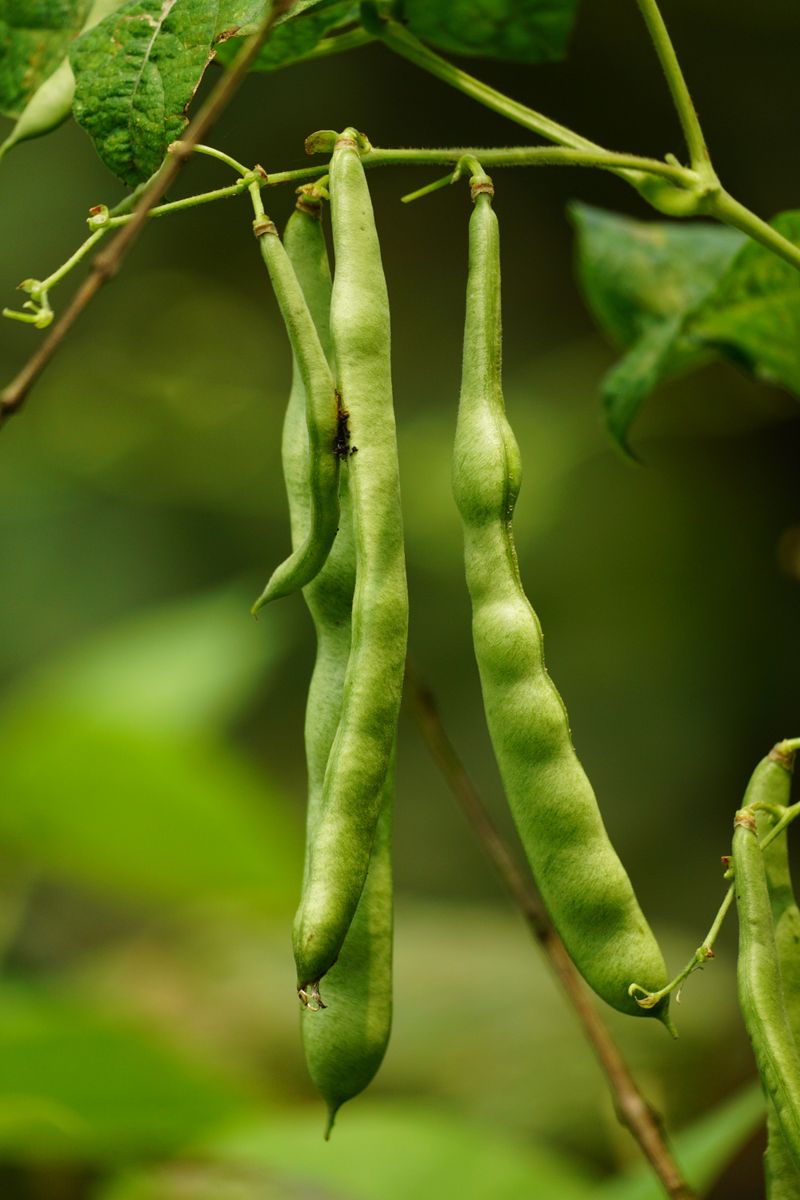
Bush beans are one of the most rewarding crops a Tennessee raised bed gardener can grow. They are compact, fast-producing, and perfectly sized for a raised bed without ever threatening to outgrow their space.
Unlike pole beans, bush beans need no extra support structure to perform well. They grow upright and self-contained, reaching only 18 to 24 inches tall and staying neatly within their designated space.
Tennessee’s warm summers accelerate bush bean development significantly. Most varieties go from seed to harvest in just 50 to 60 days, making them one of the fastest productive crops in the state.
That quick turnaround opens up a valuable opportunity for succession planting. Sowing every two to three weeks from late spring through midsummer keeps a continuous harvest going all season long.
Varieties like Provider and Contender are particularly well suited to Tennessee conditions. Both handle heat and humidity well and resist the common bean diseases that humid Southern summers tend to encourage.
Bush beans also actively improve your raised bed soil rather than depleting it. As legumes, they fix nitrogen directly into the soil, leaving the bed in better condition for whatever crop follows in your rotation.
Bush beans are a strong choice for Tennessee raised bed gardeners. They deliver a generous harvest, and ask very little in return.