7 Fruit Trees Every Tennessee Gardener Should Grow Instead Of Apples
Peaches hog the spotlight in Southern orchards. But Tennessee’s rolling hills and humid summers have room for so much more.
Between the Cumberland Plateau and the Mississippi lowlands, the climate shifts just enough. It favors a whole cast of trees that most gardeners overlook.
Some shrug off drought without complaint. Others thrive in shade where nothing else dares fruit. A few barely notice a hard frost. They keep producing anyway.
Meanwhile, backyard peach growers face constant upkeep. Borers, brown rot, and a spray calendar that never seems to end.
Skip the stress.Tennessee’s mix of clay soil, muggy air, and mild winters hands these trees everything they need. They flourish without constant hand-holding.
Plant the right ones and you’ll spend less time treating disease. You’ll spend more time picking baskets of fruit.
Your neighbors will start asking about them. Some of these trees are so forgiving. You’ll wonder why anyone bothers fighting apple scab at all.
1. Fig
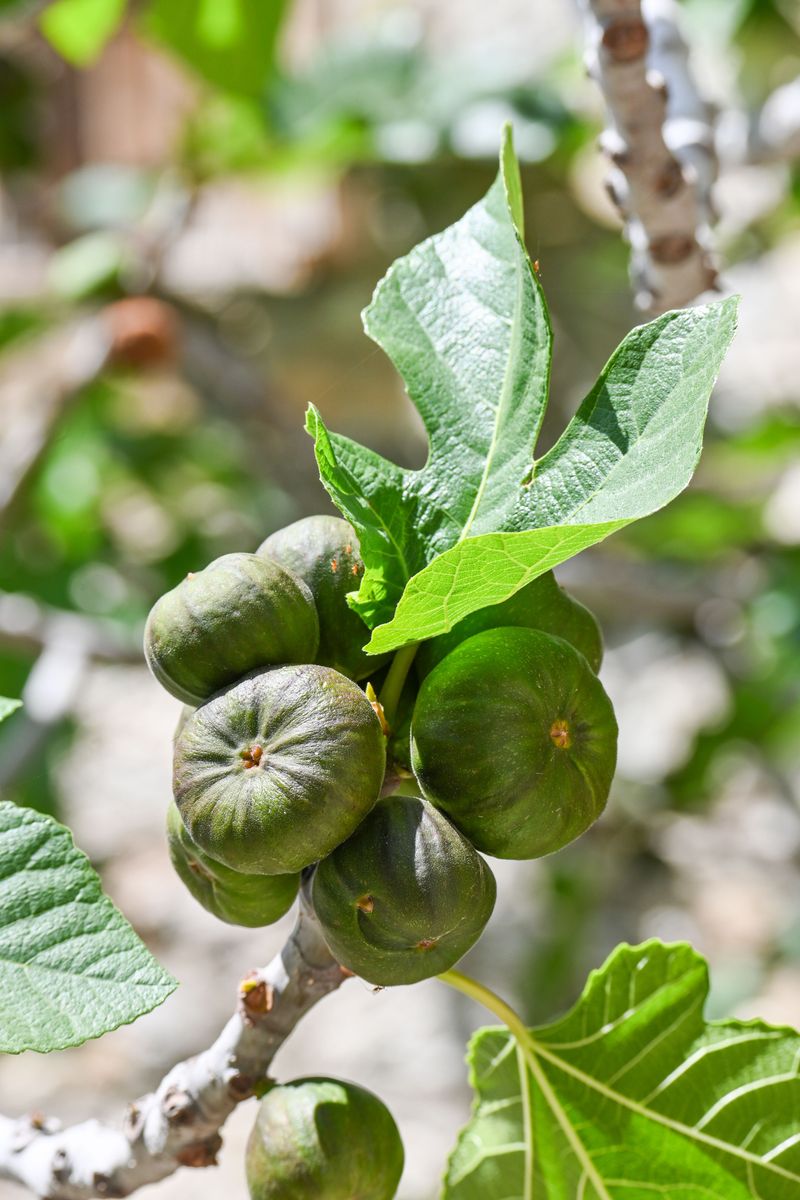
Nobody talks about figs at the garden center, but they absolutely should. A mature fig tree can produce a large harvest of sweet, jammy fruits each season with relatively little maintenance.
Figs thrive in the heat and humidity that apple trees often struggle with. They love long, hot summers, and Tennessee delivers those in spades every single year.
Brown Turkey and Celeste are the two varieties most Tennessee growers swear by. Brown Turkey produces large, copper-skinned figs with rich, honey-sweet flesh that tastes incredible straight off the branch.
Celeste is smaller but arguably sweeter, with a tight eye that keeps insects and spoilage away naturally. Growers often call it the Sugar Fig because the flavor is just that intense and concentrated.
Figs ask for very little in return for all that fruit. Plant them in full sun, water during dry spells, and mulch the roots before winter arrives.
Most fig trees in Middle and West Tennessee make it through winters without protection. East Tennessee gardeners may want to wrap younger trees or plant near a south-facing wall for extra warmth.
Fresh figs do not ship well, which means homegrown fruit tends to taste noticeably better than anything sold commercially.
Preserve them as jam, dry them for snacking, or eat them warm from the tree with a smear of goat cheese. Once you grow figs, skipping apples feels like the easiest decision you have ever made.
2. Pear (Asian Pear Varieties)
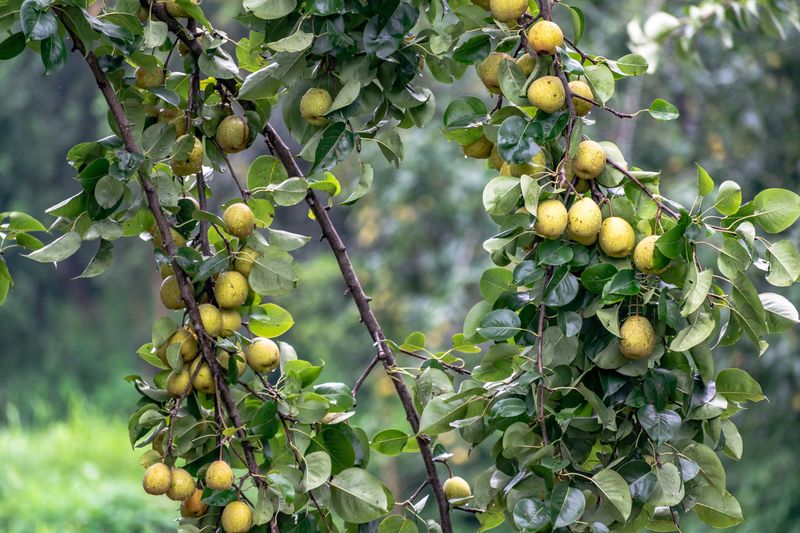
Asian pears look like apples but taste like something from a completely different universe. They are crisp, juicy, and sweet all at once, with a texture that holds up even days after picking.
Unlike European pears, Asian varieties do not need to ripen off the tree. You pick them when they are ready, bite right in, and get that satisfying crunch immediately without any waiting game.
Hosui and Shinseiki are two top performers for Tennessee gardens. Hosui produces large, russet-gold fruit with a rich, almost caramel sweetness that stops people mid-bite with surprise.
Your Tennessee Garden Changes Every Week. Your Plan Should Too.
Gardening in Tennessee changes quickly throughout the season. Every Friday you’ll receive a simple weekly plan showing exactly what to plant, prune, fertilize, harvest, and protect so you never miss the right timing.
Shinseiki stays bright yellow and delivers a cleaner, lighter flavor profile. Both varieties handle Tennessee summers well and do not demand the intensive spray schedules that apples require every season.
Asian pears do need a pollination partner, so plan to plant at least two trees near each other. Most nurseries sell compatible pairs, making the planning process much simpler than it sounds.
These trees are also surprisingly disease-resistant compared to their European cousins. Fire blight can still be an issue, but selecting resistant varieties and pruning for good airflow keeps problems manageable.
Harvest usually arrives in late summer, which fills a gap when other fruits are winding down. That timing alone makes Asian pears worth every inch of garden space they occupy.
Slice them into salads, pair them with sharp cheese, or just eat them cold from the fridge. Every Tennessee gardener growing fruit trees should have at least one Asian pear in the lineup.
3. American Persimmon
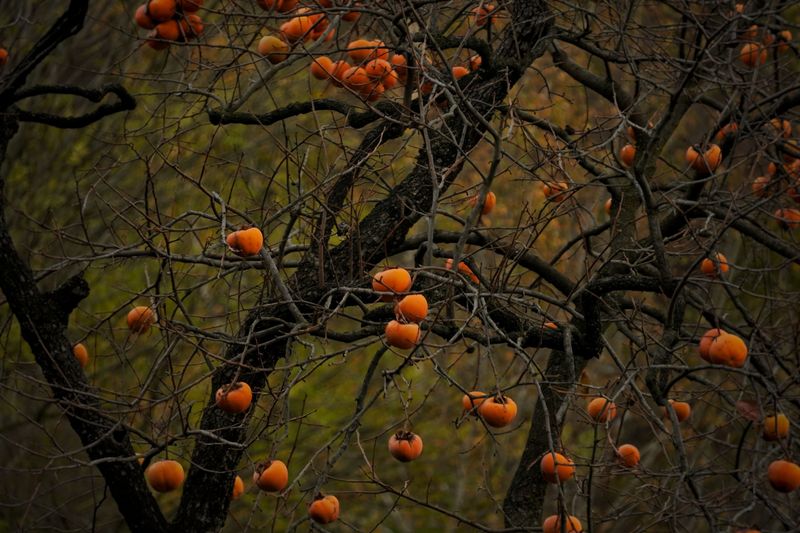
Forget everything you think you know about astringent, mouth-puckering persimmons. American persimmons, fully ripened after the first frost, taste like spiced pudding wrapped in edible skin.
Diospyros virginiana is native to the entire Eastern United States, which means it is basically built for Tennessee soil and weather. This tree did not need to adapt because it already belongs here.
Wild persimmons have fed people across this region for centuries. Indigenous communities, early settlers, and wildlife all relied on this underappreciated tree long before grocery stores existed anywhere nearby.
Meader and Yates are two named varieties that produce larger fruit than wild seedlings. Larger fruit means more flesh per bite and easier harvesting without spending hours on your hands and knees.
These trees are drought-tolerant once established, which is a massive bonus during Tennessee’s unpredictable dry stretches. They also shrug off most pests and diseases that send apple growers scrambling for spray bottles.
You do need both a male and female tree for fruit production unless you choose a self-fertile variety like Meader. Check the label carefully before purchasing to avoid a fruitless disappointment years later.
Harvest timing is critical with American persimmons. Wait until fruits are soft and slightly wrinkled, and ideally pick them after a frost has done its natural sweetening work on the sugars.
Use them in breads, puddings, smoothies, or eat them fresh by the handful. Growing your own fruit trees in Tennessee does not get more rewarding than this native gem producing year after year.
4. Pawpaw
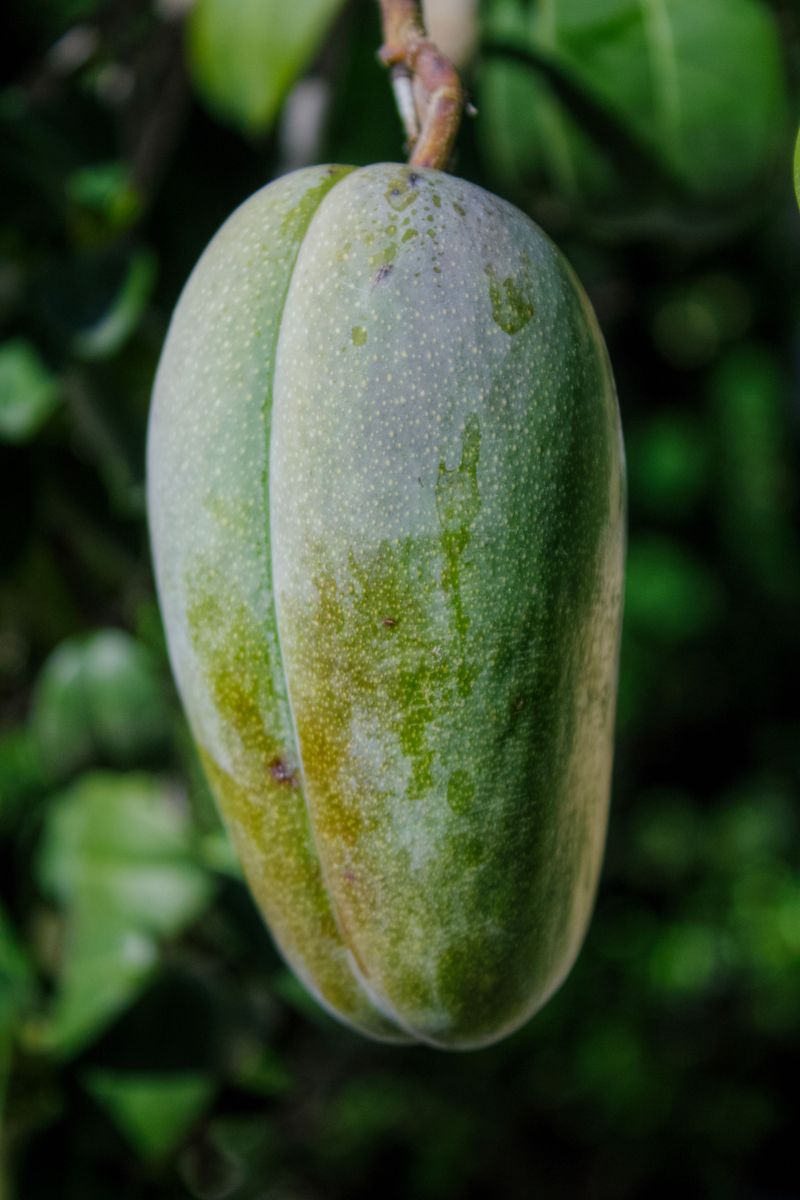
Pawpaws are North America’s largest native fruit, and almost nobody outside the South knows they exist. That anonymity is exactly what makes growing them feel like discovering a secret the rest of the country missed.
The flavor is wild and unforgettable: creamy like a banana, tropical like mango, with hints of vanilla custard that make first-timers do a double take. You cannot buy pawpaws at most stores because they bruise and spoil too fast for commercial shipping.
Tennessee sits right in the heart of pawpaw country. Wild pawpaw patches grow in creek bottoms and shaded hollows across the state, proving these trees genuinely belong in local soil.
Shenandoah and Susquehanna are two named varieties worth seeking out at specialty nurseries. Both produce larger, more consistently sweet fruit than wild seedlings typically offer in a backyard setting.
Pawpaws prefer partial shade when young but can handle full sun once established and mature. They also like moist, well-drained soil, so planting near a low spot in your yard works well.
You need at least two genetically different trees for cross-pollination to occur. Pawpaws rely on flies and beetles for pollination, so planting multiple trees close together dramatically improves your fruit set.
Patience is required because pawpaws take several years to bear fruit. But once they start producing, a single mature tree can drop dozens of pounds of fruit in one season.
Blend the pulp into ice cream, bake it into bread, or eat it chilled with a spoon. Once pawpaws start fruiting, your neighbors will be knocking on your door every single August.
5. Mulberry
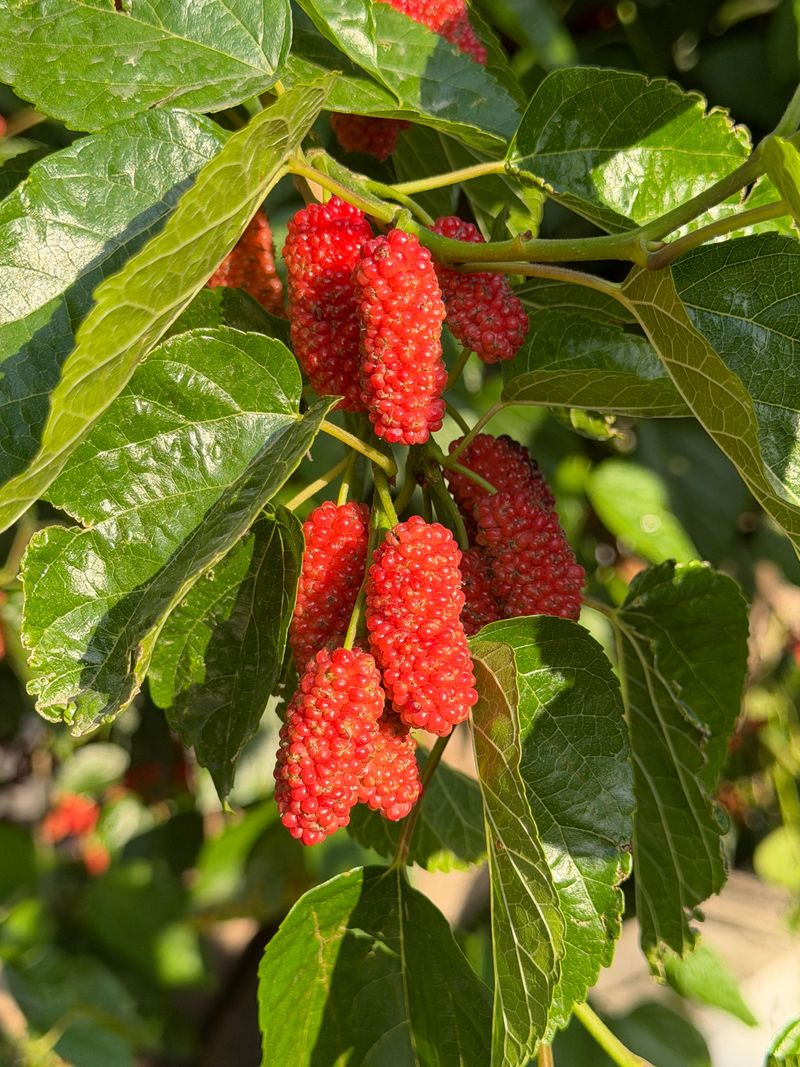
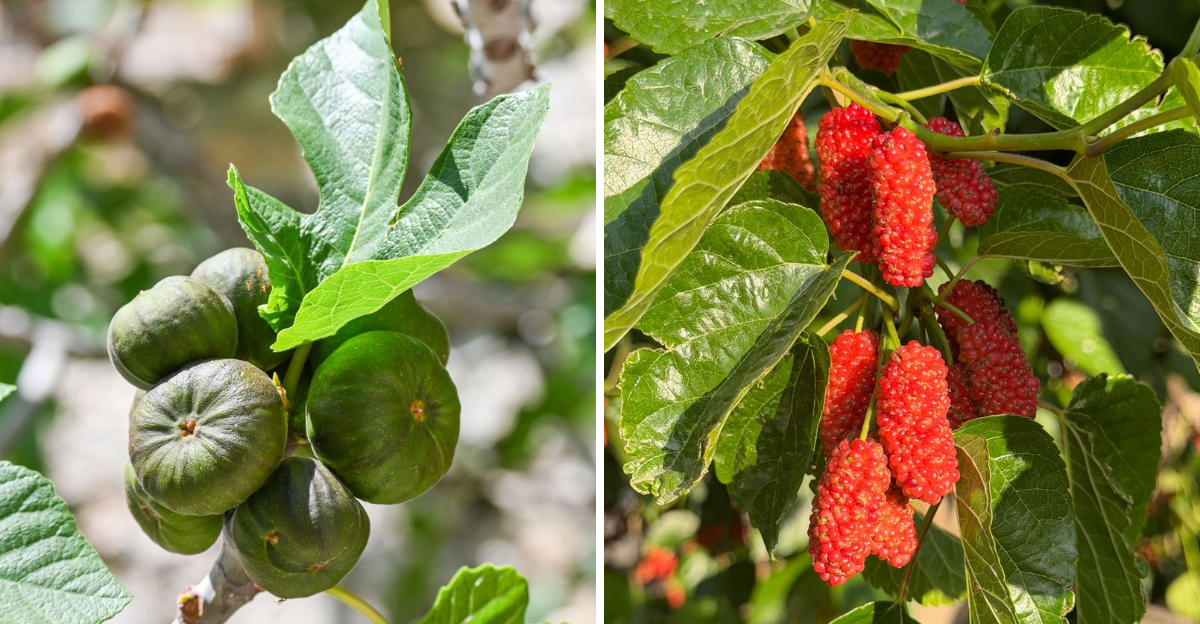
Mulberries are the overachievers of the fruit tree world, producing massive quantities of fruit with almost no help from the gardener. One mature tree can drop so many berries that you will be making jam, wine, and cobblers all at the same time.
Illinois Everbearing is a top variety for Tennessee because it produces fruit over a long window instead of dropping everything at once. That extended harvest season gives you weeks of fresh picking rather than one frantic weekend scramble.
Mulberries taste like a cross between blackberries and raspberries, with a mild sweetness that kids and adults both enjoy instantly. The fruit stains fingers and sidewalks a deep purple, which is one common drawback.
These trees grow fast, sometimes adding several feet of height in a single season. That rapid growth means you get to shade, fruit, and wildlife habitat much sooner than slower-growing alternatives provide.
Birds absolutely love mulberries, which creates a bonus: while they feast on the mulberry tree, they tend to leave your other garden crops alone. Clever gardeners plant mulberries as a sacrifice tree to protect strawberries and blueberries nearby.
Mulberries are extremely adaptable to different soil types and moisture levels. They handle both dry spells and occasional wet feet better than most fruit trees you will ever encounter in a catalog.
Pruning keeps them manageable and encourages better fruit production each year. Skip the pruning and you get a gorgeous shade tree that also happens to feed every bird in a half-mile radius.
Freeze extra berries flat on a tray, then bag them for winter smoothies and baking projects. Choosing mulberry over apple is one of the smartest moves any Tennessee fruit gardener can make.
6. Plum
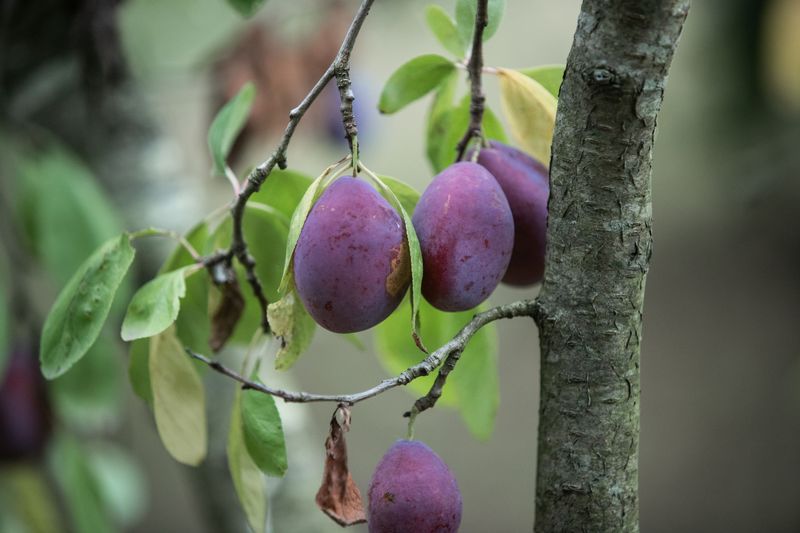
Plums are the unsung heroes of the Southern fruit garden, producing reliable crops even in years when other stone fruits struggle. They bloom early, fruit fast, and ask for far less maintenance than apples demand each season.
Japanese plum varieties like Methley and Bruce perform exceptionally well across Tennessee. Methley is self-fertile, which means you only need one tree to get a full harvest without searching for a compatible pollinator.
Bruce produces large, amber-red fruit with a sweet-tart flavor that works brilliantly for both fresh eating and preserving. Pair it with Methley and both trees produce even more abundantly thanks to cross-pollination between them.
Plum trees typically start bearing fruit within two to three years of planting, which feels almost immediate compared to longer-waiting fruit trees. That quick turnaround keeps new gardeners motivated and engaged through the learning curve.
Heat and humidity that trouble other stone fruits rarely slow plums down. They have a lower chill-hour requirement than peaches, making them even more dependable during the warmer winters that Tennessee increasingly sees.
Plum curculio is the main pest to watch for, causing small crescent-shaped scars on developing fruit. Monitoring trees weekly during bloom and using kaolin clay spray keeps damage at a manageable level without heavy chemicals.
A single productive plum tree can yield a generous harvest of fruit in a good season. That kind of output from one small tree makes every square foot of garden space feel completely justified.
Roast plums with honey for a simple dessert, or cook them down into a tangy sauce for grilled pork. Growing fruit trees in Tennessee means plums belong at the top of every planning list.
7. Peach
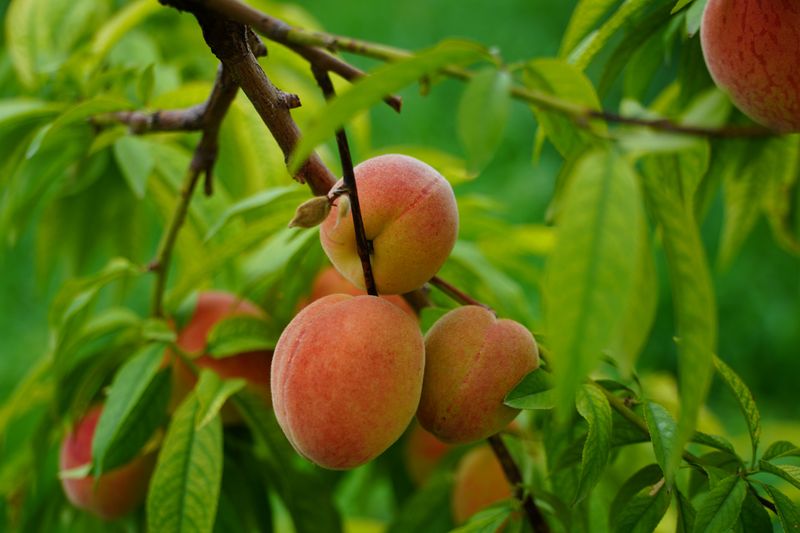
Nothing says Southern summer like biting into a warm, dripping peach picked straight from your own backyard. Homegrown peaches often taste noticeably richer and sweeter than store-bought ones.
Tennessee sits in one of the best peach-growing zones in the entire country. The combination of warm summers, adequate chill hours in winter, and well-drained soils creates conditions peach trees genuinely love.
Contender and Reliance are two cold-hardy varieties that handle late spring freezes better than most other peach selections available at nurseries. That frost resilience is critical because Tennessee springs can surprise even experienced gardeners with a late cold snap.
Peaches need between 800 and 1,000 chill hours annually, which most parts of the state easily accumulate during a normal winter season.
West Tennessee growers may want to choose moderately lower-chill varieties suited to the region, since West Tennessee still accumulates significant chill hours each winter.
Thinning fruit in early summer is one of the most important steps new peach growers skip. Removing excess fruitlets when they are marble-sized forces the tree to put all its energy into fewer, much larger peaches.
Brown rot is the most common disease challenge for peach growers in humid Southern conditions. Removing mummified fruit, pruning for airflow, and applying copper fungicide at bloom dramatically reduces losses each season.
Most peach trees begin producing meaningful harvests by their third year in the ground. After that, a healthy tree can supply your kitchen with fresh fruit for many productive seasons ahead.
Make peach preserves, freeze slices for winter cobblers, or just eat them over the sink letting juice run down your chin. Planting peaches puts the best of Tennessee fruit trees right outside your back door.