Simple Indiana Yard Changes That Keep Lightning Bugs Coming Back
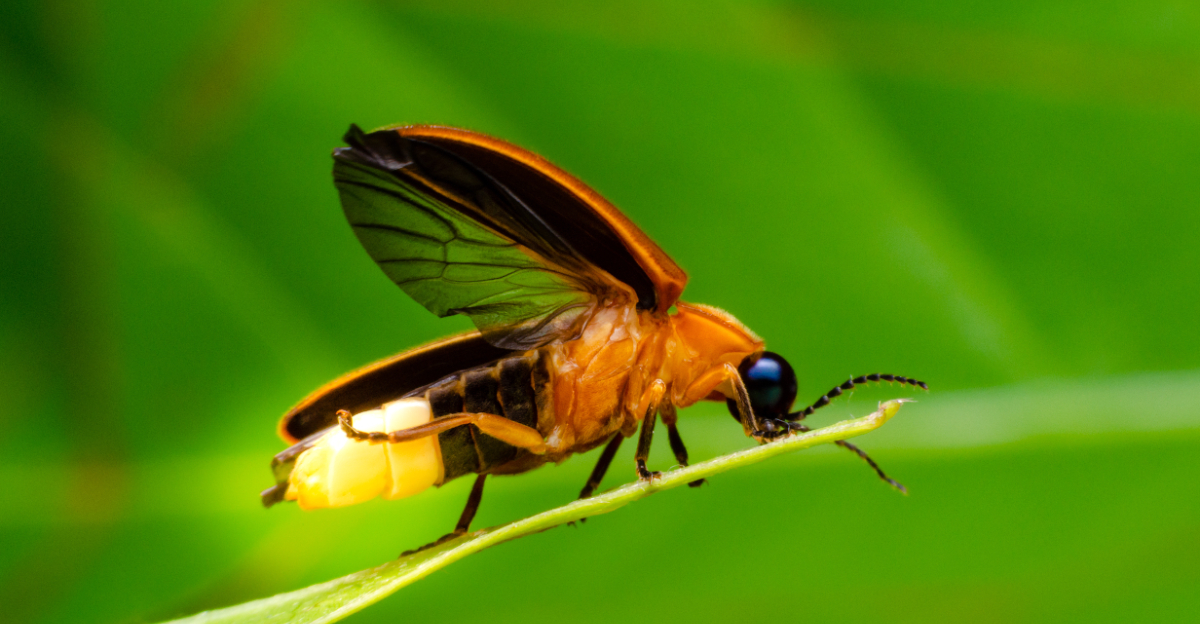
If you grew up in Indiana, you probably remember nights when the backyard looked like it was full of tiny falling stars. Lately, those nights have gotten quieter. Lightning bugs are still out there, but fewer yards are giving them a reason to stay.
The shift happened gradually, and most homeowners never noticed they were the ones making it happen. A too-tidy lawn, a porch light left on all night, a bag of pesticide applied at the wrong time of year.
These are not dramatic mistakes. They are just habits, and habits can change. The yards that consistently draw fireflies back every summer are not the most manicured ones on the block.
A few small adjustments to your routine could be all it takes to bring those lights back this season.
1. Let Your Lawn Grow A Little Longer
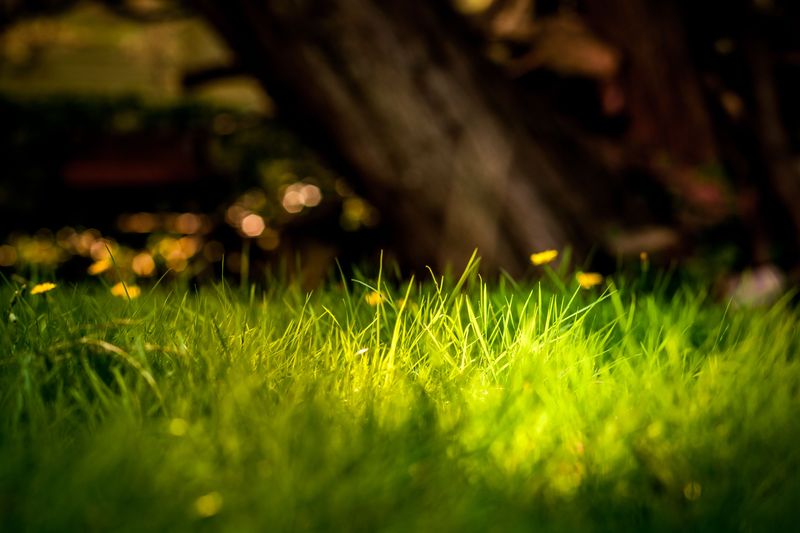
Fireflies love hiding in tall grass. A closely cropped lawn gives them nowhere to rest, mate, or lay eggs during the summer months.
Most lightning bugs spend their days clinging to grass blades and low vegetation. When you mow everything down short, you remove the shelter they depend on to survive.
Try raising your mower deck just one or two notches higher than usual. That small shift can make a big difference for firefly populations in your neighborhood.
Longer grass also holds more moisture near the soil surface. Firefly larvae live underground and need damp conditions to hunt the small worms and slugs they feed on.
You do not need to let your yard go wild or look neglected. A tidy lawn that sits at four inches tall is both attractive and firefly-friendly at the same time.
Some homeowners create a dedicated relaxed zone along a fence line or garden edge. That low-effort strip of slightly longer grass becomes a reliable firefly corridor each summer night.
Neighbors may start commenting on your yard before you fully register the change. Fireflies that find a reliable patch of habitat tend to come back to the same area in following seasons.
Keeping grass a little longer costs nothing extra and does not require new equipment. Small tweaks to your regular mowing routine can quietly transform your yard into a glowing summer hotspot.
2. Add A Water Feature, Even A Small One
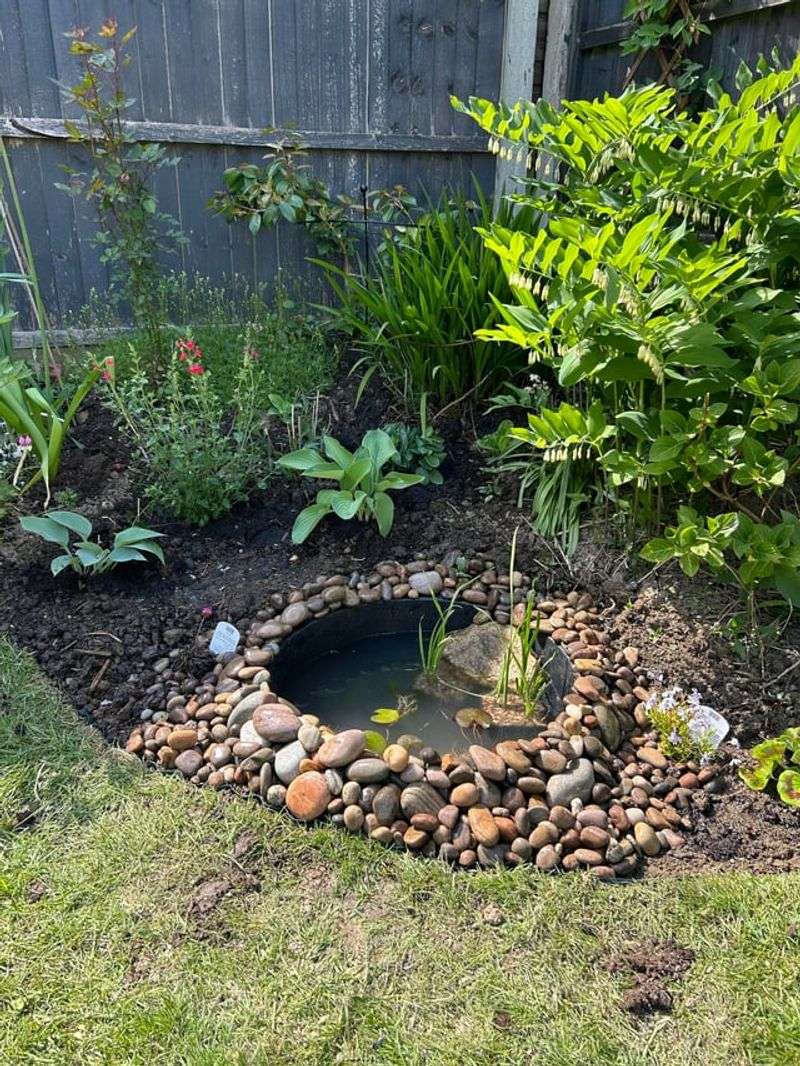
Still water does more for fireflies than most people expect. Even a shallow container filled with rainwater can attract these glowing beetles to your yard surprisingly fast.
Firefly larvae thrive in moist soil near ponds, streams, and low-lying wet areas. Adding any small water source mimics the natural habitat where fireflies evolved over thousands of years.
A simple birdbath placed near garden beds works well as a starter option. Keep the water fresh and clean so it stays inviting without becoming a mosquito breeding ground in your yard.
Backyard ponds do not need to be large or expensive to be effective. A preformed pond liner from a garden center, filled and planted with aquatic plants, creates excellent firefly habitat quickly.
Your Indiana Garden Changes Every Week. Your Plan Should Too.
Gardening in Indiana changes quickly throughout the season. Every Friday you’ll receive a simple weekly plan showing exactly what to plant, prune, fertilize, harvest, and protect so you never miss the right timing.
Water features also attract the prey that firefly larvae hunt underground. More snails, worms, and soft-bodied insects near moist soil means more food for the next generation of fireflies.
Place your water feature in a shaded or semi-shaded spot for the best results. Direct afternoon sun causes water to evaporate quickly and can make the area less hospitable for moisture-loving insects.
Adding a few flat stones around the water’s edge gives adult fireflies a place to perch. Perching spots matter more than most people realize when fireflies are searching for mates on warm nights.
One small water feature can quietly shift the entire mood of your backyard after dark. Watch the first warm night of June and see what shows up near the water.
3. Switch Off Outdoor Lights Earlier
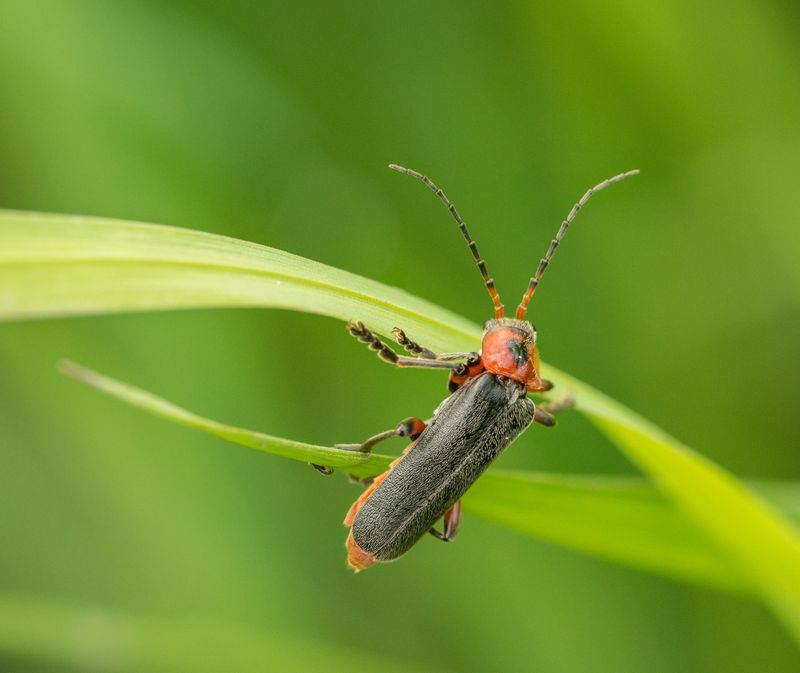
Bright outdoor lights confuse fireflies in a serious way. Their entire communication system depends on darkness, and artificial light drowns out the flashing signals they use to find mates.
Male fireflies flash specific patterns while flying low over your lawn. Females waiting in the grass respond with their own flashes, and that back-and-forth is how they locate each other each night.
Flood lights, porch lights, and string lights all interfere with this process. Even low-level ambient light from a neighbor’s yard can reduce firefly activity noticeably over a single season.
Switching off exterior lights by nine or ten at night gives fireflies a fighting chance. The peak activity window for most species falls between dusk and around ten-thirty on warm humid evenings.
Motion-sensor lights are a smarter alternative to lights that stay on all night. They only activate when needed, which means long stretches of natural darkness remain available for firefly courtship rituals.
Warm-toned bulbs with a lower color temperature are less disruptive than bright white LED fixtures. If you need some outdoor lighting, switching bulb types reduces the impact on nighttime insect activity significantly.
Encourage your neighbors to dim or turn off lights facing your yard when possible. A block-wide effort to reduce light pollution creates a much larger dark corridor that fireflies can actually use.
Darkness is free, effortless, and one of the most powerful gifts you can offer lightning bugs. Flip the switch earlier tonight and watch what flickers back to life in your yard.
4. Leave Some Leaf Litter On The Ground
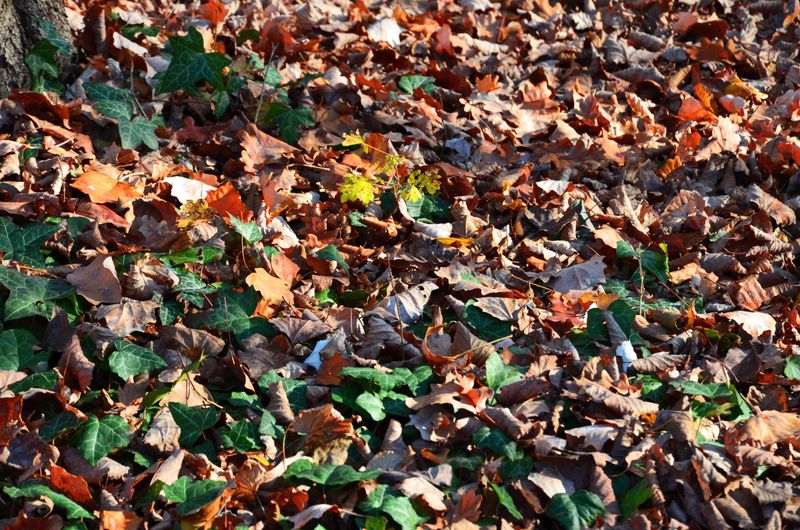
Fallen leaves are not yard waste. They are a hidden ecosystem that supports firefly larvae, beetles, and dozens of other beneficial insects through the cold winter months.
Firefly larvae overwinter in the soil beneath leaf litter, staying insulated and protected until spring warmth signals the start of a new season. Removing every leaf in autumn clears away the shelter they depend on.
A thick raked pile dumped at the curb each fall does more damage than most homeowners realize. That pile may have contained firefly larvae that would have emerged as glowing adults the following June.
Leaving a natural layer of leaves under trees and shrubs costs nothing and takes no effort. You simply stop raking in certain areas, and nature handles the rest on its own schedule.
Leaf litter also retains soil moisture and feeds earthworms, which firefly larvae actively hunt underground. A leaf-covered garden bed essentially sets the table for the next generation of fireflies each spring.
If a completely natural look feels too messy for your style, try a compromise approach. Rake leaves away from the lawn but let them stay beneath garden beds, hedges, and shaded tree canopies.
Shredded leaves break down faster and still provide excellent insulation for overwintering larvae. Run the mower over a leaf pile once and spread the shredded material back under your shrubs before winter arrives.
Every layer of leaves you leave behind is a small act of firefly conservation. Your future summer nights will be noticeably brighter because of it.
5. Skip The Pesticides In Late Spring
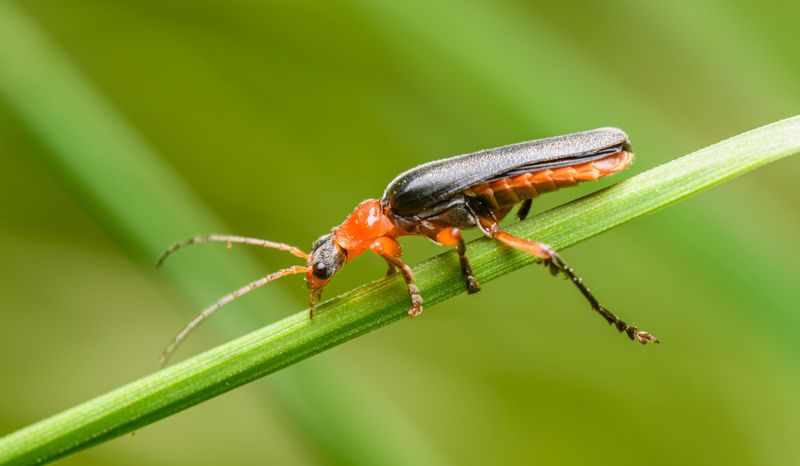
Pesticides do not discriminate between pests and fireflies. Broad-spectrum insecticides applied in late spring hit firefly larvae right when they are most active near the soil surface.
Late spring is a critical window when many firefly larvae are active near the soil surface. They are feeding aggressively before pupating, and chemical exposure during this stage can wipe out an entire local population.
Grub control products are especially risky for firefly populations. Many of the soft-bodied soil insects that these products target overlap directly with the prey that firefly larvae hunt to survive.
Skipping pesticide applications from mid-April through June gives larvae the best chance of completing their development. That two-month pause can have a surprisingly large positive impact on your summer firefly display.
Spot-treating specific problem areas is a smarter strategy than blanket spraying the whole lawn. You protect the zones where fireflies are active while still managing genuine pest issues in other parts of the yard.
Organic alternatives like neem oil or insecticidal soap break down faster and cause less collateral damage to soil insects. They are worth exploring if you need to address a specific plant pest during spring months.
Firefly populations build slowly over several seasons, so protecting them during the larval stage matters most. One pesticide-free spring can set the stage for noticeably more fireflies appearing by midsummer.
Choosing to hold off on chemicals is one of the easiest wins on this entire list. Your yard will reward that patience with a light show you will not forget.
6. Plant Native Grasses Along Your Yard’s Edge
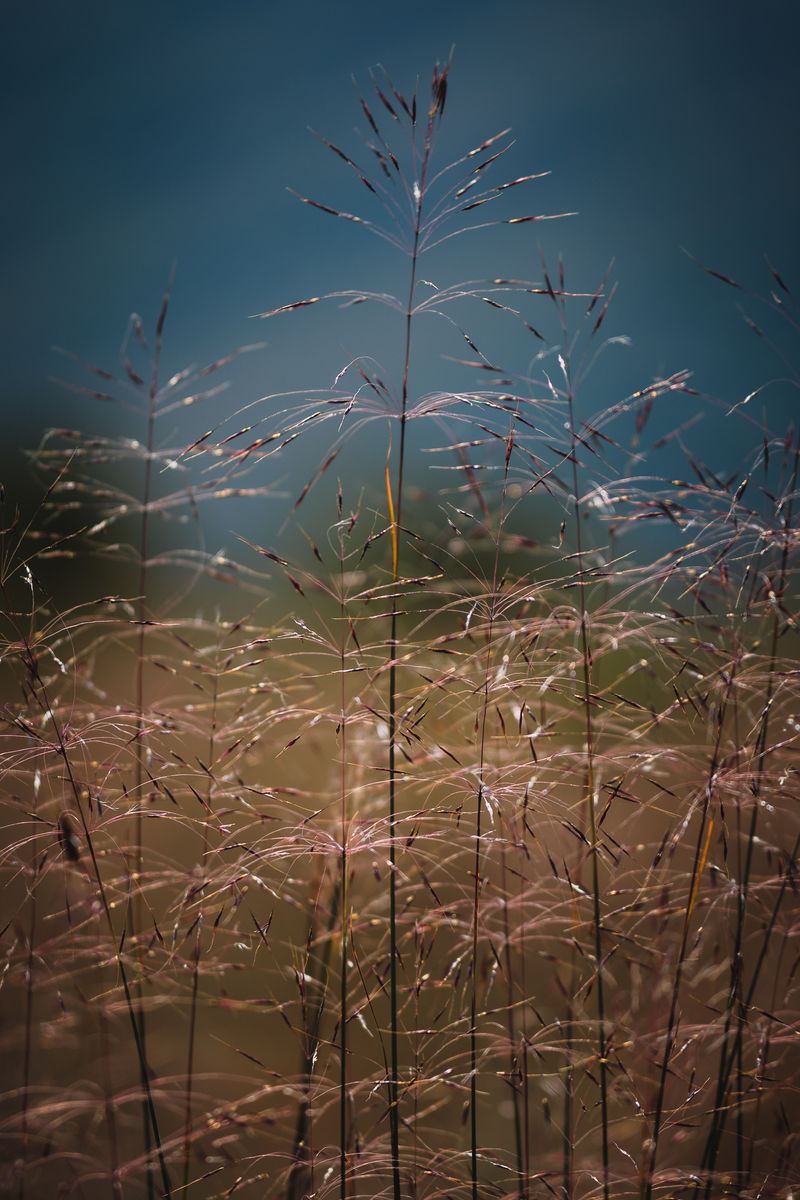
Native grasses create the kind of edge habitat where fireflies genuinely thrive. Big bluestem, little bluestem, and prairie dropseed are all excellent choices for Midwestern yards with limited space.
The transition zone between a mowed lawn and taller vegetation is called an ecotone. Fireflies are drawn to these edges because they offer both open flight space and dense shelter within a short distance.
Planting a strip of native grasses along a fence, driveway, or property edge creates that ideal transition zone. Even a three-foot-wide border makes a measurable difference in firefly activity by midsummer.
Native grasses also provide structure that fireflies use during daylight hours. Adults rest low on stems and blades, staying hidden and cool until evening temperatures drop and it is time to flash.
These plants are low maintenance once established in the right soil conditions. They handle drought, clay soil, and neglect far better than most ornamental grasses sold at big-box garden centers.
Mixing native wildflowers into the grass border adds another layer of habitat value. Plants like black-eyed Susan and wild bergamot attract the nectar sources that support adult fireflies during their short above-ground lives.
A native grass border also softens the look of a hard lawn edge in a visually appealing way. Neighbors often ask what you planted before they ever notice the fireflies gathering there each evening.
Simple Indiana yard changes like this one connect your outdoor space to the broader local ecosystem. That connection shows up every summer night in the most beautiful way imaginable.
7. Stop Mowing The Same Day Every Week
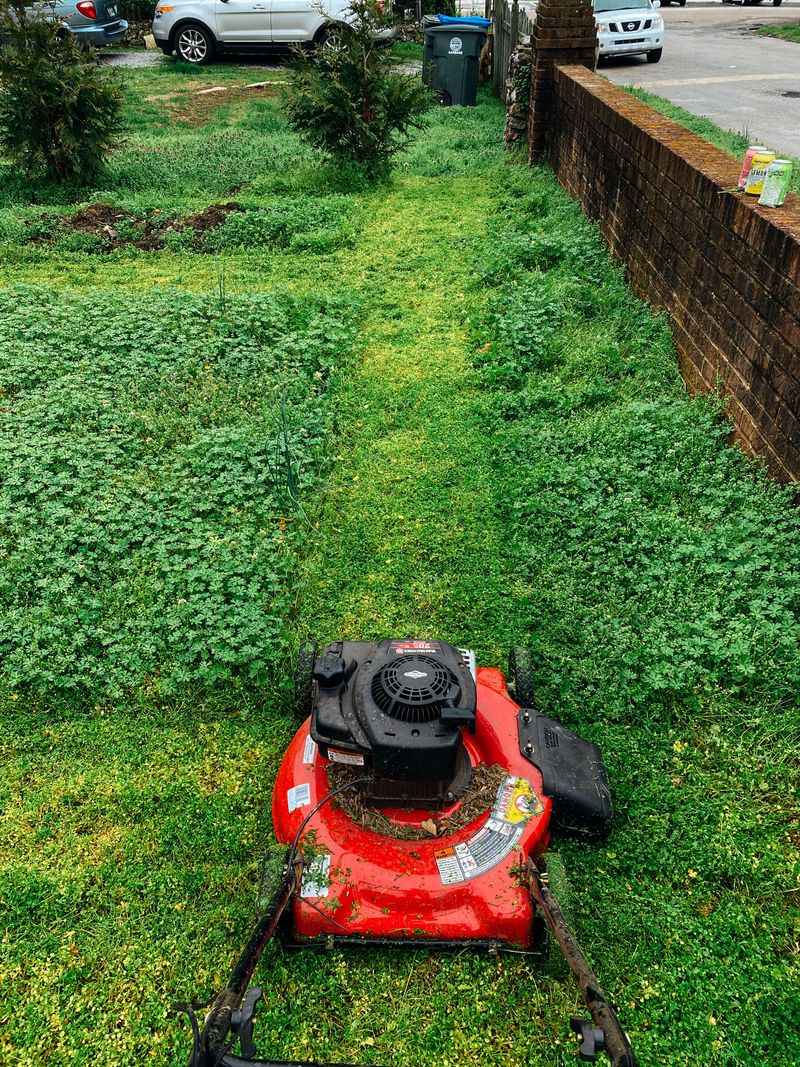
Strict weekly mowing schedules seem harmless, but they may work against firefly activity in ways that are easy to overlook. Rotating your mowing days gives insects time to adjust and recover between cuts.
Fireflies complete specific stages of their above-ground life cycle within short windows. Mowing on a rigid schedule can repeatedly hit those windows at the worst possible time each season.
Skipping a week here and there lets certain sections of your lawn grow slightly taller. That variation in grass height creates a patchwork of micro-habitats that different firefly species prefer for resting and mating.
Try mowing different sections of your yard on alternating weeks instead of cutting everything at once. A checkerboard approach preserves some taller zones while keeping other areas neat and manageable for foot traffic.
Firefly eggs and young larvae live just below the soil surface in late spring and early summer. Mowing less frequently during May and June reduces soil compaction and mechanical disturbance in those critical top layers.
Giving your mower a rest also benefits pollinators, ground-nesting bees, and other insects that share the same lawn habitat. A less predictable mowing schedule creates a more dynamic and biologically rich outdoor space overall.
You might find that mowing every ten days instead of every seven actually looks fine to most observers. Grass does not read the calendar, and neither do the fireflies waiting to emerge from your soil.
Breaking the weekly habit is one of the simplest tweaks on this list. It costs nothing, saves time, and quietly makes your yard a better place for lightning bugs to live.
8. Add A Log Pile To A Shady Corner
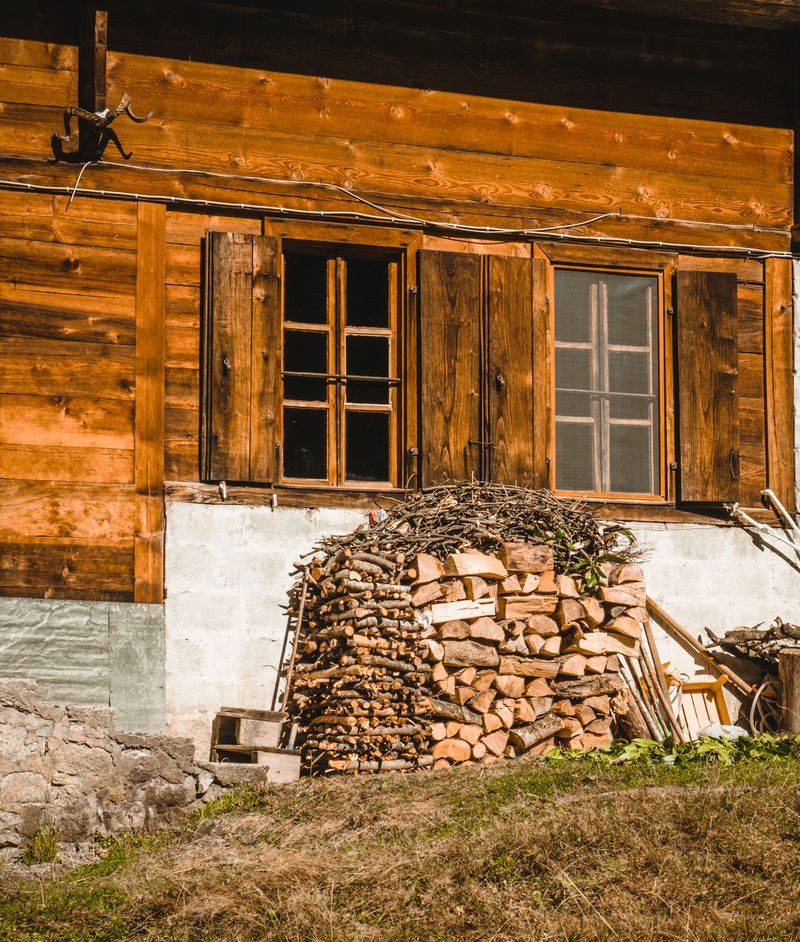
Rotting wood is one of the most underrated features you can add to a firefly-friendly yard. A simple stack of old logs tucked into a shady corner creates shelter, moisture, and food all in one spot.
Firefly larvae hunt soft-bodied prey like snails, slugs, and worms that gather beneath and around decaying wood. A log pile essentially sets up a permanent buffet for the next generation of fireflies.
You do not need a fancy setup or special materials to make this work. Gather fallen branches from your own yard or ask a neighbor if they have trimmed limbs you could use for the pile.
Place the logs directly on bare soil rather than on concrete or pavers. Soil contact allows moisture to wick upward into the wood, accelerating the decay that makes the logs most useful to insects and larvae.
Shade is important for keeping the pile moist through hot summer months. A spot under a large tree or along the north side of a fence or shed works perfectly for this kind of feature.
Native ferns, wild ginger, or other shade-loving ground covers planted around the base add extra habitat value. These plants hold moisture and create the kind of dense, layered environment that fireflies are naturally drawn toward.
A log pile also attracts salamanders, toads, and other predator-free insect hunters that contribute to a healthy yard ecosystem. Everything in that shady corner works together in ways that ripple across your whole outdoor space.
Simple Indiana yard changes rarely get more satisfying than this one. Stack a few logs this weekend and give lightning bugs a reason to stay.