The Most Underrated North Carolina Native That Fills Dry Slopes Better Than Anything You Can Buy
Dry slopes are basically the most stubborn problem in a North Carolina yard.
Rain runs downhill and takes your mulch with it, bare soil bakes under the summer sun like it has a personal vendetta, and weeds show up to claim every exposed patch before you even notice.
Most plants that look promising at the nursery quietly give up on a hot, well-drained bank after one brutal summer. Sound familiar?
Here is the thing: Trailing Phlox is a low-growing North Carolina native that most gardeners walk right past without a second glance, and that is a genuinely missed opportunity.
On sunny slopes with sharp drainage, this tough little plant forms a tight, weed-suppressing mat that most store-bought ground covers cannot come close to matching.
Your problem slope may have finally met its match.
1. Trailing Phlox Loves Hot Dry Banks
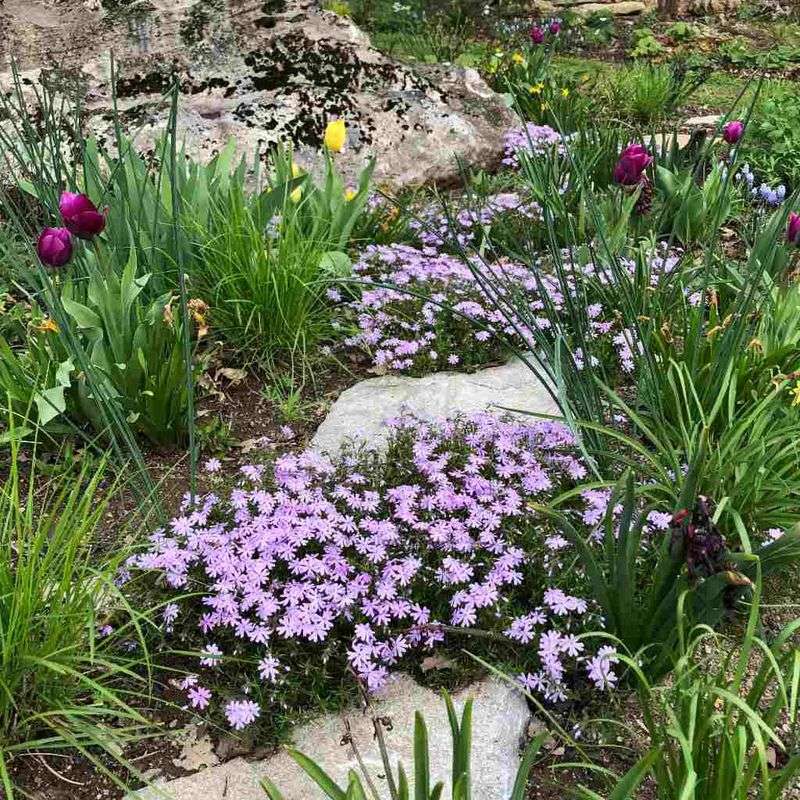
Hot, exposed banks are some of the toughest spots in a North Carolina yard. The soil drains fast, the sun beats down all afternoon, and most plants give up before summer even peaks.
Trailing Phlox handles these conditions better than many gardeners expect.
Native to rocky outcrops, open woodlands, and dry slopes across the eastern United States, this plant has adapted over time to survive exactly the kind of punishing heat and low moisture that most ground covers cannot handle.
Its roots reach into rocky or sandy soil and hold on without needing rich amendments or heavy watering schedules.
For North Carolina homeowners with south-facing banks or rocky hillsides, that toughness is a real advantage. The plant does not need babying once it is settled in.
It simply spreads slowly across the ground, filling bare patches with a low, dense mat of evergreen foliage that stays in place even when rain washes across the slope.
Few plants sold at garden centers can say the same about truly dry, sunny conditions in the North Carolina heat.
2. This Native Forms A Tight Evergreen Mat

One of the most practical things about Trailing Phlox is what it looks like when it is not blooming. Many flowering ground covers look ragged or sparse once their flowers fade, leaving bare soil exposed again through the rest of the season.
Trailing Phlox keeps its foliage year-round.
The leaves are small, narrow, and slightly stiff, forming a dense, low carpet that stays green through North Carolina winters. That evergreen quality matters a lot on a dry slope where bare ground is an open invitation for weeds and erosion.
Even in January, the mat holds the soil in place and keeps the bank looking tidy.
The growth stays close to the ground, rarely rising more than a few inches tall. That low profile means it will not block views, crowd out nearby shrubs, or create a messy tangle the way some sprawling ground covers tend to do.
For residential landscapes in North Carolina where appearance matters as much as function, having a ground cover that looks presentable through every season is a genuine benefit that is easy to overlook until you actually plant one.
Your North Carolina Garden Changes Every Week. Your Plan Should Too.
Gardening in North Carolina changes quickly throughout the season. Every Friday you’ll receive a simple weekly plan showing exactly what to plant, prune, fertilize, harvest, and protect so you never miss the right timing.
3. Spring Blooms Make Slopes Look Softer
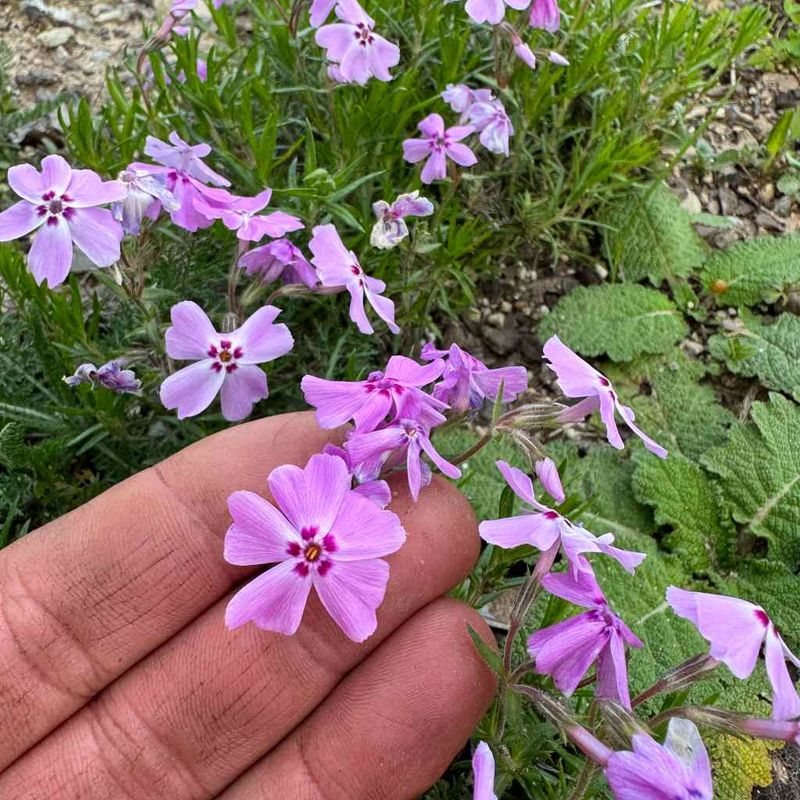
Few sights in a spring garden stop you in your tracks the way a hillside covered in Trailing Phlox does.
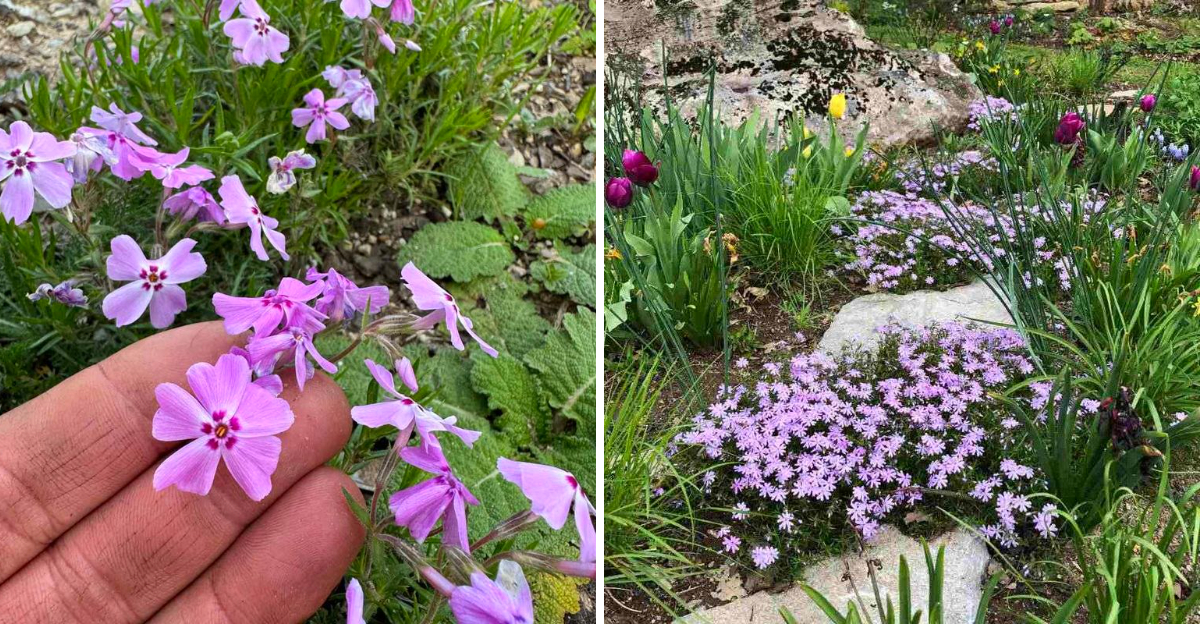
When the blooms open in early to mid-spring, the low mat practically disappears under a wave of small, five-petaled flowers in shades of pink, lavender, and white.
A rough, rocky bank suddenly looks like something worth photographing.
The bloom period tends to land somewhere between March and May in North Carolina, depending on the location and the year.
During that window, the plant draws pollinators including early bees and butterflies that are just starting to move through gardens after winter.
That ecological value adds another reason to consider it beyond simple aesthetics.
After the flowers fade, the plant settles back into its role as a quiet, evergreen mat. The slope does not lose its ground cover or go bare between seasons.
For North Carolina gardeners who want something that earns its spot both in bloom and out of bloom, Trailing Phlox delivers on both counts without demanding much in return. It is the kind of spring display that makes neighbors ask what you planted on that bank.
4. Well-Drained Soil Helps It Spread
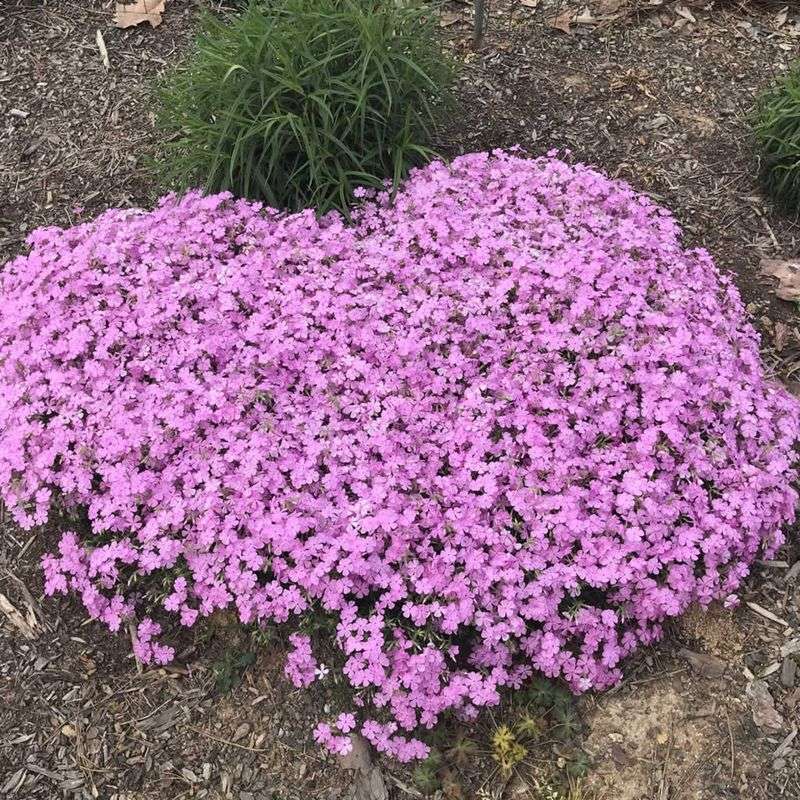
Soggy ground is where Trailing Phlox runs into trouble. Unlike many popular ground covers that tolerate wet feet, this native genuinely prefers soil that drains quickly and does not hold moisture for long.
That preference makes it an unusual but well-suited match for the kind of dry, fast-draining slopes that frustrate so many North Carolina gardeners.
Sandy soils common along the North Carolina coastal plain and rocky, thin soils found in the Piedmont can both support Trailing Phlox when drainage is good. The plant does not need rich, amended beds or heavy compost additions.
In fact, soil that is too fertile or too moist can sometimes work against it, encouraging soft growth that does not spread as tightly or hold up as well through summer heat.
Planting on a slope naturally helps because gravity pulls water away from the root zone before it can pool. That simple drainage advantage gives Trailing Phlox exactly the conditions it prefers.
If your slope has heavy clay that stays wet, some light gravel or coarse sand worked into the planting area can improve drainage enough to give the plant a reasonable chance of spreading and filling in over time.
5. Sunny Slopes Bring Out Its Best Growth
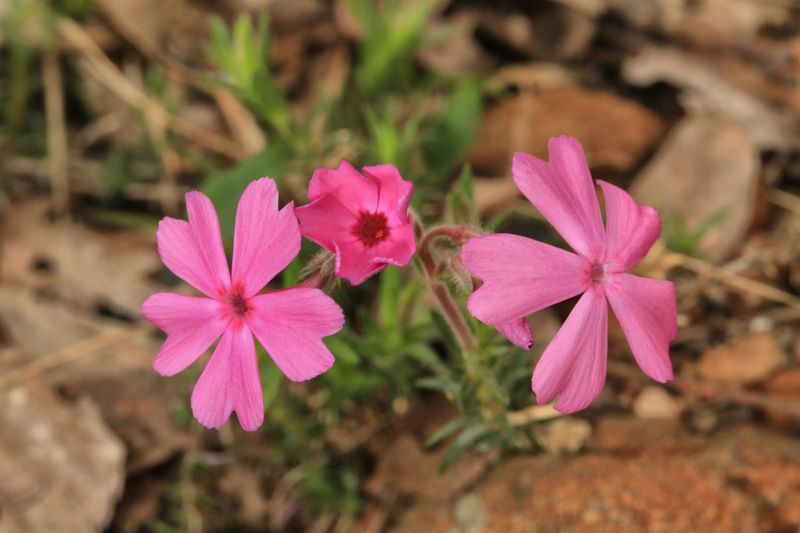
Shade is not where Trailing Phlox wants to be. Give it a sunny bank with at least six hours of direct light each day, and the plant responds with dense, vigorous growth that covers ground far more reliably than it would in a shadier spot.
North Carolina has no shortage of sunny, open slopes, and that works in this plant’s favor.
South-facing and west-facing banks tend to be the hottest and driest spots in residential landscapes. Those are often the places where other ground covers thin out, burn, or fail to spread.
Trailing Phlox handles that kind of intense afternoon exposure with surprising resilience once it is established, holding its mat through summer without wilting or browning the way some less-adapted plants do.
Even in full sun, the foliage stays low and tidy rather than getting leggy or floppy. The plant seems to respond to bright light by spreading outward rather than upward, which is exactly what a dry slope needs.
For North Carolina homeowners tired of replanting the same sunny bank every spring, finding a native that actually thrives in full sun and dry soil without constant attention is a meaningful shift in how that problem spot gets handled.
6. Its Low Growth Helps Cover Bare Ground
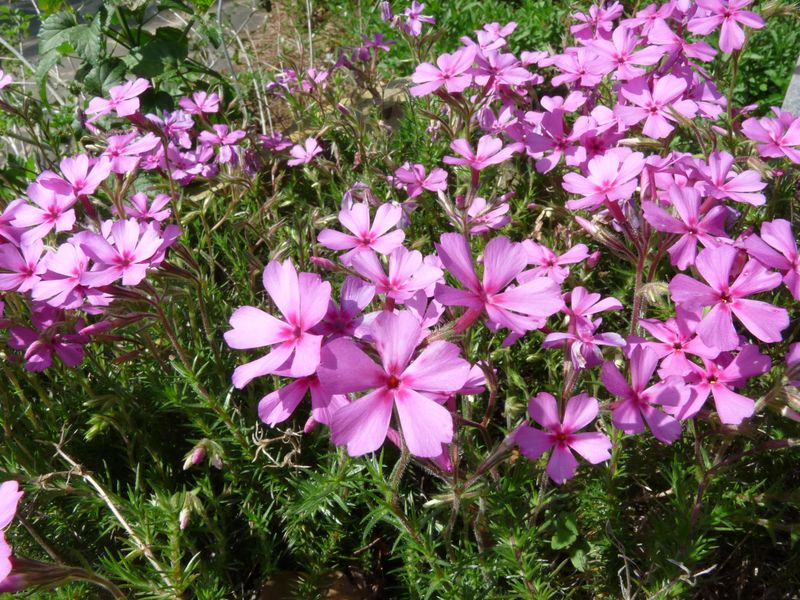
Bare soil on a slope is an invitation for problems. Rain hits exposed ground and carries it downhill, weeds move in fast, and the bank can look messy and rough no matter how much mulch you add.
A plant that grows low and spreads outward is one of the most practical solutions available for this kind of situation.
Trailing Phlox grows close enough to the ground that it shades the soil beneath it, making it harder for weed seeds to germinate and establish. Over time, as the mat fills in, bare patches shrink and the slope becomes more stable.
The process is gradual rather than instant, but the result is a ground cover that holds without needing to be replaced each season.
For North Carolina slopes where mulch keeps sliding or washing away, having a living mat that stays in place through rain events is a practical advantage.
The plant does not eliminate the need for some early erosion support between young transplants, but as it spreads, it takes on more of that work naturally.
Low-growing native plants like this one are often underestimated simply because they are quiet, slow, and steady rather than showy and fast-growing.
7. Trailing Phlox Fits Piedmont And Coastal Gardens
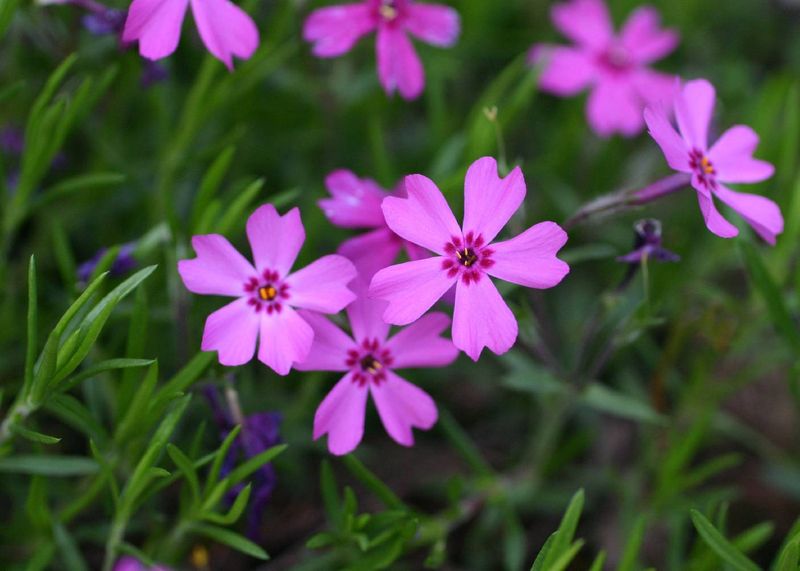
North Carolina stretches across a wide range of landscapes, from the mountains in the west to the sandy coastal plain in the east. Trailing Phlox is not a mountain specialist or a coastal-only plant.
It fits into the middle of that range quite well, making it relevant for a large portion of North Carolina gardeners who garden in the Piedmont or along the coastal plain.
Piedmont gardens often deal with thin, rocky soil over clay subsoil on slopes, and Trailing Phlox handles that combination reasonably well when drainage is adequate.
Coastal plain gardens frequently have sandy, fast-draining soil that dries out quickly in summer, and that environment also suits the plant’s preference for low moisture and good drainage.
Matching a plant to its regional conditions is one of the most reliable ways to reduce maintenance and improve long-term success in any garden.
Trailing Phlox is native to the region, which means it has evolved alongside North Carolina’s climate patterns, pest populations, and soil types.
That regional fit gives it a head start over many non-native alternatives that may look appealing at the garden center but struggle once they are planted on a hot, dry North Carolina bank.
8. Dry Slopes Need The Right Plant Match
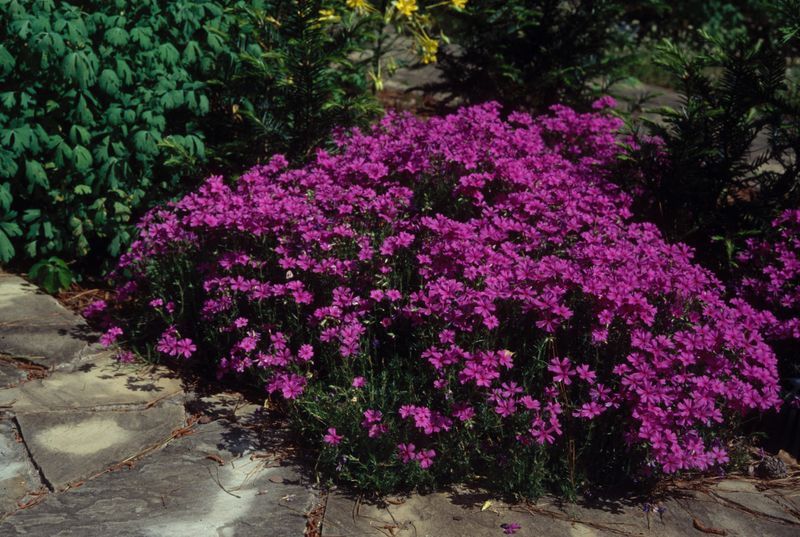
Matching a plant to its site is one of the most important decisions a gardener makes, and dry slopes have a way of exposing mismatches quickly. Plants that need regular moisture struggle visibly within weeks of being placed on a hot, well-drained bank.
The leaves scorch, growth slows, and the plant eventually fades out, leaving the same bare problem it was supposed to solve.
Trailing Phlox works on dry slopes because it is not fighting its environment. Its native range includes rocky, open sites with thin soil and direct sun, which mirrors the conditions on many residential slopes in North Carolina.
Choosing a plant that evolved in similar conditions removes a lot of the guesswork and reduces the likelihood of repeated planting failures.
Before planting anything on a tough slope, it helps to observe how water moves across it during rain, where the soil dries out fastest, and how much direct sun the bank receives through the day.
Trailing Phlox tends to perform well where drainage is fast, sun is strong, and soil stays on the dry side through summer.
Those observations take only a season or two, and they can save years of frustration trying to force the wrong plant into the wrong spot.
9. Young Plants Need Help Getting Started
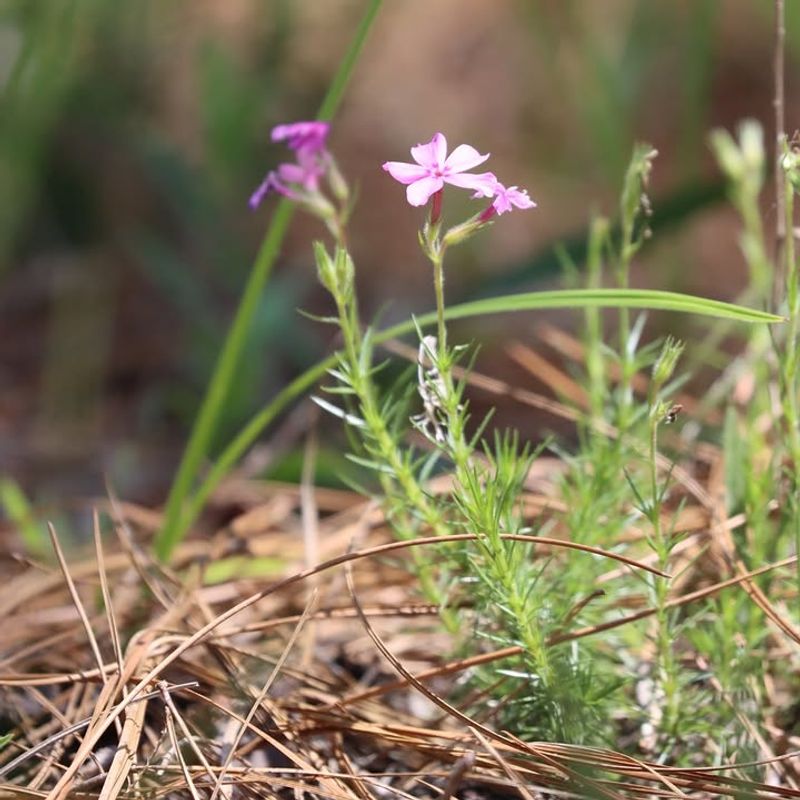
Getting Trailing Phlox established on a dry slope takes some patience and a bit of early attention. The plant is tough once its roots are settled, but young transplants do not have the root depth yet to pull moisture from deeper in the soil.
During the first season, some regular watering during dry stretches makes a real difference in how well each plant survives and begins to spread.
Spacing matters during planting. Setting plants about twelve to eighteen inches apart gives each one room to spread without crowding, and it leaves enough space for a light layer of mulch between plants to help retain soil moisture and reduce weeds while the mat fills in.
That mulch layer is temporary support rather than a permanent fixture, since the plants will eventually cover the ground themselves.
Spring planting tends to give young Trailing Phlox the best start in North Carolina. The cooler temperatures and more reliable rainfall of spring allow roots to develop before summer heat arrives.
Fall planting can also work well, giving roots time to establish before the following summer. Avoid planting in the middle of summer when heat stress is highest and soil moisture on a dry slope drops to its lowest point of the year.
10. Trailing Phlox Works Best With Room To Spread
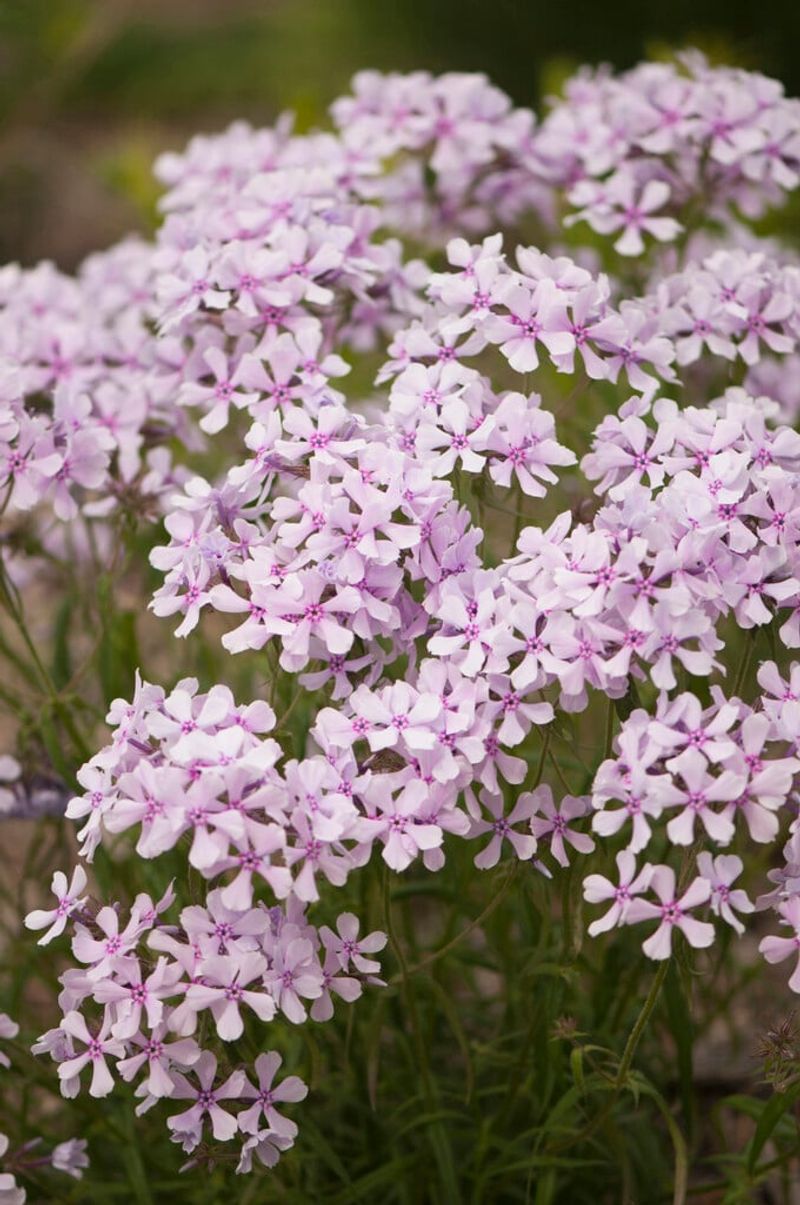
Crowding Trailing Phlox with other aggressive ground covers or planting it too close to shrubs that spread quickly can slow its ability to fill in a slope the way it is capable of doing.
The plant spreads gradually by sending out low stems that root as they contact soil, and it needs open ground to do that work effectively over time.
Giving each plant enough space and keeping competing vegetation pulled back during the first couple of seasons allows the mat to develop more fully.
Once Trailing Phlox has covered a section of slope, it tends to hold that ground well and resist encroachment from weeds more effectively than bare soil or thin plantings can.
North Carolina gardeners sometimes underestimate how much ground a mature planting can cover given enough time and the right conditions.
A few small transplants placed on a sunny, well-drained bank may seem sparse at first, but over two to three seasons they can knit together into a solid, low mat that handles the slope with very little ongoing care.
That slow, steady spread is part of what makes Trailing Phlox such a practical long-term choice for dry, sunny banks where other plants have repeatedly fallen short.