These Are The Texas Potted Plants That Attract Scorpions Underneath Their Containers Every Summer
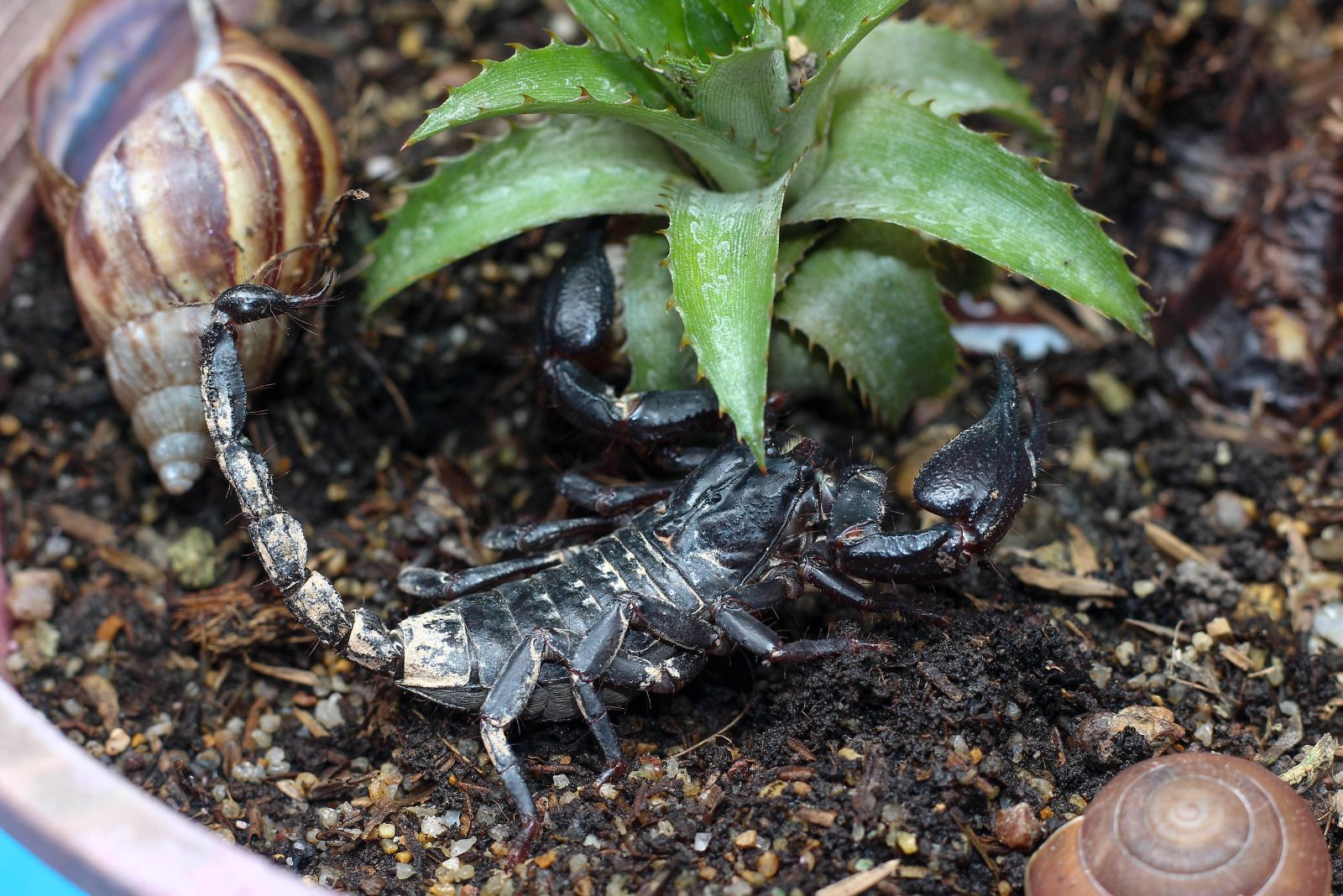
Potted plants on a Texas patio or porch seem like an unlikely place to start a scorpion problem, but the conditions that develop underneath containers sitting on the ground create exactly the kind of environment these pests seek out during summer.
Moisture retained under the pot, shade from the container above, and the insects drawn to decaying organic matter at the soil surface combine to make the underside of a plant container one of the more reliable scorpion sheltering spots in a Texas yard.
Most homeowners discover this the unpleasant way, reaching down to move a pot and finding something underneath that was not part of the plan.
Certain plant types and container setups are more attractive to scorpions than others, and knowing which ones create the highest risk makes it possible to enjoy potted plants on a Texas patio without inadvertently setting up habitat for something with a sting.
The adjustment is straightforward once the connection is understood.
1. Lantana
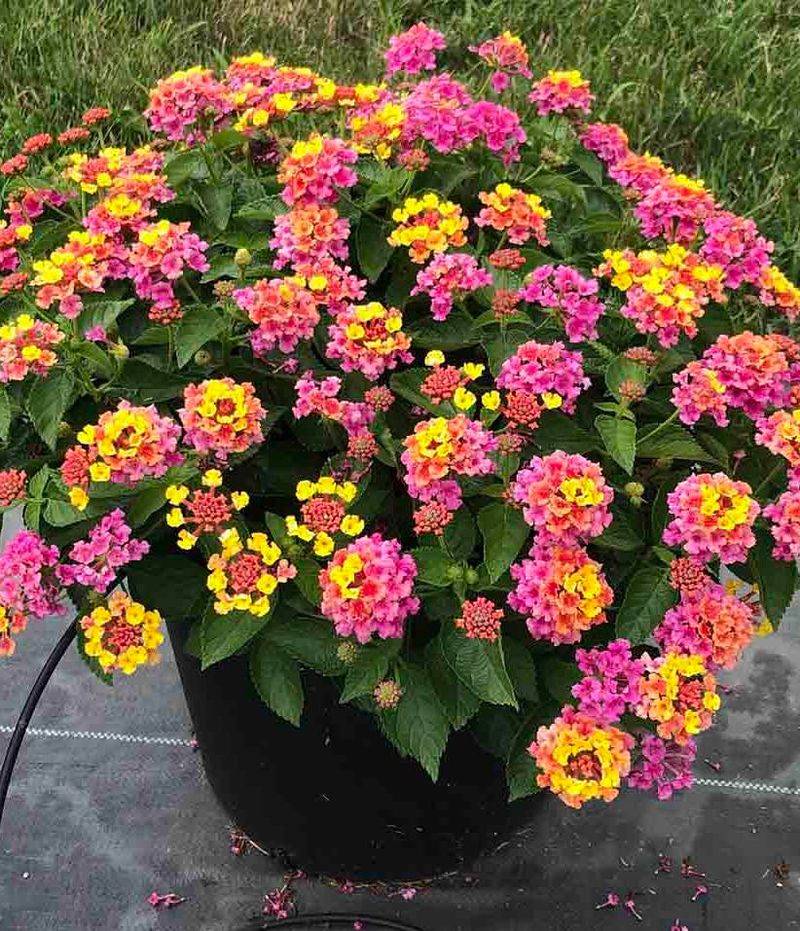
Walk through almost any Texas neighborhood in July, and you will spot lantana blooming in pots on porches and patios everywhere. It is one of the most popular summer plants in the Lone Star State, and for good reason.
The flowers are bright, the plant is tough, and it handles the brutal Texas heat like a champ. But here is something most gardeners do not think about. Lantana grows in a dense, sprawling way that creates thick layers of shade around and beneath its container.
That shaded space stays cool and slightly moist even on the hottest days. For a scorpion, that is basically a five-star hotel.
Scorpions are nocturnal hunters, which means they spend most of the day hiding in cool, dark places. The thick canopy of lantana leaves traps humidity close to the ground, making the space under the pot feel like a shaded oasis.
Insects and small bugs are also drawn to lantana, which gives scorpions a convenient food source right next door.
If you love growing lantana in pots, you do not have to stop. Just make a habit of lifting the container every few days to check underneath.
Use a long stick or garden tool rather than your bare hands. Moving the pot slightly every week or so also disrupts any scorpion that may have settled in.
Placing pots on elevated stands or wire racks can also reduce the appeal of the space underneath. A little extra attention keeps your garden beautiful and your family much safer during the hot summer months.
2. Texas Sage
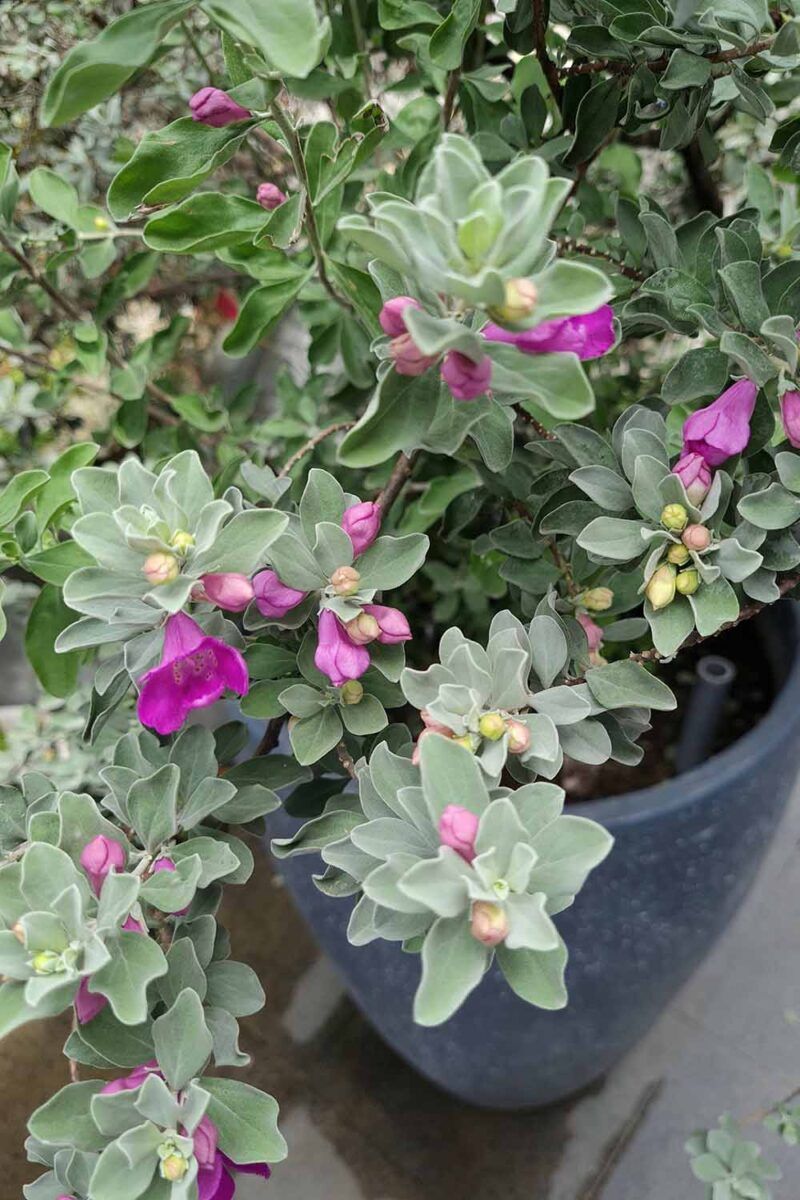
Texas sage is practically a symbol of the Hill Country. Its silvery leaves and purple blooms pop up in gardens across the state, and it thrives in the intense summer heat without much fuss. Gardeners love it because it looks great in a pot and almost takes care of itself.
That bushy, full growth is exactly what makes it a scorpion magnet. Texas sage grows thick and wide, and when it is potted, the dense foliage hangs low and creates a sheltered zone right around the base of the container.
Your Texas Garden Changes Every Week. Your Plan Should Too.
Gardening in Texas changes quickly throughout the season. Every Friday you’ll receive a simple weekly plan showing exactly what to plant, prune, fertilize, harvest, and protect so you never miss the right timing.
That zone stays shaded throughout the day, even when the sun is blazing overhead. Scorpions actively seek out exactly these kinds of spots to rest and wait for nightfall.
Another reason scorpions are drawn to Texas sage pots is the insects that gather around the plant. Beetles, ants, and small crickets are all attracted to the debris that collects under dense shrubs.
Scorpions feed on these insects, so a pot full of Texas sage is basically a buffet with a built-in hiding spot.
To reduce the risk, try trimming the lower branches of your Texas sage so the foliage does not touch the ground or drape over the sides of the pot. This improves airflow and makes the base of the container less inviting.
You can also place the pot on a smooth surface like a paved patio rather than soil or mulch, since scorpions prefer to travel across rough, natural terrain.
Staying aware of your surroundings when gardening goes a long way toward keeping your outdoor space safe and enjoyable all season.
3. Rosemary
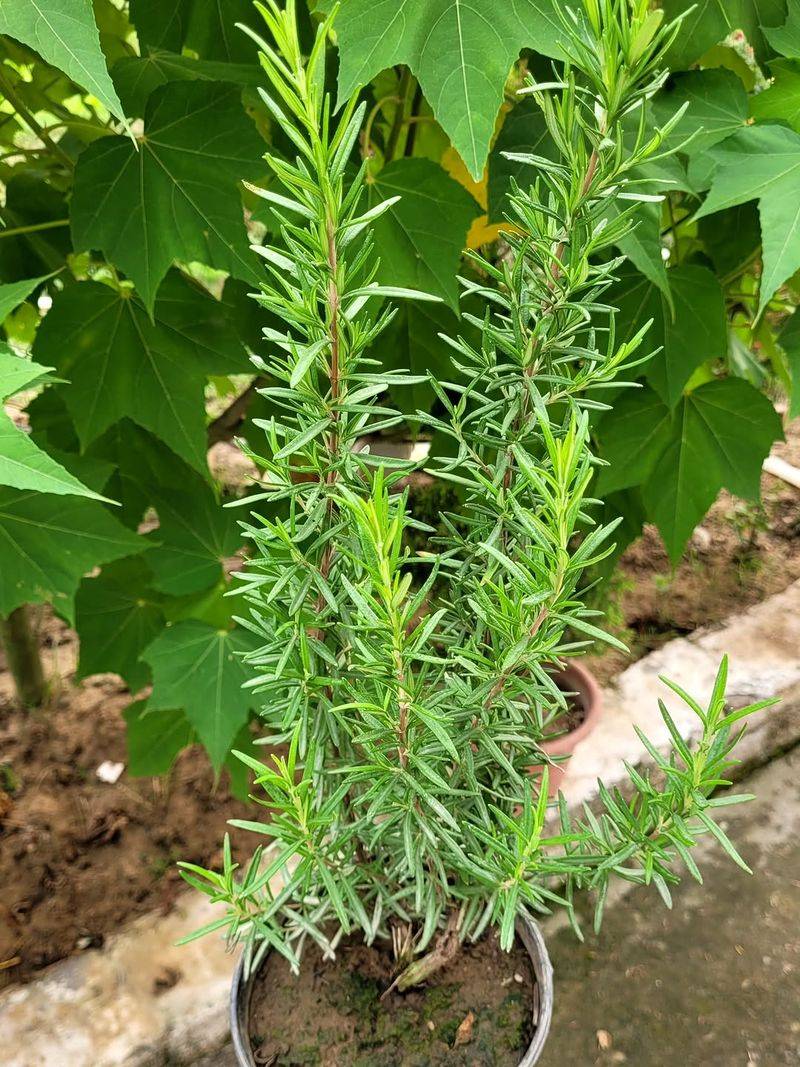
Rosemary is one of those plants that feels almost magical. It smells incredible, it works in the kitchen, and it grows beautifully in a pot on a sunny Texas patio.
Many Texas gardeners keep a rosemary plant just outside the back door so they can snip a few sprigs whenever they need them for cooking.
What surprises a lot of people is that rosemary is also one of the top plants for attracting scorpions underneath its container. The plant grows woody and dense over time, with thick branches that create a natural canopy around the base of the pot.
That canopy blocks sunlight and traps moisture, especially after watering. The combination of shade and dampness is exactly what scorpions look for when searching for a daytime shelter.
Rosemary pots are also often placed close to walls or fences, which creates an even more enclosed and protected space underneath.
Scorpions feel safest in spots where they are surrounded on multiple sides, so a rosemary pot tucked into a corner becomes an extremely attractive hiding spot during the summer months.
One smart move is to pull your rosemary pot away from walls and fences, giving it more open space on all sides. This reduces the enclosed feeling that scorpions prefer.
Watering less frequently can also help, since drier soil under the pot is less appealing to scorpions and the insects they chase. Always wear gloves when handling the pot or working near the base of the plant.
Rosemary is a wonderful herb to grow in Texas, and with a few smart habits, you can enjoy it safely all summer long.
4. Bougainvillea
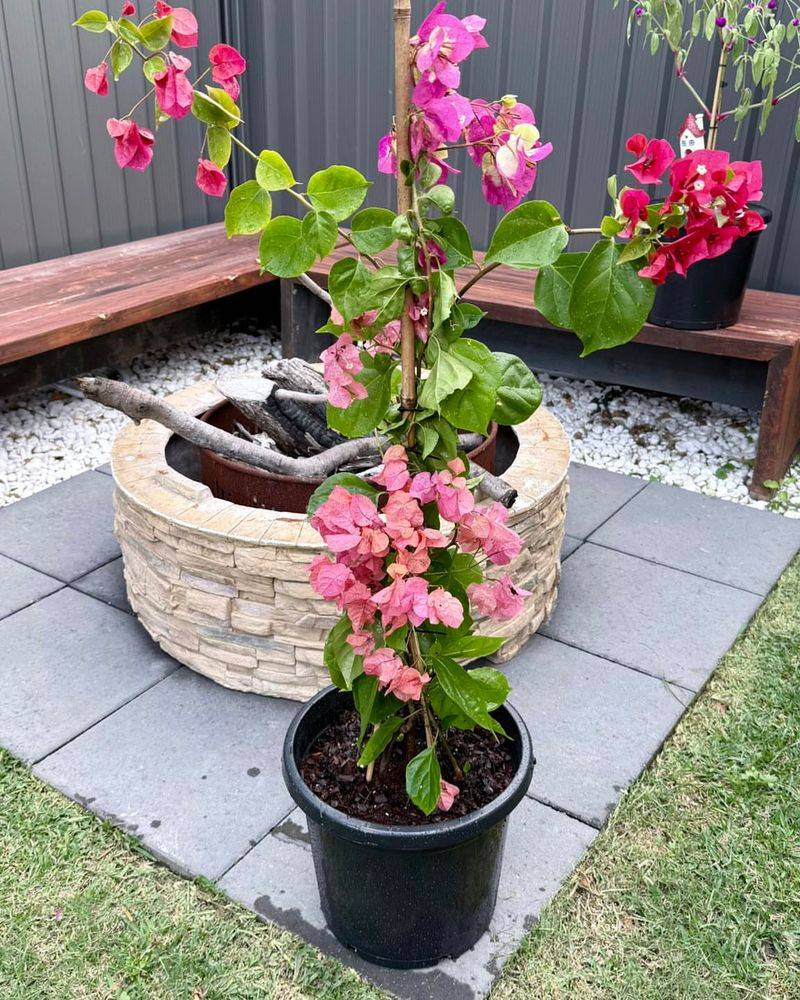
Few plants make a Texas patio look more stunning than bougainvillea. Those bright, papery blooms in shades of hot pink, orange, and purple are absolutely eye-catching. It is a showstopper, and it loves the Texas heat just as much as any native plant.
But those gorgeous trailing vines come with a hidden downside. Bougainvillea grows fast and sprawls dramatically, sending long branches cascading over the sides of its container and down to the ground.
This creates a thick curtain of foliage around the base of the pot that blocks sunlight almost completely. Underneath that curtain is a cool, shaded, and often slightly moist microhabitat that scorpions find irresistible during the scorching summer months.
The thorny nature of bougainvillea also plays a role. Scorpions are small and agile, and they can navigate through the tangled branches easily.
The thorns actually deter larger predators, giving scorpions a sense of security in that sheltered space. It is like a natural fortress built right under your favorite flowering plant.
Pruning is your best defense here. Keep the trailing vines trimmed so they do not reach the ground or create a wall of foliage around the base.
Elevating the pot on a stand also removes the ground-level hiding spot that scorpions prefer. If you water bougainvillea from above, try to avoid soaking the soil excessively, since wet ground beneath the pot draws in both insects and scorpions.
With a little trimming and some awareness, your bougainvillea can keep looking spectacular without turning into a scorpion sanctuary every summer.
5. Agave
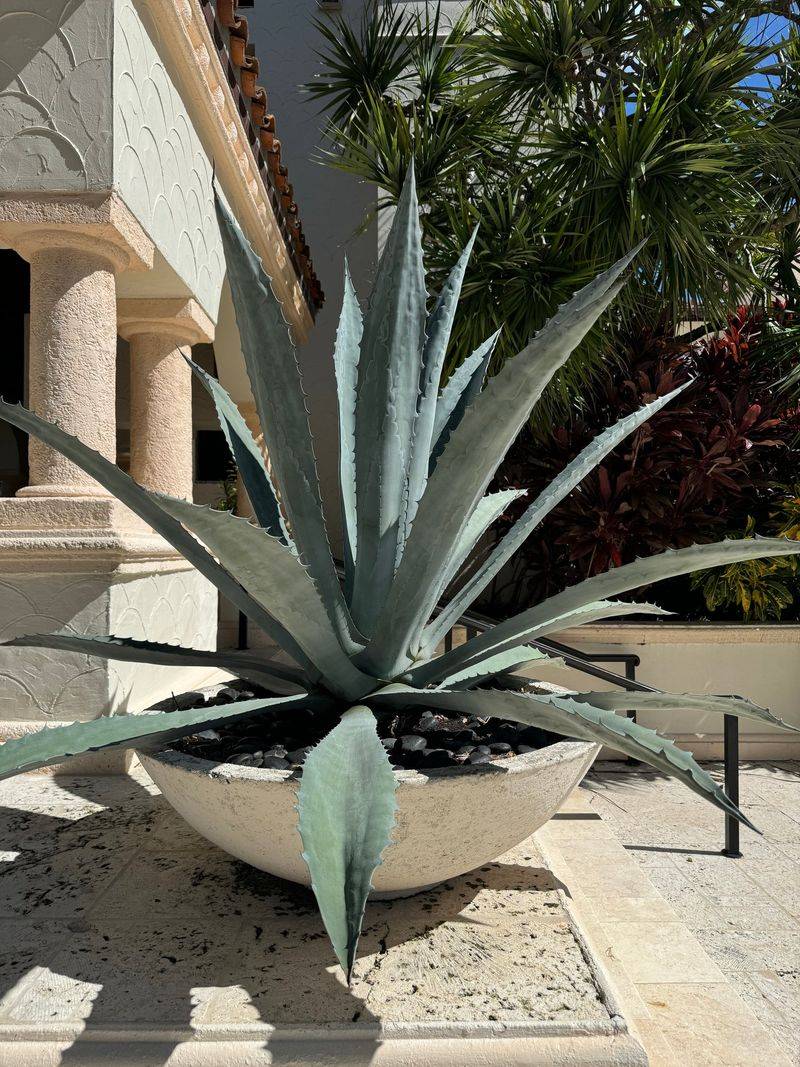
Agave is the ultimate Texas tough plant. It survives drought, blazing heat, and poor soil without complaining even a little.
Gardeners across the state grow agave in pots because it looks dramatic, requires almost no maintenance, and fits perfectly with the Texas landscape aesthetic.
Here is the thing about agave though. Those wide, thick rosette leaves spread outward dramatically and cast a wide shadow over everything around the base of the pot.
The soil underneath stays noticeably cooler and darker than the surrounding area. On a day when temperatures hit triple digits, that shaded spot under an agave pot can be ten to fifteen degrees cooler than the exposed ground nearby.
For a scorpion, that temperature difference is everything. Agave pots are also frequently placed directly on soil or gravel, which makes it easy for scorpions to burrow slightly or tuck themselves between the pot and the ground.
The rough, rocky texture of typical agave garden settings also mimics the natural desert terrain where scorpions are most comfortable. So the whole setup feels like home to them.
Placing your agave pot on a smooth, elevated surface like a concrete pedestal or a metal plant stand can make a big difference. Scorpions prefer rough surfaces and natural ground, so removing that access point cuts down on their interest significantly.
Checking under the pot regularly using a long tool rather than your hands is also a smart habit. Agave is too beautiful and practical to give up, but treating it with a little extra caution during summer keeps your outdoor space safer for everyone who enjoys it.
6. Juniper
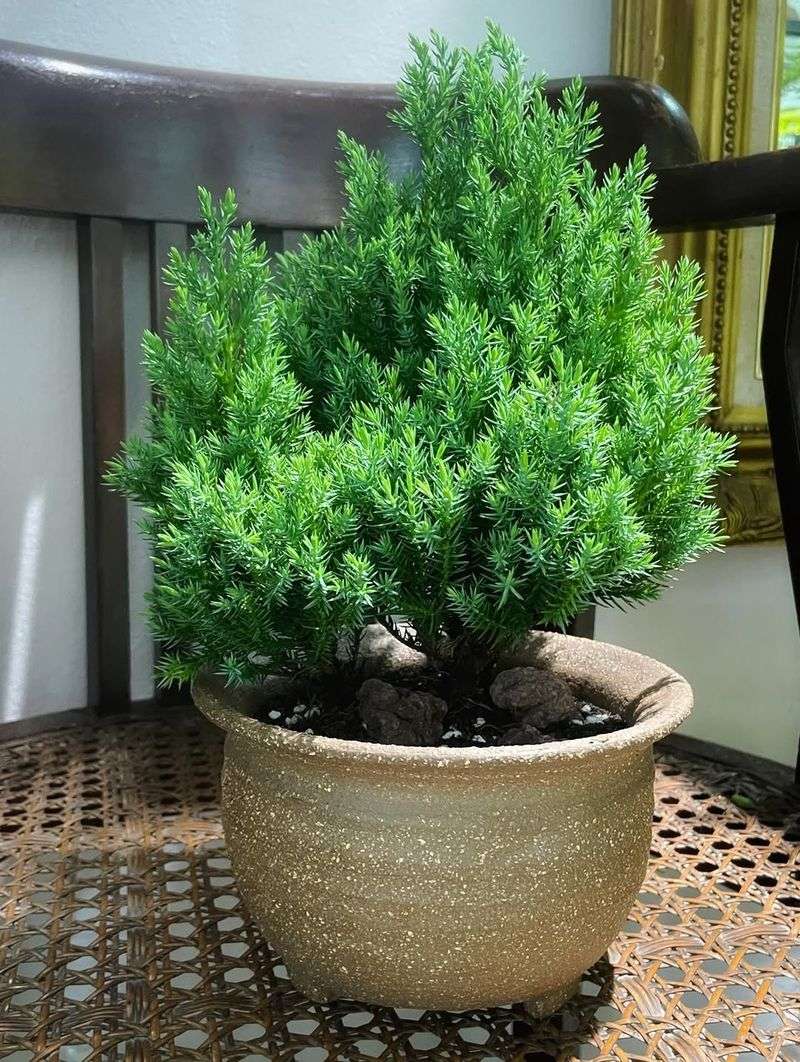
Juniper is one of the most widely planted evergreen shrubs in Texas. It shows up in front yards, back patios, and container gardens all across the state.
Gardeners love it for its year-round color, its low water needs, and its ability to stay looking full and green even through the toughest Texas summers.
That dense, evergreen growth is exactly what makes juniper such a magnet for scorpions. The thick branches spread outward and downward, creating a layered canopy that completely surrounds the base of the container.
Sunlight barely penetrates through those tight needles, leaving the ground beneath the pot dark and cool throughout the day. Moisture from watering also gets trapped in that enclosed space, staying damp long after the surrounding soil has dried out.
Juniper also produces small berries and drops needles constantly, which creates a layer of organic debris around the base. That debris attracts beetles, pill bugs, and small insects.
A steady supply of insects means a steady food source for scorpions, and that keeps them coming back to the same spot night after night throughout the summer.
To make your juniper pot less inviting, start by trimming the lower branches so there is clear space between the foliage and the ground. This lets sunlight and air reach the base of the pot, which dries out the soil faster and makes the area feel less sheltered.
Clearing away fallen needles and debris regularly also removes the insect habitat that scorpions rely on for food. Juniper is a fantastic plant for Texas gardens, and with a few easy adjustments, it does not have to come with unwanted guests hiding underneath.
7. Ornamental Grasses Muhly Grass, Little Bluestem)
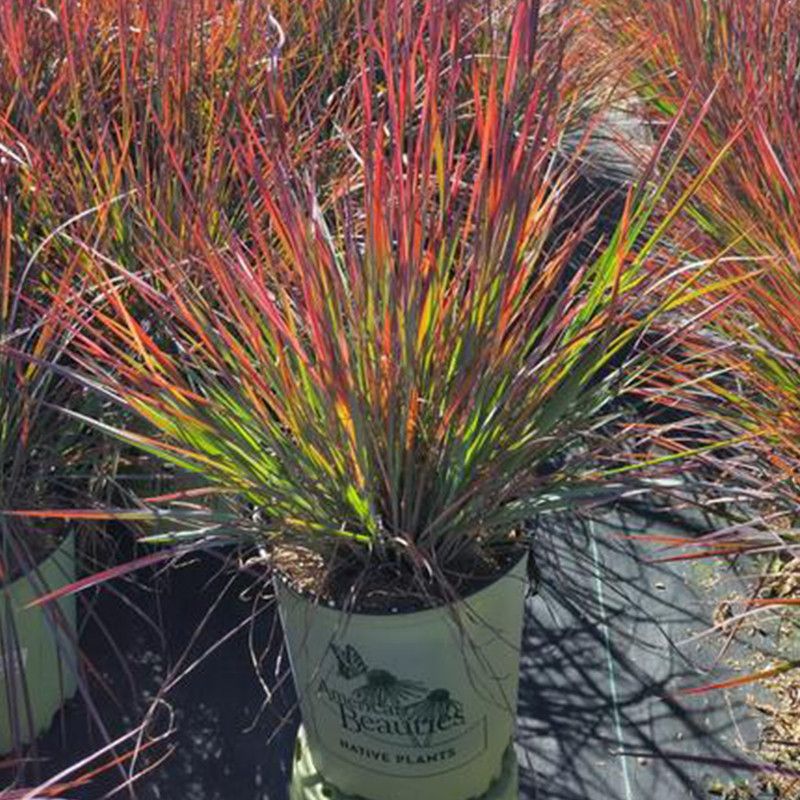
There is something genuinely beautiful about ornamental grasses blowing in a warm Texas breeze.
Muhly grass with its pink feathery plumes and Little Bluestem with its blue-green blades turning copper in late summer are two of the most beloved grasses in Texas container gardens. They look soft, natural, and effortlessly stylish.
What most people do not realize is that clumping grasses create one of the most scorpion-friendly environments of any potted plant. The dense clumps of grass blades form a tight, enclosed mound that wraps around the base of the container.
Inside that mound, the air stays humid, the light stays dim, and the temperature stays lower than the surrounding area. That combination is a perfect match for what scorpions look for when choosing a daytime hiding spot.
Ornamental grasses also drop old blades throughout the growing season, building up a layer of dry, fibrous material around the base of the pot. This material acts like insulation, holding in moisture and creating a cozy nesting environment.
Scorpions can tuck themselves deep inside that grass debris and stay completely hidden until nightfall when they come out to hunt.
Keeping ornamental grasses tidy is the best way to reduce scorpion activity around their containers. Cut back dry or excess grass blades regularly so the base of the plant stays open and airy.
Avoid letting fallen debris accumulate around the pot. Lifting the container occasionally to inspect underneath is also a smart routine to develop.
These grasses are gorgeous additions to any Texas patio, and staying on top of basic maintenance lets you enjoy their beauty without worrying about what might be hiding just below the surface.