Why Pots And Containers Are The Smartest Way To Grow Summer Vegetables In Arizona
Some summers make gardening feel easy. Others seem determined to test every bit of patience you have.
One week everything looks healthy, and the next you are trying to figure out why a promising vegetable plant suddenly looks stressed.
When the heat settles in for months at a time, even simple gardening tasks can start feeling more complicated than they should.
Many people spend years adjusting watering schedules, moving plants around, and experimenting with different varieties in hopes of getting better results. Sometimes the biggest improvement does not come from choosing a different vegetable at all.
It comes from changing the way the garden is set up from the beginning.
In Arizona, more gardeners are discovering that where vegetables grow can be just as important as what they grow. A simple container can offer advantages that traditional garden beds cannot, especially during the toughest part of the season.
Once you see the difference, it is easy to understand why so many gardeners are making the switch.
1. Containers Make Watering Easier To Control
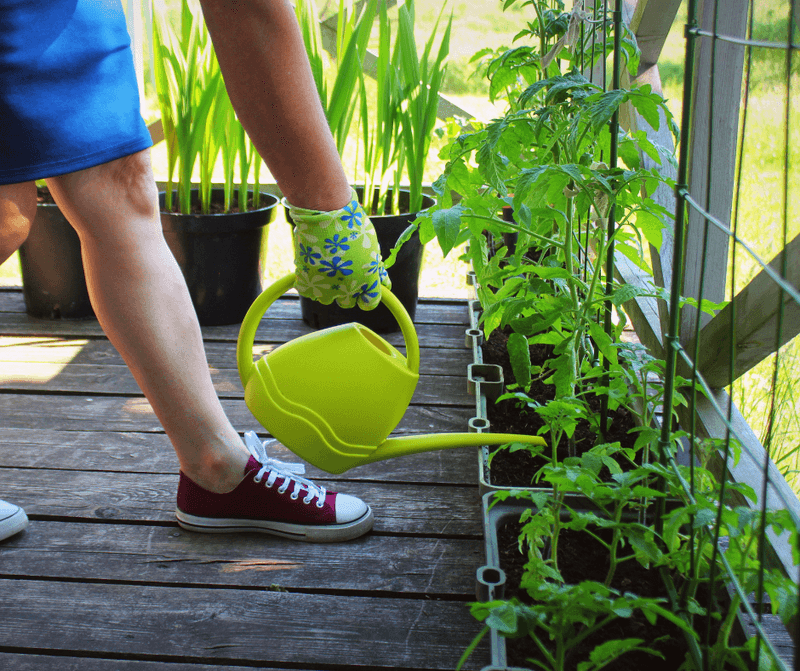
Overwatering and underwatering are two of the fastest ways to wreck a vegetable garden. Containers take the guesswork out of both problems.
Ground soil in hot desert regions drains inconsistently. Water can pool in low spots or vanish too fast through sandy patches.
With a pot, water goes exactly where the roots are, and you can see results almost immediately.
Each container acts like its own small system. You add water, it drains through the bottom holes, and the roots absorb what they need.
No spreading sideways into dry ground, no competing with nearby weeds for moisture.
Checking soil moisture in a pot takes seconds. Push a finger two inches into the mix and you know right away if it needs water.
Ground beds require more guesswork, especially in fast-draining desert soil.
Deep watering encourages roots to grow downward, which keeps plants more stable during windy days. Containers make deep watering straightforward without worrying about runoff or waste.
Drip irrigation adapts easily to container setups. A simple timer and a few emitters can keep every pot on a consistent schedule.
That kind of precision is harder to achieve across a large open bed.
2. Pots Can Be Moved Away From Intense Afternoon Sun
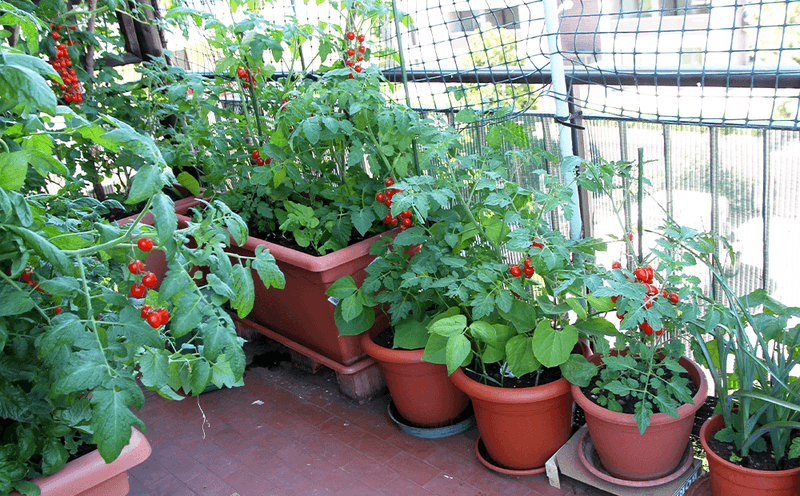
Afternoon sun in the desert Southwest is not just hot, it is punishing. Temperatures near and above 110 degrees Fahrenheit can stress even heat-tolerant vegetables within hours.
Ground plants cannot escape it. Once roots go into the soil, that plant is committed to whatever the sun throws at it all day long.
Containers change everything. A pot on wheels or a lightweight planter can shift from full sun to partial shade in under a minute.
Morning sun, afternoon shade, that is the sweet spot for summer vegetables in extreme heat.
East-facing spots work especially well. Plants get strong early light when temperatures are still manageable.
By early afternoon, a wall or fence provides natural protection without any extra effort.
Heavy ceramic pots can be placed on furniture dollies with locking wheels. This makes moving even large containers practical for one person without straining anything.
Your Arizona Garden Changes Every Week. Your Plan Should Too.
Gardening in Arizona changes quickly throughout the season. Every Friday you’ll receive a simple weekly plan showing exactly what to plant, prune, fertilize, harvest, and protect so you never miss the right timing.
Some vegetables, like lettuce and spinach, bolt quickly in full summer exposure. Moving them to a shadier spot during peak heat can extend their productive life by weeks.
Flexibility is one of the biggest advantages containers offer over fixed beds. You observe how your plants respond each day and adjust accordingly.
No permanent decisions, no plants locked into a bad spot.
3. Soil Conditions Stay Easier To Manage
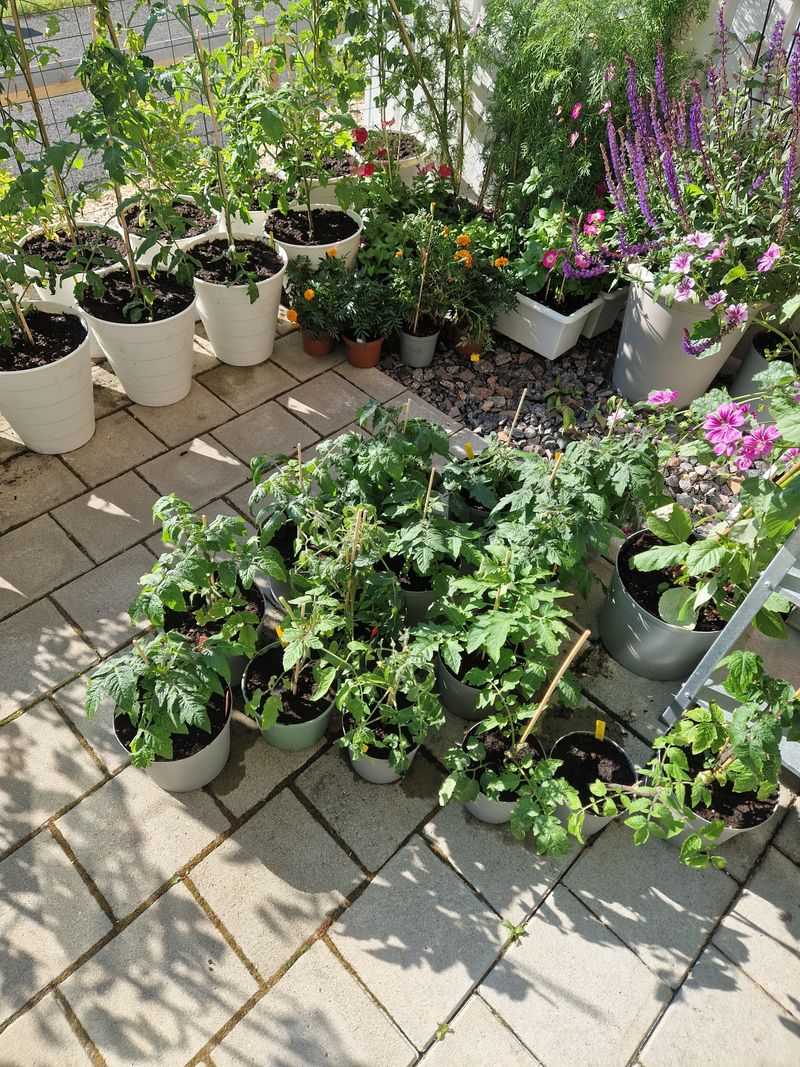
Desert soil is not easy to work with. Caliche layers, low organic matter, and extreme alkalinity make in-ground vegetable growing a constant uphill battle.
Containers sidestep those problems entirely. You fill a pot with exactly the mix your vegetables need, and you are not negotiating with whatever the ground offers.
A quality potting mix holds moisture without becoming waterlogged. It stays loose enough for roots to push through easily.
That kind of structure is nearly impossible to create in compacted or sandy native soil without years of amendment work.
pH levels matter a lot for vegetable production. Most vegetables prefer slightly acidic to neutral soil.
Native desert soils often run alkaline, making nutrient absorption harder. Bagged potting mixes are formulated to stay in the right range from the start.
Refreshing soil in a container is simple. At the end of each season, dump the old mix into a compost pile and start fresh.
No tilling, no soil tests needed for the whole yard, just one pot at a time.
Adding compost or worm castings to container mix boosts nutrients quickly. Results show up fast because the root zone is small and concentrated.
4. Raised Containers Improve Root Drainage
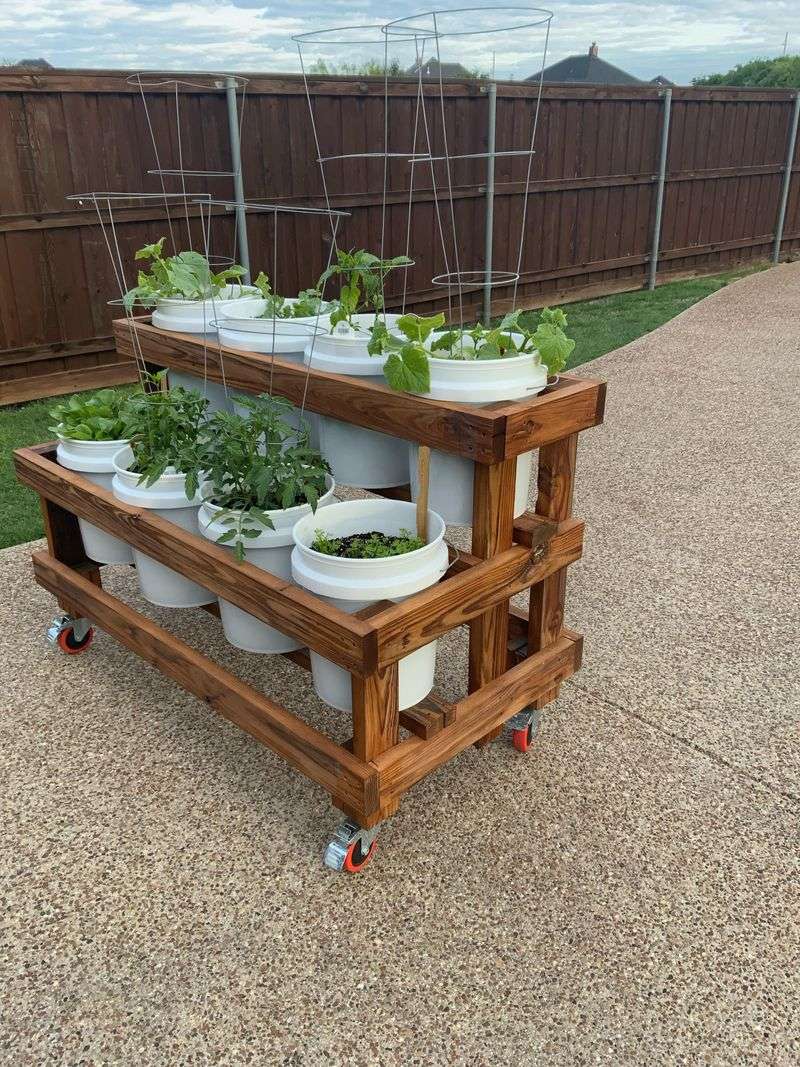
Roots need air as much as they need water. Soggy, compacted soil cuts off oxygen and slows growth significantly, even in plants that look healthy above ground.
Raised containers naturally promote better drainage than flat ground beds. Water moves downward with gravity and exits through drainage holes at the base.
Roots never sit in stagnant moisture for long.
Tall containers offer an added advantage. Deeper root zones allow plants like tomatoes and peppers to anchor more firmly.
Deeper roots also access more consistent moisture between watering sessions.
Placing containers on pot feet or small risers improves airflow under the base. This prevents the drainage holes from becoming blocked by surface contact with patios or decks.
Heavy clay ground soil compacts easily under the weight of irrigation water. Roots struggle to push through it.
Container growing eliminates that issue entirely since potting mix stays loose season after season with minimal effort.
Raised planters also warm up faster in early spring and cool down slightly faster in late summer. That temperature swing can actually benefit certain crops that prefer a defined growing window.
Drainage matters most during monsoon season in the desert Southwest. Sudden heavy rains can saturate ground beds quickly.
Containers with proper holes handle those downpours without drowning root systems.
5. Potting Mix Stays Looser Than Many Desert Soils
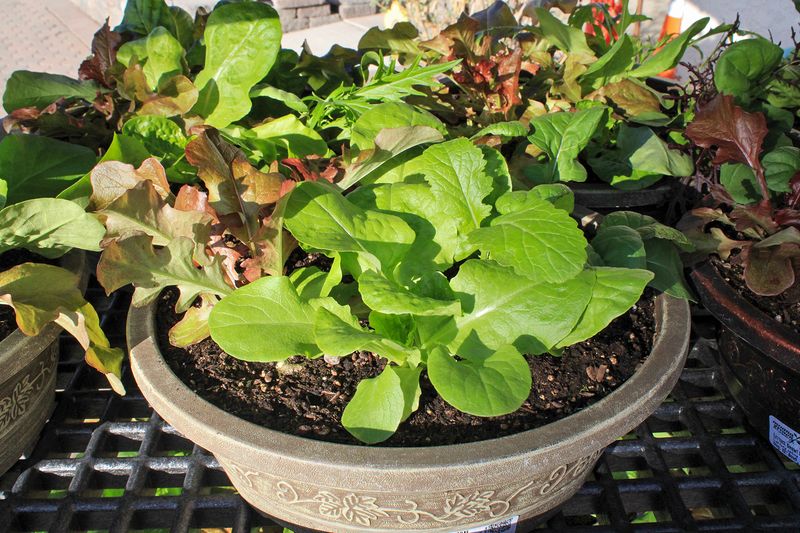
Pick up a handful of good potting mix and it almost crumbles apart on its own. Now try that with caliche-heavy desert ground and you will quickly notice the difference.
Loose soil is not just easier to plant in. It allows roots to spread faster, absorb nutrients more efficiently, and recover from stress more quickly.
Perlite is a key ingredient in most commercial potting mixes. Those tiny white particles create air pockets throughout the mix.
Roots breathe through those spaces, which speeds up overall plant development.
Coir fiber, made from coconut husks, holds moisture while staying light and airy. It does not compact the way peat can over time.
Many desert gardeners prefer coir-based mixes for summer containers specifically because of this quality.
Ground soil in hot climates often develops a crust on the surface after repeated watering. That crust blocks moisture from reaching deeper roots.
Potting mix rarely forms that kind of barrier, keeping absorption consistent throughout the season.
Transplanting seedlings into loose potting mix causes far less root disturbance. Young roots settle in quickly and start growing within days rather than weeks.
Refreshing your container mix each season keeps it performing well. Over time, organic matter breaks down and the mix compacts slightly.
6. Small Spaces Can Produce A Surprising Harvest
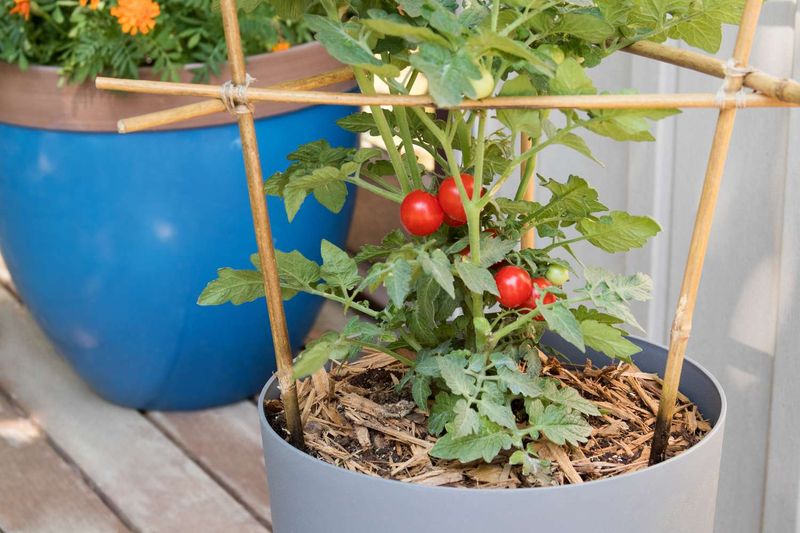
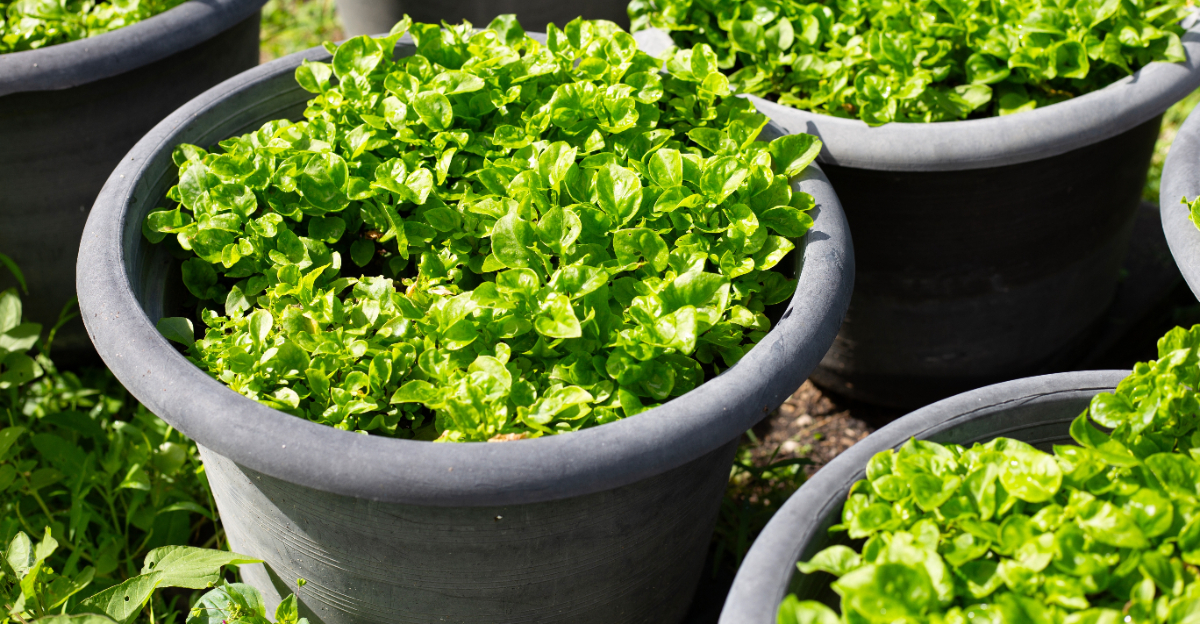
Not every gardener has a yard. Balconies, patios, driveways, and rooftops are all fair game when containers are your growing method.
A single five-gallon pot can produce a full season of cherry tomatoes. A window box can hold three to four herb varieties.
Square footage matters far less than most beginners assume.
Vertical growing expands your options even more. Stack planters, wall pockets, and trellised containers let you grow upward instead of outward.
A six-foot trellis in a large pot can support cucumbers or pole beans through most of the warm season.
Compact vegetable varieties are bred specifically for container success. Bush beans, patio tomatoes, and dwarf pepper plants produce well in smaller pots without the sprawl of full-sized varieties.
Succession planting works beautifully in containers. Once one crop finishes, swap in fresh seedlings for the next round.
Ground beds take longer to reset because soil needs amending between plantings.
Herbs like basil, cilantro, and parsley grow quickly in small containers. Placed near a kitchen door, they are convenient and productive without taking up meaningful space.
Urban gardeners across the Southwest have proven that balcony container setups can supply a meaningful portion of a household’s fresh vegetables during the growing season.
7. Pests Are Easier To Monitor And Manage
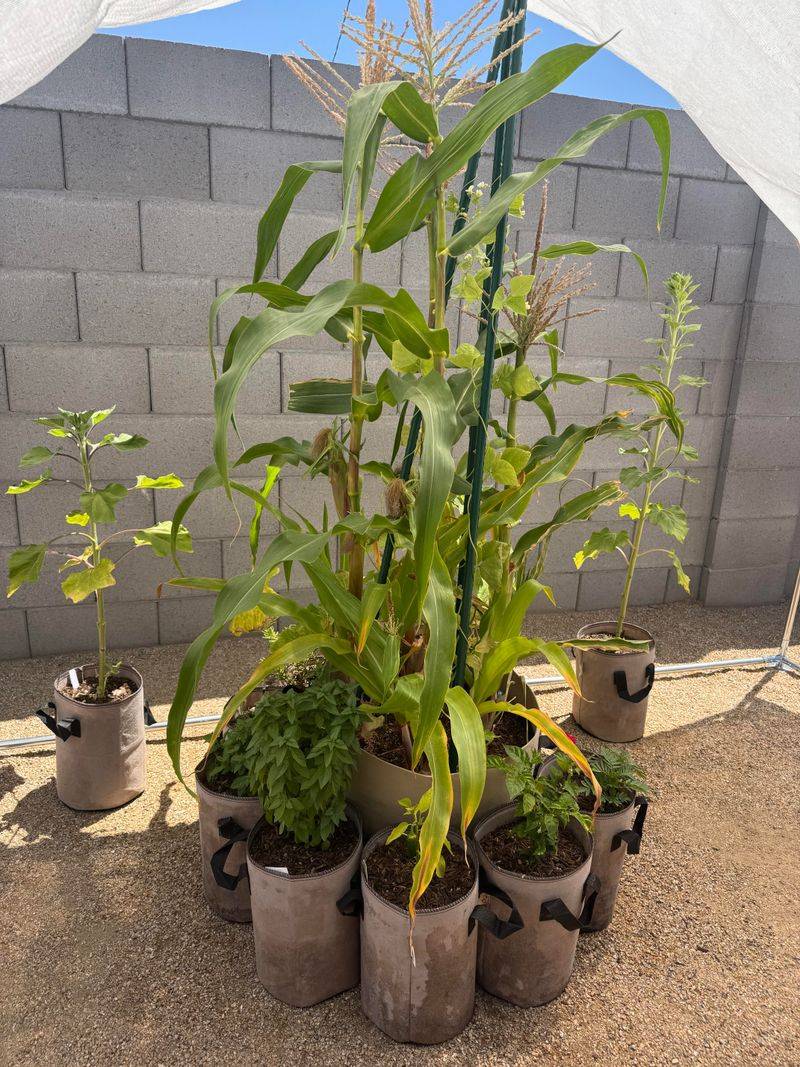
Ground gardens spread out. That spread makes it easy for pests to move from plant to plant before you even notice there is a problem.
Container gardens keep plants in defined, manageable spaces. Walking past a row of pots and checking each one takes only a few minutes.
Spotting trouble early makes a significant difference in how well you can respond.
Aphids, spider mites, and whiteflies all show up in desert vegetable gardens during warm months. Catching them on a single container before they spread is far easier than chasing them across a large open bed.
Treating one pot is also simpler. A targeted spray of neem oil or insecticidal soap covers the entire plant quickly without wasting product on unaffected areas nearby.
Soil-borne pests have fewer entry points in containers. Fresh potting mix does not carry the same pest populations that can build up in ground soil over multiple seasons.
Physical barriers work better with containers too. Copper tape around a pot discourages slugs and snails.
A fine mesh cover fits neatly over individual pots to block flying insects during vulnerable growth stages.
Quarantining a sick plant is straightforward. Move the affected container away from others immediately and treat it separately.