The Fire-Resistant California Groundcovers That Replace Ivy On Slopes
Ivy can seem like an easy answer for a bare slope, but it often creates more trouble than homeowners expect.
In California, dense, tangled growth near a house can become a concern during hot, dry weather.
That is why many gardeners are looking for groundcovers that hold soil without creating the same heavy mat. Fire-resistant planting does not mean choosing plants that cannot burn.
It means using options that stay easier to maintain with smart spacing and cleanup. The right groundcovers can soften a slope, reduce bare patches, and fit better into defensible space plans.
They can also make a hillside look cared for without constant mowing or harsh chemicals. For California homeowners ready to replace ivy, the best choices offer coverage with better habits and a safer landscape design.
1. Pigeon Point Coyote Brush Covers Slopes Without Climbing Walls
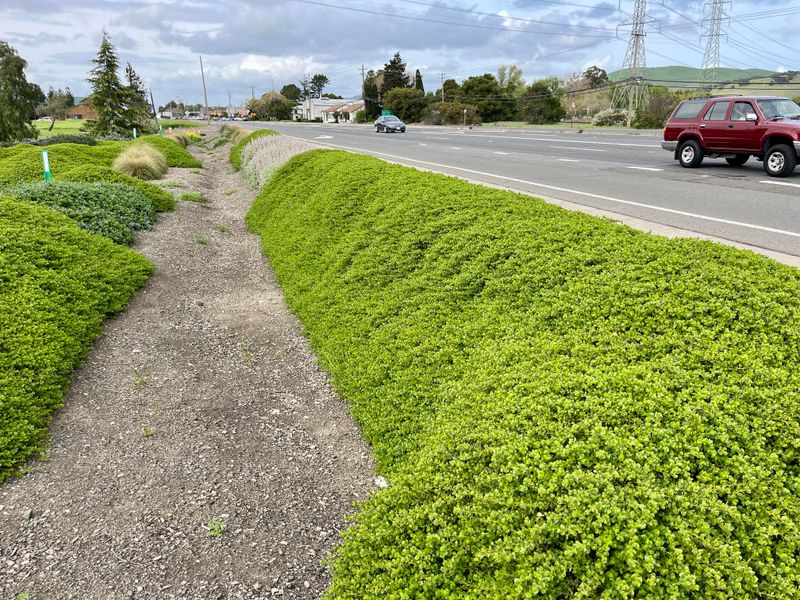
Few plants work as hard on a slope as Pigeon Point coyote brush. This low-growing shrub stays close to the ground, spreading wide without ever reaching up walls or fences.
It is a cultivated form of the native coyote brush, bred specifically for flat, spreading growth on hillsides and open areas.
What makes it stand out in fire-prone neighborhoods is its moisture content. The leaves hold more water than ivy, which means they do not ignite as easily during hot, dry weather.
Fire safety experts in California often recommend it as a direct ivy replacement because it performs so well in tough conditions.
Pigeon Point grows to about one foot tall but spreads up to ten feet wide. That wide, low canopy shades out weeds and keeps soil from washing away during heavy rains.
It thrives in full sun and handles drought like a champion once it gets established in the ground.
Planting it is straightforward. Space plants about four to six feet apart and water them regularly for the first season.
After that, rainfall and occasional deep watering are usually enough to keep it healthy. It attracts native bees and butterflies, adding life to any slope.
Few groundcovers offer this mix of fire resistance, soil stability, and low maintenance all in one tidy, spreading package.
2. Creeping Sage Covers Dry Soil With Fragrant Leaves
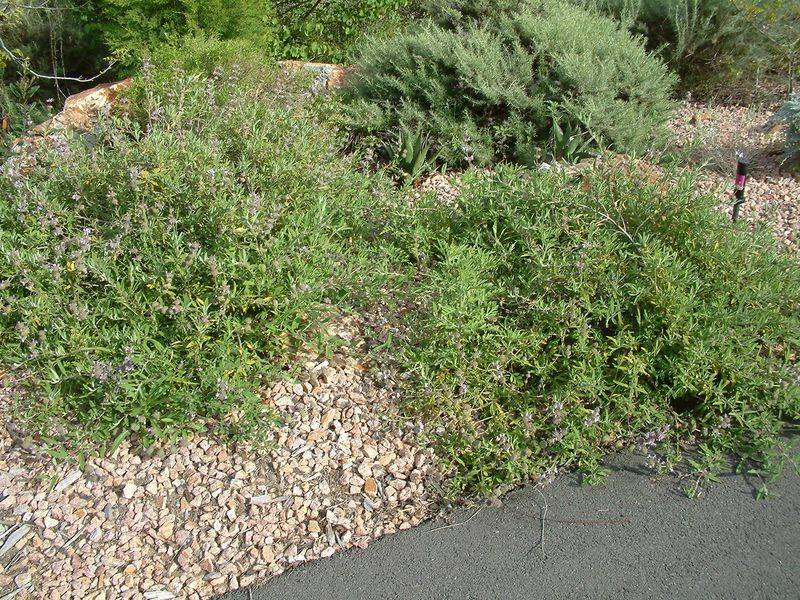
Walk past a patch of creeping sage and you will catch a scent that stops you in your tracks. The leaves release a rich, herby fragrance when brushed, making this plant one of the most sensory-friendly groundcovers available for dry slopes.
It is native to California and perfectly suited for the kind of hot, dry summers that make fire risk so high.
Creeping sage stays low, usually under two feet tall, and spreads outward to fill gaps between rocks and along bare patches of hillside.
The leaves are gray-green and slightly fuzzy, which helps the plant reflect heat and hold onto moisture longer than smooth-leaved plants.
That moisture retention is part of what makes it a safer choice during fire season.
Planting it in well-drained soil and full sun gives it the best start. It does not like sitting in wet soil, so slopes are actually ideal for it.
Your California Garden Changes Every Week. Your Plan Should Too.
Gardening in California changes quickly throughout the season. Every Friday you’ll receive a simple weekly plan showing exactly what to plant, prune, fertilize, harvest, and protect so you never miss the right timing.
Once established, it is incredibly drought tolerant and rarely needs supplemental watering in most parts of California.
Small purple-blue flowers appear in spring, drawing in native bees and hummingbirds. The fragrance alone makes it worth planting near pathways or garden borders.
Beyond its beauty, creeping sage offers real fire-resistance value, making it one of the smartest swaps you can make when replacing invasive ivy on a dry, sun-baked hillside.
3. Beach Strawberry Spreads Where Coastal Gardens Need Cover
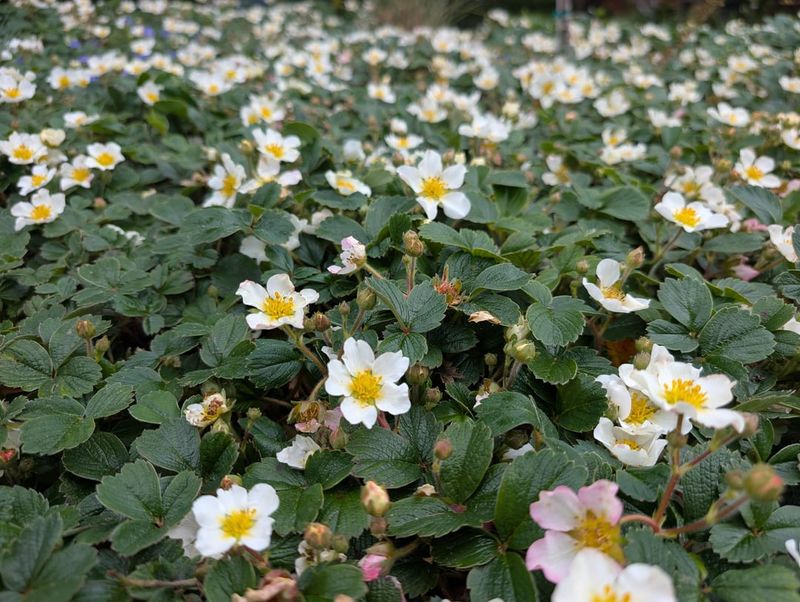
Coastal gardeners dealing with ivy-covered slopes have a charming and practical alternative in beach strawberry.
Native to the Pacific Coast, this low-growing plant spreads by runners, filling in bare ground quickly without becoming aggressive or hard to manage.
It looks tidy, stays green through most of the year, and produces small white flowers followed by tiny red fruits.
Beyond its good looks, beach strawberry brings real fire-resistance benefits to coastal yards. The leaves stay moist longer than ivy because of the cool, foggy conditions near the coast.
Even during drier inland stretches, the plant holds up well and does not create the kind of dry, dense thatch that makes ivy so dangerous during fire season.
It grows best in full sun to partial shade and prefers well-drained, sandy or loamy soil. Coastal conditions suit it perfectly, but it also handles mild inland climates without much trouble.
Once planted, it spreads on its own through underground runners, making it a low-effort way to fill a slope.
Wildlife loves it too. Birds eat the small fruits, and native bees visit the flowers regularly.
Planting beach strawberry alongside other native groundcovers creates a layered habitat that supports local ecosystems.
For anyone living near the coast who wants a safe, attractive, and easy-to-grow ivy replacement, beach strawberry checks every box without asking for much in return.
4. Yerba Buena Works As A Soft Native Groundcover
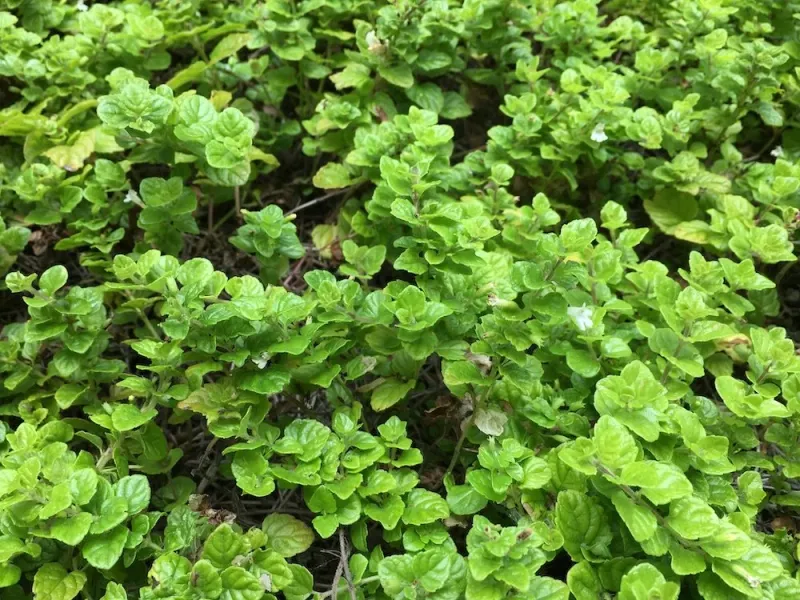
Soft, low, and quietly beautiful, yerba buena is one of the most underappreciated native groundcovers. The name means “good herb” in Spanish, and early settlers used it to make tea.
Today, gardeners value it for its ability to creep gently across shaded slopes and fill in areas where other plants struggle to grow.
Unlike ivy, yerba buena stays thin and close to the ground. It does not build up the thick, dry mat of old stems that makes ivy such a fire risk.
The leaves stay small and green, and the plant rarely grows more than a few inches tall. That low profile keeps fuel loads minimal, which is exactly what fire-safe landscaping requires.
It thrives in partial to full shade and moist, well-drained soil. North-facing slopes or areas under tree canopies are ideal spots.
It does need more water than some other native groundcovers, but it rewards that extra care with dense, attractive coverage that holds soil well.
A faint minty scent rises from the leaves when they are disturbed, making it a pleasure to work around. Small white flowers appear in summer and attract pollinators.
For shaded slopes where fire-safe, low-growing coverage is needed, yerba buena offers a gentle and effective solution that feels right at home in any native garden setting.
5. California Phacelia Spreads Fast On Open Slopes
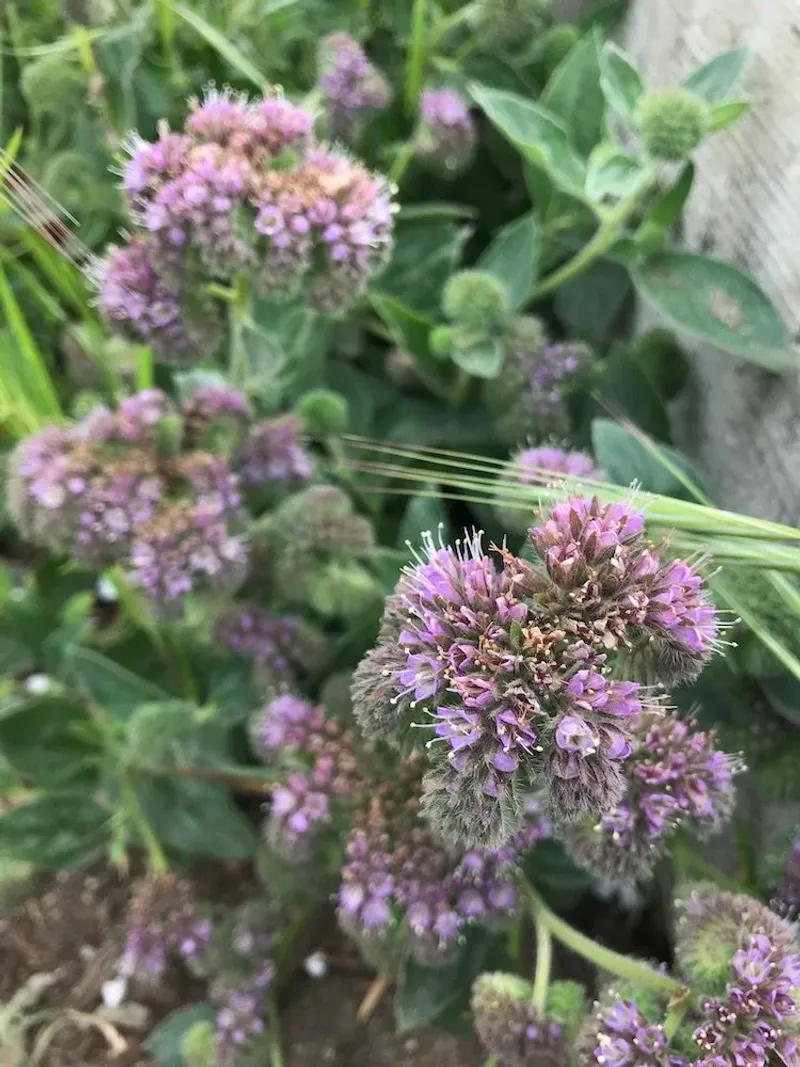
Speed matters when you are trying to stabilize a bare slope after removing ivy. Phacelia is one of the fastest-spreading native plants available for open, sunny hillsides in California.
It germinates quickly from seed, covers ground fast, and puts on a flower show that is hard to beat in late winter and spring.
The flowers are a vivid violet-blue, curling into small clusters that attract native bees in huge numbers.
Gardeners who plant phacelia often notice a dramatic increase in pollinator activity within just a few weeks.
That ecological benefit makes it valuable beyond just its role as an ivy replacement on fire-prone slopes.
Phacelia is an annual, which means it completes its life cycle in one season and drops seeds for the following year.
This self-seeding habit makes it a reliable long-term groundcover when conditions are right.
It prefers full sun and well-drained soil, and it handles drought well once it gets going.
One thing to note is that some people have sensitive skin reactions to the leaves, so gloves are a good idea when handling it.
Despite that minor caution, it remains a top choice for quickly covering disturbed or bare slopes.
Its low, spreading habit, minimal fuel load, and stunning blooms make phacelia one of the most rewarding native groundcovers to grow on any open, sunny hillside.
6. Yarrow Holds Sunny Slopes Without Ivy’s Weight
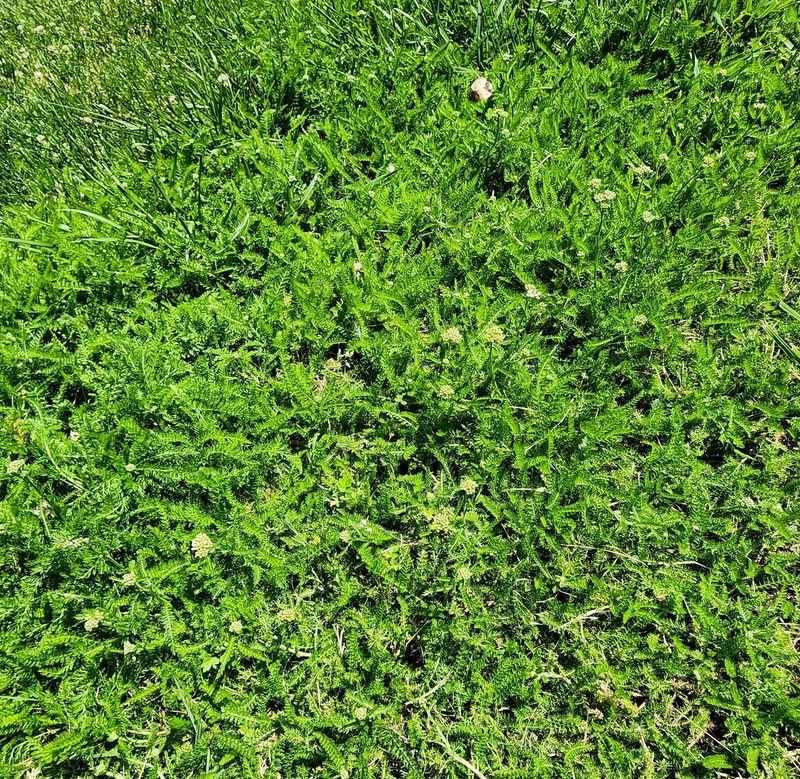
Tough, cheerful, and surprisingly versatile, yarrow has been growing on sunny slopes long before landscaping was even a concept.
It is one of those plants that practically takes care of itself once it gets settled into the right spot.
Flat-topped clusters of flowers in white, yellow, or pink sit above feathery, fern-like leaves that stay green through much of the year.
From a fire-safety standpoint, yarrow offers real advantages over ivy. Its leaves contain more moisture and do not build up a thick layer of withered material at the base.
That means less fuel sitting on your slope when fire weather arrives. It also grows in a more open, airy habit than ivy, which allows air to move through and keeps the plant from drying out too quickly.
Full sun and well-drained soil are all yarrow really needs. It handles poor, rocky soil well and rarely needs fertilizer.
Once established, it spreads slowly by underground rhizomes, filling in gaps without becoming invasive or hard to manage. It is also deer resistant, which is a big plus in areas where deer pressure is high.
Cutting it back after flowering encourages fresh growth and keeps it looking tidy. Native bees, butterflies, and beneficial insects flock to the flowers throughout the blooming season.
For sunny slopes that need a tough, fire-resistant, and wildlife-friendly alternative to ivy, yarrow is a plant that consistently delivers results without demanding much attention.
7. Emerald Carpet Manzanita Works Where Slopes Need Evergreen Cover
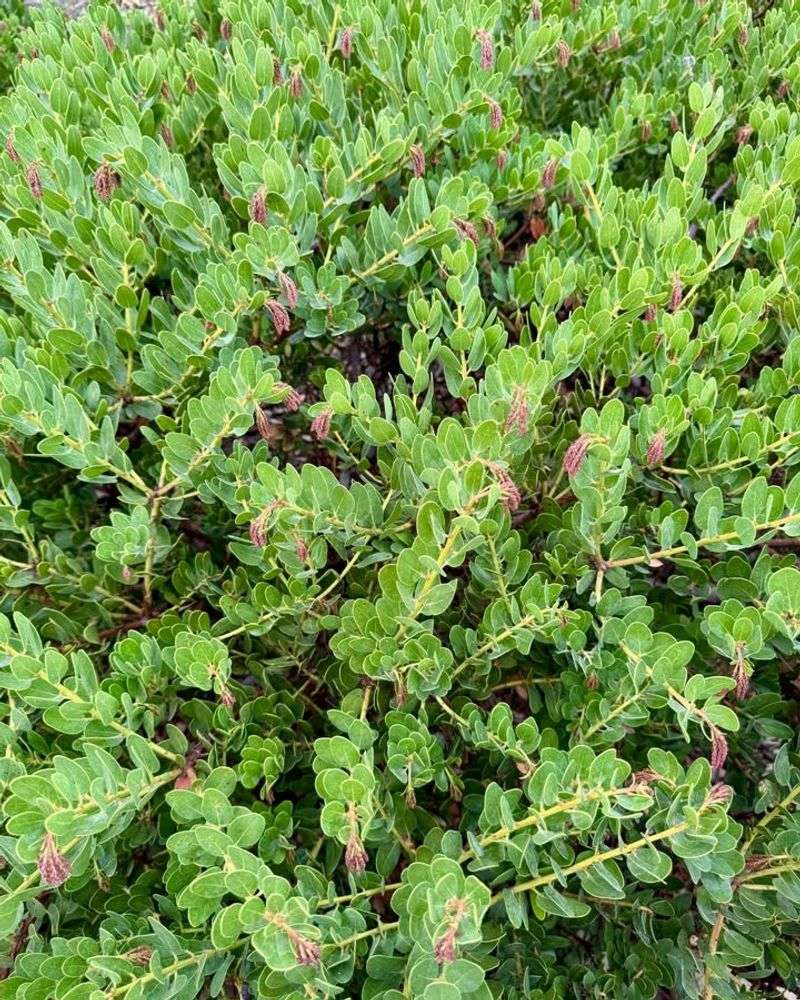
Glossy, green, and built to last, Emerald Carpet manzanita is one of the best evergreen groundcovers available for slopes in California. It stays dense and attractive year-round, never dropping its leaves or going dormant.
That consistent coverage is exactly what a slope needs to hold soil and stay protected through every season.
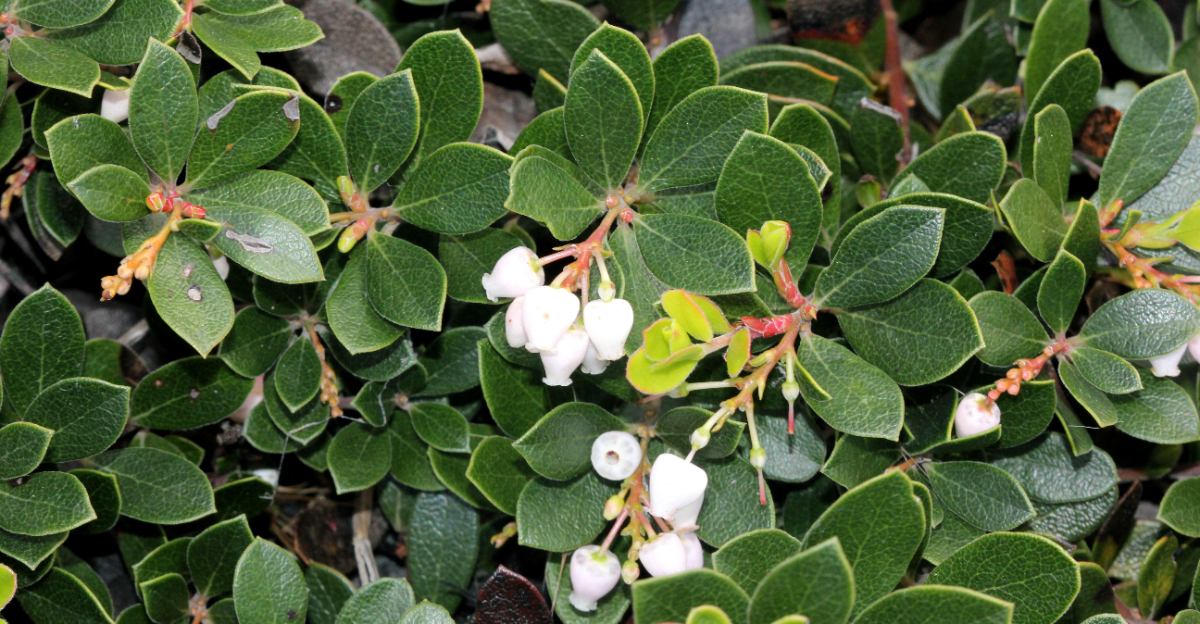
Manzanita in general is well known for its fire-resistance compared to ivy. The leaves are thick and waxy, which slows ignition.
The plant also grows in a tight, low mat rather than building up the kind of dry, tangled thatch that ivy creates over time. Fuel load stays low, which is the key factor in fire-safe landscaping.
Emerald Carpet grows about one foot tall and spreads four to six feet wide. It prefers full sun and excellent drainage.
Planting it on a slope is actually ideal because slopes drain quickly and rarely stay waterlogged. It is drought tolerant once established and needs very little care after the first year.
Small pink and white bell-shaped flowers appear in late winter and early spring, drawing in hummingbirds and native bees. The berries that follow attract birds and other wildlife.
For homeowners who want an evergreen, fire-resistant, and wildlife-supporting groundcover that handles tough slope conditions with ease, Emerald Carpet manzanita is a top-tier choice that rarely disappoints.
8. Dudleya Tucks Into Rocky Slopes With Low Fuel
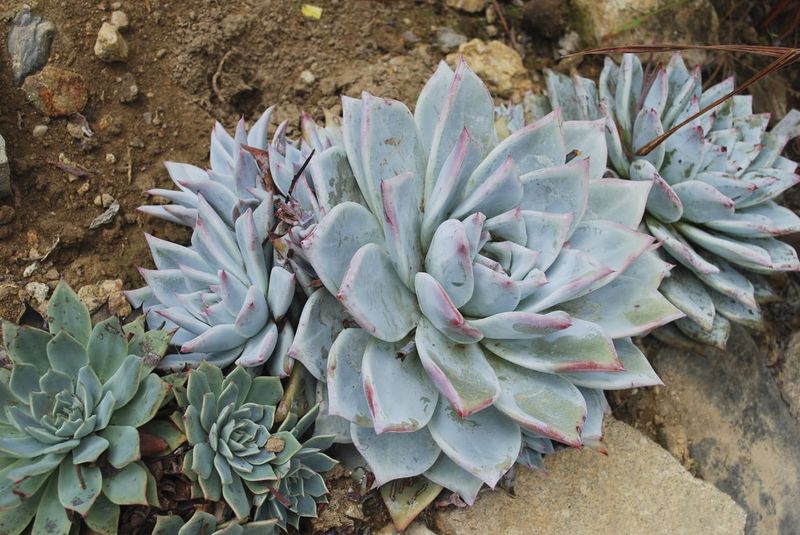
Rocky slopes present a unique challenge. Most groundcovers struggle to get a foothold in thin, dry soil between stones.
Dudleya, however, is practically designed for exactly this situation. These native succulents grow in tight rosettes and tuck themselves into crevices and rocky patches where almost nothing else can survive.
From a fire-safety perspective, dudleya is about as safe as a plant can get. The thick, fleshy leaves are full of water, which makes them extremely difficult to ignite.
Fire researchers have noted that succulent plants like dudleya create almost no meaningful fuel load on a slope. That is a remarkable quality in a region where dry summers turn many landscapes into fire risks.
Dudleya comes in many species, and several are native to California. Most prefer full sun to partial shade and rocky or sandy, well-drained soil.
They are extremely drought tolerant and need almost no supplemental water once established. In fact, overwatering is the most common mistake people make with them.
Tall flower stalks rise from the rosettes in late spring, bearing small tubular flowers in red, orange, or yellow that hummingbirds absolutely love.
Planting dudleya among rocks and boulders creates a naturalistic look that blends seamlessly with the surrounding landscape.
For any rocky slope that needs fire-resistant coverage with almost zero maintenance, dudleya is a uniquely reliable and ecologically valuable choice.