9 Common Mulching Mistakes That Can Ruin Oregon Plants Fast
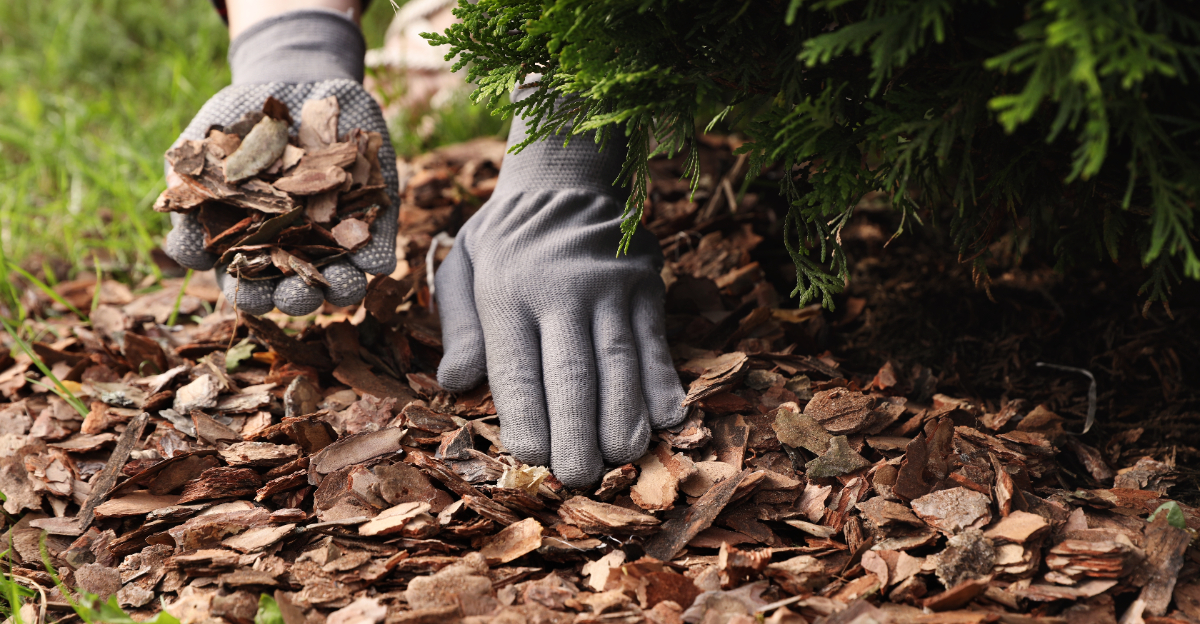
Mulch can be one of the best things you give an Oregon garden, but only when it is used the right way. A fresh layer can help soil hold moisture and keep beds looking neat.
It can also protect roots when summer dry spells arrive. But the wrong mulch habit can stress plants fast.
Too much piled around stems can trap moisture where it does not belong. A layer that is too thick can also keep water from reaching the soil well.
Even the best material can cause trouble when it is placed carelessly. That is what makes mulching a little trickier than it looks.
Before spreading another bag around your shrubs or perennials, it helps to know which mistakes can turn a helpful garden chore into a plant problem.
1. Piling Mulch Against Tree Trunks
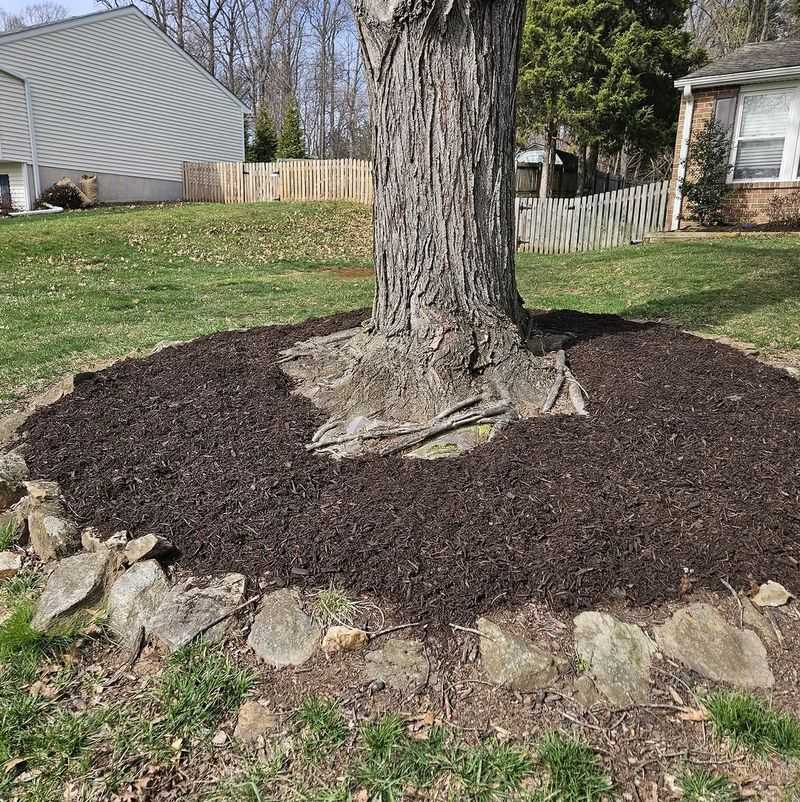
You have probably seen it a hundred times in neighborhoods across Oregon: mulch piled up high against a tree trunk like a little volcano. It looks tidy, but it is actually one of the worst things you can do for a tree.
When mulch stays pressed against the bark for a long time, it traps moisture and creates the perfect environment for rot, fungal growth, and insects to move in.
Tree bark is not designed to stay wet all the time. It needs air and dry conditions to stay healthy.
When mulch covers the base of a trunk, the bark softens and breaks down. That makes it easier for pests and disease to get inside the tree and cause serious damage that is hard to reverse.
The fix is simple and takes just a few minutes. Pull the mulch back so there is at least a two to three inch gap between the mulch and the trunk.
The mulch should spread outward like a donut, not a volcano. Keep the layer about two to four inches deep across the root zone.
This approach lets the roots breathe, holds moisture where it is actually needed, and keeps the trunk dry and safe.
Check on it a few times a year, especially after heavy rain, since mulch has a way of creeping back toward the trunk over time.
2. Burying Plant Crowns Too Deeply
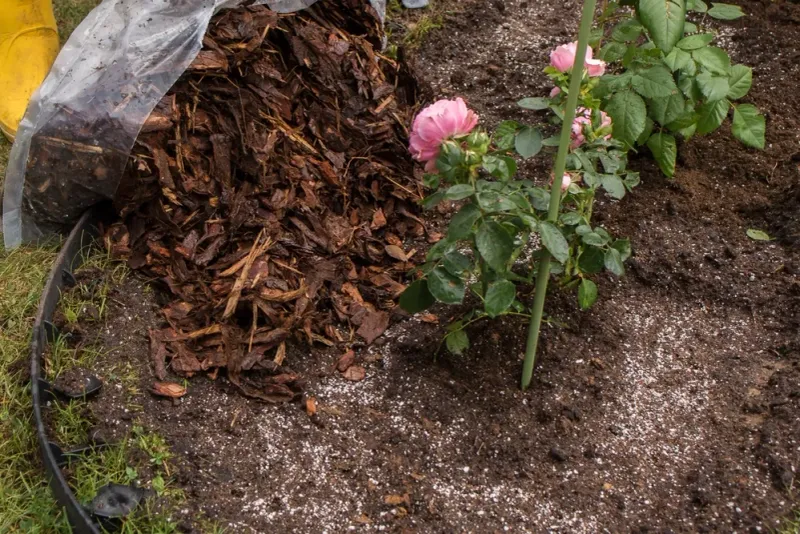
Not every part of a plant is meant to be underground. The crown, which is the spot where the roots meet the stem, needs to stay right at or just above the soil surface.
Cover it with too much mulch, and you are setting up that plant for a slow and serious struggle.
Crown rot is a real problem in Oregon, especially during the wet fall and winter months. When the crown stays damp and buried under mulch, fungi and bacteria move in fast.
You might notice the plant looking limp, yellowing, or just not bouncing back the way it should in spring. By the time you see those signs, the damage is often already done.
Perennials, strawberries, and ornamental grasses are especially vulnerable to this mistake. Before you mulch, take a moment to locate where each plant’s crown sits.
Then apply mulch around the plant, not on top of it. Think of it like giving the plant a wide, shallow ring of mulch that keeps a clear open space right at the base.
A good rule of thumb is to keep mulch at least one inch away from any stem or crown. It seems like a small detail, but it can mean the difference between a plant that thrives and one that barely survives the season.
3. Using Too Much Mulch At Once
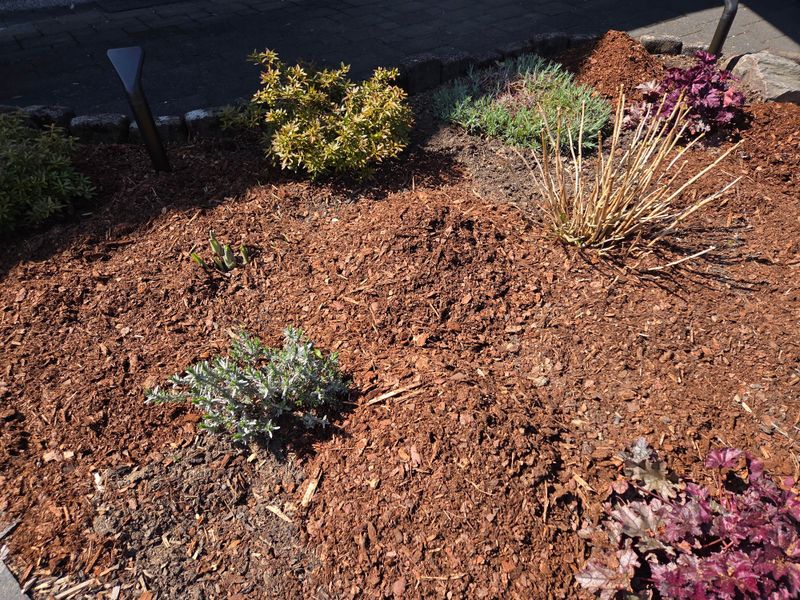
More is not always better, and that is especially true with mulch. A lot of gardeners think that piling on a thick layer will give their plants extra protection.
But going overboard with mulch creates a whole new set of problems that can stress plants out just as much as having no mulch at all.
When mulch is applied too thickly, it blocks water from reaching the soil. Rain hits the top of the mulch and runs off to the sides before it ever soaks down to the roots.
At the same time, a super thick layer holds so much moisture at the surface that it can stay soggy for days, which invites mold, fungus, and pests. Roots may also start growing up into the mulch layer instead of down into the soil, leaving them exposed and vulnerable.
Two to four inches is the sweet spot for most garden beds. For areas with heavy clay soil, which is common in the Willamette Valley and other parts of Oregon, staying closer to two inches is smart.
Fine-textured mulches like sawdust or shredded leaves can even be applied a little thinner since they pack down over time. Always fluff up old mulch before adding new material on top.
A garden fork works great for this. Keeping the depth in check makes a big difference in how well water and air move through the soil.
4. Mulching After The Soil Is Already Bone Dry
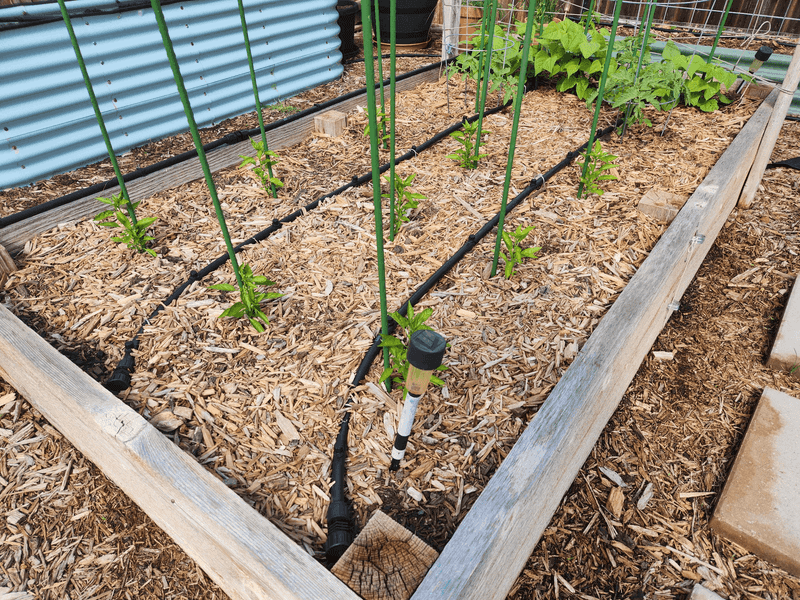
Timing matters a lot when it comes to mulching. One of the most common mistakes gardeners make during the dry Oregon summer is laying down mulch after the soil has already dried out completely.
It seems like a good idea to lock in whatever moisture is left, but mulch actually works best when the soil underneath is already moist.
Dry soil under mulch stays dry. The mulch creates a barrier that slows down evaporation, which sounds helpful, but it also slows down the movement of water into the soil.
When you water a bone-dry bed that is covered with thick mulch, much of that water gets absorbed by the mulch itself and never makes it to the roots. Plants end up sitting in a dry zone even if the surface looks damp.
Before you mulch during a dry stretch, give the area a deep, thorough watering first. Let the water soak in for at least an hour before spreading any mulch.
This way, the soil starts out with a good reserve of moisture, and the mulch can do its real job of keeping that moisture locked in.
The best time to apply or refresh mulch is in late spring, right after the rainy season ends and before the summer heat kicks in.
That timing gives your plants the best possible start heading into the driest months of the year.
5. Using Fine Mulch That Mats Down In Rain
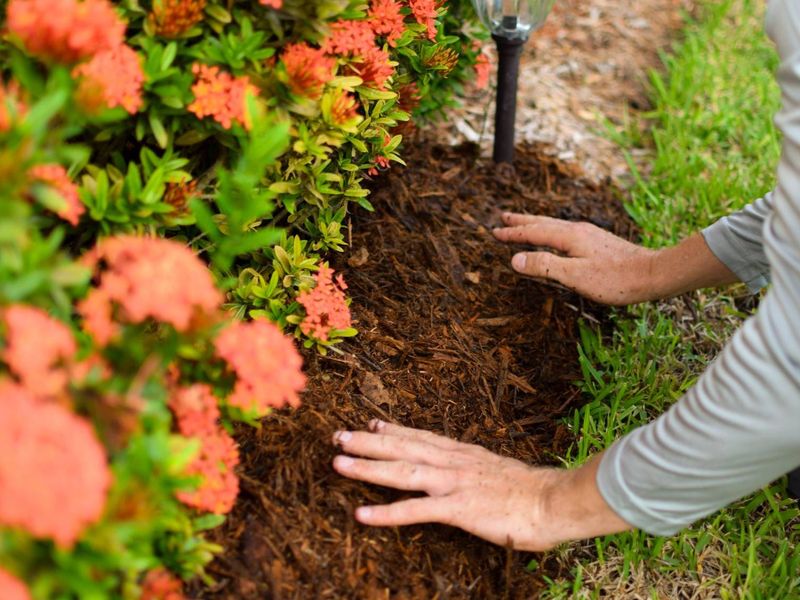
Oregon gets a lot of rain, and that changes how certain mulches behave. Fine-textured mulches like sawdust, grass clippings, and finely shredded wood can seem like a great deal because they are cheap and easy to find.
But once the rain starts, they pack down into a tight, dense mat that water has a hard time getting through.
That matted layer acts almost like a tarp over your soil. Water pools on top, runs off to the sides, or sits on the surface without soaking in.
Meanwhile, the soil underneath can stay dry even after a heavy rainstorm. You end up with a garden that looks watered but actually is not.
Fine mulch mats also cut off airflow to the soil, which is bad news for the beneficial microbes that help keep your plants healthy.
A better choice for wet climates is a coarser mulch, like wood chips, bark nuggets, or chunky composted bark.
These materials have more space between the pieces, which lets water and air move through freely even after they settle.
If you already have fine mulch in your beds, use a rake or garden fork to break it up regularly, especially after long rainy stretches. Mixing in some coarser material can also help improve drainage and airflow.
Choosing the right mulch texture for your local climate is one of the easiest upgrades you can make to your gardening routine.
6. Letting Mulch Touch Woody Stems
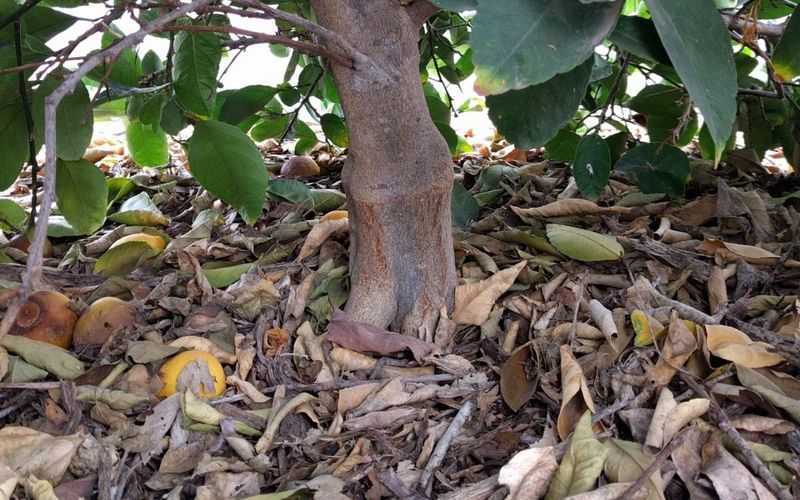
Woody stems on shrubs, roses, and small trees are tougher than soft green stems, but they are not invincible. Keeping mulch piled against them for weeks or months creates a warm, moist zone that breaks down the outer bark over time.
Once that protective layer is compromised, the plant becomes an easy target for fungal infections and boring insects.
Roses are a perfect example of a plant that suffers from this mistake. Gardeners often mulch roses heavily to protect them through winter, which is a great idea in theory.
But if the mulch is touching the canes, those canes can start to rot right where the mulch meets the stem. By spring, what looked like a protected plant turns out to be a struggling one with damaged wood at the base.
The solution is to pull mulch back from all woody stems, just like you would for tree trunks. A gap of two to three inches is usually enough to let air circulate and keep the stem dry.
You can still pile mulch generously around the plant for insulation and weed control, just make sure none of it is in direct contact with the wood. After storms or heavy rain, check your beds and push any mulch back into place.
It is a quick habit that protects your plants through every season without much extra effort on your part.
7. Creating Slug Habitat Around Tender Plants
Slugs are a fact of life for gardeners in Oregon. The wet climate creates near-perfect conditions for them, and they are surprisingly good at finding tender young plants.
What many gardeners do not realize is that the way they mulch can either invite slugs in or make the garden less attractive to them.
Thick, damp mulch right up against seedlings and low-growing plants gives slugs exactly what they want: a cool, moist hiding spot during the day and easy access to food at night. Hostas, lettuce, basil, and strawberries are especially popular targets.
If you have ever gone out in the morning to find your seedlings shredded overnight, slugs hiding in nearby mulch are often the reason.
A few smart habits can reduce slug pressure without giving up the benefits of mulching. First, keep mulch thinner and drier around slug-prone plants.
Second, pull mulch back a few inches from the base of vulnerable seedlings. Third, consider using coarser mulch materials like bark chips that do not stay as wet as fine mulch.
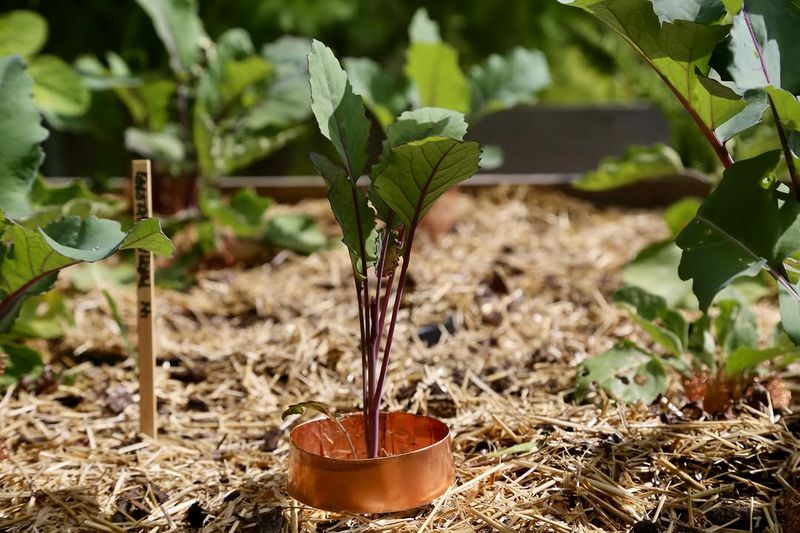
Copper tape around raised beds or containers can also deter slugs from crossing into the growing area. Sprinkling diatomaceous earth around tender plants adds another layer of protection.
Checking your garden in the evening with a flashlight lets you catch slugs in action and remove them before they do too much damage. Small adjustments to your mulching habits can make a real difference.
8. Forgetting To Refresh Mulch Before Summer Heat
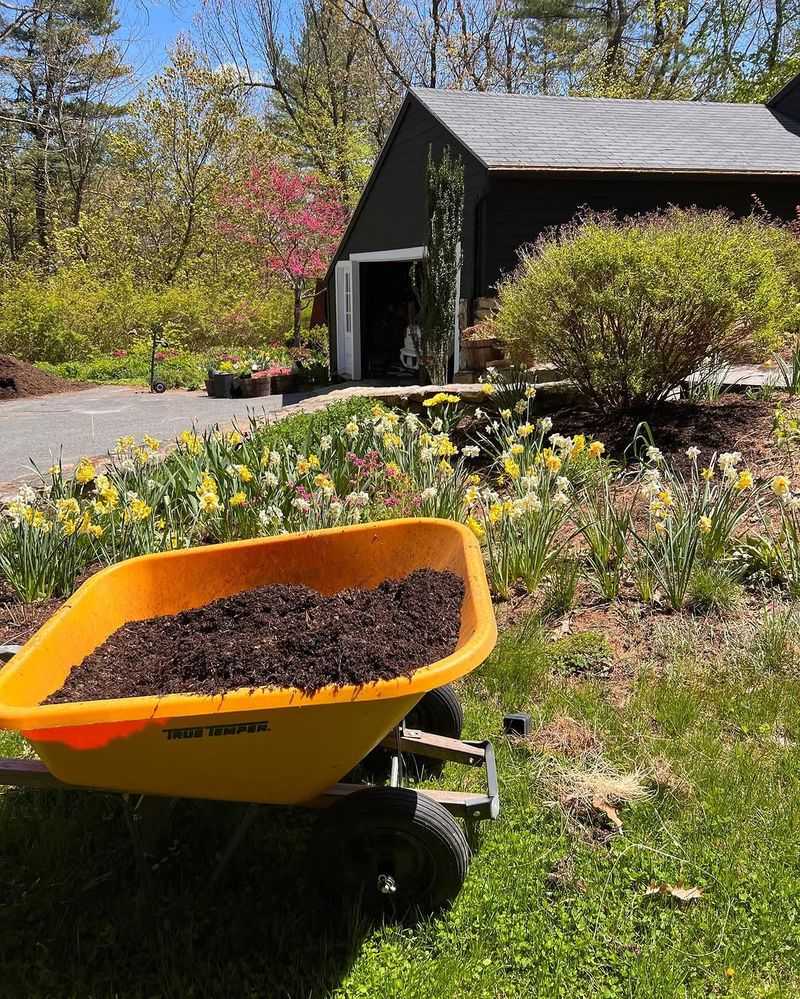
Mulch does not last forever. Over the course of a wet Oregon winter, bark and wood chip mulch breaks down, compacts, and thins out.
By the time the warm, dry summer arrives, that protective layer may be too thin to do much good. A lot of gardeners forget to check on their mulch in spring, and their plants end up paying for it during the hottest months.
Old, broken-down mulch still has value as organic matter, but it does not insulate the soil or hold moisture the way fresh mulch does. When the summer sun hits thin, patchy mulch, the soil heats up fast and dries out quickly.
That puts stress on plant roots, especially for shallow-rooted perennials and newly planted shrubs that have not had time to establish deep root systems yet.
Late spring is the ideal time to refresh your mulch in Oregon. Wait until the soil has warmed up a bit and the heavy rains have slowed down, usually sometime in May.
Rake back the old mulch, add compost to the soil if needed, then top up the layer with two to three inches of fresh material. Do not remove the old mulch entirely since it has already started breaking down into the soil and adding nutrients.
Just top it off to bring the depth back up. A little refresh in spring sets your garden up for a much stronger and more comfortable summer season.
9. Using Mulch As A Substitute For Watering
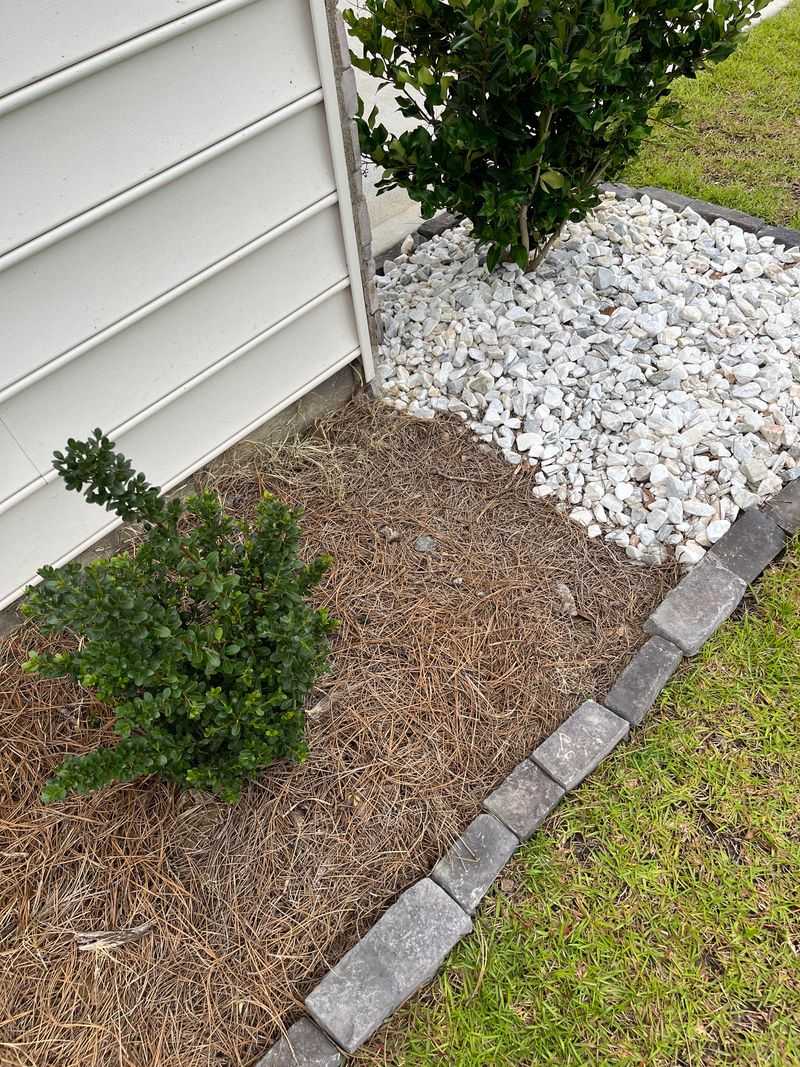
Mulch is a great tool for conserving water, but it is not a replacement for actually watering your plants. Some gardeners get the idea that once mulch is down, they can water a lot less or even skip it during dry spells.
That thinking can lead to serious trouble, especially during the long, dry summers Oregon is known for.
Even with a good mulch layer in place, the soil underneath still loses moisture over time. Plants with active root systems pull water out of the soil constantly.
On hot days, that moisture gets used up fast. Mulch slows down evaporation, which is genuinely helpful, but it cannot create water out of thin air.
If you go too long without watering, roots will start to struggle no matter how thick your mulch is.
A simple way to check if your plants need water is to push your finger two inches into the soil under the mulch. If it feels dry at that depth, it is time to water.
Do not judge by the surface of the mulch alone since it can look and feel dry on top while the soil below is still okay.
Deep, infrequent watering is better than shallow, frequent watering because it encourages roots to grow down deeper into the soil.
Mulch and regular watering work best as a team. Use them together, and your garden will stay healthy and productive even through the driest stretches of the Pacific Northwest summer.