Why California Container Plants Dry Out Twice As Fast Once July Hits
July in California has a way of humbling even the most experienced container gardeners.
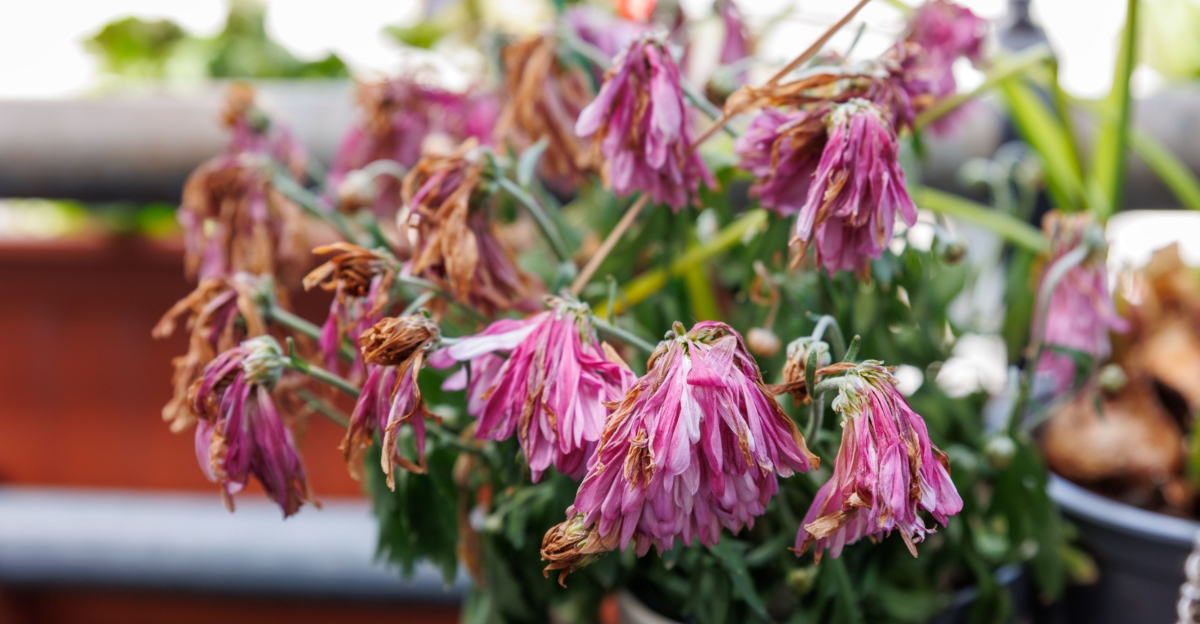
You water in the evening, everything looks great, and then you step outside the next morning to find your pots already looking stressed before the day has even really started.
Sound familiar? Container plants have a fundamental disadvantage during California summers that in-ground plants simply do not face.
Whatever moisture fits inside that pot is all the plant has access to, and one seriously hot afternoon can drain a small container almost completely.
The rate at which pots dry out depends on a whole mix of factors, pot size, material, sun exposure, plant type, and your specific corner of California.
But the general rule of thumb holds up pretty well: summer heat makes container watering a much more urgent and frequent job than most people expect going in.
1. Small Pots Hold Less Moisture
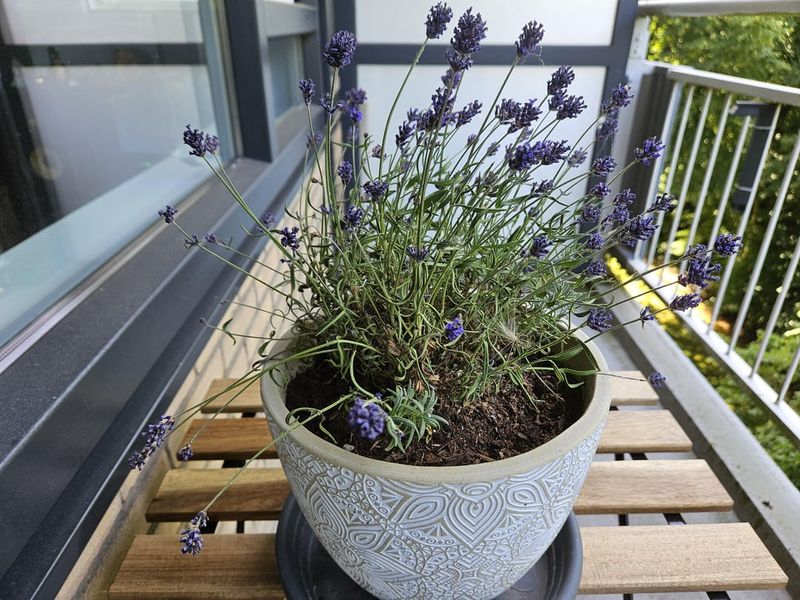
A four-inch pot sitting in the July sun may look perfectly fine at breakfast and completely parched by early afternoon.
The math is straightforward: smaller containers hold less potting mix, and less potting mix means less stored moisture for roots to draw from throughout the day.
When the temperature climbs in California, that limited reserve disappears faster than most gardeners expect.
Compact herb pots, succulent dishes, and small annual planters are especially vulnerable because their root zones have almost no buffer against heat.
A large container with several gallons of potting mix stays moist longer simply because there is more material holding water.
Upgrading to a larger pot is one of the most reliable ways to reduce how often you need to water during California summers.
Checking soil moisture by pressing a finger about an inch into the mix gives a much more accurate picture than going by schedule alone. During hot July stretches in inland California areas, small pots may genuinely need water twice a day.
Grouping small containers together in a slightly shaded spot during peak afternoon hours can also slow moisture loss without sacrificing too much sunlight for the plants.
2. Full Sun Heats Containers Quickly
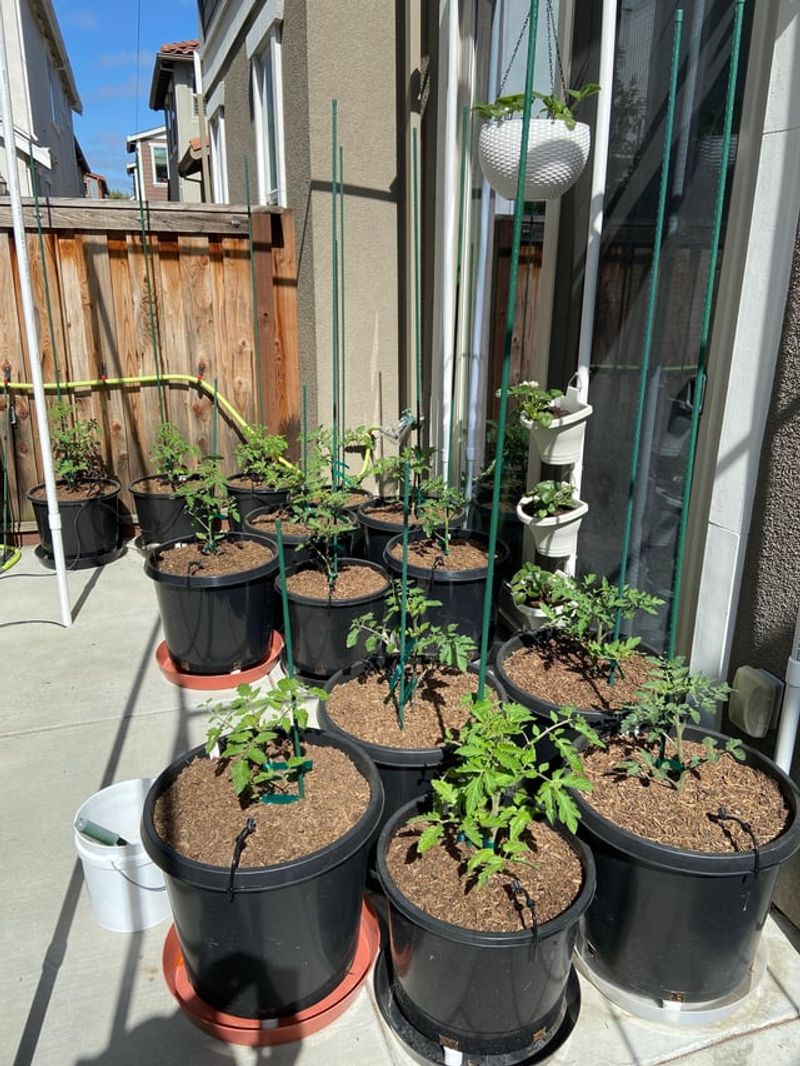
July sun in California hits with a kind of intensity that catches even experienced gardeners off guard.
When a pot sits in full sun from morning through late afternoon, the potting mix inside absorbs heat steadily, and that warmth speeds up moisture evaporation from the soil surface and through the leaves at the same time.
The result is a container that feels warm to the touch and dries out far sooner than one in partial shade.
Full-sun exposure is often unavoidable for plants like tomatoes, peppers, and many flowering annuals that need six or more hours of direct light to perform well.
The challenge in California is that full sun in July often means intense, unfiltered heat rather than just bright light.
Moving containers to a spot that gets morning sun but afternoon shade can make a meaningful difference in how quickly they dry out.
Gardeners in hot inland California valleys may find that even shade cloth stretched over a patio helps reduce soil temperature inside containers.
Your California Garden Changes Every Week. Your Plan Should Too.
Gardening in California changes quickly throughout the season. Every Friday you’ll receive a simple weekly plan showing exactly what to plant, prune, fertilize, harvest, and protect so you never miss the right timing.
Monitoring moisture more frequently during heat waves rather than sticking to a fixed watering schedule helps prevent stress before it becomes visible.
Consistent attention during July pays off in healthier, more productive container plants throughout the rest of summer.
3. Dark Pots Absorb More Heat
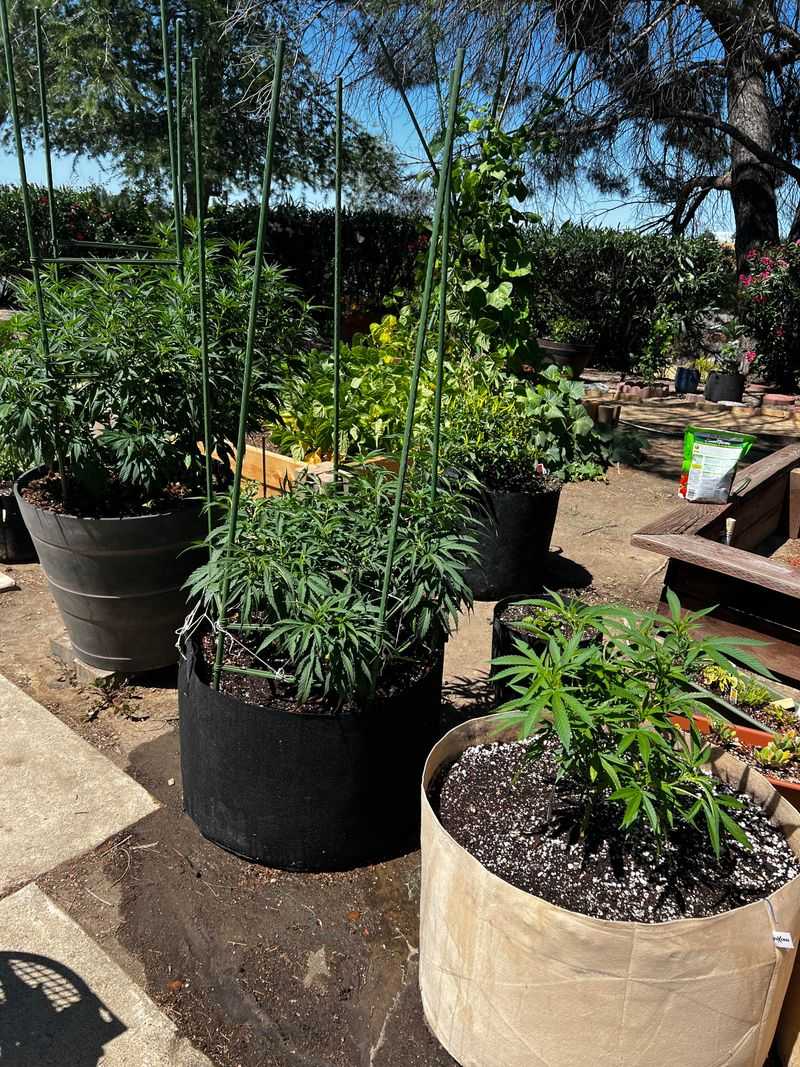
Reaching down to touch a black plastic pot on a California patio in July can feel like touching a skillet.
Dark-colored containers absorb significantly more solar radiation than light-colored ones, and that absorbed heat transfers directly into the potting mix surrounding the roots.
Warmer soil loses moisture faster, which means plants in dark pots may need water noticeably sooner than the same plant in a white or terracotta pot nearby.
Many standard nursery pots are black or dark green, which works fine during cooler months but becomes a real consideration once July temperatures arrive.
Root zones that overheat can also stress the plant itself, making it harder for roots to absorb water efficiently even when moisture is present.
Switching to a lighter-colored outer pot, or slipping a dark nursery pot inside a larger pale container, can meaningfully reduce heat absorption.
Painting dark pots with light-colored exterior paint or wrapping them in burlap are low-cost options some California gardeners use during summer months.
Placing dark pots where they receive afternoon shade rather than direct western sun also reduces heat buildup.
Even small adjustments to pot color and placement can add up to noticeably less frequent watering and healthier roots through the hottest part of California summer.
4. Clay And Fabric Pots Dry Faster
Unglazed terracotta pots have a natural porosity that makes them beautiful and breathable, but that same quality means moisture escapes through the walls as well as from the soil surface.
On a warm California July day, a terracotta pot can lose moisture from every direction at once, through the drainage hole, through evaporation at the top, and through the porous clay sides.
Gardeners who love the classic look of clay pots often find themselves watering more frequently once summer arrives.
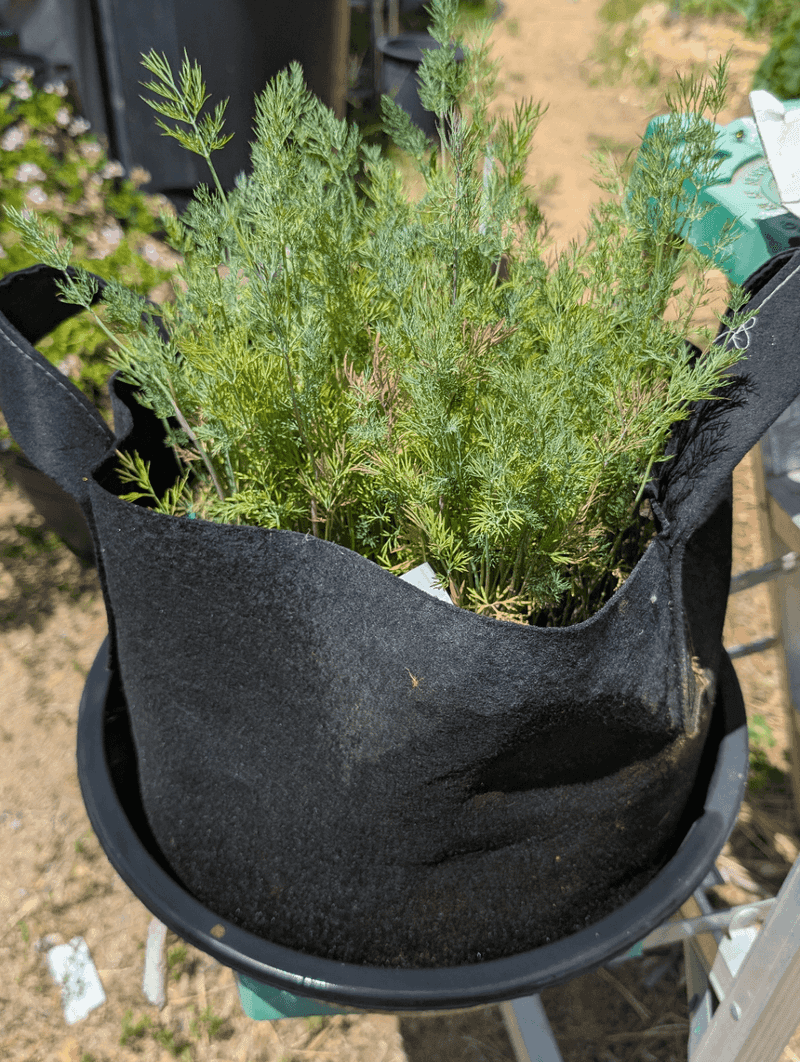
Fabric grow bags work on a similar principle. Their breathable sides allow air to reach the root zone, which encourages healthy root structure, but that airflow also accelerates moisture loss.
In California, where July air is typically dry and warm, fabric containers can go from adequately moist to quite dry in a surprisingly short window of time.
Lining the inside of a terracotta pot with plastic sheeting, leaving the drainage hole open, can slow moisture loss through the walls without sacrificing drainage. For fabric bags, placing a saucer underneath can help retain a small amount of extra moisture at the base.
Being realistic about how quickly these containers dry out, especially during hot or breezy California days, helps gardeners build a watering routine that keeps plants comfortable rather than stressed.
5. Wind Pulls Moisture From Leaves
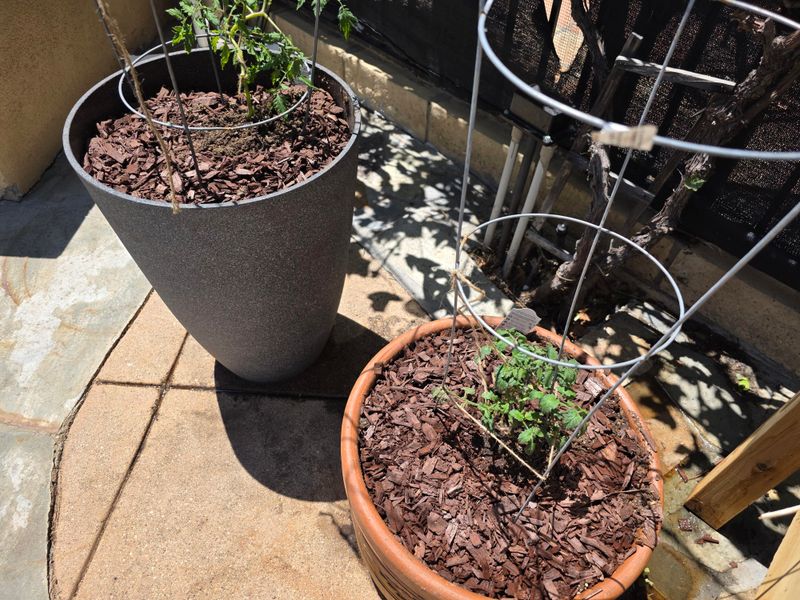
Coastal California gardeners often celebrate the afternoon breeze that rolls in off the Pacific and cools things down, but that same wind is quietly pulling moisture out of every leaf on the balcony.
Plants lose water through their leaves through a process called transpiration, and wind speeds up that process considerably.
On a breezy July afternoon, a container plant may be losing moisture from its leaves faster than its roots can replace it, even if the potting mix still feels slightly damp.
Inland California areas are not immune either, since hot dry winds, sometimes called Diablo or Santa Ana winds depending on the season and region, can create rapid moisture loss that catches gardeners off guard.
Even moderate wind speeds increase the rate at which both leaves and soil surface lose moisture.
Hanging baskets and rooftop containers tend to be especially exposed to wind from multiple directions, compounding the drying effect.
Creating windbreaks using taller plants, trellises, or fence panels can reduce the impact of steady afternoon breezes on container gardens. Grouping pots together also provides some mutual shelter.
Checking soil moisture after windy periods rather than relying on a fixed schedule is a reliable habit to develop during California summers, since a single breezy afternoon can change moisture levels dramatically.
6. Radiant Heat From Patios Makes It Worse
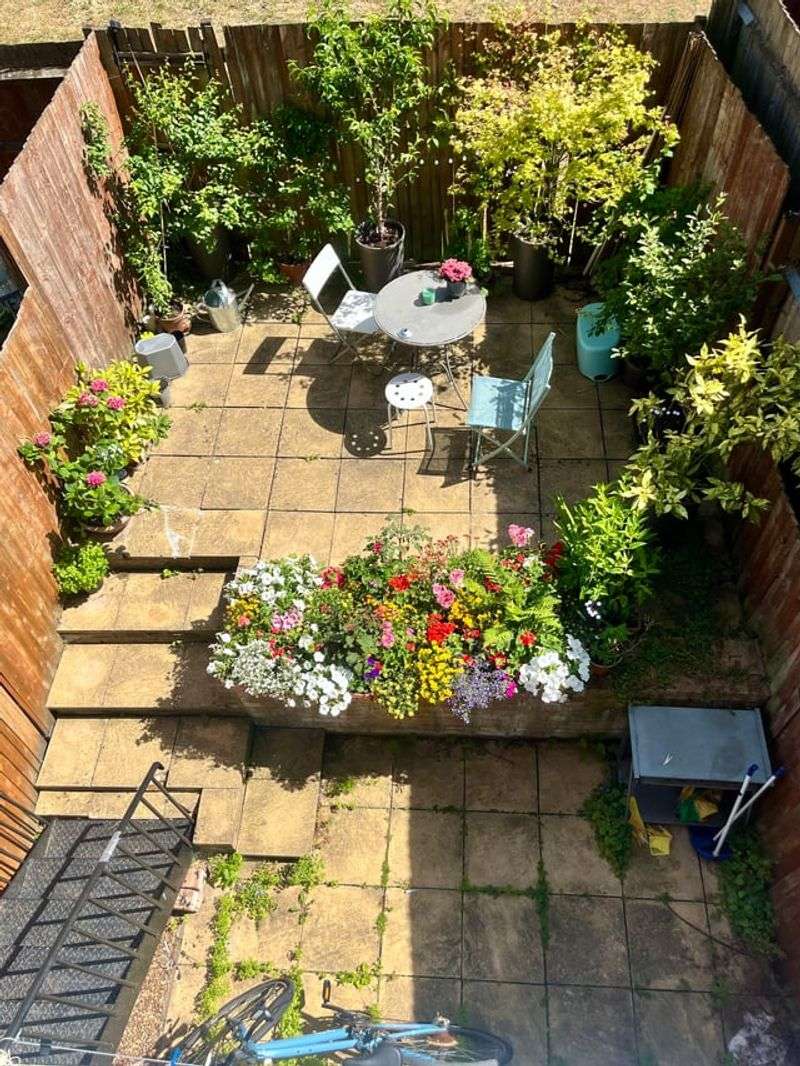
Concrete, tile, and brick patios in California absorb an enormous amount of heat throughout the day, and by early afternoon they are radiating that stored warmth back upward into everything sitting on them.
Container plants resting directly on a hot patio surface receive heat from above through the sun and from below through the patio itself, creating a two-sided heat source that accelerates drying in ways that gardeners do not always anticipate.
Surface temperatures on a dark concrete patio in California can reach well above the air temperature on a clear July day. That means the bottom of a pot sitting on that surface may be exposed to intense heat even if the pot itself is in partial shade.
Roots near the bottom of the container feel the effects of that ground-level heat, and warm roots lose moisture to the surrounding soil more quickly.
Elevating pots on wooden risers, pot feet, or even a simple wooden pallet creates an air gap between the container and the hot patio surface. This small adjustment can make a noticeable difference in how quickly the potting mix dries out.
Light-colored patio rugs or deck tiles placed under containers are another option some California gardeners use to reduce the radiant heat reaching their pots during the hottest July afternoons.
7. Root Zones Overheat In Direct Sun
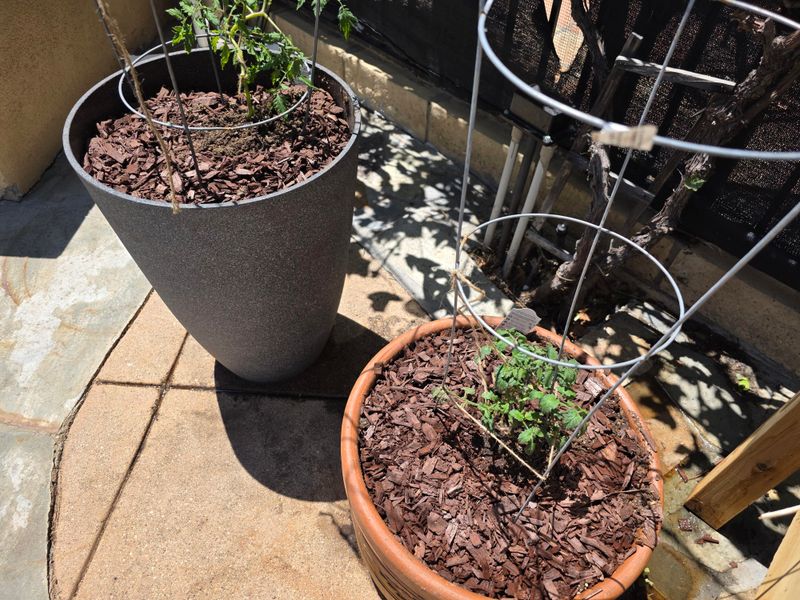
Roots are not designed to handle the kind of heat that builds up inside a small container sitting in direct July sun.
Most vegetable and ornamental plant roots prefer soil temperatures in a moderate range, and when temperatures inside a container climb significantly above that, roots can struggle to function properly.
In California, where summer sun is intense and consistent, container root zones can overheat in ways that in-ground gardens rarely experience.
When roots overheat, they become less efficient at taking up water, which creates a confusing situation where the plant appears stressed even if the potting mix has some moisture remaining.
Gardeners may water more in response, but if the root zone is too warm, the plant cannot use that water effectively.
Watching for wilting in the morning, before the heat of the day, can help distinguish between actual water shortage and root stress from heat.
Protecting the sides of containers from direct afternoon sun is one of the most effective ways to keep root zones at a manageable temperature.
Wrapping pots in light-colored fabric, placing them inside larger decorative containers with an air gap, or positioning them against a cool north-facing wall in the afternoon are all practical strategies.
California gardeners in hot inland areas especially benefit from thinking about root temperature, not just air temperature, when planning their summer container setups.
8. Potting Mix Can Turn Hard To Rewet
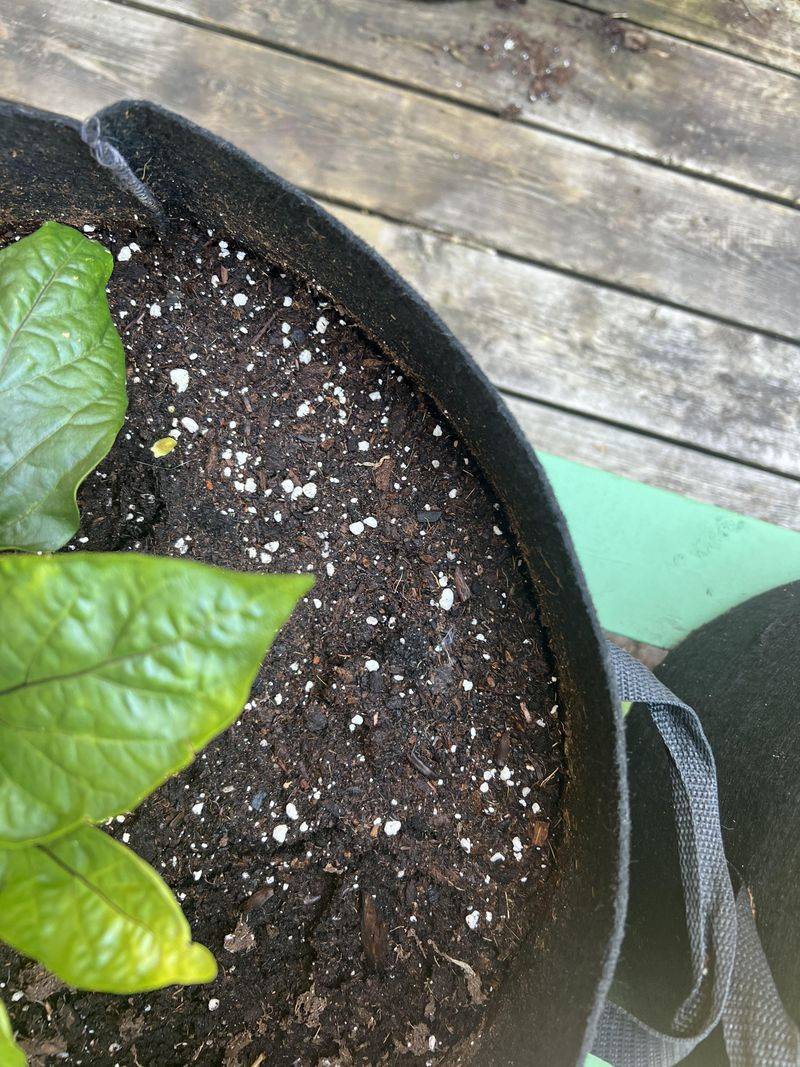
Peat-based potting mixes, which make up the majority of bagged potting soil sold in California garden centers, can become hydrophobic when they dry out completely.
Hydrophobic means water-repelling, and once potting mix reaches this state, water poured on the surface tends to run down the sides of the pot and out the drainage hole without actually wetting the root zone.
A gardener may think they have watered thoroughly when most of the water never reached the roots at all.
This behavior is especially common in July when containers dry out more quickly and are more likely to reach that bone-dry state between waterings.
Spotting the problem is fairly straightforward: if water pools briefly on the soil surface and then drains almost immediately without the mix darkening evenly, the potting mix may have become hydrophobic.
Sticking a finger into the mix an inch or two down often reveals dry material even after watering.
The most reliable fix is slow watering, using a gentle trickle rather than a fast pour, giving the mix time to gradually reabsorb moisture. Setting the pot in a basin of water and allowing it to soak from the bottom for 20 to 30 minutes can fully rewet a hydrophobic mix.
Some California gardeners add a small amount of wetting agent to their potting mix at the start of the season to reduce the risk of this problem developing during summer heat.
9. Fast Growth Uses More Water
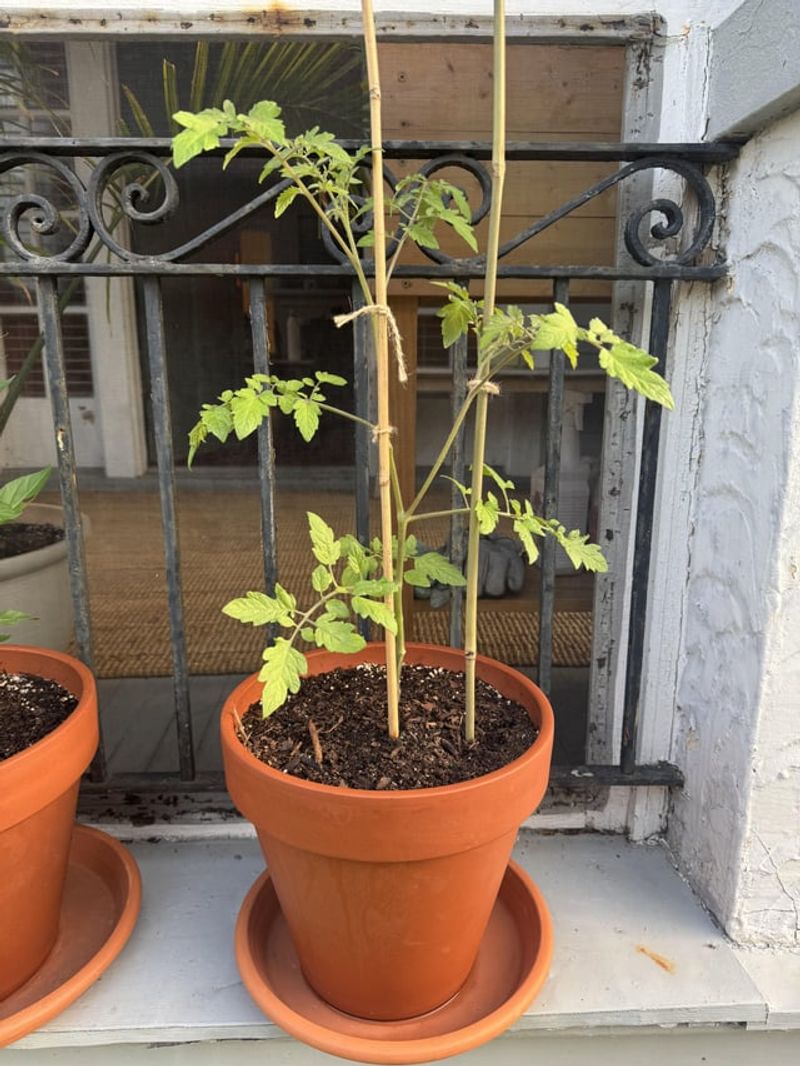
July is peak growing season for many California container plants, especially warm-season vegetables like tomatoes, peppers, squash, and basil.
Plants that are actively producing flowers, setting fruit, and pushing out new foliage are consuming water at a much higher rate than they were in spring.
The same pot that needed watering every two or three days in May may genuinely need daily attention by mid-July simply because the plant inside has grown so much larger and more active.
Larger plants have more leaf surface area, which means more transpiration and more water moving through the plant every hour.
A tomato plant with a full canopy of leaves on a warm California afternoon is essentially running a small pump, pulling moisture from the potting mix and releasing it into the air continuously.
Gardeners who keep the same watering schedule from spring through summer often find their plants struggling once July growth kicks into high gear.
Matching watering frequency to the plant’s actual growth stage rather than the calendar is a more responsive approach.
Checking moisture in the morning and again in the afternoon during periods of rapid growth helps catch dry conditions before the plant shows stress.
Adding a layer of mulch or shredded bark on top of the potting mix can also slow evaporation and help the container hold onto moisture a little longer during California’s busiest growing weeks.
10. Missed Morning Watering Shows Up Fast
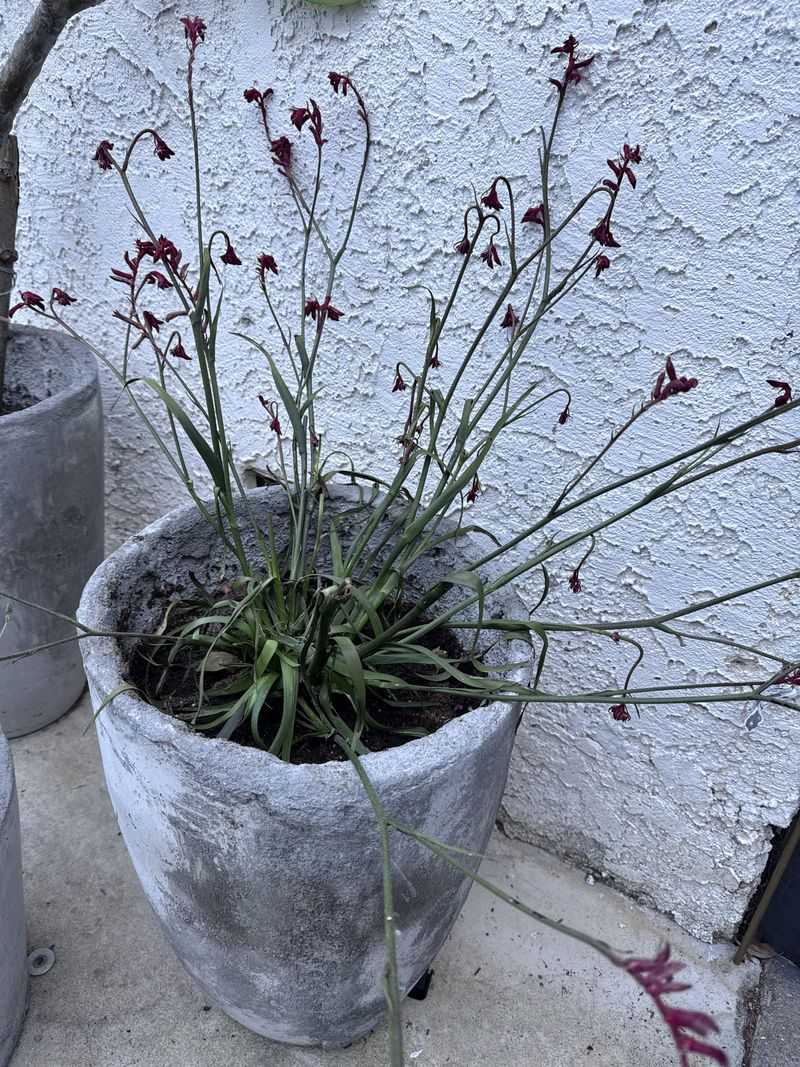
Skipping the morning watering on a hot July day in California is one of those small decisions that tends to show up as a big problem by early afternoon.
Morning is the most valuable time to water container plants during summer because it gives moisture a chance to move through the potting mix and reach the roots before the heat of the day pushes evaporation rates up.
Containers that start the day already low on moisture have very little buffer once temperatures climb.
By midday, a container that missed its morning water may already be showing stress signals: slightly cupped leaves, dull color instead of a healthy sheen, or stems that look less upright than usual.
These early signs are easy to miss if you are not looking for them, and by the time leaves are visibly drooping, the plant has been working hard to compensate for a while.
Catching stress early makes recovery much quicker.
Building a consistent morning watering habit during California summers is genuinely one of the most effective container gardening practices available.
Watering in the morning also reduces the risk of fungal issues compared to evening watering, since foliage dries out during the day.
On especially hot days, a second check in the late afternoon, particularly for small pots, hanging baskets, and fast-growing vegetables, helps catch any containers that need a top-up before the overnight hours.