The Firewise Landscaping Mistakes California Gardeners Should Avoid In July
July in California means fire season is not a distant concern anymore. It is here, it is real, and the combination of dry heat, low humidity, and seasonal winds creates conditions where things can escalate faster than most people expect.
Here is something worth understanding though: firewise landscaping is not about tracking down a magic list of so-called fireproof plants and considering the job done.
No such list exists, and that framing can actually give homeowners a false sense of security.
What actually makes a difference is reducing combustible material around your home, spacing plants thoughtfully, keeping dry debris cleared, and making smart decisions about mulch, pruning, and vine growth.
Small landscaping choices made right now, in July, during the driest and most vulnerable stretch of the California year, can have a genuinely meaningful impact when it matters most.
1. Leaving Combustible Mulch Near The House
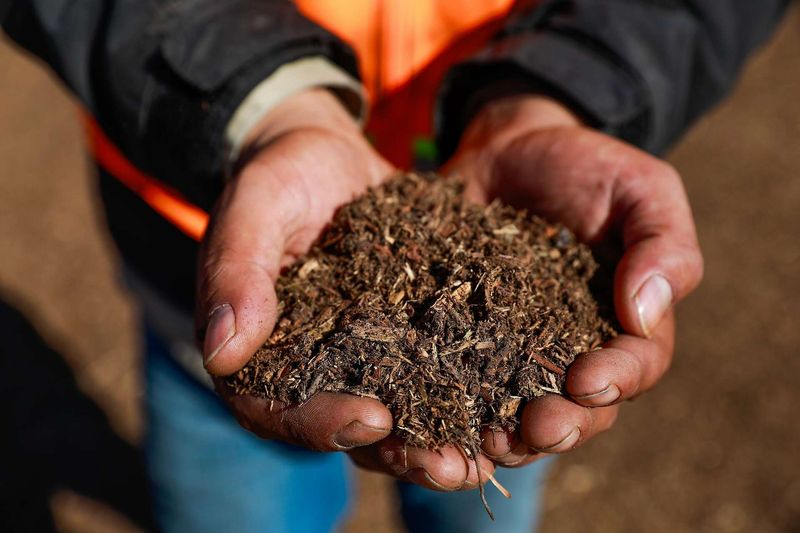
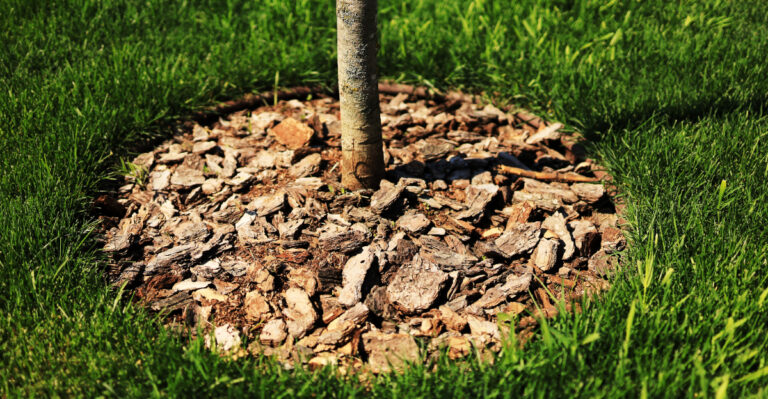
Wood chip mulch might look tidy and feel like a smart choice for conserving moisture, but placing it right against your home’s foundation is one of the riskier landscaping habits California gardeners repeat every summer.
In July, that mulch dries out fast, and dry organic material near a structure creates an easy path for embers to ignite.
The first zero to five feet around your home is often called the ember-resistant zone, and what you put there matters more than most people realize. Noncombustible materials like decomposed granite, gravel, or river rock are much safer choices within this zone.
They do not feed a flame the way wood chips or shredded bark can.
If you already have wood mulch installed close to your house, now is a good time to pull it back or replace it. Even a few inches of separation can reduce risk.
Keeping mulch at least five feet from siding, fences, and wooden decks is a reasonable step that many California fire-safe landscaping guides recommend. Check your foundation beds this month and swap out combustible ground covers wherever you can.
2. Letting Dry Leaves Collect In Beds
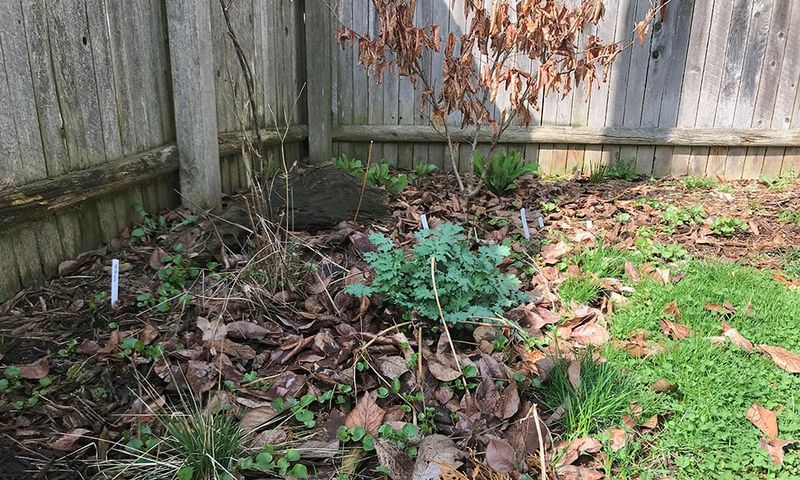
Leaf litter has a way of sneaking up on you. One week the garden looks fine, and the next there is a thick layer of dry, crinkled leaves collecting in the corners of your beds, under shrubs, and along the fence line.
In a California July, that buildup is not just unsightly. It is a ready-made fuel source sitting close to your home.
Dry leaves ignite quickly and burn hot. When wind-driven embers land in a pile of leaf litter tucked against a wooden fence or near a vent, the results can escalate fast.
Regular cleanup is one of the simplest and most effective ways to lower fire risk in a home landscape.
Make it a habit to clear leaf debris from garden beds at least once a week during peak fire season. Pay extra attention to spots where leaves collect naturally, like corners, under overhanging plants, and along pathways.
Bag the debris and remove it from the property rather than letting it sit in a pile. Keeping beds clean and clear of dry organic material is one of the most consistent recommendations across California firewise landscaping programs.
Your California Garden Changes Every Week. Your Plan Should Too.
Gardening in California changes quickly throughout the season. Every Friday you’ll receive a simple weekly plan showing exactly what to plant, prune, fertilize, harvest, and protect so you never miss the right timing.
3. Planting Too Densely Near Structures
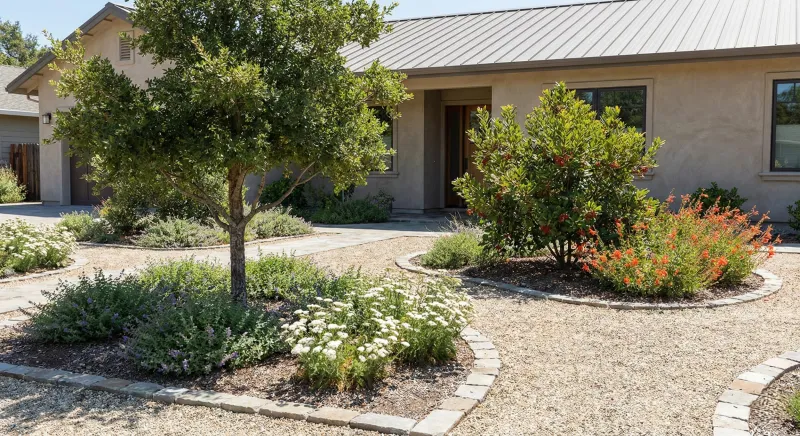
Crowded planting beds look lush in spring, but by July they can become a serious concern in fire-prone parts of California. When plants grow tightly together without enough space between them, fire has an easier time moving from one plant to the next.
This is sometimes called a fire ladder or fuel continuity, and it is something homeowners often overlook when designing ornamental borders near their homes.
Proper spacing slows the spread of fire by interrupting the path flames can travel. In zones closest to structures, plants should be spaced so their canopies do not touch each other.
Leaving open soil, gravel, or hardscape between plant groupings helps break up that fuel continuity.
Thinning out overgrown beds in July may feel counterintuitive when plants are already stressed by heat, but removing a few crowded specimens or cutting back overgrown shrubs can meaningfully reduce risk.
Focus on the areas within about 30 feet of your home first.
California’s defensible space guidelines suggest keeping plants well separated in Zone 1, and paying close attention to spacing near fences, decks, and exterior walls is a practical place to start.
4. Ignoring The First Five Feet Around The Home
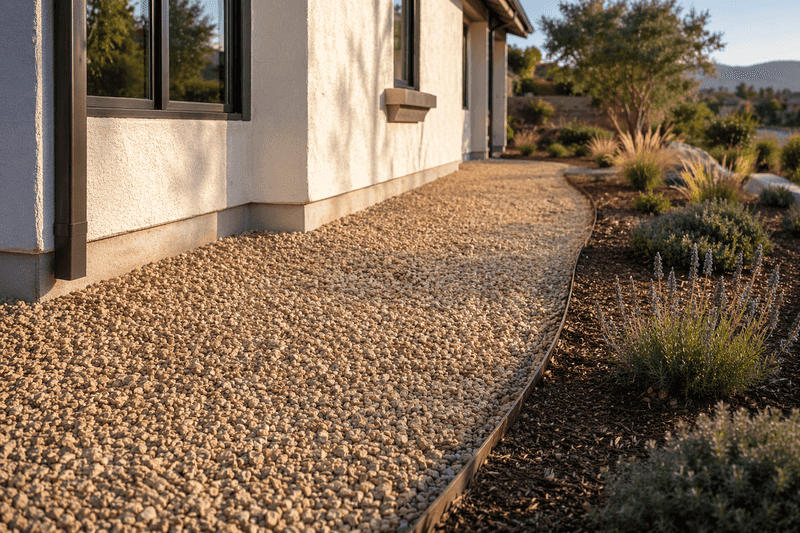
Walk around your house right now and look at what is growing, sitting, or leaning within five feet of your exterior walls.
For many California homeowners, that zone is where pots accumulate, plants creep close to siding, old mulch piles up, and forgotten debris collects.
That narrow band of space is actually one of the most critical areas to manage during fire season.
Embers carried by wind can travel surprising distances and land in that first zone before anything else.
Dry plant material, wood chip mulch, stored items, and combustible groundcover within that zone can catch and sustain a flame long enough to threaten the structure itself.
Keeping that area as clean and noncombustible as possible is a core principle of California firewise landscaping.
Swap out plants close to siding with low-growing, well-irrigated, and well-spaced options rather than dense or dry ones. Remove any stored items, pots of dry soil, or wood debris from that zone before fire season peaks.
Gravel, pavers, or bare soil are much safer surface options within five feet of your home. Small adjustments in this zone can have an outsized effect on how well your home handles ember exposure.
5. Letting Shrubs Grow Under Tree Branches
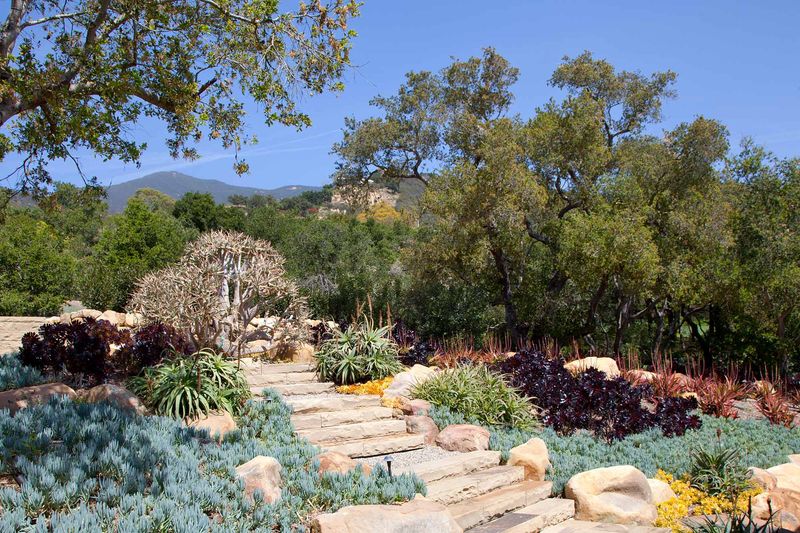
One of the more common fire-risk setups in California yards is a shrub that has grown tall enough to touch or nearly reach the branches of a tree above it.
This creates what fire-safe landscapers call a vertical fuel ladder, where flames can climb from low-growing plants up into a tree canopy much more easily than they could otherwise.
In July, both the shrubs and the lower branches of trees are often at their driest. Removing shrubs from directly beneath tree canopies, or at minimum keeping their height well below the lowest tree branches, helps interrupt that vertical path.
A general suggestion is to keep the lower branches of trees pruned up to about six feet from the ground, which reduces the chance of a surface fire reaching the canopy.
Maintaining horizontal and vertical separation between plants is one of the foundational ideas behind defensible space in California. Shrubs that looked fine under a tree last fall may have grown significantly by midsummer.
Take a fresh look at your yard this July and identify any spots where plants are stacking vertically in ways that could allow fire to move upward. Addressing these situations now is a practical step.
6. Skipping Summer Pruning And Cleanup
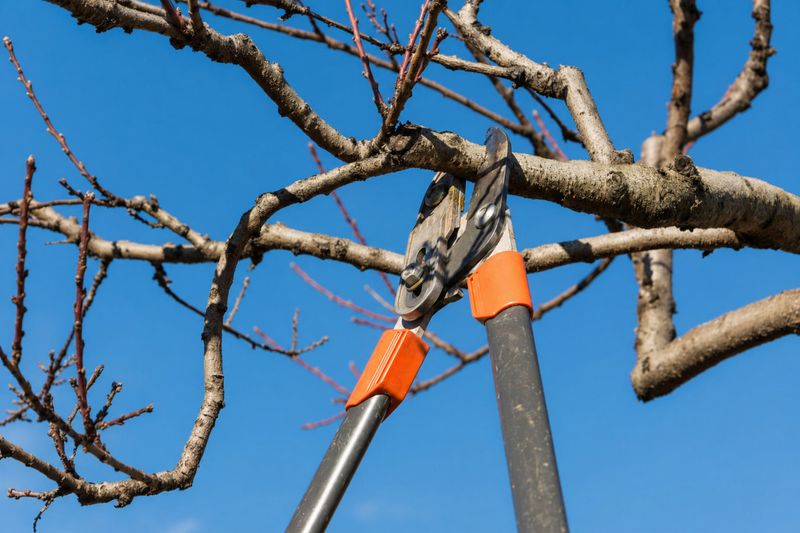
Pruning often feels like a spring task, and many California gardeners set down their tools once summer arrives. But skipping summer pruning and cleanup leaves a growing amount of dry, spent material in the landscape right when fire risk is climbing.
Brittle branches, finished flower stalks, and dried-out stems are among the most ignitable materials in any yard.
July is a good month to walk through your planted areas and remove woody growth that has stopped producing, cut back plants that have finished blooming, and clear any dried stems from the base of shrubs.
Pay particular attention to ornamental grasses, which can become very dry and combustible by midsummer.
Cutting them back or at least removing the driest outer blades reduces their fire potential significantly.
It is worth noting that pruning during summer heat should be done thoughtfully to avoid stressing plants further. Focus on removing dry and spent material rather than heavy shaping cuts that expose fresh wood to intense sun.
Bag and remove debris promptly rather than leaving it in piles. Regular light maintenance throughout fire season is far more effective than a single cleanup in fall.
Keeping California home landscapes tidy through summer is one of the most consistent and practical firewise recommendations available.
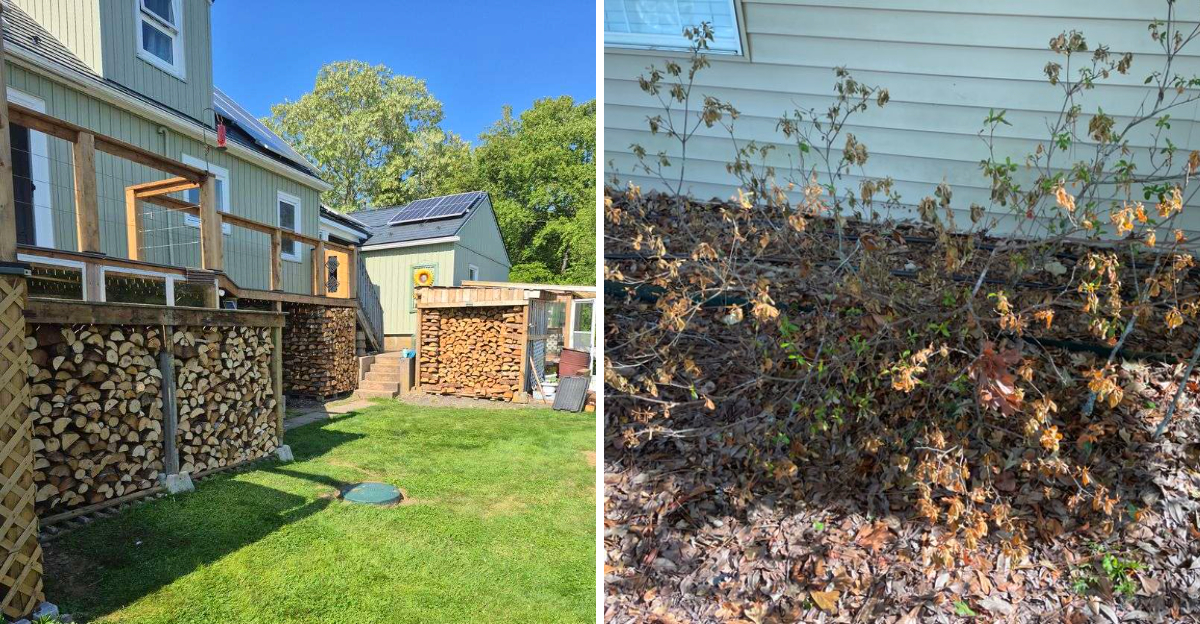
7. Keeping Wood Piles Too Close To Buildings
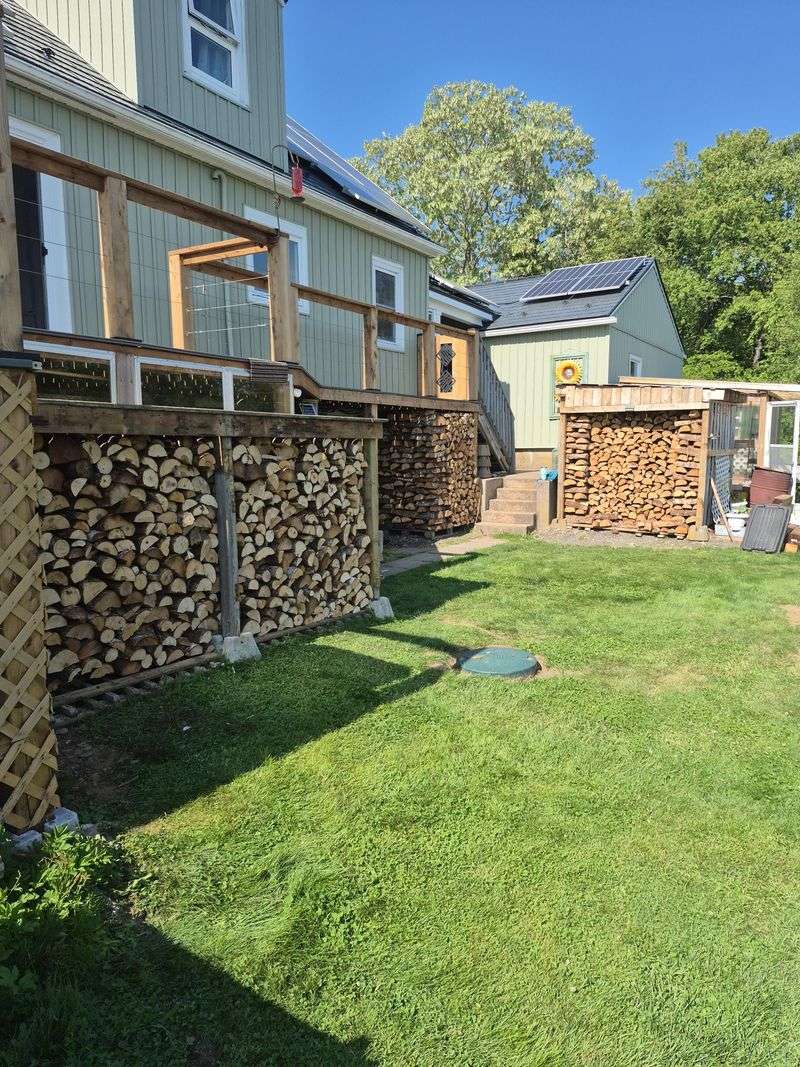
Firewood is a common sight in California yards, but where you store it matters enormously during fire season. A wood pile stacked against a house wall or close to a wooden fence is a concentrated mass of dry, combustible material sitting right where you least want it.
Even a small ember landing on or near a wood pile can start a fire that quickly spreads to the structure itself.
The recommendation from fire-safe landscaping sources is to store firewood at least 30 feet from any structure and away from fences and outbuildings when possible.
If 30 feet is not realistic on your property, moving the pile as far from the house as you can manage is still a meaningful improvement.
Storing wood off the ground on a rack also helps reduce moisture and contact with soil, and it makes the pile less hospitable to pests as a bonus.
In July, many California homeowners are not thinking about firewood because they are not using it. That is actually the best time to relocate a wood pile, since there is no immediate need to keep it close.
Taking an hour to move stored wood farther from your home is a simple, low-cost action that reduces one of the more obvious fire risks in a residential landscape.
8. Using Thirsty Or Stressed Plants As Firewise Plants
Some California gardeners assume that any plant with a reputation for being low-maintenance or drought-tolerant will automatically work well in a firewise landscape.
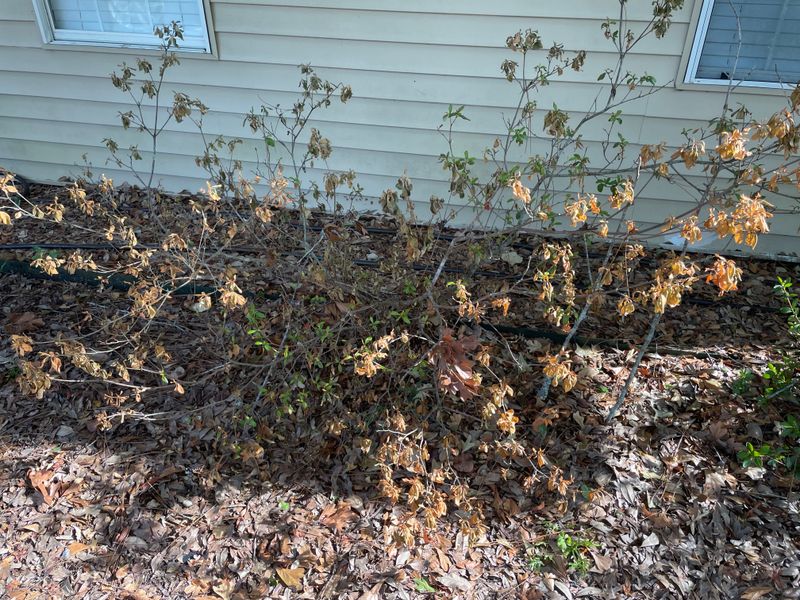
But a plant that is struggling, stressed, or severely under-watered by July can actually increase fire risk rather than reduce it.
Drought-stressed plants often drop leaves, develop dry stems, and accumulate spent material faster than healthy ones.
A plant that is not getting enough water becomes drier internally and on the surface, which makes it more combustible. Thirsty plants also tend to look scraggly, with brown tips and dried-out sections that add to the fuel load in a bed.
Keeping plants adequately watered, even modestly, helps maintain some moisture in the leaves and stems and keeps dry material from building up as quickly.
This does not mean overwatering, which creates its own problems in California’s dry summer climate. It means selecting plants appropriate for your site and making sure they are receiving enough irrigation to stay healthy rather than stressed.
A well-maintained, properly irrigated plant is generally a safer plant than one left to struggle through July.
Checking your irrigation system for coverage gaps and adjusting schedules as temperatures climb is a worthwhile step during fire season.
9. Forgetting That Drought-Tolerant Does Not Mean Fireproof
Drought-tolerant plants have earned a strong reputation in California gardens, and for good reason. They use less water, suit the climate well, and support local ecosystems.
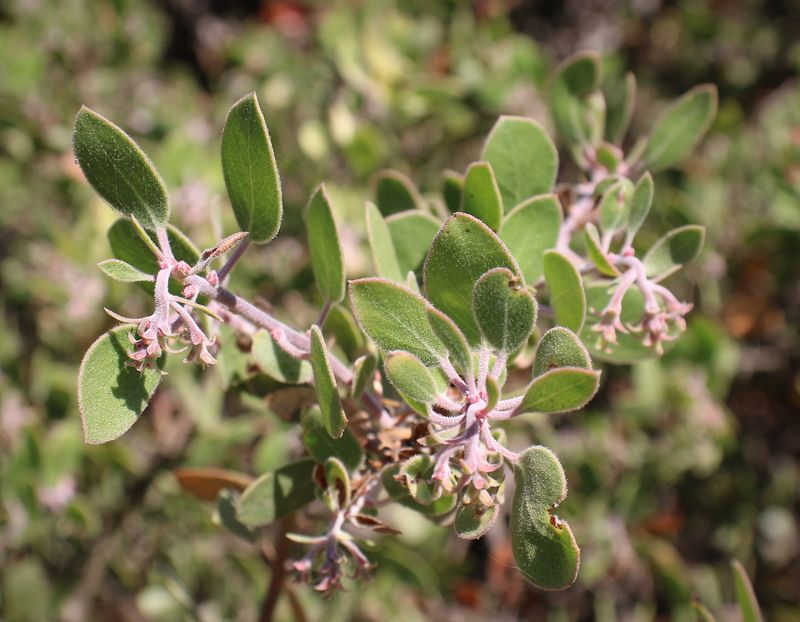
But a common misconception is that drought-tolerant automatically means fire-safe. In reality, many drought-tolerant plants, including some popular California natives, contain oils, resins, or dry woody stems that burn readily under the right conditions.
Plants like rosemary, lavender, manzanita, and ceanothus are widely used in California landscapes and are genuinely drought-tolerant.
However, they can also carry significant fire risk when they are overgrown, unpruned, or loaded with dry interior wood that has stopped producing.
Their fire behavior depends heavily on how they are maintained, where they are planted, and how much spent woody material has accumulated inside the plant’s canopy.
The key takeaway for July is that no plant is fireproof. Every plant in your landscape needs to be evaluated based on its placement, spacing, maintenance, and current condition rather than just its water needs.
Drought-tolerant plants placed close to structures, left unpruned for years, or allowed to accumulate dry interior material can present real risk.
Choosing lower-growing, less resinous options near the home and keeping all plants well maintained remains the most reliable approach in California’s fire-prone summer landscape.