These Yard Conditions Make North Carolina Properties A Regular Hunting Ground For Hawks
Hawks do not choose hunting territory randomly. Every time a red-tailed hawk or Cooper’s hawk keeps returning to the same North Carolina property, it is responding to a specific set of conditions that make that yard reliably productive for hunting.
Open sightlines, particular prey activity at ground level, perch availability at the right heights, and the way certain plants create concentrated movement corridors all factor into whether a hawk treats a yard as a dependable food source or passes over it.
North Carolina’s varied landscapes support high hawk populations across most of the state, but certain yards draw consistent hunting activity while neighboring properties with similar footprints get almost no attention at all.
The difference almost always comes down to identifiable and specific yard conditions.
1. Bird Feeders That Bring Many Small Birds Together
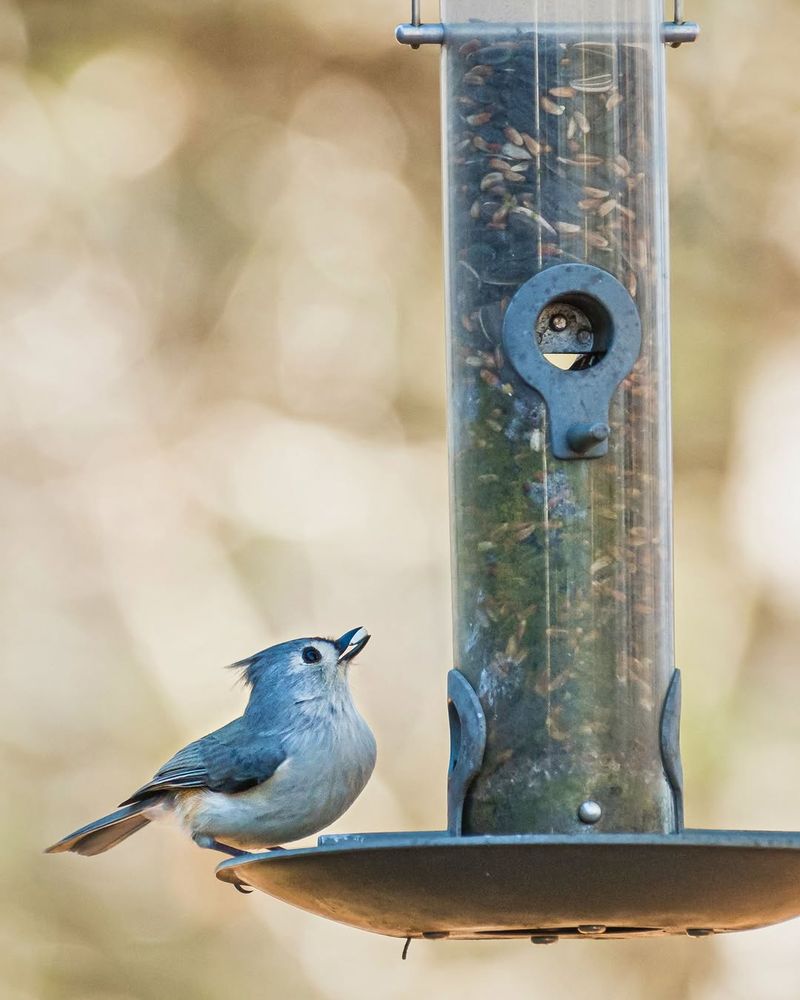
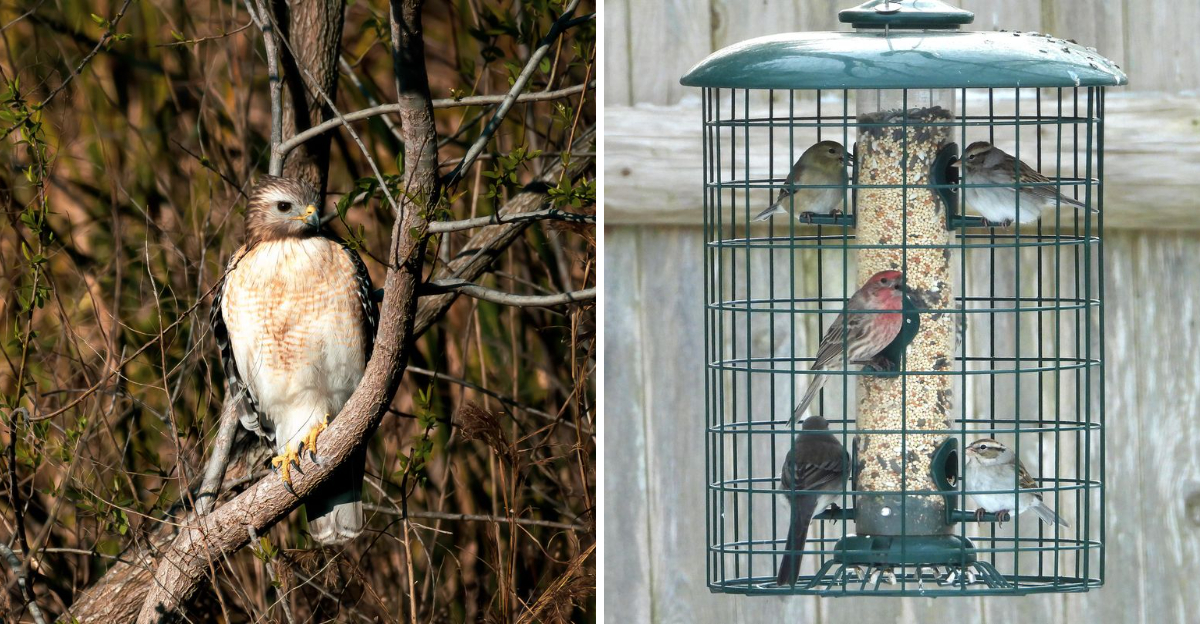
A busy bird feeder is one of the most common reasons hawks show up in North Carolina backyards. Hawks are not interested in seeds at all.
What grabs their attention is the steady crowd of small birds that gathers around feeders every single day.
When dozens of sparrows, finches, and chickadees flock to one spot on a regular schedule, that predictable activity becomes very easy to notice from above or from a nearby perch.
Homeowners who love feeding birds do not need to stop entirely. A few smart adjustments can help reduce hawk pressure around the feeder area.
Moving feeders to a different spot every few weeks can break up the pattern that hawks learn to follow. Placing feeders near dense shrubs or thick bushes gives small birds a fast escape route if a hawk swoops in.
Keeping feeders clean also matters more than most people realize. Leftover hulls and old seed can build up under the feeder and attract even more birds and small mammals, which only adds to the activity level.
A seed tray underneath the feeder can catch fallen seed and make cleanup much easier. Small changes like these go a long way toward balancing your love of birds with a safer yard setup.
2. Tall Trees That Give Hawks A Clear Perch
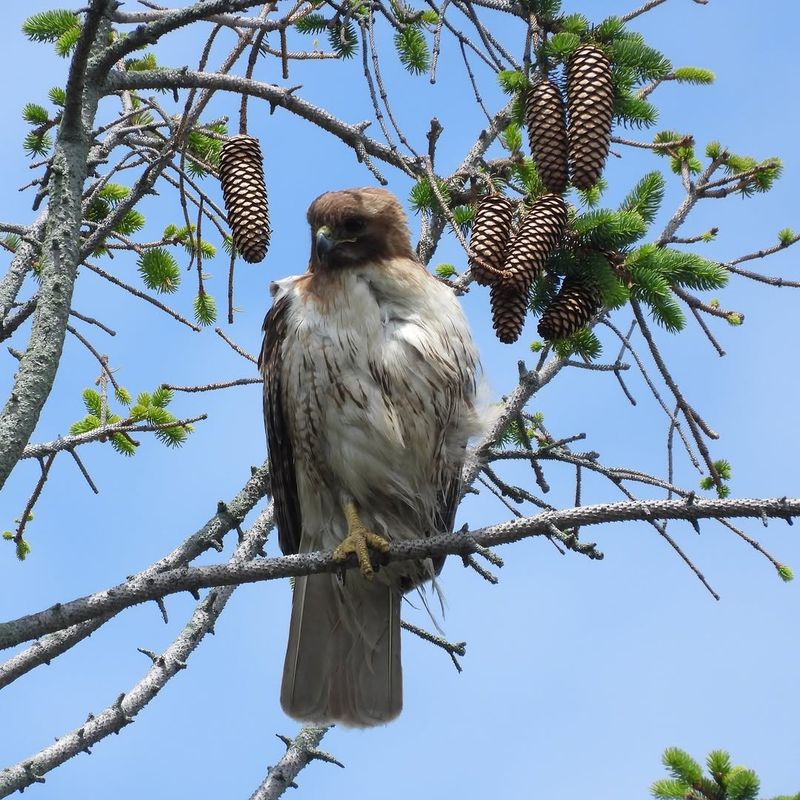
Tall trees are one of the biggest reasons hawks feel comfortable on a property. From a high branch, a hawk can see the entire yard without any effort at all.
Open lawns, fence lines, garden areas, and active feeders all come into clear view from the top of a mature pine or oak tree. Hawks are patient hunters, and a good perch is everything to them.
North Carolina is full of mature tree canopies, especially in older neighborhoods and rural properties. Homeowners should know that tall trees are genuinely valuable for wildlife, shade, and the overall health of a yard.
Removing healthy trees is not the right answer. Instead, being aware of which trees overlook the most active parts of your yard can help you understand why hawks keep showing up in the same spot.
If a hawk uses the same tree branch repeatedly, that is a sign the location offers an excellent view of regular animal movement below.
Your North Carolina Garden Changes Every Week. Your Plan Should Too.
Gardening in North Carolina changes quickly throughout the season. Every Friday you’ll receive a simple weekly plan showing exactly what to plant, prune, fertilize, harvest, and protect so you never miss the right timing.
You can reduce that appeal by shifting feeder locations, adding more shrubs for ground-level cover, or simply cleaning up areas that attract clusters of small animals.
Tall trees are a permanent and beautiful part of any North Carolina landscape, and working around them smartly is the best approach.
3. Open Lawns With Easy Visibility
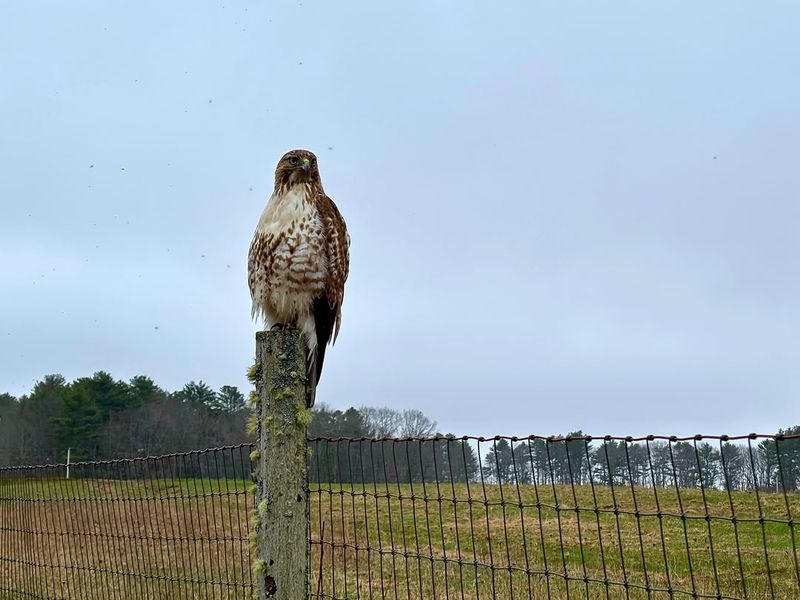
Wide open lawns are like a welcome mat for hawks. Short, well-mowed turf gives hawks an almost perfect view of anything moving across the ground.
Mice, voles, small birds, and even large insects become easy to spot when there is nothing tall or dense to hide behind. North Carolina homeowners with large, open grass areas may notice hawk activity more often simply because of this visibility factor.
Open lawns are not a problem on their own. Plenty of families enjoy a clean, open backyard for play, gardening, and relaxing.
The issue comes when the open space also has a lot of regular animal activity happening right out in the open. Hawks notice patterns, and a lawn where something is always moving becomes a reliable hunting spot worth checking every day.
One practical way to reduce this effect is to add some structure to the yard without giving it up entirely.
Planting a few native shrubs, installing a garden bed along the edge, or letting a small area of native grass grow taller can give small animals places to take cover quickly.
You keep your open lawn while also creating a yard that is a little less predictable and a little less attractive to circling hawks overhead.
4. Mature Tree Lines Beside Open Grass
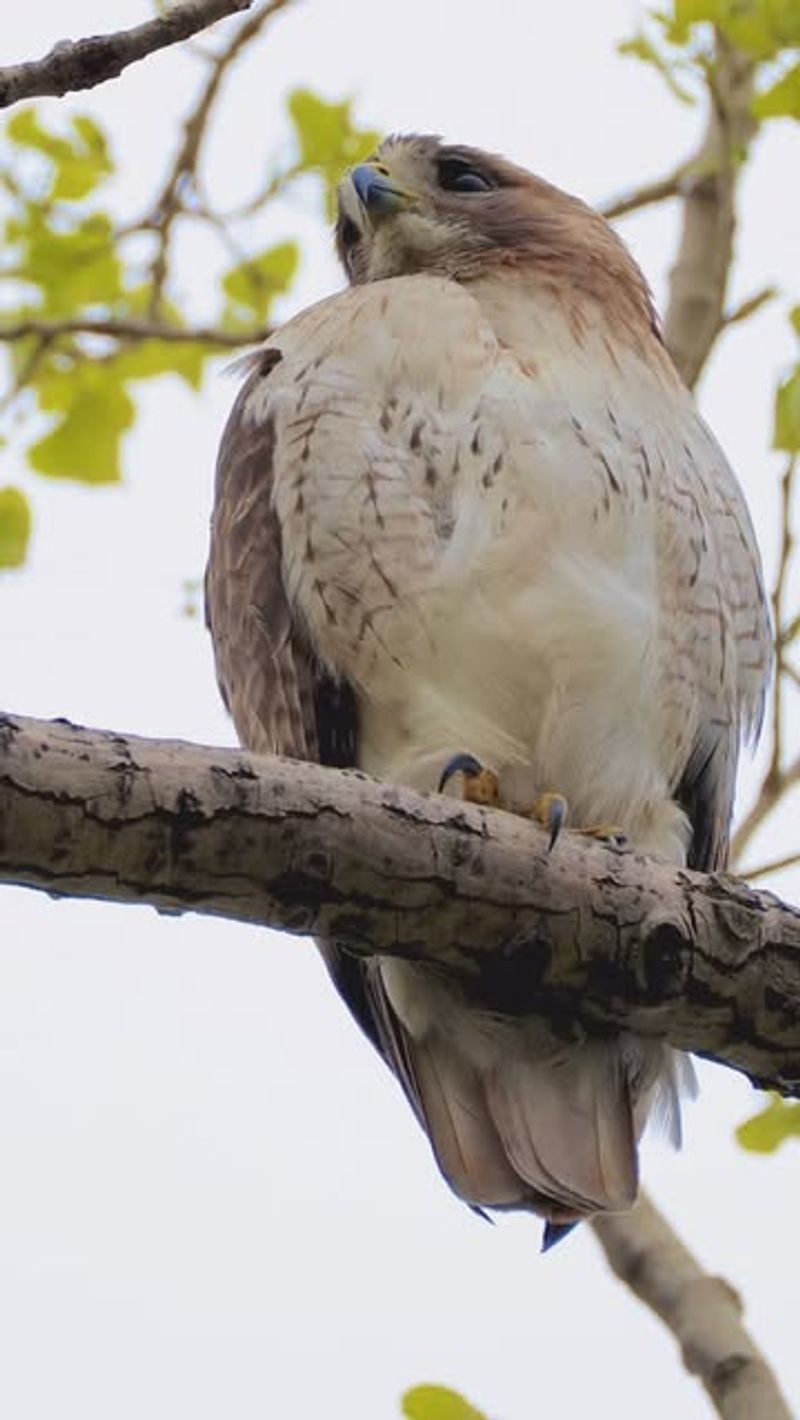
There is something about the combination of mature trees and open grass that hawks find almost irresistible. Trees along the edge of a yard offer perching spots, shade, and in some cases nesting structure.
The open grass area right beside them gives hawks a clear, unobstructed view of everything happening at ground level. Together, these two features create exactly the kind of setup hawks look for when choosing where to hunt.
This layout is incredibly common across North Carolina. Suburban neighborhoods built near woods, rural properties with tree lines along field edges, and backyards that back up to natural areas all share this same basic pattern.
Homeowners in these settings often notice hawks more frequently, and that makes complete sense given the landscape.
Understanding this does not mean you need to change your entire yard. Mature trees are worth protecting, and open lawns serve real purposes for families.
What you can do is think about where the most animal activity happens along that tree line edge. If small birds are constantly moving between the trees and a feeder nearby, that zone becomes a high-traffic area hawks will notice quickly.
Adding native plantings along the base of the tree line can give small animals more cover and slightly reduce how exposed that transition zone feels to a hawk watching from above.
5. Wood Piles And Stone Piles Beside Foundations
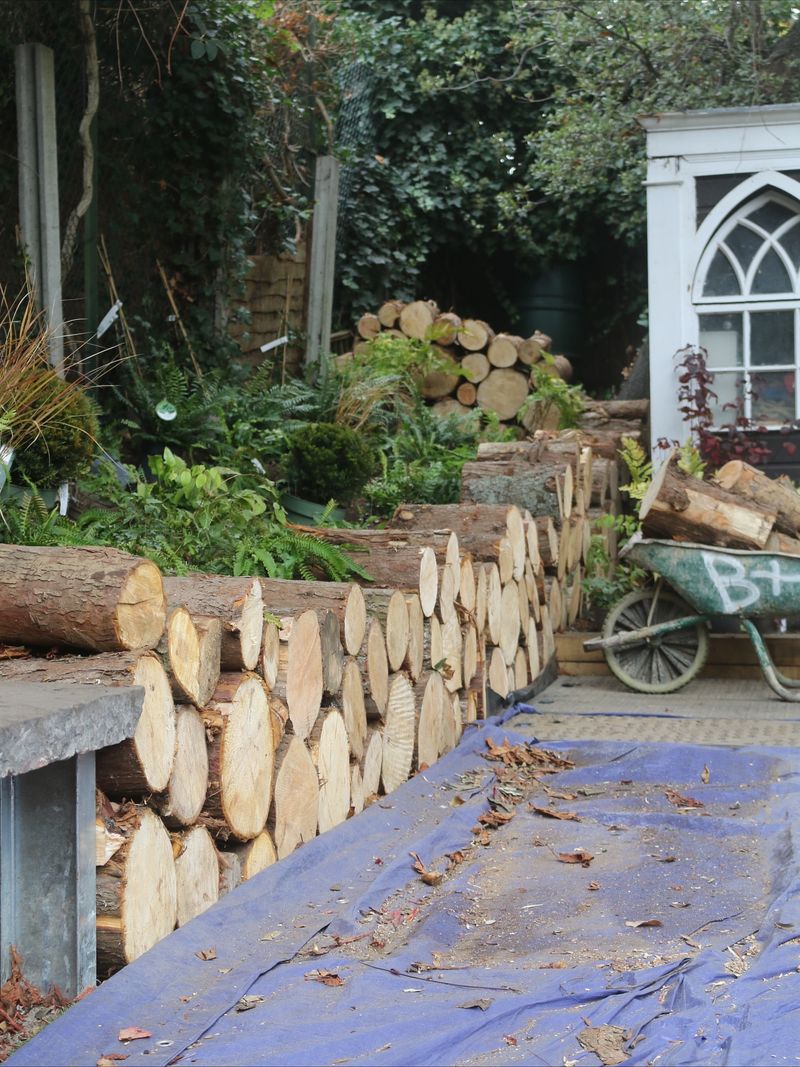
Wood piles, stacked bricks, stone piles, and general clutter sitting close to a home foundation create perfect hiding spots for small animals.
Mice, chipmunks, voles, and even small lizards are drawn to these sheltered spaces because they offer warmth and protection.
NC State Extension guidance actually recommends keeping this kind of material away from your foundation to reduce the chance of wildlife moving in close to the house.
When small animals set up regular routes between a wood pile and other parts of the yard, hawks begin to notice that activity. A hawk that spots a mouse darting from a wood pile to a garden bed on a regular basis will remember that spot and return.
The more predictable the animal traffic, the more often a hawk will swing by to check.
Moving wood piles and stone stacks away from the foundation is a straightforward fix that helps on multiple levels. Store firewood on an elevated rack set away from the house, and stack it neatly so there are fewer hidden gaps for animals to squeeze into.
Clearing out any debris, old bricks, or unused materials reduces the number of sheltered zones around your home.
A tidier foundation area means fewer small animals, and fewer small animals means less reason for hawks to keep circling your property looking for an easy opportunity.
6. Fallen Bird Seed Under Feeders
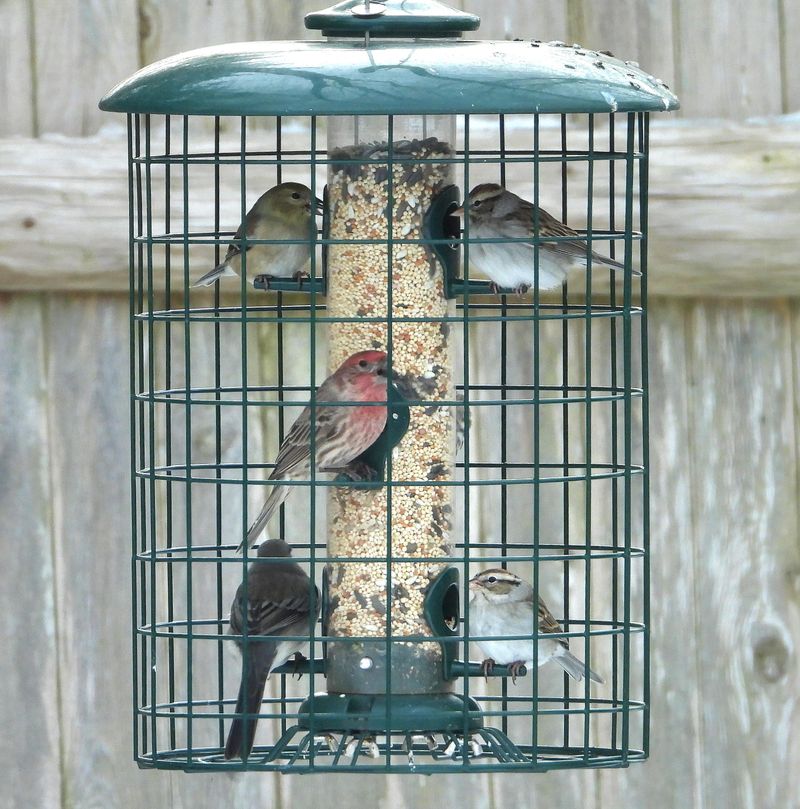
Spilled birdseed might seem harmless, but it can quietly change the entire wildlife dynamic of a North Carolina yard. When seed builds up under a feeder, it draws in a much wider crowd than just songbirds.
Squirrels, chipmunks, mice, and rats are all attracted to ground-level food, and they tend to visit on a fairly predictable schedule. That kind of regular small animal traffic at a fixed location is exactly what catches a hawk’s attention.
The problem grows over time. A feeder that spills a little seed every day creates a constant ground feeding station that is always active.
Birds feeding at ground level are in a much more vulnerable position than birds feeding up high, and hawks know this. A ground-level cluster of feeding birds is an easier target than birds perched in a shrub or moving through dense cover.
A few simple changes can reduce this issue significantly. Switching to a no-waste seed blend like hulled sunflower or nyjer reduces the amount of material that falls and sits on the ground.
Adding a seed catcher tray beneath the feeder keeps loose seed contained and easier to clean up.
Doing a quick sweep under the feeder every couple of days removes the buildup before it starts pulling in larger numbers of ground animals that make the whole yard busier and more hawk-friendly.
7. Outdoor Pet Food And Gravity Feeders
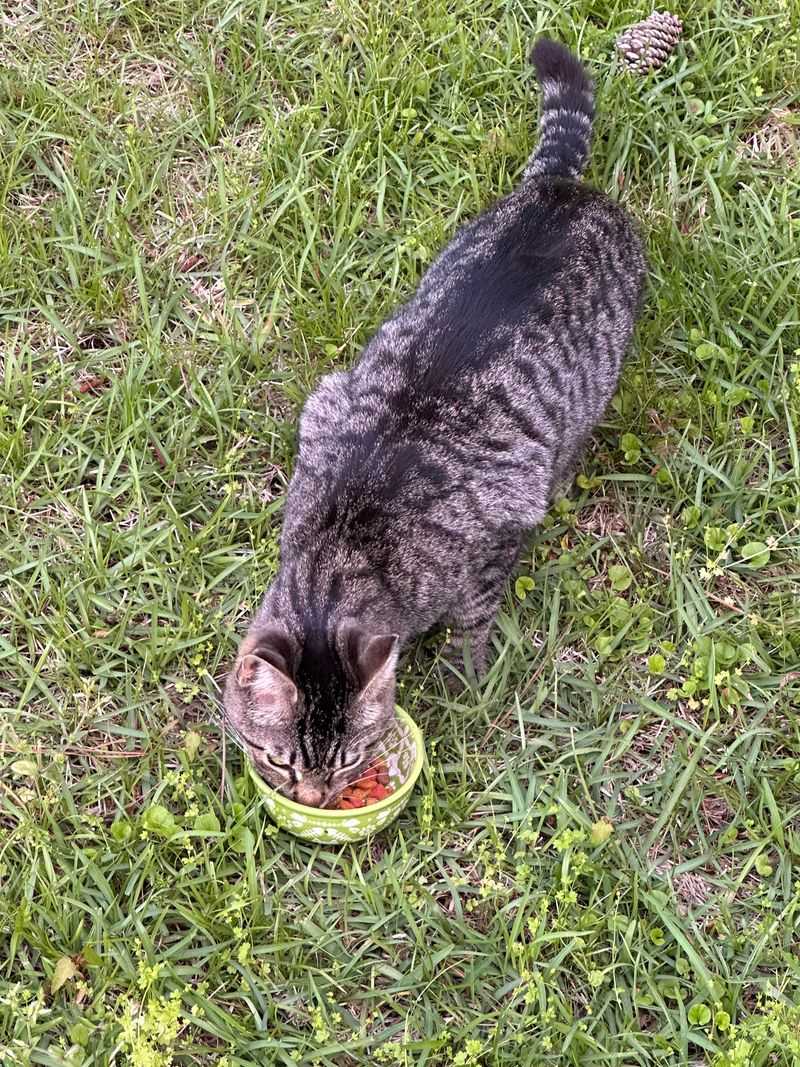
Outdoor pet food left on a porch, patio, or in a barn area is one of the most overlooked reasons wildlife activity spikes around a North Carolina property. Cat food, dog food, and livestock feed all carry strong scents that travel quickly.
Small mammals pick up on these smells fast, and once word spreads through the local wildlife population, the area around that food source becomes a regular stop for all kinds of animals.
Gravity feeders used for chickens, rabbits, or other small animals can have a similar effect. Feed that spills out onto the ground or sits accessible at all times draws in mice, rats, and other small creatures throughout the day and night.
A yard where small mammals move in and out regularly is a yard that hawks will notice and return to.
Bringing pet food indoors after each meal is one of the easiest fixes available. For livestock and poultry feed, storing it in sealed metal containers reduces spill and scent.
Cleaning up any dropped feed around gravity feeders at the end of each day takes only a few minutes but makes a real difference.
Reducing the food sources that attract small mammals is one of the most direct ways to lower overall wildlife traffic and make your property a less appealing hunting location for hawks watching from nearby trees.
8. Open Water Sources Near Busy Yard Areas

Water is one of the most powerful wildlife attractants in any yard, and in North Carolina’s warm climate, it is especially effective.
Bird baths, outdoor pet bowls, livestock troughs, leaky hose connections, and areas of standing water after rain all pull animals in from a surprisingly wide area.
When water sits in a visible, accessible spot near active parts of the yard, it creates a gathering point that stays busy all day long.
Hawks are well aware that water sources attract a steady stream of birds and small mammals. A bird bath positioned in the open, away from any protective cover, gives hawks a clear view of every visitor.
Animals focused on drinking are often less alert to what is happening above them, which makes water sources particularly active spots from a hawk’s perspective.
Keeping water sources clean and refreshed is important for bird health, so removing them entirely is not the goal. Instead, think about placement.
Positioning a bird bath near dense shrubs or a thick hedge gives visiting birds a quick escape route. Emptying and refilling standing water regularly also reduces mosquito breeding as a bonus.
Spreading water sources out rather than clustering them all in one corner of the yard can lower the concentration of animal activity in any single spot that hawks might be watching from nearby perches.
9. Overgrown Grass Along Fence Lines
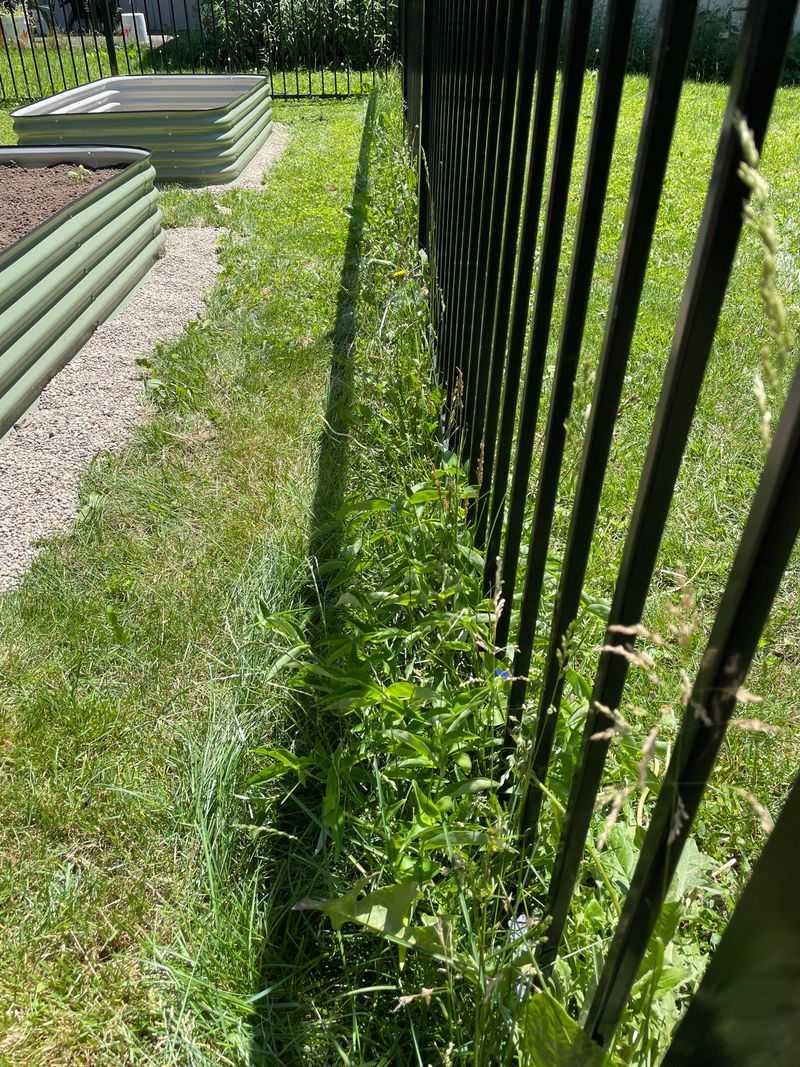
Fence lines that get ignored during mowing often become surprisingly busy wildlife corridors. Tall grass, tangled weeds, and thick vegetation along a fence provide exactly the kind of cover small animals love.
Mice, voles, rabbits, and chipmunks use these grassy strips as protected travel routes, moving back and forth between different parts of the yard without ever crossing open ground.
This kind of consistent movement along a predictable path is easy for hawks to track from above.
North Carolina properties with long fence lines and overgrown edges can end up with quite a bit of animal traffic that the homeowner never even notices. Hawks, however, notice it very well.
A hawk perched on a tall tree or utility pole nearby can watch a fence line corridor and learn the daily patterns of whatever animals use it regularly. Keeping fence lines mowed and tidy removes a lot of that hidden movement.
You do not need to strip every plant from the fence edge, but trimming tall grass back regularly and pulling dense weed growth reduces the sheltered lanes small animals depend on.
If you want to preserve some native plants along the fence, choose lower-growing species that do not create thick ground-level tunnels. A tidier fence line means less hidden animal traffic and fewer reasons for hawks to keep returning to that part of your property.
10. Properties Near Woods, Fields, Or Creeks
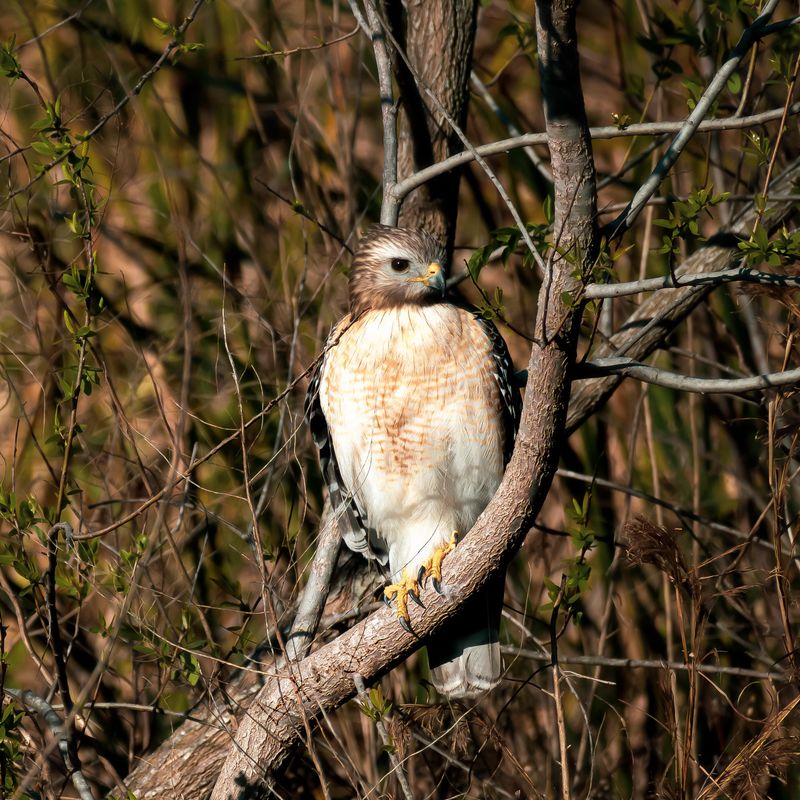
Some North Carolina properties are simply located in places where hawks are always going to be more active, and that is not anyone’s fault.
Homes that back up to woods, sit along field edges, or have a creek running nearby are positioned right at the intersection of multiple natural habitats.
These edge zones are among the richest wildlife areas in the region, full of birds, small mammals, amphibians, and insects that support an entire food web.
Hawks are naturally drawn to these transitional zones because they offer everything at once: trees for perching and nesting, open areas for scanning, water for drinking, and consistent wildlife movement throughout the day.
A homeowner living near a creek corridor or a woodland edge may see hawks regularly without doing a single thing to attract them. The landscape itself is the draw.
Living near these natural areas is genuinely wonderful for anyone who loves wildlife and the outdoors.
Being aware that your location puts you in a more active hawk zone just helps you make smarter choices about feeder placement, pet supervision, and yard management. You are not fighting nature here, you are simply working with it.
Keeping your yard well maintained and being thoughtful about food and water sources can reduce how much extra activity you add on top of what the surrounding landscape already provides.
11. Poultry Runs Without Covered Protection
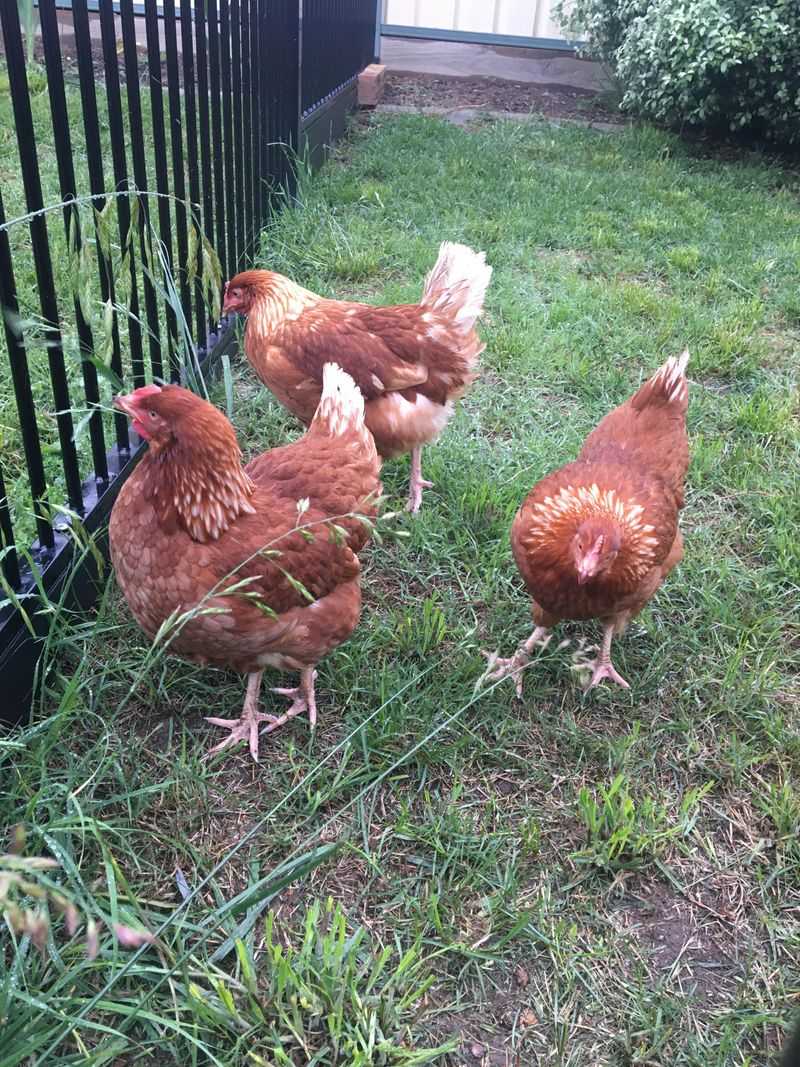
Backyard chickens have become incredibly popular across North Carolina, and for good reason. Fresh eggs, fun personalities, and a connection to a more self-sufficient lifestyle make them a great addition to many properties.
But an uncovered poultry run is one of the clearest signals a hawk can receive that easy access is available. Open-top runs leave birds fully exposed to anything flying overhead, and hawks in the area will absolutely take notice.
Cooper’s hawks and red-tailed hawks are both common in North Carolina and are well known for being attracted to poultry areas when birds are kept in exposed enclosures.
A hawk that discovers a reliable, predictable spot will return to it consistently. Once that pattern gets established, it can be hard to break without making real structural changes to the setup.
Covering the poultry run with hardware cloth or a solid roof panel is the most effective fix. Even a partial shade structure over part of the run gives birds a place to retreat quickly.
Supervised outdoor free-range time during parts of the day reduces the number of unprotected hours. Adding visual deterrents like reflective tape or motion-activated sprinklers near the run can also help discourage repeat visits.
A well-protected poultry setup keeps your flock comfortable and dramatically reduces the hawk attention your property receives over time.
12. Fruit, Nuts, And Garden Scraps Left On The Ground
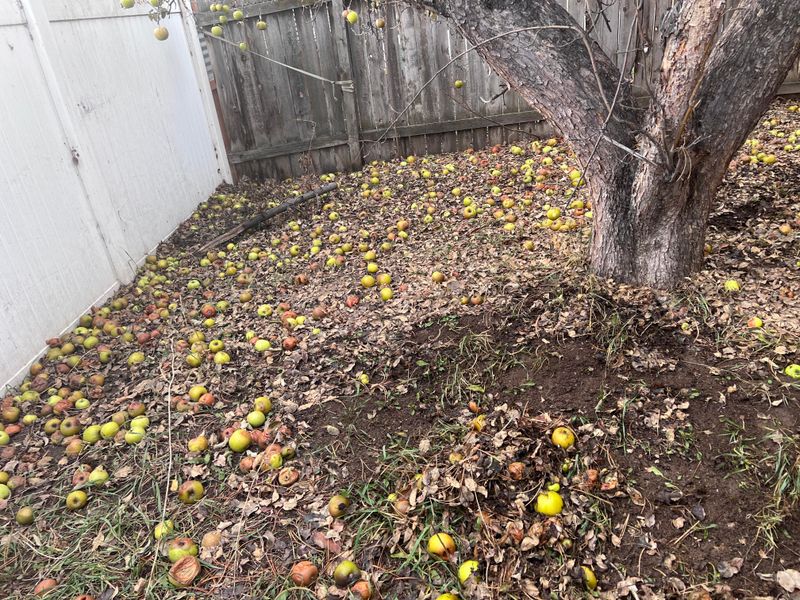
Fruit trees, nut trees, and productive vegetable gardens are some of the best features a North Carolina yard can have. But when fallen produce sits on the ground and builds up over time, it quietly turns into a wildlife buffet.
Apples, pears, figs, black walnuts, and garden scraps left to rot attract squirrels, chipmunks, rats, birds, and deer in numbers that can make a yard feel like a public feeding station.
All of that ground-level activity draws hawks in. A yard where animals are constantly moving around, feeding, and competing for food on the ground is a yard that looks extremely productive from a hawk’s perspective.
Hawks are smart enough to remember locations where they have seen consistent activity, and they will circle back regularly to check on spots that have rewarded them before.
Picking up fallen fruit every few days is one of the simplest and most effective things you can do. Using a contained compost bin rather than an open pile keeps vegetable scraps from spreading scent and attracting wildlife to one corner of the yard.
Raking up nuts after they fall and either storing them or disposing of them reduces the extended feeding window for small mammals.
Staying on top of garden cleanup keeps your yard productive and enjoyable without turning it into a constant wildlife gathering spot that hawks learn to visit on a daily basis.
13. Quiet Yards With Repeated Animal Traffic
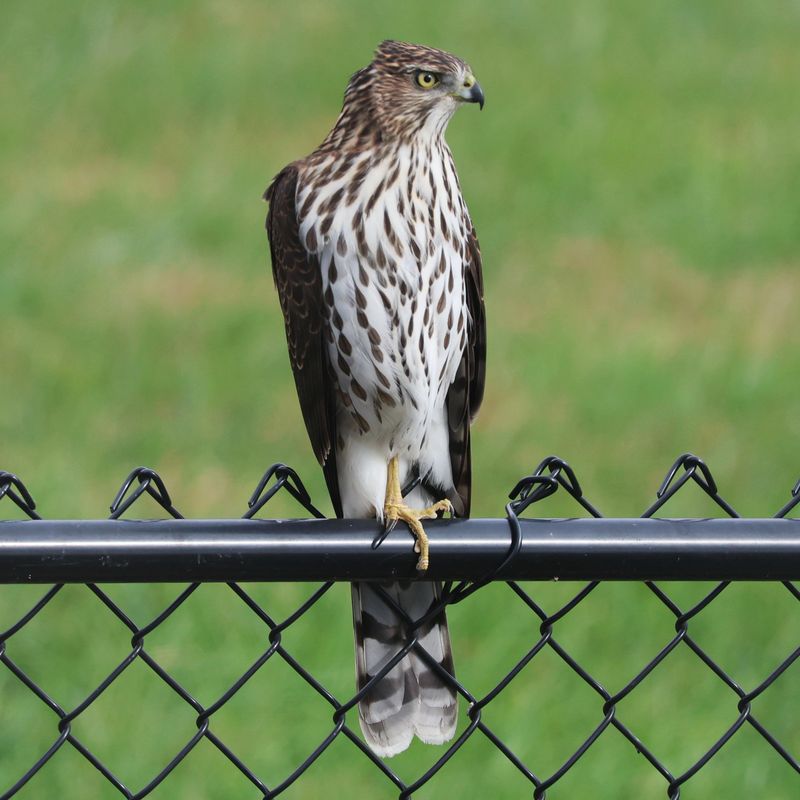
Hawks are pattern readers. A yard that is consistently quiet but full of regular, predictable animal movement is actually more appealing to a hawk than a loud, chaotic space.
When the same birds visit the same feeder at the same time every morning, when squirrels follow the same route across the lawn every afternoon, and when small mammals move along the same fence line every evening, hawks pick up on those rhythms and use them.
A yard does not need to be busy or dramatic to attract hawk attention. It just needs to be reliable.
Hawks conserve energy by hunting smart, and a location they know will produce activity at predictable times is worth returning to again and again.
Over weeks and months, a well-patterned yard becomes a regular stop on a hawk’s daily route through the neighborhood.
Breaking up those patterns is one of the most effective long-term strategies available. Moving feeders to different spots every few weeks disrupts the schedule small birds have learned.
Cleaning up spilled seed and ground food removes the daily draw that keeps small mammals on a tight routine. Reducing clutter near the foundation takes away the sheltered zones where animals feel safe enough to move around predictably.
None of these changes require major effort, but together they shift your yard from a reliable hunting location into something much less interesting for a hawk looking for an easy and consistent meal.