The Perennial Oregon Gardeners Almost Always Plant Too Close To The House
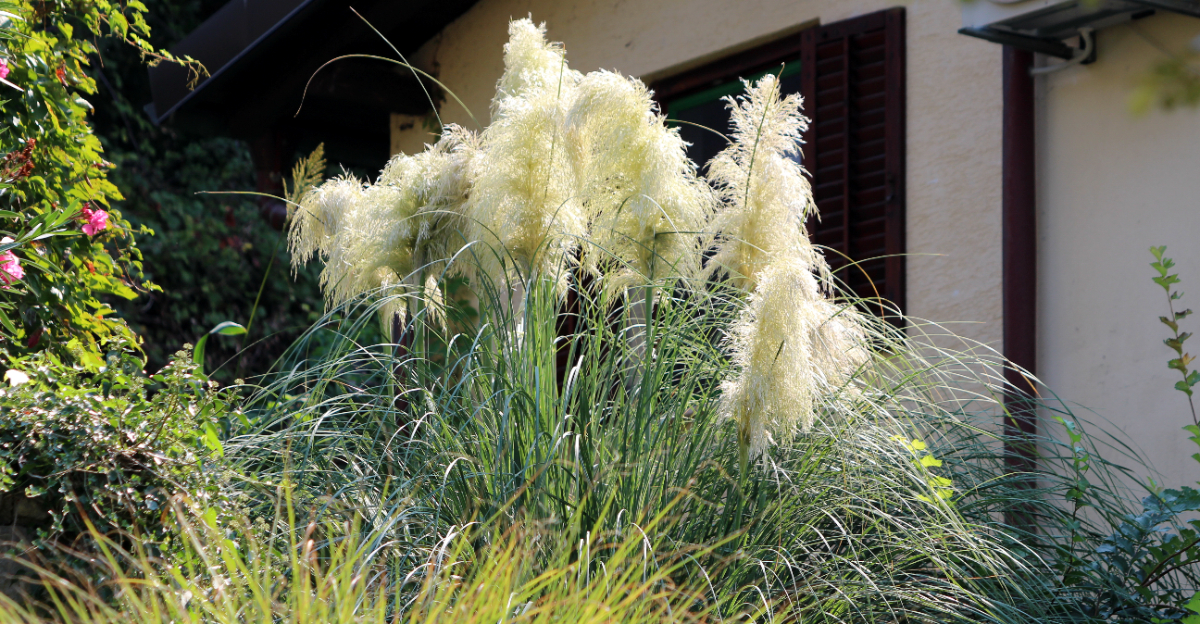
A fluffy plume can make pampas grass look soft and harmless at first. Then the clump starts gaining size, and that pretty accent plant can feel much too close for comfort.
Oregon gardeners may be tempted to tuck it near a wall, porch, or walkway for quick drama. But this perennial needs more room than many people expect.
Its sharp leaf edges can make maintenance unpleasant once it spreads wide. The dense base can also crowd siding or block access around the house.
Placement matters even more in smaller yards where every foot counts. Pampas grass can be beautiful in the right spot, but it is not a plant to squeeze into a narrow foundation bed.
Give it space before planting, and you can avoid a much bigger headache later.
1. Pampas Grass Looks Smaller Than It Becomes
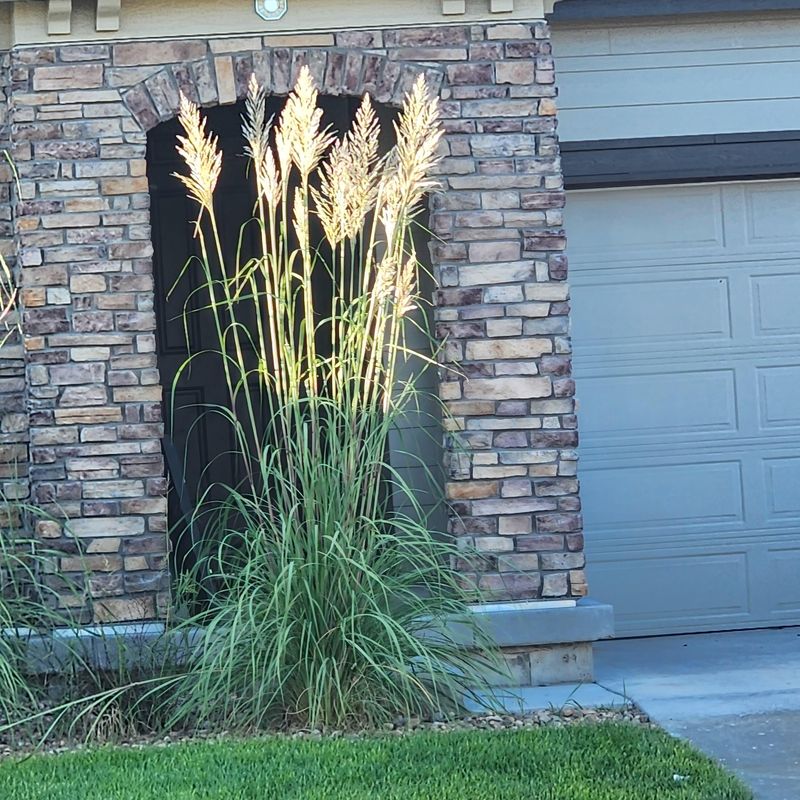
At the garden center, pampas grass usually looks like a manageable, fluffy clump sitting neatly in a small container. Most shoppers pick it up thinking it will stay at a reasonable size.
That assumption is one of the most common and costly mistakes gardeners make in Oregon.
A young pampas grass plant can reach six to twelve feet tall within just a few growing seasons. The clump itself spreads outward at the same time, sometimes growing four to six feet wide or even wider.
When planted close to a house, that growth pushes right into walls, windows, and walkways before most homeowners even notice.
Many gardeners underestimate how fast this plant matures. In our mild, wet climate, pampas grass has nearly ideal conditions for rapid growth.
The combination of rainy winters and warm summers gives it the moisture and energy it needs to bulk up quickly.
By the time the plant looks too big, it is already pressing against gutters or blocking light from lower windows.
Moving an established clump is extremely difficult because the root system becomes dense and heavy over time. Prevention is far easier than correction.
Planting at least eight to ten feet away from any structure gives the plant room to grow without causing damage.
Always check the mature size on the plant tag, not just how it looks in the pot. That small detail makes a huge difference in the long run.
2. Those Feathery Plumes Can Tower Over Windows
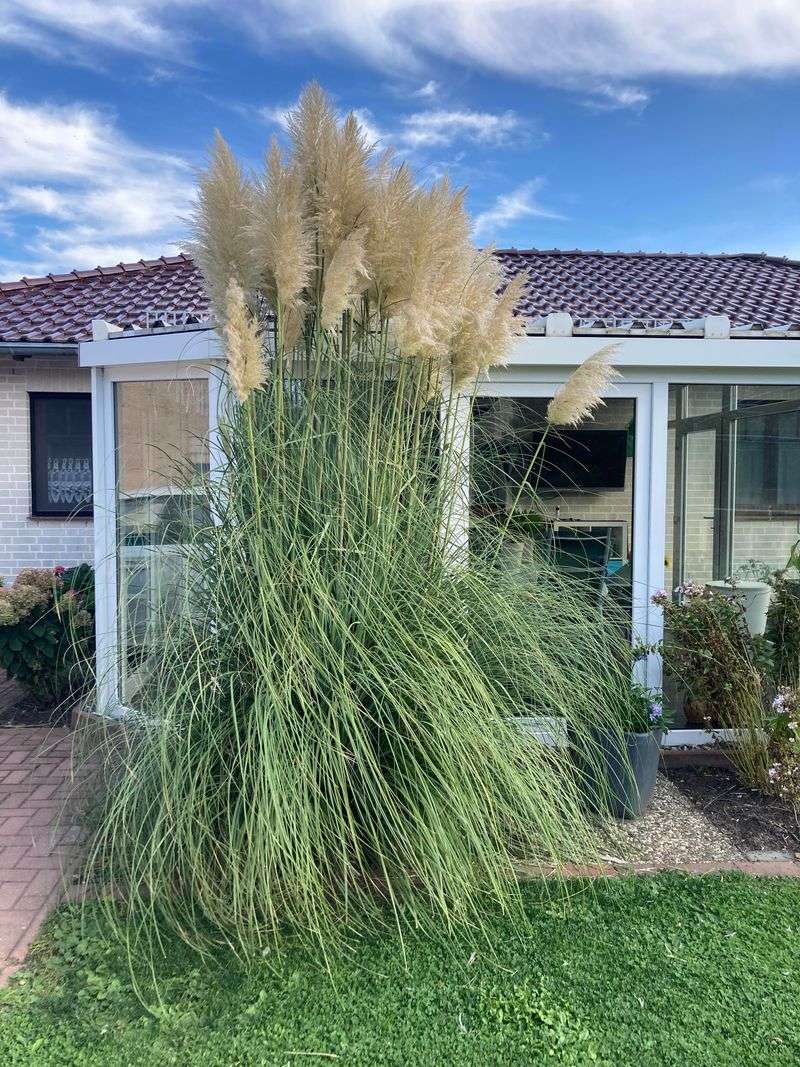
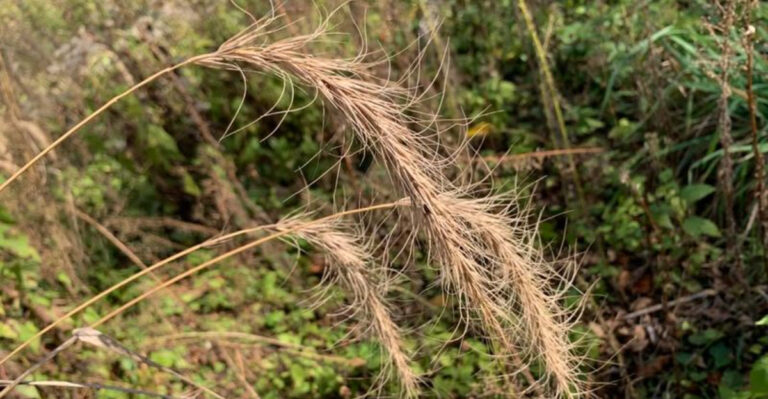
One of the most beloved features of pampas grass is its signature plumes. Those soft, silvery-white tassels swaying in a breeze look gorgeous from a distance.
Up close, and right outside a window, the story changes completely.
When the plant matures near a house, those plumes can easily reach eight to twelve feet in height. That puts them well above standard window frames on most single-story homes.
The result is a wall of dense vegetation blocking natural light from entering the rooms inside.
Rooms that once felt bright and airy can start to feel dim and closed in. Natural light has a real effect on mood, energy, and even heating costs during cooler months.
Losing that light because of an oversized plant is a frustrating and avoidable problem.
Your Oregon Garden Changes Every Week. Your Plan Should Too.
Gardening in Oregon changes quickly throughout the season. Every Friday you’ll receive a simple weekly plan showing exactly what to plant, prune, fertilize, harvest, and protect so you never miss the right timing.
Beyond the light issue, the plumes also shed their fluffy seeds in late summer and fall. Those seeds float easily on the wind and can work their way into open windows, vents, and gutters.
Cleaning up the fluff becomes a seasonal chore that most homeowners did not sign up for.
Planting pampas grass where the plumes have room to rise above open space rather than over windows solves both issues at once.
A spot along a fence line or in the center of a larger garden bed works much better. Good placement lets you enjoy the drama without losing the light inside your home.
3. The Leaf Blades Are Sharper Than They Look
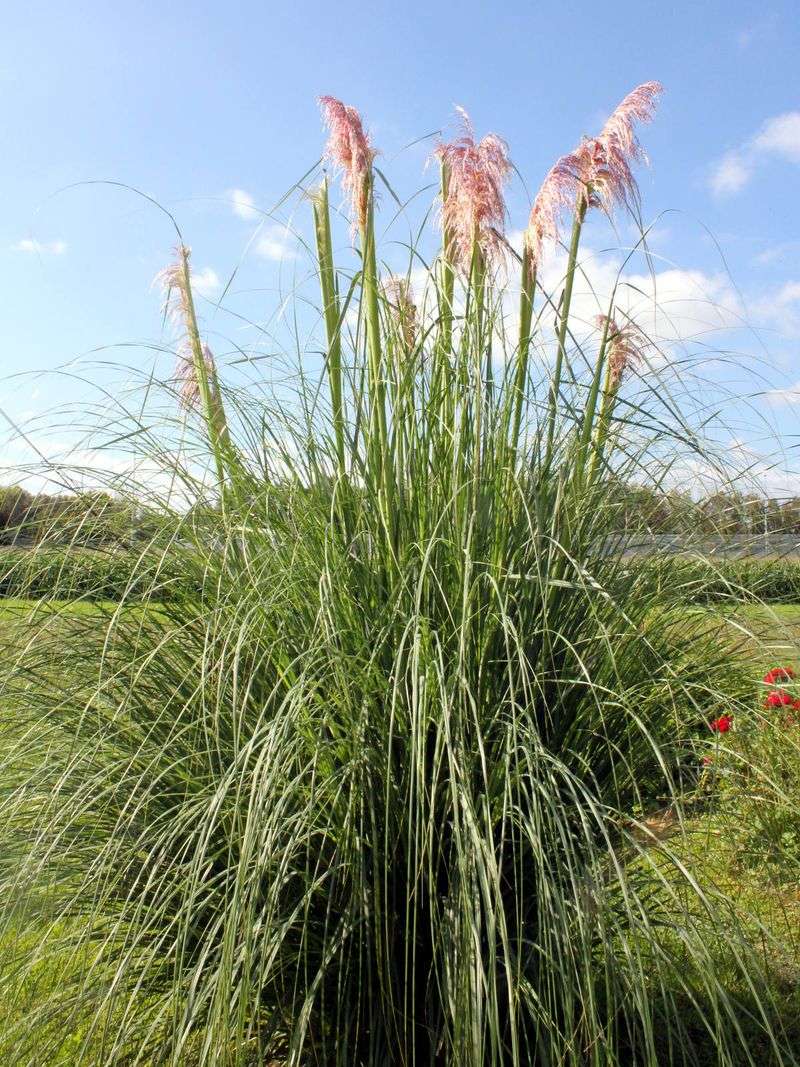
From across the yard, pampas grass looks soft and inviting. The feathery plumes suggest something gentle and airy.
But get close to the leaf blades, and the plant tells a very different story.
The long, arching leaves of pampas grass have tiny serrated edges that act like miniature saw blades. Running a bare hand along one of those leaves can leave a clean, painful cut.
Gardeners who have learned this lesson the hard way rarely forget it.
When the plant grows right next to a walkway or entry path, those sharp blades become a daily hazard.
Children running past the plant, pets brushing against it, and adults carrying groceries or packages can all get cut without warning.
The cuts are not deep, but they sting and can draw blood easily.
Planted close to the house, the leaves also press against siding, wood trim, and window screens over time. The constant abrasion from wind movement wears down painted surfaces and can scratch or puncture screens.
That kind of slow damage adds up to expensive repairs.
Wearing thick gloves and long sleeves is essential any time you work near pampas grass. Even experienced gardeners get caught off guard by how quickly those blades can slice through skin.
Keeping the plant at a safe distance from high-traffic areas around the home protects both people and property from unnecessary harm every single season.
4. Dense Clumps Trap Damaged Growth Near The House
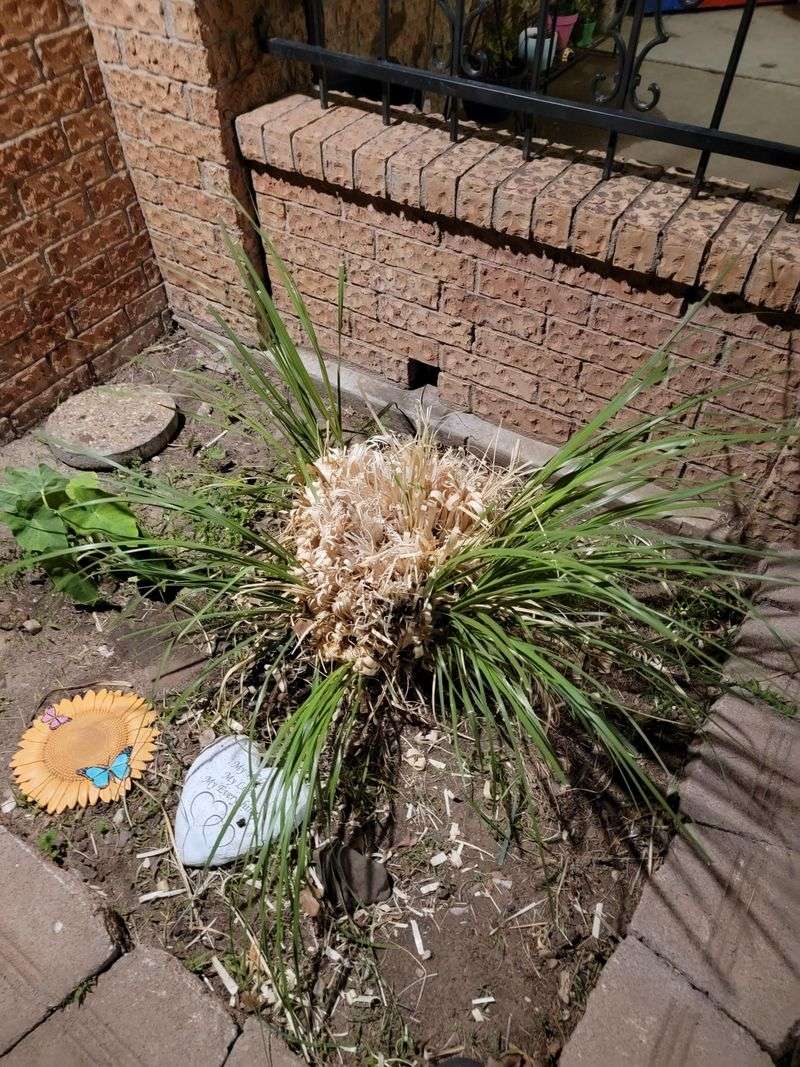
Every year, pampas grass produces new growth from the center of the clump while older leaves and stems dry out and collect at the base.
In a well-spaced garden bed, that withered material breaks down over time. Right next to a house, it becomes a real problem.
The dense, tightly packed clump acts like a basket, holding onto withered leaves, dust, seed fluff, and other debris.
That buildup creates a thick layer of dry, flammable material sitting directly against your siding, foundation, or deck boards. Over several years, the accumulation can become surprisingly deep.
Beyond the fire risk, that trapped debris also holds moisture. Constant dampness against wood siding or trim encourages rot and mold growth.
Pests like rodents and insects find the dense, protected interior of the clump an attractive place to nest, especially during colder months.
Removing the withered growth from inside a mature clump is miserable work. The sharp leaves make it painful, and the sheer density of the material makes it time-consuming.
Many homeowners simply leave it, not realizing the damage quietly building up against their home.
Keeping pampas grass at least eight feet from any structure allows air to circulate around the base and makes cleanup far more manageable. A plant with open space around it is much easier to maintain than one wedged against a wall.
Good spacing reduces debris buildup and protects your home’s exterior from long-term moisture and pest damage.
5. It Can Become A Fire-Safety Problem Close To Siding
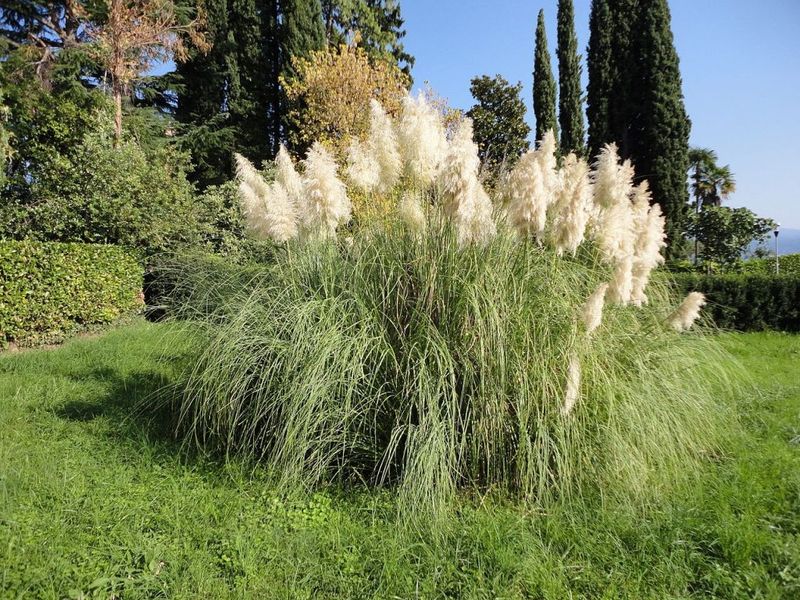
During dry summers, pampas grass transforms from a lush ornamental into a serious fire risk.
The tall, dried leaves and fluffy plumes are highly combustible. Planted close to a house, that risk becomes even more serious.
Fire safety experts and local agencies have pointed to ornamental grasses like pampas grass as a significant concern in residential landscapes.
A single spark from a barbecue, a cigarette, or a nearby brush fire can ignite the dry material almost instantly.
Once burning, the plant produces intense heat and sends embers flying in every direction.
When a burning clump sits right against wood siding or a wooden deck, the structure itself can catch within minutes.
Homes have been damaged by ornamental grasses planted too close to exterior walls. The risk is real, and it is not worth ignoring for the sake of curb appeal.
Oregon has experienced increasingly dry summers in recent years. That shift in weather patterns has made fire-resistant landscaping a more urgent topic for homeowners across the region.
Many fire departments now recommend keeping all tall, dry ornamental grasses well away from structures.
Creating a defensible space around your home means removing or relocating highly flammable plants from the area closest to your walls. Replacing pampas grass near the house with low-growing, moisture-retaining plants reduces risk significantly.
Moving the plant to a more open area of the yard lets you keep its beauty while protecting your home from a preventable danger.
6. Oregon Officials Warn It Can Escape Cultivation
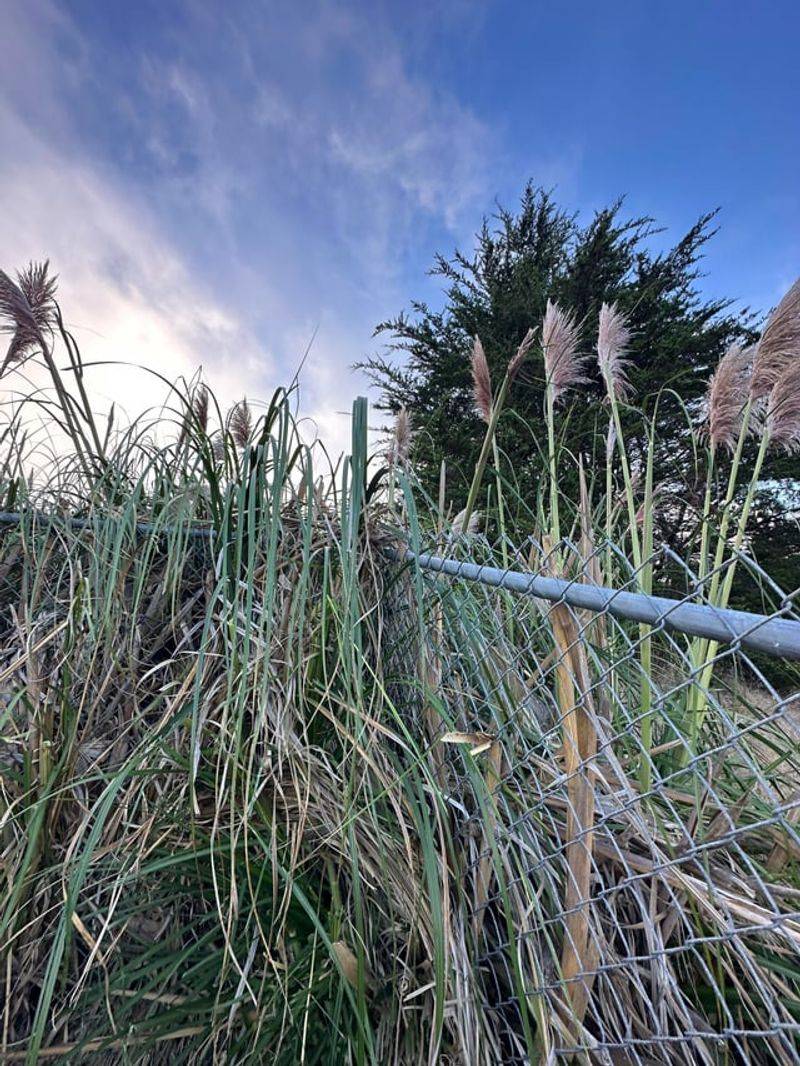
Pampas grass is not just a garden concern. Conservation groups and land managers across Oregon have flagged it as a plant that can spread well beyond the yard where it was first planted.
A single mature plant can release thousands of seeds each season, and those seeds travel far on the wind.
Once established outside a garden, pampas grass competes aggressively with native plants. It forms dense stands that crowd out the wildflowers, grasses, and shrubs that local wildlife depends on.
In disturbed areas like roadsides, riverbanks, and vacant lots, it can take over surprisingly quickly.
Oregon sits in a region with a climate that closely resembles the plant’s native range in South America. That means pampas grass feels right at home here and faces few natural limits on its spread.
What starts as a single ornamental clump can become a neighborhood-wide problem within a decade.
Several counties have included pampas grass on lists of plants that require careful management.
Homeowners who grow it near property edges, fences, or open green spaces are contributing to a larger ecological issue, whether they realize it or not. Awareness matters.
Choosing sterile cultivars, which do not produce viable seeds, is one way to enjoy the plant’s appearance while reducing spread risk. Removing seed heads before they mature is another practical step.
Being a responsible gardener means thinking beyond your own fence line and considering how your plant choices affect the wider landscape around you.
7. Coastal Oregon Gardens Are Especially At Risk
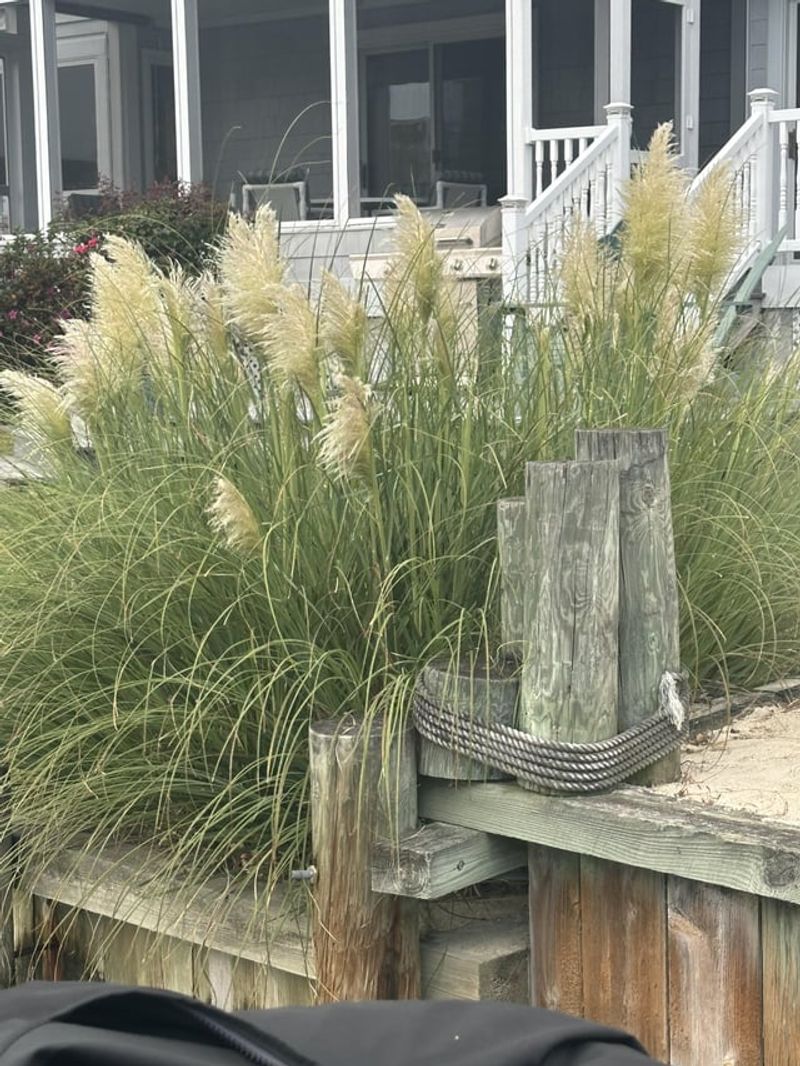
Along the coast, Oregon’s mild temperatures, heavy rainfall, and consistent moisture create near-perfect conditions for pampas grass. The plant loves exactly that kind of climate.
Coastal gardeners often notice their pampas grass growing faster and larger than those planted further inland.
That rapid growth makes the too-close-to-the-house problem even more urgent for coastal homeowners.
A plant that might take five years to outgrow its space inland can do the same in two or three years near the ocean.
The mild winters mean the plant never really slows down the way it might in colder climates.
Coastal areas also tend to have windier conditions. Wind accelerates seed dispersal dramatically, sending pampas grass seeds across dunes, wetlands, and native plant communities.
The fragile coastal ecosystems in Oregon are particularly vulnerable to aggressive non-native plants taking hold.
Beach houses and coastal cottages often have smaller yards, which makes planting distances even tighter.
A homeowner might place pampas grass near a corner of the house thinking it looks charming, only to find it pressing against the structure within a couple of seasons.
Saltwater air and frequent moisture also speed up any damage the plant causes to exterior surfaces.
Coastal gardeners are encouraged to look into native ornamental alternatives that provide similar visual drama without the spread risk.
Plants like native dune grasses or Pacific Coast irises offer striking beauty while supporting local ecosystems.
Making that swap is one of the most impactful choices a coastal homeowner can make for their property and the surrounding environment.
8. Small Yards Make The Spacing Problem Worse
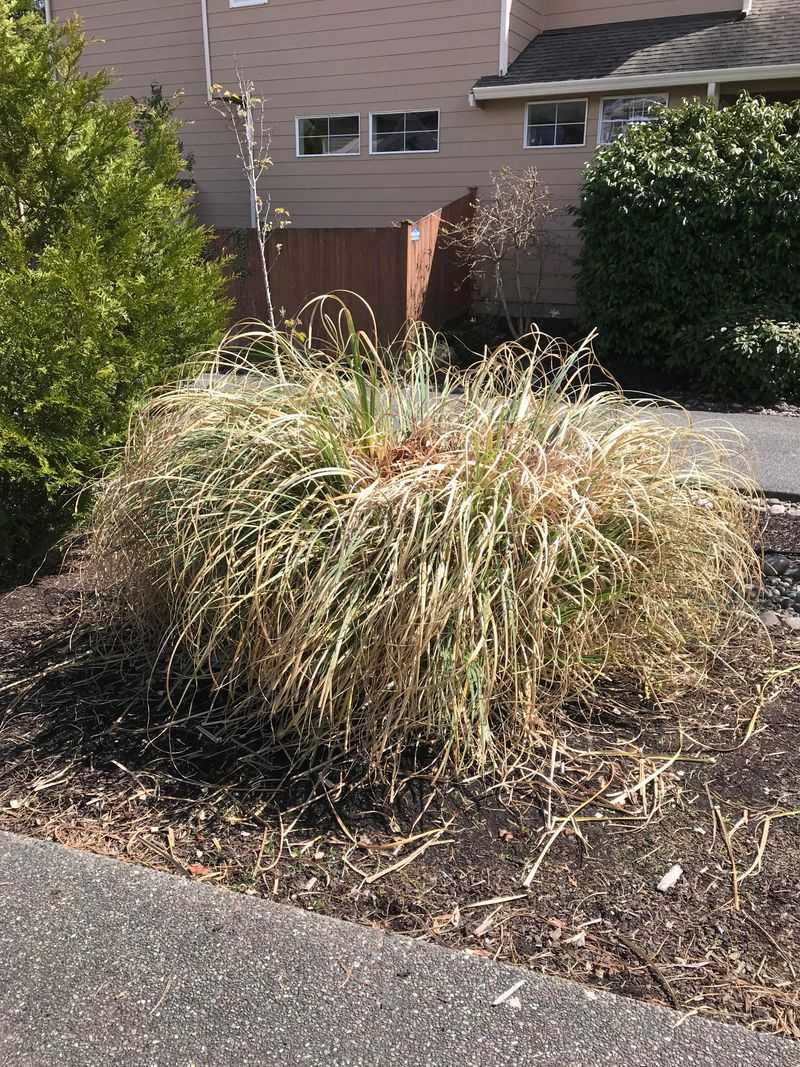
Not every homeowner has a sprawling property with room to tuck a massive ornamental grass far from the house.
In many neighborhoods across Oregon, yards are compact, and every planting decision matters a lot more.
Small spaces leave almost no margin for error when it comes to fast-growing plants.
Pampas grass planted in a small yard quickly becomes the dominant feature, and not always in a good way. Within a few years, it can take up a significant portion of the available space.
Other plants nearby get shaded out or crowded by the expanding root system and leaf canopy.
In tight yards, there is often no realistic option for planting pampas grass at the recommended distance from the house.
Fences, neighboring properties, sidewalks, and utility lines all limit where a large plant can actually go.
That constraint pushes homeowners into placing the plant too close to structures almost by default.
Recognizing that limitation before buying the plant is the smartest move. A garden center employee can help assess whether a yard has enough room for pampas grass to thrive safely.
Sometimes the honest answer is that the space simply is not right for this particular plant.
Smaller ornamental grasses like Karl Foerster feather reed grass or blue oat grass deliver similar texture and movement without the enormous footprint.
They work beautifully in compact yards and stay manageable with basic annual care. Choosing a plant that fits the actual space available leads to a healthier, more enjoyable garden for years to come.
9. Cutting It Back Every Year Is A Bigger Job Than Expected
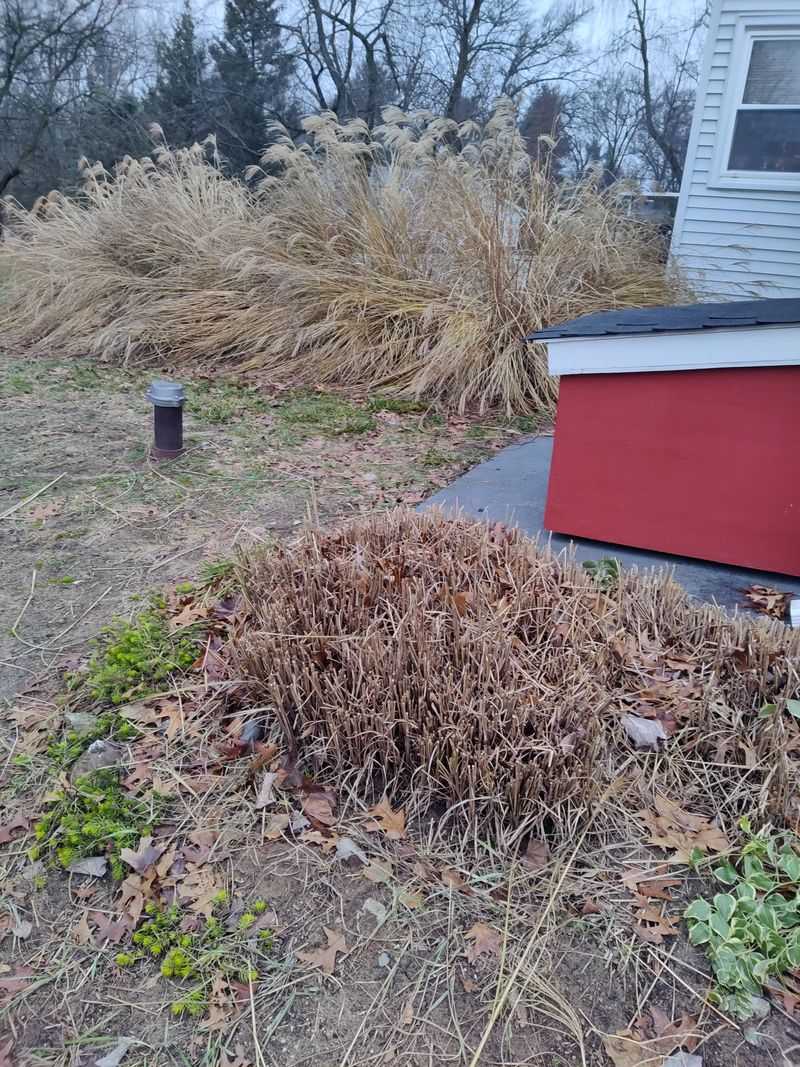
Most people who plant pampas grass are not fully prepared for what annual maintenance actually involves. Cutting it back is not a quick weekend task.
For a large, established clump, it is a multi-hour project that requires the right tools and serious protective gear.
The standard recommendation is to cut pampas grass back hard in late winter or early spring before new growth begins.
That means reducing a clump that can be six feet wide and eight feet tall down to a stump about a foot from the ground. The volume of material removed is enormous.
All those sharp blades make the work genuinely uncomfortable. Thick leather gloves, long sleeves, long pants, and eye protection are all necessary.
Even with proper gear, scratches and cuts are common. Many homeowners end up hiring a professional landscaper just to handle the annual cutback, which adds to the ongoing cost of owning the plant.
When pampas grass grows right against the house, the cutting job becomes even harder. There is no room to maneuver, and the risk of damaging siding, gutters, or window trim while working with large shears or a chainsaw increases significantly.
Tight spaces turn an already difficult chore into a genuinely frustrating one.
Thinking about annual maintenance before planting is just as important as thinking about mature size. A plant that requires hours of difficult, uncomfortable work every year is a commitment.
Making sure it has enough open space around it at least makes that yearly task safer and more manageable for everyone involved.