The Pollinator Plant That Handles Texas Heat And Supports Wildlife From Spring Through Fall
Finding a single plant that genuinely supports pollinators and wildlife across the full stretch of a Texas growing season is harder than it sounds.
Most flowering plants have a window, a few weeks when they are at their best and doing the most useful work, and then they go quiet while the season keeps going.
Texas also adds a filter that eliminates anything not built for sustained heat, which narrows the field considerably by midsummer.
There is one pollinator plant that clears both of those hurdles without any fuss, blooming from spring through fall, handling Texas heat at its worst, and supporting a range of pollinators and wildlife through every stage of that long season.
It is not a rare or difficult plant to grow. It is established in Texas landscapes already, though not nearly as widely as its performance warrants.
Once you understand the full scope of what this plant does from March through November, it becomes one of the harder ones to justify leaving out of a Texas garden.
Gregg’s Mistflower Is The Plant
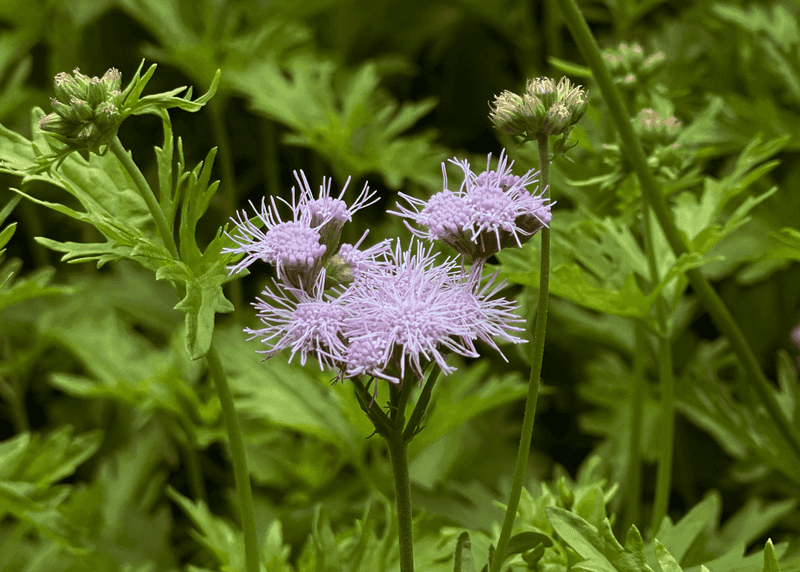
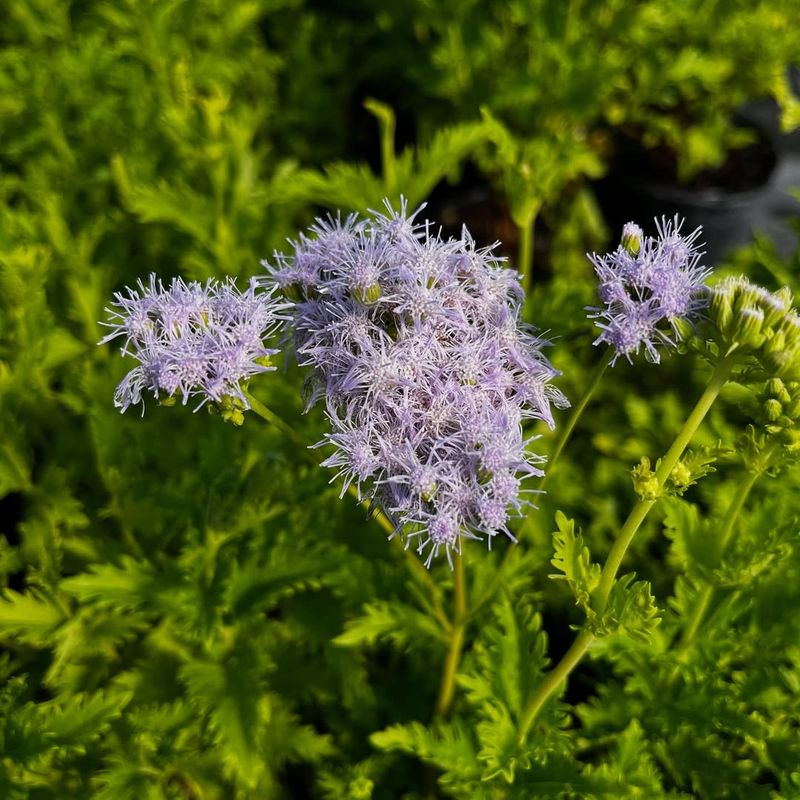
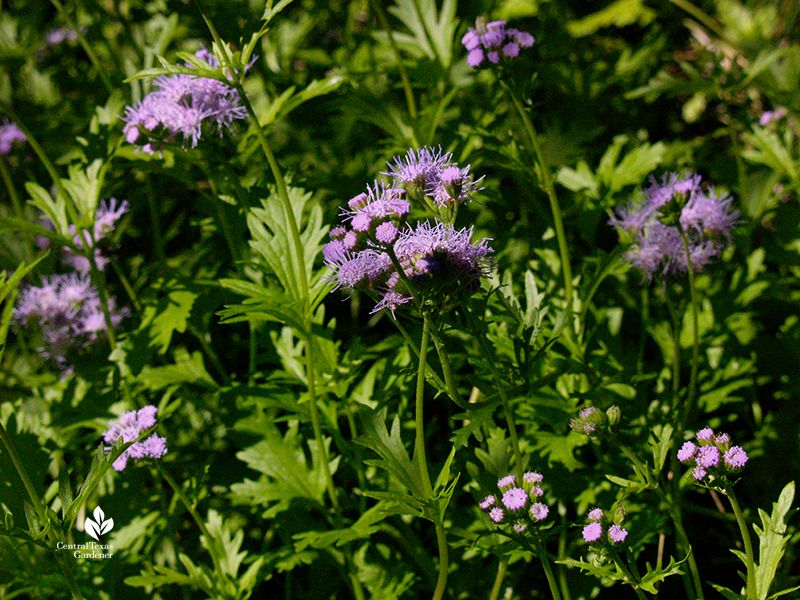
Some plants quietly steal the show every single season, and Gregg’s Mistflower is one of them. Native to Texas and northern Mexico, this low-maintenance perennial has been charming gardeners for generations with its soft, fuzzy blue-purple flower clusters.
It is the kind of plant that earns admiring looks from neighbors without requiring hours of attention from you.
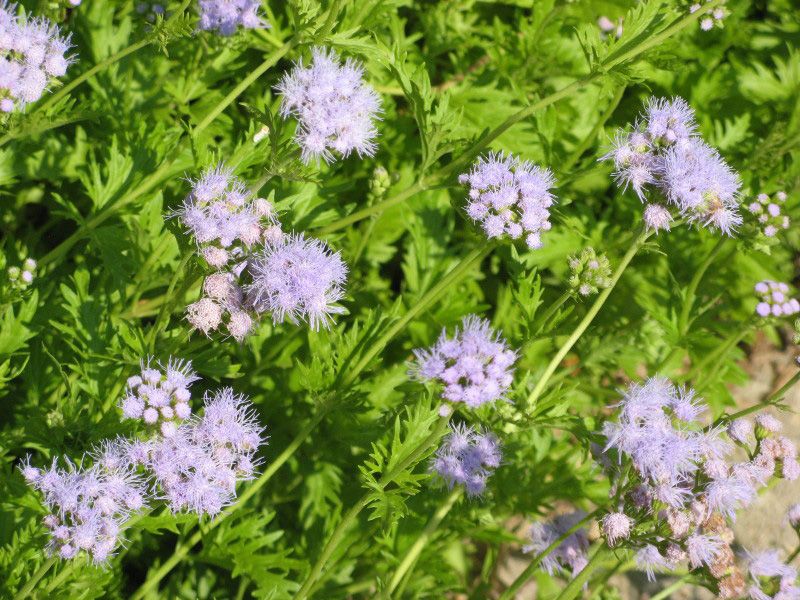
Gregg’s Mistflower, also known by its scientific name Conoclinium greggii, belongs to the aster family. It grows in rounded clumps that can reach two to three feet tall and wide.
The leaves are small and slightly triangular, giving the plant a delicate, airy look even when it is not in bloom.
What really sets this plant apart is its incredibly long flowering season. Starting in spring and continuing strong through fall, Gregg’s Mistflower produces wave after wave of lavender-blue blooms.
Few native plants can match that kind of staying power in Texas gardens. Gardeners who are new to native plants often find Gregg’s Mistflower to be a confidence booster.
It establishes quickly, spreads naturally by rhizomes to fill in bare spots, and comes back reliably year after year. Once you plant it, it basically gets to work on its own.
Beyond beauty, this plant plays an important role in local ecosystems. Birds, insects, and butterflies all benefit from its presence.
Choosing Gregg’s Mistflower is not just a gardening decision. It is also a small but meaningful choice to support the natural world right in your own backyard.
Thrives In The Texas Sun
Texas summers are no joke. Temperatures soar past 100 degrees, the ground cracks, and plenty of plants wave a white flag by July.
Gregg’s Mistflower, though, barely blinks. It is built for exactly this kind of punishment, making it one of the most reliable plants you can grow in the Lone Star State.
This tough native thrives in full sun, which means at least six hours of direct sunlight per day. It also handles part-shade situations well, especially in areas where afternoon sun reflects off fences, walls, or concrete patios.
Your Texas Garden Changes Every Week. Your Plan Should Too.
Gardening in Texas changes quickly throughout the season. Every Friday you’ll receive a simple weekly plan showing exactly what to plant, prune, fertilize, harvest, and protect so you never miss the right timing.
That reflected heat can be brutal for most plants, but Gregg’s Mistflower takes it in stride without wilting or dropping leaves.
Once established, it becomes seriously drought-resistant. Deep roots help it pull moisture from the soil even during dry spells.
You may need to water it during the first season while it gets settled, but after that, rainfall alone is usually enough to keep it going through most Texas summers.
Gardeners often place Gregg’s Mistflower along fence lines, garden borders, and the edges of driveways where heat builds up.
It softens those hard, hot spaces with beautiful color while asking for very little in return. Few plants manage to look that good under such tough conditions.
Another bonus is that it adapts to a wide range of Texas climates. From the Hill Country to East Texas and even into the Panhandle, this plant adjusts well.
If you want something that treats Texas heat like a minor inconvenience rather than a crisis, Gregg’s Mistflower is your answer.
A Nectar Powerhouse
Picture your garden buzzing with life from April through November. That is exactly what happens when Gregg’s Mistflower is part of your landscape.
This plant is a nectar machine, producing food for pollinators across an unusually long stretch of the growing season. Most flowering plants peak for a few weeks and then fade. Gregg’s Mistflower keeps going and going.
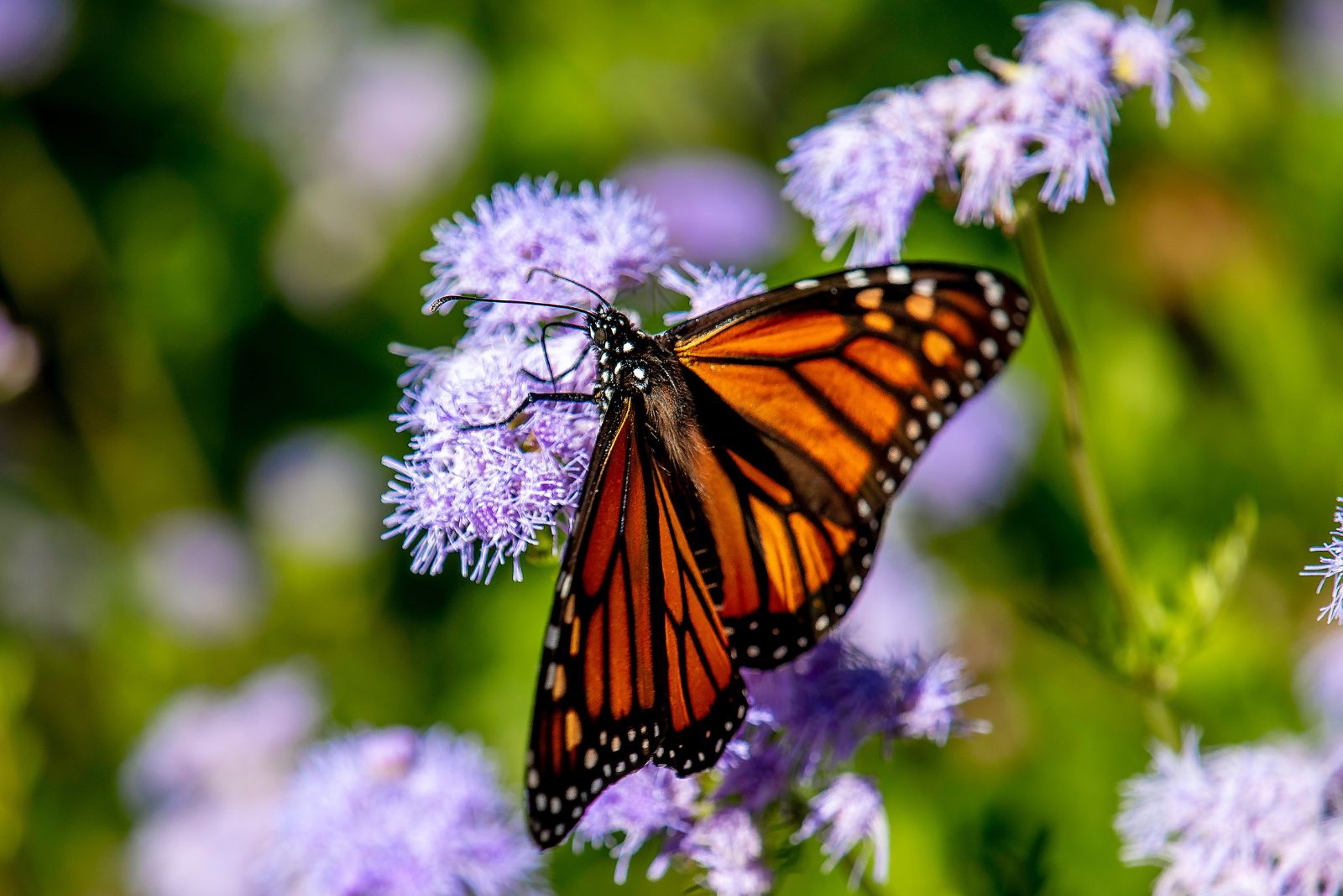
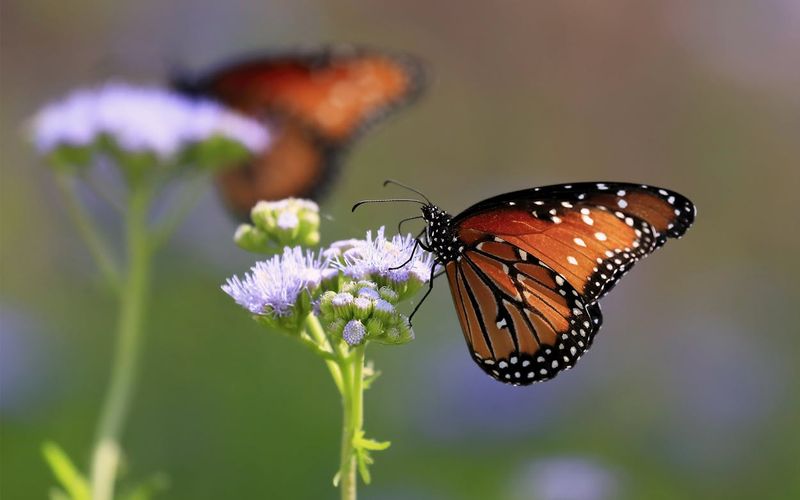
Butterflies absolutely love it. Monarch butterflies, in particular, rely heavily on this plant during their fall migration through Texas.
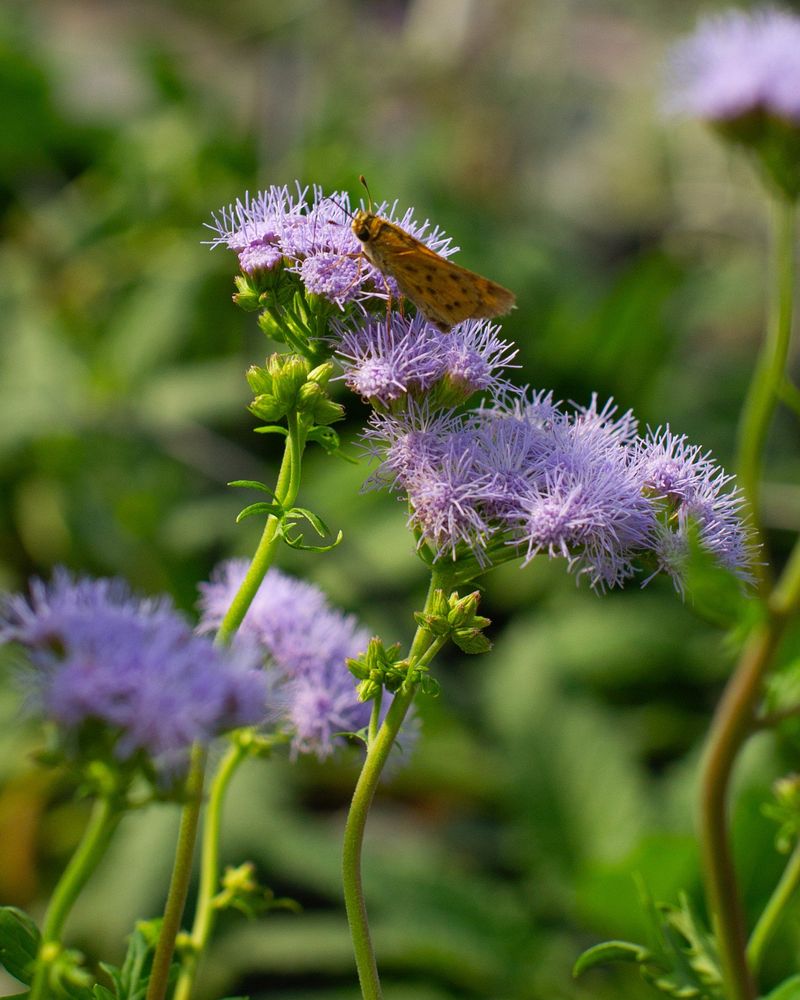
Queen butterflies, skippers, and swallowtails also visit regularly. On a warm fall morning, it is not unusual to see dozens of butterflies feeding on a single clump of Gregg’s Mistflower at the same time.
Bees are equally enthusiastic fans. Native bees, honeybees, and bumblebees flock to the flowers for both nectar and pollen.
Supporting bee populations is more important than ever, and planting Gregg’s Mistflower is one of the easiest ways to help. You do not need a big garden or a lot of money. Just a few plants can make a real difference.
Beyond butterflies and bees, this plant also draws in beneficial insects like parasitic wasps and hoverflies.
These insects help control pest populations naturally, which means less work for you and fewer chemicals in your garden. It is a win-win situation for both gardeners and the environment.
Spring blooms attract early-season pollinators just waking up, while fall blooms fuel migrating species preparing for long journeys south.
Having that consistent nectar source from spring through fall makes Gregg’s Mistflower one of the most ecologically valuable plants you can grow in Texas.
Low-Maintenance Garden Star
Not every gardener has hours to spend watering, pruning, and fussing over plants. Life gets busy, and the garden should be a source of joy, not stress.
Gregg’s Mistflower fits perfectly into that kind of realistic, low-effort lifestyle. Once it gets established in your yard, it is remarkably self-sufficient.
Watering needs drop significantly after the first growing season. Established plants handle dry periods on their own, only needing supplemental water during extreme droughts.
You can skip the weekly watering routine and still come home to a plant that looks healthy and full of flowers. That kind of reliability is hard to beat in a Texas garden.
One of the best surprises for new gardeners is that Gregg’s Mistflower is naturally deer-resistant. Deer tend to avoid it, which is excellent news if you live in areas where deer browse through gardens regularly.
You will not wake up to find your plants stripped overnight like you might with roses or hostas.
Fertilizer is rarely needed. Rich, over-amended soil can actually cause the plant to grow too tall and floppy rather than maintaining a nice, compact shape.
Lean, well-drained soil suits it just fine. Skip the fancy soil mixes and expensive fertilizers. This plant prefers to keep things simple.
Cold snaps in winter may cause the above-ground growth to look rough, but the roots stay alive underground. Come spring, fresh new growth emerges reliably.
Gregg’s Mistflower bounces back season after season without needing to be replanted. For gardeners who want stunning results with minimal effort, this plant is a true garden star.
Ideal For Wildlife Gardens
Building a wildlife-friendly garden does not require a large property or a complicated plan. Sometimes all it takes is one standout plant to get things started, and Gregg’s Mistflower is a fantastic anchor for any wildlife garden.
Its dense flower clusters provide shelter and food for a surprising variety of creatures throughout the growing season.
Small insects find refuge among the stems and leaves, and those insects in turn attract insect-eating birds.
Goldfinches and other seed-eating birds may also visit after the blooms fade, feeding on the small seeds that form in the flower heads. A single patch of Gregg’s Mistflower can become a little ecosystem all on its own.
Pairing this plant with other Texas natives creates what is called a pollinator corridor. When you line up plants like Salvia greggii, Blackfoot Daisy, and Turk’s Cap alongside Gregg’s Mistflower, you create an unbroken chain of blooms and food sources.
Pollinators can travel from flower to flower, getting everything they need without leaving your yard.
This plant also works beautifully in rain gardens or along dry creek beds where water collects briefly after storms.
Its ability to handle both temporary moisture and dry spells makes it flexible enough to fit into many different garden designs. You get wildlife benefits plus practical water management all from one plant.
For gardeners interested in supporting the monarch butterfly population, Gregg’s Mistflower is especially valuable.
Planting it along known migration routes through Texas gives monarchs a reliable fuel stop during their long journey. Every plant counts, and yours could make a real difference for these iconic butterflies.
Planting And Care Tips
Ready to get started? Planting Gregg’s Mistflower is straightforward, even for beginners.
Choose a spot with full sun to part shade and make sure the soil drains well. Soggy or waterlogged soil is the one condition this plant truly dislikes. Raised beds, sloped areas, and garden borders with good drainage all work great.
Space plants about two to three feet apart. Gregg’s Mistflower spreads by underground rhizomes, forming wider clumps over time.
Giving it room from the start means you will not need to divide or move plants as often. A little planning upfront saves a lot of work later.
Water regularly during the first few weeks after planting to help roots get established. After that, pull back on watering and let the plant adjust to natural rainfall patterns.
Adding a two-inch layer of mulch around the base helps retain soil moisture and keeps weeds from competing with your new plant.
Light pruning after the main bloom periods encourages fresh growth and new flower production.
Cutting the plant back by about one-third in midsummer can push out a new flush of blooms in time for the fall pollinator season. Do not be shy about trimming. The plant responds well and comes back fuller than before.
Combining Gregg’s Mistflower with other heat-tolerant Texas natives creates a garden that looks amazing for months. Try pairing it with Autumn Sage, Mealy Blue Sage, or Zexmenia for a colorful, long-lasting display.
Together, these plants create a low-water, high-impact garden that supports wildlife and turns heads all season long.