The Real Reason Your Mississippi Crape Myrtles Look Worse Each Time You Trim Them
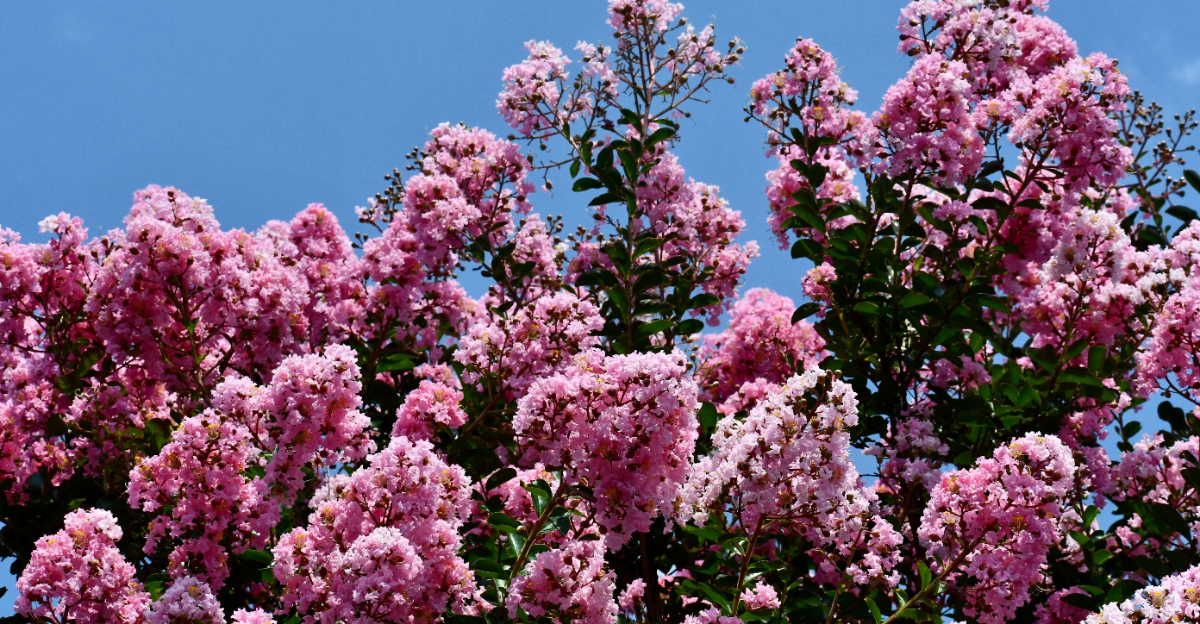
Every spring, the same scene plays out in Mississippi yards. Homeowners grab their loppers, cut their crape myrtles back hard, and step back feeling accomplished.
By July, that satisfaction is gone. In its place: a thick tangle of weak shoots, knobby stubs, and a tree that looks more distressed than it did before anyone touched it.
Crape myrtles are not naturally unruly trees. Left alone, most varieties grow into clean, elegant shapes without much help.
The problem starts the moment someone takes off too much, too high, with no clear reason why. Once you understand what actually happens inside the tree after a hard trim, the urge to grab those loppers every spring disappears fast.
Topping Crape Myrtles Triggers Weak Regrowth

Grab a magnifying glass and look closely at those cut ends. What you see sprouting from them tells the whole story of why your crape myrtles look worse each season.
When you top a crape myrtle, you remove the natural growing tip. The tree responds by sending out a flood of fast, weak shoots from just below each cut.
Those new shoots have no structural strength. They grow thin, bendy, and packed so tightly together that air barely moves through them.
By midsummer, the weight of flowers and leaves causes those shoots to flop. You get a droopy, cluttered canopy that looks nothing like a healthy tree.
The next year, you trim again to fix it. More weak shoots erupt from the same spots, creating thicker, knobby stubs called knuckles.
Each round of topping makes the regrowth worse than before. The tree is not broken, it is responding exactly as nature designed it to respond.
Crape myrtles in Mississippi grow fast and bloom on new wood each season. That means they do not need aggressive cutting to flower well.
Topping actually reduces bloom quality over time. Flowers on weak, overcrowded stems are smaller and shorter-lived than blooms on healthy, natural branches.
The fix starts with understanding what the tree actually needs. Stopping the topping cycle is the first and most important step toward a better-looking tree.
The Knuckle Effect Makes Every Pruning Season Worse Than the Last
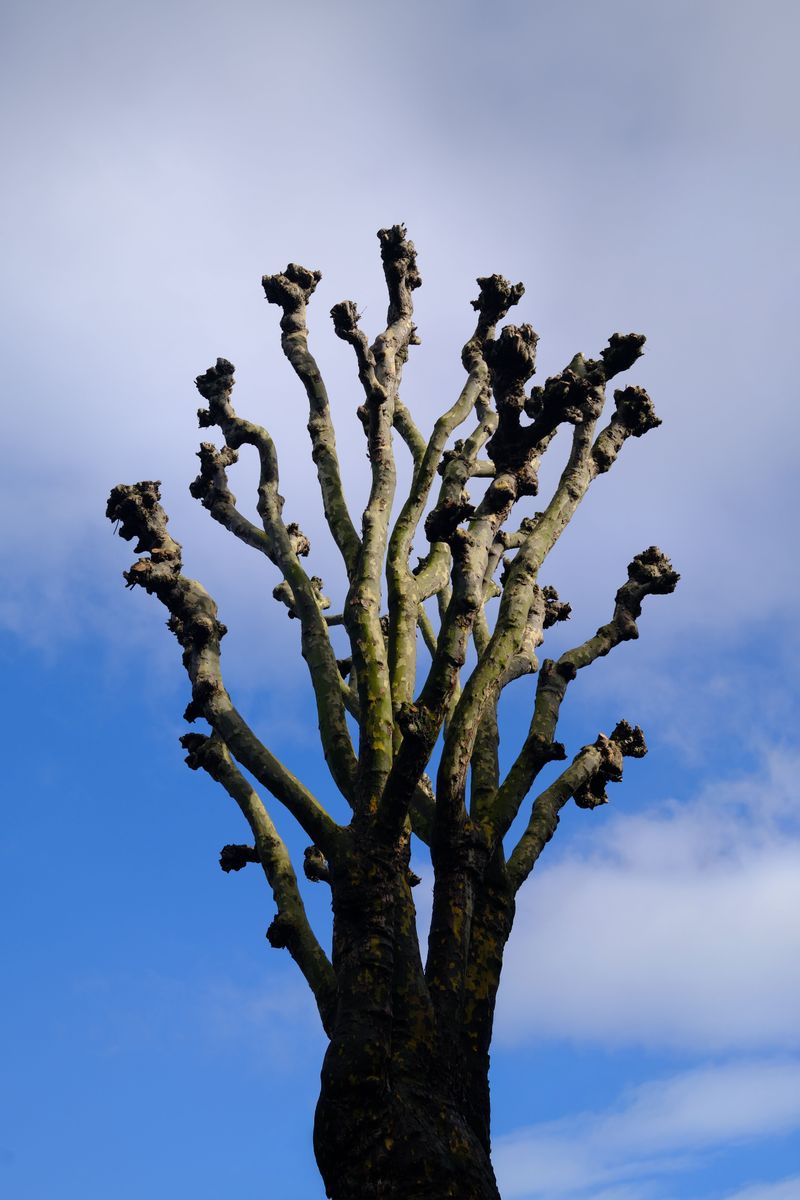
Those ugly bumps at the ends of your crape myrtle branches have a name. Gardeners call them knuckles, and they are permanent damage caused by repeated cutting in the same spot.
Each time you top a branch, the tree seals the wound and sends up new shoots. When you cut those shoots the following year, the base thickens into a dense, gnarled lump.
Knuckles are not just ugly, they are structurally weak. The wood inside them is disorganized, making branches more likely to split under heavy blooms or storm winds.
Mississippi gets its share of summer storms. Branches weakened by knuckle formation snap more easily during high winds, making them more likely to fall or cause damage.
Once a knuckle forms, more trimming is unlikely to reverse it. The most effective option is usually to remove the affected branch entirely, back to a healthy lateral or the main trunk.
Your Mississippi Garden Changes Every Week. Your Plan Should Too.
Gardening in Mississippi changes quickly throughout the season. Every Friday you’ll receive a simple weekly plan showing exactly what to plant, prune, fertilize, harvest, and protect so you never miss the right timing.
That kind of corrective pruning is drastic and takes years to recover from visually. Prevention is always the smarter path for long-term tree health and appearance.
Many homeowners do not realize knuckles are a sign of repeated damage. They assume the bumps are natural growth or disease, so they keep pruning the same way year after year.
Breaking the knuckle cycle requires patience and restraint. Once you stop cutting in the same spots, the tree can redirect energy into healthier, stronger growth over time.
Your crape myrtle has a memory, and right now it is storing every bad cut you have ever made.
How Mississippi Summers Punish Improperly Pruned Crape Myrtles
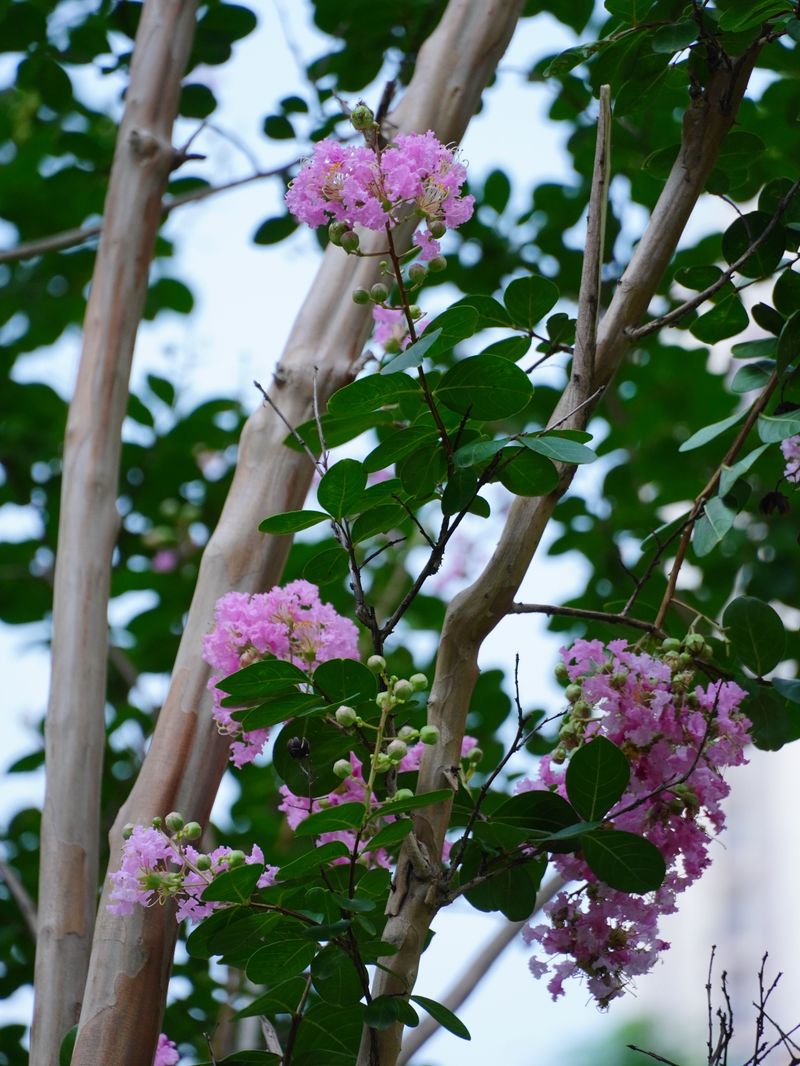
Summer in Mississippi is not gentle. Heat, humidity, and afternoon downpours create a brutal environment for any plant trying to recover from bad pruning.
When crape myrtles are topped, they push out dense clusters of soft new growth. That soft growth is a magnet for pests and fungal problems in humid Southern air.
Powdery mildew spreads fast through overcrowded branches where air circulation is poor. You will notice a white, chalky coating on leaves by late June if airflow is blocked.
Aphids love the tender new shoots that sprout after topping. A single colony can coat an entire branch in sticky honeydew, attracting sooty mold that turns leaves black.
Properly pruned trees with open, airy canopies resist these problems far better. Good airflow dries moisture quickly and makes it harder for fungal spores to take hold.
Heat stress compounds the issue for topped trees. Weak stems cannot transport water efficiently to leaves, so the tree shows signs of wilt even during adequate rainfall.
A healthy crape myrtle with natural structure handles Mississippi heat far better than a topped one. The root system is deep and efficient, and the branch structure supports steady water movement.
Improperly pruned trees spend their energy on survival rather than flowering. That explains why heavily topped trees often produce fewer, smaller blooms during the hottest months.
Treating your crape myrtle well before summer arrives is one of the most effective pest and disease prevention strategies you can follow. A strong tree fights back on its own.
Signs Your Crape Myrtle Has Been Over-Pruned For Too Long
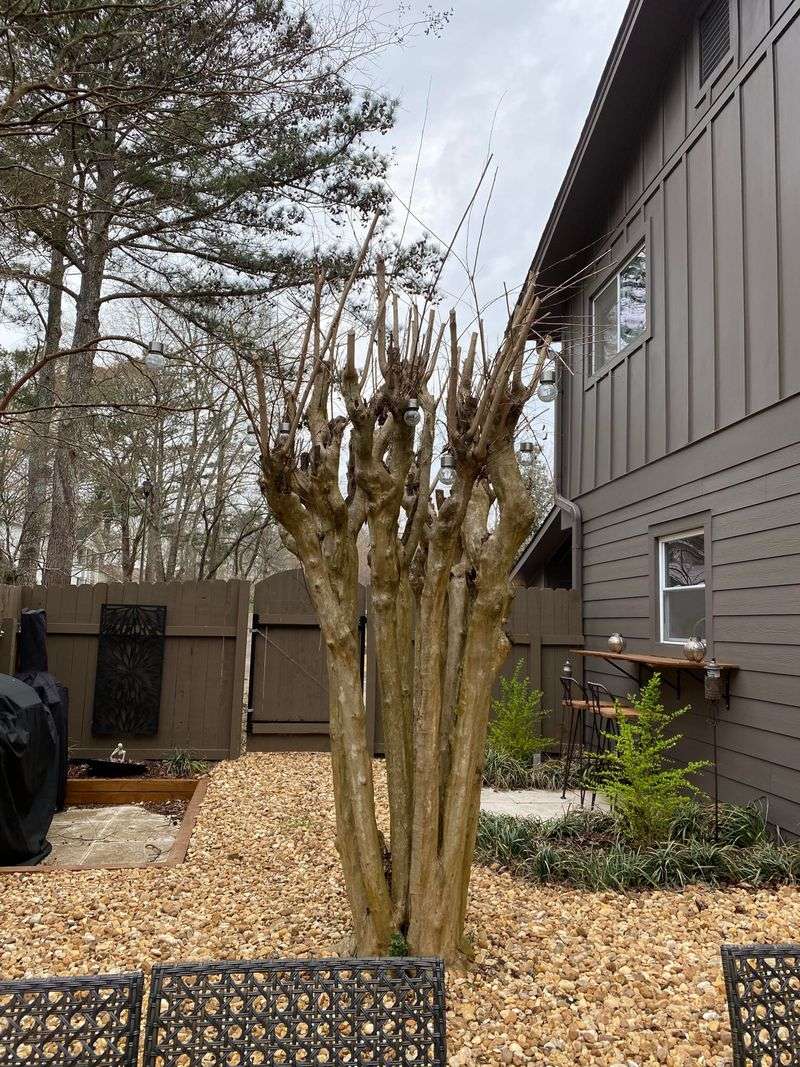
Not sure if your tree is in trouble? There are clear warning signs that show up when crape myrtles have been over-pruned for multiple seasons in a row.
The most obvious sign is a cluster of thin, whippy stems shooting from flat-topped stubs. Healthy crape myrtles taper naturally, they do not end in blunt, chopped-off platforms.
Another red flag is reduced blooming. If your tree once covered itself in flowers but now only blooms at the tips of weak stems, over-pruning has disrupted normal growth cycles.
Sparse foliage in midsummer is also a clue. When a tree cannot build proper branch structure, it struggles to support a full, lush canopy during peak growing season.
Look at the base of the tree near the trunk. Excessive suckering, thin shoots sprouting from the roots or lower trunk, signals that the tree is under chronic stress.
Bark that looks rough, cracked, or discolored near old cut sites is another indicator. Wounds that never fully healed leave the tree open to decay and insect entry.
Some homeowners notice their trees leaning or drooping more each year. That happens because weak regrowth cannot support the weight of a full canopy without proper structural pruning.
Catching these signs early gives you a real chance to turn things around. Skipping one pruning season and allowing natural growth can begin the recovery process.
Your tree is sending signals, learning to read them is half the battle toward a healthier, better-looking crape myrtle.
The Right Way To Prune Crape Myrtles In Mississippi
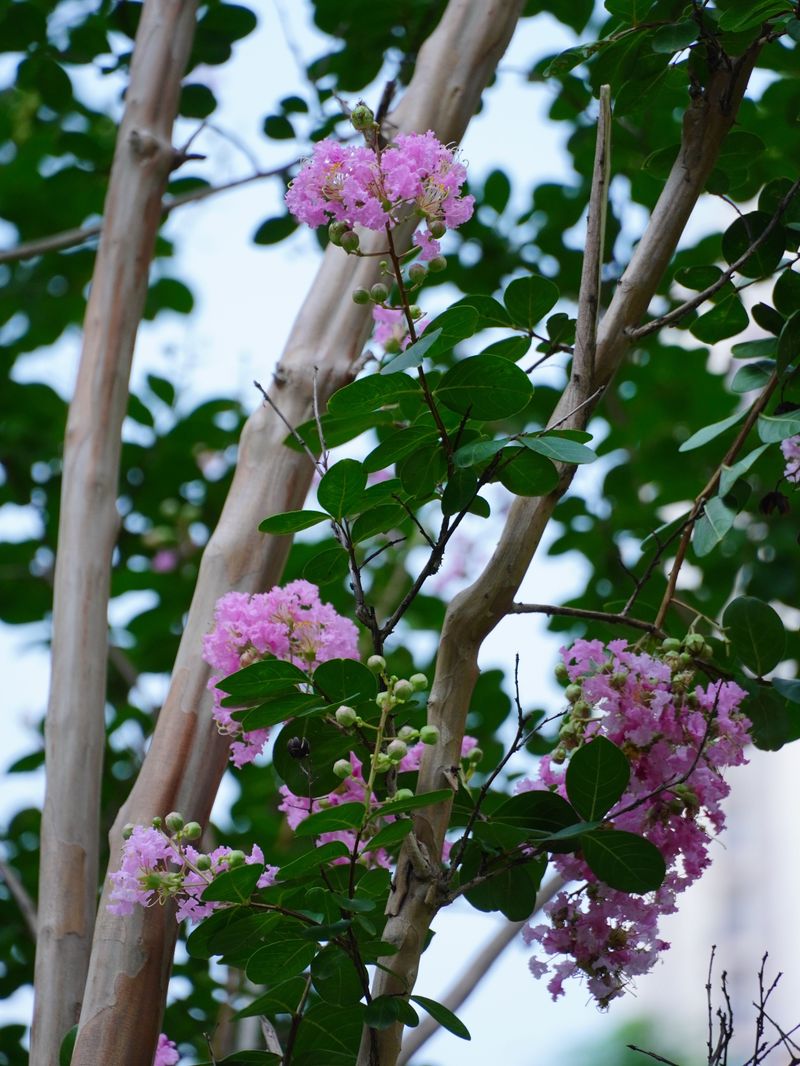
Proper pruning is simpler than most people think. You do not need special tools or a horticulture degree to do it right.
The best time to prune crape myrtles in Mississippi is late winter, just before new buds begin to swell. February or early March works well for most of the state.
Start by removing any branches that cross or rub against each other. Crossing branches create wounds and allow disease to enter the tree at contact points.
Next, take out any shoots growing from the base of the trunk. These suckers pull energy away from the main canopy and clutter the tree’s natural silhouette.
Trim branches that grow inward toward the center of the tree. Opening up the interior allows light and air to reach all parts of the canopy evenly.
That is essentially it, no topping required. If your tree has grown too large for its space, the real solution is to replace it with a smaller-growing variety.
A sharp pair of bypass pruners handles most of the work for smaller branches. For larger limbs, a folding hand saw makes clean cuts that heal faster than ragged ones.
Always cut just outside the branch collar, which is the slight swelling where a branch meets the trunk. Cutting here allows the tree to seal the wound naturally.
Following these steps consistently each late winter transforms how your crape myrtles look every single summer. Less cutting truly means more beauty.
Crape Myrtle Varieties That Naturally Stay The Right Size
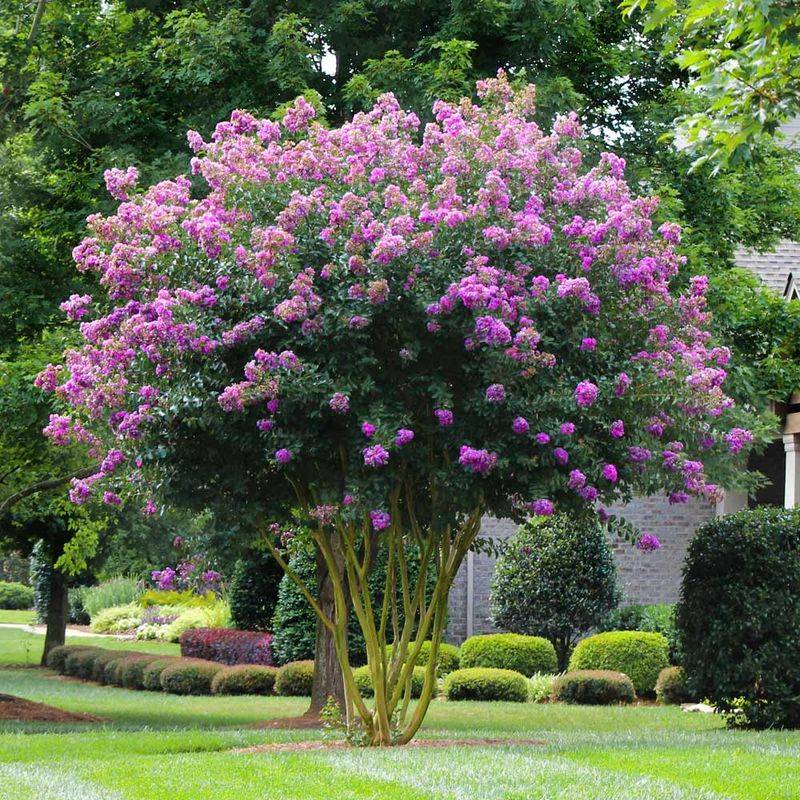
Here is a secret that saves years of pruning frustration: choosing the right size variety from the start. Planting a tree that naturally fits your space eliminates the urge to top it.
Crape myrtles come in a wide range of mature sizes, from dwarf shrubs under three feet tall to large trees exceeding thirty feet. Matching the variety to your space is everything.
For planting near foundations or under power lines, look for dwarf or compact varieties. Pocomoke, Chickasaw, and Cherry Dazzle stay under five feet without any aggressive cutting.
Mid-size options like Acoma, Hopi, and Zuni top out between eight and fifteen feet. They work beautifully as accent trees or as a natural screen along a fence line.
If you want a large, showy specimen tree, Natchez is one of the most beloved choices across the South. It grows twenty to thirty feet tall with stunning white blooms and gorgeous cinnamon-colored bark.
Muskogee and Tuscarora are also popular large varieties that thrive in Mississippi’s climate. Both handle heat and humidity with confidence, producing bold blooms from summer into early fall.
All of these varieties were developed with Southern conditions in mind. They resist powdery mildew better than older cultivars and bloom reliably without heavy intervention.
Buying from a local nursery gives you access to staff who know which varieties perform best in your specific region. Ask questions before you plant and save yourself years of frustration.
Planting the right crape myrtle in the right spot is the smartest pruning decision you will ever make.