Signs Your Plants Are Thirsty Even With Wet Soil In Mississippi
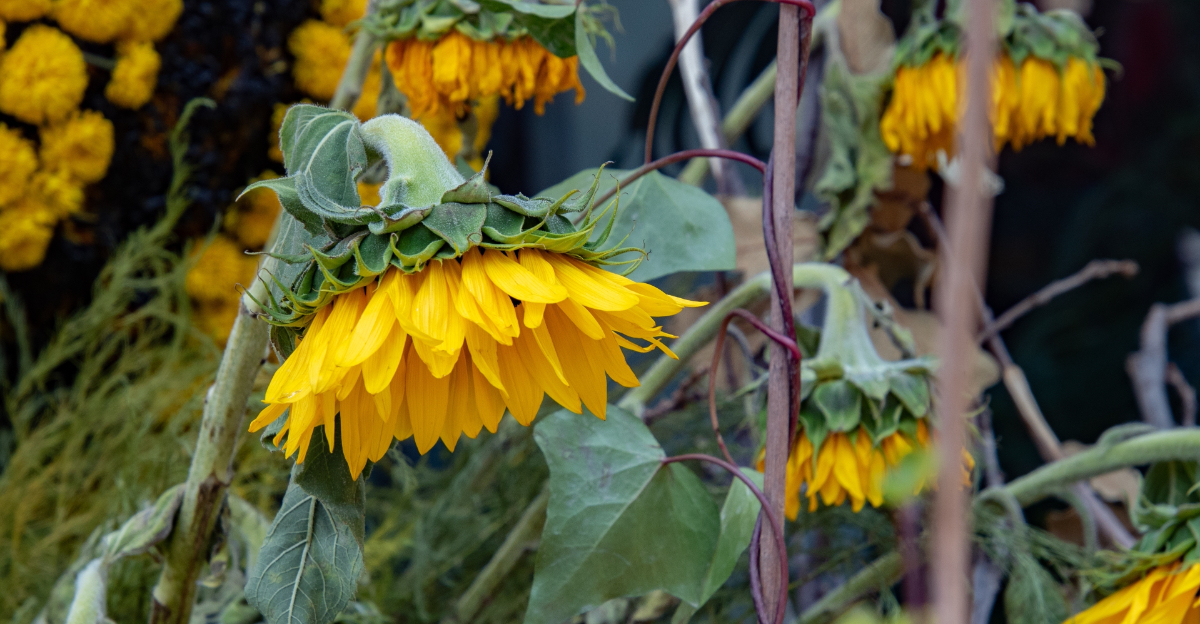
The ground feels like a sponge, yet the plants above it droop like they haven’t seen water in a week. That contradiction throws off even seasoned gardeners across Mississippi, and it happens more often than most people realize.
Moisture, dense clay soil, and thick summer heat combine into a trap that roots simply can’t outsmart. Water sits right there in the ground, and the plant still can’t pull in what it needs.
Compacted soil suffocates root systems, root rot blocks absorption at the source, and intense heat pulls moisture from leaves faster than roots can replace it. The result is plants acting parched in the middle of a seemingly well-watered yard.
Once you learn to catch these subtle clues, checking soil with a finger stops being enough. These signals reveal what’s actually happening beneath the surface, giving you a chance to fix the problem before the damage becomes impossible to ignore.
1. Wilting That Doesn’t Recover Overnight
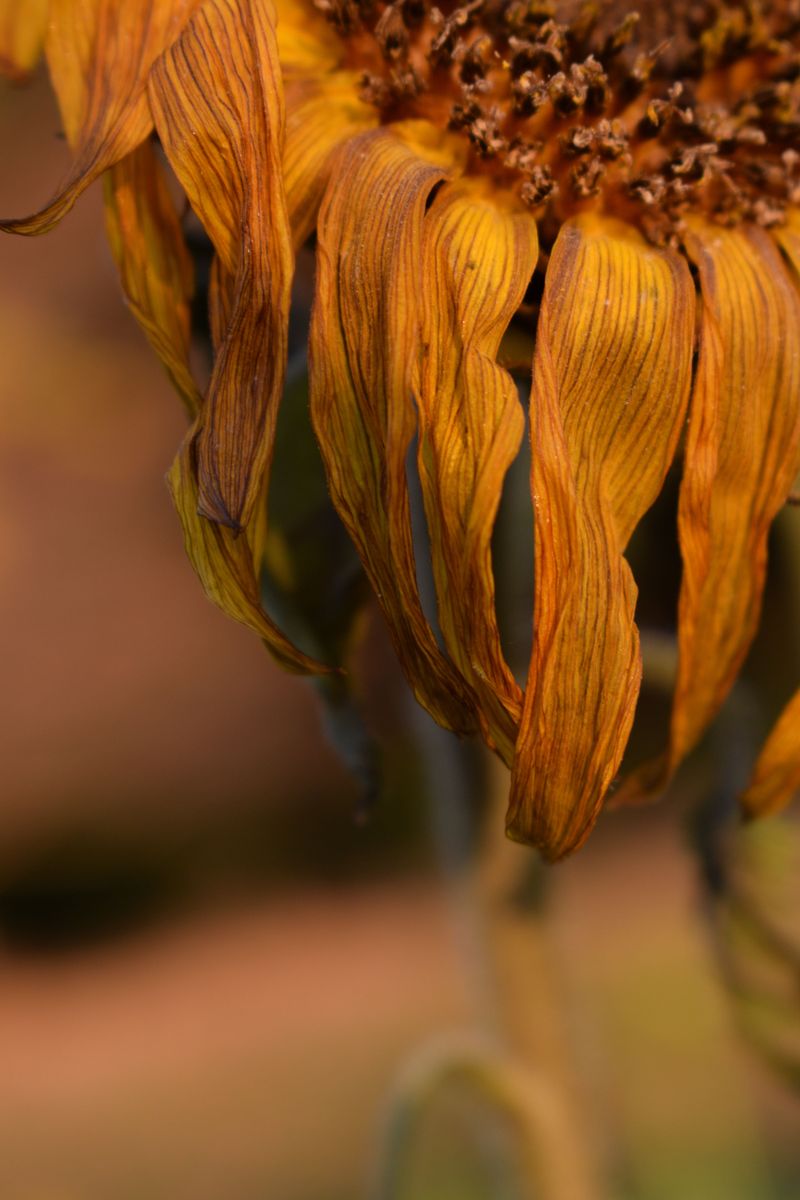
Your plant droops at noon, and you think it just needs a drink. But morning comes, and it is still slumped over like it’s stuck in yesterday’s heat.
That overnight recovery test is one of the most reliable signals a gardener can use. Healthy plants wilt in afternoon heat, then bounce back by sunrise.
When a plant stays wilted through the cool night, something is blocking water absorption at the root level. Wet soil does not fix a broken delivery system inside the plant.
In Mississippi, summer temperatures can stay above 80 degrees even after dark. That sustained heat keeps plant tissue under stress, making recovery nearly impossible without healthy roots.
Compacted or waterlogged soil suffocates roots, cutting off oxygen. Without oxygen, roots cannot pull water upward no matter how wet the ground feels.
Check the stems around dawn, before the sun climbs high. If leaves are still limp and dull at that hour, the problem runs deeper than surface moisture.
Press your finger two inches into the soil near the base. Wet soil paired with a wilting plant is a red flag, not a green light to water more.
The fix often starts with improving drainage or loosening compacted earth around the roots. Giving roots room to breathe is just as important as giving them water.
Plants that cannot recover overnight are sending a clear distress signal. Catching this sign early can mean the difference between a struggling plant and a thriving one.
2. Roots Sitting In Soggy, Compacted Soil
Soggy roots are not happy roots, even when water is everywhere. Think of it like trying to breathe through a soaking wet pillow.
Mississippi soil, especially the heavy clay found across much of the state, holds water like a sponge that never fully wrings out. That trapped moisture crowds out the oxygen roots desperately need to function.
Signs your plants are thirsty even with wet soil often start underground, where you cannot see the damage happening. Roots need both water and air to absorb nutrients properly.
Your Mississippi Garden Changes Every Week. Your Plan Should Too.
Gardening in Mississippi changes quickly throughout the season. Every Friday you’ll receive a simple weekly plan showing exactly what to plant, prune, fertilize, harvest, and protect so you never miss the right timing.
When soil becomes compacted from foot traffic or heavy rain, tiny air pockets disappear. Roots then sit in a suffocating, waterlogged environment that shuts down their ability to pull moisture upward.
You might notice slow growth, dull leaf color, or stems that feel soft near the base. Those above-ground clues point directly to root problems buried below the surface.
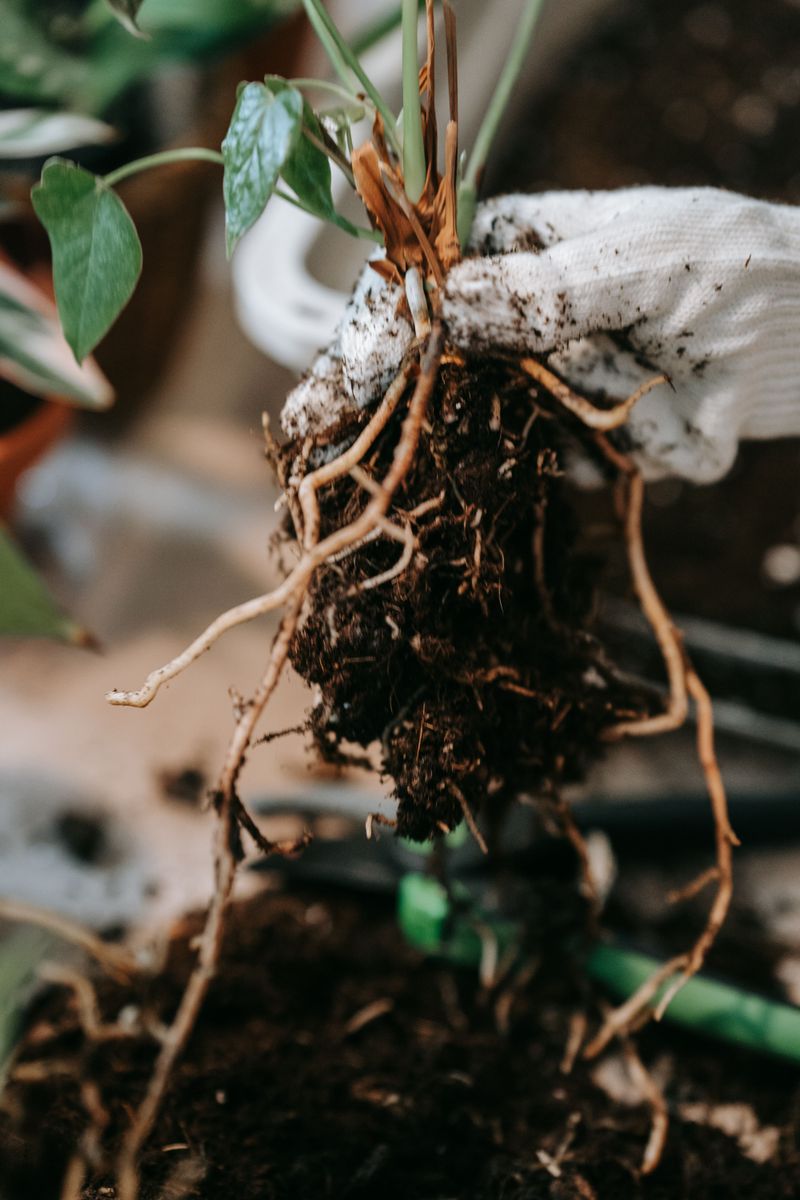
Gently dig around the base of a struggling plant and examine what you find. Healthy roots look firm and white or light tan, while stressed roots appear brown, mushy, or stringy.
Adding organic matter like compost to clay soil improves its structure dramatically. Better structure means better drainage, more air pockets, and roots that can finally do their job.
Raised beds are a popular solution in Mississippi for exactly this reason. Lifting plants above dense ground soil gives roots the loose, airy environment they crave to stay productive and strong.
3. A Musty Or Sour Smell From The Soil
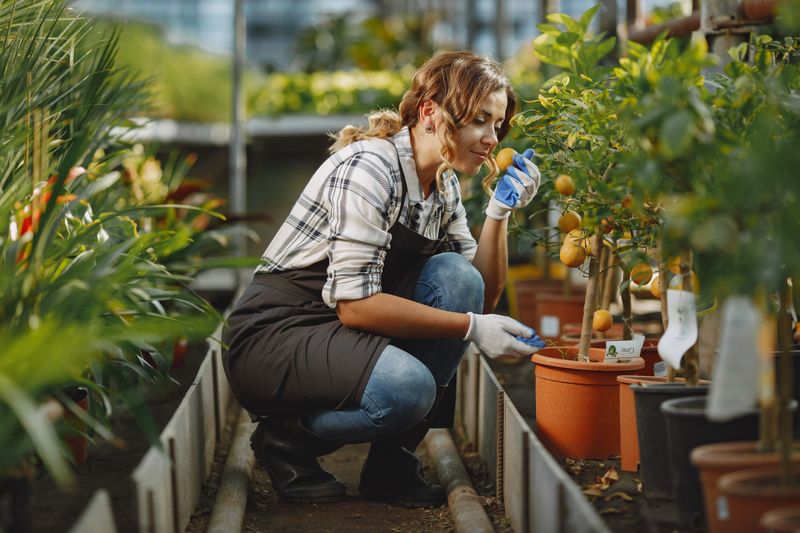
Bend down and take a sniff near your plant base. If the soil smells like a wet basement or old gym socks, something is seriously off.
Healthy garden soil has a pleasant, earthy scent caused by beneficial microbes doing their work. A sour or musty odor signals that anaerobic bacteria have taken over because oxygen is gone.
Anaerobic conditions happen when soil stays saturated for too long without drying out between watering cycles. In Mississippi’s humid climate, this can develop faster than most gardeners expect.
Those odor-producing bacteria release compounds that are toxic to plant roots. Even though moisture is present, roots absorb those harmful byproducts instead of clean water and nutrients.
The plant ends up absorbing harmful compounds instead of clean nutrients, even while sitting in perfectly adequate soil. That toxic environment explains why leaves look thirsty despite the ground being wet.
Take a small handful of soil and roll it between your fingers. If it smells sour and feels slimy rather than crumbly, drainage improvement is urgently needed.
Aerating the soil by poking holes with a garden fork can help short-term. For long-term fixes, mixing in perlite or coarse sand breaks up the dense texture that traps water.
Switching to a watering schedule that allows soil to partially dry between sessions also helps restore healthy bacterial balance. Your nose is actually one of the most useful diagnostic tools in your gardening toolkit.
4. Yellow, Soft Lower Leaves
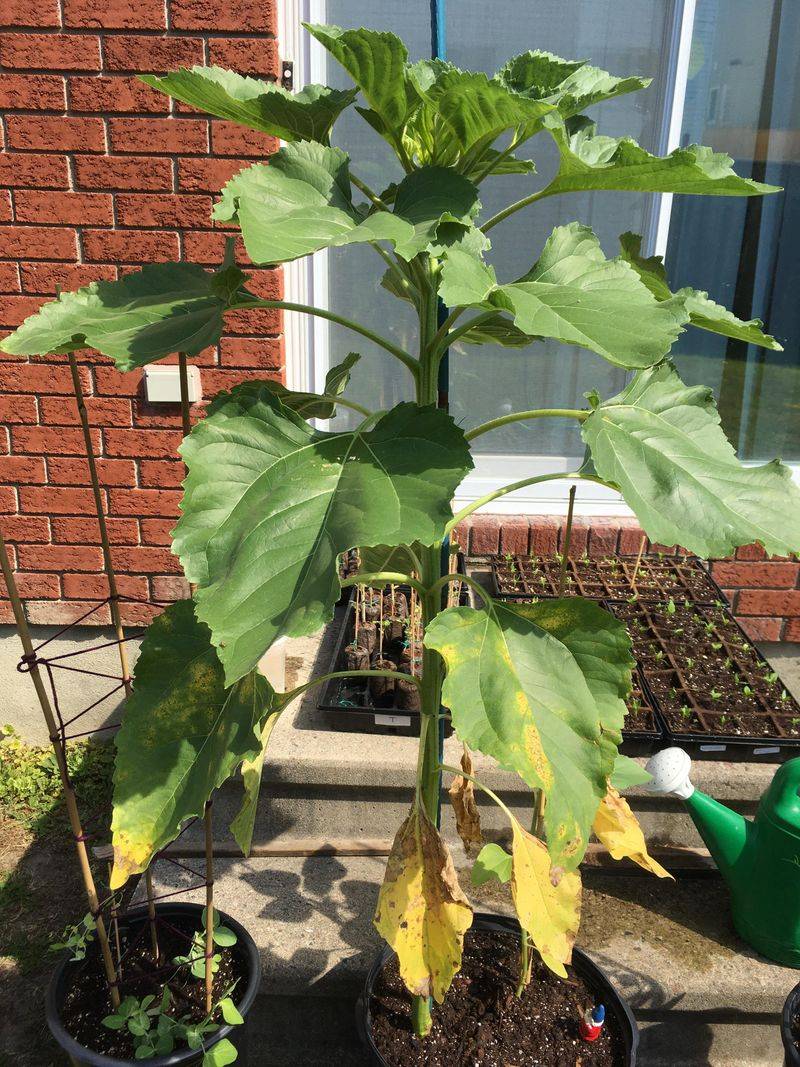
Yellow leaves near the bottom of a plant are easy to blame on underwatering. The surprising truth is that overwatered, oxygen-deprived roots cause the exact same symptom.
When roots cannot absorb nutrients because of waterlogged soil, the plant pulls resources from its oldest leaves first. Those lower leaves turn yellow, soften, and eventually drop without any drama or warning.
In Mississippi, summer rainfall combined with poor drainage creates conditions where this happens fast. You water regularly, the rain adds more, and before long the lower half of the plant looks exhausted.
Feel the yellowing leaves gently between two fingers. Leaves that are soft and slightly mushy are showing signs of cell breakdown caused by nutrient starvation, not sunburn or dry air.
Crispy yellow leaves point toward dry conditions, while soft yellow leaves almost always point toward root-level water stress. Knowing that difference saves you from making the problem worse by adding more water.
Check if the yellowing is spreading upward from the base or appearing randomly across the plant. A pattern that moves from bottom to top usually confirms root-related stress is the culprit.
Improving airflow around lower leaves can reduce stress while you address the soil situation. Trim crowded foliage to let light and air reach the base of the plant.
Catching yellow, soft lower leaves early gives you a real window to correct the problem. Act quickly, and most plants can bounce back with better drainage and a smarter watering routine.
5. Mushy Stems Or Dark, Soft Roots
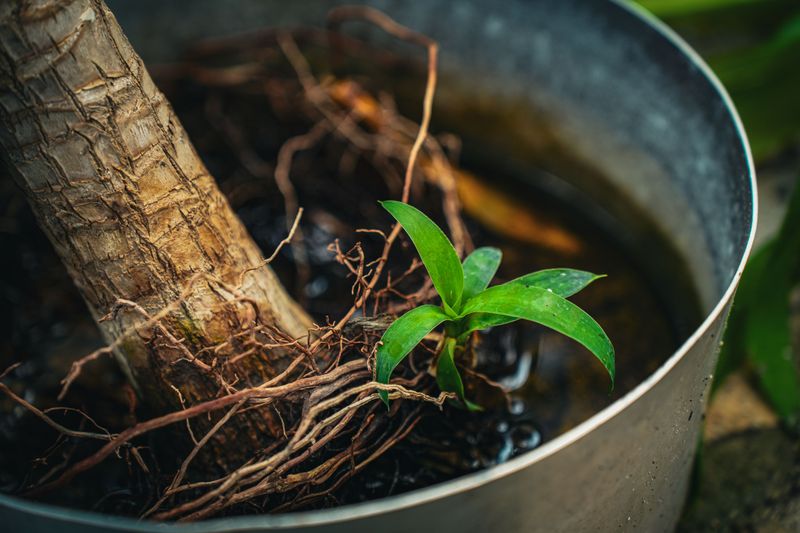
Grab a stem near the soil line and give it a gentle squeeze. If it feels soft and squishy instead of firm, you are looking at a plant in serious trouble.
Mushy stems mean cell walls have broken down from prolonged exposure to saturated, oxygen-poor conditions. This kind of damage goes well beyond surface stress and strikes at the plant’s core structure.
Pull the plant gently from the soil and look at the root system. Dark brown or black roots that feel soft and smell unpleasant have been overtaken by root rot fungi.
Root rot thrives in the warm, wet conditions that Mississippi summers deliver in abundance. Once it sets in, it spreads quickly through the root system and up into the lower stem.
Even though the soil is wet, rotted roots cannot transport water to leaves and stems. The plant is essentially surrounded by moisture it can no longer access or use.
Trim away all the dark, mushy roots using clean scissors or pruning shears. Cut back to healthy, firm, light-colored tissue and treat the remaining roots with a diluted hydrogen peroxide rinse.
Repot or replant into fresh, well-draining soil away from the problem area. Avoid watering heavily for the first week to give recovering roots a chance to stabilize.
Mushy stems are the plant’s loudest cry for help, and responding fast matters. With quick action and better drainage, even badly stressed plants can sometimes make a full recovery.
6. Heat Outpacing What Roots Can Deliver
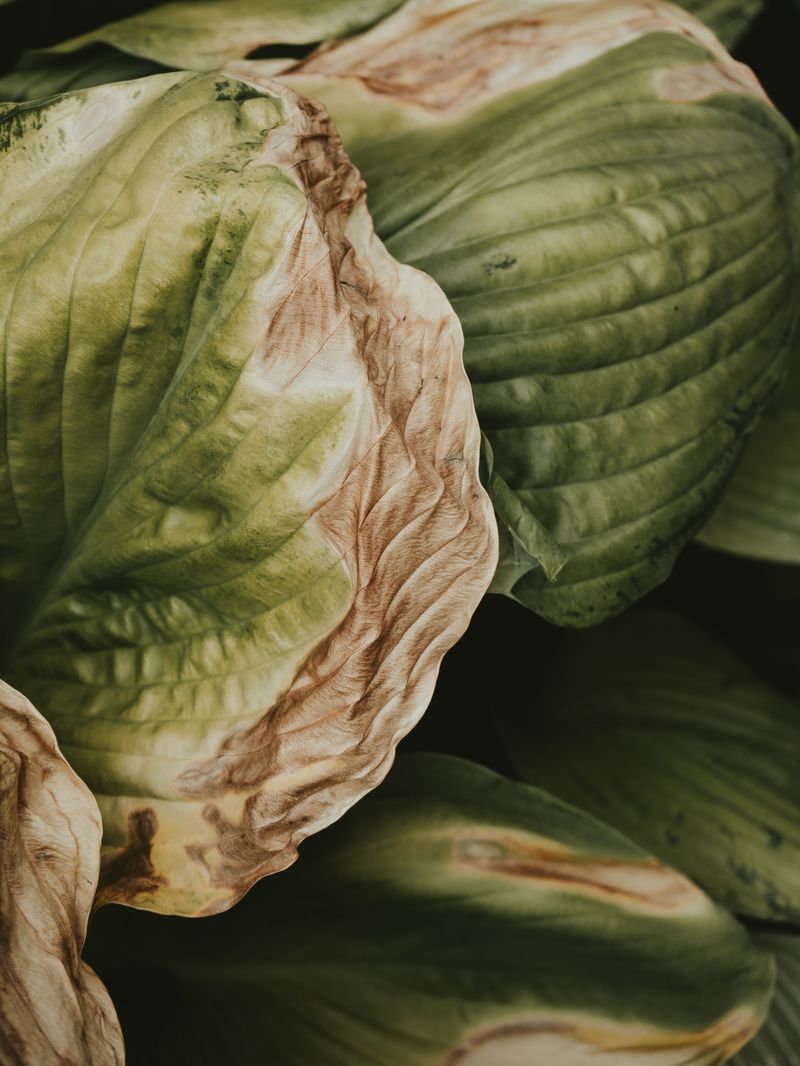
Mississippi heat is not polite, and it does not wait for roots to catch up. On a 95-degree afternoon, leaves can lose moisture faster than roots can possibly replace it.
This condition is called transpiration stress, and it hits hard during peak summer heat. Even plants in perfectly moist soil can show signs your plants are thirsty because demand outstrips supply.
Leaves curl inward, tips brown, and the whole plant looks parched despite the ground being damp. The roots are working, but the heat is winning that race every single time.
High humidity actually makes this worse in some cases by slowing the plant’s cooling process. When air is already saturated with moisture, leaves struggle to release heat through normal evaporation.
Afternoon shade becomes one of the most powerful tools a Mississippi gardener can use. Even two hours of shade during the hottest part of the day dramatically reduces transpiration stress.
Mulching heavily around plant bases keeps soil temperatures lower and slows surface moisture loss. A three-inch layer of wood chips or straw acts like a natural cooling blanket for roots.
Watering in the early morning gives roots maximum time to absorb moisture before heat peaks. Avoid watering at midday when evaporation rates are at their highest and absorption is least efficient.
Understanding heat stress versus drought stress changes how you respond to a struggling plant. Sometimes the answer is shade, not more water, and that shift in thinking can transform your garden results.
7. Mold Or Algae On The Soil Surface
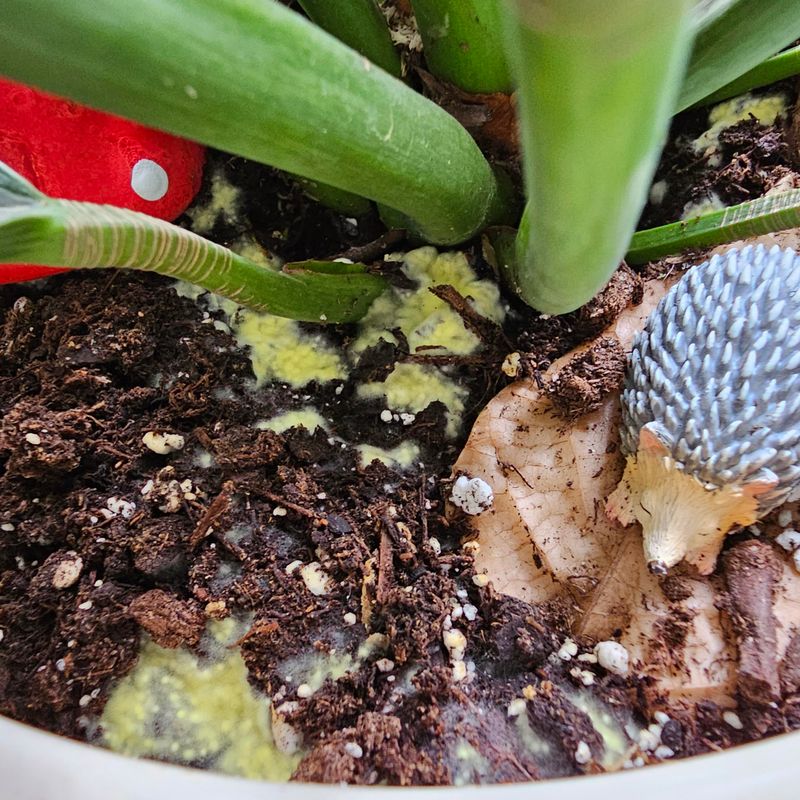
Green fuzz on your soil surface might look harmless, but it is waving a big red flag. Algae and mold thrive when soil stays consistently wet without enough airflow or sunlight to dry it out.
That persistent moisture creates a sealed, low-oxygen layer right at the surface where roots are most active. Roots near the top of the soil suffocate first, losing their ability to absorb water effectively.
You might be watering on a regular schedule, but the plant still looks stressed and dull. The surface growth is proof that moisture is not cycling properly through the soil at all.
Algae colonizes soil that gets regular water but poor drainage, especially in shaded garden spots. Mississippi’s combination of humidity and heat creates ideal conditions for this kind of surface takeover.
Scrape away the affected layer and loosen the top inch of soil with a small fork. Improving surface airflow by spacing plants further apart also helps reduce the conditions that feed mold growth.
Check if your containers have drainage holes that are blocked by debris or compacted soil. Clogged drainage turns any pot into a miniature swamp, no matter how carefully you water.
Switching to bottom watering for potted plants keeps the surface drier and discourages mold from forming. This method encourages roots to grow downward toward moisture, building a stronger root system overall.
Mold on your soil is a quiet signal that the whole moisture system needs a reset. Fix the drainage first, and the plant’s ability to access water will improve on its own.
8. Premature Leaf Drop Despite Regular Watering
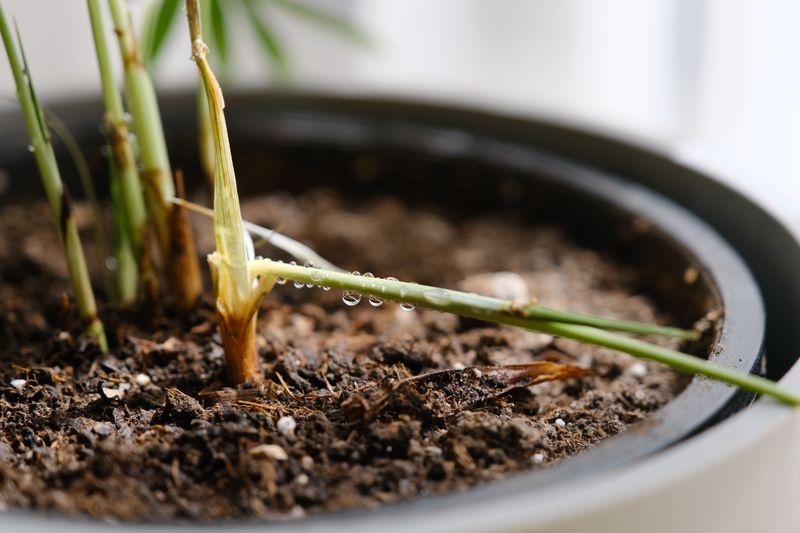
Leaves falling off a plant that gets watered regularly feels like a betrayal. You followed the rules, kept the soil moist, and the plant is still shedding like it’s giving up on the season.
Premature leaf drop is one of the clearest signs your plants are thirsty even with wet soil in Mississippi. The plant is shedding weight to reduce the water demand it cannot meet.
When roots are compromised by waterlogging or compaction, the plant goes into survival mode. Dropping leaves is a calculated strategy to reduce the surface area losing moisture to the hot air.
It is a bit like a ship tossing cargo overboard to stay afloat. The plant sacrifices its leaves to protect its core stem and whatever roots are still functional.
Look at which leaves are falling first. If younger, healthier-looking leaves are dropping alongside old ones, the stress is severe and the root system may be significantly damaged.
Check the soil moisture at different depths, not just at the surface. Soil can feel wet on top but bone dry two inches down, especially in sandy or fast-draining areas of the garden.
Improve drainage, reduce watering frequency, and add a balanced liquid fertilizer to support recovery. Roots that are stressed often struggle to pull nutrients even when those nutrients are present in the soil.
Leaf drop is the plant asking for help in the only language it knows. Learn to read that message, and your Mississippi garden will reward you with stronger, more resilient growth all season long.