Pennsylvania Gardeners Are Planting These Flowers In June Specifically To Attract Beneficial Insects
Beneficial insects are some of the most effective pest managers a Pennsylvania garden can have, and the difference between a yard that supports them and one that does not shows up clearly by midsummer.
Ladybugs, lacewings, parasitic wasps, hoverflies, and ground beetles do work that no spray replicates with the same consistency, and they do it for free as long as the garden gives them a reason to stay.
The plants you have in the ground in June play a direct role in whether those insects show up, find what they need, and establish a presence that carries through the growing season.
Pennsylvania gardeners who have made beneficial insect attraction an intentional part of their June planting decisions are seeing the results in reduced pest pressure and healthier plants through the months that follow.
Getting the right flowers in the ground now is one of the higher-impact, lower-effort investments a Pennsylvania garden can make heading into peak summer.
1. Black-Eyed Susan (Rudbeckia Hirta)
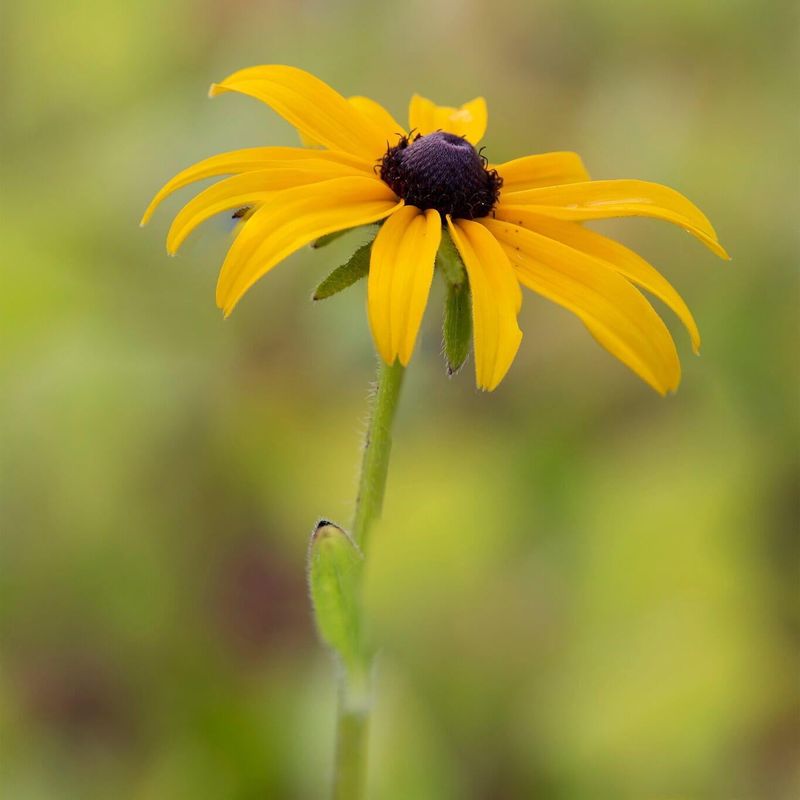
Few flowers light up a Pennsylvania garden quite like the Black-Eyed Susan. With its bold yellow petals and deep, almost chocolatey center, this native wildflower has been a garden favorite for generations.
It blooms reliably in June and keeps going strong through the heat of summer. What makes it especially valuable is its ability to attract a wide range of beneficial insects. Bees absolutely love it.
Hoverflies, which look like tiny bees but are actually flies, are also drawn to its open blooms. Those hoverflies are garden heroes because their larvae feed on aphids and other soft-bodied pests that can damage your plants.
Butterflies visit Black-Eyed Susans regularly too, helping with pollination throughout your entire yard. The flower’s flat, open shape makes it easy for all kinds of insects to land and feed without trouble.
That open design is actually one reason it attracts such a wide variety of visitors. Black-Eyed Susans are also incredibly easy to grow in Pennsylvania’s climate.
They handle hot summers, tolerate drought, and thrive in full sun. You can plant them in garden beds, borders, or even in containers on a sunny porch.
Fun fact: Black-Eyed Susans are the official state flower of Maryland, but they grow just as happily across Pennsylvania. Once established, they often self-seed, meaning you get more plants every year without extra effort.
Planting a patch of these cheerful flowers in June gives beneficial insects a reliable food source right when your garden needs them most.
2. Purple Coneflower (Echinacea Purpurea)
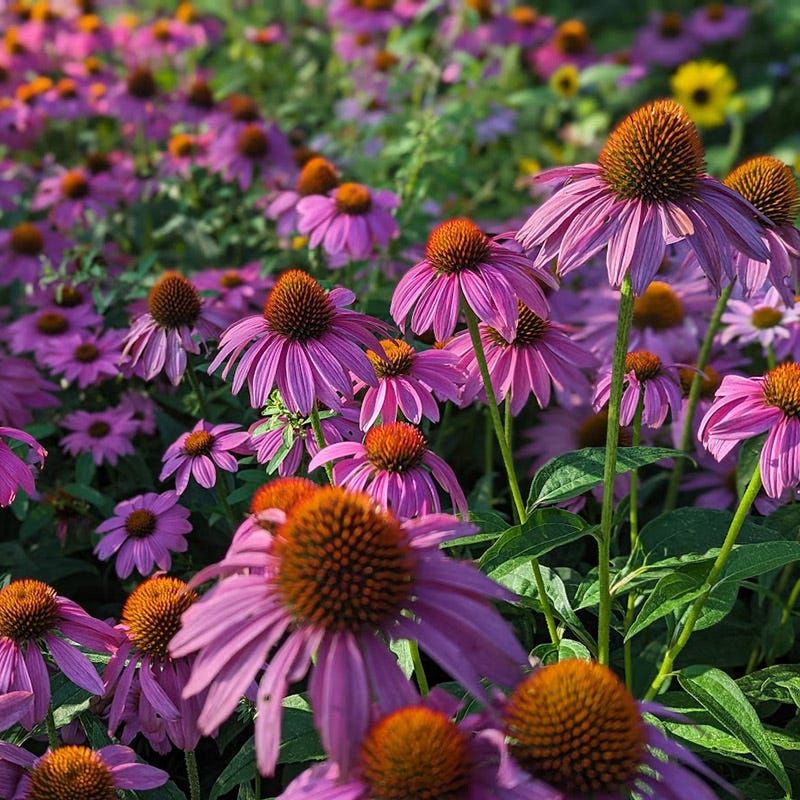
Walk through almost any Pennsylvania garden in June and you are likely to spot the Purple Coneflower standing tall and proud.
Its large, daisy-like blooms in shades of rosy purple are hard to miss, and beneficial insects cannot resist them either. This plant is basically a free lunch spot for pollinators.
Echinacea purpurea is loaded with nectar, which makes it one of the most attractive flowers you can grow for bees and butterflies. Bumblebees especially seem to adore it, often spending long stretches of time working their way across each bloom.
Your Pennsylvania Garden Changes Every Week. Your Plan Should Too.
Gardening in Pennsylvania changes quickly throughout the season. Every Friday you’ll receive a simple weekly plan showing exactly what to plant, prune, fertilize, harvest, and protect so you never miss the right timing.
Monarch butterflies and swallowtails are also frequent visitors, making your garden feel alive with color and movement.
Beyond pollinators, the Purple Coneflower draws in predatory insects like ground beetles and parasitic wasps. These insects are natural pest controllers.
Parasitic wasps, for example, target caterpillars and aphids that would otherwise munch through your vegetables and other plants. Having them around reduces the need for chemical sprays.
Growing Purple Coneflower in Pennsylvania is straightforward. It thrives in full sun to light shade and handles both clay and sandy soils surprisingly well.
June planting gives it enough time to establish strong roots before the hottest part of summer arrives.
Here is something worth knowing: Echinacea has been used for centuries in herbal medicine, particularly by Native American communities. Today, gardeners love it just as much for its garden performance as for its history.
Plant it in groups of three or more for the biggest visual impact and the most insect activity throughout the season.
3. Wild Bergamot (Monarda Fistulosa)
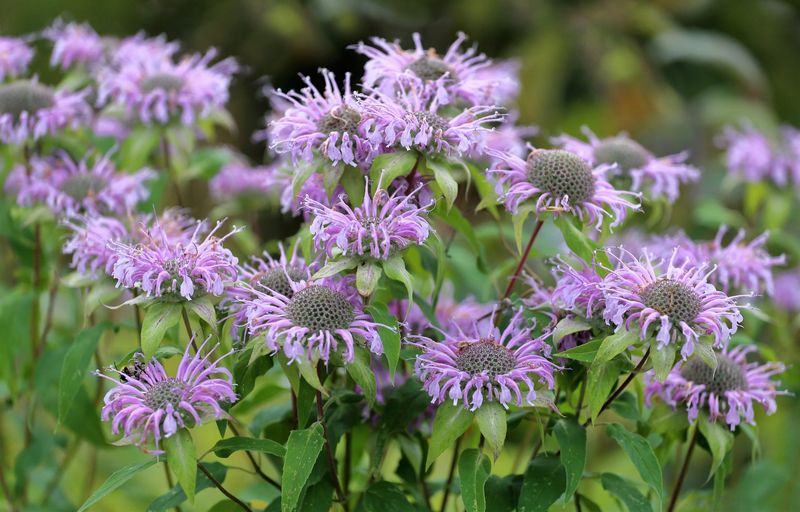
There is something almost magical about Wild Bergamot on a warm June evening. The soft lavender-pink blooms release a spicy, oregano-like fragrance that drifts through the air and pulls pollinators in from surprisingly long distances.
Native bees, in particular, seem completely enchanted by it. Monarda fistulosa is a Pennsylvania native plant, which means it evolved right alongside the insects that live here.
That natural relationship makes it one of the most effective flowers you can grow for supporting local bee populations.
Native bumblebees, sweat bees, and mining bees all visit regularly and stay for extended feeding sessions.
Butterflies are also strongly attracted to Wild Bergamot. Eastern tiger swallowtails, skippers, and fritillaries are common visitors throughout the summer.
Hummingbirds occasionally stop by too, drawn in by the tubular flower clusters that sit perfectly for their long beaks.
One of the best things about this plant is how low-maintenance it really is. Once established in your Pennsylvania garden, Wild Bergamot spreads slowly to form a full, bushy clump.
It handles dry spells well and does not need much fertilizer. Full sun is ideal, though it tolerates a bit of afternoon shade without complaint.
Did you know Wild Bergamot belongs to the mint family? That connection explains its strong scent.
The fragrance that attracts pollinators also acts as a natural deterrent for some garden pests, giving you an extra layer of protection.
Planting it near vegetable beds in June is a smart strategy that experienced Pennsylvania gardeners have used for years to keep their gardens productive and pest-resistant.
4. Bee Balm (Monarda Didyma)
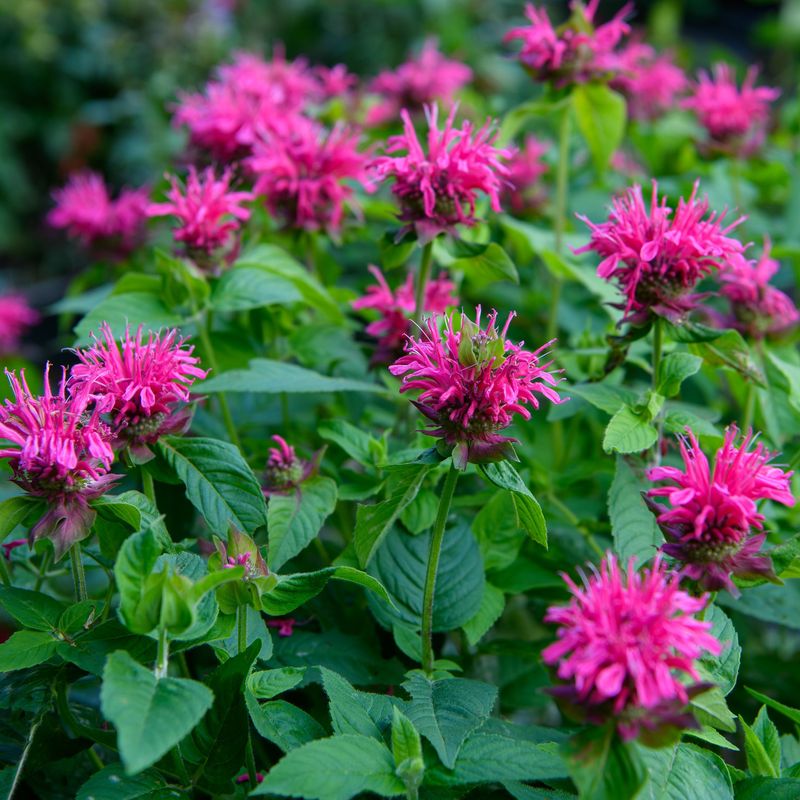
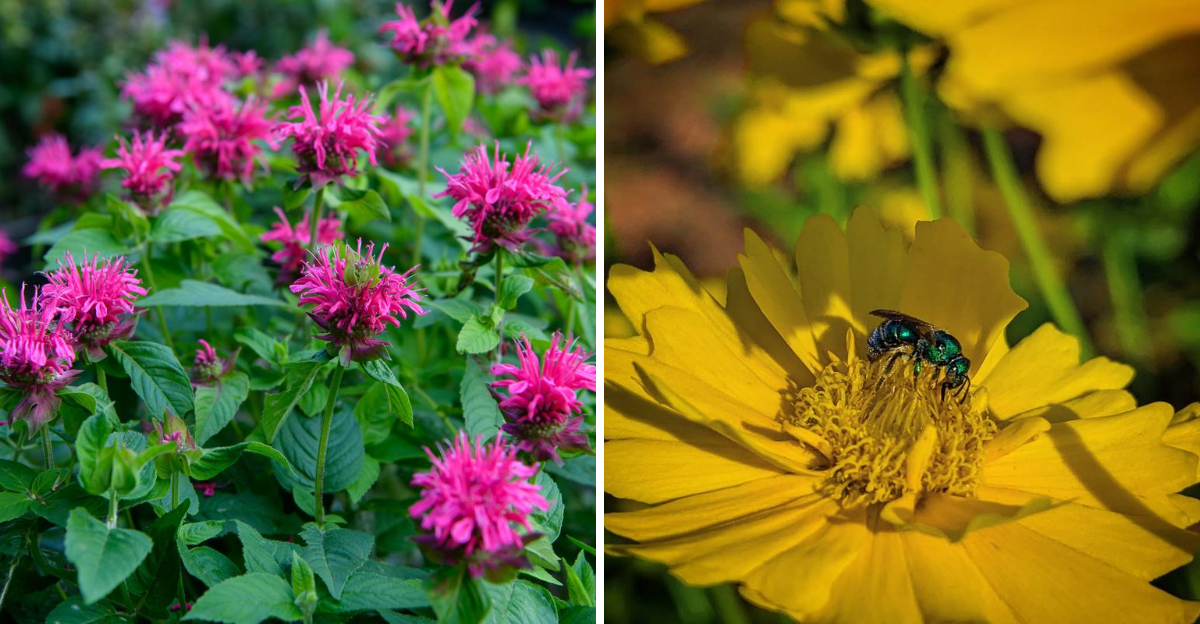
Bee Balm earns its name every single day it blooms. The moment those bright red or hot pink tubular flowers open up in June, your garden transforms into a buzzing, fluttering hub of activity.
Bees swarm it, butterflies circle it, and hummingbirds dart in for a sip like tiny jewels in the air.
What sets Monarda didyma apart from its close relative Wild Bergamot is the intensity of its blooms and its especially strong draw for predatory insects.
Beneficial wasps and predatory beetles are frequently spotted around Bee Balm, using it as a feeding station before heading off to patrol your garden for harmful pests. Having these insects nearby keeps aphid and caterpillar populations in check naturally.
Pennsylvania gardeners love Bee Balm because it thrives in the state’s humid summers. It prefers moist, well-drained soil and full sun, though it handles partial shade better than many other flowering plants.
Plant it near a water source or in a slightly lower garden bed where moisture tends to collect.
One thing to keep in mind is air circulation. Bee Balm can develop powdery mildew in crowded spots.
Spacing plants about 18 to 24 inches apart helps prevent this issue and keeps the foliage looking healthy all season long.
Here is a fun gardening tip: cutting spent Bee Balm blooms encourages fresh flowers to form, extending the season well into late summer. More blooms mean more visits from beneficial insects over a longer period.
For Pennsylvania gardeners trying to build a truly insect-friendly yard, Bee Balm is a must-have addition to any June planting plan.
5. Yarrow (Achillea Millefolium)
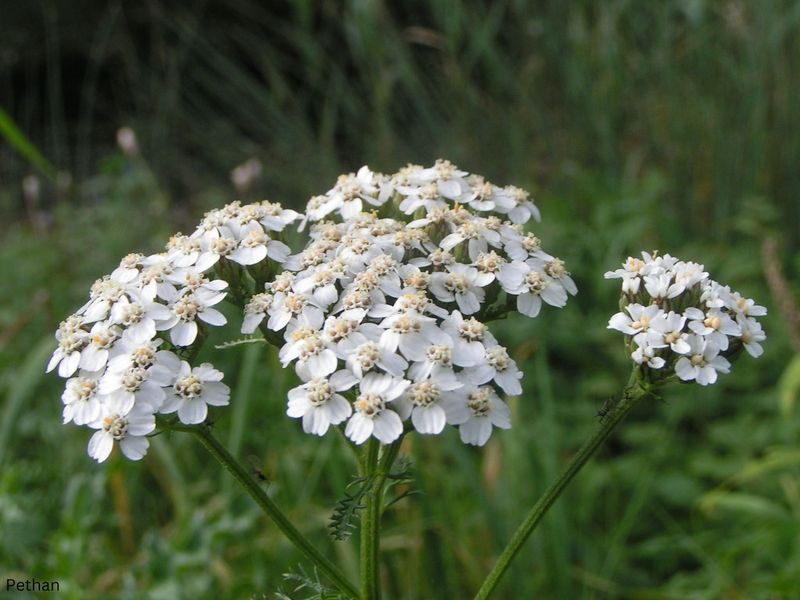
Yarrow is one of those underrated garden plants that quietly does an enormous amount of good.
Its flat-topped flower clusters in white, yellow, or soft pink may look delicate, but they are powerhouses when it comes to attracting the most useful insects in any Pennsylvania garden.
Ladybugs, lacewings, and parasitic wasps all show up reliably wherever Yarrow is growing. Lacewings are especially worth encouraging. Their larvae are ferocious predators of aphids, spider mites, and whiteflies.
A single lacewing larva can consume hundreds of pest insects before reaching adulthood. Planting Yarrow gives lacewings a nectar source that keeps adult populations strong and active near your garden beds.
Ladybugs are another big benefit. Both adult ladybugs and their larvae feed heavily on aphids, scale insects, and other soft-bodied pests.
Yarrow acts almost like a welcome mat for them, providing both nectar and a sheltered habitat among its dense, feathery foliage.
Growing Yarrow in Pennsylvania is nearly effortless. It thrives in full sun and actually prefers poor, well-drained soil.
Rich, heavily fertilized soil causes it to flop over, so skip the extra compost and let it grow lean. It handles drought conditions with ease and spreads gradually to fill open spaces in your garden.
Yarrow has a fascinating history too. Ancient Greek legend says the hero Achilles used it to treat wounded soldiers, which is where the name Achillea comes from.
Whether or not that story is true, one thing is certain: Yarrow’s value in the modern Pennsylvania garden is very real. Planting it in June sets up a strong pest management system that lasts all summer.
6. Coreopsis (Coreopsis Spp.)
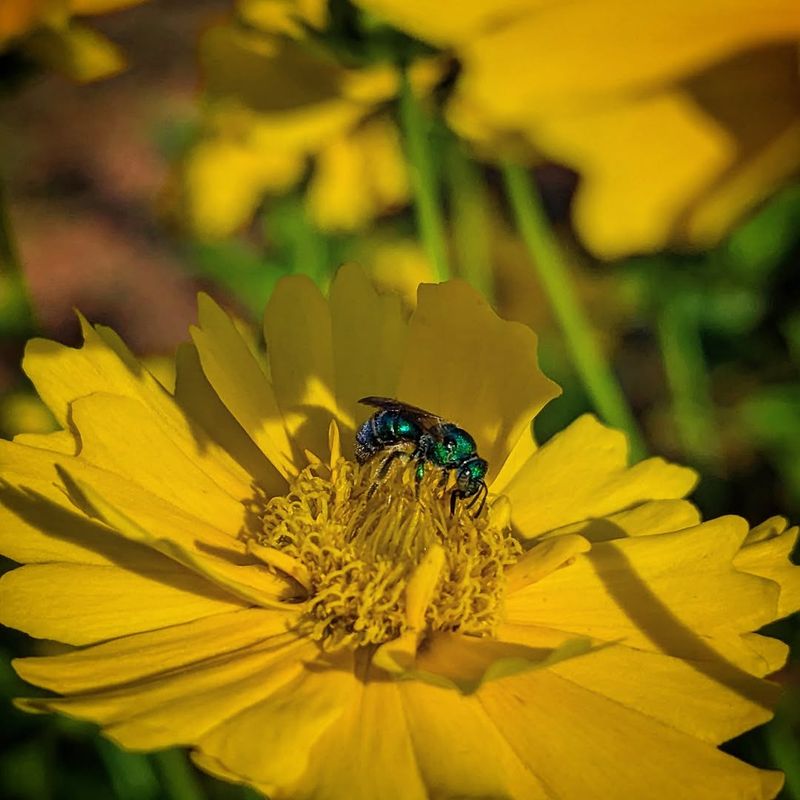
If you want a flower that practically never stops blooming, Coreopsis is your answer. These cheerful, sunny yellow flowers start opening in June and keep producing fresh blooms all the way through late summer without much fuss from you.
Pennsylvania gardeners love them for exactly that reason. Coreopsis is a magnet for bees of all kinds. Honeybees, native bumblebees, and small solitary bees all visit frequently.
The open, daisy-like structure of the flower makes it easy for insects with different body sizes to access the nectar and pollen at the center. That accessibility is a big deal when you are trying to support a diverse community of beneficial insects.
Butterflies also flock to Coreopsis. Skippers, sulfurs, and painted ladies are regular visitors throughout the season.
Beyond pollinators, predatory insects like minute pirate bugs and assassin bugs use Coreopsis plantings as hunting grounds, picking off thrips, aphids, and small caterpillars that damage nearby plants.
One of the best things about Coreopsis is its tough, adaptable nature. It handles Pennsylvania summers well, tolerating heat, humidity, and occasional dry spells without skipping a beat.
Full sun is ideal, and average garden soil is all it needs to perform beautifully. Deadheading spent blooms encourages even more flowers to form.
There are several Coreopsis varieties worth exploring, including Coreopsis verticillata and Coreopsis lanceolata, both of which perform exceptionally well in Pennsylvania gardens. Planting a mix of varieties extends your bloom season and keeps beneficial insects coming back week after week.
For continuous color and continuous insect activity, few plants match what Coreopsis delivers from June through August.
7. Goldenrod (Solidago Spp.)
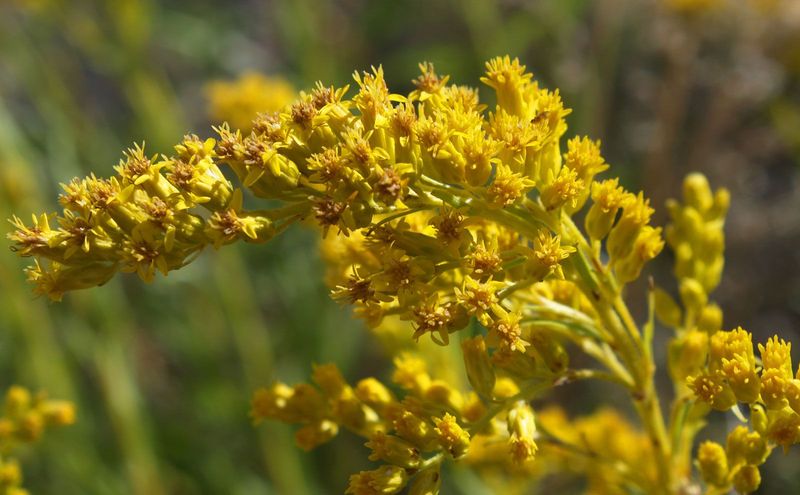
Goldenrod gets a bad reputation that it truly does not deserve. Many people blame it for hay fever, but the real culprit is ragweed, which blooms at the same time.
Goldenrod’s pollen is actually too heavy and sticky to travel through the air. It needs insects to carry it, which is exactly why so many beneficial insects are drawn to it.
Starting in late June and peaking through summer, Goldenrod supports an astonishing variety of native bees. Researchers have documented over 100 bee species visiting Solidago plants across the eastern United States.
In Pennsylvania, it is one of the single most important native plants for sustaining local bee populations as summer transitions toward fall.
Beyond bees, Goldenrod attracts predatory insects in impressive numbers. Soldier beetles, which feed on aphids and caterpillar eggs, are almost always found on Goldenrod blooms.
Parasitic wasps use it as a nectar refueling station before hunting down hornworms and other garden pests. The plant essentially acts as a base camp for your garden’s natural defense team.
Growing Goldenrod in Pennsylvania is refreshingly simple. It thrives in full sun with average to poor soil and spreads steadily once established.
If you prefer a more contained plant, look for compact cultivated varieties like Solidago rugosa ‘Fireworks’ or Solidago sphacelata ‘Golden Fleece,’ which stay tidy in garden borders.
Planting Goldenrod in June gives it a full growing season to establish strong roots and develop its flower spikes.
By late summer, when many other plants are winding down, Goldenrod steps up and keeps your garden’s beneficial insect population thriving right through the end of the season.