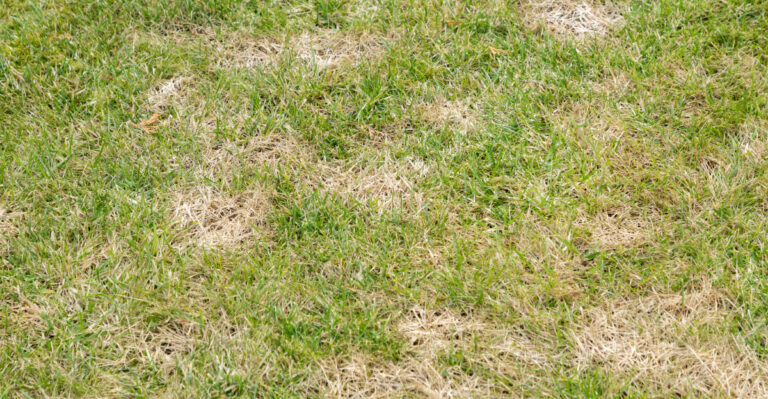
Why North Carolina Soil Acidity Varies By Region And What It Means For Every Plant You Buy
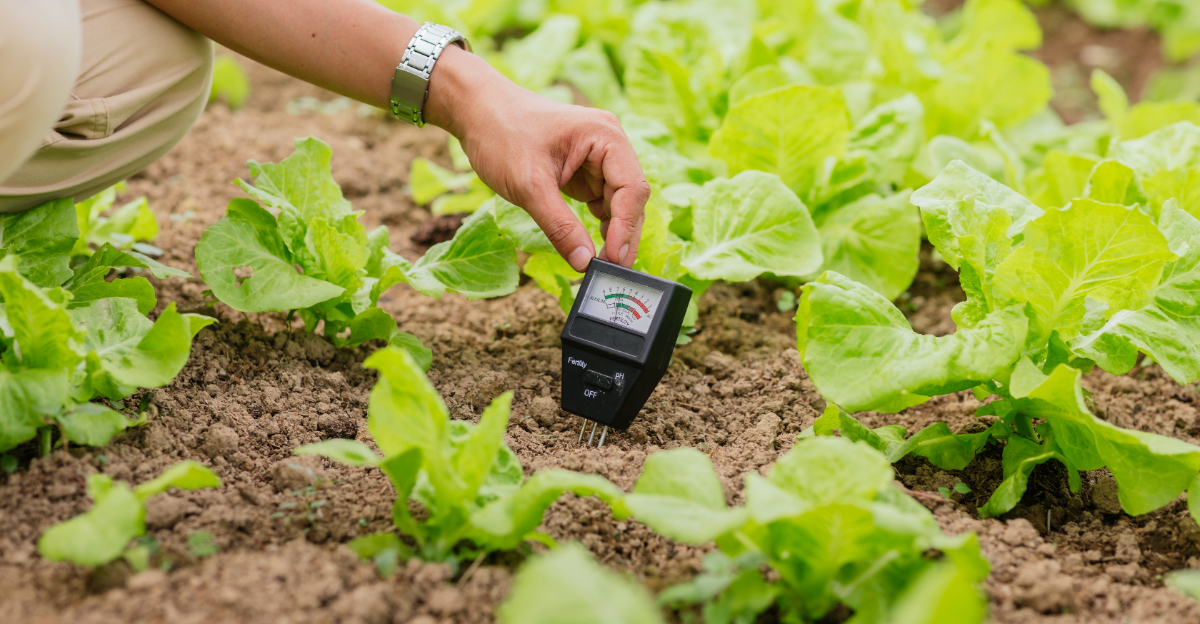
Soil acidity in North Carolina is not a single statewide condition that one general recommendation can address.
The mountains, Piedmont, and coastal plain each have distinct baseline pH ranges shaped by completely different underlying geology, rainfall patterns, and organic matter profiles that have developed over thousands of years.
A plant that thrives in the acidic soils common to the western mountains may perform poorly in the sandier, more variable coastal plain soils without amendments that a gardener in Asheville would never need to think about.
Understanding which region you are actually gardening in, what the typical pH range of that region’s soil looks like, and how specific plants respond to those conditions changes every purchasing and planting decision in a meaningful and practical way.
1. North Carolina Soil pH Starts With The Region
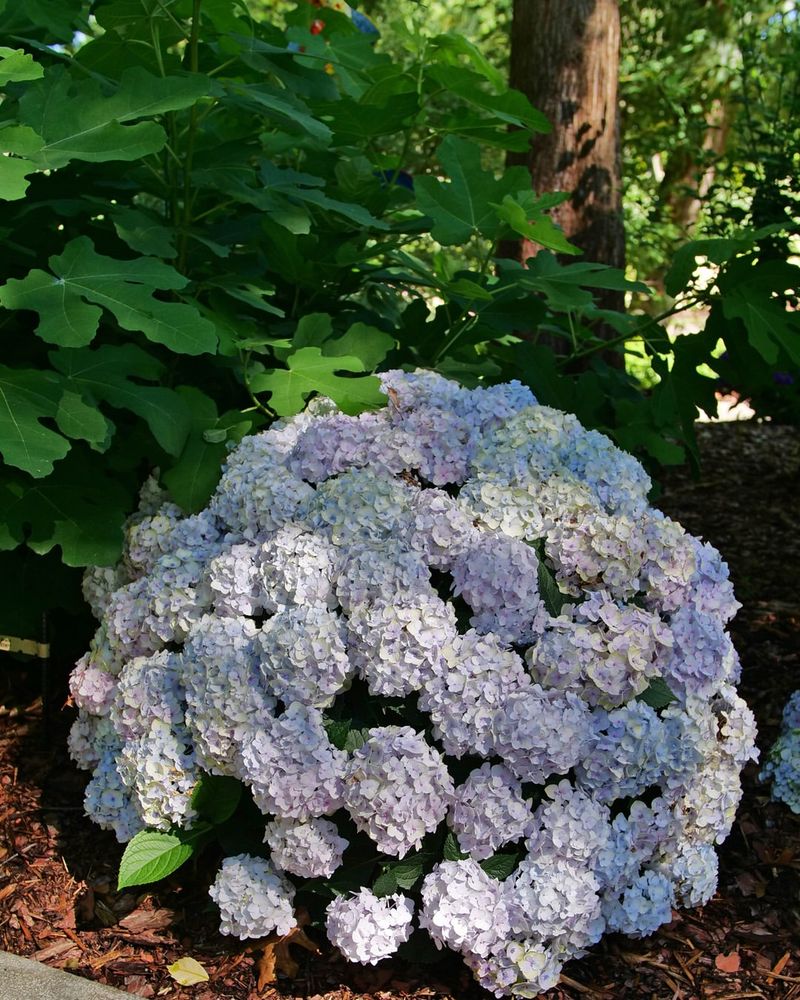
North Carolina is one of the most geographically diverse states on the East Coast, and that diversity goes straight down into the ground.
The Coastal Plain, Piedmont, and Mountain regions each formed from completely different materials over millions of years, giving each area its own starting pH, texture, and drainage pattern.
Sandy coastal soils, heavy Piedmont clay, and rocky mountain earth all behave differently when it comes to nutrients, water movement, and how plants absorb minerals.
Knowing your region gives you a useful head start, but it is only a clue, not a guarantee. Two yards in the same neighborhood can test surprisingly different.
Gardeners who shop at nurseries sometimes pick plants based on what a neighbor grows or what looks good on the shelf.
That approach can lead to frustration when a thriving plant in one yard struggles next door. Region is a helpful starting point, but a soil test is the only real answer.
Before you buy anything new for your yard, get that test done and know exactly what your soil is telling you.
2. Coastal Plain Soils Are Often Sandy And Fast Draining
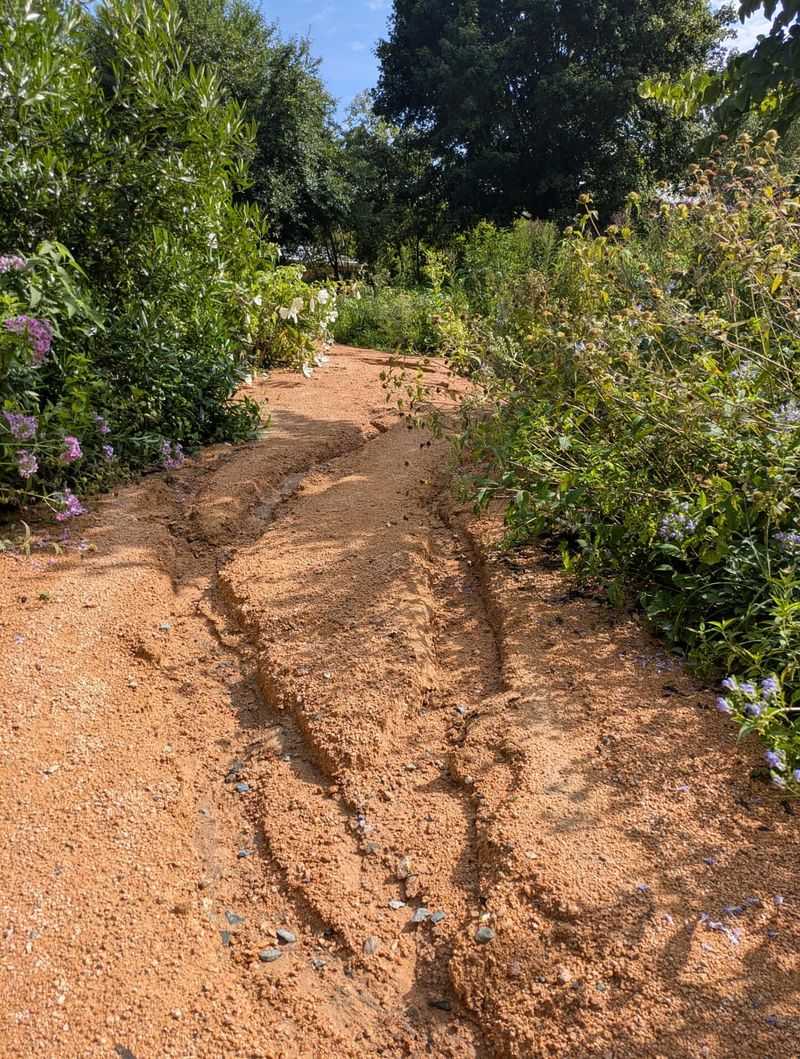
Picture pouring a glass of water into a bucket of sand. That is basically what happens when rain hits Coastal Plain soil in North Carolina.
Sandy soils drain so quickly that water and nutrients move through before many plants can grab them, which creates a unique set of challenges for gardeners in eastern counties.
Because calcium and magnesium leach out faster in sandy conditions, these soils often trend acidic over time.
That means plants expecting a balanced pH may show signs of nutrient stress even when you think you are feeding them well.
The nutrients may simply be washing past the root zone before they can be used. Salt exposure, strong coastal winds, and intense summer heat add more layers to the puzzle for gardeners near the shore.
Plants bought for these yards need to handle all of those conditions together, not just one of them.
Sandy soil also warms up faster in spring, which can be a bonus for early planting but also dries out quickly during dry spells.
Always test your sandy soil before choosing plants, because the results might surprise you even if you have been gardening in the same spot for years.
Your North Carolina Garden Changes Every Week. Your Plan Should Too.
Gardening in North Carolina changes quickly throughout the season. Every Friday you’ll receive a simple weekly plan showing exactly what to plant, prune, fertilize, harvest, and protect so you never miss the right timing.
3. Piedmont Soils Often Hold More Clay
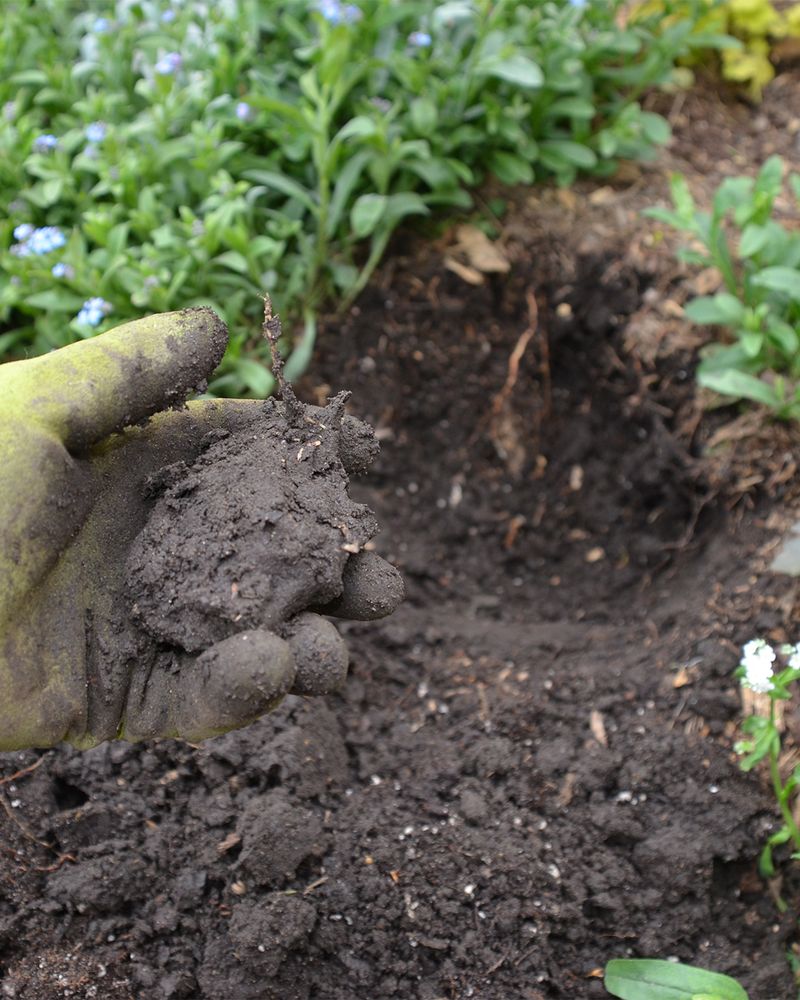
Red clay is practically the unofficial mascot of the North Carolina Piedmont.
If you have ever tried to dig a hole in a Piedmont yard after a dry spell, you know exactly how tough that soil can be.
Clay holds onto water and nutrients much longer than sandy soil, which sounds like a good thing until it causes waterlogged roots or compaction problems.
Clay soils also respond more slowly to amendments like lime. When you add lime to raise the pH in a clay-heavy yard, it can take weeks or even months before you see the full effect.
Patience matters here, and testing before adding more is always the smart move.
Gardeners in the Piedmont who want to grow a wide variety of plants often need to invest time in improving soil structure.
Adding organic matter, compost, and sometimes grit can help open up that dense clay over several seasons.
Choosing plants that naturally tolerate heavier, slower-draining soil is another solid strategy if you are not ready to overhaul your beds right away.
Either way, a soil test will tell you whether your Piedmont clay is running acidic, neutral, or somewhere in between, so your plant choices match what is actually in the ground.
4. Mountain Soils Can Be Cool, Variable, And Often Acidic
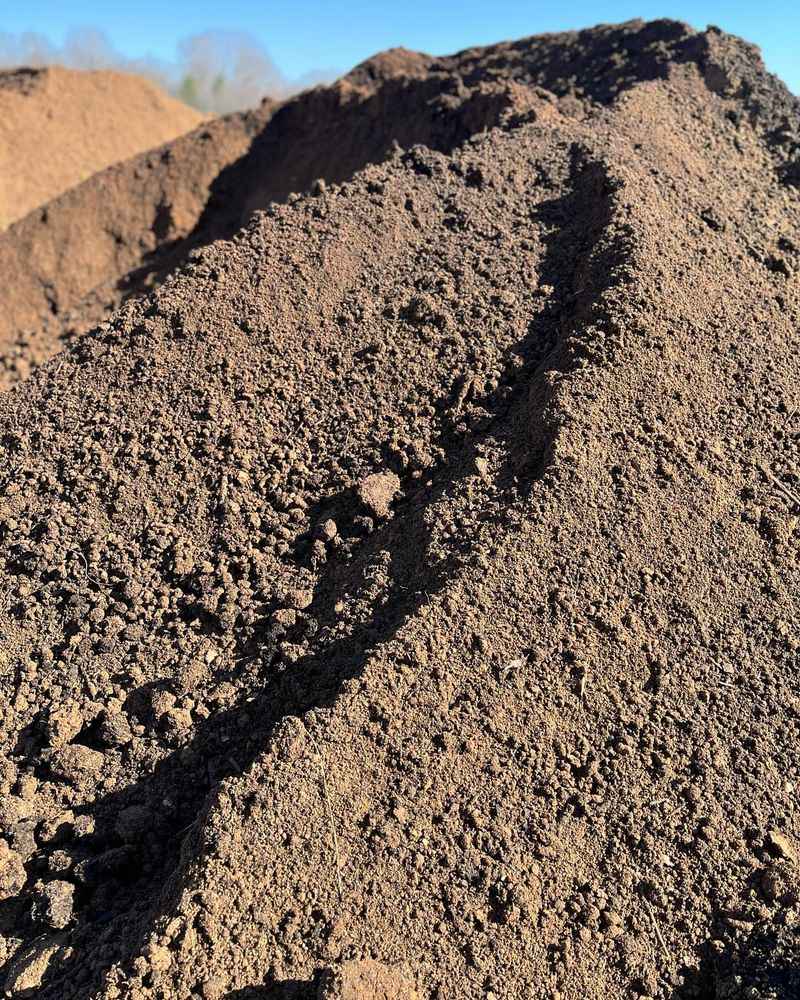
Gardening in the North Carolina mountains feels like a completely different world compared to the Piedmont or coast.
Cooler temperatures, steeper slopes, and thick forest cover create soil conditions that are rich in organic matter but often quite acidic.
Fallen leaves, pine needles, and decaying wood pump acids into the soil season after season. Mountain soils can also vary a lot within a short distance.
A south-facing sunny slope might have drier, shallower soil while a shaded north-facing hillside holds more moisture and stays cooler well into spring.
The parent rock underneath also shifts across the western counties, meaning pH can differ from one ridge to the next.
Many mountain gardeners assume their soil is uniformly acidic and plant accordingly, but that assumption can backfire.
Some areas have been cleared, farmed, or limed for decades, which changes the starting pH significantly.
Cold tolerance matters just as much as soil pH when choosing plants for western North Carolina.
A shrub that loves acidic soil but cannot handle a hard mountain freeze is not the right pick, no matter how perfect the pH looks.
Testing your mountain soil gives you the clearest picture of what you are actually working with before spending money at the nursery.
5. Parent Material Shapes The Starting Soil
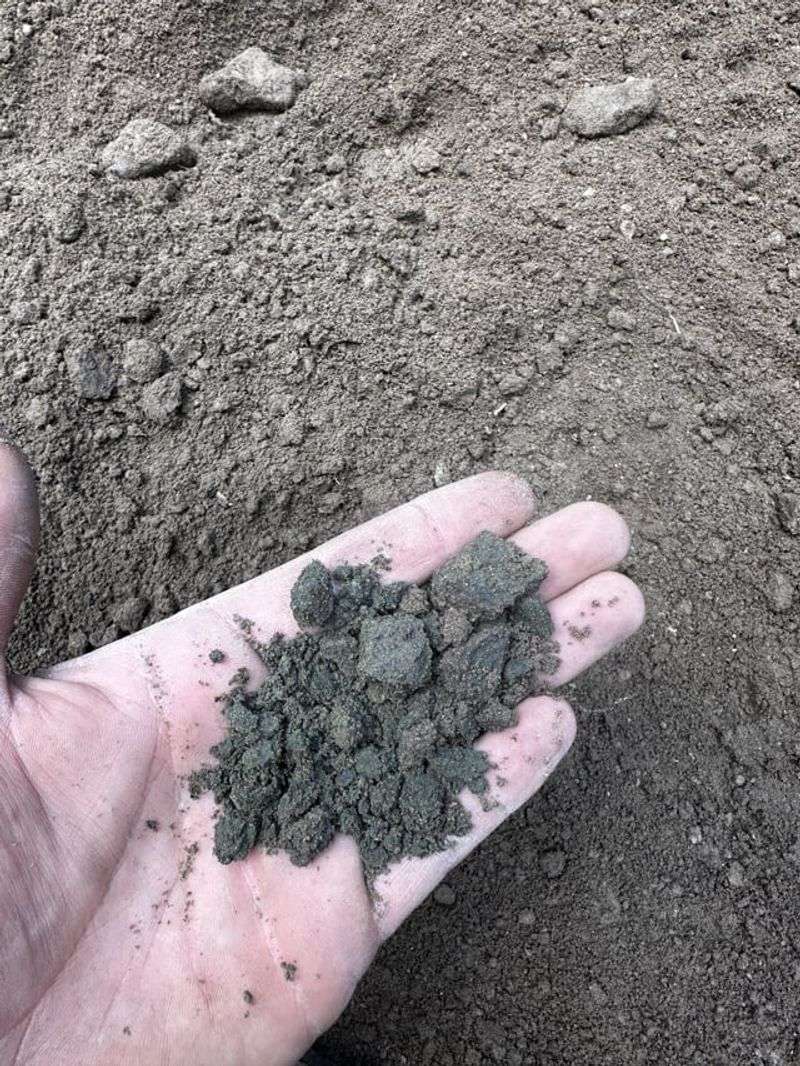
Soil does not just appear out of nowhere. Every handful of dirt you pick up started as something else, usually rock or ancient sediment that broke down over thousands of years.
That original material, called parent material, sets the foundation for a soil’s pH before rain, plants, or people ever touch it.
Piedmont and mountain soils in North Carolina often formed from weathered granite, gneiss, and other crystalline rocks. These materials tend to produce soils that start on the acidic side.
Coastal Plain soils, on the other hand, developed from old marine sediments and sandy deposits laid down when sea levels were much higher than today, giving them their own distinct chemistry.
This is why a gardener in Asheville and a gardener in Wilmington can both have acidic soil but for completely different reasons.
It also explains why two neighbors on opposite sides of a geologic boundary might have surprisingly different soil test results even though they live just a few miles apart. Understanding parent material is not about memorizing geology textbooks.
It is simply about recognizing that your soil has a history, and that history shapes everything from drainage to nutrient availability to how plants respond to amendments you add over time.
6. Rainfall And Leaching Keep Many Soils Acidic
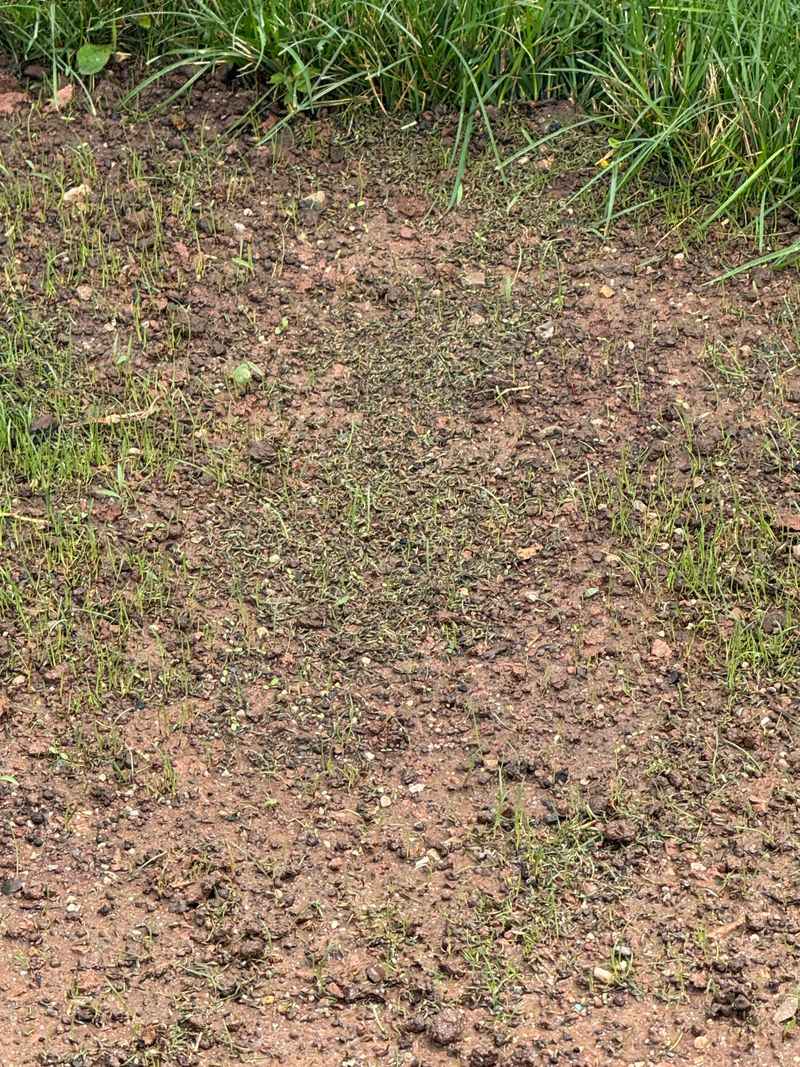
North Carolina gets a generous amount of rainfall each year, and while that is great news for keeping plants hydrated, it has a sneaky downside.
Every time it rains, water moves through the soil and carries calcium, magnesium, and potassium downward and away from plant roots.
Those minerals help buffer soil against acidity, so losing them pushes pH lower over time. Sandy soils lose nutrients fastest because water moves through them quickly.
Clay soils hold onto nutrients longer, but even they experience leaching in high-rainfall areas.
Add fertilizer use, decomposing organic matter, and plant root activity into the mix, and you have multiple forces all nudging soil pH in the acidic direction year after year.
Many North Carolina gardeners are surprised to discover that soil they amended a few years ago has drifted acidic again. That drift is completely normal given the state’s rainfall patterns.
Regular testing, every two to three years for most gardens, helps you catch that drift before it affects plant health.
Rather than guessing whether your soil needs lime, a simple test tells you exactly where things stand.
Knowing the role rainfall plays in leaching also helps you understand why maintaining pH is an ongoing process rather than a one-time fix.
7. Past Lime Use Can Make Two Nearby Yards Different
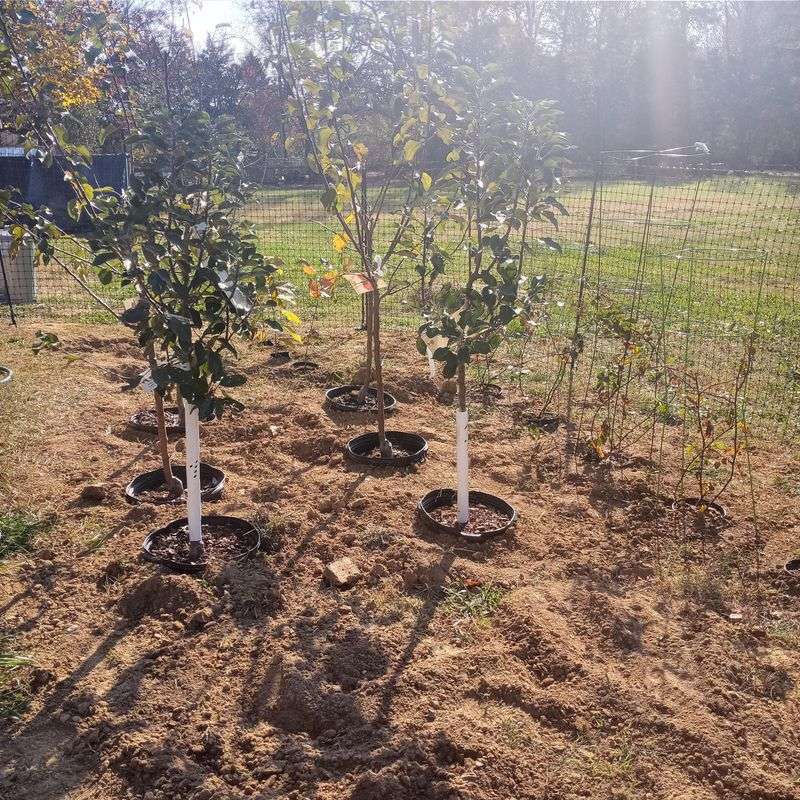
Here is something most gardeners do not think about when they move into a new home.
The previous owners may have limed the lawn every spring for twenty years, or they may have never touched the soil at all.
That history is invisible to the eye but very visible in a soil test, and it can completely change which plants will thrive in your yard.
A heavily limed lawn area might sit at a comfortable pH of 6.5 while a wooded edge on the same property tests below 5.0.
Foundation beds where concrete dust has leached into the soil can trend alkaline.
Old vegetable gardens that received repeated lime applications may be well above the range most ornamentals prefer.
Treating your entire yard as one uniform growing environment leads to poor plant choices and wasted money.
A shrub that struggles in one corner of your yard might flourish in another spot just thirty feet away simply because the pH history is different.
Testing separate areas of your property gives you a clear, honest picture of each microenvironment.
That information is worth far more than any neighbor’s recommendation or regional generalization, because it reflects exactly what is happening beneath your specific plants right now.
8. Most Common Garden Plants Do Not Want Extremely Acidic Soil
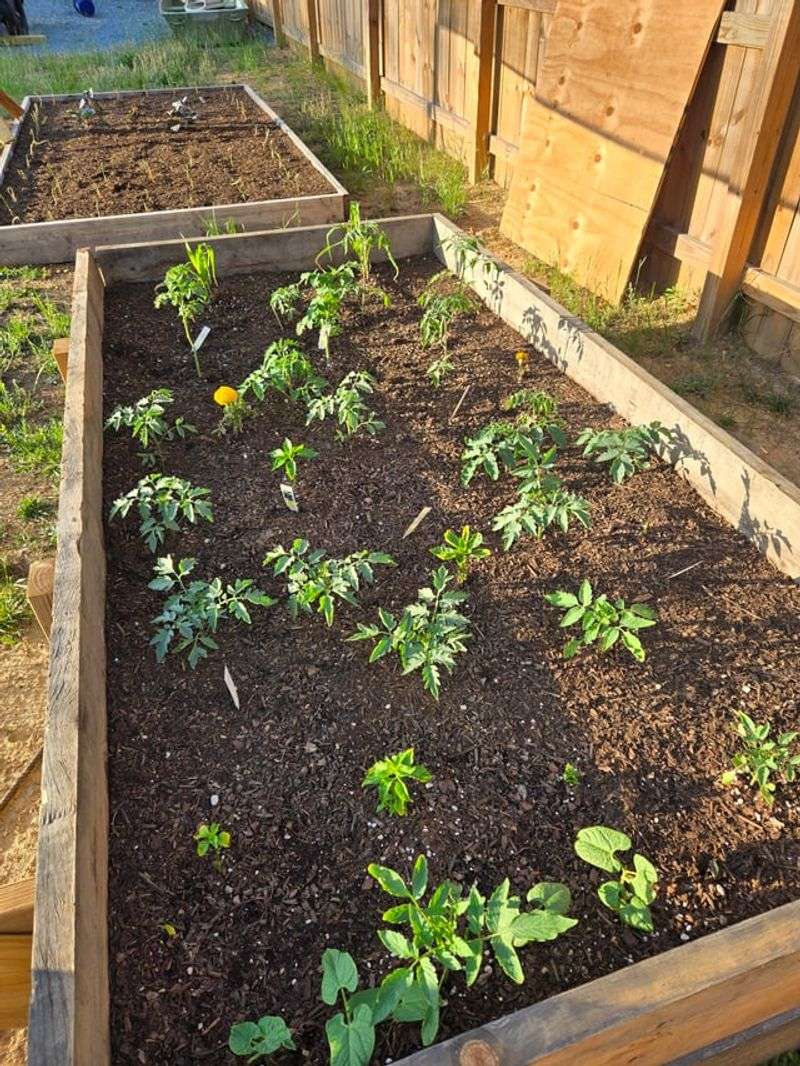
Walk through any garden center in North Carolina and you will see rows of tomatoes, peppers, squash, marigolds, and ornamental grasses.
What the tags on those plants rarely spell out clearly is that most of them prefer soil that sits somewhere between slightly acidic and near-neutral, roughly pH 6.0 to 6.5 for many common choices.
When soil pH drops well below that range, nutrients like phosphorus, calcium, and magnesium become harder for plant roots to absorb even when those nutrients are physically present in the soil.
The plant essentially cannot access what it needs.
Gardeners often respond by adding more fertilizer, which does not solve the underlying pH problem and can sometimes make things worse.
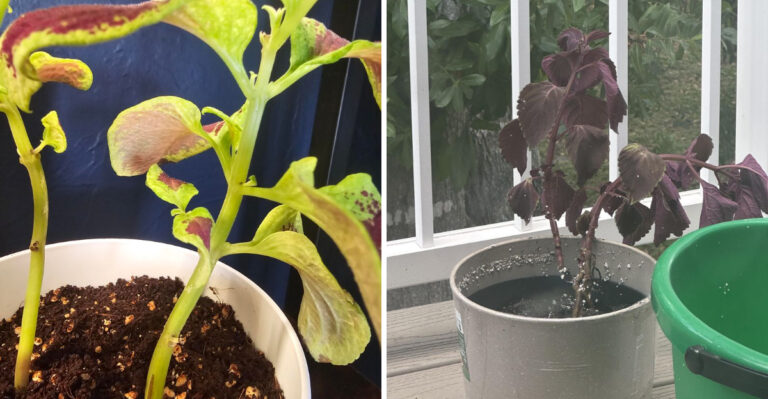
Yellowing leaves, poor fruit set, stunted growth, and weak stems can all trace back to a pH that is too low for the plant’s needs.
Correcting soil pH before planting is far easier than trying to fix problems once a plant is struggling in the ground.
A bag of lime costs very little compared to replacing plants that never performed well because the soil chemistry was off from the start.
Matching plant preferences to actual soil conditions is the simplest way to get better results from every dollar you spend at the nursery.
9. Acid-Loving Plants Are The Exception
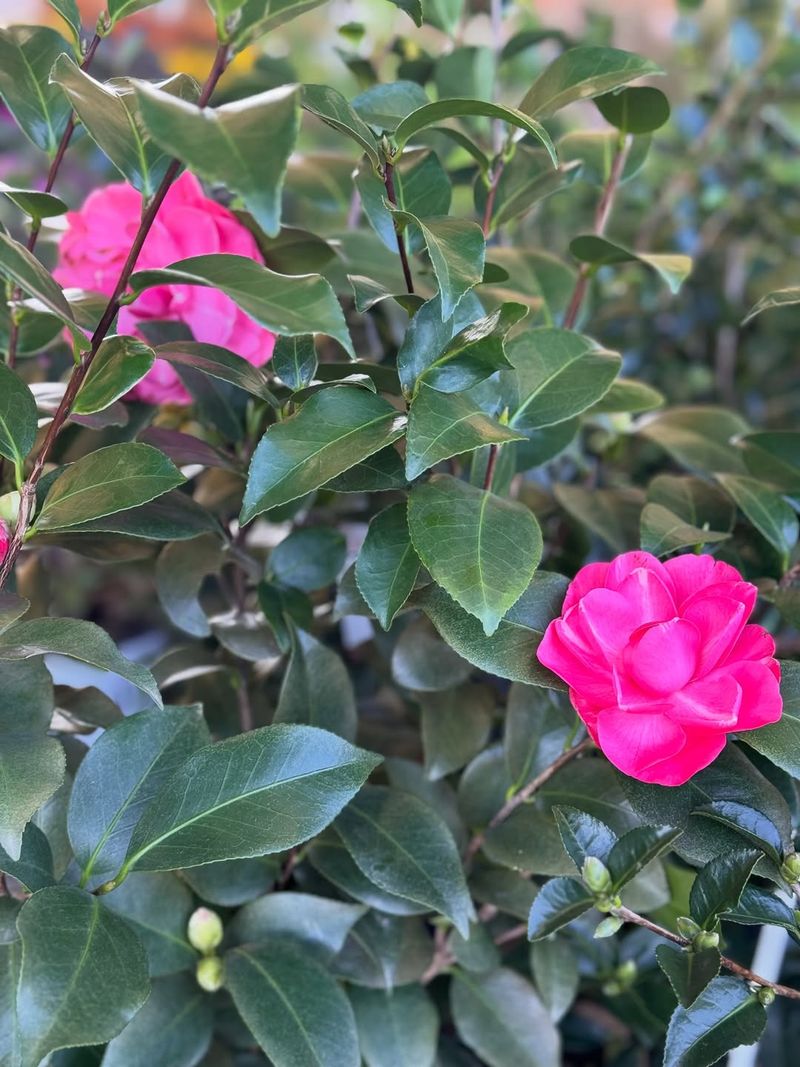
Not every plant on the nursery shelf is looking for neutral soil. A small but popular group of plants actually performs best when the pH stays on the lower end of the scale, and North Carolina gardeners love many of them.
Blueberries, azaleas, rhododendrons, mountain laurel, and camellias are some of the most well-known examples. Blueberries are particularly demanding, preferring a pH between 4.5 and 5.5.
Push that number much higher and blueberry plants will struggle to absorb iron, leading to yellowing leaves and poor fruit production no matter how carefully you water and fertilize them.
Azaleas and rhododendrons are a little more forgiving but still prefer soil that sits comfortably below 6.0.
Centipedegrass, a popular lawn choice in eastern North Carolina, also prefers a lower pH than most other turf grasses, around 5.0 to 6.0.
That is one reason centipede lawns should never receive the same lime treatment as a tall fescue lawn. Grouping acid-loving plants together in a dedicated bed makes management much easier.
You can amend that one area with sulfur or acidifying fertilizer without disrupting the rest of your landscape.
Understanding which plants belong in the acid-loving category helps you avoid the costly mistake of planting them in soil that has been repeatedly limed for other purposes.
10. The Plant Tag Is Only Half The Story
Plant tags have come a long way. Most of them now tell you whether a plant wants full sun, partial shade, or full shade. Many include watering frequency guidance and mature size estimates.
Those details are genuinely helpful, but there is one critical piece of information that most tags gloss over or skip entirely: soil pH preference.
A plant can receive perfect sunlight and consistent watering and still underperform if the soil pH is outside its preferred range.
Nutrients become locked up, roots struggle to function efficiently, and the plant may look perpetually stressed without any obvious cause.
Gardeners often blame watering or pests when the real issue is sitting inches below the surface.
Before buying any plant, especially trees, shrubs, or fruiting plants that represent a bigger investment, check its preferred pH range.
A quick online search or a conversation with a knowledgeable nursery staff member can fill in what the tag leaves out.
Then compare that range to your actual soil test results. When the numbers line up, you are setting that plant up for success from day one.
When they do not match, you know exactly what amendments are needed before planting, saving yourself the frustration of watching a healthy-looking purchase slowly struggle in soil it never wanted to be in.
11. Soil Testing Saves Money At The Nursery
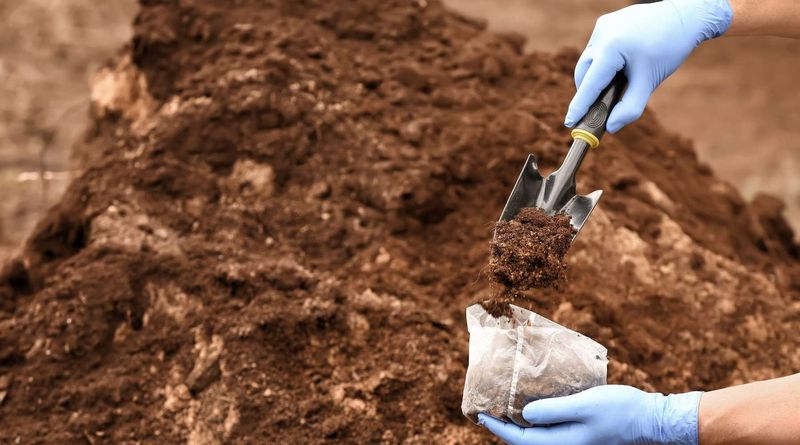
Soil testing might not sound glamorous, but it is genuinely one of the best money-saving tools a North Carolina gardener can use.
Knowing your pH before you shop means you can walk into a nursery with a clear list of plants that will actually thrive in your yard instead of guessing and hoping for the best. Think about the alternative.
You spend forty dollars on a blueberry plant, put it in a bed that has been limed for a fescue lawn, and watch it slowly decline over two seasons.
Or you buy a flat of vegetable starts for a bed that needs pH adjustment, and the whole planting season produces disappointing results.
Those kinds of mistakes add up fast, and they are almost entirely avoidable.
The North Carolina Department of Agriculture and Consumer Services offers soil testing at a very low cost, and the results include specific recommendations for lime and fertilizer based on what you want to grow.
That report is essentially a personalized shopping guide for your yard.
Pair those results with a visit to a nursery staffed by knowledgeable people, and you have everything you need to make confident, well-matched plant purchases.
Soil testing is not an extra step for serious gardeners only. It is the foundation of smart gardening at every skill level and every budget.
12. Different Garden Areas Need Separate Tests
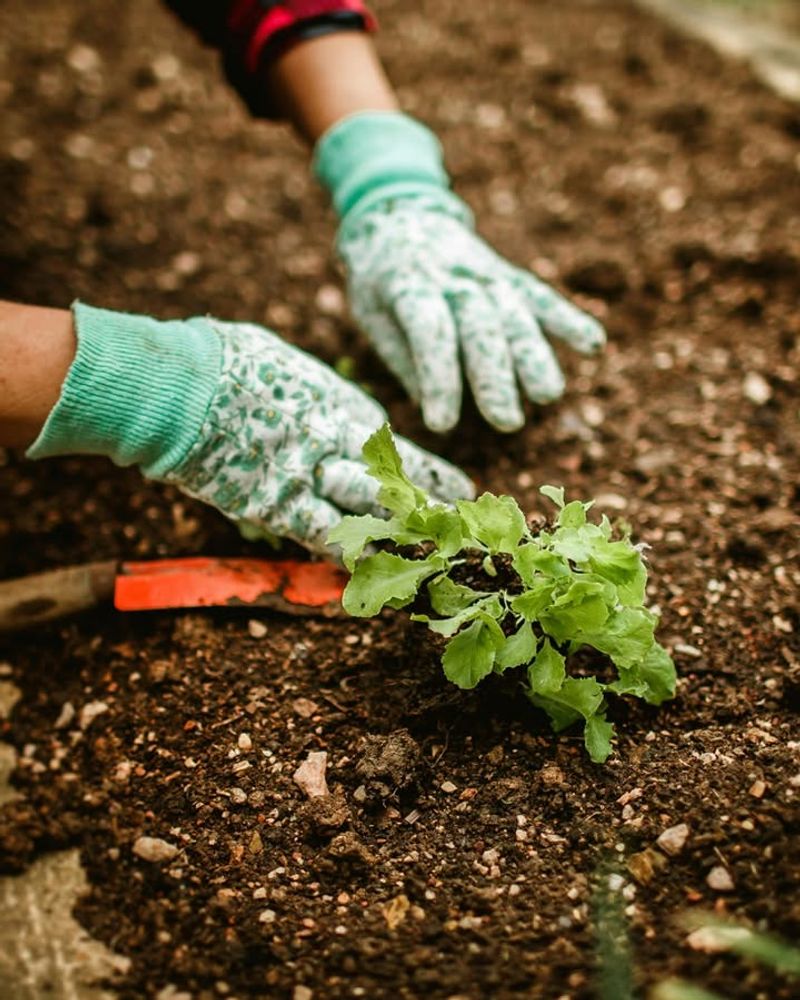
One soil test for the whole yard is a starting point, but it is rarely the full picture.
A property can have multiple growing environments, each with its own pH, nutrient profile, and drainage pattern.
Treating all of them as one uniform space leads to decisions that work well in one spot and poorly in another.
Vegetable beds often receive compost, fertilizer, and amendments every season, which shifts their chemistry over time.
Lawn areas may have been limed repeatedly for turf health. Foundation beds near concrete structures can have elevated pH from years of alkaline runoff.
A blueberry patch that has been properly acidified sits in a completely different world from the lawn just ten feet away.
Wooded edges where leaves decompose season after season tend to run more acidic than open sunny beds.
Raised beds filled with purchased mix have their own starting chemistry that may differ from the native soil around them.
Testing each distinct area separately takes a little more effort and a few extra sample bags, but it gives you genuinely useful information for each zone.
When you know the specific pH of your vegetable bed, your foundation shrubs, and your fruit patch, you can make targeted amendments and targeted plant choices rather than applying a one-size solution that fits none of them particularly well.
13. Raised Beds And Containers Still Need pH Awareness
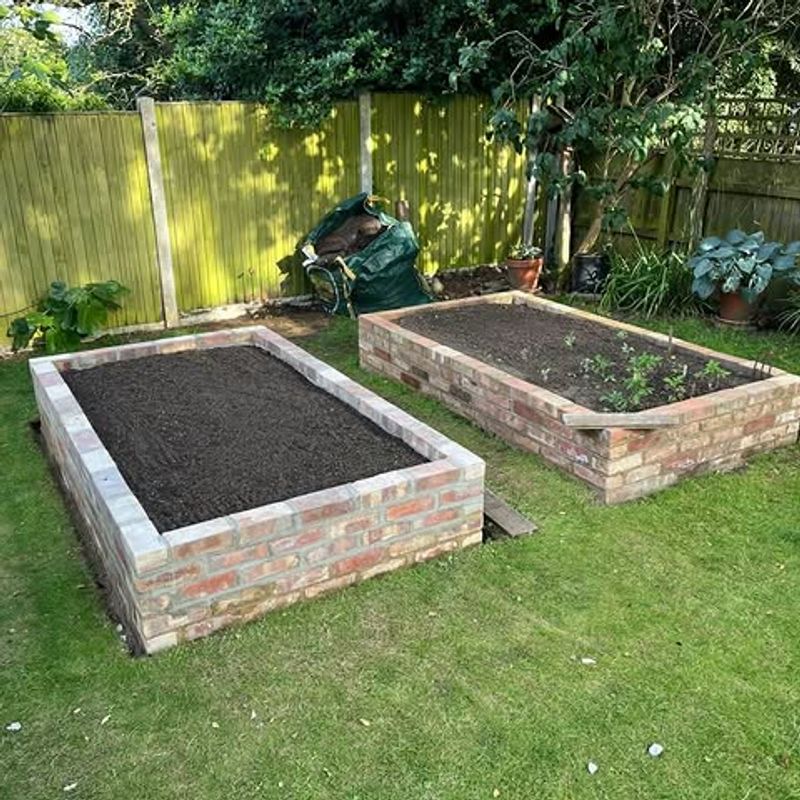
Many gardeners build raised beds or switch to containers believing they have left soil pH worries behind. The reality is a little more complicated than that.
Purchased potting mixes and garden blends vary widely in their starting pH, and those numbers shift further as you add compost, fertilizer, water, and organic matter over time.
Some bagged mixes include lime to bring pH up to a range suitable for general vegetables. That is helpful for tomatoes and peppers but not for blueberries, which need a much more acidic environment.
Planting blueberries in a standard vegetable mix can produce the same disappointing results as planting them in a limed garden bed. Irrigation water also plays a role that gardeners often overlook.
Hard water with high mineral content can gradually raise pH in containers and raised beds over a growing season.
Fertilizers that contain ammonium-based nitrogen can push pH lower over time, while others have a more neutral effect.
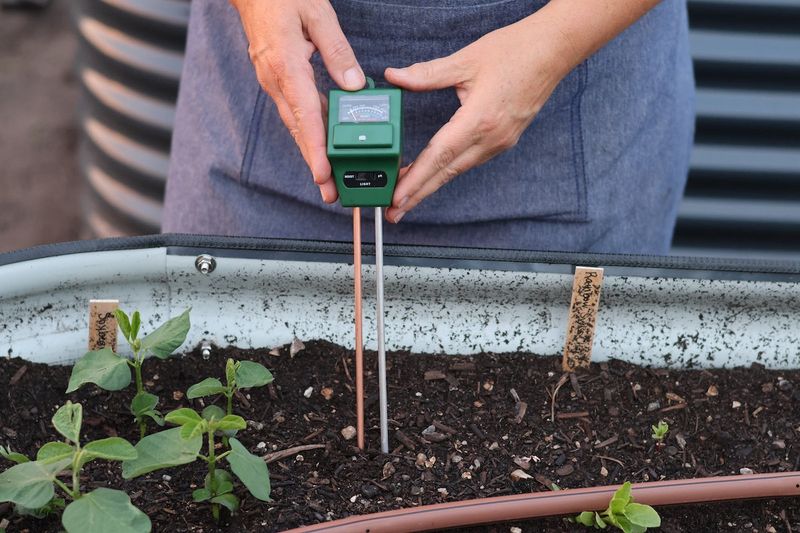
Checking the pH of your raised beds and containers once a year with an inexpensive meter or test kit helps you stay ahead of any drift.
Matching your growing mix to the specific plants you are growing, especially for specialty crops like blueberries or acid-loving flowering shrubs, makes a noticeable difference in how well those plants perform from one season to the next.
14. The Smartest Buying Rule Is Match The Plant To The Tested Soil
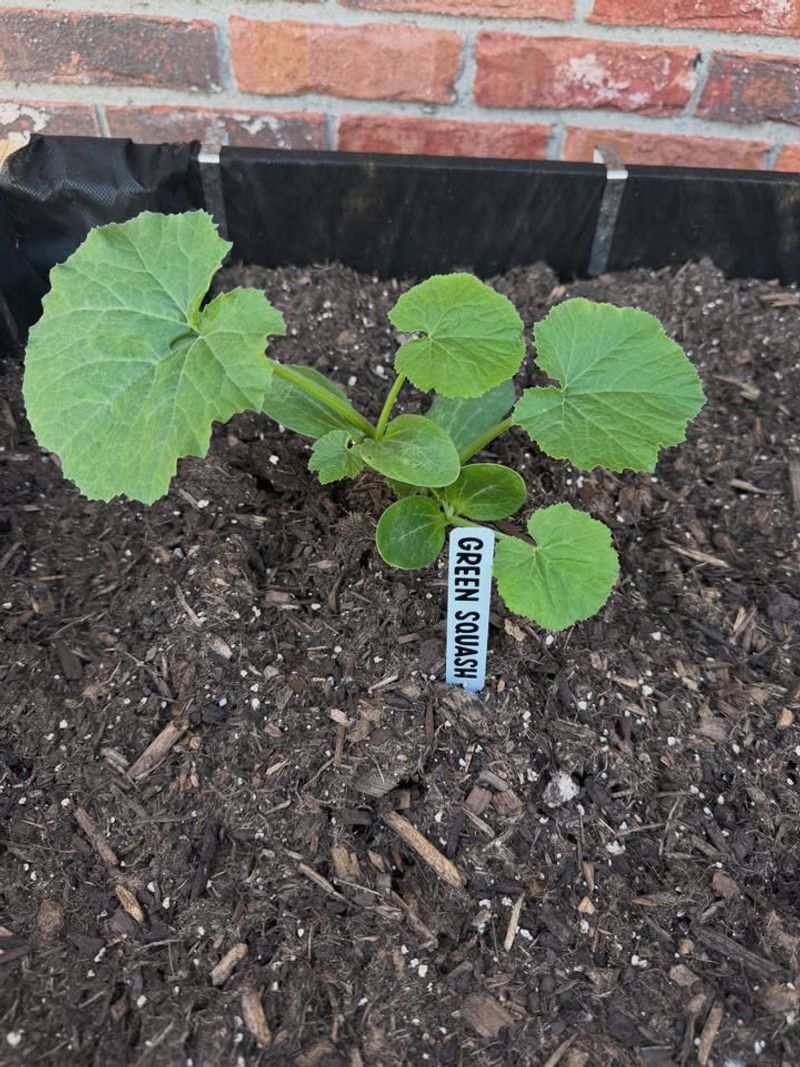
After reading through everything soil pH involves in North Carolina, one rule stands above the rest. Know your soil before you buy your plants, not the other way around.
Choosing a plant based on how it looks in the nursery and then hoping the soil cooperates is a recipe for repeated disappointment and unnecessary expense.
Grouping plants by similar pH needs makes your garden much easier to manage.
An acidic bed with blueberries, azaleas, and mountain laurel all thriving together is far simpler to maintain than a mixed planting where some plants need amendments the others cannot tolerate.
Understanding your region, your drainage, your planting history, and your specific pH test results gives you a complete picture that no plant tag or neighbor recommendation can match.
North Carolina’s incredible geographic range is actually one of its gardening strengths.
The state supports an enormous variety of plants across its regions, from coastal natives that handle sandy acidic soil to mountain wildflowers that love cool, forest-floor conditions.
Tapping into that potential starts with a soil test and ends with plants that fit where they are planted. Soil pH is not a small background detail.
It shapes nutrient availability, root health, and long-term plant success in ways that touch every single purchase you make. Get the test, read the results, and shop with confidence every time.