7 Tomato Mistakes You’ll Notice Right Before Picking
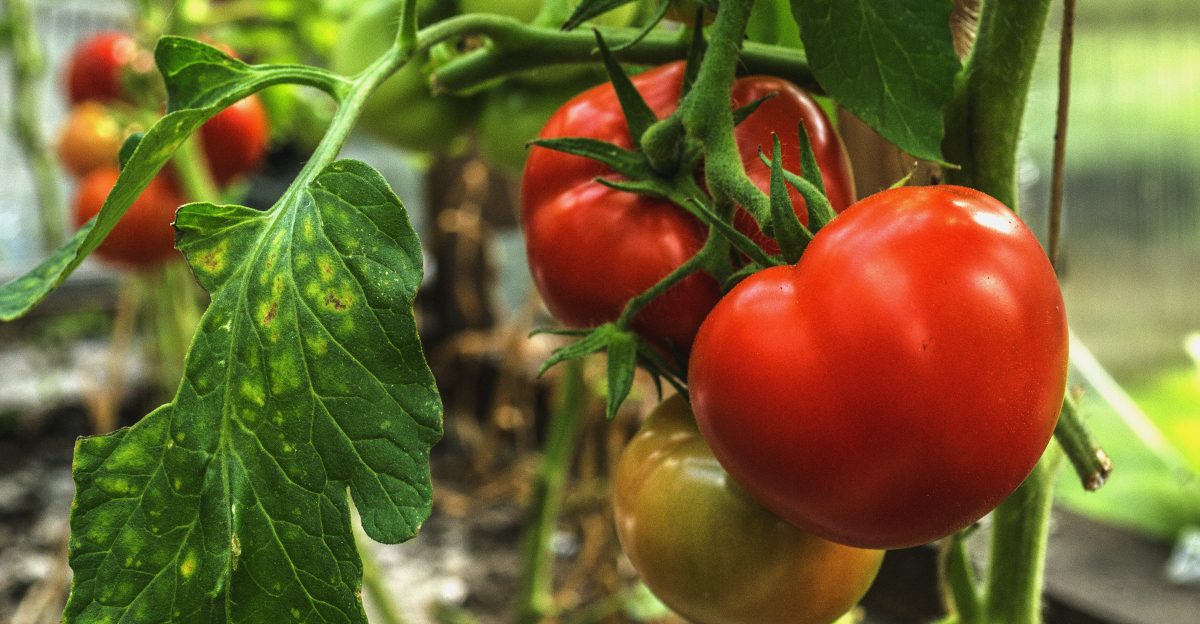
All season, your tomato plants have been quietly building toward this exact week. The color finally looks right. The fruit feels heavy in your hand.
One more sunny afternoon and they should taste perfect. But this is also the point where small mistakes turn into split skins, bland texture, black spots, and fruit that suddenly drops before you even pick it.
Most gardeners relax too early. That’s the trap. The final days before harvest are when tomatoes suddenly split, lose flavor, or turn soft overnight. One wrong move now can undo an entire season.
And the worst part? Everything still looks perfectly fine, until it doesn’t.
These problems rarely announce themselves early. They show up fast, usually when the tomatoes already look “done.” And by then, many gardeners realize too late what actually caused it.
1. Watering Inconsistently In The Final Weeks
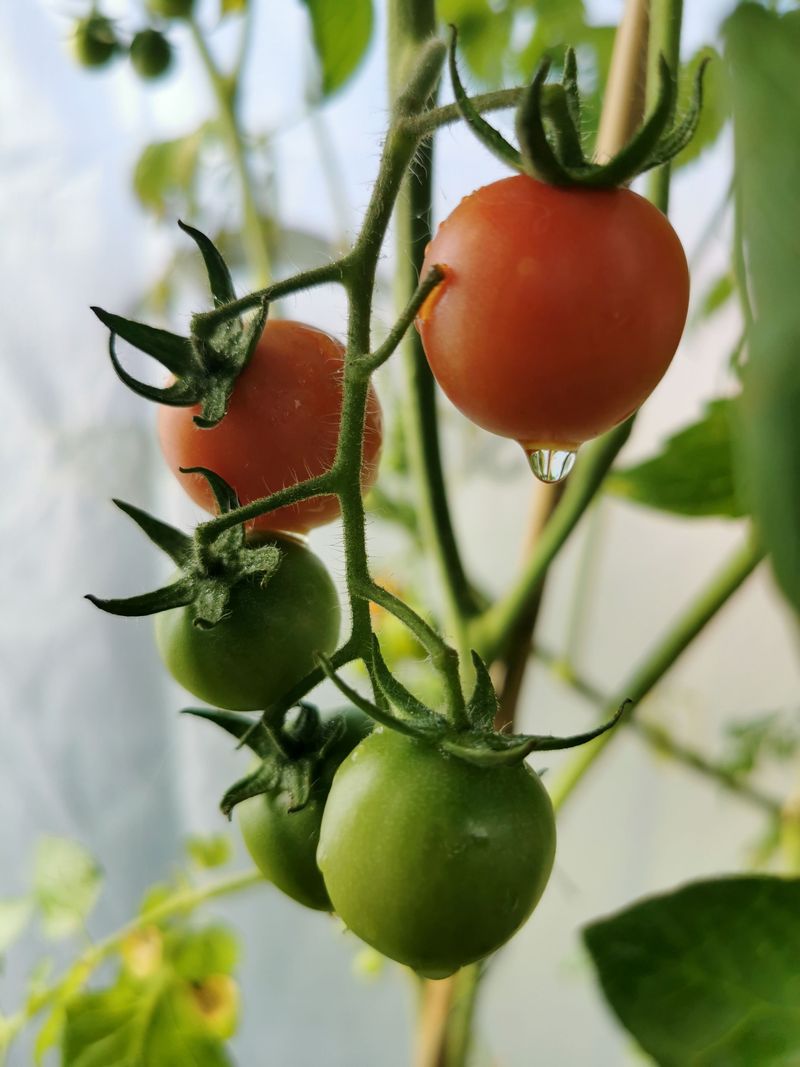
Your tomatoes are almost there, and then you get lazy with the hose. Inconsistent watering in the final weeks is one of the biggest tomato mistakes gardeners make right before picking.
A few scorching afternoons are enough to throw everything off balance. Tomatoes react fast when dry soil suddenly gets soaked again.
When soil moisture swings wildly, your fruit pays the price. Tomatoes absorb water fast after a dry spell, and the skin simply cannot stretch fast enough.
That rapid uptake causes the fruit to split or crack along the sides. Those cracks are not just ugly, they invite bacteria and mold inside.
You want to keep soil moisture steady and even throughout the final stretch. Aim for about one inch of water per week, spread consistently across several days.
Mulching around the base of your plants is one of the most effective ways to control moisture. A thick layer of straw or wood chips slows evaporation and keeps the soil from drying out between waterings.
Drip irrigation is the gold standard for consistent moisture delivery. It sends water slowly and directly to the roots without wetting the foliage.
Wet leaves can trigger fungal problems, which is the last thing you want this close to harvest. Keep water low and steady for the cleanest, most beautiful tomatoes at harvest.
Container gardeners need to be extra careful since pots dry out much faster than garden beds. Check those containers daily during hot or windy weather without fail.
Steady hydration now means full, uncracked fruit at harvest time. One consistent week of smart watering can save an entire season of effort.
2. Leaving Damaged Or Cracked Fruit On The Vine
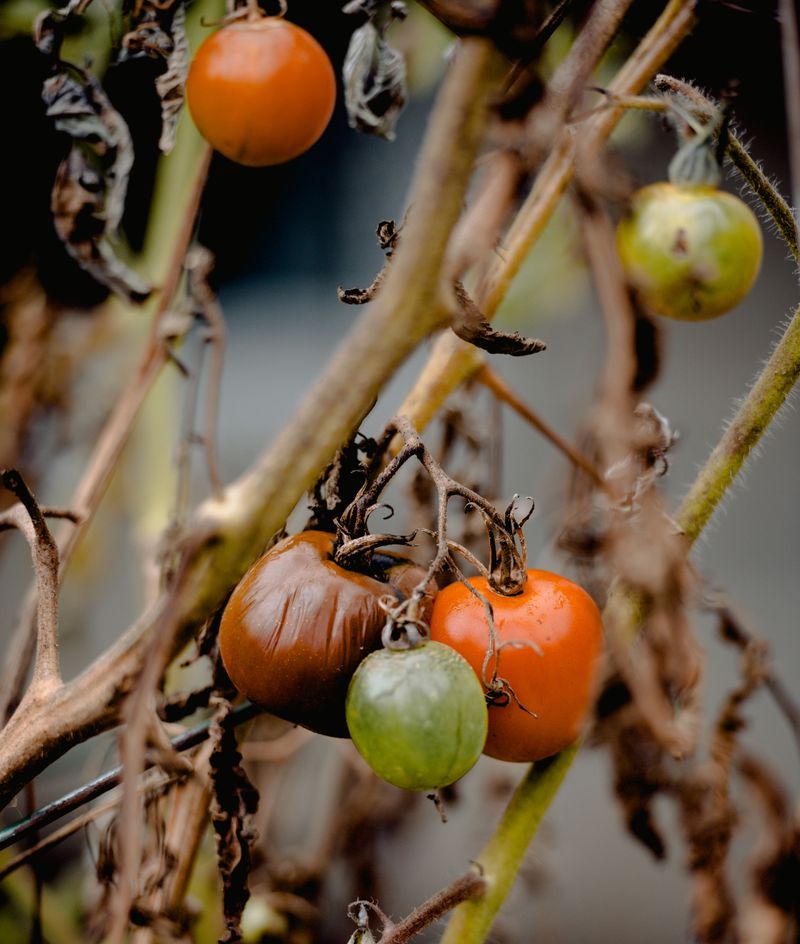
Spotted a tomato with a split down the side? Most gardeners think, “I will deal with that later.” That small delay is a costly tomato mistake you will regret come picking day.
Damaged fruit left on the vine becomes a magnet for trouble fast. Insects swarm cracks, fungal spores move in, and rot spreads to nearby healthy fruit.
Cracks spread faster than most gardeners expect during hot weather. What looks minor in the morning can turn into a rotten mess by evening.
Remove cracked or split tomatoes the moment you spot them. Do not leave them hoping they will somehow firm back up or heal on their own.
Place removed fruit in a separate bin away from your healthy harvest. Composting is fine, but keep it far from the garden bed to avoid spreading spores.
Fruit flies are drawn to fermenting juice seeping from cracks within hours. Once they arrive, they signal other pests that a feast is waiting.
The longer damaged fruit hangs there, the more attention it attracts. Pests always go after the weakest tomatoes first.
Spotted any soft, mushy patches on a tomato that looks otherwise ripe? Pull it off immediately and check the ones touching it next.
Some cracked tomatoes are still perfectly edible if you catch them early. Just cut away the damaged section and use the rest that same day.
Leaving problem fruit on the plant also drains energy from your healthy tomatoes nearby. The plant keeps pushing resources toward damaged fruit instead of ripening the good ones.
A quick daily walk through your garden makes all the difference. Catching damage early keeps your whole harvest looking clean and market-ready.
3. Overfertilizing With Nitrogen Late In The Season
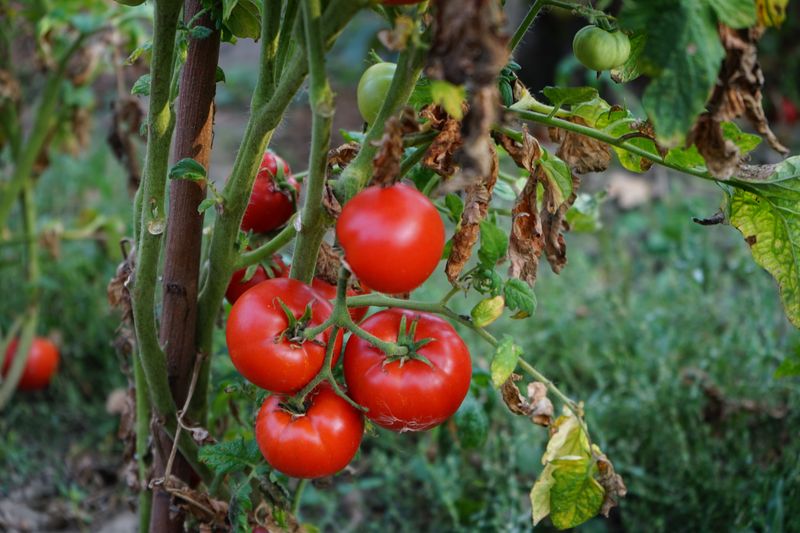
Lush, dark green tomato leaves sound like a win, but late in the season they are actually a red flag. Pumping nitrogen into your soil right before harvest is a classic tomato mistake that backfires hard.
Nitrogen fuels leafy, green growth, exactly what you do not need when fruit should be ripening. The plant gets confused and keeps pushing out new leaves instead of finishing the tomatoes already on the vine.
Ripening slows down noticeably when nitrogen levels are too high near harvest time. You end up waiting longer for fruit that should already be red and ready.
Stop all nitrogen-heavy fertilizers at least four to six weeks before your expected harvest. Switch to a low-nitrogen, phosphorus-rich formula if you feel the urge to feed at all.
Phosphorus and potassium support fruit development and flavor without triggering leafy growth. Look for fertilizers with a ratio like 5-10-10 or similar low-nitrogen blends.
Compost is a gentler option if you want to add a little nutrition late in the game. It releases nutrients slowly and will not shock the plant’s system.
Notice yellowing lower leaves on your tomato plant? That could actually signal a different nutrient issue, not a reason to add more nitrogen.
Yellowing at the base is often just the plant naturally redirecting energy toward fruit. Do not panic and over-correct with a heavy fertilizer application.
Feeding your plant smart in the final stretch leads to sweeter, fuller tomatoes. Less really is more when the finish line is this close.
4. Ignoring Signs Of Blossom End Rot
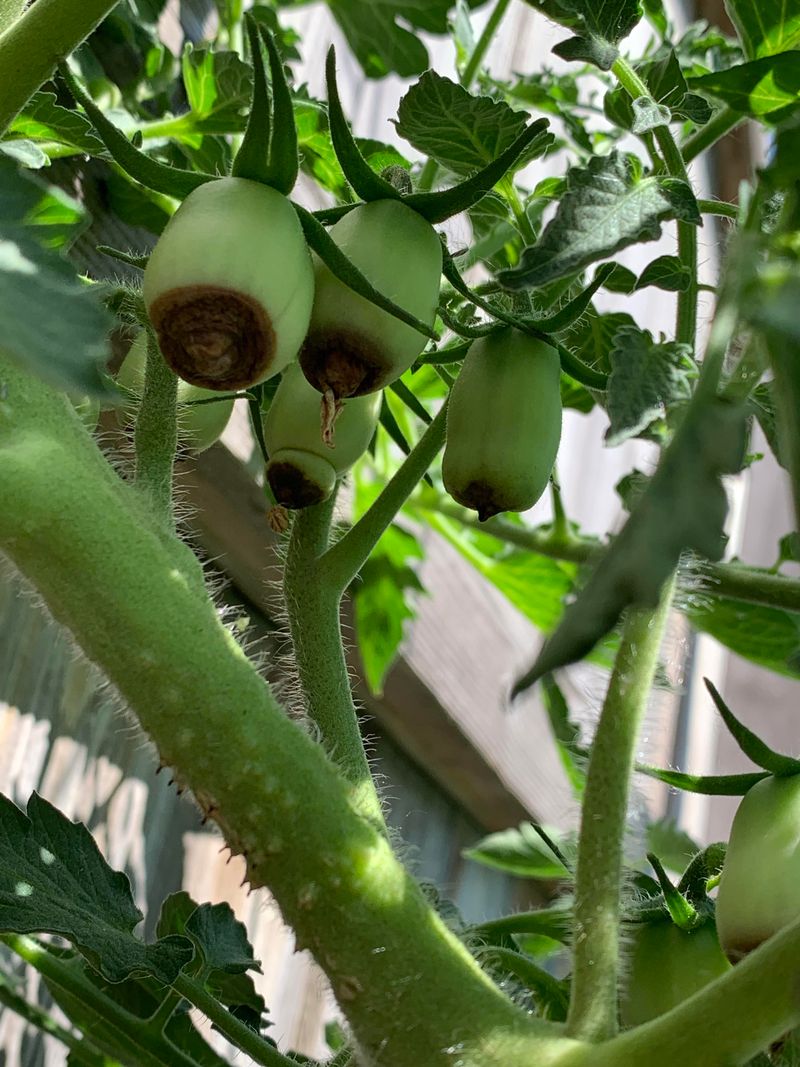
That dark, sunken patch on the bottom of your tomato is not just cosmetic damage. Blossom end rot is one of the most heartbreaking tomato mistakes to discover right before picking day.
Fortunately, it is not caused by a disease or pest at all. It happens when calcium cannot move efficiently through the plant to developing fruit.
Calcium itself is usually present in the soil, the problem is delivery. Inconsistent watering is the top culprit because calcium travels through water inside the plant.
When soil dries out and then floods, the uptake system gets disrupted. The bottom of the tomato, farthest from the stem, suffers most from that calcium shortage.
Start by stabilizing your watering schedule immediately if you spot the rot. Even moisture is the single most effective fix for this frustrating condition.
Avoid over-applying high-nitrogen fertilizers, which compete with calcium absorption in the roots. Keeping fertilizer balanced helps calcium move freely through the plant’s system.
Damaged tomatoes with blossom end rot should come off the plant right away. Leaving them on wastes the plant’s energy on fruit that cannot be saved.
Check the rest of your crop closely because the problem often hits in clusters. If one tomato has it, nearby fruit on the same plant likely will too.
Catching blossom end rot early gives you a real chance to protect the rest of your harvest. Adjust your care routine now and the remaining tomatoes can still ripen beautifully.
5. Failing To Support Heavy Fruit-Laden Branches
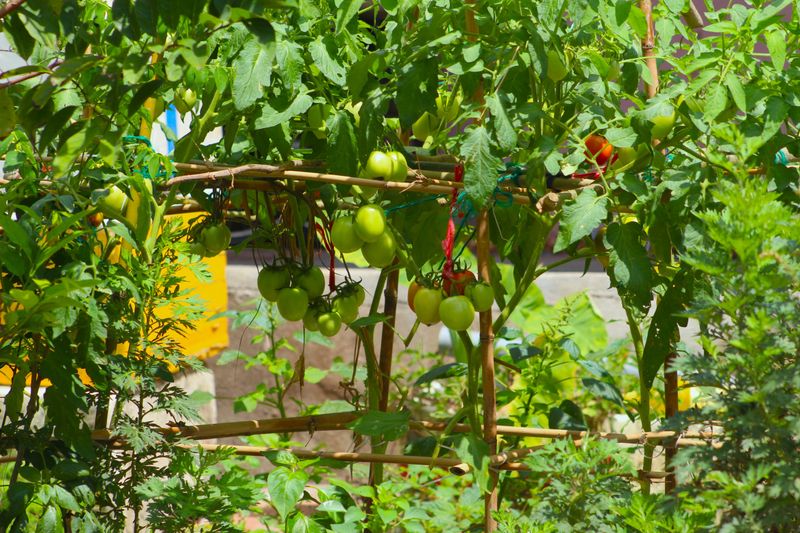
Picture this: a gorgeous cluster of ripe tomatoes snapping a branch clean off the plant two days before harvest. Failing to support heavy branches is a painful tomato mistake that happens fast and without warning.
Tomato plants are not naturally built to hold massive fruit clusters without help. As the season progresses and fruit grows heavier, branches bend lower and lower under the strain.
A snapped branch means lost fruit and an open wound on the plant. That wound can invite fungal infections or pest activity right at the worst possible time.
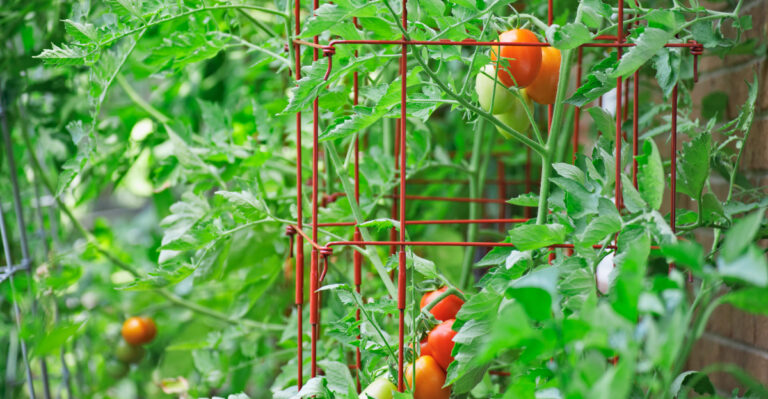
Check every heavy branch in your garden right now and add support where needed. Soft garden ties, old nylon stockings, or foam-padded clips all work great for this job.
Tie branches loosely to your tomato cage or stake so they have a little room to move. Tying too tightly can cut into the branch and cause its own damage.
Horizontal branches are especially vulnerable because they carry weight without the natural tension of a vertical stem. Give those extra attention when doing your support check.
If a branch is already bending dangerously, prop it up with a forked stick pushed into the ground. This old-school trick works surprisingly well in a pinch.
Indeterminate tomato varieties keep growing taller and producing fruit all season long. These types need ongoing support checks more frequently than compact determinate varieties.
Grabbing a ripe tomato and accidentally pulling a whole branch down with it is every gardener’s nightmare. Prevent that by securing branches before they reach their breaking point.
Strong support now means a clean, satisfying harvest later. A few minutes of attention today protects weeks of patient growing from going to waste.
6. Harvesting In The Heat Of The Day
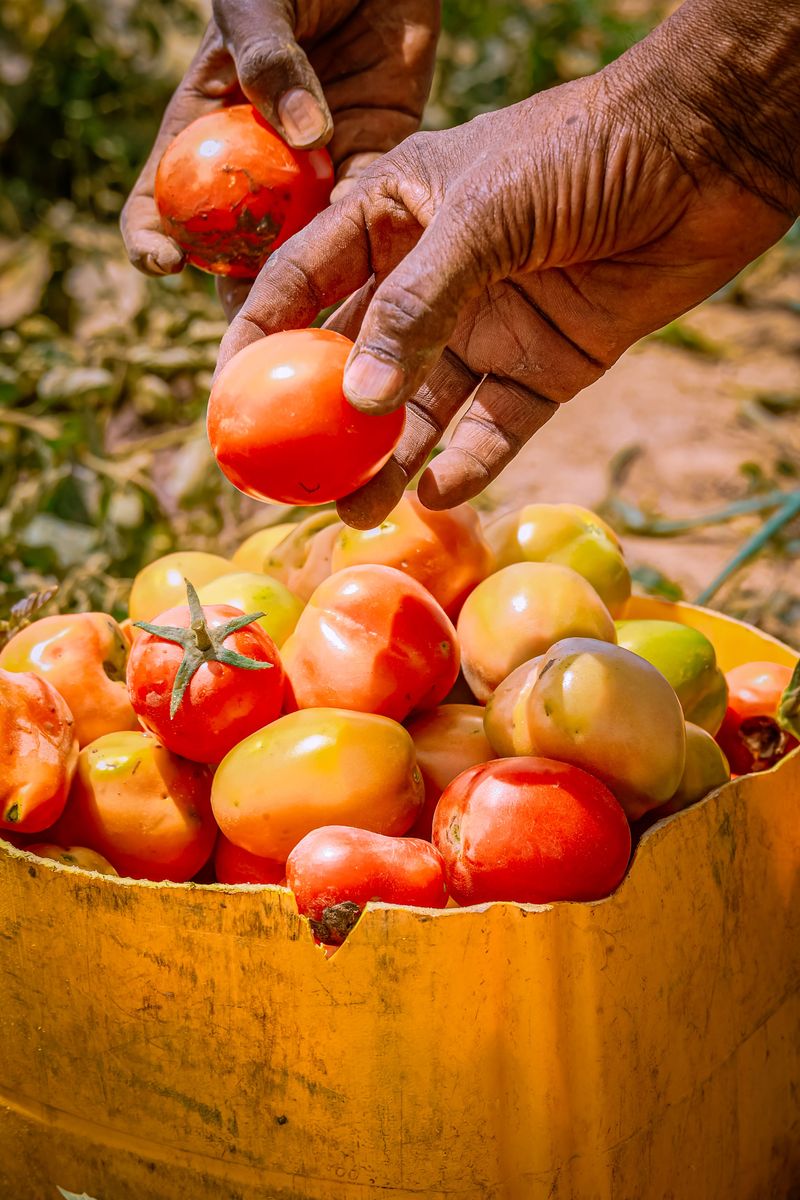
Noon sun beats down, you head out with your basket, and the tomatoes feel warm to the touch. Harvesting tomatoes in the heat of the day is a surprisingly common tomato mistake that shortens shelf life fast.
When fruit is hot from sun exposure, it is already in a stressed state. Picking it at peak temperature causes it to continue softening and deteriorating much faster than normal.
Warm tomatoes also bruise more easily during handling and transport to the kitchen. The cell walls are softer when heated, making every bump and squeeze leave a mark.
Early morning is the best time to harvest your crop without exception. Fruit is cool, firm, and full of moisture after the overnight hours.
Evening is your second-best option if mornings do not work with your schedule. Temperatures drop after sunset, and the fruit has had time to cool from the afternoon heat.
Harvested tomatoes should never go straight into the refrigerator no matter what time of day you pick them. Cold temperatures below 55 degrees destroy flavor compounds and turn the texture mealy.
Store your harvest at room temperature on the counter, stem side down to slow softening. Keep them out of direct sunlight to preserve flavor and texture longer.
The flavor difference between a cool-harvested tomato and a heat-stressed one is genuinely noticeable. That extra effort of waking up early comes through clearly in the final flavor.
Avoiding this last tomato mistake seals the deal on a perfect harvest. Pick cool, store smart, and enjoy every bite of what you grew.
7. Letting Fully Ripe Tomatoes Hang Too Long
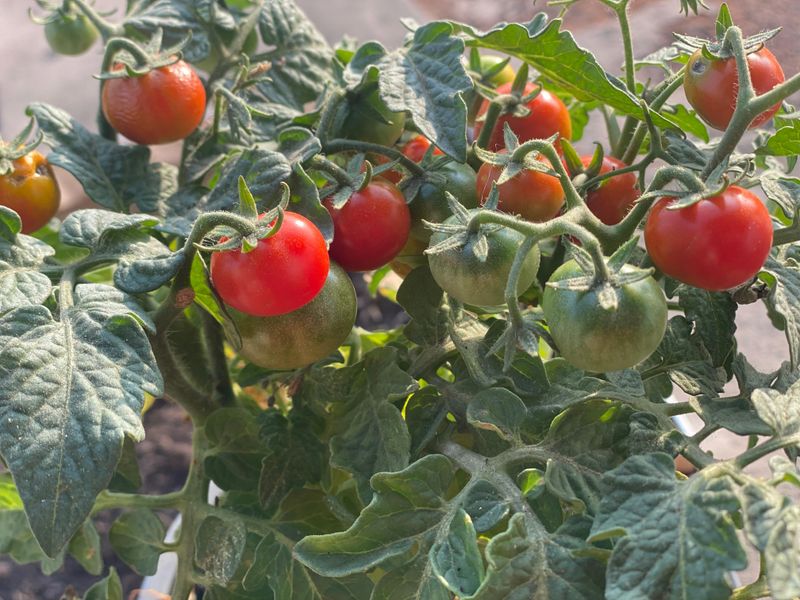
That tomato has been perfectly red for three days now, and you keep telling yourself you will pick it tomorrow. Leaving fully ripe fruit on the vine is one of the easiest tomato mistakes to make because it does not feel urgent until the damage is already done.
A tomato stops improving the moment it reaches full ripeness. Every extra day it hangs there, it loses firmness, flavor, and shelf life rather than gaining anything.
Overripe fruit becomes a target for insects almost immediately. Fruit flies, stink bugs, and hornworms are all drawn to the strong scent of fully ripe or fermenting tomatoes.
Soft, overripe tomatoes are also far more likely to split or crack on their own. Once the skin breaks, rot sets in quickly and can spread to neighboring fruit on the same cluster.
The plant itself also pays a price when ripe fruit stays on too long. Energy that could support the remaining green tomatoes keeps flowing toward fruit that has already peaked.
A gentle squeeze tells you everything. Slight give means it is ready, but firm resistance means it needs another day.
Tomatoes continue ripening off the vine just fine at room temperature. Picking them at peak color and bringing them inside is often the smarter move than waiting for perfect softness on the plant.
A consistent harvest routine in the final weeks protects your whole crop. Clearing ripe fruit regularly keeps the plant focused and the pests away.