8 Reasons Why Calibrachoa Stops Blooming Mid-Summer
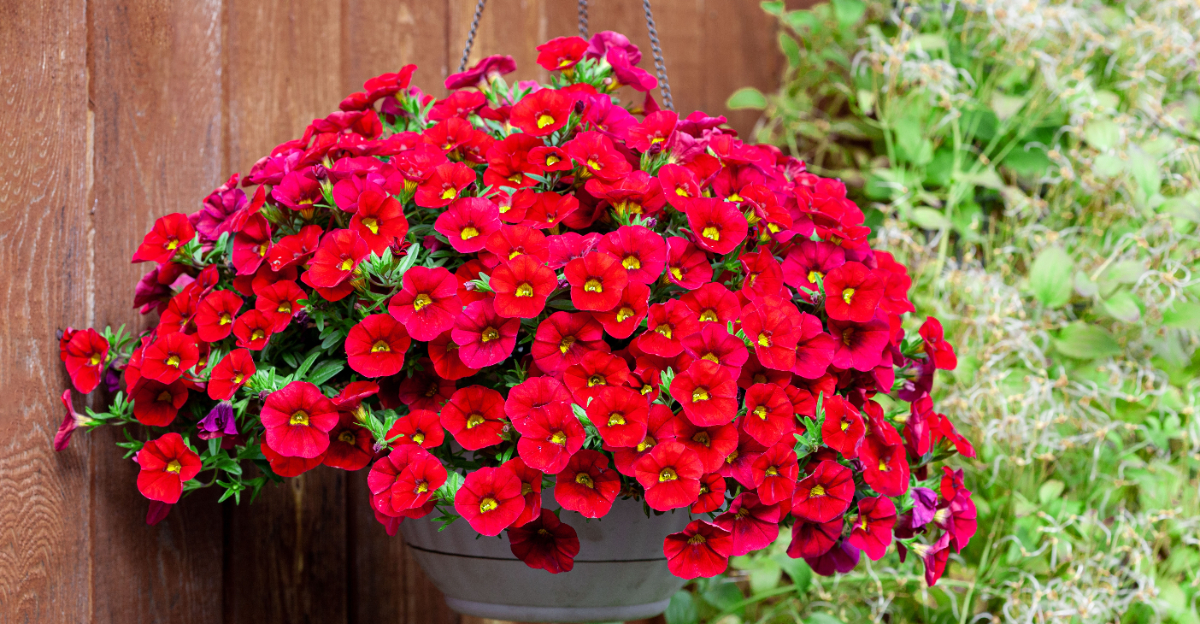
Calibrachoa earns its keep all spring, hundreds of small blooms tumbling over container edges without much fuss.
Then July arrives, and the whole show stalls. The flowers thin out, the stems stretch, and what was a reliable performer starts looking like it gave up.
It is frustrating, especially when nothing obvious has changed. Same pot, same spot, same watering routine. But that is exactly the problem. Mid-summer brings a different set of conditions, and calibrachoa responds to all of them.
Heat builds up in dark containers, soil pH quietly shifts, and roots run out of room without any visible warning signs. The plant is not failing, it is reacting.
Knowing which trigger is behind the slowdown makes the difference between a container that rebounds by August and one that limps through the rest of the season.
1. Heat Stress Is The Most Common Reason Calibrachoa Stops Blooming
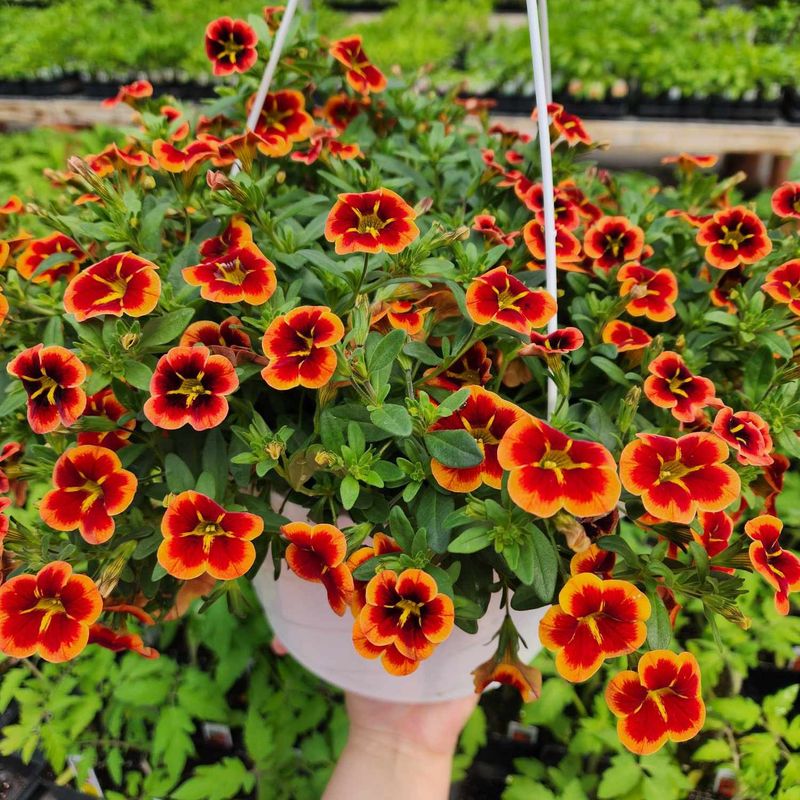
Summer heat can slow calibrachoa blooming within a few days. When temperatures push past 90 degrees Fahrenheit, these plants go into survival mode and stop putting energy into flowers.
Calibrachoa stops blooming mid-summer most often because of heat stress, and it happens faster than most gardeners expect. The plant is not broken, it is just overwhelmed by the scorching conditions around it.
Container gardeners feel this more than anyone. Pots sitting on concrete patios or against south-facing walls can reach soil temperatures well above the air temperature, turning what looks like a shady enough spot into a heat trap.
Moving containers to a spot with afternoon shade can make a huge difference almost immediately. Even two to three hours of shade during the hottest part of the day gives the plant breathing room to recover.
You can also try misting the foliage in the early morning to cool things down before the sun gets intense. Avoid misting midday, since wet leaves in full sun can cause additional stress and spotting.
Another smart trick is to set containers on a tray filled with pebbles and water. The evaporating moisture creates a slightly cooler microclimate right around the plant without soaking the roots.
Patience is key here because heat-stressed calibrachoa usually bounces back once temperatures drop. Give it consistent care, and you will likely see new buds forming within a week or two of cooler conditions.
2. Soil Conditions That Block Calibrachoa From Getting The Nutrients It Needs
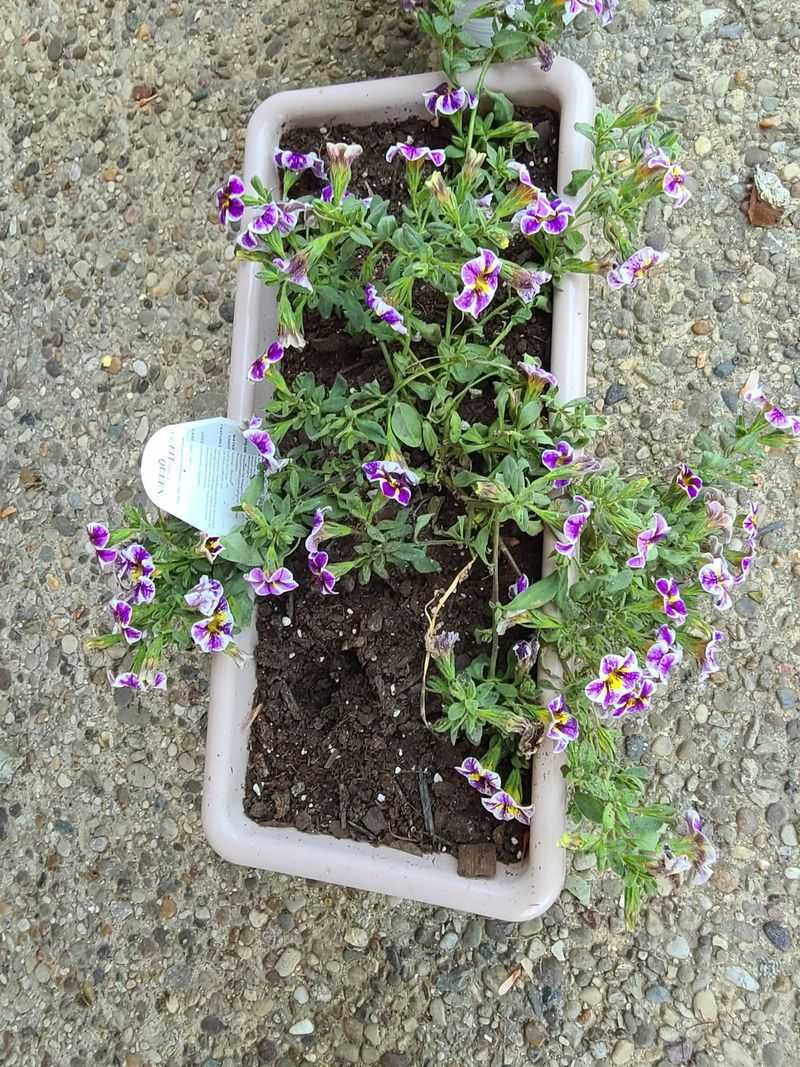
Calibrachoa is picky about its soil chemistry, and most gardeners never think to check it. When the pH drifts too high, the plant cannot absorb iron or other key nutrients even if you fertilize regularly.
The ideal pH range for calibrachoa sits between 5.5 and 6.0, which is slightly acidic. Outside that range, nutrient lockout happens and blooming slows down or stops completely.
Yellowing leaves between green veins, called chlorosis, are a classic sign that pH is off. You might assume the plant needs more fertilizer, but adding more will not help if the soil cannot process what is already there.
Pick up an inexpensive soil pH meter or test kit from any garden center to check your container mix. Testing takes less than five minutes and can completely change how you approach the problem.
A soil test is especially worth doing if your calibrachoa looked healthy in spring but started declining once summer heat set in. pH can shift gradually over a season, and catching that drift early gives you time to correct it before blooming stops entirely.
If your pH is too high, you can lower it by adding sulfur or using an acidifying fertilizer formulated for acid-loving plants. Products made for azaleas or blueberries work well and are easy to find.
If pH is too low, a small amount of garden lime mixed into the top layer of soil can bring it back up. Retest after two weeks to make sure you hit the sweet spot for healthy blooming.
3. Inconsistent Watering Disrupts The Bloom Cycle
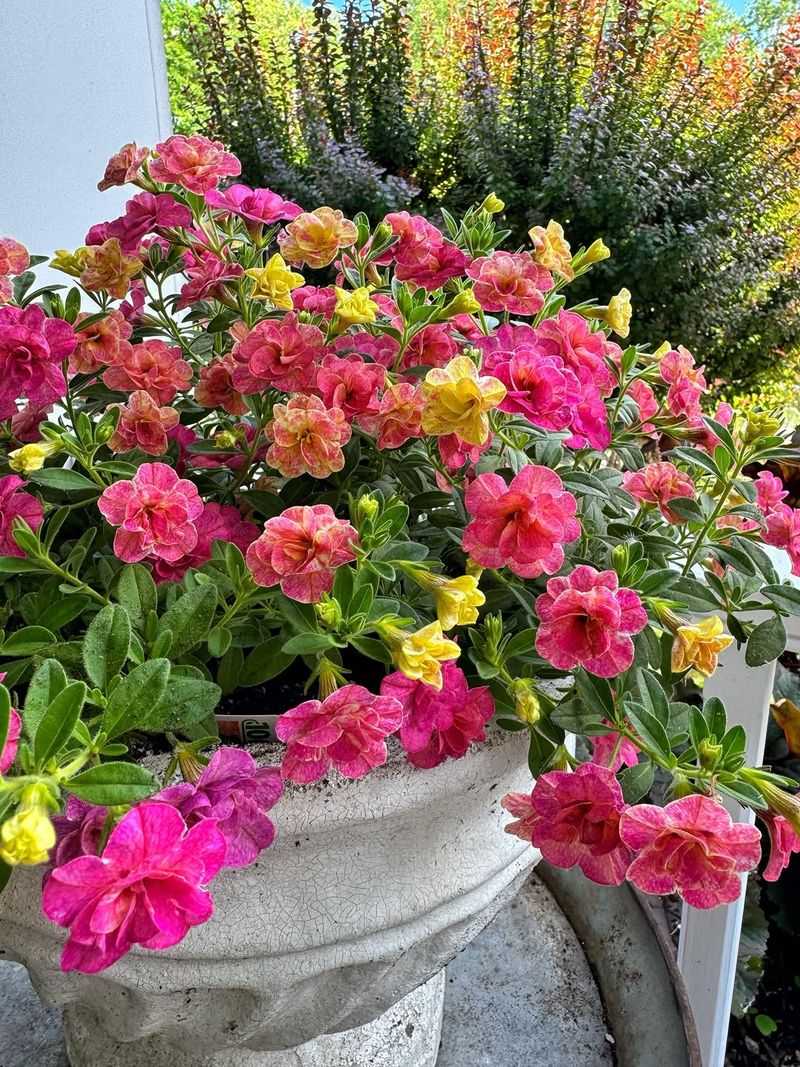
Watering calibrachoa feels simple until you realize how sensitive these plants are to inconsistency. Going from bone dry to soaking wet and back again confuses the plant and shuts down flowering fast.
Calibrachoa needs consistently moist soil, but never waterlogged roots. The challenge is that containers dry out quickly in summer heat, sometimes needing water twice a day during a heat wave.
Stick your finger about an inch into the soil before watering every single time. If it feels dry at that depth, water thoroughly until it drains from the bottom of the pot.
Letting the plant wilt even once causes stress that can take days to recover from. Repeated dry spells train the plant to focus on survival rather than producing new blooms.
Self-watering containers are a practical solution for calibrachoa growers who struggle with consistency. They hold a reservoir of water that the plant draws from slowly, keeping moisture levels much more stable between waterings.
Overwatering is just as damaging as underwatering, so drainage holes in your containers are non-negotiable. Root rot can set in and shut down the entire plant within a few days to a week.
4. Lack Of Fertilization Leaves Calibrachoa Without Fuel To Flower
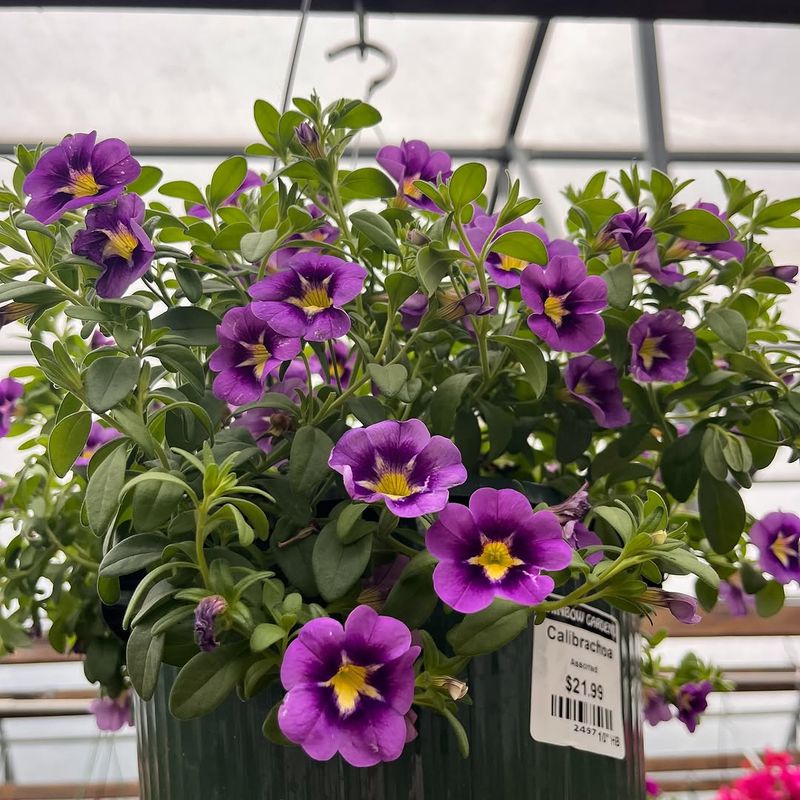
Calibrachoa is a heavy feeder, and it will remind you of that fact by stopping bloom production the moment nutrients run low. Unlike some plants that coast on a single feeding, calibrachoa uses up nutrients quickly.
Container plants especially run out of nutrients fast because regular watering flushes them out of the soil. What was a well-fed plant in May can be running on empty by July if you have not kept up with feeding.
A balanced water-soluble fertilizer applied every seven to ten days is the standard recommendation for calibrachoa. Look for formulas with higher phosphorus content.
Phosphorus drives flower production more than any other nutrient. Slow-release granular fertilizers can supplement liquid feeding, but they should not replace it during peak growing season.
The plant simply demands more than slow-release products can deliver on their own in summer heat. Iron is another nutrient that calibrachoa craves.
Many growers add a chelated iron supplement to their routine every few weeks. A dose of chelated iron can green up yellowing foliage and trigger a fresh round of blooming.
Watch for pale leaves, reduced stem growth, and fewer buds as early signs that feeding has fallen behind. Catching the deficiency early means a faster turnaround and a much shorter gap between bloom cycles.
5. Spent Blooms And Leggy Growth Redirect The Plant’s Energy
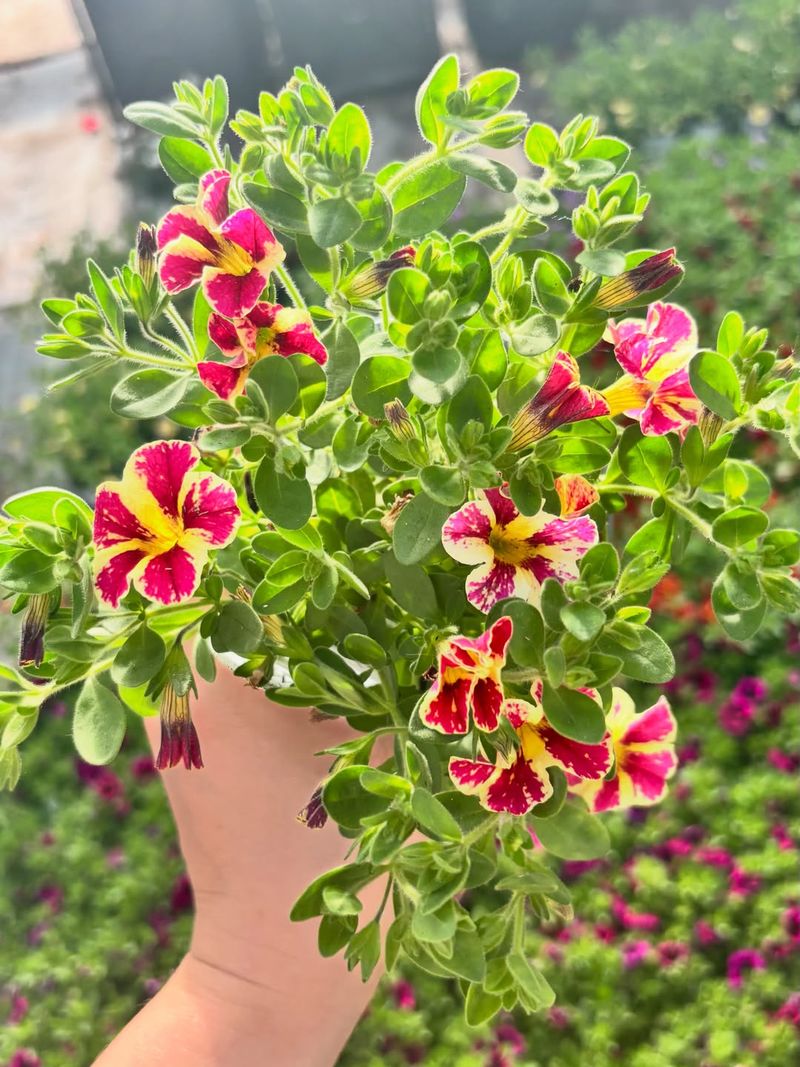
Here is something surprising about calibrachoa, it is technically self-cleaning, meaning old blooms fall off on their own. But when plants get leggy and overgrown, the whole system gets thrown off and blooming slows way down.
Leggy growth happens when stems stretch long and bare without producing many new flower buds at the tips. The plant is putting its energy into stem length instead of the colorful blooms you actually want to see.
Cutting calibrachoa back by one-third in mid-summer feels drastic, but it is one of the most effective moves you can make. Trimming leggy stems triggers the plant to push out fresh, compact growth loaded with new buds.
Use clean, sharp scissors or pruning shears and cut just above a leaf node for the best results. Dirty or dull tools can introduce bacteria into the cut ends and cause unnecessary setbacks during recovery.
After cutting back, give the plant a good drink of water and a dose of balanced fertilizer to fuel the regrowth. Within one to two weeks, you should start seeing short, sturdy new stems with tiny buds forming at the tips.
Mid-summer is actually the perfect time for this kind of refresh because the plant still has plenty of warm weeks ahead to bloom again. A well-timed trim now means a strong bloom display all the way through fall.
6. Root-Bound Containers Limit Growth And Flower Production
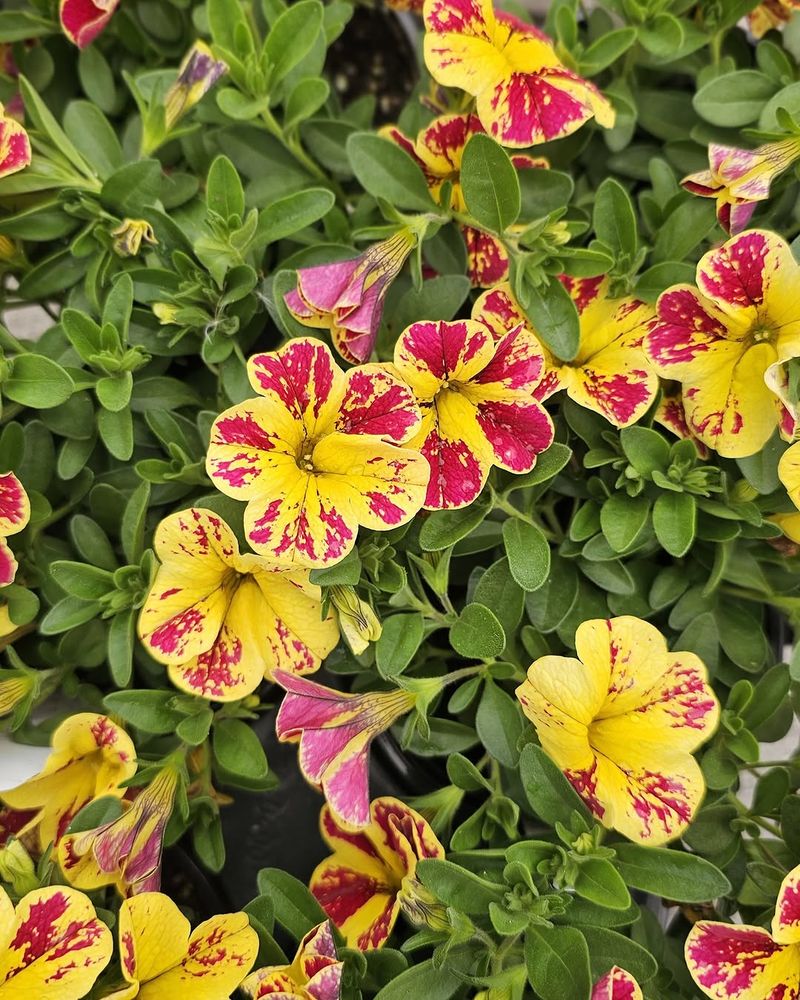
When calibrachoa runs out of room to grow its roots, the whole plant suffers in ways you can see above the soil. A root-bound plant cannot absorb enough water or nutrients to support active blooming, no matter how well you care for it otherwise.
Signs of a root-bound calibrachoa include roots poking out of drainage holes, soil drying out extremely fast, and stunted new growth. The plant looks stressed even when you are doing everything right because the container is simply too small.
Calibrachoa grows quickly and can fill a pot in a single season, especially in warm climates with long growing periods. What started as a perfectly sized container in May can feel like a tight squeeze by July.
Repotting into a container one to two sizes larger gives the roots fresh space to spread and the plant a new lease on life. Use a high-quality potting mix when you repot, and avoid packing the soil too tightly around the roots.
After repotting, water thoroughly and place the plant in a slightly shaded spot for two to three days to reduce transplant shock. Once it settles in, move it back to its regular sunny location and resume your normal feeding schedule.
A plant that has room to grow will reward you with a noticeable surge in bloom production within a couple of weeks. More root space equals more flowers, and that is a trade worth making.
7. Pest And Disease Pressure Can Shut Down Blooming Entirely
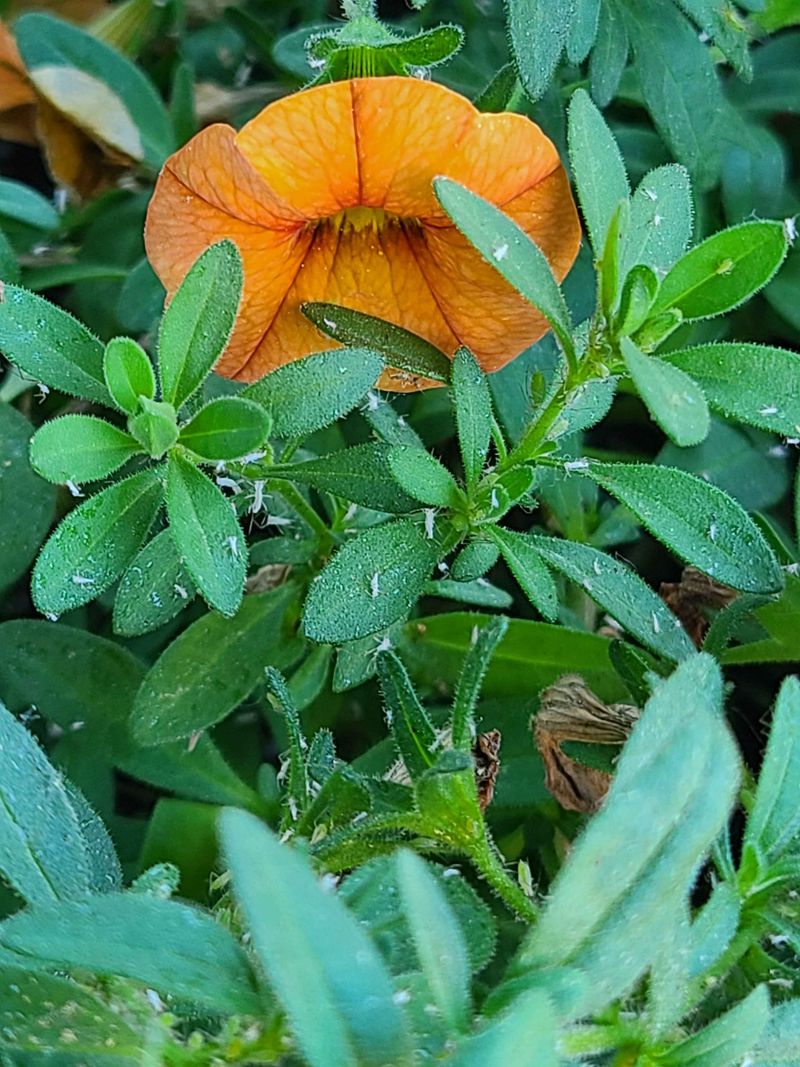
Tiny bugs and microscopic fungal spores can bring a thriving calibrachoa to a near-complete stop faster than almost anything else. Aphids, spider mites, and thrips are the most common insect pests that target calibrachoa mid-summer.
Spider mites love hot, dry conditions, which makes mid-summer their prime season for causing damage. You might notice fine webbing on stems, stippled or bronzed leaves, and a general decline in the plant’s appearance before you ever spot the mites themselves.
Aphids cluster on new growth and suck the sap right out of developing buds, which means fewer flowers reach maturity. A strong spray of water can knock them off, but severe infestations need an insecticidal soap or neem oil treatment.
Fungal diseases like powdery mildew and botrytis thrive when plants are crowded, humid, or watered from above at night. White powdery coating on leaves or gray fuzzy patches on stems are clear warning signs that fungal pressure is building.
Improving air circulation around your containers helps prevent fungal issues before they start. Space pots so leaves are not touching neighboring plants, and always water at the base of the plant rather than overhead.
Catching pest or disease problems early is the difference between a minor setback and a full bloom shutdown. Check your calibrachoa closely every few days during peak summer heat so you can act before the situation gets out of hand.
8. Too Much Shade Reduces Flower Production Over Time
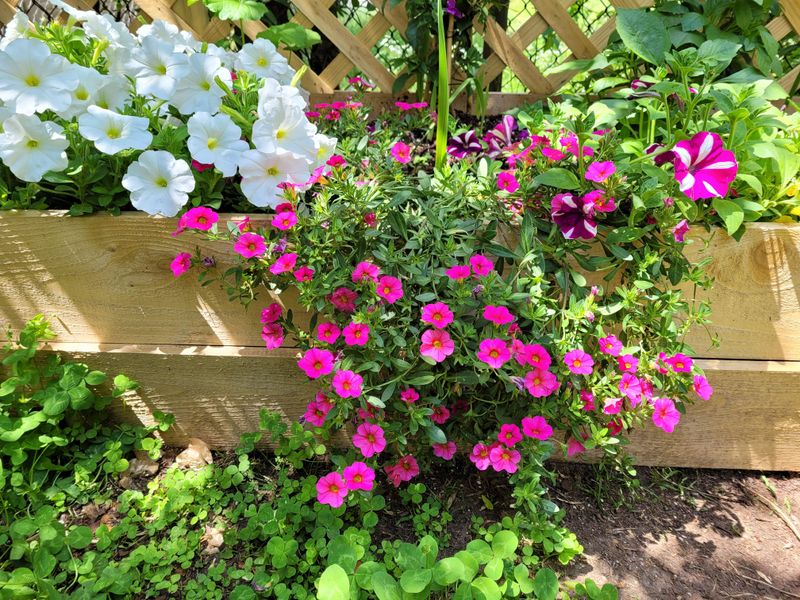
Calibrachoa is a sun-loving plant that needs at least six hours of direct light each day to bloom at its best. Place it in too much shade and it will grow, but the flower count drops off as summer goes on.
As nearby trees and shrubs fill out their summer canopies, a spot that was sunny in spring can become surprisingly shady by July. Your calibrachoa did not change, the light did.
A plant getting less than four hours of direct sun will often produce mostly foliage with only scattered blooms. The stems may also stretch and reach toward the light.
This creates that leggy look that signals the plant is working hard just to find enough energy. Low light does not stop growth entirely, it just redirects it away from flowering.
The fix is simple if your containers are moveable, shift them to a sunnier location and watch how quickly the plant responds. Even moving a pot a few feet can add an extra hour or two of valuable direct sunlight.
If you cannot move the container, consider trimming back any overhanging branches or tall neighboring plants that are casting unwanted shade. A little pruning of surrounding greenery can open up the canopy and let light flood back in.
Calibrachoa stops blooming mid-summer for many reasons, but shade is one of the most overlooked culprits. Giving these sun-hungry plants the light they crave is often the simplest path back to a full, colorful display.