Here’s What It Means When A Cardinal Visits Your South Carolina Yard
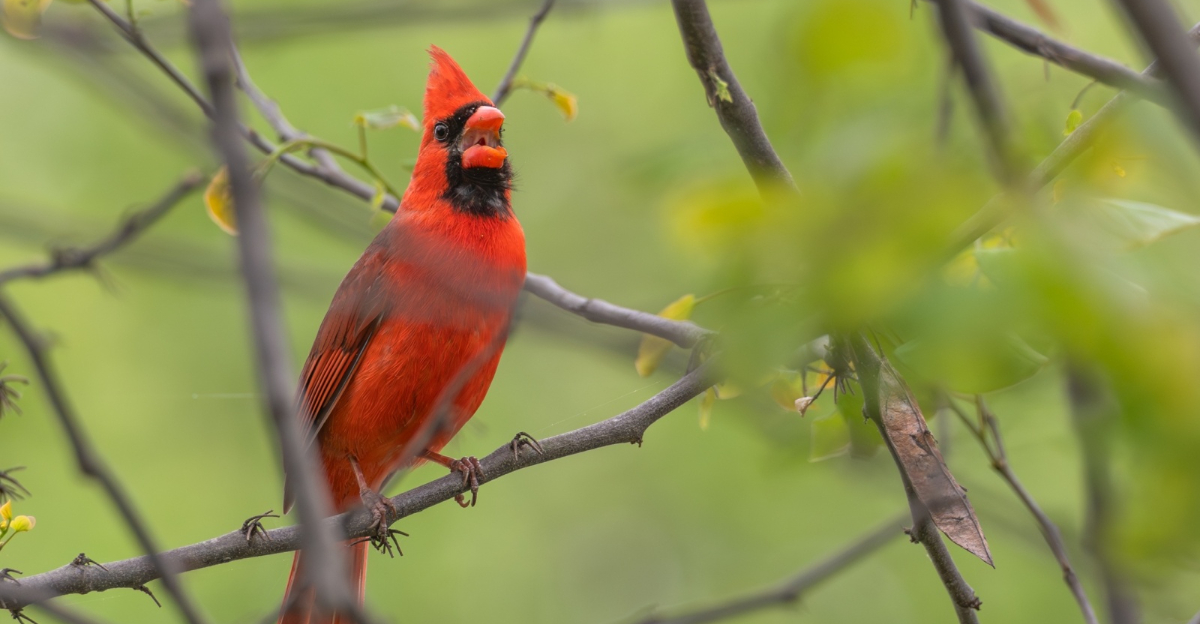
That red flash on your fence is no accident. Cardinals are drawn to yards that offer the right mix of food, shelter, and water, and here in South Carolina, few birds are more beloved or more telling than the Northern Cardinal.
If one has stopped in yours, something is already working in your favor. But what, exactly? That is the question worth sitting with. These birds are selective in ways most people never notice.
They read your yard like a map. The shrubs, the seed, the shelter, the quiet. Every detail either draws them closer or pushes them away. A cardinal visit is not decoration.
It is an encouraging sign. Cardinals are selective about where they spend their time, and a visiting bird suggests your yard is meeting at least some of their needs.
South Carolina’s mix of woodland edges, native plants, and mild winters makes it prime cardinal habitat, and the soil, the insects, the plant life nearby all shape whether cardinals stay or move on. You are not just watching a bird.
You are getting a small but encouraging signal. And once you know how to read it, your yard will mean something entirely different.
A Cardinal Signals Healthy Habitat Nearby
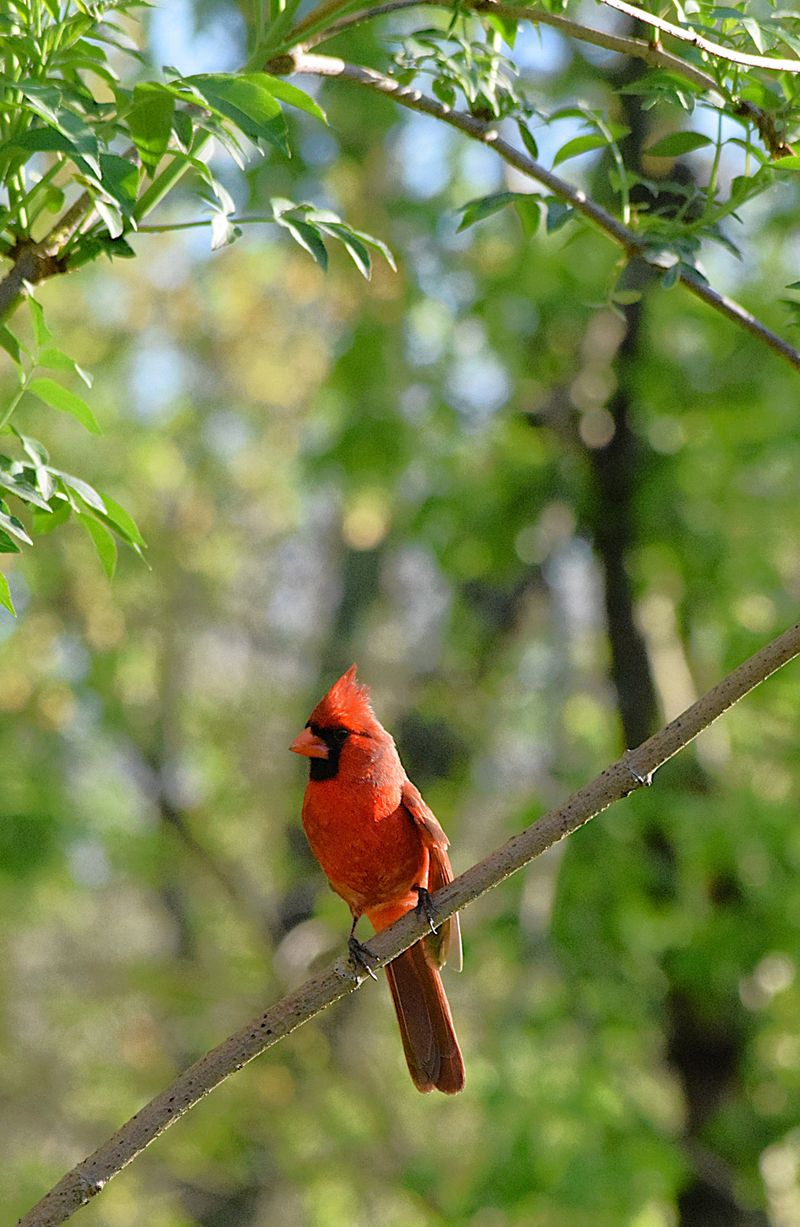
A cardinal visiting your yard may be finding habitat that meets its needs. Cardinals often use areas with dense shrubs, trees, and layered vegetation that provide shelter and nesting opportunities.
Your yard may contain a mix of trees, bushes, and ground cover that birds find useful throughout the seasons.
Cardinals often prefer locations with protective cover where they can avoid harsh weather, predators, and move safely through the landscape without feeling exposed.
They can thrive in suburban areas and fragmented habitats, making them a common and rewarding visitor to residential yards.
However, they generally benefit most from yards that offer a variety of plant types and vegetation layers working together as a cohesive habitat.
If you want to encourage more visits, consider adding native shrubs and plants at different heights. Dense plantings like holly, dogwood, and viburnum are particularly attractive to cardinals.
This type of thoughtful landscaping can create habitat that supports cardinals and many other wildlife species year-round.
Healthy habitat supports more than birds. It also benefits insects, pollinators, and other animals that rely on native plants for food and shelter.
Even small changes to your yard can make a meaningful difference for local wildlife communities.
Native Seeds And Berries Are Plentiful In The Area
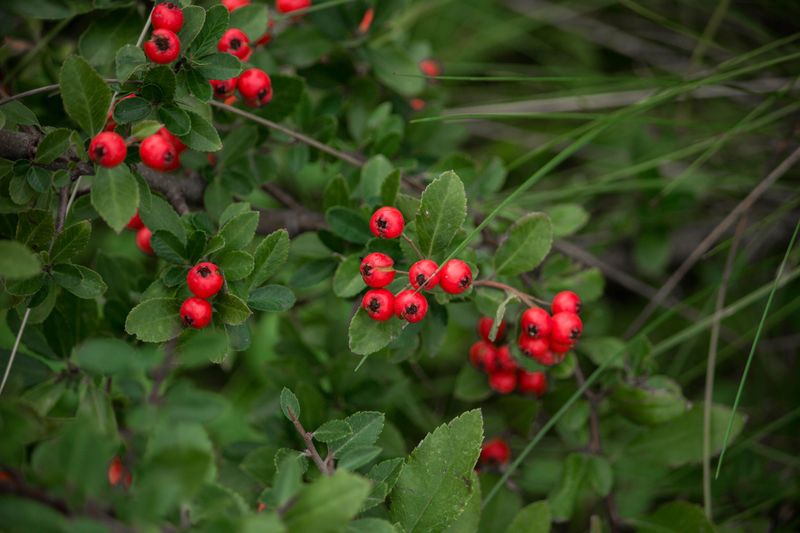
Cardinals are seed lovers through and through. Sunflower seeds, safflower, and native berries rank at the top of their preferred menu.
Spotting one in your yard often means native food sources are nearby and abundant. Plants like dogwood, beautyberry, and holly are cardinal favorites common across South Carolina.
When natural food is plentiful, birds don’t need to travel far or take risks. Your yard sits inside a productive foraging zone.
That’s a meaningful sign for any nature-loving homeowner. It means the local plant community is still diverse and functioning well.
Your South Carolina Garden Changes Every Week. Your Plan Should Too.
Gardening in South Carolina changes quickly throughout the season. Every Friday you’ll receive a simple weekly plan showing exactly what to plant, prune, fertilize, harvest, and protect so you never miss the right timing.
Native plants produce seeds and fruits timed perfectly to wildlife needs. Cardinals rely on that seasonal rhythm to fuel themselves year-round.
If you’ve planted native species, you’re directly contributing to that food web. Even a few native shrubs can make a measurable difference.
Want to boost your yard’s appeal? Try adding American beautyberry, Eastern red cedar, or wild strawberry to your garden beds.
These plants give cardinals reliable nutrition through fall and winter. A well-stocked yard becomes a regular stop on their daily route.
Food abundance also signals that your area hasn’t been stripped bare by overdevelopment. That’s worth celebrating every time a cardinal stops by.
A Clean, Reliable Water Source Is Close By
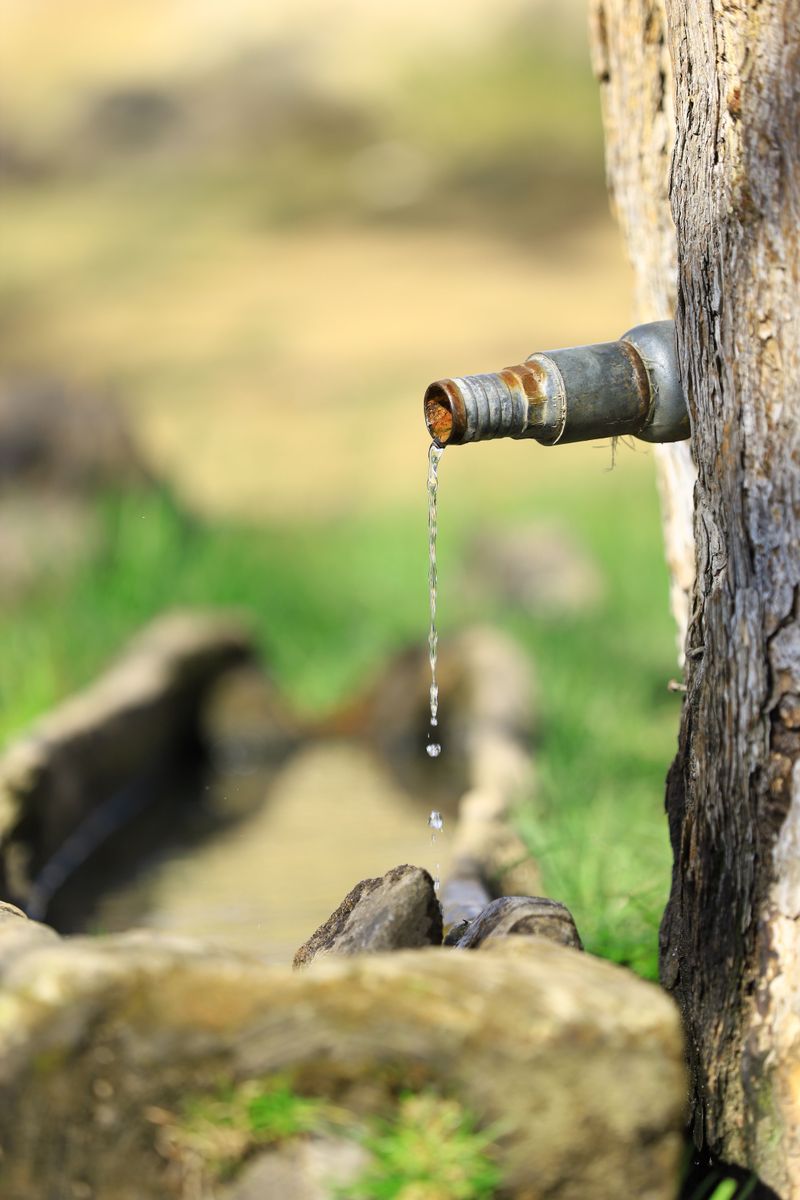
Birds need water just as much as food. A cardinal hanging around your yard suggests a clean, accessible water source is within its territory.
Birdbaths, shallow ponds, or even a dripping hose can attract cardinals looking to drink and bathe. They’re drawn to moving water especially, since it’s easier to spot and stays fresher longer.
If you have a birdbath, you’re already ahead of most neighbors. Cardinals will return to a reliable water spot day after day once they discover it.
Providing clean, fresh water in your yard removes one barrier that keeps birds away. Keep your birdbath clean by scrubbing it every few days. Algae and bacteria build up fast, especially in South Carolina’s warm climate.
Adding a small solar-powered wiggler keeps water moving and birds happy. A little maintenance goes a long way toward making your yard a cardinal hotspot.
Your Yard May Feel Safe Enough For Cardinals To Linger
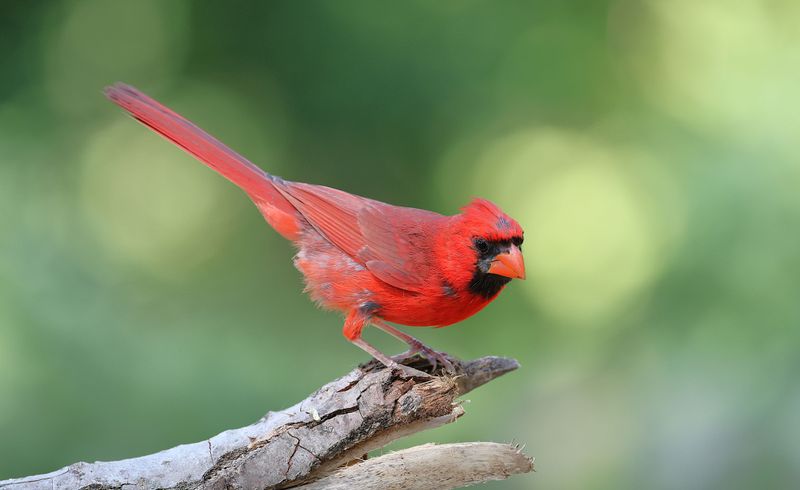
Cardinals don’t linger where danger is constant. When one settles into your yard and sticks around, it’s a sign that predator pressure in your area is manageable.
Balanced predator populations are a hallmark of healthy ecosystems. Too many hawks, roaming cats, or nest-raiding snakes will push cardinals out of an area fast.
A visiting cardinal suggests your neighborhood has found a natural equilibrium. Predators exist but aren’t overwhelming the prey species trying to survive there.
This balance is harder to achieve than most people realize. Urban sprawl, feral cats, and habitat loss can tip the scales against ground-nesting birds quickly.
If outdoor cats are a concern in your yard, consider adding cat deterrents near feeders. A few motion-activated sprinklers can discourage roaming felines without harming them.
Cardinals nest low to the ground, making them especially vulnerable during breeding season. Dense shrubs give nesting pairs a layer of protection from casual threats.
Keeping dogs and cats indoors or supervised also helps. Your choices as a homeowner directly affect how safe birds feel in your space.
A cardinal that returns regularly suggests your yard feels safe enough for it to feed and rest without constant disturbance. Protect it, and they’ll keep showing up.
Cardinals Follow Seasonal Rhythms Closely
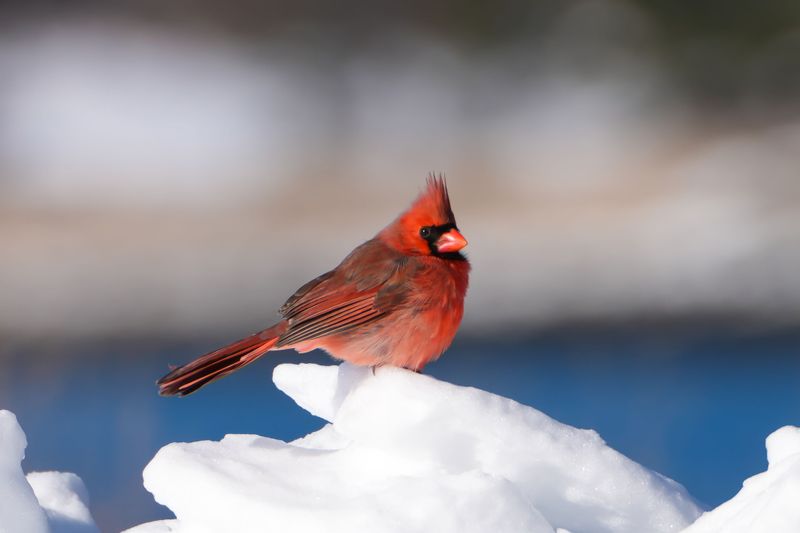
Cardinals follow nature’s calendar closely. Their behavior shifts with the seasons in ways that reflect what’s happening across the entire local ecosystem.
Seeing a cardinal in your yard during the right season means the natural cycle is ticking along as it should. Spring arrivals, summer nesting, fall foraging, and winter flocking all follow a predictable rhythm.
When that rhythm gets disrupted by climate shifts or habitat loss, bird behavior changes noticeably. A cardinal appearing on schedule is actually a reassuring sign.
In South Carolina, cardinals are year-round residents rather than migratory birds. That means they experience every season in your local area and adapt accordingly.
Their presence in winter, when food is scarce, signals that your neighborhood provides enough resources to support them all year. That’s a high bar to clear.
Seasonal cues like day length and temperature trigger cardinal breeding and molting behaviors.
A healthy, vibrant male in full red plumage is a good sign that the bird has fed well over recent months. A modest but pleasing indicator that your local habitat is supporting wildlife.
Pay attention to when cardinals appear and disappear. Their seasonal patterns can tell you a lot about how your local environment is holding up.
Your Yard Likely Supports A Healthy Insect Population
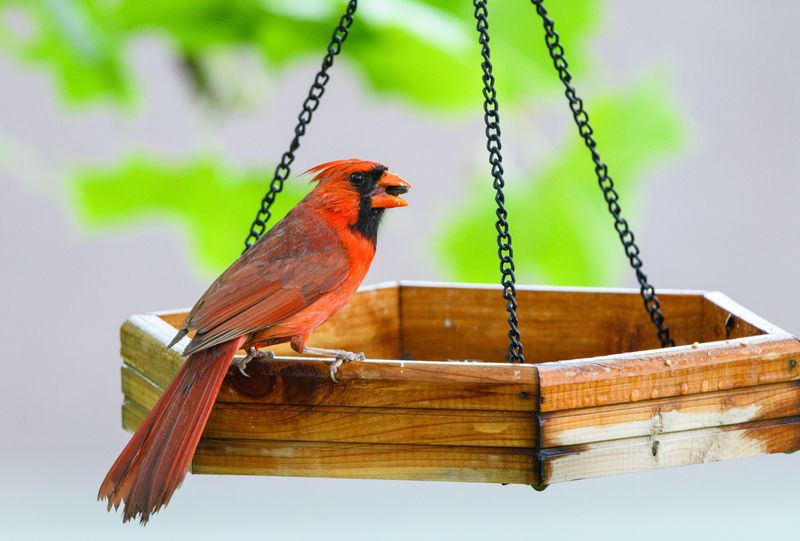
Cardinals eat a lot of insects, especially when feeding nestlings. A yard that attracts them is almost certainly low on chemical pesticide use.
Pesticides don’t just target pests. They reduce the insect populations that birds like cardinals depend on for protein-rich food during breeding season.
When you spot a cardinal foraging in your lawn or garden beds, it’s a sign the soil food web beneath your feet is still intact. Worms, beetles, and caterpillars are likely present and accessible.
Heavily sprayed yards go quiet fast. The insect silence that follows pesticide application ripples up the food chain and pushes birds away.
A cardinal foraging comfortably in your yard suggests the immediate area still supports enough insect life to be worth visiting. Local pesticide use affects a much wider area than just one property.
If you’ve been avoiding chemical treatments, this is your reward. Natural pest management keeps insects around, which keeps birds fed and happy.
Try switching to organic fertilizers and natural pest controls if you haven’t already. Neem oil, diatomaceous earth, and companion planting can handle most garden problems without chemical fallout.
Your yard’s insect community is the foundation of everything above it. Their presence suggests the conditions are worth returning to.
A Vivid Red Coat Reflects A Well-Nourished Bird
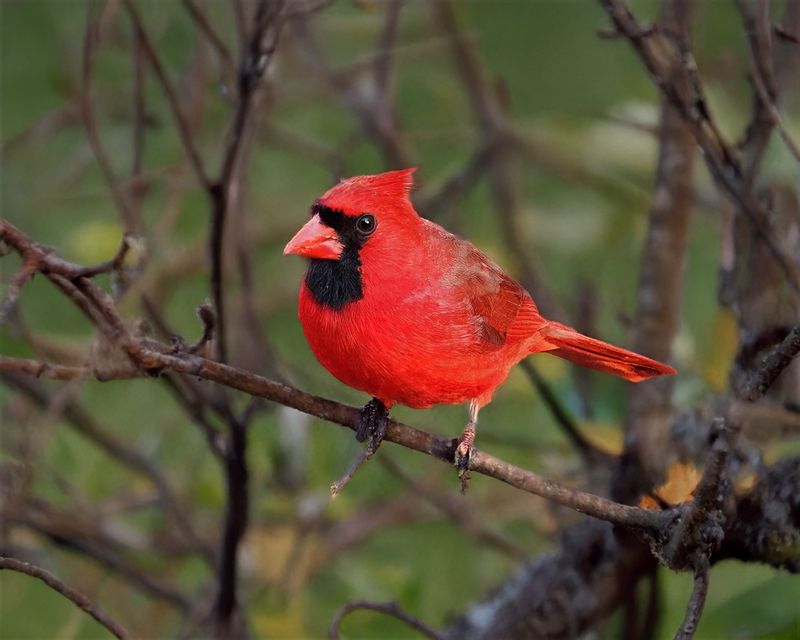
The color of a male cardinal’s feathers isn’t just for show. That intense red signals something important about the bird’s health and its environment.
Cardinal red comes from carotenoid pigments found in the foods they eat. Berries, seeds, and certain insects all contribute to that eye-catching color.
A deeply saturated, uniform red coat means the bird has had consistent access to nutrient-rich food.
Pale or washed-out cardinals are often nutritionally stressed. Carotenoids also support immune function and reproductive success in birds.
A healthy red male attracts mates more effectively and raises more successful broods. So that brilliant bird isn’t just pretty. It’s a sign the bird has been finding good food.
Planting carotenoid-rich food sources like red berries and native fruiting shrubs supports that vibrant coloring. You can literally help cardinals glow brighter by choosing the right plants.
Every time a cardinal visits your South Carolina yard, take a moment to notice its plumage. The richer the red, the better that individual bird has been eating.
Safe Nesting Opportunities Are Already Built Into Your Yard
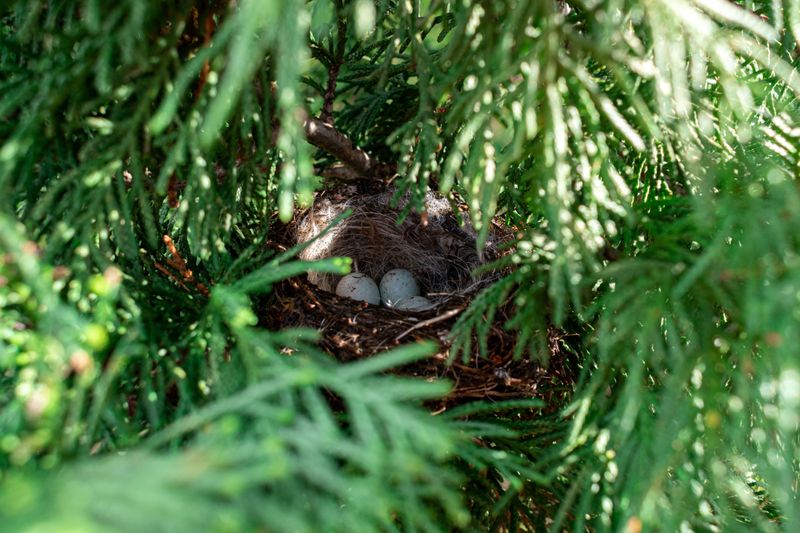
Cardinals are choosy nesters. They look for dense, thorny shrubs or thickets that offer protection from wind, rain, and nosy predators.
If a cardinal keeps returning to your yard, there’s a good chance it sees nesting potential there. That’s a meaningful endorsement of your landscaping choices.
Female cardinals do most of the nest-building work. They weave together twigs, bark strips, and plant fibers into a sturdy cup shape tucked inside protective foliage.
Yards with native hollies, hawthorns, or dense rose bushes are especially attractive to nesting pairs. These plants offer both cover and nearby food sources.
Nesting activity in South Carolina typically runs from March through September. You might notice a female flying low and carrying nesting material as a tip-off.
Resist the urge to trim shrubs heavily during this window. Even well-meaning pruning can disturb an active nest and cause a pair to abandon it.
Leaving a small brush pile in a quiet corner of your yard also helps. Cardinals sometimes use loose plant material from nearby piles for their nests.
A yard that hosts a cardinal nest is supporting the next generation of local wildlife. Few things in backyard birding feel quite as rewarding as that.