Why Spotted Lanternflies Are Overrunning Delaware And What To Do About It
Your backyard is not the same place it was last summer. Spotted lanternflies have arrived in Delaware, and they are spreading faster than anyone predicted.
They cover trees. They swarm fences. They claim every surface they land on as their own. These are not random sightings.
This is a pattern, and it is growing. Delaware residents are watching their yards transform in ways that feel almost unreal. The colors are striking. The impact is not.
What are they doing to your trees right now? That question matters more than you might expect.
These pests feed in groups, weaken plants over time, and move from yard to yard without warning. You are not dealing with a seasonal nuisance.
You are dealing with one of the most relentless invasive species currently spreading across the Mid-Atlantic. Understanding them is the first step toward taking your yard back.
Delaware’s Spotted Lanternfly Population Has Hit Record Levels
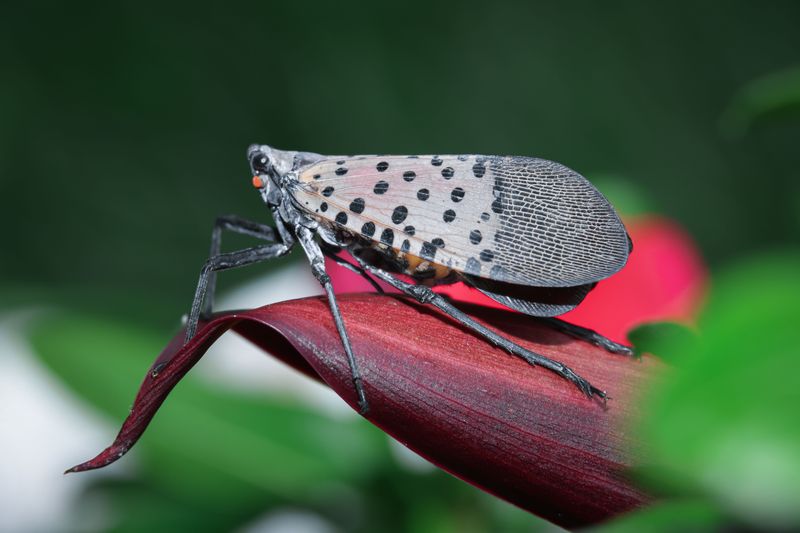
Spotted lanternflies have officially moved from nuisance to a serious and growing concern. Populations have increased sharply in areas that saw only a handful of sightings just two years ago.
Scientists tracking the spread note that this summer’s numbers are among the higher figures observed since the pest first arrived in Delaware. Warm winters played a big role in letting more eggs survive into spring.
Egg masses that would normally freeze did not get cold enough to stop hatching. That single factor multiplied the population in ways experts had predicted but hoped to avoid.
Homeowners in New Castle County started reporting clusters of hundreds on single trees. Sussex County followed quickly, with vineyards and orchards raising serious alarms.
The spotted lanternfly situation in Delaware is no longer a slow-moving threat. It has become a problem that warrants prompt attention from every homeowner in the state.
Acting early in the season tends to reduce the scale of feeding pressure later on. The scale of this summer’s population makes early action significantly more effective than waiting.
Its Location And Warm Summers Are Accelerating The Spread
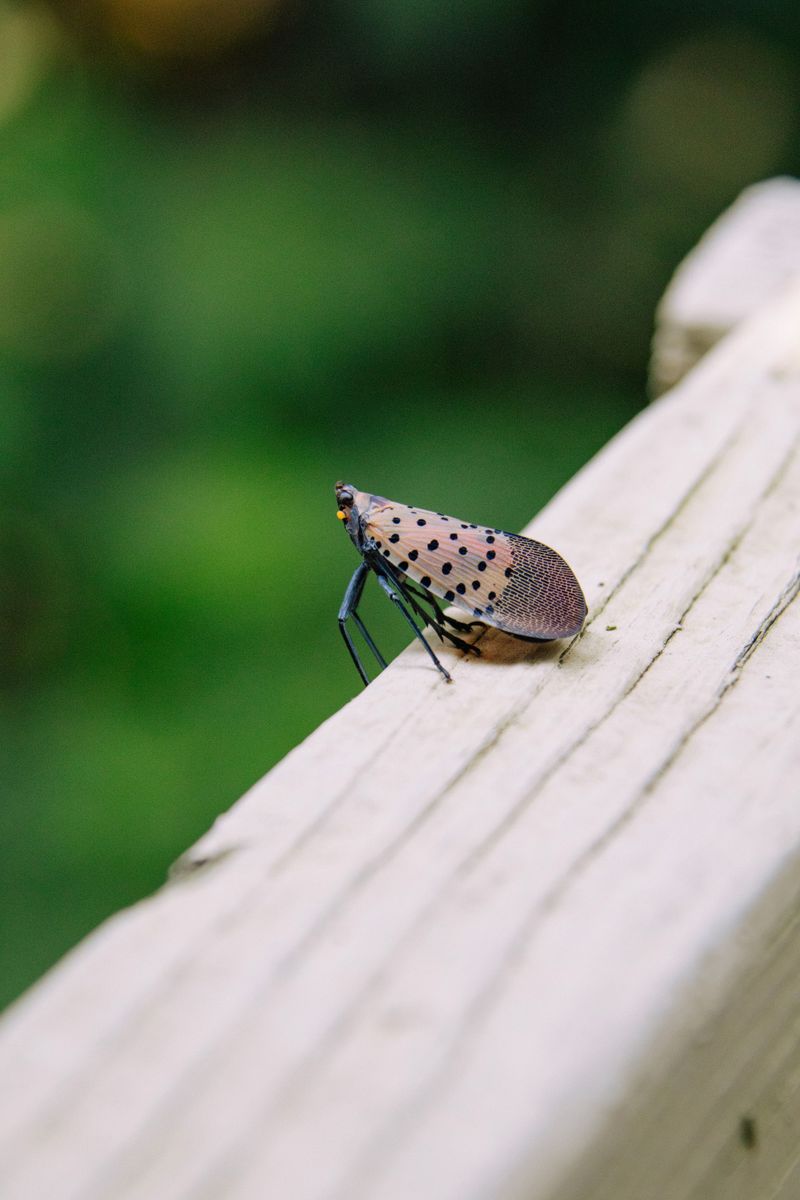
Speed is this insect’s superpower. Spotted lanternflies do not just walk from yard to yard; they hitchhike on cars, firewood, outdoor furniture, and shipping containers.
That ability to travel with humans is exactly why the spread has been so hard to control. One camping trip with infested firewood can introduce the pest to an entirely new county.
Delaware sits at a geographic crossroads between heavily infested states like Pennsylvania and New Jersey. That location means constant pressure from neighboring populations moving south and west.
Trade routes and commuter corridors act like highways for the pest. Every truck rolling down I-95 is a potential carrier of egg masses stuck to its undercarriage.
Warm, humid summers like this one also accelerate the insect’s life cycle. Nymphs mature faster in heat, meaning more adults are reproducing before summer even peaks.
Social behavior among the insects adds another layer to the problem. Spotted lanternflies gather in groups, which makes spotting them easy but also means infestations grow dense quickly.
Your Delaware Garden Changes Every Week. Your Plan Should Too.
Gardening in Delaware changes quickly throughout the season. Every Friday you’ll receive a simple weekly plan showing exactly what to plant, prune, fertilize, harvest, and protect so you never miss the right timing.
Public awareness has improved, but it has not kept pace with the insect’s movement. Catching the spread early is still the most effective tool available to communities.
Understanding why they spread so fast is the first step toward slowing them down. Knowledge turns worried homeowners into active defenders of their own yards.
Tree Of Heaven Is Feeding Delaware’s Lanternfly Population
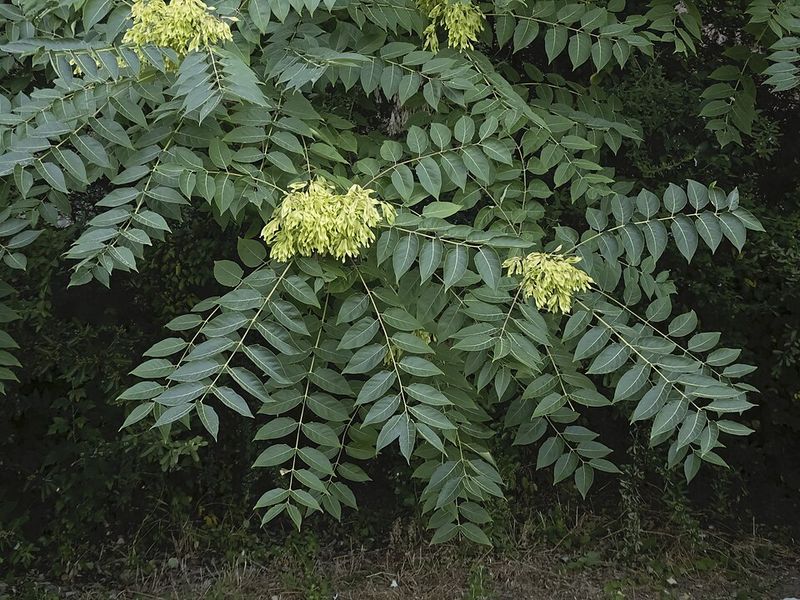
Meet the spotted lanternfly’s favorite meal. Tree of Heaven, an invasive tree from China, grows aggressively along roadsides, fence lines, and vacant lots across Delaware.
This tree was introduced to North America in the 1700s and has been spreading ever since. Its fast growth and tolerance for poor soil make it nearly impossible to remove completely.
Spotted lanternflies feed heavily on Tree of Heaven, using it as a breeding ground and a base camp. Where the tree thrives, the insect population grows rapidly right alongside it.
Delaware has thousands of Tree of Heaven specimens growing in places that are hard to reach and treat. That abundance gives the pest a nearly unlimited food source and shelter.
Removing Tree of Heaven is complicated because cutting it often causes the roots to send up dozens of new shoots. Improper removal can actually make the problem worse in the short term.
Certified arborists and pest management professionals recommend a combination of cutting and targeted herbicide application. That approach limits regrowth while reducing the habitat available to lanternflies.
Homeowners who spot Tree of Heaven on their property should contact their local cooperative extension office for guidance. Taking action on this one plant can dramatically reduce lanternfly pressure in your yard.
Cutting off the food supply is one of the smartest moves a homeowner can make this season. Less Tree of Heaven means fewer lanternflies calling your property home.
They Are Putting Serious Stress On Delaware Yards
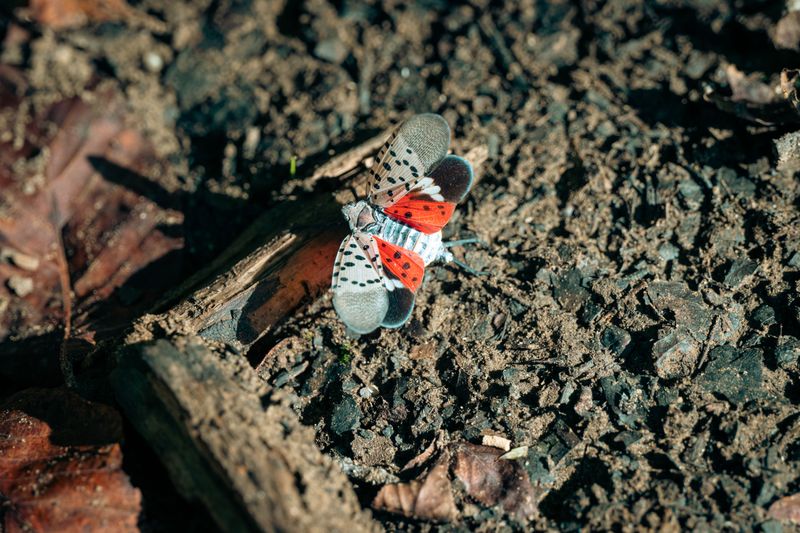
Your garden is not just pretty landscaping to a spotted lanternfly. These pests feed heavily and continuously , from early summer straight through fall.
They pierce plant stems and suck out sap, weakening trees, shrubs, grapevines, and even ornamental plants. Over time, that feeding stress causes branches to wilt, ooze, and eventually stop producing.
One of the most visible signs of an infestation is the sticky substance called honeydew that the insects excrete. Honeydew coats leaves and surfaces, encouraging a black mold that blocks sunlight from reaching the plant.
That black mold, called sooty mold, makes plants look burned and damaged. Even after the insects move on, the mold can linger and affect plant health for weeks. Fruit trees and grapevines are especially vulnerable.
Delaware wineries and apple orchards have already reported significant crop losses tied directly to lanternfly feeding pressure. Hardwood trees like maple, oak, and walnut also suffer under heavy infestations.
Repeated feeding can slow tree growth over multiple seasons, though research suggests most hardwood trees are capable of recovering once feeding pressure reduces.
Backyard vegetable gardens are not immune either. Tomatoes, peppers, and hops have all shown stress symptoms in areas with high lanternfly populations.
The impact on plants is real, measurable, and worth addressing early. Protecting your plants now is far cheaper than replacing them after a season of unchecked feeding.
Identifying And Controlling Spotted Lanternflies In Your Yard
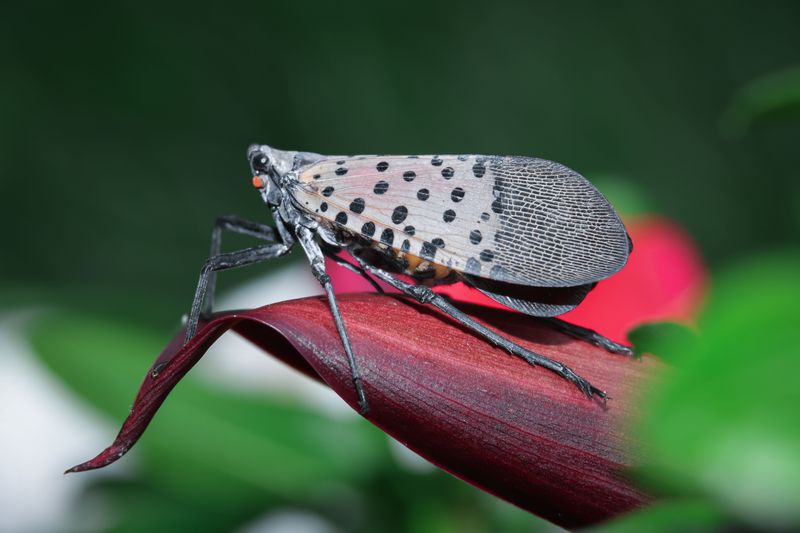
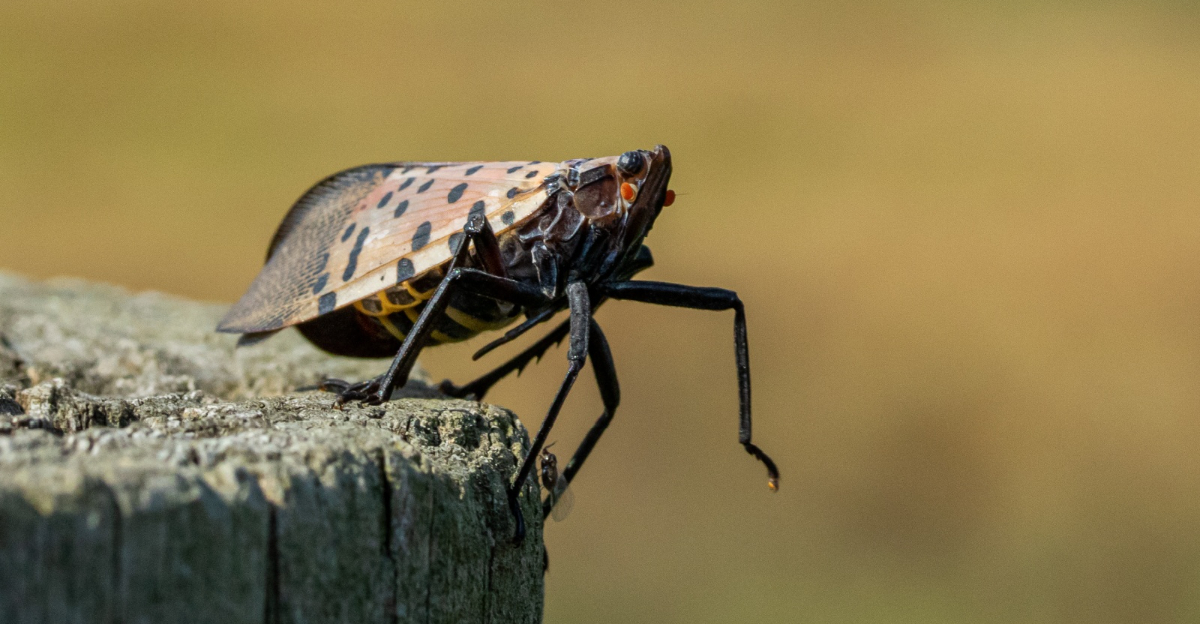
Bright wings and bold spots make this pest surprisingly easy to recognize. Adult spotted lanternflies have gray outer wings covered in black dots and vivid red underwings that flash when they jump.
Nymphs look different depending on their age. Young nymphs are black with white spots, while older ones develop red patches before reaching adulthood.
Egg masses are another key identification point. They look like smears of dried mud on tree bark, fences, or outdoor furniture, and each mass can hold up to 50 eggs.
Scraping egg masses off surfaces is one of the most effective early-season control methods. Use a stiff card or scraper, drop the mass into a bag with rubbing alcohol, and seal it tight.
Sticky bands wrapped around tree trunks trap nymphs as they climb. However, check bands daily because they can accidentally catch birds and small animals.
Insecticidal sprays containing neem oil or pyrethrin are effective against nymphs and adults. Always follow label directions and apply during cooler parts of the day to protect pollinators.
Squishing adults on sight is genuinely helpful and a direct and effective control method for most homeowners. Every adult stopped is hundreds of future eggs that never get laid.
Staying consistent with control methods throughout the season makes a measurable difference. Start early, check often, and do not give these pests a chance to settle in.
Steps Homeowners Should Take To Stop The Spread
You are part of the solution whether you know it yet or not. Every homeowner who takes a few simple steps reduces the pressure on the entire community.
Start by inspecting your vehicle before leaving areas where lanternflies are active. Check wheel wells, bumpers, and any cargo in your truck bed for egg masses or hitchhiking adults.
Contact the Delaware Department of Agriculture directly for guidance on treatment options and resources available in your area.
Avoid moving firewood from infested areas to new locations. That single habit change is one of the most powerful ways to prevent introducing the pest to clean zones.
Check outdoor furniture, grills, and play equipment regularly for egg masses. These smooth surfaces are surprisingly popular egg-laying spots for adult females in late summer and fall.
Talk to your neighbors about what you are seeing. Coordinated action across multiple yards is far more effective than one homeowner fighting the battle alone.
Contact your local cooperative extension office for free guidance on treatment options. Extension agents can recommend approaches that are safe for pollinators and pets.
Joining a community monitoring program is another powerful option. Neighborhood watch groups focused on spotted lanternflies have already made measurable differences in other mid-Atlantic states.
The spotted lanternfly challenge in Delaware is serious, but it is not hopeless. Consistent action from homeowners like you is exactly what produces real, community-wide results.