The 8 Moves Alabama Gardeners Make The Moment Tomatoes Start Flowering
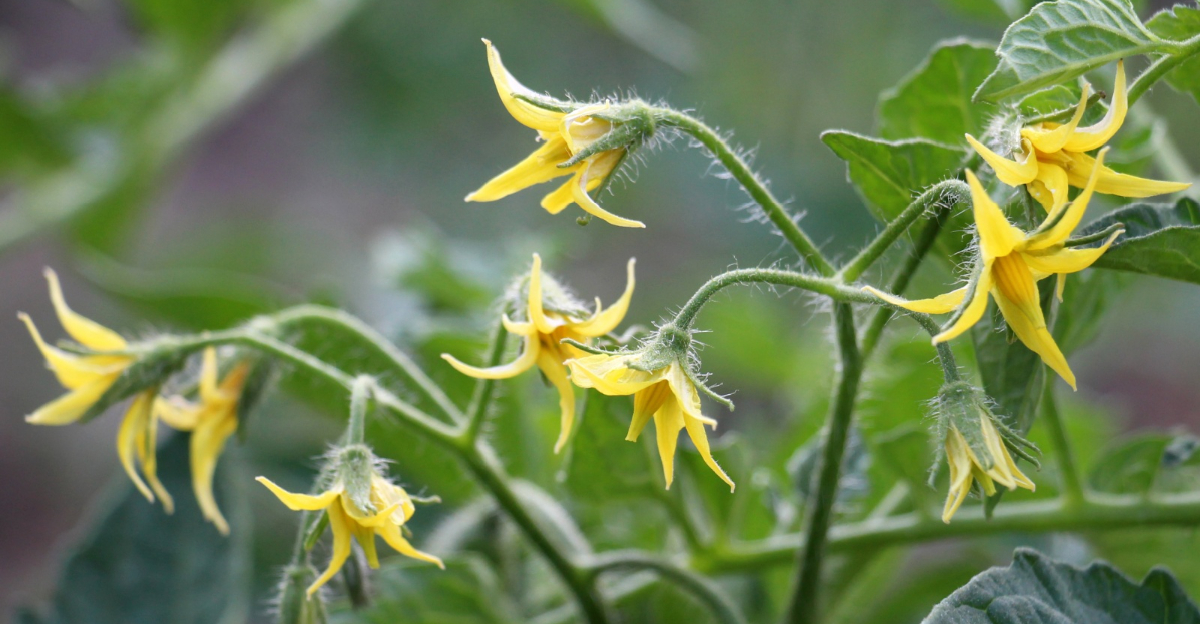
That yellow blossom just changed everything. One small flower signals your tomato plant has stopped building itself and started building your harvest.
What you do in the next few days will decide how much fruit you actually pull off the vine. Are you ready to make it count?
Most gardeners miss this window entirely. They water on schedule, maybe stake a drooping branch, and assume the plant will handle the rest. It will not. Alabama summers are unforgiving.
Heat spikes fast, insects arrive faster, and rain either drowns your roots or disappears for three weeks straight. These moves, made right now, will protect every bloom on that plant.
They will feed your tomatoes correctly, block the diseases already waiting in your soil, and shut down the pests circling your garden. You spotted the first flower. That means your season starts today.
1. Switch To Low-Nitrogen, Phosphorus-Rich Fertilizer
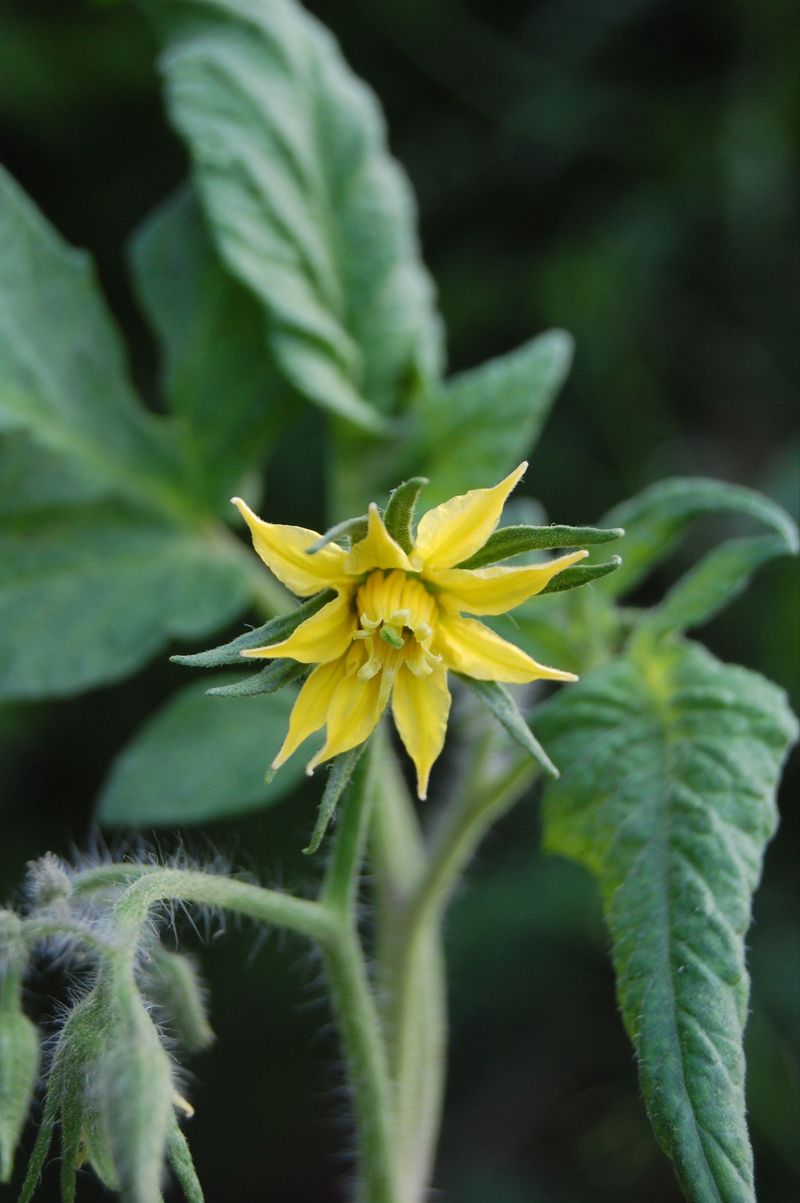
Your tomato plant just sent you a message with that first yellow flower. It is saying: the leaf-growing phase is over, and the fruit-producing phase has begun.
Up until flowering, your plant craved nitrogen to push out all those big green leaves. Now that blooms have appeared, too much nitrogen will keep growing leaves instead of setting fruit.
Phosphorus is the nutrient that drives root strength and flower development. A fertilizer labeled something like 5-10-10 or 8-32-16 will give your plant exactly what it needs right now.
Look for products specifically made for tomatoes and vegetables in the flowering stage. Many come in granular or liquid form, and both work well when applied correctly.
Granular types should be scratched lightly into the soil around the plant base. Keep them a few inches away from the stem to avoid burning the roots.
Liquid fertilizers can be applied every one to two weeks and absorb quickly. They are a great choice when you want fast results during a hot Alabama summer.
Potassium also plays a big role at this stage, helping with fruit quality and disease resistance. A balanced tomato fertilizer will usually include all three nutrients in the right ratios.
Read the label carefully and never double the dose thinking more is better. Over-fertilizing can burn roots and stress the plant right when it needs to be calm and productive.
The moment tomatoes start flowering is your cue to switch fertilizer and stay consistent all season long.
2. Water Deeply At The Base, Never Overhead
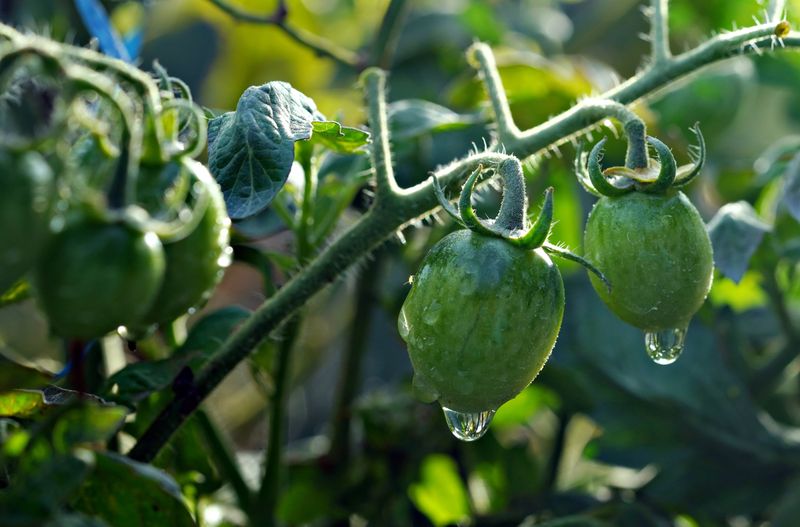
Overhead watering and tomato flowers are a terrible combination. Wet petals lead to poor pollination, and wet foliage invites fungal disease faster than anything else in a humid Southern climate.
Once your plants start flowering, aim every drop of water at the soil, not the leaves. A soaker hose or drip irrigation system is the most efficient way to do this without thinking twice.
Deep watering encourages roots to grow down into cooler soil. Shallow watering keeps roots near the surface, where summer heat will stress them quickly.
Your Alabama Garden Changes Every Week. Your Plan Should Too.
Gardening in Alabama changes quickly throughout the season. Every Friday you’ll receive a simple weekly plan showing exactly what to plant, prune, fertilize, harvest, and protect so you never miss the right timing.
Aim to water slowly and deeply, giving the soil time to absorb moisture rather than letting it run off. About one to two inches per week is a solid target for most tomato plants.
Sandy soils common in parts of the state drain fast, so you may need to water more often. Heavy clay soils hold moisture longer, so check before watering to avoid soaking roots that are already wet.
Morning is the best time to water, giving any accidental splash on leaves time to dry before evening. Wet leaves sitting overnight are a fungal infection waiting to happen.
Inconsistent watering causes blossom end rot, a calcium-uptake problem triggered by dry-wet-dry cycles. Keeping moisture steady prevents this frustrating condition from ruining your first tomatoes.
Mulching after watering helps lock that moisture in place and slows evaporation during peak afternoon heat. Steady, deep, base-level watering is one of the simplest ways to protect your flowering tomato plants all season.
3. Prune Suckers Below The First Flower Cluster
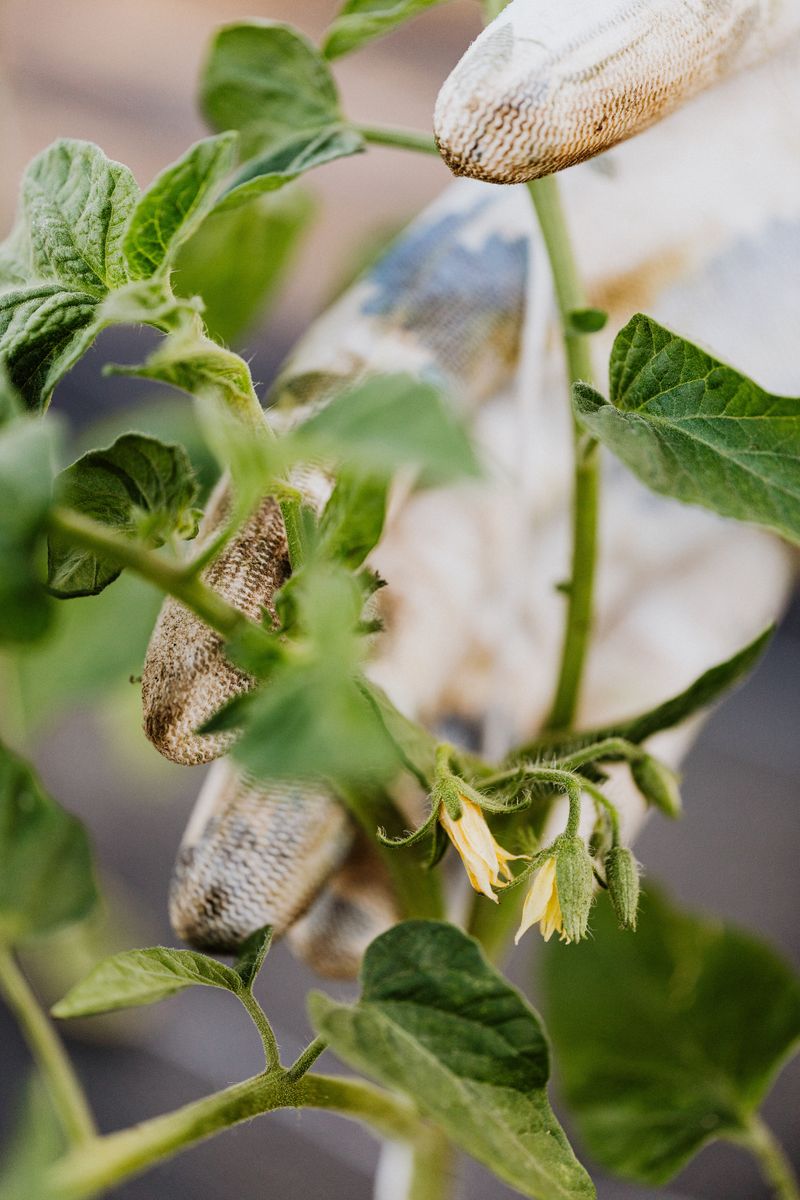
Suckers are sneaky little stems that sprout in the crotch between the main stalk and a side branch. Left alone, they become full branches, and the plant spends energy on leaves instead of fruit.
Once flowering begins, the plant needs to direct its energy upward and into those blossoms. Removing suckers below the first flower cluster keeps that energy focused exactly where you want it.
Use clean fingers or small pruning snips to remove suckers when they are still small, ideally under two inches long. Smaller suckers snap off cleanly and heal faster than large ones.
Sanitize your snips between plants to avoid spreading any disease from one stem to another. A quick dip in diluted bleach water or rubbing alcohol does the job well.
Not every sucker needs to go. Many experienced growers leave one or two above the first flower cluster to create a two or three-stem plant structure.
Indeterminate varieties, which keep growing all season, benefit the most from regular suckering. Determinate types, which stop at a set height, need less aggressive pruning overall.
Check your seed packet or plant tag to know which type you are growing. That one detail changes your entire pruning approach for the rest of the season.
Pruning suckers also improves airflow through the plant, which is a huge deal in Alabama’s sticky summer humidity. Less crowding means fewer fungal problems and better light reaching every flower cluster.
Your tomato plant will look leaner, but trust the process and watch it reward you with bigger, better fruit.
4. Reinforce Cages, Stakes Or Trellises
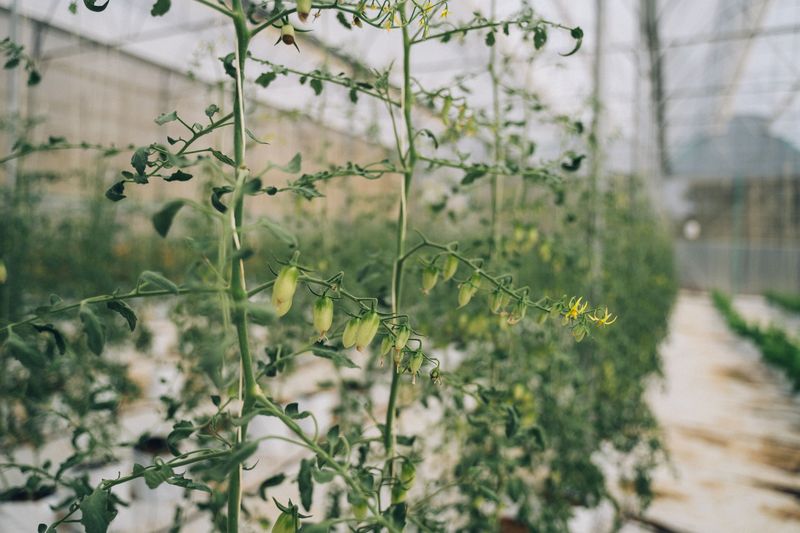
Flowering time means fruit is coming, and fruit is heavy. A tomato plant loaded with tomatoes can snap a weak cage or pull a flimsy stake right out of the ground.
Before that weight arrives, check every support in your garden and fix any problems now while the plants are still manageable. Waiting until the vines are heavy risks stem damage and fruit loss.
Push cages deeper into the soil if they feel wobbly. A cage that tips in a summer thunderstorm can break stems and destroy weeks of growth in seconds.
Wooden stakes should be at least five feet tall for indeterminate varieties. Drive them at least a foot into the ground so they hold firm when a vine leans hard against them.
Trellises work great for gardeners growing tomatoes along a fence or raised bed edge. String or twine woven through the trellis gives each stem something to grip as it climbs.
Soft plant ties or strips of old t-shirt fabric are ideal for tying stems without cutting into them. Avoid wire or stiff materials that can slice into the vine as it grows thicker.
Check your supports every week as the plant grows. What felt solid in May can feel wobbly by July when the vines are loaded with green tomatoes.
Alabama storms can be sudden and fierce, especially during summer afternoons. A well-supported plant weathers those gusts without snapping stems or losing fruit. Strong supports now mean a stronger harvest later, so do not skip this step.
5. Mulch Heavily Around The Base
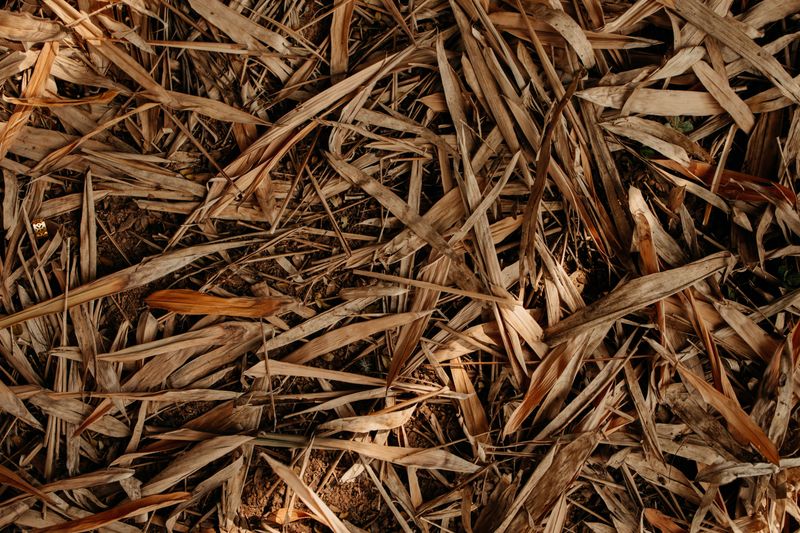
Bare soil under a tomato plant in July increases heat stress and raises disease risk significantly. Heat bakes the roots, moisture evaporates fast, and soil-borne pathogens splash up onto leaves every time it rains.
A thick layer of mulch fixes all three problems at once, and it takes about ten minutes to apply. This is one of the highest-return tasks you can do the moment flowering begins.
Straw is one of the most popular choices for vegetable gardens because it is light, affordable, and breaks down slowly. Spread it three to four inches deep around each plant, keeping it a few inches away from the main stem.
Wood chips work well too, especially for gardeners who want a tidier look. Just make sure they are not dyed or treated with chemicals that could leach into your food-producing soil.
Pine straw is widely available and useful as mulch. Soil pH should be managed with a soil test. It also acidifies soil slightly over time, which tomatoes tend to appreciate.
Mulch keeps soil temperature more stable through the wild swings of a Southern summer. Cooler roots mean a less stressed plant, and less stress means better fruit set during flowering.
Another big bonus is weed suppression. Fewer weeds means less competition for water and nutrients, both of which your flowering plant needs in large supply.
Replenish your mulch layer as it breaks down through the season. Keeping it thick and consistent is one of the easiest ways to support a productive tomato plant from flower to harvest.
6. Inspect Daily For Hornworms, Armyworms And Stinkbugs
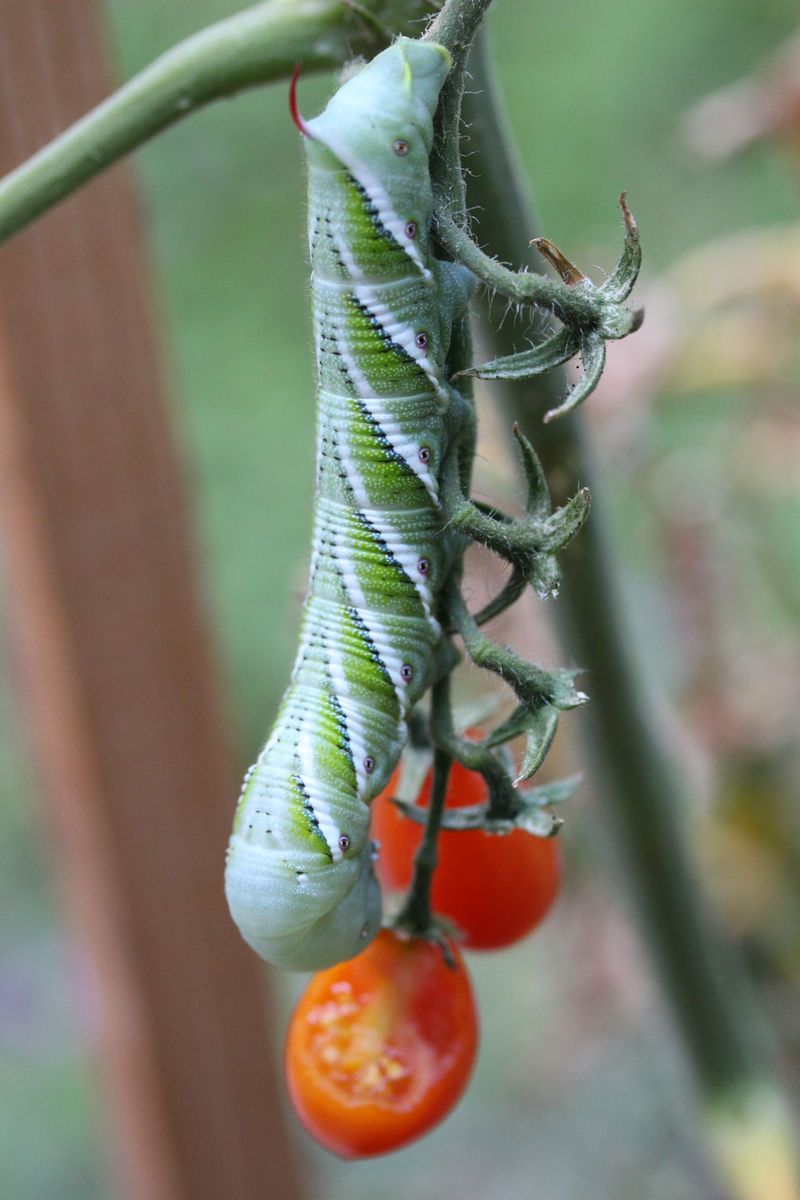
One hornworm can cause severe defoliation within days if left unchecked. These caterpillars blend into green foliage so effectively that many gardeners miss them until serious damage is done.
Start checking your plants every single morning the moment flowers appear. Early detection is the difference between losing a leaf and losing the whole plant.
Hornworms are large and easy to hand-pick once spotted. Drop them into a bucket of soapy water or relocate them far from your garden if you prefer a hands-off approach.
Armyworms are smaller and tend to travel in groups, which makes their damage appear suddenly and spread fast. Look for ragged holes in leaves and small dark droppings on the foliage below.
Stinkbugs are the hardest to detect because their damage shows up on fruit rather than leaves. They pierce tomatoes and inject a toxin that causes white, spongy spots just under the skin.
Check the undersides of leaves for stinkbug eggs, which look like tiny barrels arranged in a neat cluster. Crushing the eggs early prevents a full infestation from developing.
Bacillus thuringiensis, commonly called BT, is an organic spray that targets caterpillars without harming beneficial insects. Apply it in the evening when pollinators are less active for best results.
Neem oil is another effective option that works against multiple pests and also has some antifungal properties. Consistent daily checks paired with quick action keep your flowering tomatoes safe all season long.
7. Watch For Flower Drop From Extreme Heat
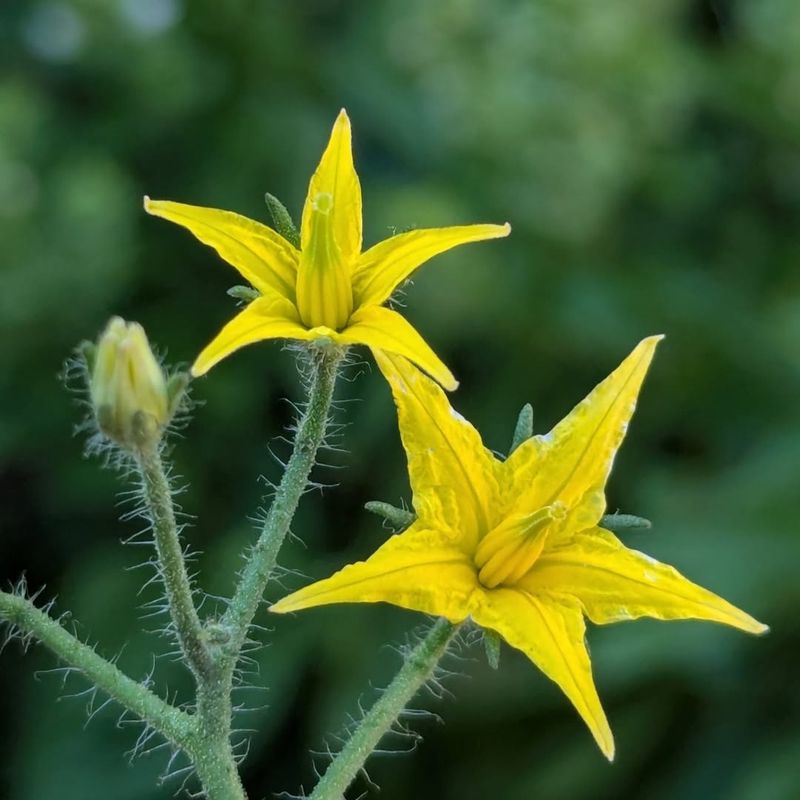
Tomato flowers are surprisingly fragile when temperatures climb above 90 degrees Fahrenheit during the day or stay above 75 at night. When that happens, the flowers simply fall off before setting fruit.
This is called blossom drop, and it is one of the most frustrating things that happens to Southern gardeners every single summer. You see the flowers, you get excited, and then they just disappear.
The good news is that blossom drop is not a disease, and it does not mean your plant is failing. It is a survival mechanism, and the plant will try again when conditions improve.
Shade cloth rated at 30 to 40 percent can take the edge off afternoon sun during peak summer weeks. Draping it over a simple frame above your plants can make a real difference in flower retention.
Keeping soil consistently moist also helps reduce heat stress at the root level. A stressed root system sends stress signals straight to the flowers, triggering drop even faster.
Varieties bred for Southern heat, like Solar Fire, Heatmaster, or Juliet cherry types, hold their flowers better than standard varieties. If you keep losing blooms, switching to a heat-tolerant variety next season is worth considering.
Avoid fertilizing heavily during a heat wave, since that pushes new growth the plant cannot support under stress. Wait for a cooler stretch before resuming your normal feeding schedule.
Blossom drop eases as nights cool in late summer, and many Southern gardeners get a second strong flush of fruit in September. Patience during the hottest weeks pays off beautifully.
8. Apply Copper Fungicide To Prevent Fungal Disease
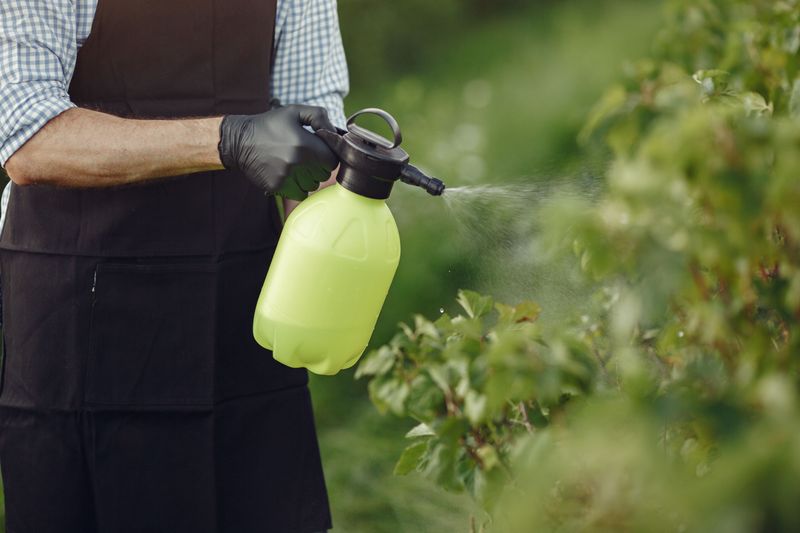
The combination of heat, humidity, and afternoon thunderstorms creates perfect conditions for early blight, septoria leaf spot, and other fungal problems.
Copper fungicide is one of the most trusted preventative tools available to home gardeners, and it is approved for organic use. Starting applications the moment tomatoes start flowering gives your plants a protective shield before the spores even arrive.
Look for products labeled with copper octanoate or copper hydroxide at your local garden center. Both are effective and widely available in liquid or dust form.
Spray in the early morning so the solution dries before the heat of the day. Wet foliage sitting in afternoon sun can cause leaf burn, especially on young growth.
Coat both the tops and undersides of leaves thoroughly, since fungal spores land on all surfaces. Do not skip the undersides, because that is where many infections actually begin.
Reapply every seven to ten days, or after heavy rain washes the coating off. Consistency is more important than any single application when it comes to fungal prevention.
Copper does accumulate in soil over time, so avoid over-applying. Stick to the label rate and rotate with other approved fungicides if you need to spray more frequently.
Removing any yellowed or spotted leaves you find during inspections also slows the spread of fungal spores dramatically. Bag those leaves and toss them in the trash rather than the compost pile.
Protecting your tomatoes from fungal disease is the final key step to a full, rewarding harvest all the way to the end of the season.