How To Revive An Alabama Garden After A Stretch Of Extreme Summer Heat
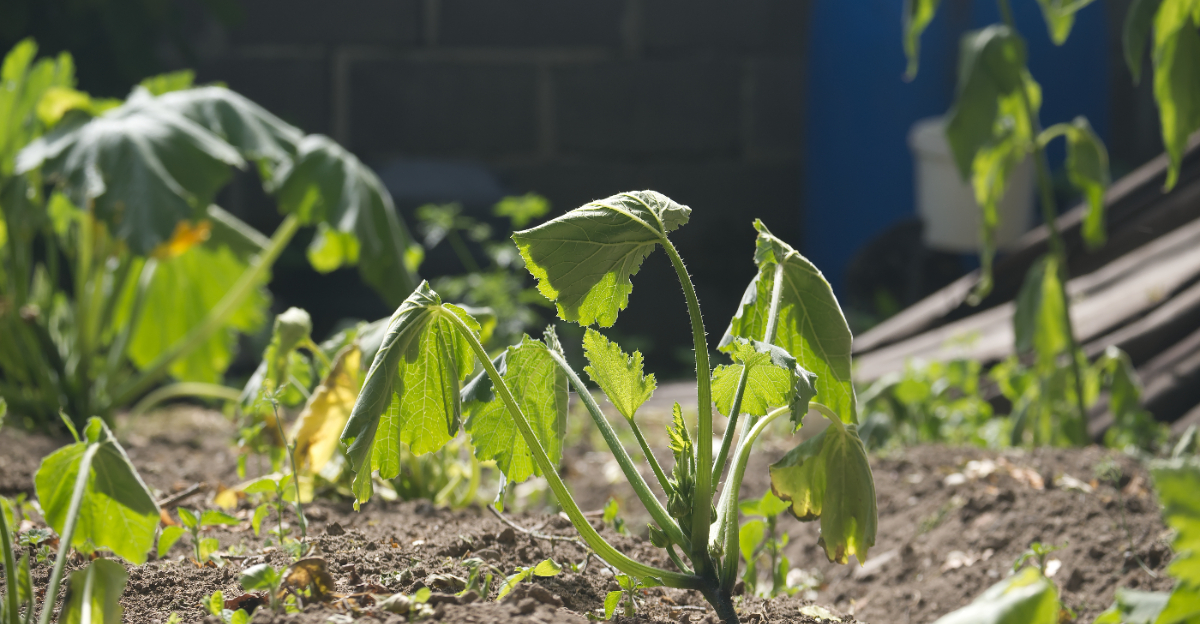
Alabama heat doesn’t ease up once it settles in. A week of triple digits can turn a thriving garden into something unrecognizable, with curled leaves, crusted soil, and patches of grass that crunch underfoot.
Standing in that yard, it’s tempting to assume the damage is permanent. It usually isn’t, but reversing heat stress means reading the signs correctly before reaching for a hose or fertilizer.
Timing matters more than effort here, and so does sequence. A garden recovering from weeks of scorching heat needs different care than one bouncing back from a single rough afternoon.
Here’s the order that actually gets a scorched yard breathing again, starting with the one mistake most gardeners make first.
1. Deep Watering Comes Before Any Other Recovery Step
Your soil is basically a desert right now. After days of brutal heat, the top few inches of ground can turn hard as concrete, making it nearly impossible for water to reach plant roots.
Shallow watering won’t cut it here. A quick sprinkle just wets the surface and evaporates fast, leaving roots just as thirsty as before.
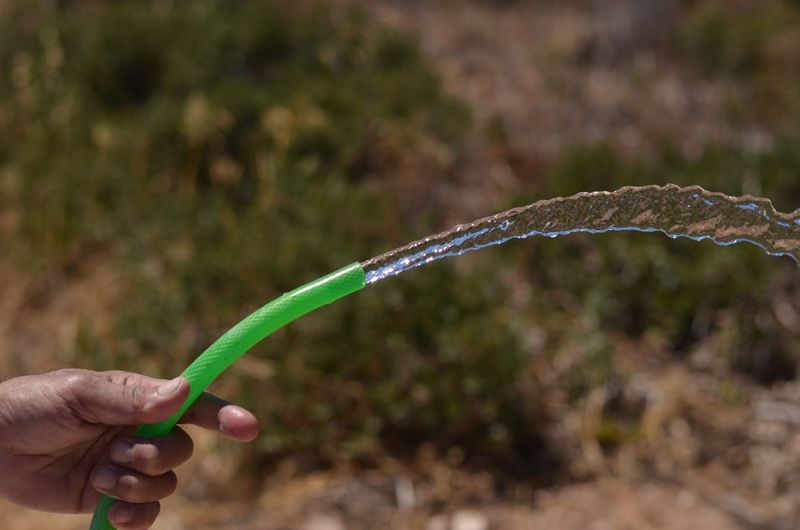
Deep watering means soaking the soil slowly until moisture reaches six to eight inches down. Use a soaker hose or set your sprinkler to run longer than usual.
Morning is the best time to water, giving the soil a chance to absorb moisture before the afternoon heat kicks in. Evening watering works too, as long as leaves dry before nightfall to prevent fungal issues.
Check your soil moisture by pushing a finger two inches into the ground. If it feels dry past your first knuckle, keep watering.
A layer of mulch around your plants locks in that moisture once you’ve finally gotten it into the ground. Two to three inches of shredded bark or straw keeps soil temperatures down and slows evaporation between waterings.
Cracked, compacted patches may need a little help before water can even soak in properly. Gently aerating the soil surface with a garden fork opens up channels so water reaches roots instead of running off.
Recovery from extreme summer heat in Alabama starts at the root level, not the leaf level. Healthy roots mean a healthy comeback, and deep watering is one of the most effective ways to start that process moving forward.
2. Scorched Leaves Should Stay On The Plant For Now
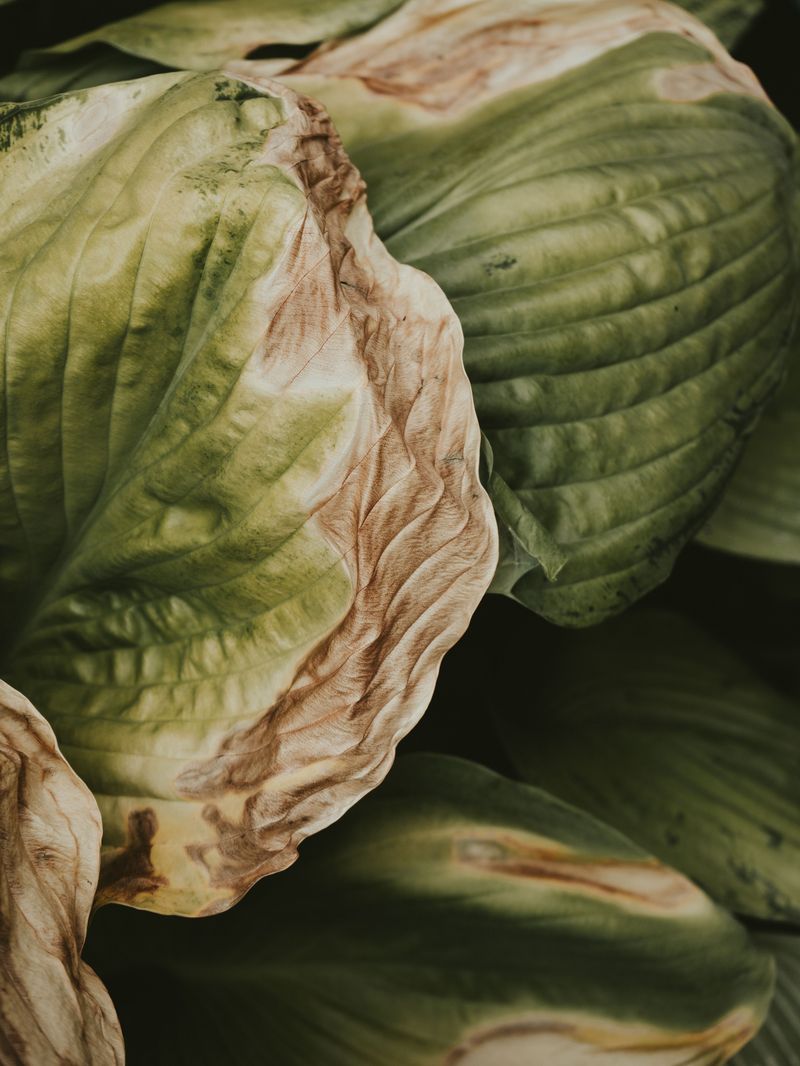
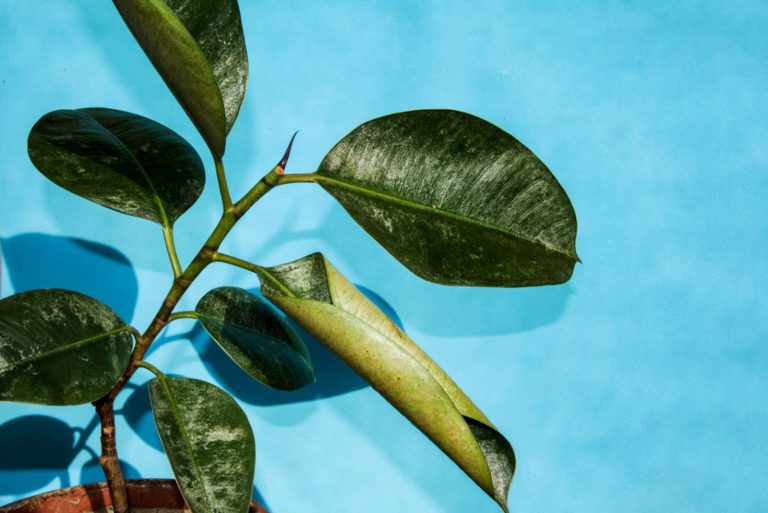
It’s tempting to grab the pruning shears the moment you see brown, crispy leaves. They look terrible, and your instinct says cut them off immediately.
Hold that thought. Removing scorched leaves too soon can actually stress the plant even more during its weakest moment.
Those damaged leaves, even the ugly brown ones, still act as a shield. They block direct sun from hitting the tender stem beneath, which is already under pressure from the heat.
Wait until you see new growth emerging before you start trimming. That new growth signals the plant has stabilized and can handle a little pruning without going into shock.
Your Alabama Garden Changes Every Week. Your Plan Should Too.
Gardening in Alabama changes quickly throughout the season. Every Friday you’ll receive a simple weekly plan showing exactly what to plant, prune, fertilize, harvest, and protect so you never miss the right timing.
Some plants signal readiness faster than others, so patience looks different depending on what you’re growing. A tomato plant might show new growth within a week, while a shrub or small tree can take several weeks longer.
When you do trim, use clean, sharp scissors or shears. Dirty blades spread bacteria and disease to an already vulnerable plant.
Cut just above a healthy leaf node to encourage fresh branching in the right spots. Avoid removing more than one-third of the plant at one time.
A single pass usually isn’t enough after serious heat damage. Check back every week or two, since new stress signs can appear even after the first round of trimming is done.
Scorched foliage is not pretty, but it is protective. Patience here pays off in a much stronger, fuller plant once temperatures finally drop and real recovery from the extreme summer heat begins to take hold.
3. Mulch Rebuilds Moisture The Soil Has Lost
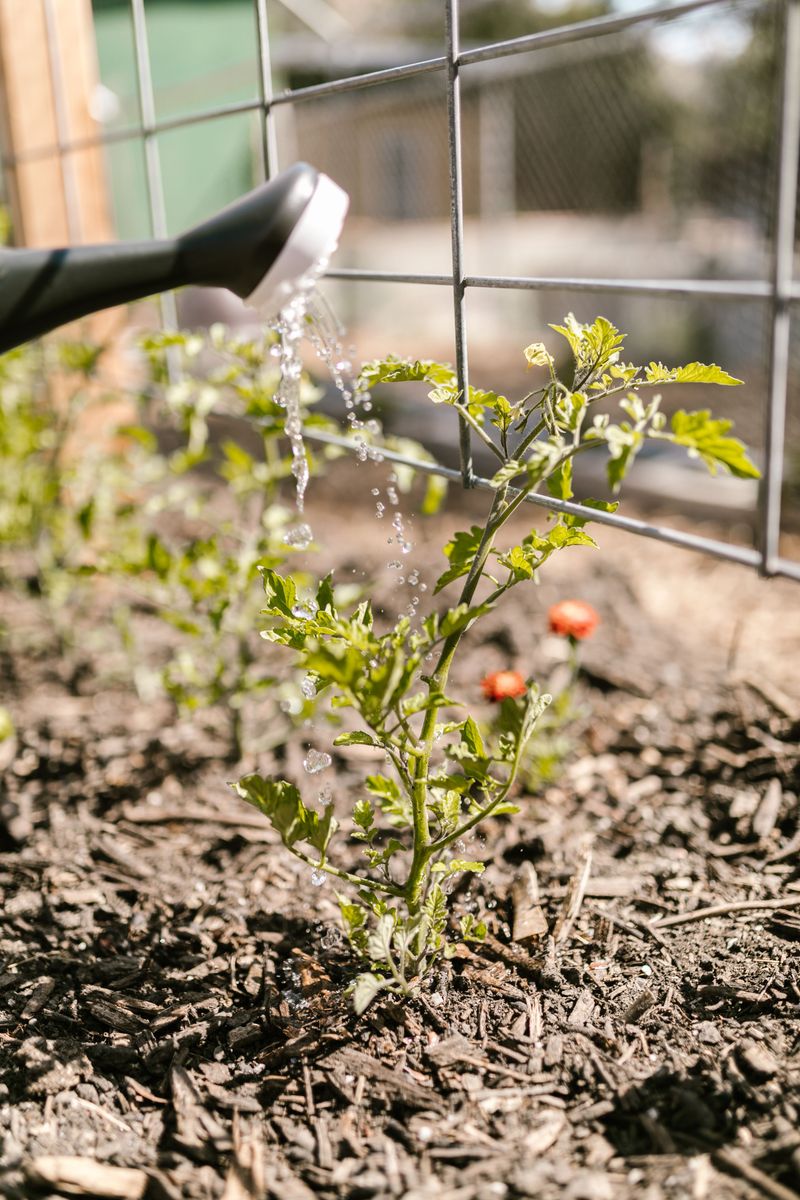
Bare soil in summer is basically a sponge left out in the sun. It dries out fast, cracks, and loses the moisture your struggling plants desperately need to survive.
A two to three inch layer of mulch changes everything. It acts like a blanket, keeping the ground cooler and slowing down evaporation significantly.
Wood chips, straw, and shredded leaves all work well as mulch options. Each type breaks down over time and adds organic material back into the soil, which improves its structure long-term.
Apply mulch after a deep watering session, not before. Mulching dry soil just traps dryness, so water first and then cover to lock that moisture in.
Keep the mulch a few inches away from the base of each plant stem. Piling it directly against the stem can cause rot, especially in humid Alabama conditions.
Not all mulch behaves the same way once August humidity sets in. Straw and shredded leaves break down faster in these conditions, while wood chips hold their shape longer and need less frequent topping off.
Refresh your mulch layer every few weeks during summer since it breaks down and thins out over time. Consistency matters more than the amount you put down at one time.
Mulching is one of the smartest moves you can make when reviving an Alabama garden after extreme summer heat, and it keeps working long after you walk away from the garden bed.
4. Fertilizing Too Soon Can Do More Harm Than Good
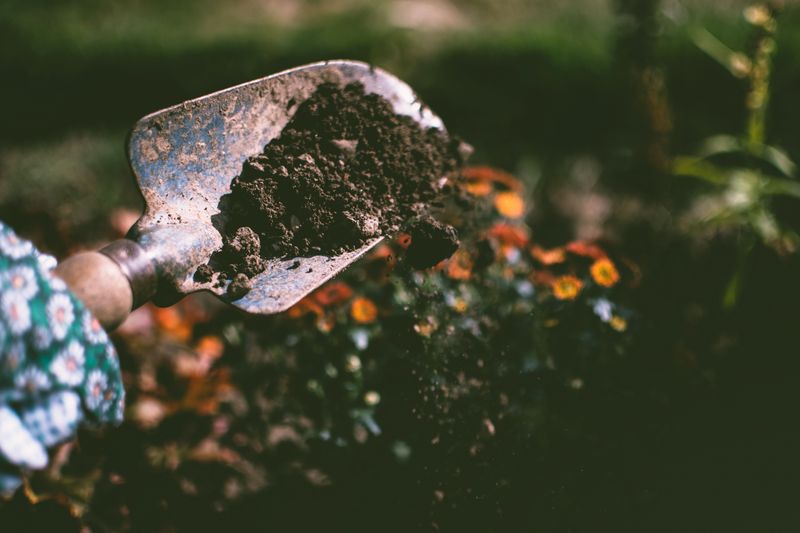
When plants look rough, the first impulse is to feed them something strong. But more nutrients doesn’t always mean faster recovery.
Fertilizing heat-stressed plants too soon is like forcing a sick person to run a marathon. It pushes the plant to grow when it needs to rest and recover first.
High-nitrogen fertilizers are especially risky right after extreme heat. They trigger fast leafy growth that the weakened root system simply cannot support yet.
Wait at least two weeks after a heat event before adding any fertilizer. Give the plant time to stabilize, rehydrate, and show signs of new growth on its own.
When you do fertilize, start with a diluted liquid fertilizer or a slow-release granular option. Both options feed the plant gradually without overwhelming its system.
Compost tea is another gentle choice that adds nutrients and beneficial microbes at the same time. It feeds the soil as much as the plant, which is exactly what a heat-damaged garden needs.
A soil test can save you from guessing which nutrients your garden actually needs. Many Alabama soils run low on potassium, and testing helps you confirm exactly what yours needs before choosing a fertilizer.
Healthy soil recovers faster than depleted soil in almost every case. Skipping the fertilizer rush and focusing on soil health first gives your Alabama garden the steady foundation it needs to thrive again after brutal summer temperatures.
5. Some Plants Bounce Back Faster Than Others
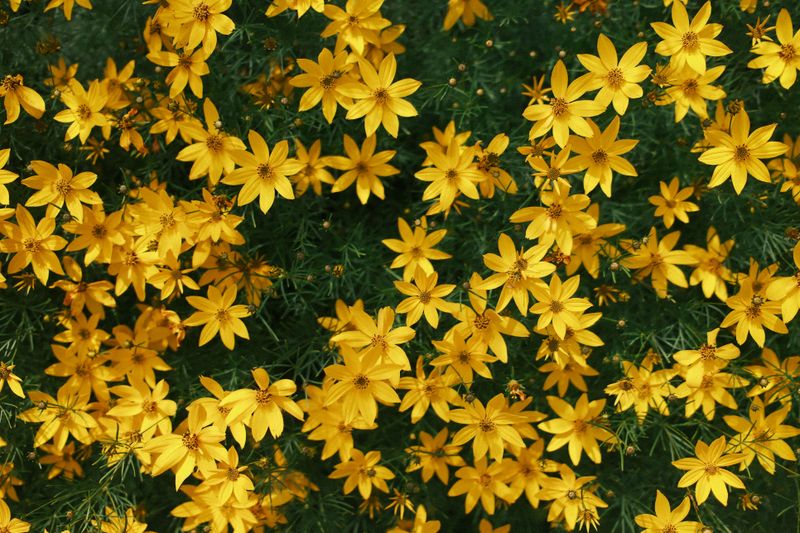
Not every plant in your garden got hit the same way. Some look struggling while others nearby seem totally fine, and that difference is not random.
Heat tolerance varies a lot from plant to plant. Native Alabama species, deep-rooted perennials, and drought-adapted plants typically recover much faster than tender annuals or shallow-rooted vegetables.
Sweet potato vines, crape myrtles, and black-eyed Susans tend to bounce back quickly once watering resumes. Impatiens, lettuce, and cilantro, on the other hand, often struggle to come back at all.
Focus your recovery energy on the plants most likely to survive. Give them the best care first, and let the weaker ones show you if they still have any fight left.
Check the base of struggling plants for green growth near the soil line. A little green at the crown means the roots are alive and the plant can still recover with proper attention.
If a plant doesn’t show new growth after two weeks of good watering and care, it may be time to pull it and replant in the fall. Not every loss is a failure.
Understanding which plants recover fastest helps you spend your time and energy wisely. Focused effort on the right survivors makes the whole garden look better much sooner after the extreme summer heat passes.
6. Shade Cloth Buys Stressed Plants Extra Recovery Time
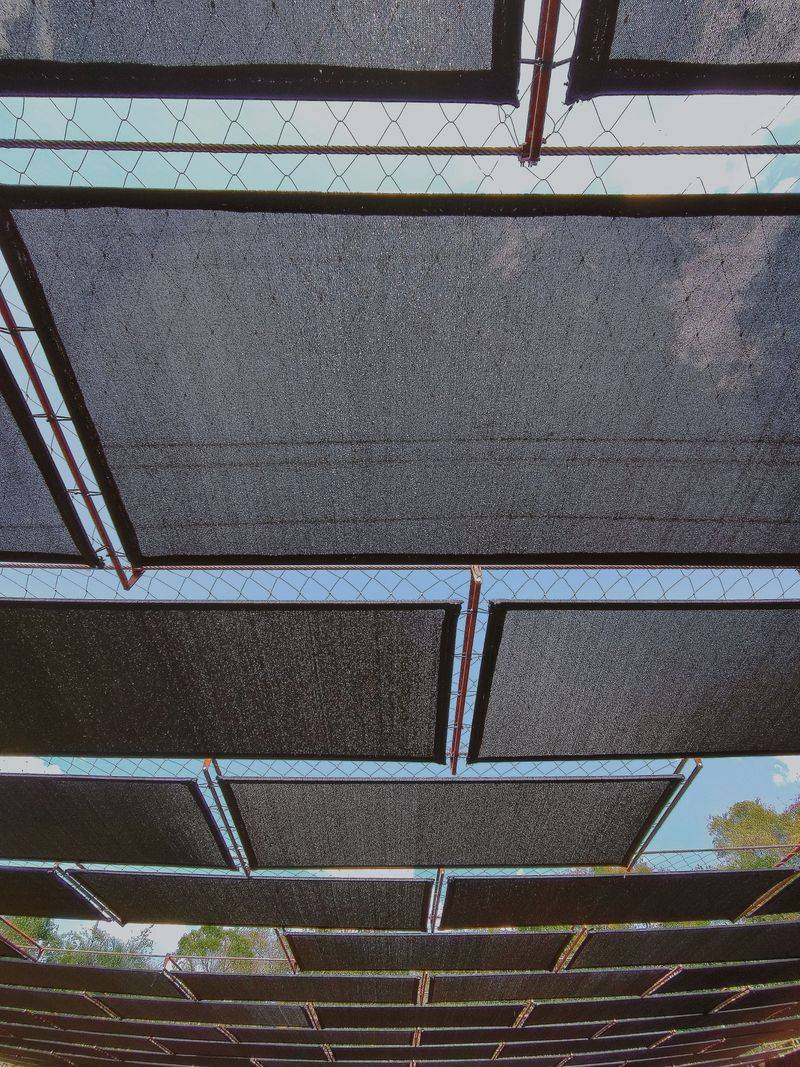
Sometimes the best thing you can do for a struggling plant is simply block the sun for a while. Shade cloth does exactly that, and it works surprisingly well.
A 30 to 50 percent shade cloth filters intense afternoon rays without blocking the light plants need for photosynthesis. It lowers leaf temperature and reduces water loss at the same time.
You don’t need a fancy setup to make this work. A few stakes, some zip ties, and a roll of shade cloth from your local garden center can protect an entire raised bed in under an hour.
Focus shade coverage on the west and southwest sides of your garden. That’s where the hottest, most direct afternoon sun hits in Alabama during peak summer months.
Shade cloth is especially helpful for vegetables like tomatoes, peppers, and squash that are mid-season and too established to pull out and replant. They just need a break from the intensity.
Remove the cloth in the morning so plants get full benefit from the cooler early light. Then replace it before noon when the heat starts climbing again.
Giving heat-stressed plants a physical shield during recovery is one of the most underrated tricks in the garden. A little shade at the right time can mean the difference between a full comeback and losing the plant altogether.
7. A Soil Test Reveals Damage That Isn’t Visible Yet
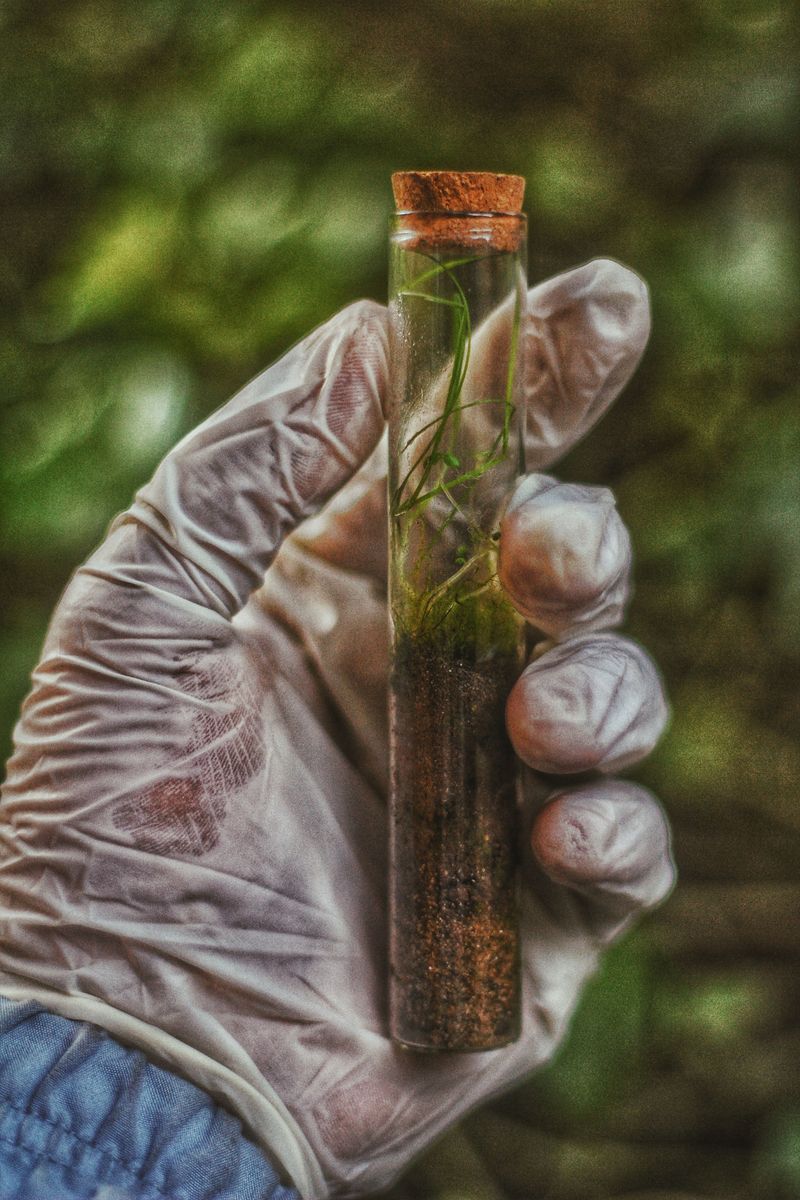
Your soil might look fine on the surface after a heat wave, but looks can be deceiving. Extended extreme heat can affect soil in ways you can’t see with your eyes.
High temperatures speed up the breakdown of organic matter, which throws off the balance of nutrients available to your plants. This can make it harder for roots to absorb what they need.
A basic soil test from your local cooperative extension office costs just a few dollars and gives you a clear picture of what’s actually going on underground. Alabama’s extension offices often provide fast, detailed results with specific recommendations.
Testing reveals deficiencies in nutrients like nitrogen, phosphorus, and potassium that heat stress may have worsened. It also checks pH levels, which directly affect how well plants can use whatever nutrients are present.
If your pH is off, even perfect fertilizing won’t help much. Correcting the pH first makes everything else you do in the garden far more effective.
Lime raises pH in acidic soils, while sulfur lowers it in alkaline ones. Both are affordable and easy to apply once you know what your soil actually needs.
Skipping the guesswork and testing your soil is one of the smartest steps in reviving an Alabama garden after extreme summer heat. Real data beats instinct when your garden’s health is on the line.
8. Patience Matters More Than Quick Fixes Right Now
Recovery from heat stress doesn’t come from a spray bottle or a miracle product. It comes from consistency, and consistency is something no shortcut can replace.
Plants recover on their own timeline, not yours. Overwatering, over-trimming, and over-fertilizing out of impatience are the most common ways gardeners accidentally make things worse during recovery.
Check your garden every day, but resist the urge to intervene constantly. Observation is a skill, and knowing when to step back is just as valuable as knowing when to act.
Keep a simple journal of what you see each day. Noting small signs of new growth, color changes, or improved leaf texture helps you track real progress and stay motivated.
Celebrate the small wins. A single new leaf on a plant that looked hopeless two weeks ago is a genuine victory worth noticing.
Recovery from extreme summer heat in Alabama can take anywhere from two weeks to two full months depending on the plant and the severity of the stress. Expecting fast results leads to frustration and poor decisions.
The gardeners who succeed after a brutal Alabama summer aren’t the ones with the most products. They’re the ones who trust the process and give their garden time to heal.