How To Spot And Manage Chinch Bugs Before They Ruin Your Georgia Lawn
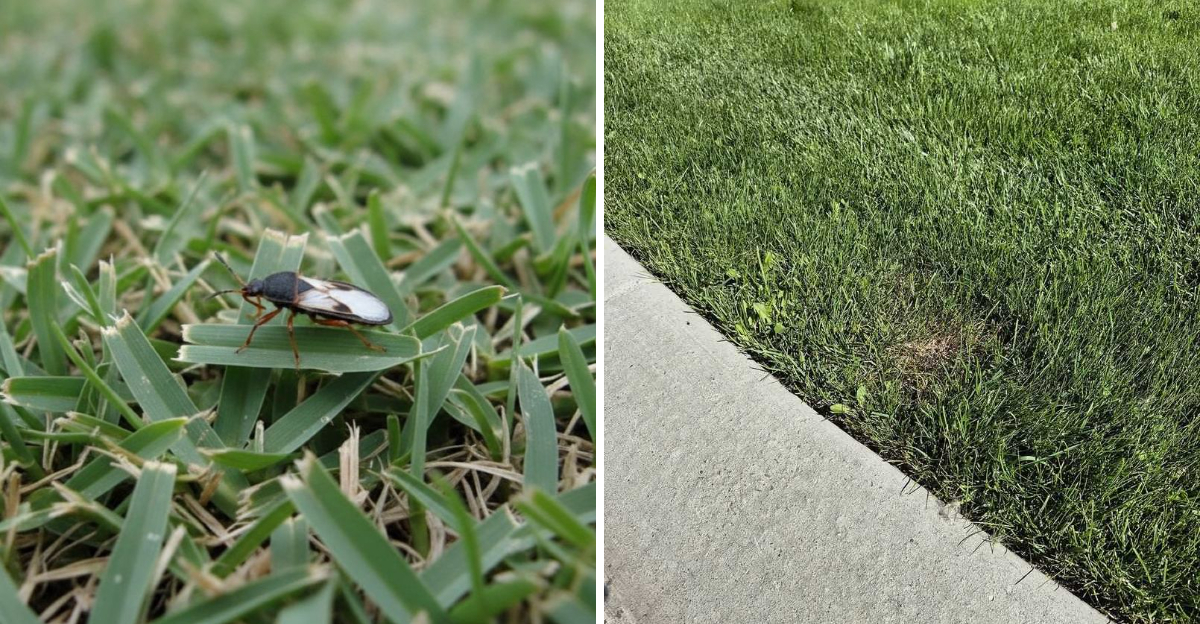
Brown patches have a way of grabbing attention fast. Everything looks fine during one mowing session, then a few days later certain areas seem off.
More water does not fix it. A little rain does not change much either.
Before long, questions start popping up about what is happening beneath the surface.
Summer puts plenty of stress on grass, which makes lawn problems harder to diagnose. Dry conditions, heat, and heavy use can all leave similar symptoms behind.
That is one reason small pest problems are sometimes overlooked until the damage becomes much easier to see.
Among the pests active during the warmest months are chinch bugs. These tiny insects can cause surprising damage while staying largely out of sight.
For Georgia homeowners, knowing the early warning signs can make a big difference. Spotting a problem early is far easier than repairing large sections of damaged turf later in the season.
1. Chinch Bugs Feed By Draining Moisture From Grass Blades
Knowing your enemy is half the battle. Chinch bugs are not random nibblers.
They feed by pushing a sharp mouthpart directly into a grass blade and sucking out the moisture inside.
At the same time, they release a toxic substance that blocks the grass from moving water through its own system. So the blade loses moisture from two directions at once.
It cannot hydrate itself, and it cannot recover easily.
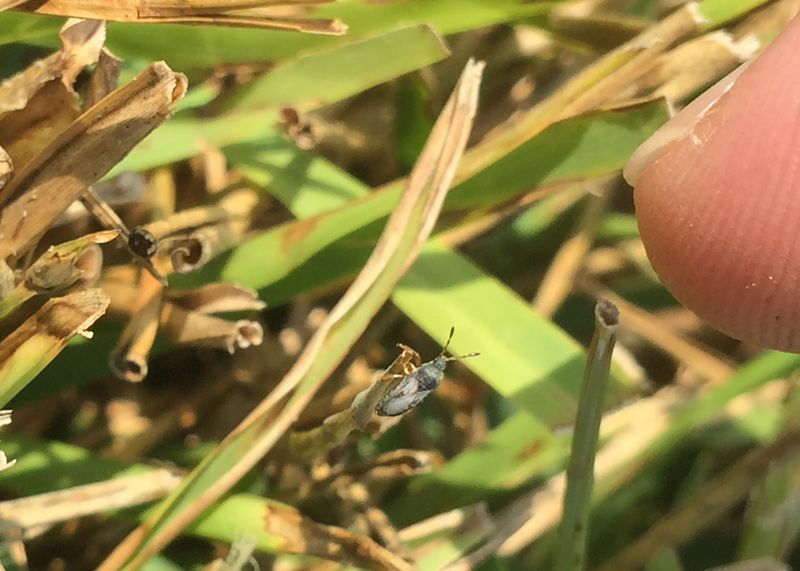
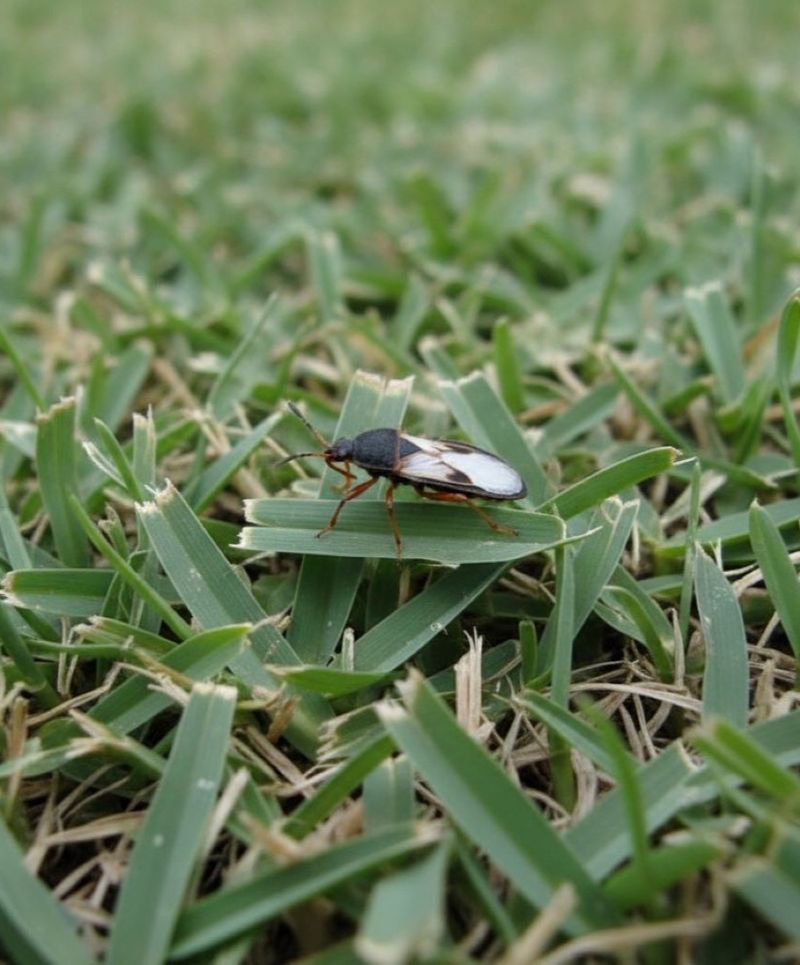
Adult chinch bugs are tiny, only about one-fifth of an inch long. They are black with white wings folded flat across their backs.
Nymphs are even smaller and often appear red or orange before darkening as they grow.
St. Augustine grass is especially vulnerable to this type of feeding damage. Zoysia can also take a hit during heavy infestations.
Both are common lawn types across Georgia and the surrounding region.
Chinch bugs reproduce quickly in hot, dry conditions. A single female can lay hundreds of eggs over her lifetime.
Population sizes can explode within weeks when summer heat peaks.
Catching the feeding early matters because the longer they stay on your turf, the harder recovery becomes.
Grass that loses moisture steadily over days will start showing color changes and texture shifts that are hard to reverse without real effort and time.
2. Sunny Areas Are Often The First Places To Show Damage
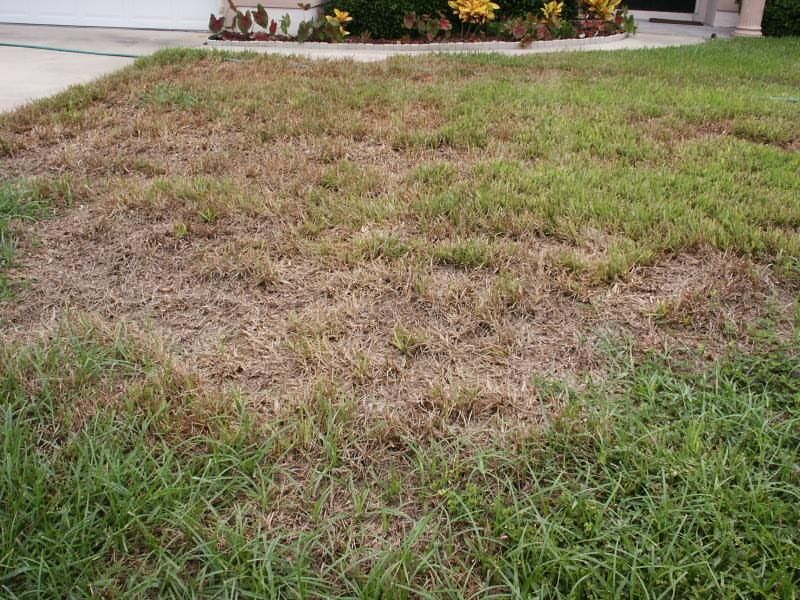
Walk your lawn on a hot afternoon and pay close attention to the open, sun-drenched sections. Chinch bug damage almost always starts there first.
Sunlight raises soil temperature and dries out grass faster. Chinch bugs prefer warm, dry environments, so they naturally cluster in spots where conditions favor them most.
Shaded areas tend to stay cooler and hold moisture longer, which makes them less attractive to these insects.
Edges along driveways, sidewalks, and south-facing slopes are common early targets. Concrete and asphalt absorb heat and radiate it back into nearby turf, creating pockets that are especially dry and warm even on mild days.
Damage in sunny zones often appears as irregular yellow or tan patches. The affected areas may look wilted or flat compared to the surrounding turf.
Your Georgia Garden Changes Every Week. Your Plan Should Too.
Gardening in Georgia changes quickly throughout the season. Every Friday you’ll receive a simple weekly plan showing exactly what to plant, prune, fertilize, harvest, and protect so you never miss the right timing.
Over time, these patches spread outward as the bugs move in search of fresh grass to feed on.
One useful habit is doing a quick visual scan of your yard during the hottest part of the day. Changes in color or texture are easier to spot when the grass is already under heat stress.
Healthy grass will look slightly less vivid, but damaged grass will look noticeably different.
3. Damage Can Look Similar To Drought Stress At First
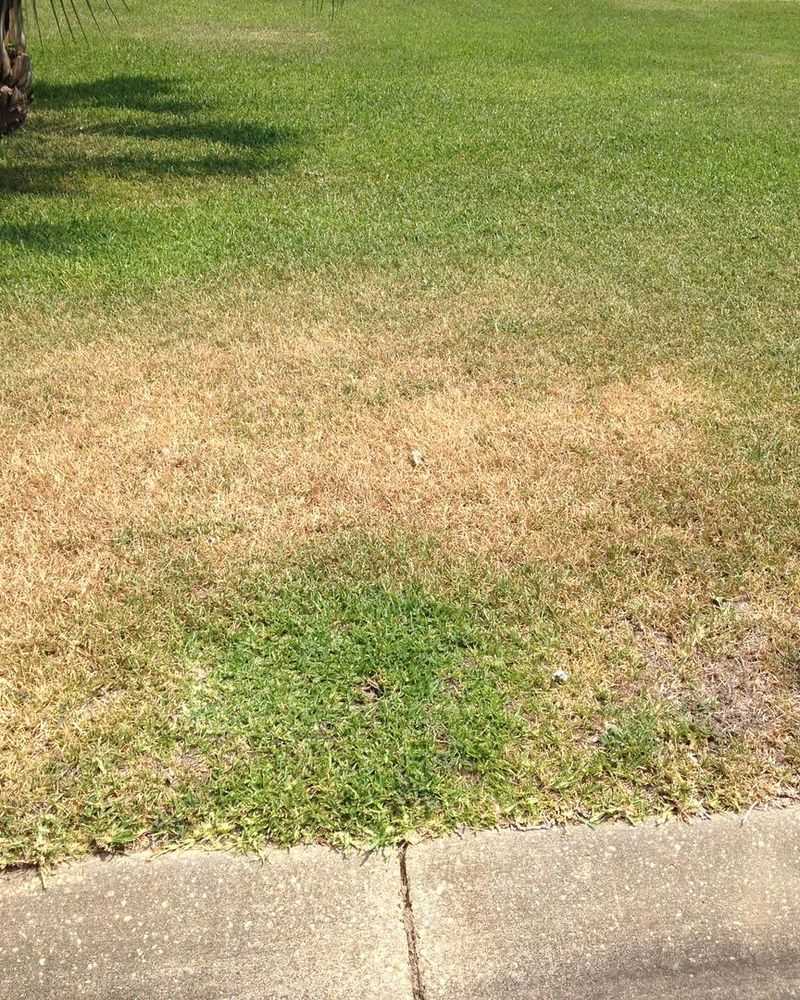
Plenty of homeowners water their lawn repeatedly, confused about why it keeps looking worse. Chinch bug damage and drought stress look almost identical in the early stages.
Both cause grass to turn yellow, then tan, then brown. Both make the turf look flat and lifeless.
Without a closer look, it is easy to assume the lawn just needs more water and leave the real problem untreated.
One way to check is the float test. Cut both ends off a coffee can, push it a few inches into the soil in a suspicious patch, fill it with water, and watch closely.
If chinch bugs are present, they will float to the surface within a few minutes. Seeing even a handful of them confirms an active infestation.
Another clue is how the grass responds to watering. Drought-stressed turf usually perks back up within a day or two after a good soak.
Chinch bug-damaged grass stays brown and does not recover even with consistent irrigation.
The location of the damage also helps. Drought stress tends to affect the whole yard more evenly.
Chinch bug damage usually starts in isolated patches, often in the sunniest spots, and spreads outward in an irregular pattern.
Taking a few minutes to confirm the actual cause saves you from wasting water, time, and energy on the wrong solution entirely.
4. Healthy Turf Has A Better Chance Of Recovering
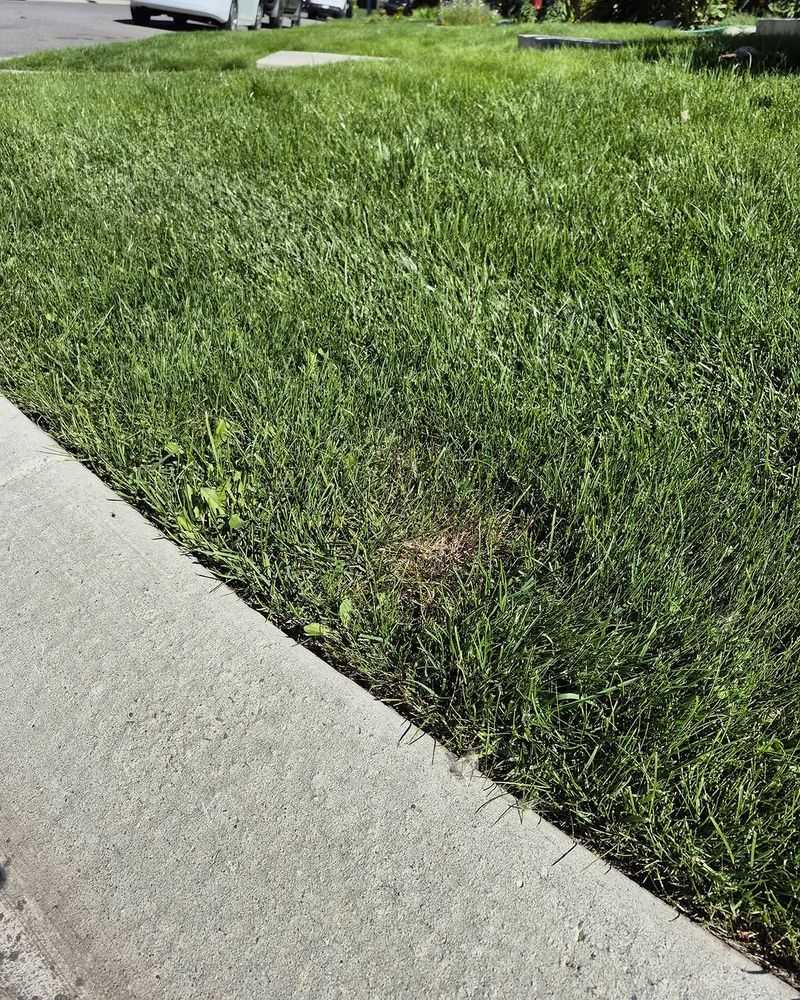
Strong, well-maintained grass does not give up easily. Turf that is properly fed, watered, and mowed has better defenses against pest pressure of all kinds, including chinch bugs.
Thick grass creates a physical barrier that makes it harder for chinch bugs to move freely through the lawn. Dense turf also shades the soil, which keeps ground temperatures lower and reduces the hot, dry conditions these insects prefer.
Fertilizing at the right times matters. Too much nitrogen in midsummer pushes fast, soft growth that is actually more appealing to chinch bugs.
Balanced feeding during appropriate seasons builds stronger grass without creating that soft, lush growth that attracts pests.
Mowing height plays a role too. Cutting grass too short stresses it and removes protective leaf cover.
Keeping St. Augustine at three to four inches gives blades more surface area to absorb sunlight and recover from minor feeding pressure.
Watering deeply but less frequently encourages roots to grow deeper into the soil. Shallow watering keeps roots near the surface where heat stress hits hardest.
Deep roots give grass more resources to draw on when surface conditions get tough.
5. Thatch Can Give Chinch Bugs More Places To Hide
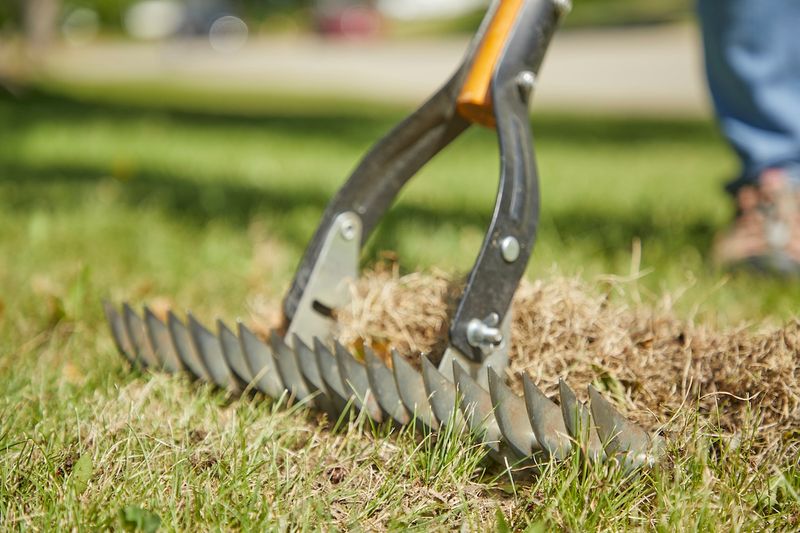
Thatch is the layer of stems, roots, and organic material that builds up between the grass blades and the soil surface.
A little thatch is normal and even helpful. Too much of it creates serious problems.
Chinch bugs love thick thatch. It provides shelter from heat, protection from predators, and a comfortable environment to lay eggs and grow populations.
A thatch layer thicker than half an inch becomes a prime habitat for these insects to thrive largely undetected.
Heavy thatch also blocks water and air from reaching the soil properly. Grass roots get stressed.
The surface stays drier. Both of those conditions favor chinch bug activity and make it easier for an infestation to take hold.
Dethatching is one of the most practical steps you can take to reduce pest pressure. Power raking or using a vertical mower pulls up that excess layer and opens the turf back up.
Late spring or early summer is a good window for this task in the South.
Core aeration also helps. It loosens compacted soil, improves drainage, and reduces the buildup of organic debris over time.
Combining aeration with dethatching gives your lawn better airflow and a less hospitable environment for insects looking to settle in.
6. Targeted Treatments Work Best Before Damage Spreads
Acting fast and being precise is far more effective than blanketing your entire yard with product after damage has already spread across multiple zones.
Spot treatments applied directly to affected areas and a buffer zone around them can stop an active infestation without exposing the whole lawn to chemicals unnecessarily.
Granular insecticides and liquid concentrates both work, but timing and placement determine how well either option performs.
Products containing bifenthrin or imidacloprid are commonly used for chinch bug control. Always read the label carefully before applying anything.
Following application rates and watering instructions correctly makes a real difference in how well the product works.
Apply treatments in the early morning or late evening when temperatures are cooler. Heat can reduce the effectiveness of some products and may cause stress to your lawn if applied during peak sun hours.
Watering lightly after a granular application helps activate it into the soil.
Check the treated areas again about one to two weeks after application. If activity continues or new patches appear nearby, a second application may be needed.
Some products require multiple rounds to fully address a heavy infestation.
7. Early Action Can Prevent Larger Lawn Problems
Catching a chinch bug problem in week one looks very different from catching it in week six. Early action keeps a small, manageable issue from growing into something that takes a full season to fix.
Start checking your lawn regularly once temperatures climb into the upper 80s and stay there. Warm, dry stretches in late spring and summer are peak activity windows for chinch bugs in this part of the country.
Look for the earliest color changes. A patch that is slightly off-color but still mostly green is far easier to address than one that has gone completely brown and crispy.
Getting out there early gives you options.
Keep a simple lawn journal if that helps. Noting where you saw discoloration and when can reveal patterns over multiple seasons.
Some lawns have recurring hot spots where chinch bugs tend to show up first every year.
Sharing information with neighbors is worth doing. Chinch bug populations can move from one yard to the next, especially in neighborhoods with similar grass types and similar growing conditions.
A coordinated response across multiple properties tends to be more effective than isolated efforts.
Lawn care does not have to be complicated.
Regular observation, quick identification, and prompt treatment are the three steps that consistently produce the best results.