The Georgia Lawn Pest That Becomes Easier To Spot After August Rain
A good August rain can reveal more about your lawn than you might expect. Once hard summer soil softens, signs of activity beneath the grass can suddenly become much easier to uncover.
This matters in Georgia because some lawn pests spend much of their time hidden underground. You could walk across affected turf every day without realizing what is feeding beneath the surface.
The first clues may appear where grass looks weak even after receiving plenty of moisture. Other areas might feel unusually loose or simply fail to bounce back with surrounding turf.
Do not assume every brown patch is another result of summer heat. What is happening around the roots can tell a completely different story.
After the next soaking rain, your lawn may finally give you the chance to find what has been hiding underneath.
1. White Grubs Become Easier To Find After Rain
Rain does something most people do not expect: it sends white grubs moving upward. When August storms soak the ground, the soil softens fast.
Grubs that were buried several inches deep start crawling toward the surface where the soil is looser and easier to move through.
Spotting grubs in dry summer soil is tough. You may dig and find nothing even when damage is already happening below.
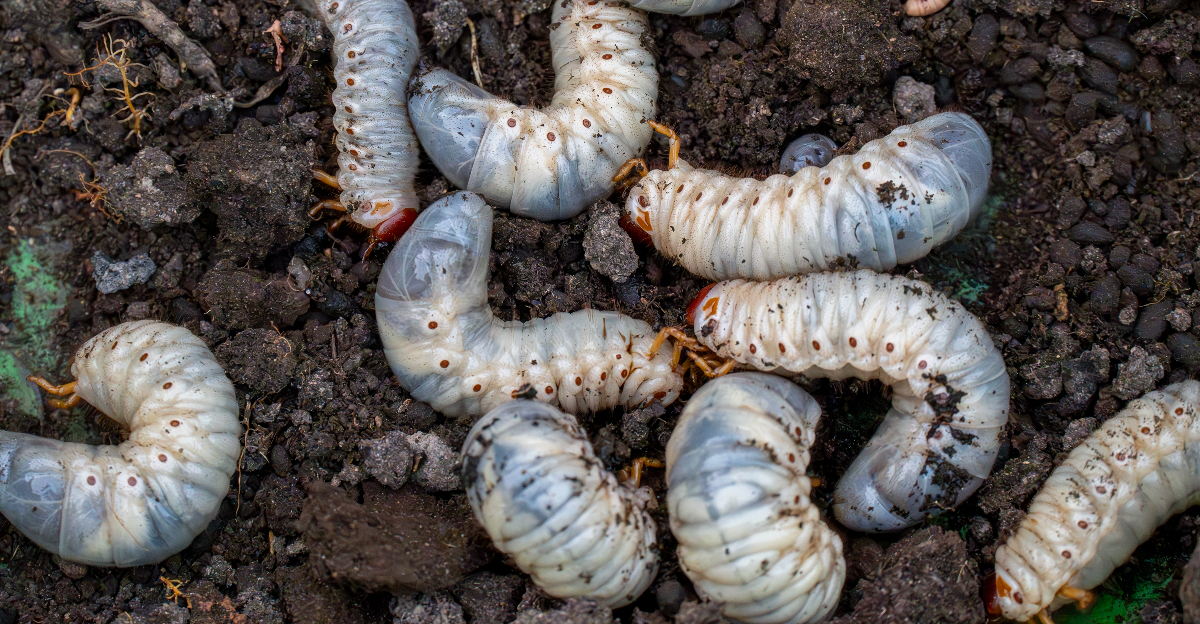
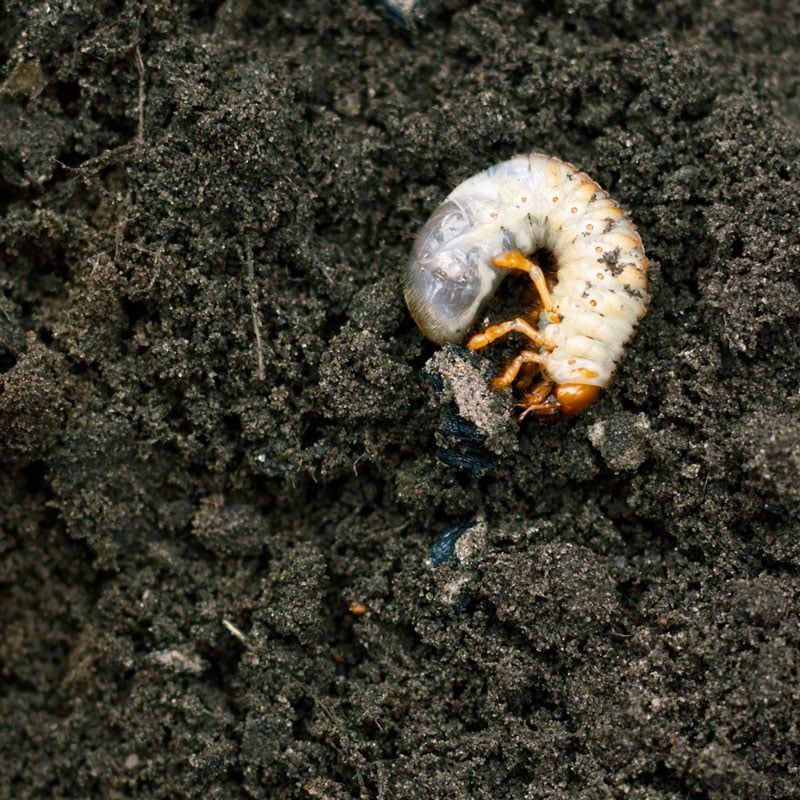
After a good rain, though, pulling back a small section of turf near a brown patch often reveals them right away. Look for pale, C-shaped larvae about a half-inch to an inch long.
Grubs tend to cluster rather than spread evenly. Finding one usually means more are nearby.
Focus your search around areas where the grass looks stressed or thin. Wet conditions make the search faster and more productive than digging through hard, dry ground.
Not every grub population causes serious problems. A few per square foot may not lead to visible damage.
Counts above ten per square foot in a concentrated area are more likely to cause noticeable turf stress. Getting a rough count helps you decide whether action is needed or whether the lawn can recover on its own.
2. Young Larvae Feed Beneath The Grass
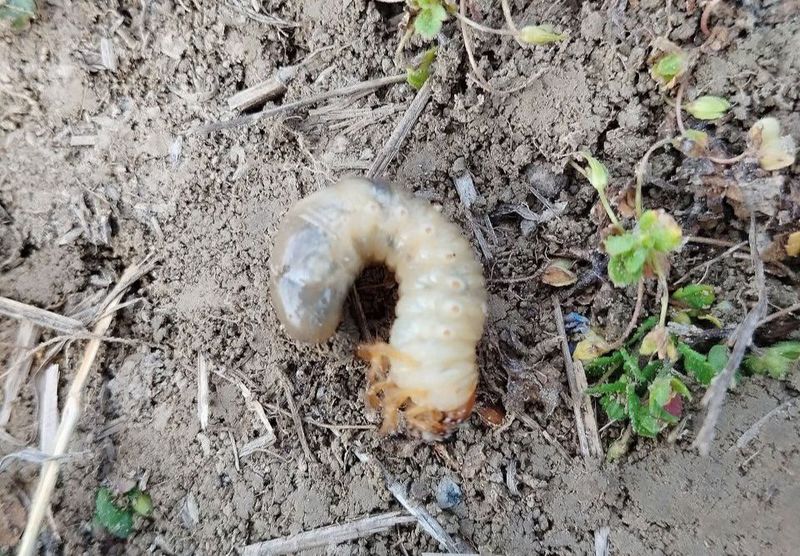
Grub damage starts underground before you ever see it on the surface. Young larvae hatch from eggs in mid to late summer and immediately begin feeding on grass roots.
By August, many are already in their second instar, meaning they are larger and eating more aggressively.
Warm-season grasses like bermuda and zoysia, common across Georgia lawns, rely heavily on strong root systems to handle summer heat. When larvae chew through those roots, the grass loses its ability to pull up water and nutrients.
Surface symptoms follow a few weeks later.
Feeding happens in a fairly shallow zone, usually within the top two to four inches of soil. That is why wet conditions bring grubs into easier reach.
Rain pushes moisture into that zone, and grubs respond by shifting position. Active feeding continues until soil temperatures drop in fall.
Young larvae are smaller and softer than mature ones, making early detection important. A grub found in August is still in an active feeding stage.
Your Georgia Garden Changes Every Week. Your Plan Should Too.
Gardening in Georgia changes quickly throughout the season. Every Friday you’ll receive a simple weekly plan showing exactly what to plant, prune, fertilize, harvest, and protect so you never miss the right timing.
Identifying them at this point gives you a better window for response compared to waiting until fall when they burrow deeper and feeding slows. Timing matters more than most people realize when managing grub pressure in warm-season turf.
3. Brown Patches Can Signal Root Damage
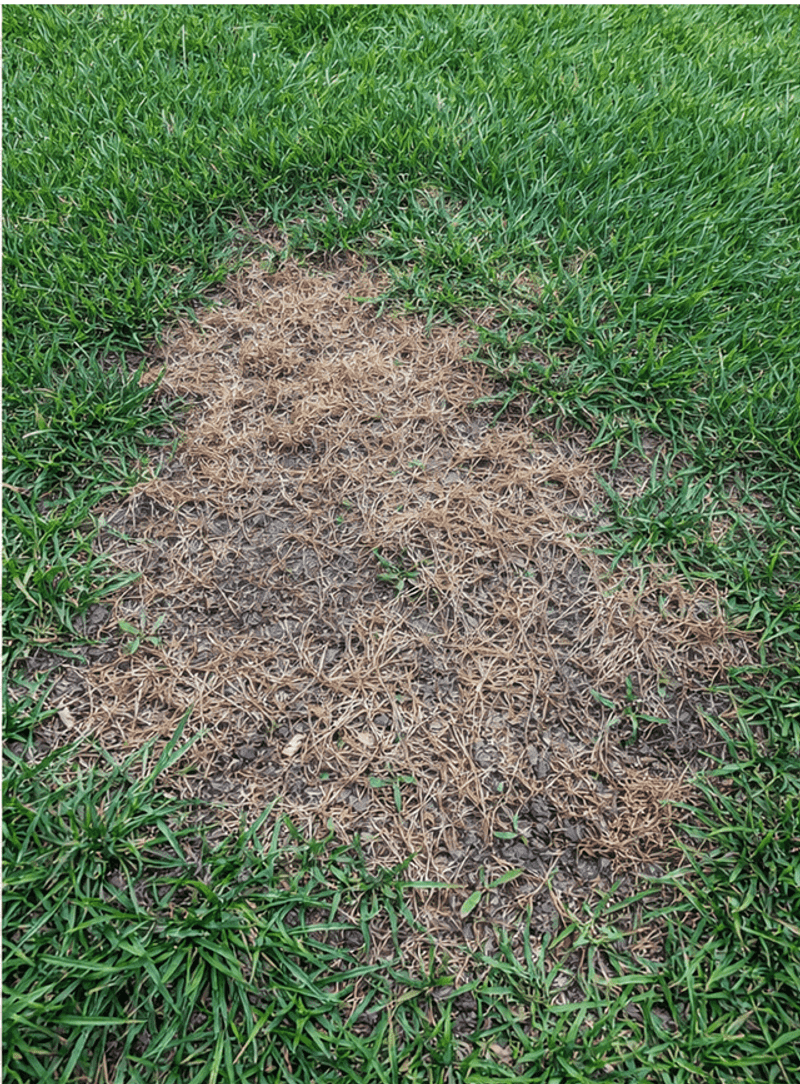
Brown patches after August rain are confusing. Most people assume rain should green things up, not make them worse.
When stressed patches stay brown or spread despite wet conditions, root damage from grubs is worth investigating.
Grub-related browning tends to look irregular rather than circular. It may start small and expand outward over several weeks.
The edges of affected areas can appear slightly wilted even when surrounding soil is moist. That disconnection between moisture and grass response is a useful clue.
Fungal issues can cause similar patterns, so do not jump to conclusions based on brown patches alone. The real test is pulling back the turf.
Healthy grass resists. Grub-damaged grass lifts away easily because the roots holding it in place have been reduced or severed.
That simple tug test takes about ten seconds and gives a clearer picture than surface appearance alone.
Not all brown patches point to grubs. Heat stress, drought recovery, and fungal disease produce similar looks.
Cross-checking with a soil inspection removes the guesswork. If roots look chewed, shortened, or sparse under a brown patch, grubs are a likely factor.
If roots look healthy and intact, the cause is probably something else entirely. Accurate diagnosis saves both time and unnecessary treatment costs.
4. Loose Turf May Lift Up Easily
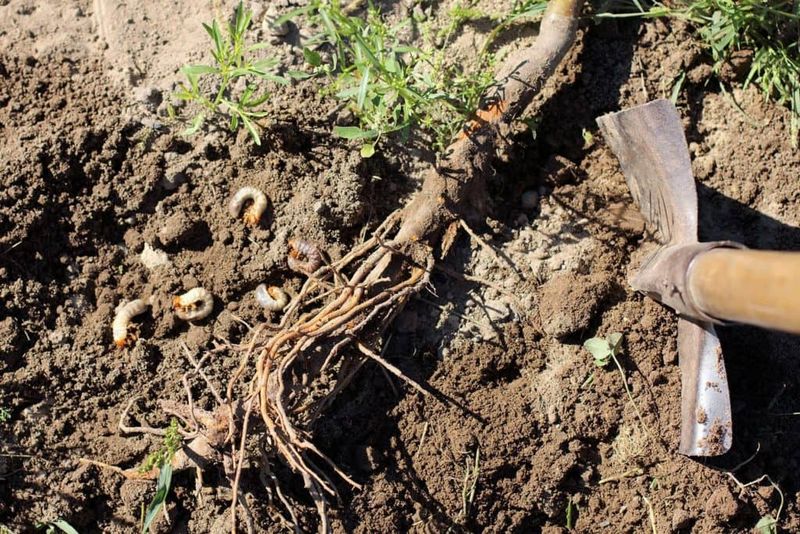
Grab a handful of grass near a brown patch and give it a gentle pull. If it peels back like a loose carpet, grubs have likely been at work underneath.
Healthy turf holds firm because its roots anchor it into the soil. Grubs reduce that anchoring by feeding on the roots directly.
Loose turf is one of the more reliable physical signs of grub activity. You do not need any special tools.
Walk the lawn after rain, press down with your foot in a few spots, and test areas that feel spongy or soft. Those spots deserve a closer look.
Spongy turf without visible browning can still indicate early-stage grub feeding. Roots may be partially damaged before surface color changes appear.
Catching it at the spongy stage, before full browning sets in, gives the grass more time to recover once feeding pressure is reduced.
Keep in mind that recently laid sod or areas with shallow roots can also feel loose for unrelated reasons. Context matters.
If loose turf appears in an established lawn that was healthy earlier in summer, and you find grubs underneath, that connection is meaningful. Newly planted areas need a separate evaluation before drawing conclusions.
Checking multiple spots across the lawn gives a more accurate overall picture of what is happening beneath the surface.
5. Birds May Search Lawns For Grubs
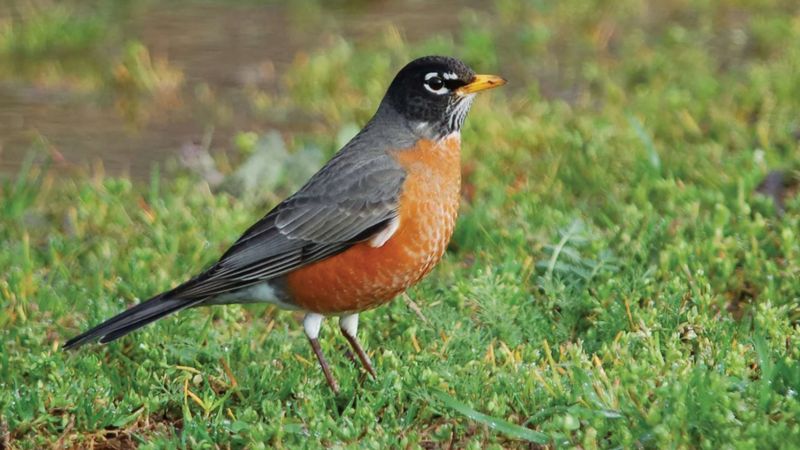
Birds working over your lawn can actually tip you off before visible damage appears. Robins, starlings, and crows are skilled grub hunters.
When they start probing the soil in concentrated areas, it often means grubs are close to the surface and accessible.
Bird activity alone does not confirm a grub problem. Earthworms, soil insects, and other organisms also attract birds.
But when pecking behavior concentrates in the same spots where the turf looks off, it is worth investigating further. Patterns matter more than a single bird sighting.
Armadillos and raccoons in the Southeast can also root through lawns searching for grubs. Overnight digging or overturned turf sections are signs worth noting.
Grubs are a high-protein food source, and wildlife tend to find them before most homeowners do.
Using wildlife behavior as an early warning system is practical and free. Walk your lawn in the morning after a rainy night and note where birds are concentrated.
Mark those areas and inspect the soil beneath. You may find grubs before brown patches even develop.
Acting on early behavioral cues from wildlife gives you a head start. Waiting until the lawn looks visibly stressed means root damage has already progressed further than it needed to.
Early observation often leads to better outcomes for the turf.
6. Check The Soil Beneath Affected Grass
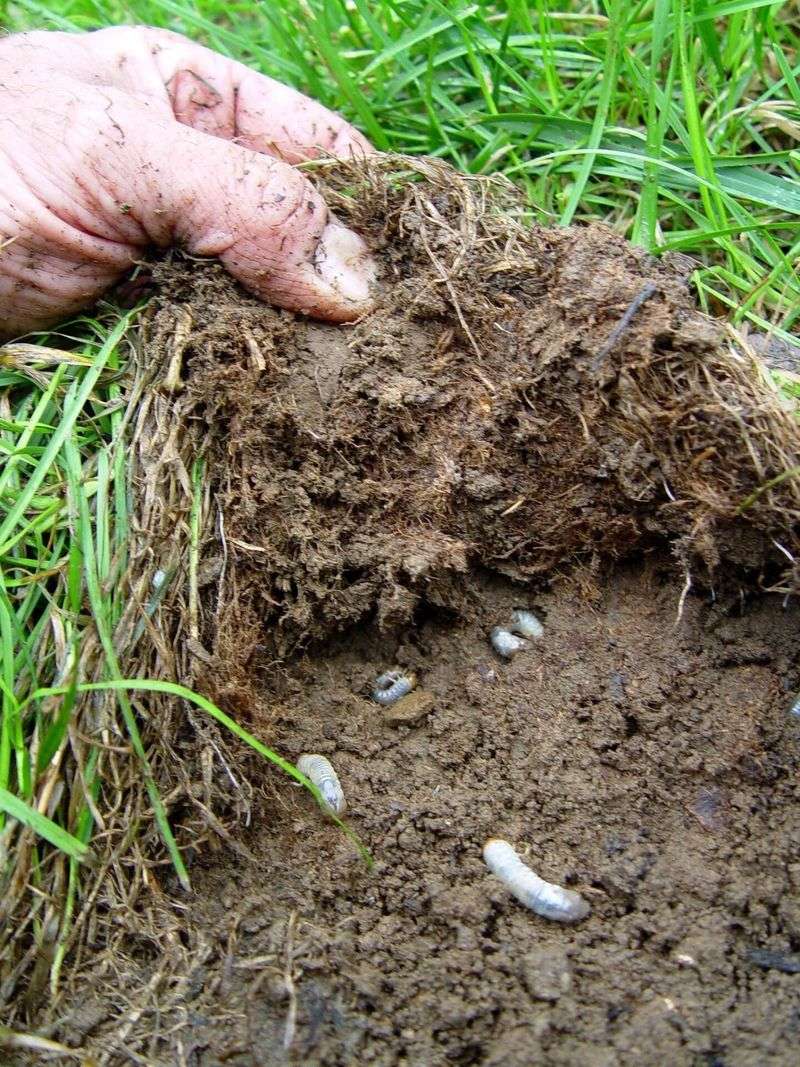
Digging into the soil is the most straightforward way to confirm grub activity. Use a flat spade or hand trowel to cut a small square of turf about one foot across and three to four inches deep.
Fold it back and examine the soil and root zone carefully.
Look for C-shaped, cream-colored larvae with brown heads and six small legs near the front. Count how many you find in that square foot section.
Checking two or three spots across the lawn gives a better overall picture than relying on a single sample.
Moist soil after August rain makes this much easier. Dry, compacted soil is harder to cut through and grubs sit deeper.
Wet soil lets you get a cleaner sample without as much effort, and grubs are more likely to be near the surface where they are easier to count and identify.
After inspecting, press the turf section back into place and water it lightly. Minimal disruption helps the grass recover from the inspection.
Repeat the check in a few different areas, especially near brown patches, spongy spots, or places where birds have been active.
Keeping notes on where grubs were found and in what numbers helps you track whether pressure is building or staying manageable over the remaining weeks of summer.
7. Healthy Roots Help Turf Recover From Feeding
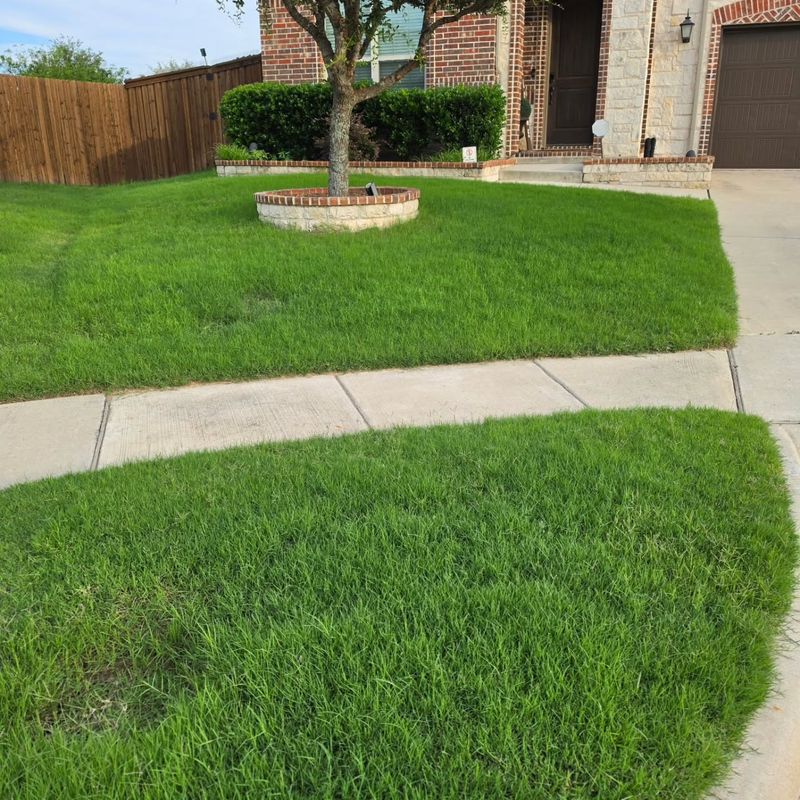
Strong roots give grass a real fighting chance. Turf with a deep, dense root system can handle moderate grub feeding without showing much surface damage.
Grass that was already stressed going into August, from drought or poor nutrition, tends to show symptoms faster and recover more slowly.
Watering practices influence root depth significantly. Frequent shallow watering encourages roots to stay near the surface.
Less frequent, deeper watering pushes roots further down over time. Deeper roots are harder for grubs to fully compromise, even when larval activity is present in the upper soil zone.
Soil health plays a role too. Compacted soil limits root growth and reduces the lawn’s ability to bounce back after stress.
Aerating in late summer or early fall, once grub pressure is addressed, can help roots expand and strengthen before cooler temperatures arrive.
Recovery depends on how much root mass remains after feeding. Turf with fifty percent or more of its root system intact has a reasonable chance of greening back up as feeding slows in fall.
Lawns with severe root loss may need overseeding or spot repairs in bare areas. Giving the lawn proper water and light fertilization after the feeding season ends supports regrowth.
Patience is part of the process. Turf that looks rough in September can look noticeably better by late October with consistent basic care.