Do These 6 Things The Moment Your Michigan Bean Plants Start Blooming
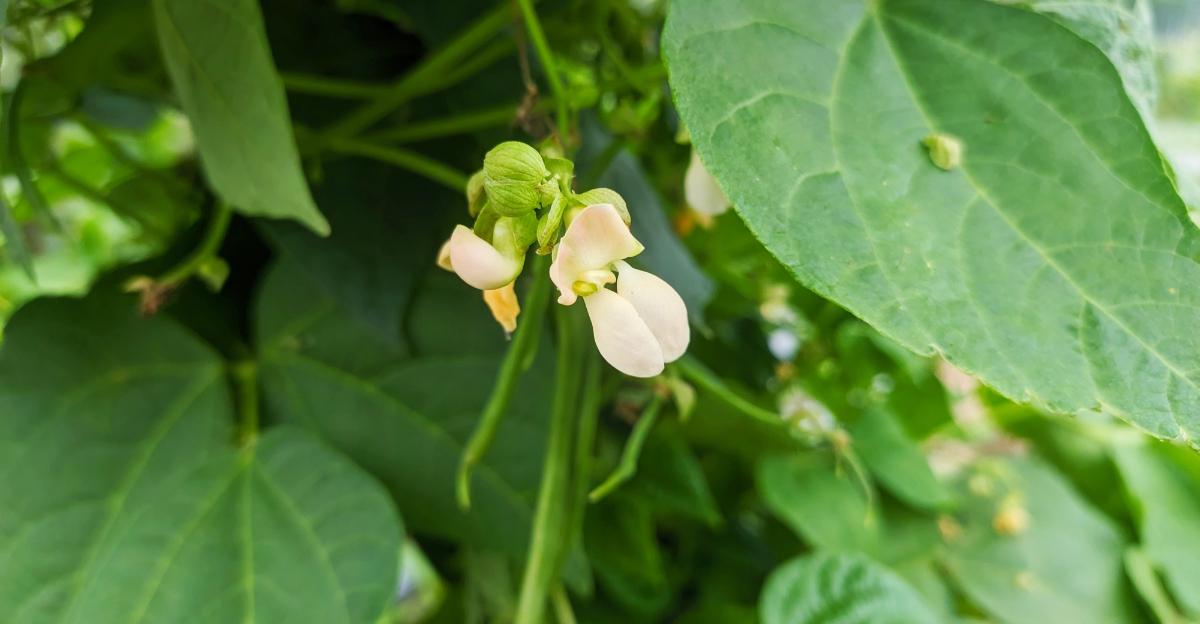
When bean plants push into bloom, they signal a crucial transition for Michigan gardeners. Those who adjust their care routine at this moment achieve dramatically more productive harvests than those who don’t.
The flowering stage is when beans become most sensitive to inconsistency in water, nutrition, and pest pressure, and it is also when a few well-timed actions have the highest return on effort of any point in the growing cycle.
Michigan’s short warm season leaves little room to recover from mid-season setbacks in the bean patch. Getting these steps right between late June and July is one of the highest-value moves a gardener can make.
1. Water Deeply At Soil Level
Nothing shakes a blooming bean plant quite like uneven moisture. Flowers are sensitive little things, and when soil swings from soaking wet to bone dry, those blooms can drop before they ever become pods.
Michigan summers are known for exactly that kind of unpredictability, especially when a stretch of hot, windy days follows a cool, cloudy week.
The best way to keep moisture steady is to water at the root zone, not from above.
A hose wand held low, a drip line running along the row, or a soaker hose laid right at the base of your plants will deliver water where it matters most.
Watering from above soaks the leaves and flowers, which can invite fungal problems and does very little for the roots that actually need it.
Deep watering once or twice a week works better than light daily sprinkles.
A light sprinkle only wets the top inch of soil, which actually encourages roots to stay shallow instead of reaching down where moisture lasts longer.
You want the water to soak down six to eight inches so roots chase it deeper.
Pay extra attention during hot spells or windy days, which pull moisture out of the soil faster than you might expect. If you stick your finger two inches into the soil and it feels dry, your plants need a drink.
Consistent, deep watering during the bloom and pod-set stage is one of the simplest things you can do to support a strong, steady harvest all season long.
2. Add Mulch Before The Soil Dries Fast
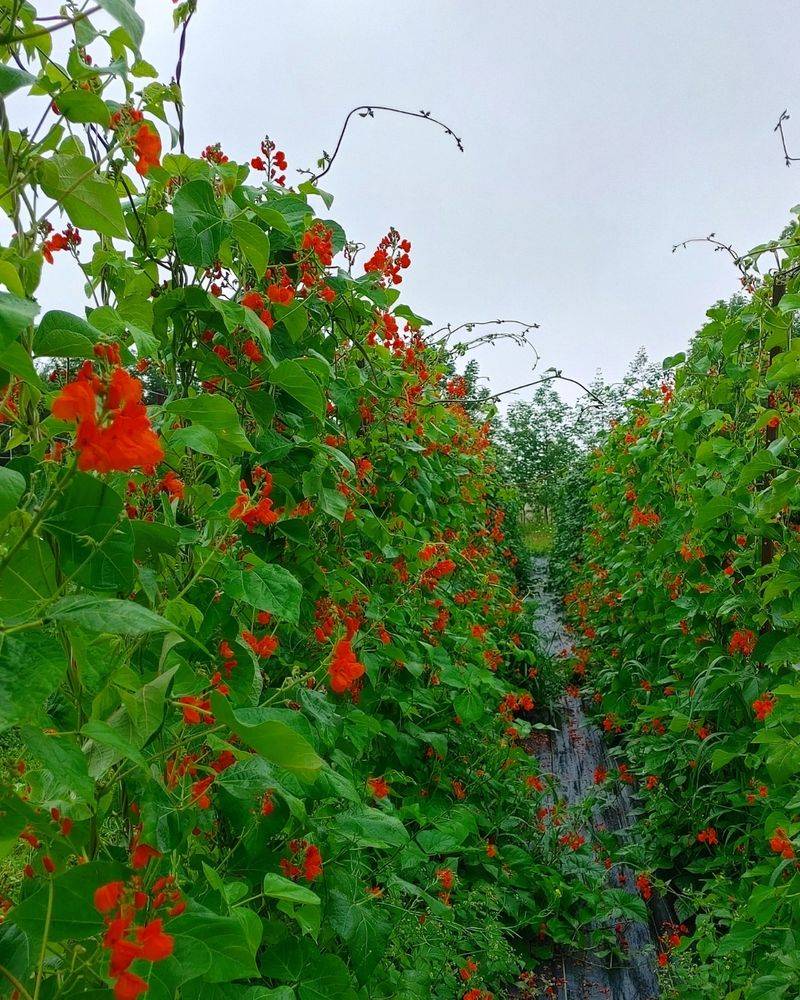
Picture this: it is mid-July in Michigan, the sun has been blazing for four days straight, and the top layer of your garden soil is starting to crack.
That is exactly when your blooming bean plants need help the most, and a layer of mulch is the fastest fix you can make.
Mulch acts like a blanket over the soil, slowing down moisture loss so the ground stays more consistently damp between waterings.
Bean roots sit pretty shallow, usually just a few inches below the surface, which makes them especially vulnerable when the top layer of soil dries out fast.
Keeping that moisture locked in helps flowers stay on the plant and pods develop without stress.
Clean straw is one of the easiest mulch options for a vegetable garden. Shredded leaves, dry untreated grass clippings, or plain garden compost also work well.
Your Michigan Garden Changes Every Week. Your Plan Should Too.
Gardening in Michigan changes quickly throughout the season. Every Friday you’ll receive a simple weekly plan showing exactly what to plant, prune, fertilize, harvest, and protect so you never miss the right timing.
Spread your mulch about two to three inches thick around the base of your plants, covering the soil in the row without piling it against the stems themselves.
Stems that stay buried under thick mulch can rot or develop disease, so keep a small gap right around each plant base. Weeds are another reason to mulch now rather than later.
Once flowers appear, you really do not want to be yanking weeds near the roots and accidentally snapping off flower clusters in the process.
A good layer of mulch put down early handles the weed problem quietly in the background while you focus on the fun part of watching your bean harvest grow.
3. Stop Heavy Nitrogen Feeding
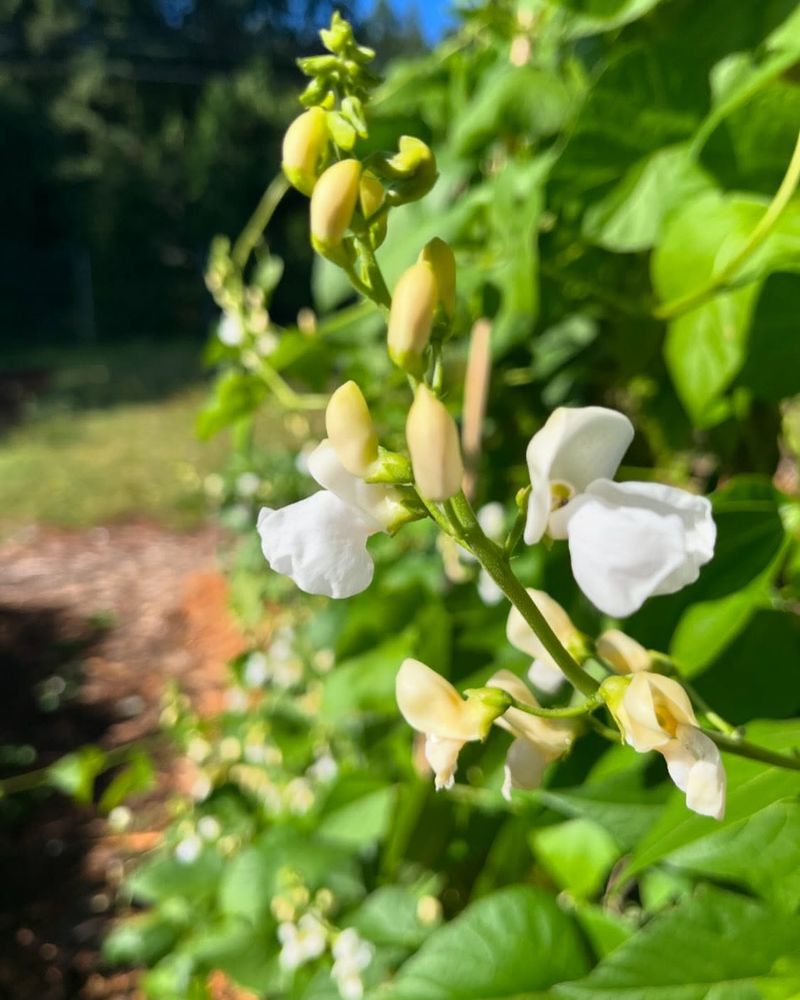
Bean plants have a secret that a lot of new gardeners do not know about. They actually partner with soil bacteria to pull nitrogen right out of the air and fix it into the ground around their roots.
That means they come into the bloom stage already reasonably well-fed, without you needing to pour on the fertilizer.
Hitting your blooming bean plants with a high-nitrogen fertilizer at this stage is one of the most common mistakes home gardeners make.
Nitrogen is the nutrient that pushes leafy, green growth, which is great early in the season when you want big healthy plants.
But once flowers appear, pumping in more nitrogen tells the plant to keep making leaves instead of focusing energy on those flowers and developing pods.
The result is a lush, beautiful plant that produces far fewer beans than it should. You might look at it and think things are going great, but the harvest will disappoint you.
Skip the routine feeding schedule once you see those first blooms open up.
If your plants look pale, yellowing, or genuinely struggling, a light side-dressing of finished compost is the gentlest way to give them a small boost without overdoing the nitrogen.
Compost releases nutrients slowly and improves soil structure at the same time. Only feed if the plants are clearly showing signs that the soil is low in nutrients.
Healthy-looking plants with good green color simply do not need extra nitrogen at this stage, and leaving them alone will reward you with a better pod set and a fuller harvest.
4. Secure Pole Bean Supports Before Pods Weigh Them Down
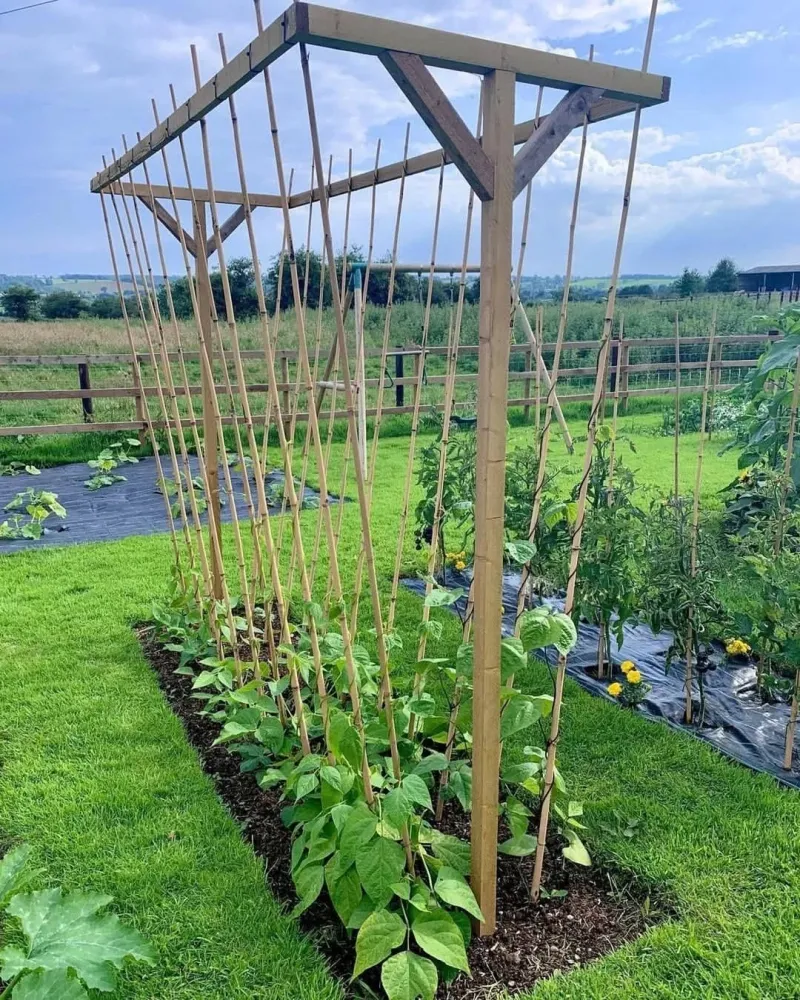
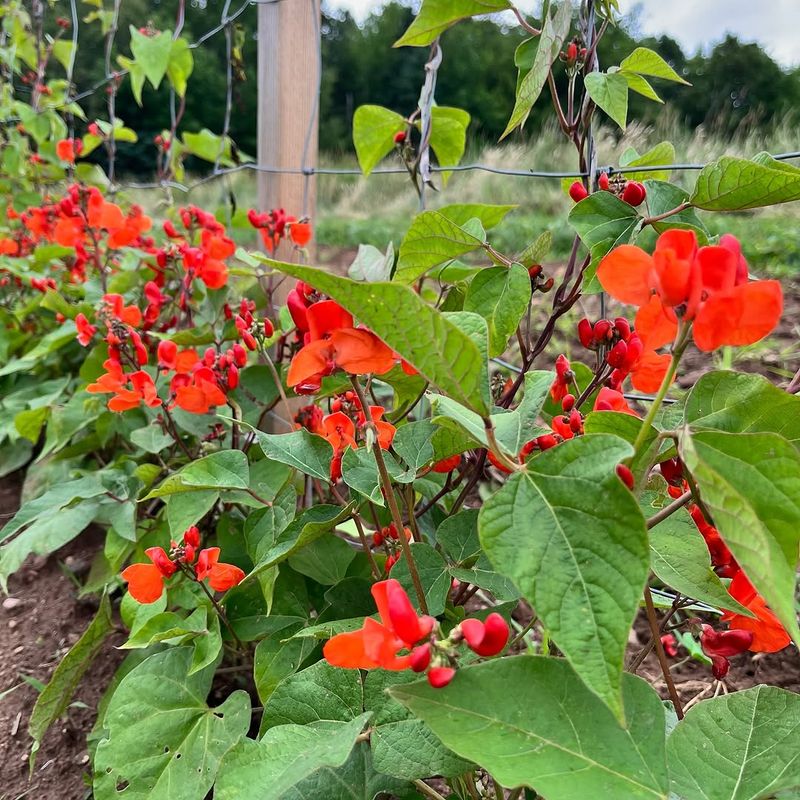
Pole beans are ambitious climbers. They will happily wind their way up anything you give them, reaching six, eight, even ten feet tall in a good Michigan summer.
But here is the thing most gardeners overlook: once those vines start flowering, pods are only days away, and pods add real weight to a structure that seemed perfectly sturdy just a week ago.
Ideally, your support system went in at planting time, before seeds even sprouted. If that happened, now is the time to walk your rows and give everything a good inspection.
Check that poles are still firmly in the ground, strings are taut and tied securely, and trellises have not shifted or leaned after rain.
A support that wobbles now will absolutely fail once the vines are fully loaded. If you are adding support late because the plants outgrew what you put in, work slowly and carefully.
Bean roots are shallow and easy to disturb, and flowering vines snap surprisingly easily when you try to redirect them too quickly.
Weave new strings or add panels gently, guiding the vines rather than forcing them. Strong support does more than just keep your plants upright.
Flowers and young pods that hang off the ground stay cleaner, dry faster after rain, and are much easier to spot at harvest time.
Picking beans from a well-supported trellis takes half the time compared to digging through a tangled pile of vines on the ground.
Getting your supports right before the weight builds up is one of those small moves that pays off every single picking day.
5. Scout Gently For Beetles, Aphids, And Leaf Spots
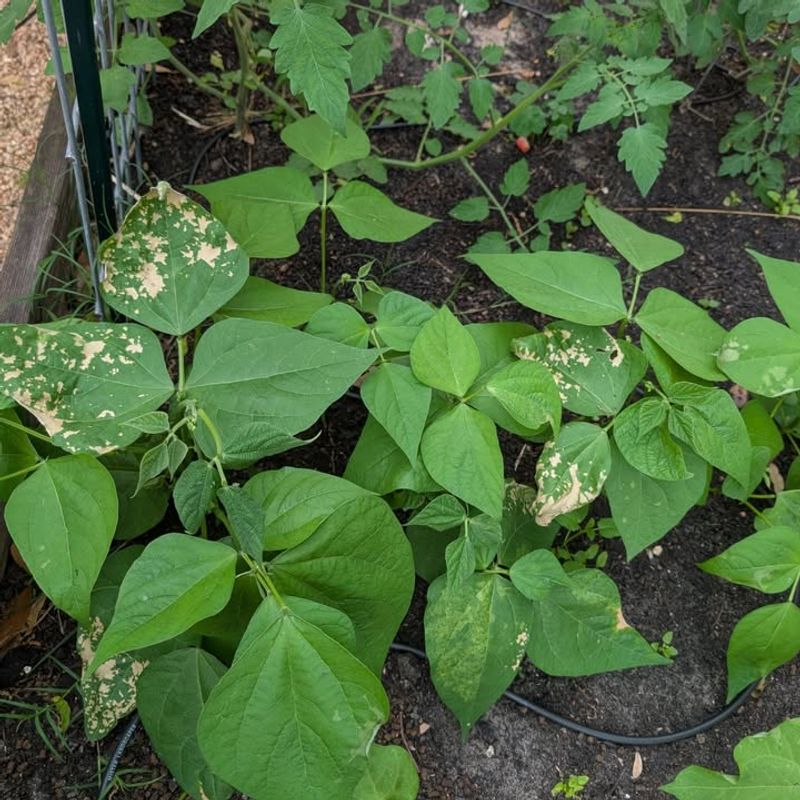
Blooming bean plants are a magnet for certain pests, and Michigan gardens have a few regulars worth watching for.
Mexican bean beetles are probably the most well-known culprit, but aphids, Japanese beetles, and various leaf-chewing insects can all show up right around the time your plants start flowering.
Catching problems early, before populations build up, makes a huge difference in how much damage actually happens.
Check your plants every two or three days once blooms appear. Flip leaves over and look at the undersides, where aphids and beetle eggs like to hide.
Run your eyes along the stems, around the flower clusters, and down the rows for any signs of feeding marks, distorted new growth, or spots spreading across the leaves.
Leaf spots can be caused by fungal or bacterial issues, and wet Michigan summers create exactly the kind of conditions those problems love.
Be gentle while you scout. Rough handling during the flowering stage can knock off blooms and set back your harvest before it even starts.
Never work your plants when the foliage is wet, because that spreads disease from plant to plant on your hands and tools.
When you do find a pest problem, start with the least disruptive fix. Hand-picking beetles into soapy water works well for small infestations. A strong stream of water can knock aphids off without any chemicals at all.
If a spray becomes necessary, choose something targeted and apply it in the early morning or evening when pollinators are less active. Protecting your flowers means protecting your future harvest.
6. Start The Harvest Countdown
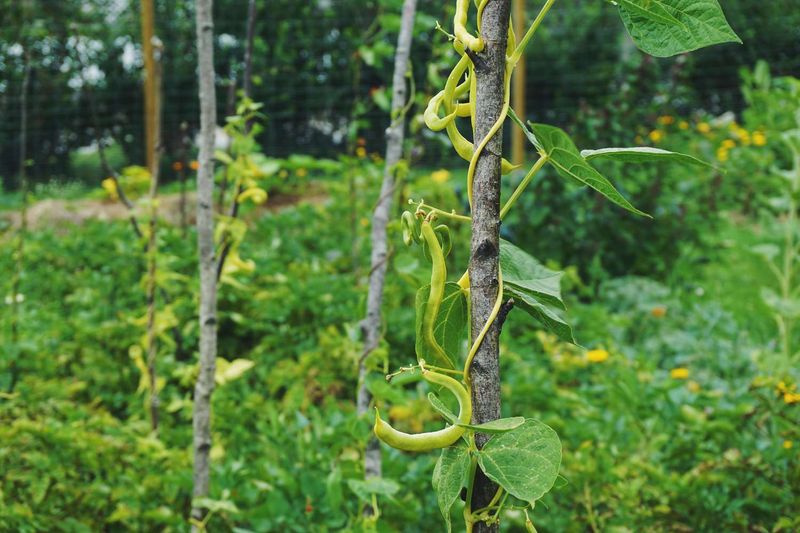
Here is the exciting part: once your bean plants start blooming, harvest is genuinely right around the corner.
Snap beans typically go from flower to ready-to-pick pod in about seven to fourteen days, depending on the variety you planted and the kind of weather Michigan throws your way.
Warm, sunny days speed things up, while cooler stretches can slow pod development down a bit.
The sweet spot for picking snap beans is when the pods feel firm and smooth, before the seeds inside start to bulge out and make the pod look bumpy.
Once those seeds fill out completely, the pod gets tougher and starchier, and the eating quality drops noticeably.
You want to catch them while they are still tender and snappy, which is exactly how they earned that name. Mark your calendar or set a reminder on your phone once you spot those first flowers.
A quick daily or every-other-day walk through your bean rows starting around day seven will help you catch pods at exactly the right moment.
Pole beans especially benefit from frequent picking because harvesting regularly encourages the plant to keep setting new flowers and producing more pods throughout the season.
One important rule: never harvest when your plants are wet from rain or morning dew. Handling wet plants spreads bacterial and fungal diseases from plant to plant very easily.
Wait until the foliage dries out, then pick to your heart’s content. Bring a good-sized basket, because a well-tended Michigan bean planting at peak harvest can produce more pods than you expect in a single picking session.