What Rising Monsoon Humidity Means For Arizona Desert Plants
There is a certain point every summer when the desert starts to feel different. The heat is still intense, but something else begins to change.
Mornings can feel heavier. Plants that seemed stuck in survival mode may start showing new signs of activity.
Many people watch the sky for the first monsoon storms. What they do not always notice is that the atmosphere starts shifting before those storms arrive.
Even a gradual increase in humidity can influence how plants grow, flower, and use water.
For desert gardens in Arizona, that change can have a bigger impact than many realize. Some plants respond with fresh growth.
Others begin preparing for a new bloom cycle. If parts of the landscape seem to be acting differently right now, rising humidity may be playing a role long before the first soaking rain reaches the yard.
1. Rising Humidity Changes How Desert Plants Use Water
Humidity rewires how plants manage water, and desert plants feel that shift fast. When air moisture rises, plants slow down their water intake because the pressure difference between the plant and the surrounding air shrinks.
Less pressure means less pull, so water moves through roots and stems more slowly.
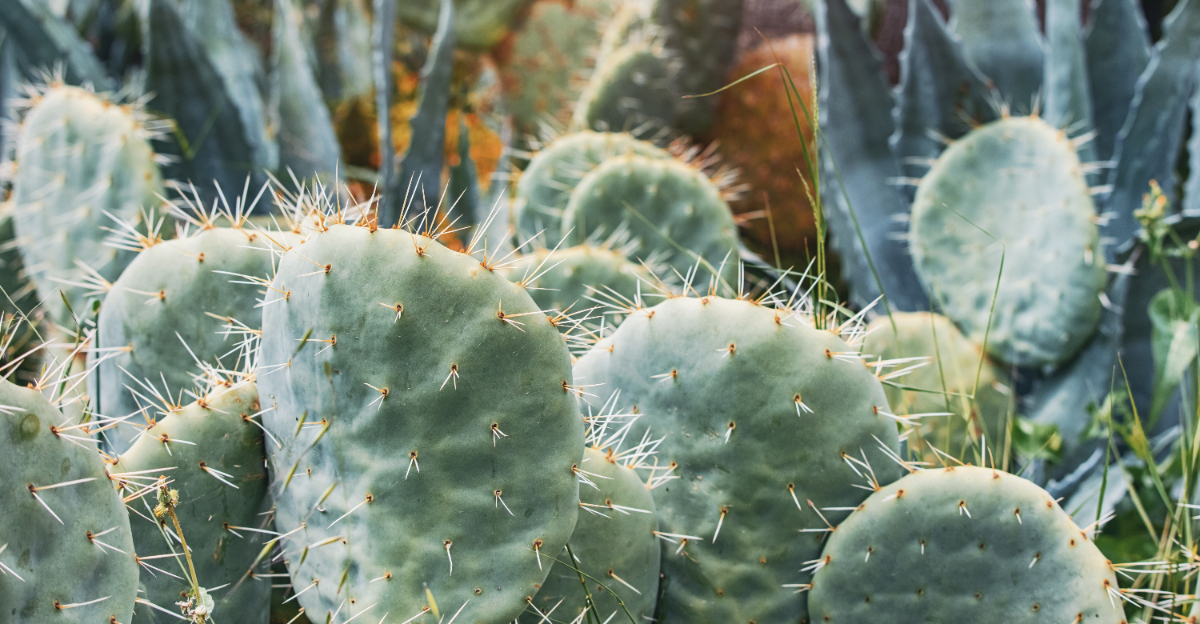
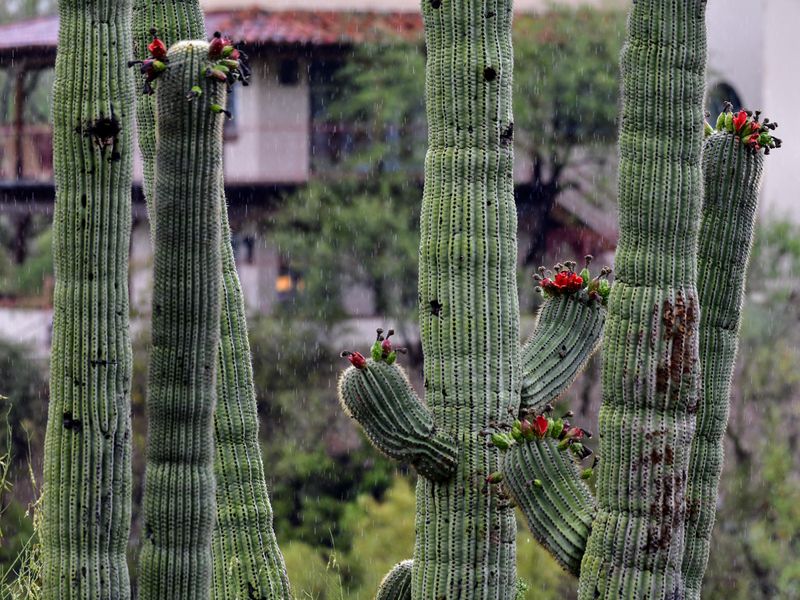
Cacti and succulents are especially sensitive to this change. Saguaros, prickly pears, and barrel cacti are built for rapid water absorption during rain events.
But when humidity stays high between storms, their internal systems can get a little confused about when to open and close their stomata.
Stomata are tiny pores on plant surfaces that control water release and gas exchange. In dry desert air, they stay tightly closed during the day to prevent moisture loss.
High humidity reduces that urgency, so stomata may stay open longer than usual.
That sounds like a good thing, but it creates risk. Open stomata in warm, humid air can invite fungal spores and bacteria into plant tissue.
Healthy airflow around plants helps reduce that exposure significantly.
Gardeners in the Sonoran Desert region often notice their succulents looking slightly puffier or more saturated during peak monsoon weeks. That visual change reflects real internal shifts in water pressure and cell tension.
2. Moisture Loss From Leaves Often Slows In Humid Weather
Slow moisture loss sounds like a win, but it comes with trade-offs that desert gardeners should know about. When transpiration slows down, plants lose less water through their leaves.
That reduces stress during hot days, which is genuinely helpful in a place where summer temperatures regularly hit triple digits.
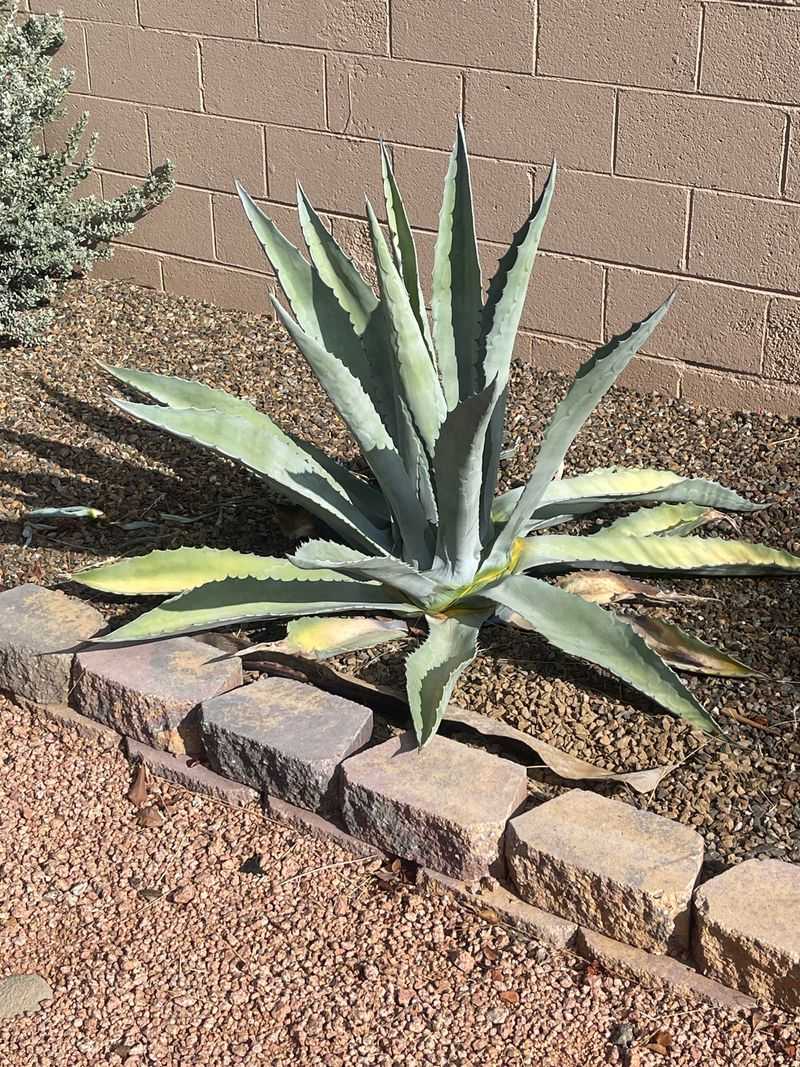
Agaves and aloes especially benefit from reduced transpiration during humid stretches. Their wide, thick leaves are built to store water, and when the air is already moist, they do not need to work as hard to stay hydrated.
Growth can actually pick up a little during these windows.
On the flip side, reduced transpiration also means reduced cooling. Plants use water evaporation through leaves as a natural cooling system.
When humidity is high and less evaporation happens, leaf surface temperatures can rise slightly. That added heat stress can counteract some of the humidity benefits.
Your Arizona Garden Changes Every Week. Your Plan Should Too.
Gardening in Arizona changes quickly throughout the season. Every Friday you’ll receive a simple weekly plan showing exactly what to plant, prune, fertilize, harvest, and protect so you never miss the right timing.
Reduced airflow compounds this issue. In dense plantings or against walls where air movement is restricted, humidity pockets can form.
Those pockets hold heat and moisture together, which creates conditions that some fungal issues prefer.
Spacing plants with airflow in mind before monsoon season starts is a smart move. Trimming back any overgrown foliage that blocks natural breezes also helps.
3. Watering Needs May Shift During Monsoon Season
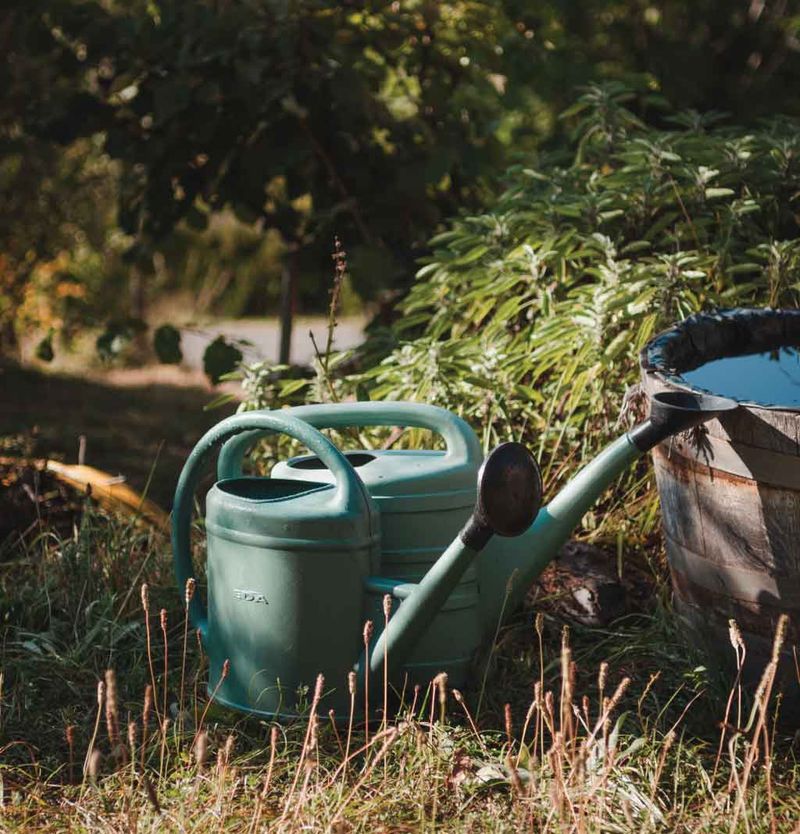
Watering schedules that worked perfectly in May can become a problem by July. Monsoon moisture adds humidity to the air and often delivers actual rainfall, sometimes several inches over just a few weeks.
Continuing the same irrigation schedule during that period can push water levels past what desert plants comfortably handle.
Root rot is one of the most common issues that develops when overwatering meets high humidity. Desert plants store water efficiently, and their roots are not built to sit in consistently wet soil.
When both irrigation and monsoon rain hit at the same time, drainage becomes critical.
Checking soil moisture before watering is the simplest adjustment a gardener can make. Push a finger two inches into the soil near the root zone.
If it still feels damp, skip the watering session and check again the next day.
Drip systems and smart irrigation controllers can help automate this adjustment. Some controllers use local weather data to skip scheduled watering after rainfall, which removes a lot of the guesswork during an unpredictable monsoon season.
Native desert plants like brittlebush, desert marigold, and palo verde trees are well-suited to this seasonal shift. They naturally slow down their water uptake when soil moisture is already adequate.
4. Poor Airflow Can Create New Plant Challenges
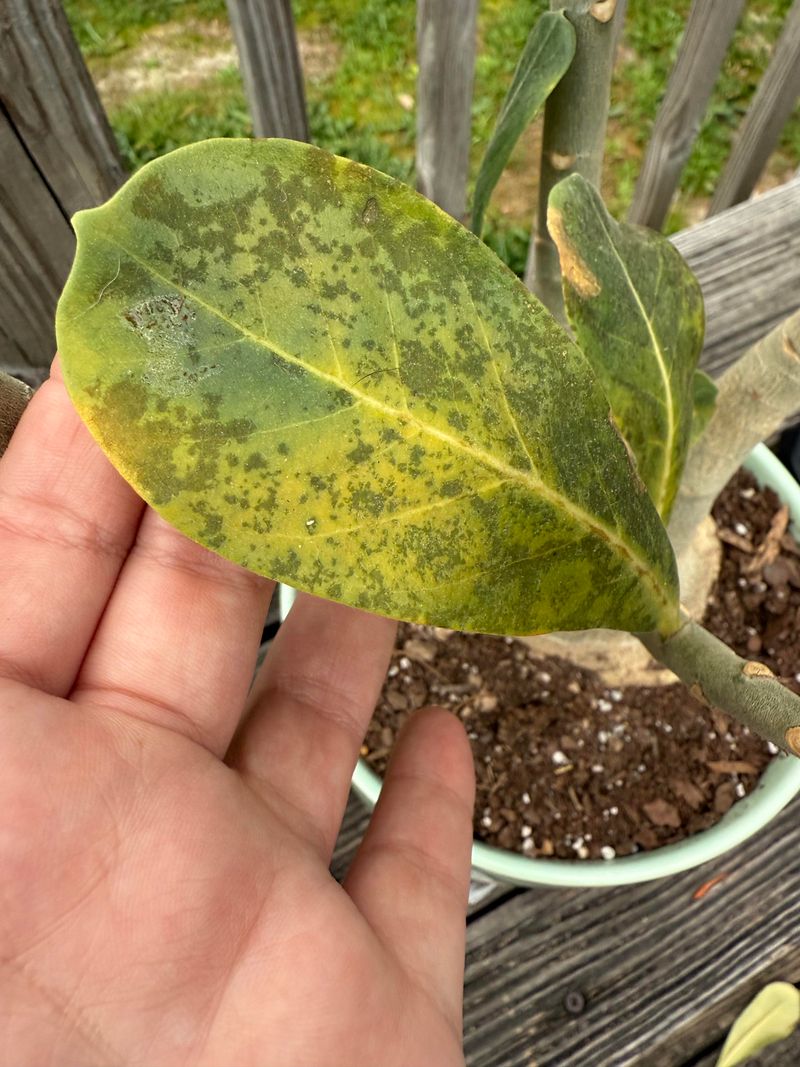
Airflow is one of the most overlooked factors in desert gardening, and monsoon season makes it matter even more. When humidity rises and air movement stalls, moisture clings to plant surfaces longer than it should.
That extended contact between moisture and plant tissue creates an opening for fungal problems to develop.
Powdery mildew is a common visitor during humid stretches. It shows up as a white, dusty coating on leaves and stems.
Desert plants like desert roses, lantana, and even some native shrubs can be affected when airflow is restricted around them for extended periods.
Walls, fences, and dense plantings all reduce natural air circulation. South and west-facing walls in the desert Southwest absorb heat all day and radiate it back at night.
When humid monsoon air settles against those warm surfaces, the combination creates a microclimate that plants may struggle with.
Pruning for airflow is a practical and low-cost solution. Removing a few interior branches from shrubs and ornamental trees opens up space for air to move through the canopy.
It does not take much to make a noticeable difference.
Ground-level airflow matters too. Mulch is helpful in dry months, but thick organic mulch layers during monsoon season can trap moisture near the base of plants.
5. Container Plants Often Feel Humidity Changes Faster
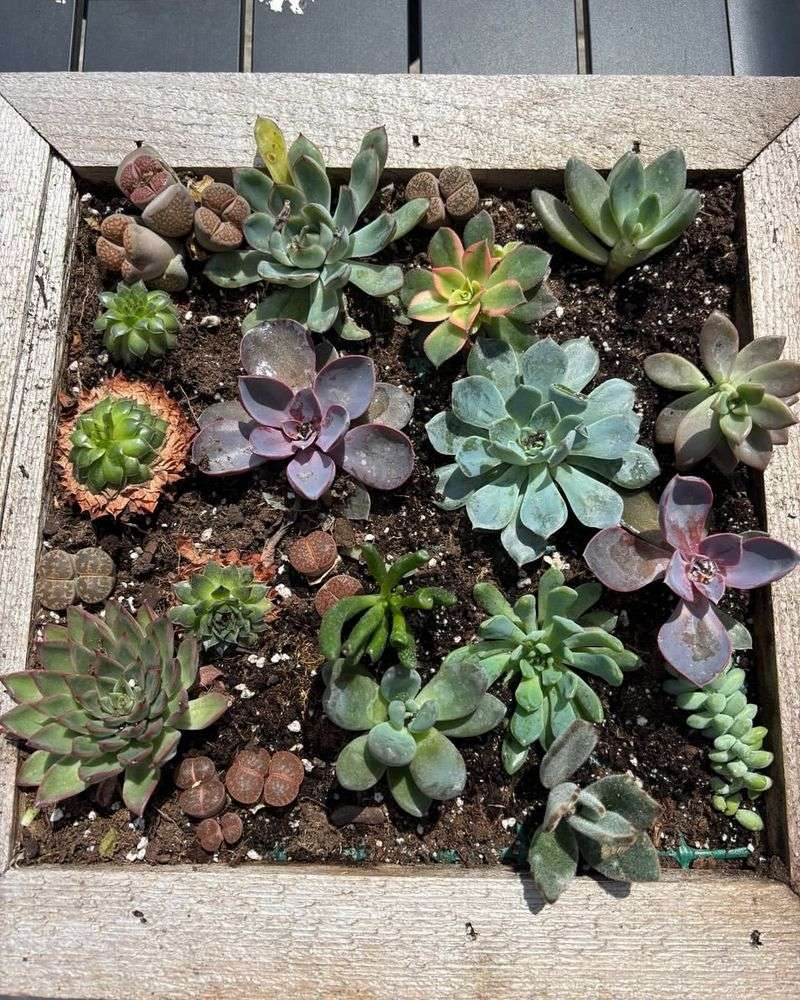
Pots and containers react to environmental shifts faster than in-ground plants, and that speed cuts both ways. Container soil dries out quickly in dry desert heat, but it also saturates quickly when monsoon rains arrive.
The smaller soil volume means there is less buffer between too dry and too wet.
Terracotta pots are popular in the desert Southwest for good reason. They are porous, which means they release moisture through their walls and allow soil to breathe.
During humid monsoon weeks, that breathability becomes even more valuable because it helps prevent waterlogged conditions.
Plastic and glazed ceramic containers hold moisture much longer. During monsoon season, those materials can keep roots sitting in damp soil for days after a rainstorm.
Checking drainage holes regularly and making sure they are not blocked by roots or debris is a simple but important maintenance step.
Covered patios and overhangs protect container plants from direct monsoon rain, but they do not eliminate humidity. Air moisture still reaches plants under covered areas and affects how quickly soil dries between waterings.
Adjusting watering frequency based on actual soil moisture rather than a fixed schedule works better during these months.
Moving containers to spots with better airflow during peak monsoon weeks is worth trying.
6. Native Desert Plants Are Adapted To Seasonal Humidity
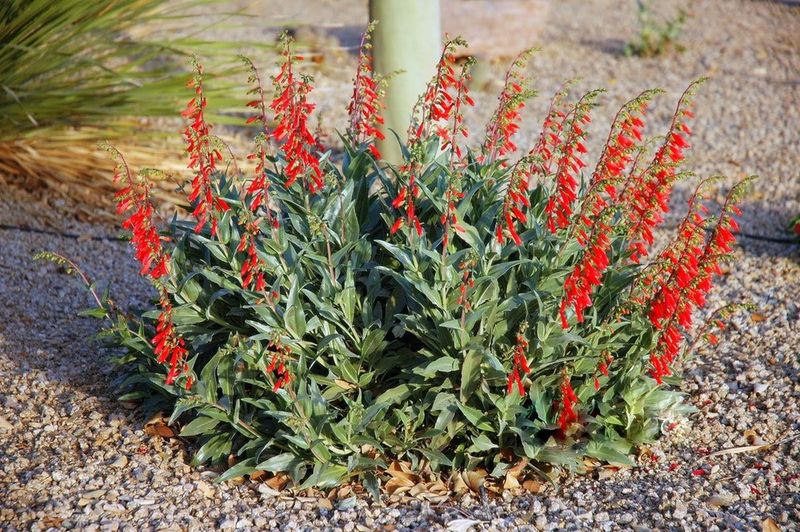
Millions of years of evolution prepared native desert plants for exactly this seasonal rhythm. Monsoon humidity is not a surprise to a saguaro or an ocotillo.
Their biology is timed to take advantage of the moisture window and then ease back when dry conditions return in fall.
Ocotillo is a fascinating example. During dry months, it drops its leaves entirely to conserve water.
When monsoon rains arrive and humidity climbs, it leafs out rapidly, sometimes within days. That dramatic response is a perfectly calibrated survival strategy built over countless generations in the Sonoran Desert.
Palo verde trees follow a similar pattern. Their green bark allows them to photosynthesize even without leaves, which gives them flexibility during dry stretches.
When monsoon moisture arrives, they push out new growth and take full advantage of the more favorable conditions.
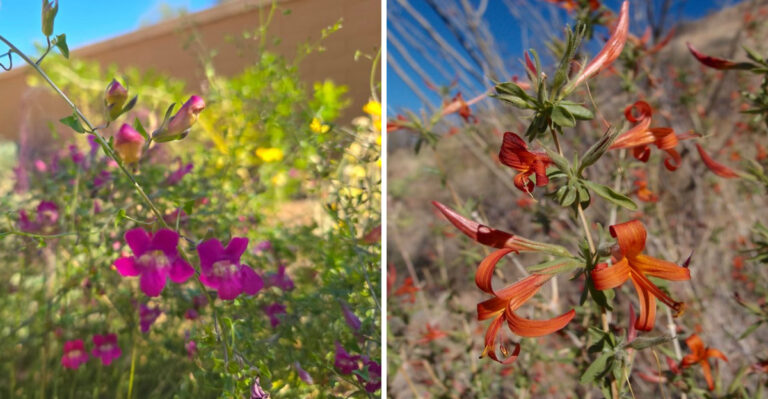
Native wildflowers like globe mallow and desert marigold also respond to monsoon humidity. Seed germination often spikes when soil moisture and air humidity align.
Gardeners who want to establish native plants from seed often find monsoon season to be the most reliable planting window.
Respecting these natural rhythms means not over-managing native plants during monsoon season. Reducing irrigation, avoiding heavy fertilization, and allowing natural rainfall to drive growth produces healthier outcomes than trying to maintain a consistent year-round care schedule.
Native plants thrive when given space to follow their own seasonal pace.
7. Monsoon Conditions Can Influence Plant Growth Patterns
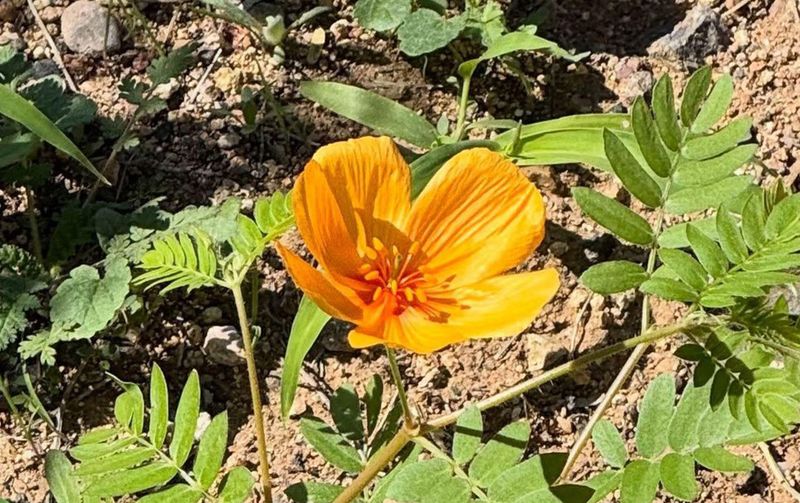
Growth patterns in desert plants shift noticeably when monsoon conditions settle in. Warm temperatures, increased soil moisture, and higher humidity create a brief but productive growing window.
Plants that stayed relatively dormant through the dry early summer often push out new growth within days of the first significant monsoon rain.
That burst of growth is real, but it is not always uniform. Plants with access to deep soil moisture tend to respond more vigorously than those in shallow, compacted soils.
Root depth plays a significant role in how much a plant can capitalize on the seasonal change.
Fertilizing during this growth window is tempting, but it requires caution. Fast growth driven by both moisture and added nutrients can produce soft, tender new growth that is more vulnerable to heat stress when monsoon season ends and dry conditions return.
Light fertilization, if any, is a safer approach.
Weeds also respond aggressively to monsoon conditions. Native and non-native weeds alike sprout quickly when soil moisture and humidity align.
Staying ahead of weed growth during this window prevents competition for water and nutrients among established plants.
Observing how different plants in your garden respond to monsoon conditions each year builds practical knowledge over time. Some plants consistently push strong growth, while others stay relatively steady.