Michigan Eggplant Varieties That Ripen Before Frost (And The Tricks That Help)
Ask most Michigan gardeners about eggplant and you will get a look.
Many of them have tried it once, watched it stall out in cool soil, and moved on. On the other hand, many swear by it and cannot stop talking about their harvest.
The difference between those two groups is not luck, and it is not a particularly green thumb. It is variety selection and a small handful of techniques that change everything about how eggplant behaves in a short-season garden.
Michigan gives eggplant a tight window, and eggplant has opinions about heat, soil temperature, and timing that many gardeners never hear about until something goes wrong.
Get those details right, though, and this crop rewards you generously before the first frost shuts everything down.
Some of the varieties on this list mature so quickly they will genuinely surprise you. Some of the tricks are so simple you will wonder why nobody mentioned them sooner.
Ready to finally get eggplant right in Michigan?
1. Pick Dusky For Short Seasons
Short seasons call for short-season varieties, and Dusky answers that call louder than almost anything else in the seed catalog.
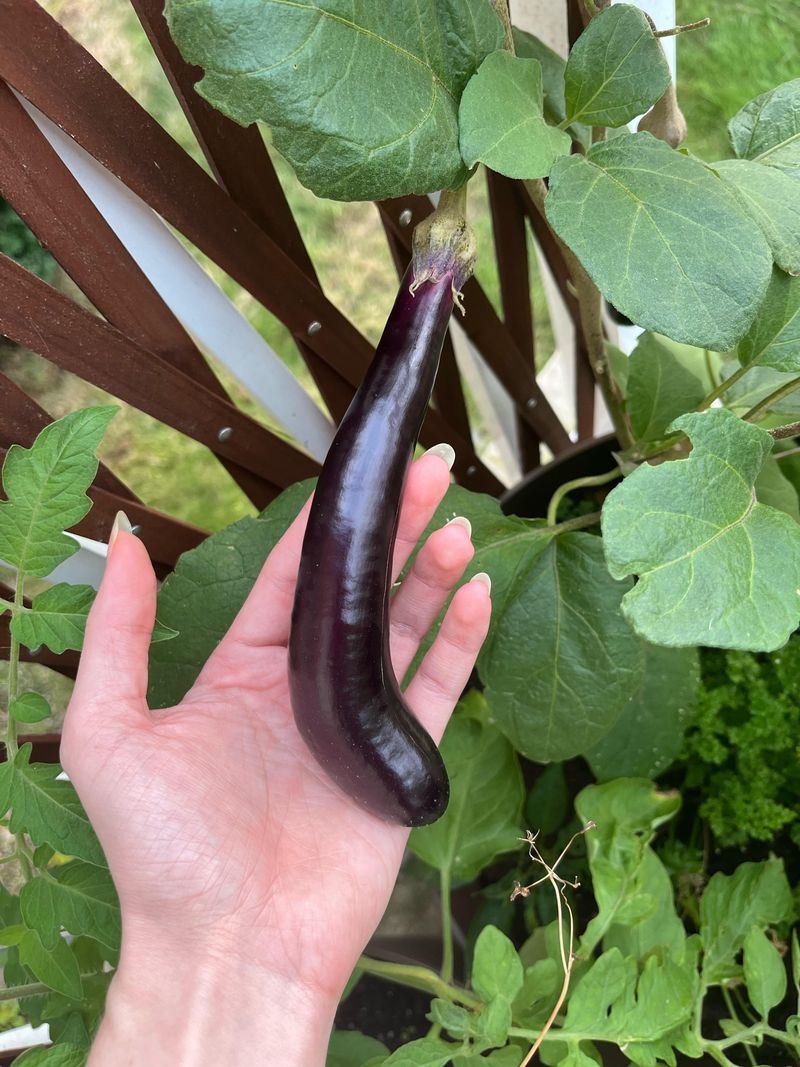
Developed specifically to perform in cooler climates, Dusky typically matures in around 63 days from transplant.
That timeline fits neatly inside Michigan’s average frost-free window, which runs roughly from late May through early October across most of the lower peninsula.
Dusky produces medium-sized, deep purple fruit with smooth skin and mild flavor. The plants stay compact, which makes them easier to protect with row covers or low tunnels during cool snaps.
Compact plants also tend to set fruit faster because energy is not being spread across a large vine structure.
Every bit of warmth and nutrition goes directly toward producing fruit rather than maintaining excess foliage.
This variety also handles brief temperature dips better than many standard types, which matters when August nights start cooling down earlier than expected.
That resilience is not something you appreciate until your garden thermometer shows 52 degrees at midnight in late August and your eggplant just keeps moving forward without drama.
Plant Dusky transplants outdoors after soil reaches at least 60 degrees Fahrenheit.
Rushing that step often sets plants back by two or three weeks, costing precious fruit-setting days that Michigan simply cannot spare.
Starting seeds indoors eight to ten weeks before your last expected frost date gives Dusky transplants the head start they need.
It is a calendar exercise worth getting right, because Dusky rewards the preparation every single time.
2. Try Nadia For Classic Fruit
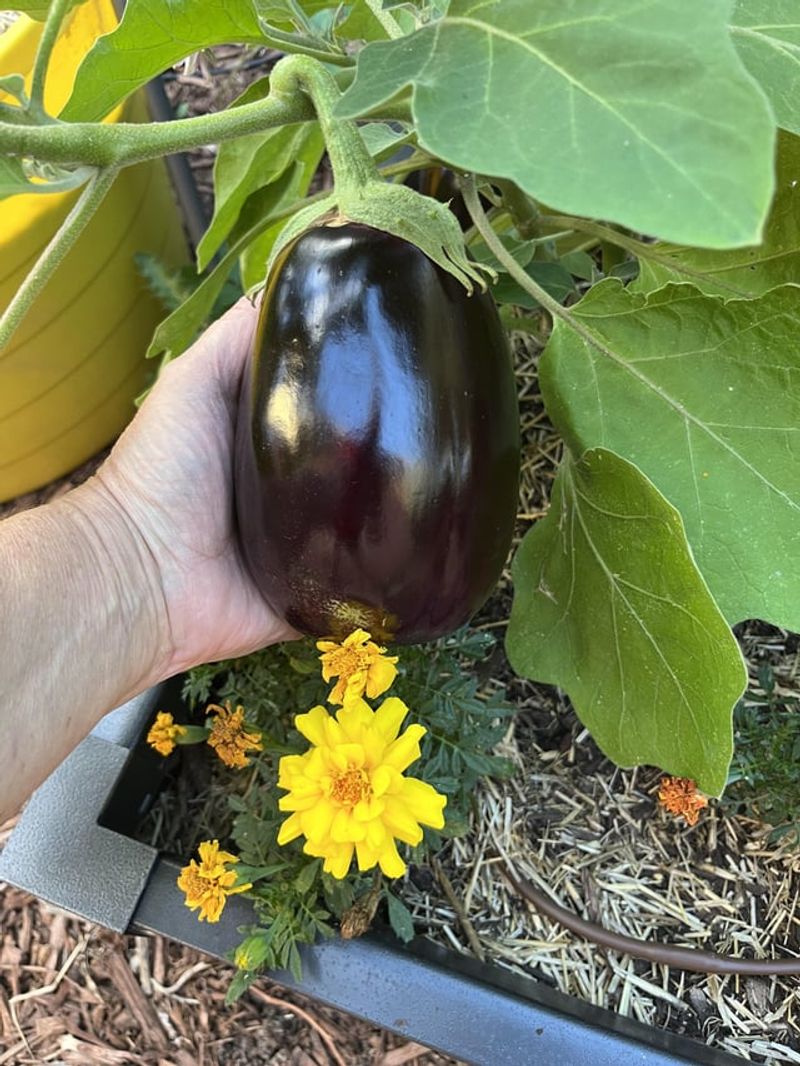
There is something deeply satisfying about pulling a large, glossy, perfectly shaped eggplant off the vine.
Nadia delivers exactly that feeling within about 67 days from transplant. For Michigan gardeners with a mid-May planting window, harvest lands firmly in late July or early August, well before frost becomes a conversation topic.
Nadia is a hybrid variety that produces classic-looking fruit. Deep, shiny purple skin. Firm, mild flesh that holds up beautifully in grilling, roasting, or baking.
Home cooks who want a reliable kitchen performer consistently come back to this variety because it delivers on both appearance and flavor without requiring any special handling.
Your Michigan Garden Changes Every Week. Your Plan Should Too.
Gardening in Michigan changes quickly throughout the season. Every Friday you’ll receive a simple weekly plan showing exactly what to plant, prune, fertilize, harvest, and protect so you never miss the right timing.
Beyond looks, Nadia sets fruit reliably even when temperatures fluctuate. Michigan summers can swing from hot and humid to surprisingly cool within a single week.
Varieties that stall out during those swings cost you harvest time you cannot recover. Nadia tends to keep moving forward through those inconsistencies, which gives it a genuine practical edge in unpredictable Midwest weather.
Support plants with a sturdy stake or small cage as fruit develops. Nadia fruit can grow quite large, and heavy fruit on unsupported stems sometimes snaps branches at the worst possible moment.
A simple bamboo stake and a loose tie handles the job perfectly. Keeping fruit off the soil also reduces rot risk during wet stretches, which Michigan sees regularly through July and August.
Nadia does not ask for much, but it does appreciate not having its fruit sitting in a puddle.
3. Grow Fairy Tale For Small Harvests
Frost warnings have a way of arriving before you feel ready, and small-fruited varieties like Fairy Tale give you a real advantage when that happens.
Because the fruit is compact, it matures faster than full-sized types.
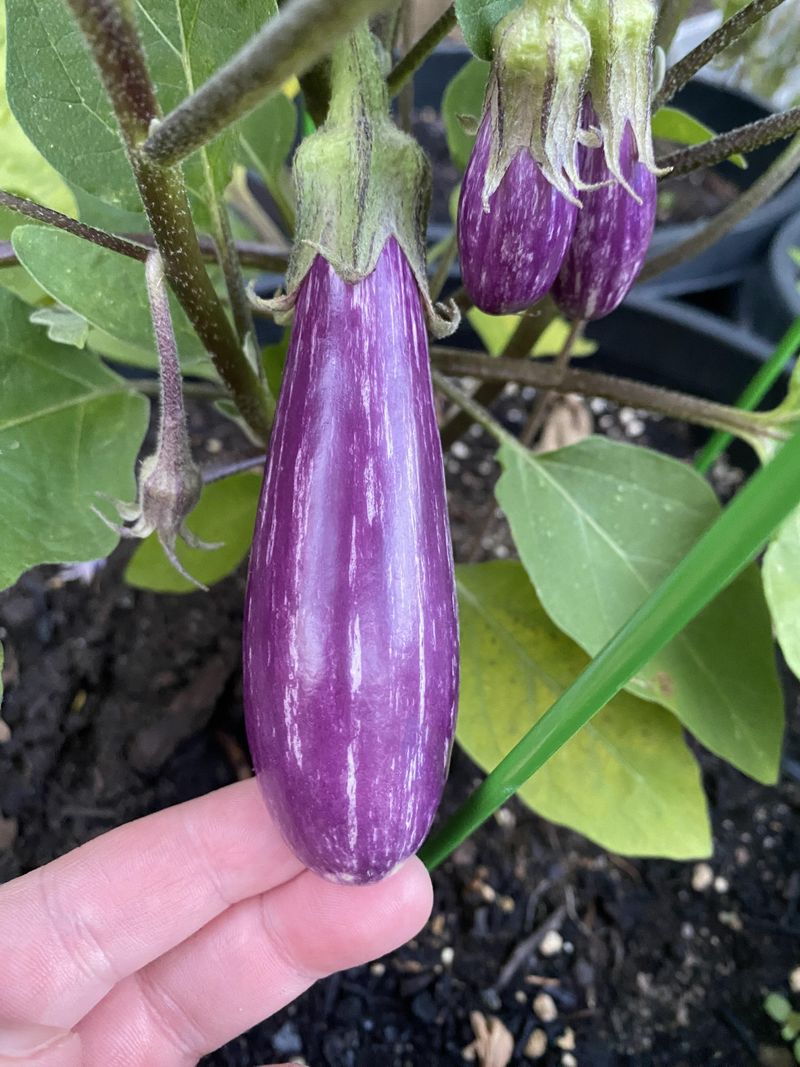
Fairy Tale typically reaches harvest in about 50 days from transplant, making it one of the quickest-maturing eggplants available to Michigan home gardeners working against a tight season.
The fruit is genuinely charming. Each piece grows to roughly three or four inches long, with soft purple and white striping that looks almost hand-painted.
The flavor is sweet and tender, without the bitterness that sometimes shows up in larger, older fruit. It is the kind of eggplant that converts skeptics, which is a fairly impressive achievement for a vegetable with a complicated reputation.
Fairy Tale also performs well in containers, which opens up planting options on patios, decks, and small urban lots.
Container-grown plants can be moved indoors or into a garage if an early frost threatens, buying extra harvest days that in-ground plants simply cannot access.
That flexibility is genuinely useful in a state where September frosts sometimes appear ahead of schedule without much warning.
Pick fruit young and often. Frequent harvesting signals the plant to keep producing rather than pouring energy into ripening a few large ones.
A small harvest every few days adds up quickly across the season. By the time frost finally arrives, most Fairy Tale gardeners have gathered considerably more fruit than they expected from such a petite plant.
Small but mighty, as they say.
4. Choose Orient Express For Speed
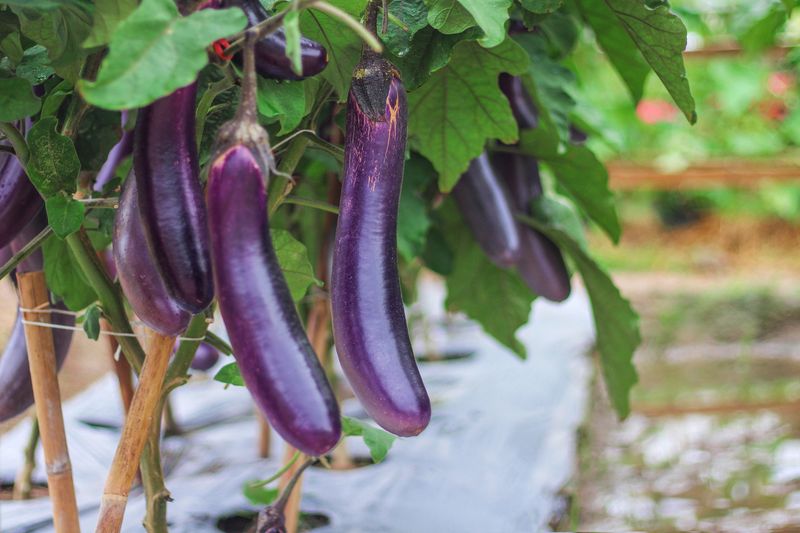
When the calendar says August and eggplant still has not set fruit, a specific kind of gardening panic sets in. Orient Express was practically bred for that moment.
This Asian-style variety matures in around 58 days from transplant, making it one of the fastest full-sized eggplants available for northern gardeners working against a tight frost window.
The fruit grows long and slender, typically reaching eight to ten inches with a rich, deep purple color.
The skin is thinner than many Western varieties, which means the flesh cooks faster and absorbs flavors beautifully in stir-fries, curries, and quick sautees.
If eggplant features regularly in your cooking, Orient Express gives you a variety that works just as hard in the kitchen as it does in the garden.
Orient Express also sets fruit reliably in warm but not scorching conditions. Michigan summers rarely hit the extreme heat that some eggplant varieties actually prefer.
This variety performs comfortably in that moderate warm zone, which is part of why it produces consistently across the state from the thumb region down through the southwest fruit belt.
Harvest before the fruit gets too large. Slender varieties turn slightly bitter and develop tougher seeds if left on the plant past peak size.
Checking plants every two to three days during peak production keeps fruit quality consistently high. A quick twist and gentle pull removes ripe fruit cleanly without tools or damage to the plant.
Simple, fast, and worth doing regularly because Orient Express does not slow down once it gets going.
5. Start With Healthy Transplants
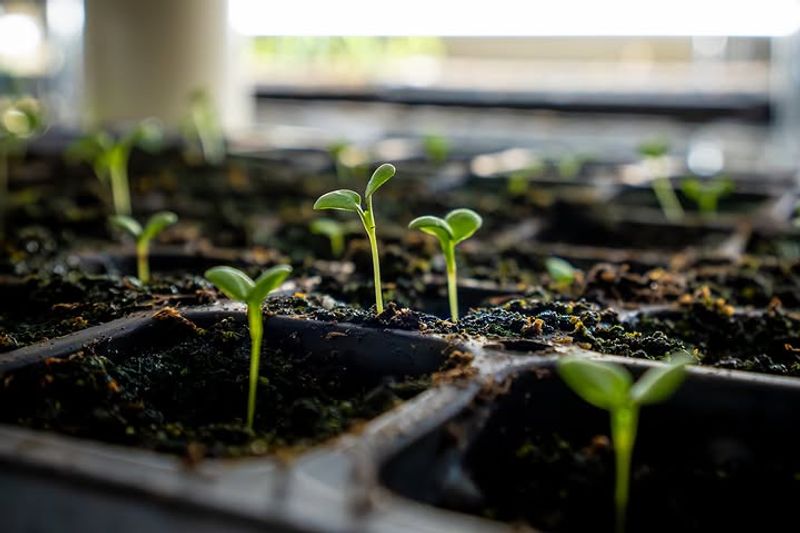
Michigan’s warm season does not leave room for slow starters. Eggplant started directly in garden soil would barely sprout before frost returns.
That is why transplants are not just a convenience here. They are a fundamental requirement for getting any real harvest before the season closes.
Start seeds indoors eight to ten weeks before your expected last frost date. In most of lower Michigan, that means beginning seeds in late February or early March.
Use a heat mat to keep soil temperature between 80 and 90 degrees Fahrenheit during germination. Eggplant seeds are genuinely slow to sprout in cool conditions and may sit dormant for weeks without that warmth boost.
Once seedlings emerge, move them under grow lights immediately. Leggy, stretched transplants that have been reaching for a window do not establish well after planting.
Stocky, thick-stemmed transplants with four to six true leaves settle in faster and begin setting fruit sooner. That early establishment speed translates directly into more fruit before frost arrives, which is the whole point of the exercise.
Harden off transplants for at least one full week before moving them outside permanently. Set them out in a sheltered spot for a few hours each day, gradually increasing exposure to sun and wind.
Skipping this step often results in transplant shock that sets plants back by two or three weeks. A week of patience during hardening saves you significant recovery time in the garden.
And unlike most shortcuts, this one has a very clear and measurable cost attached to taking it.
6. Warm Soil Before Planting
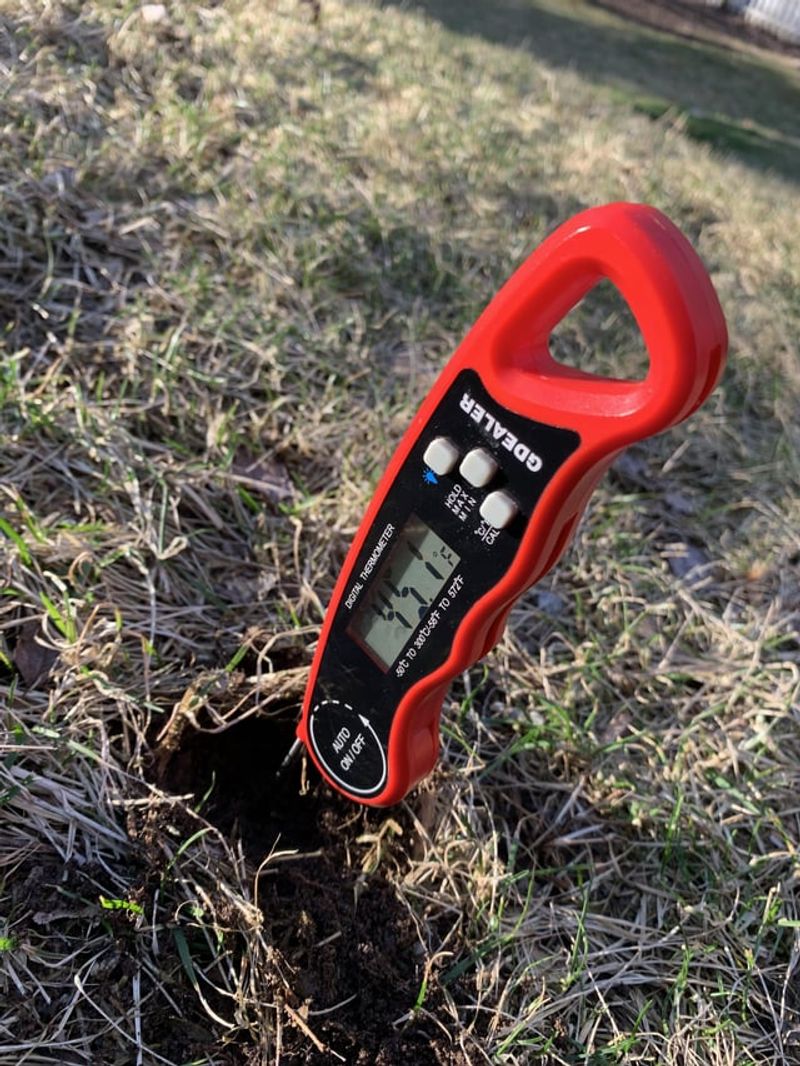
Soil temperature is the detail most new eggplant growers overlook, and it is often the exact reason their plants sit motionless for weeks after transplanting.
Cold soil stresses eggplant roots significantly. When roots are stressed, the plant redirects energy toward survival rather than growth, and fruit production gets pushed back by weeks Michigan cannot spare.
Wait until soil temperature reaches at least 60 degrees Fahrenheit before planting transplants outdoors. Sixty degrees is the minimum.
Sixty-five to seventy degrees is considerably better. Use an inexpensive soil thermometer to check actual ground temperature rather than guessing based on the calendar date or how warm the air feels on a sunny afternoon.
In Michigan, soil often reaches the right temperature in late May or very early June, depending on the year and your specific location.
Gardens with southern exposure or raised beds warm up faster than flat, shaded plots. If your garden sits in a low spot that holds moisture after rain, it will likely stay cooler longer and may need extra help before planting is appropriate.
A plant set into properly warmed soil on June 1 will almost always outperform a plant rushed into cold ground two weeks earlier. That is not a small margin.
The difference in early fruit production can be dramatic. Patience here pays off with noticeably stronger plants and earlier fruit by midsummer.
The soil thermometer is probably the most underrated five-dollar tool in the Michigan vegetable garden, and it has no idea how much work it is doing.
7. Use Black Plastic For Heat
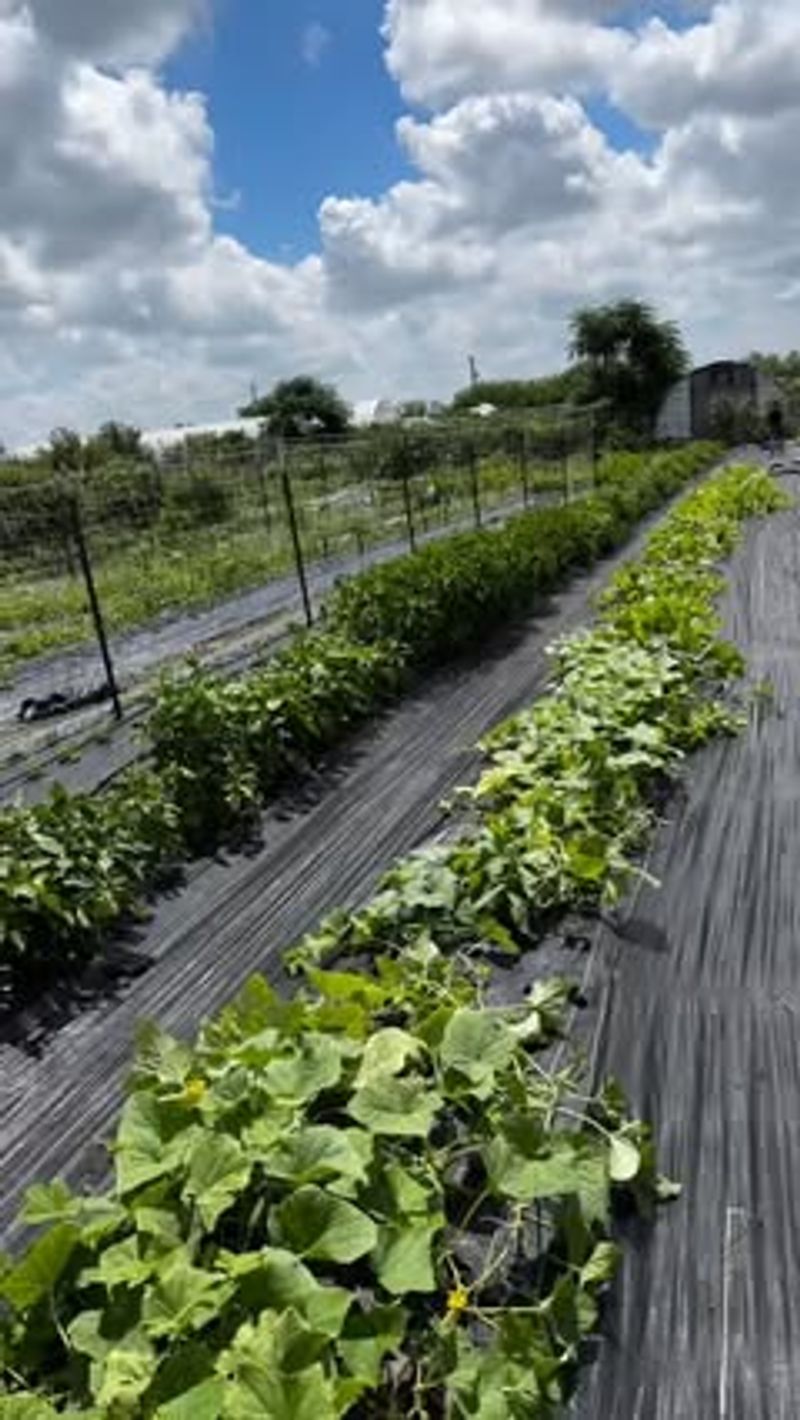
Black plastic mulch does not look exciting, but it is one of the most effective tools a Michigan eggplant grower can use.
Laid over the soil before transplanting, black plastic absorbs sunlight and transfers that heat directly into the ground below.
Soil under black plastic can run 8 to 14 degrees warmer than uncovered soil, and that difference matters enormously to heat-loving eggplant roots trying to establish in a short season.
Lay the plastic down one to two weeks before planting to pre-warm the soil. Use landscape staples or rocks along the edges to hold it firmly against the ground.
Cut X-shaped slits where each transplant will go, just large enough for the root ball, keeping the plastic tight against the soil surface to maximize heat retention throughout the season.
Black plastic also suppresses weeds almost completely, which saves hours of hand-weeding through a busy summer.
Fewer weeds mean less competition for water and nutrients, and eggplant responds to that reduced competition with faster, more vigorous growth.
In a short season, every bit of energy the plant keeps for itself speeds up fruit production in a way that is hard to replicate through any other single technique.
One practical note worth passing along: black plastic can get extremely hot on the surface during intense summer heat.
If temperatures consistently climb above 90 degrees for several days, a thin layer of straw mulch around the base of each plant helps moderate that surface heat without losing the warming benefits underneath.
It is a small adjustment that keeps the whole system working as intended instead of becoming its own problem.