Do These 8 Things To Save Your Colorado Tomatoes From Leaf Curl
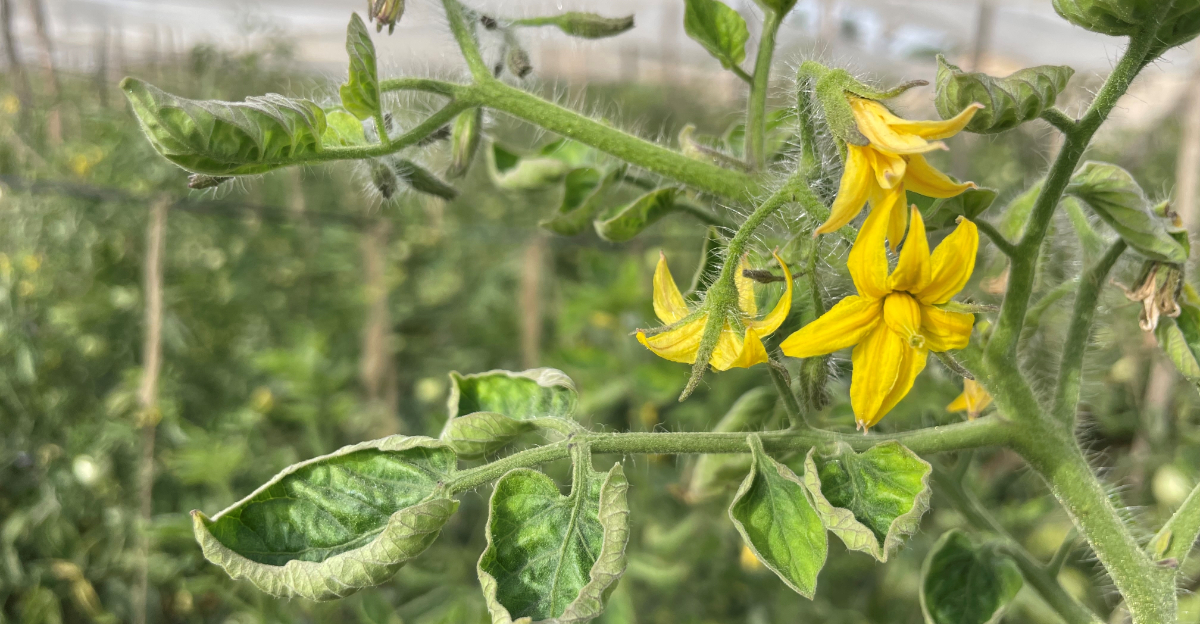
Colorado tomatoes don’t curl without a reason, and that reason is usually staring you right in the face.
The altitude cranks up UV intensity. The afternoon sun hits harder than most gardeners expect. And the temperature can swing 40 degrees between noon and midnight. Your plant feels every bit of it.
Leaf curl is how it tells you something is wrong. Maybe it’s thirst. Maybe it’s pests hiding on the undersides of leaves. Maybe it’s a virus that hitchhiked in on a whitefly.
The causes look similar on the surface, but the fixes are completely different. Guessing wastes time you don’t have.
Colorado’s growing season is short. A few lost weeks can cost you the whole harvest. Work through this list, find your culprit, and act fast.
1. Water Deeply And Consistently
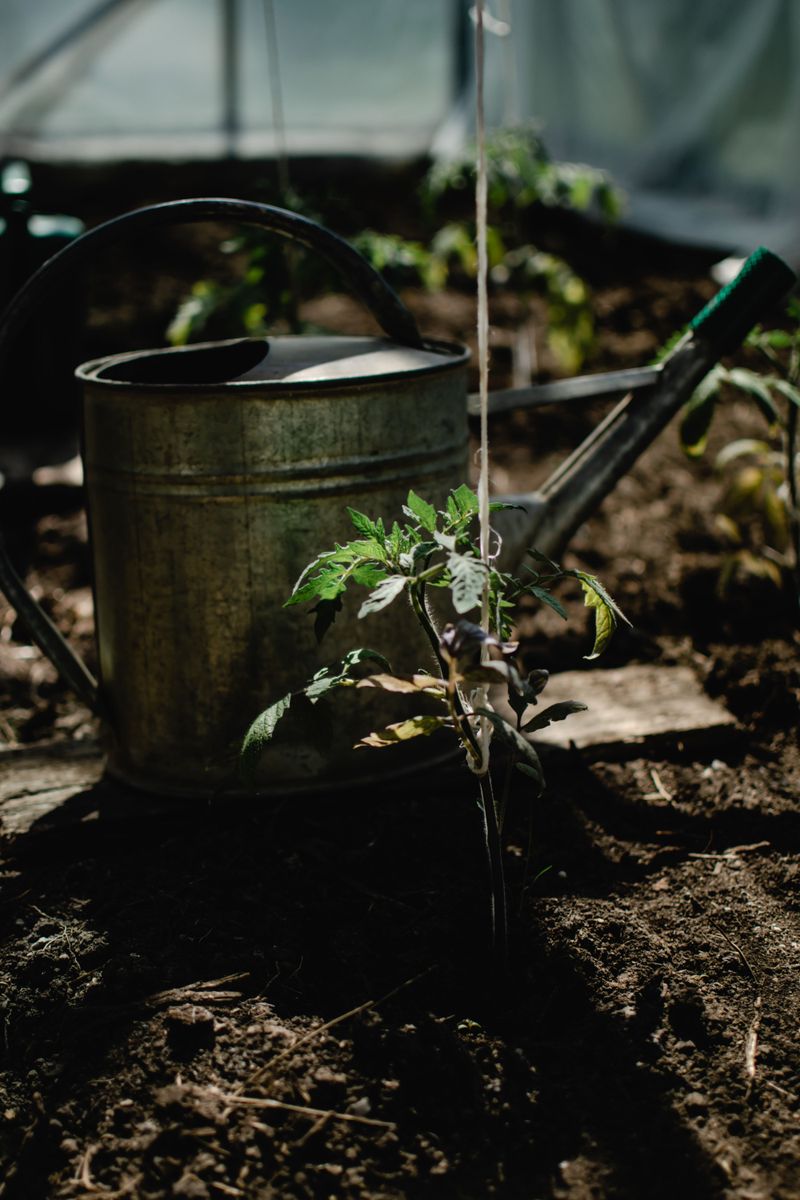
Tomato leaf curl often starts with one simple problem: uneven watering. When plants get too much water one day and almost none the next, they panic. That stress shows up fast in the leaves.
Roots need steady moisture to pull nutrients up the stem. Without that consistency, leaves curl inward to reduce water loss. It is the plant protecting itself the best way it knows how.
In Colorado, the dry air and intense sun pull moisture out of the soil quickly. A plant can go from moist to parched in just a few hours on a hot summer day.
Deep watering encourages roots to grow down instead of sideways. Deeper roots reach cooler, more stable soil and handle heat much better than shallow ones.
Aim to water at the base of the plant, not overhead. Wet foliage invites fungal issues, and Colorado tomatoes already face enough challenges without adding that problem.
Water slowly and deeply at least two to three times per week. A slow trickle for twenty minutes beats a quick splash any day of the week.
Drip irrigation is one of the smartest investments a tomato grower can make. It delivers water exactly where roots need it, without waste or drama.
Check the soil before watering by sticking your finger two inches down. If it feels dry, your plants need a drink right now.
Consistent watering is the foundation of healthy tomatoes. Get this one right, and many other problems simply stop showing up.
2. Mulch Around The Base
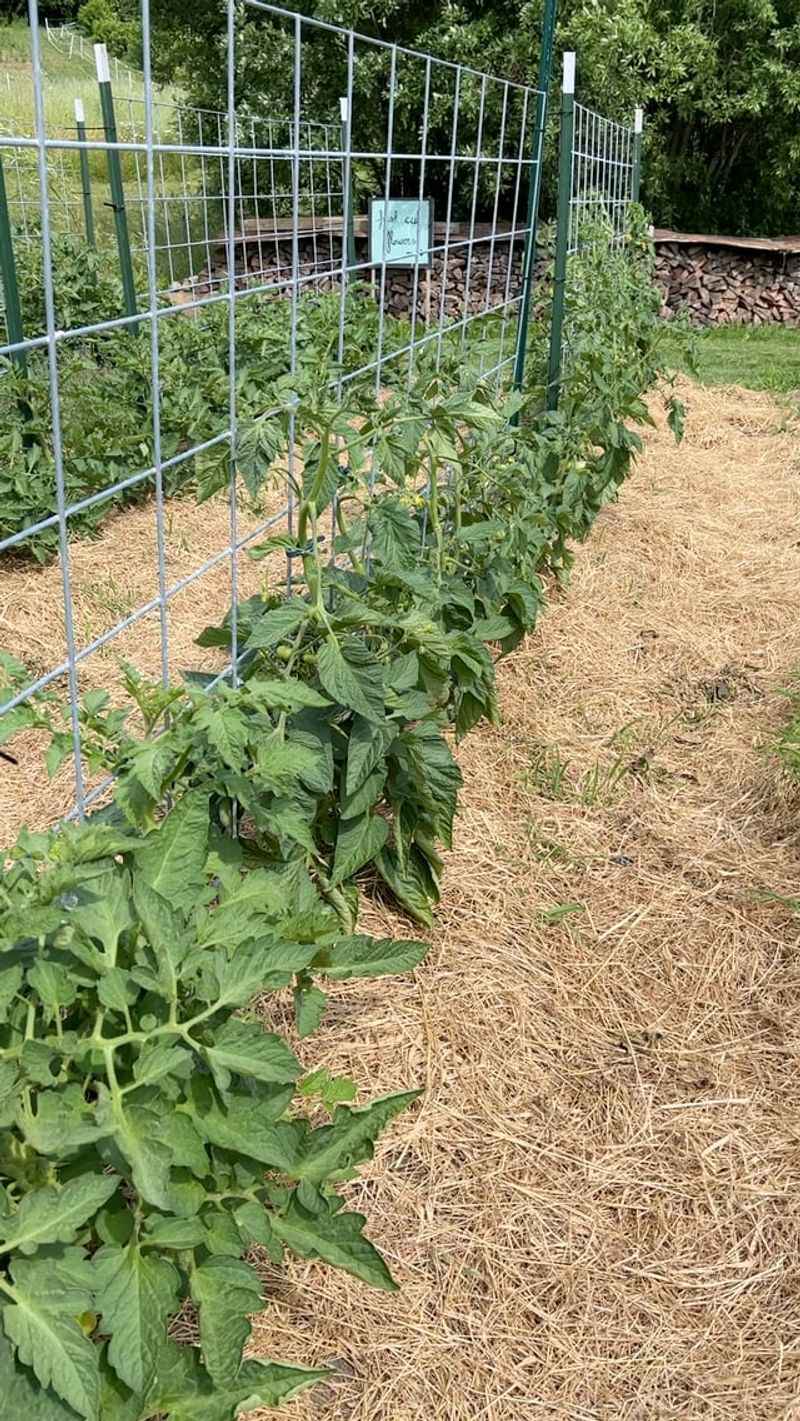
Bare soil under your tomatoes is basically an open invitation for stress. The sun bakes it dry, temperatures spike, and roots suffer in silence below the surface.
Mulch changes everything. A two to three inch layer of straw, wood chips, or shredded leaves acts like a cozy blanket over the root zone.
It slows evaporation dramatically, which means the soil stays moist much longer between watering sessions. That steady moisture is exactly what keeps leaves from curling in the first place.
Mulch also regulates soil temperature, which matters a lot at high elevations. Colorado soil can heat up fast during the day and cool down sharply at night.
Your Colorado Garden Changes Every Week. Your Plan Should Too.
Gardening in Colorado changes quickly throughout the season. Every Friday you’ll receive a simple weekly plan showing exactly what to plant, prune, fertilize, harvest, and protect so you never miss the right timing.
Those temperature swings stress tomato roots more than most gardeners realize. A mulched root zone stays more stable, giving plants a calmer environment to thrive in.
Straw is one of the most popular choices because it is light, affordable, and easy to spread. It breaks down slowly and adds organic matter to the soil over time.
Wood chips work well too, especially for gardeners who want longer-lasting coverage. Just keep any mulch a few inches away from the main stem to prevent rot.
Grass clippings are another free option many people overlook. Spread them in thin layers so they do not mat together and block airflow near the roots.
Once you mulch your tomatoes, you will wonder why you ever skipped this step. Your plants will reward you with steadier growth and far fewer curled leaves.
3. Provide Afternoon Shade
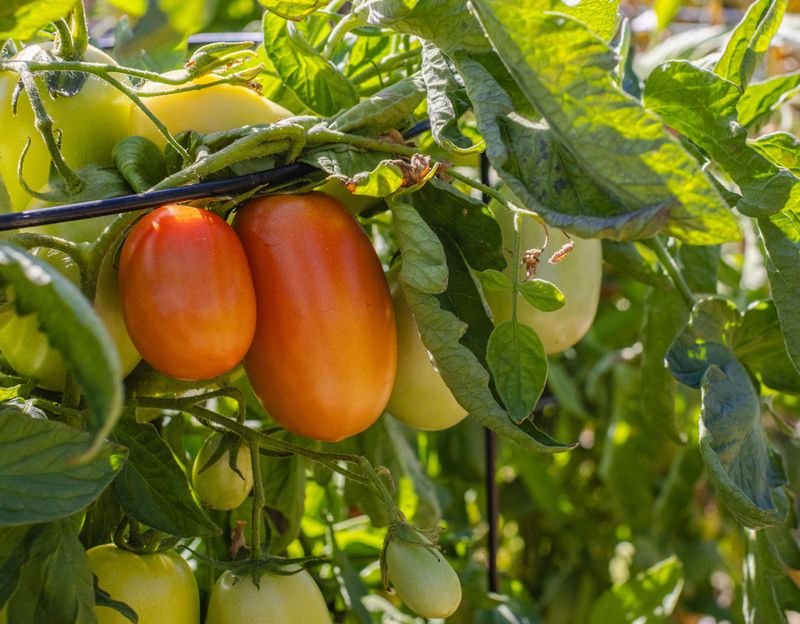
Colorado afternoons can feel like standing inside a solar oven. The sun at high altitude is stronger than most people expect, and tomato leaves curl to cope with that intensity.
Afternoon shade is not babying your plants. It is giving them a fighting chance against conditions that even tough varieties struggle with.
Shade cloth rated at thirty to forty percent is the sweet spot for tomatoes. It filters the harshest rays without blocking the morning light plants genuinely need for photosynthesis.
Set up your shade structure on the west side of the garden. That blocks the brutal late-afternoon sun that hits hardest between two and five in the evening.
Simple wooden stakes and a length of shade cloth from a garden center are all you need. The setup takes about twenty minutes and lasts the entire growing season.
Some gardeners plant tall sunflowers or corn on the west side of their tomato rows. These natural screens work beautifully and add extra visual interest to the garden space.
When leaves get too much direct sun, they lose moisture faster than roots can replace it. Curling is the plant closing up shop to stop that water loss from continuing.
Shading does not mean your tomatoes will ripen slower. Most fruit development depends on consistent warmth, not constant direct sunlight hitting every leaf all day long.
Give your tomatoes a break from the afternoon heat. A little shade now means far fewer curled leaves and a much happier harvest waiting for you later.
4. Check For Aphids And Whiteflies
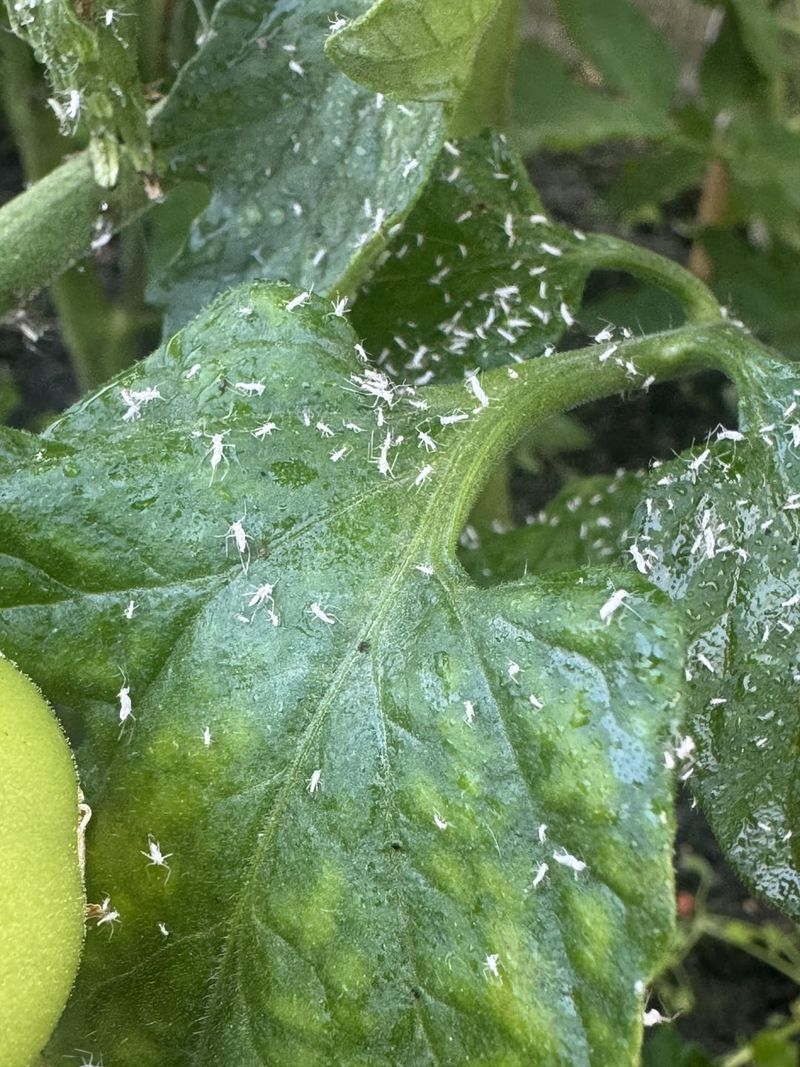
Tiny bugs can cause massive headaches for tomato growers. Aphids and whiteflies are two of the sneakiest culprits behind leaf curl that many gardeners completely overlook.
These pests feed on plant sap by piercing the leaf tissue. That feeding disrupts the flow of nutrients and water, causing leaves to curl, yellow, and look generally miserable.
Aphids usually cluster on new growth and the undersides of leaves. They are small, soft-bodied, and come in shades of green, yellow, or black depending on the species.
Whiteflies are tiny white insects that flutter up in a cloud when you brush against the plant. Both insects reproduce fast, so catching them early makes a huge difference.
Flip a few leaves over and look closely with good lighting. If you see sticky residue called honeydew or tiny moving dots, you have found your problem.
A strong blast of water from a garden hose knocks aphids off quickly. Do this in the morning so leaves dry before evening and fungal risk stays low.
Neem oil spray is one of the most effective organic treatments available. Mix it with water and a drop of dish soap, then spray every leaf surface thoroughly.
Introduce beneficial insects like ladybugs or lacewings if you want a natural solution. They feast on aphids and whiteflies without harming your plants or your garden ecosystem.
Check your tomatoes weekly throughout the growing season. Catching a small pest problem early keeps it from becoming a full-blown leaf curl disaster across the whole garden.
5. Avoid Over-Pruning
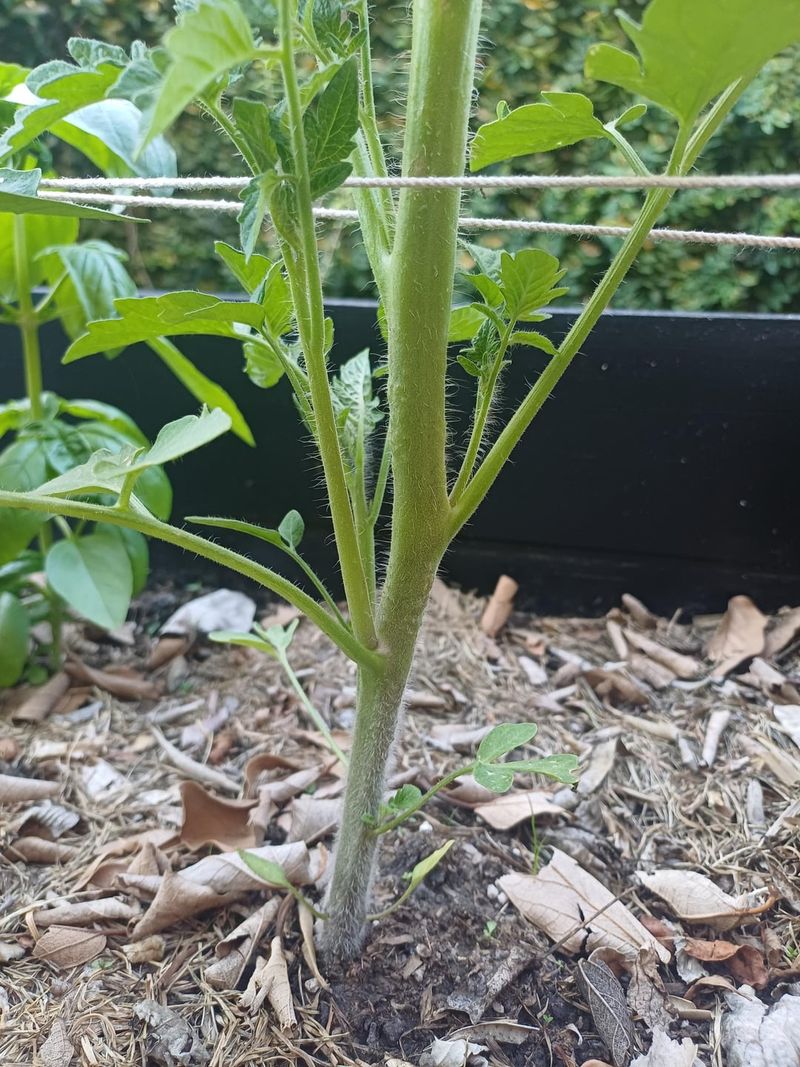
Pruning tomatoes feels productive, and it can be. But there is a fine line between helpful trimming and accidentally stressing your plants into a full-on leaf curl episode.
When you remove too many leaves at once, the plant loses its ability to manage moisture and temperature. Leaves are not just decorations; they are the plant’s cooling and feeding system.
In hot, dry climates like the Front Range, leaves provide shade for the fruit and the soil below. Stripping them away exposes everything to brutal direct sun and dry air.
Physiological leaf roll is one of the most common responses to heavy pruning. The plant curls remaining leaves inward to conserve every drop of moisture it has left.
A good rule is never removing more than one-third of the plant’s foliage at one time. Give the plant at least a week to recover before doing any additional trimming.
Focus pruning on suckers in the crotch between the main stem and a branch. Removing those keeps energy directed toward fruit without stripping away important protective foliage.
Avoid pruning during the hottest part of the day. Morning is the best time because plants are hydrated and the sun is not at full intensity yet.
Clean, sharp tools make cleaner cuts that heal faster. Dirty or dull scissors create ragged wounds that invite bacteria and slow the plant’s recovery significantly.
Pruning with intention and restraint keeps plants productive. Less is often more when your goal is keeping those leaves flat, healthy, and pointing toward the sun.
6. Skip The Excess Nitrogen Fertilizer
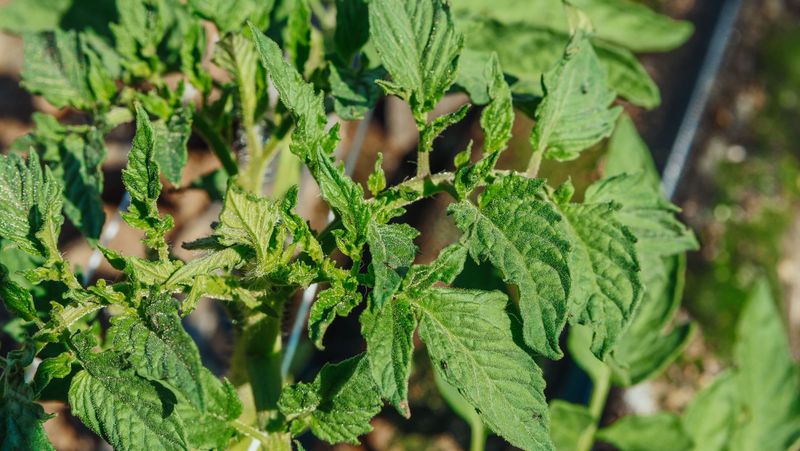
More fertilizer does not always mean better plants. In fact, dumping extra nitrogen on your tomatoes is one of the fastest ways to trigger serious leaf curl problems.
Nitrogen pushes plants to grow fast and lush. Too much of it causes the plant to focus all energy on leaves instead of developing a healthy root system and fruit.
When leaves grow faster than the vascular system can support, they curl. It is a physical response to an imbalance happening deep inside the plant’s structure.
Overfed tomatoes also tend to produce thick, dark green leaves that curl downward, sometimes developing a clawed or cupped appearance. The leaves look almost like tubes at first glance.
A balanced fertilizer with equal parts nitrogen, phosphorus, and potassium works best for tomatoes once they start setting fruit. Switch to a lower-nitrogen blend after the first flowers appear.
Compost is a gentler, slower way to feed your soil. It releases nutrients gradually and builds soil structure without shocking the plant with a sudden chemical rush.
Before adding any fertilizer, test your soil. Many garden centers in Colorado sell affordable test kits that show exactly what your soil needs and what it already has plenty of.
Read fertilizer labels carefully and resist the urge to double the recommended dose. The instructions are written by people who actually want your plants to succeed.
Feeding your tomatoes thoughtfully and strategically pays off. Balanced nutrition keeps leaves flat, growth steady, and your harvest moving in the right direction all season long.
7. Shield Plants From Strong Wind
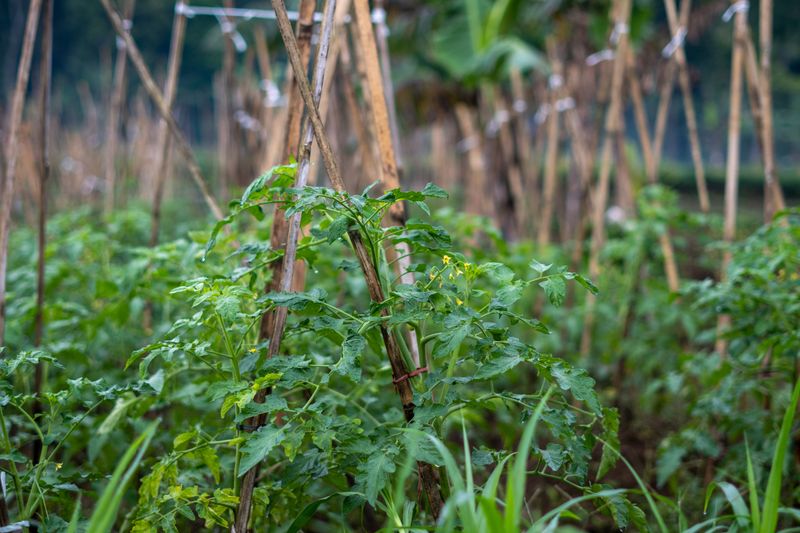
Wind in Colorado is not a gentle breeze. It is a relentless, drying force that can curl tomato leaves faster than almost any other environmental factor in the garden.
Strong gusts strip moisture from leaves before roots have any chance to compensate. The result is rapid wilting and curling that looks alarming and happens within just a few hours.
The Front Range is famous for its fierce wind events, especially in spring and early summer. Planting season often overlaps with some of the windiest days of the entire year.
A simple windbreak makes a dramatic difference for tender plants. Burlap stretched along stakes, a wooden fence panel, or even stacked straw bales can block the worst gusts effectively.
Position your windbreak on the side where prevailing winds hit hardest. In Colorado that is often from the west, but every yard has its own patterns worth paying attention to.
Fabric row covers are another smart option. They wrap around individual plants and protect them from wind while still allowing sunlight and rain to reach the foliage below.
Planting near an existing fence or wall also helps naturally. Just make sure the structure does not block morning sun, which tomatoes absolutely need for strong growth.
Staking and caging plants securely prevents wind from rocking the root zone. Loose roots cannot absorb water efficiently, which leads directly to stress-related leaf curling throughout the plant.
Wind protection is one of the most underrated steps in a Colorado tomato garden. Block that relentless breeze, and your plants will stand tall and leafy all season long.
8. Know When A Plant Can’t Be Saved
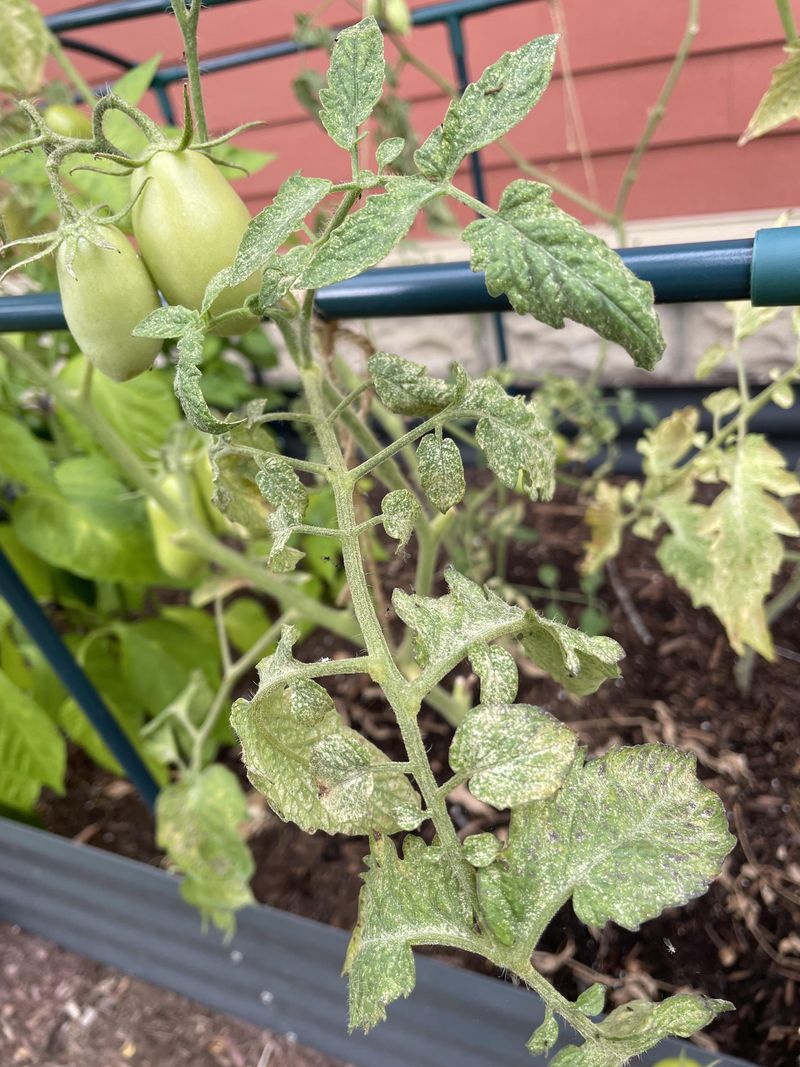
Sometimes leaf curl is not about water, sun, or bugs. Occasionally it signals something more serious, like a viral infection spreading silently through your entire tomato patch.
Tomato mosaic virus and tomato yellow leaf curl virus are two of the more serious viral infections that can affect tomato plants. Both cause leaves to curl, pucker, and lose their normal green color fast.
Viral infections have no cure once a plant is affected. The only real move is removing the affected plant before the virus spreads to healthy neighbors nearby.
Look for mottled or mosaic patterns on the leaves along with the curling. Stunted growth and distorted new leaves are other signs that a virus may be the cause.
Aphids and whiteflies spread many plant viruses as they feed and move from plant to plant. Controlling those pests is one of the best ways to prevent viral spread in the first place.
When removing a virus-stricken plant, do not compost it. Bag it in a sealed plastic bag and toss it in the trash to prevent the virus from surviving in your yard.
Wash your hands and disinfect any tools you used before touching other plants. Viruses can hitch a ride on dirty gloves or pruning shears without you ever noticing.
After removing a sick plant, monitor surrounding tomatoes closely for at least two weeks. Catching a second outbreak early gives you the best chance of saving the rest of the crop.
Acting fast is the key to protecting your Colorado tomatoes from leaf curl caused by viruses. One removed plant today could save every other tomato you worked so hard to grow.