8 Things In Your Wyoming Yard That Could Be Attracting Coyotes
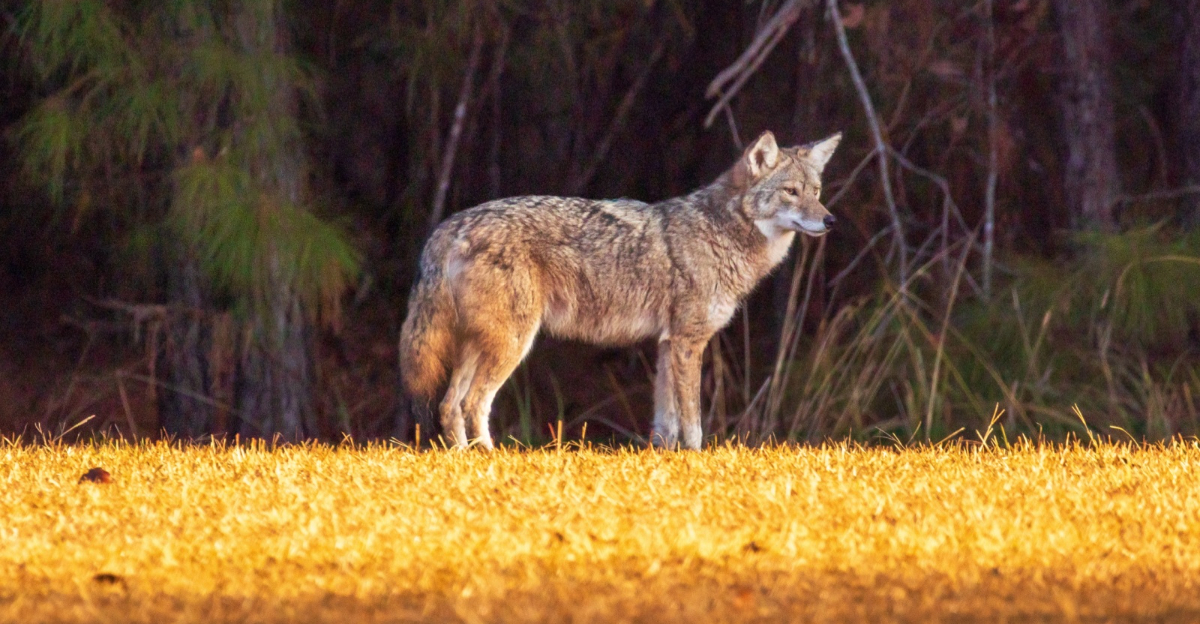
Dusk falls, and something moves along your fence line. Sleek and silent, low to the ground. That is a coyote, and it has already decided your yard is worth visiting.
Wyoming homeowners are reporting more sightings every season, even deep in suburban neighborhoods. Why your yard, though? Coyotes are not lost or wandering.
Specific things brought them straight to your door, and they will keep coming back until something changes.
Smarter than most people expect, these animals read a landscape fast and remember exactly what they found there.
Your yard is speaking a language you did not know it had. Changing what it says is more possible than you think, and it starts with one simple shift. Nothing about this requires special equipment or expertise.
What it requires is understanding what coyotes are actually looking for, because that knowledge shifts everything about how you see your own yard.
1. Unsecured Garbage Cans And Compost Bins
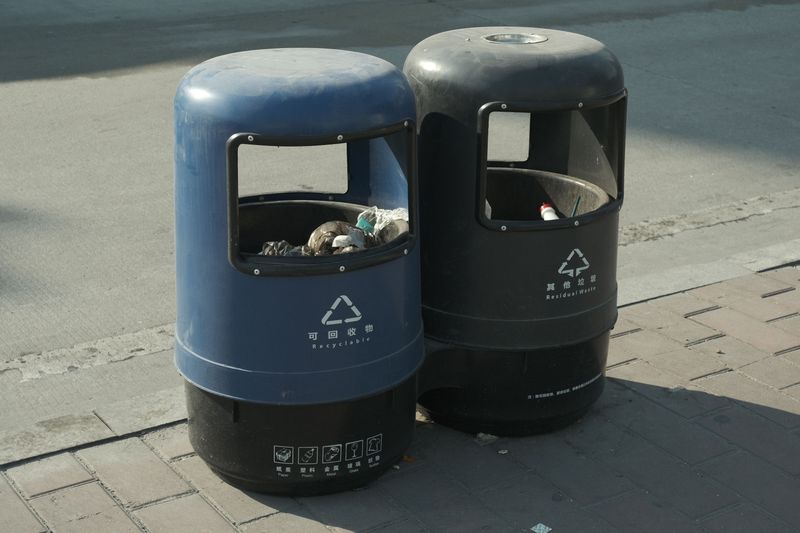
Your trash can is basically a neon sign to a hungry coyote. These animals have an incredible sense of smell, and an unsecured lid is all the invitation they need. Once they find a reliable food source, they will return every single night.
Rotting vegetables, fruit peels, and food scraps send out powerful odors, and coyotes have been known to track strong smells from considerable distances across open terrain.
Switching to a heavy-duty bin with a locking lid is one of the smartest moves you can make. Bungee cords work in a pinch, but a proper latch is far more reliable.
Store your bins in a garage or shed if possible. Your compost pile needs attention too. Avoid adding meat, dairy, or cooked foods to an outdoor pile.
Stick to plant-based scraps and turn the pile often to reduce odor. Many Wyoming residents do not realize how quickly coyotes learn routines.
If your trash goes out every Tuesday night, a coyote will figure that out fast. Changing pickup habits can help break the cycle.
Securing your waste is not just about coyotes. It also keeps raccoons, skunks, and other animals from raiding your yard. One simple fix can solve several problems at once, and that is a win worth making.
2. Pet Food Bowls Left Outside Overnight
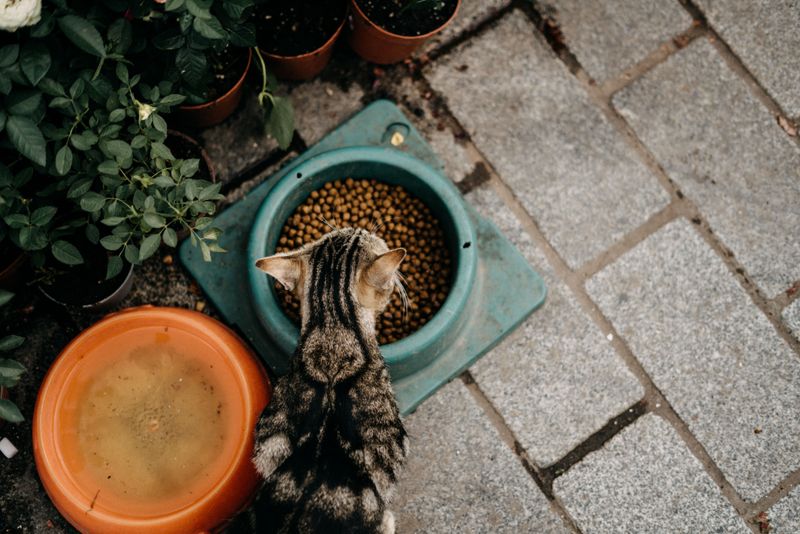
Leaving a bowl of kibble outside overnight is like setting a dinner table for coyotes. The smell of pet food carries surprisingly far, especially on cool Wyoming nights when air is still and crisp.
Coyotes are opportunists, and a free meal is never ignored. Dog and cat food bowls are among the top reasons coyotes become bold around homes. Once they associate your porch with food, they stop being cautious.
That boldness can become a serious problem over time. The fix is refreshingly simple. Bring all food bowls inside before the sun goes down.
Do not leave even a small amount of food out, because a little is still enough to attract attention.
Water bowls are slightly less of a concern, but they can still draw wildlife in dry summer months. Consider bringing those in as well, especially during drought conditions common across the state.
A coyote that drinks from your bowl may decide to linger. If you have outdoor cats, this tip is especially urgent. Free-roaming cats that eat outside are doubly at risk.
They attract coyotes both as a food source and through the smell of their food. Building a feeding routine that stays strictly indoors protects your pets and your peace of mind.
Coyotes are creatures of habit just like us. Remove the reward, and they will move on to easier territory, leaving your yard in peace.
3. Small Pets Left Unattended In The Yard
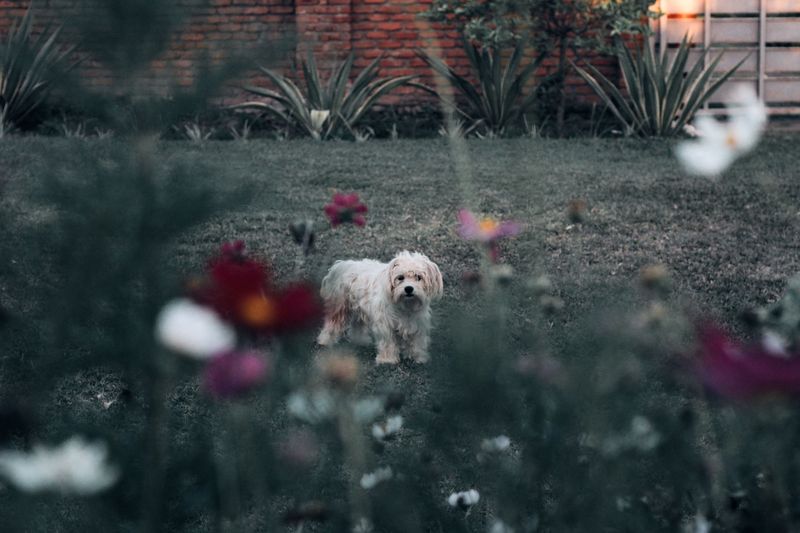
Small dogs and cats are not safe alone in a yard when coyotes are active nearby. Wyoming coyotes are bold, fast, and experienced hunters.
A six-pound dog is not a companion to them. To a coyote, it can look a great deal like prey. Coyotes are most active at dawn, dusk, and through the night.
Those are exactly the times many pet owners let their animals out unsupervised. That overlap in timing creates real danger for small animals.
Supervising your pets outside is the single most effective protective measure you can take. Stay outside with them, especially during low-light hours.
Your presence alone is often enough to deter a cautious coyote. Coyote-proof fencing can add a strong layer of protection. A fence with a roller bar along the top prevents coyotes from getting a grip to climb over.
Standard fences alone are not always enough, since coyotes can clear a 6-foot fence with ease and scale even taller barriers using their front paws for grip.
Some pet owners in Wyoming have also had success with coyote vests for small dogs. These vests have protective spikes and bright colors that make a small pet a much harder target.
They are not foolproof, but they add a meaningful layer of defense. Keeping your small pets safe from coyotes is about changing habits more than anything else.
A few extra minutes of supervision each day can prevent a heartbreaking situation. Your pets depend on you to know what is moving just beyond the fence line.
4. Fallen Or Rotting Fruit Beneath Trees
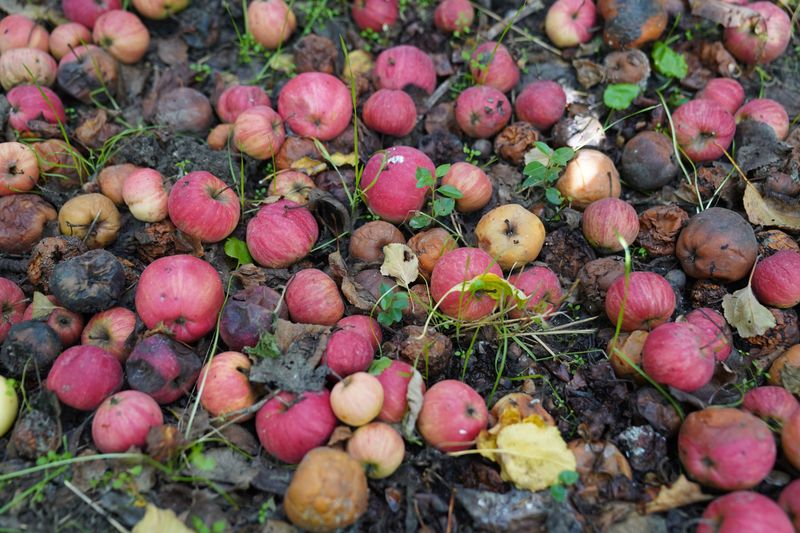
Fruit trees are a joy in summer, but the mess they leave behind is a coyote magnet. Fallen apples, pears, and plums rot quickly and produce a sweet, fermented smell that carries across the yard.
Coyotes love fruit, and they are not picky about freshness. Many Wyoming homeowners are surprised to learn that coyotes eat plant-based foods regularly. They are omnivores through and through.
Berries, melons, and fallen orchard fruit are all fair game when protein sources are scarce. Cleaning up fallen fruit promptly is the most direct solution. Make it a daily habit during harvest season to walk the yard and collect anything on the ground.
Even one day of neglect can leave enough scent to draw a curious visitor. Composting fallen fruit is fine, as long as your compost bin is properly secured. An open pile of rotting apples is just as attractive as leaving them on the ground.
Pair this habit with a tight-lidded bin for best results. Picking fruit before it drops is even better when possible. Harvesting regularly keeps the ground clean and reduces waste.
It also means more fruit for you and less for the wildlife patrolling your neighborhood at night. A clean yard under your trees sends a clear message to coyotes. There is nothing here worth stopping for.
That message, repeated consistently across seasons, can genuinely shift your yard off their regular patrol route for good.
5. Bird Feeders That Attract Mice And Rodents
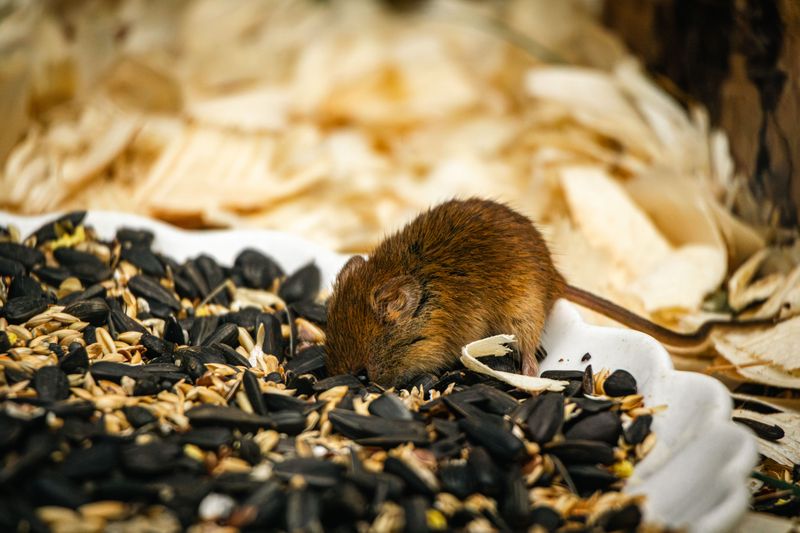
Bird feeders are beloved backyard features, but the seed that spills beneath them creates a rodent buffet.
Mice and voles flock to spilled seed like it is a free lunch, because it basically is. Coyotes follow rodents the way a dog follows a scent trail.
In Wyoming, where open land meets suburban yards, rodent populations can build up fast. A single bird feeder left unmanaged can quietly seed a mouse problem that draws coyotes right to your door.
The connection is more direct than most people expect. Switching to no-waste bird seed blends can reduce spillage significantly. These mixes use hulled seeds and pellets that birds eat more cleanly.
Less mess on the ground means fewer rodents, and fewer rodents means less reason for a coyote to visit.
Placing a tray beneath your feeder catches falling seed before it hits the ground. Clean the tray every couple of days to prevent buildup.
That one small habit can make a big difference in how attractive your yard is to local wildlife.
Some bird enthusiasts choose to bring their feeders in at night. Nocturnal rodents are most active after dark, so removing the food source during those hours cuts off their access.
Coyotes that hunt at night will find your yard much less interesting as a result. You do not have to give up feeding birds to keep coyotes away.
A few smart adjustments to your feeding setup can let you enjoy both goals at once, and that balance is absolutely achievable.
6. Standing Water From Birdbaths, Ponds, Or Leaky Sprinklers
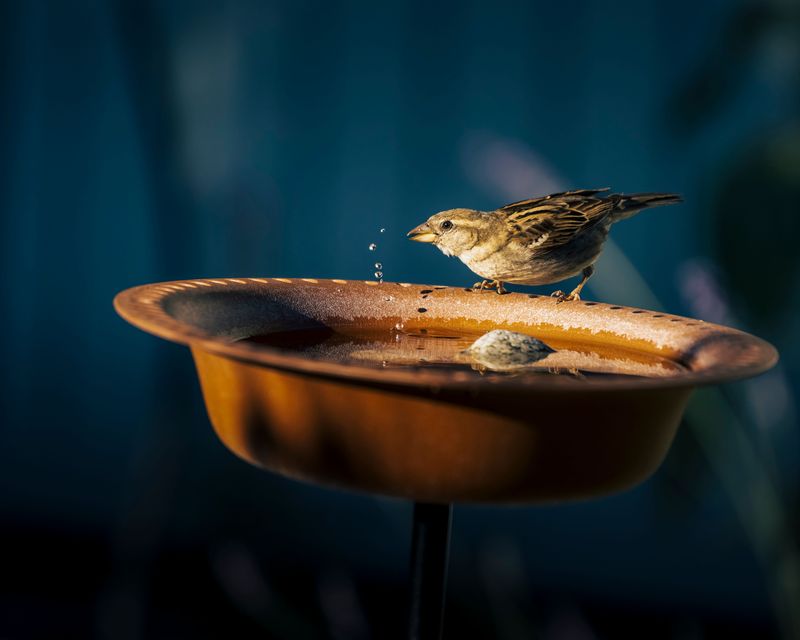
Water is a serious draw for wildlife, especially during Wyoming’s dry summers and cold winters when natural sources freeze or disappear.
A birdbath, garden pond, or puddle from a leaky sprinkler is like a roadside water fountain for passing coyotes. They will stop every time.
Coyotes need water just like any other animal. When natural streams and creeks run low, they look for alternatives in residential areas.
Your yard might be the most convenient hydration stop on their nightly route. Emptying birdbaths at night is an easy habit to start. Refill them in the morning for your feathered visitors and empty them again before dusk.
That simple schedule removes a nighttime resource without sacrificing your garden enjoyment.
Leaky sprinkler heads deserve attention beyond just water conservation. Pooling water near a fence line or garden bed creates a consistent water source that wildlife will learn to rely on.
Fixing leaks protects both your yard and your water bill. Decorative ponds are trickier to manage, but motion-activated lights or sprinklers near the pond can startle and discourage nighttime visitors.
Coyotes are wary animals, and sudden surprises go a long way in making them feel unwelcome. Consistency is key with this approach. Reducing accessible water in your yard does not mean giving up a beautiful garden.
Smart timing and minor repairs can make your outdoor space far less hospitable to coyotes while still staying lush, welcoming, and full of life for the guests you actually want.
7. Overgrown Brush And Wood Piles Offering Shelter
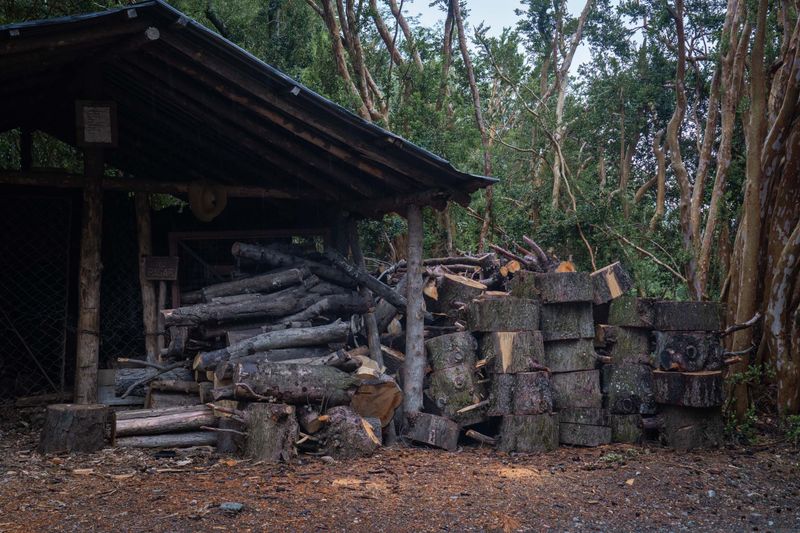
Coyotes do not just visit yards for food and water. They also look for safe places to rest, hide, and sometimes raise pups.
Overgrown brush piles and stacked wood create exactly the kind of sheltered, hidden spaces they prefer. Your backyard might be offering five-star lodging without you knowing it.
Dense shrubs along fence lines are especially appealing. They provide cover from predators, shade from the sun, and a quiet place to observe the surroundings.
A coyote that finds a cozy spot in your yard may decide to stay far longer than you would like.
Trimming back overgrown vegetation is one of the most impactful things you can do. Keep shrubs and low-growing plants pruned so there are no hidden gaps or tunnels at ground level.
Open, visible yards feel far less safe to cautious coyotes. Wood piles are another common shelter point. Stack firewood tightly and keep it elevated off the ground if possible.
Loose, sprawling stacks create perfect nesting spots for rodents and the coyotes that hunt them.
Inspect the perimeter of your yard regularly. Look for areas where brush has grown thick against fences or buildings.
Those shadowy corners are exactly where wildlife sets up camp when no one is paying attention.
A tidy yard is genuinely one of your best defenses. Coyotes prefer cover and concealment above almost everything else.
Take away their hiding spots, and your yard stops feeling like home to them, which is exactly the point.
8. Rodent Infestations Around The Home Or Garage
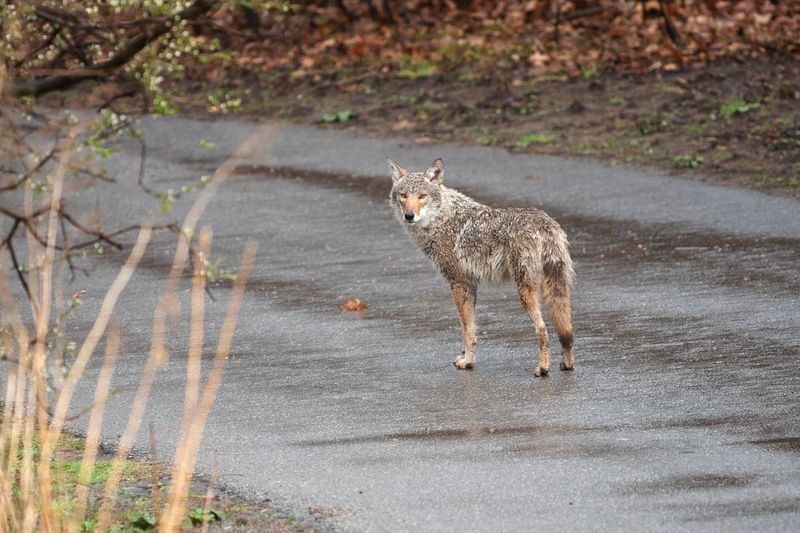
If mice are living in your walls or garage, coyotes already know about it. Their hearing is sharp enough to detect rodents moving under a layer of snow.
A mouse problem inside your home creates a coyote problem just outside it, and that cycle can be hard to break.
Rodents are the primary food source for coyotes across Wyoming. Where mice and voles thrive, coyotes follow with remarkable reliability.
Solving your rodent issue is one of the most powerful ways to make your yard less attractive to these canines.
Start by sealing any gaps or cracks around your foundation, garage doors, and utility entry points. Mice can squeeze through a hole the size of a dime, and coyotes can smell them doing it.
Blocking entry points cuts off the food signal at its source. Avoid using poison-based rodent control outdoors. Poisoned rodents can sicken or harm coyotes and other wildlife that eat them.
Snap traps placed in enclosed bait stations are a safer and equally effective alternative. Keep garage floors clean and free of food debris. Bird seed, dog food, and even crumbs stored in unsealed bags invite rodents inside.
Once they move in, every predator in the neighborhood takes notice. Addressing a rodent infestation is not just about comfort inside your home. It directly reduces the coyote activity around your Wyoming yard.
Fewer rodents means fewer reasons for coyotes to circle your property night after night, looking for an easy meal.