What Most People Get Wrong About Christmas Cactus Care In Summer
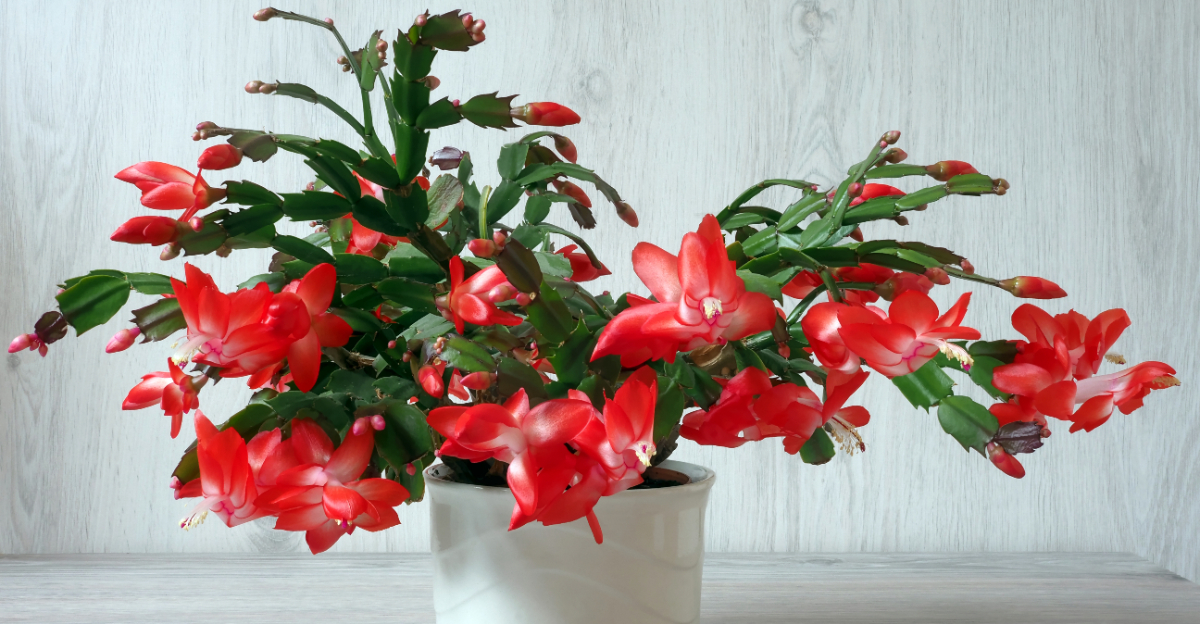
Christmas cactus owners fall into a trap every year. The holidays end, and the plant gets pushed to a corner shelf like it has nothing left to offer. Then summer arrives, and most people water it on autopilot and call it done.
That is exactly where things go wrong. Summer is not downtime for this plant, it is the season that quietly decides whether you get blooms in December or a sad tangle of flat, colorless stems.
The care decisions you make between June and August will either set the stage for a stunning holiday display or guarantee disappointment. And the mistakes are surprisingly easy to make, even for experienced plant owners.
Get summer right, and this plant will do everything you want it to when the season finally calls for it.
1. Treating It Like A Summer Plant Is Where The Trouble Starts
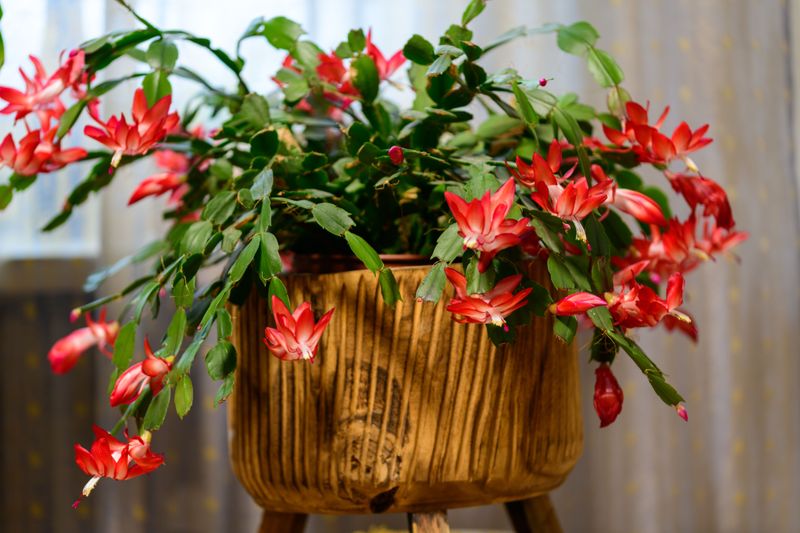
Most houseplant owners lump everything together without thinking twice. Your Christmas cactus is not a summer plant, and treating it like one is the first mistake people make with Christmas cactus care in summer.
This plant originates from the shaded forest floors of Brazil. It naturally grows under tree canopies, far from harsh sun and dry heat.
Summer in Brazil means filtered light and moderate to high humidity. That environment is nothing like a sunny American windowsill in July.
When you treat it like a tropical sun-lover, the stems get pale and limp. The plant is sending you a clear signal that something is off.
Understanding its background changes everything about how you care for it. Stop thinking of it as a cactus that craves heat and sun.
The name is misleading, honestly. It is technically a forest cactus, not a desert one.
Forest cacti need shade, moisture, and gentle temperatures. Desert cacti need the opposite, and mixing them up causes real problems.
Once you shift your mindset, the right care decisions become much easier to make. Think of summer as a quiet recovery season, not a growth explosion.
Your plant is resting and building energy for its big bloom later. Respect that rhythm and you are already ahead of most plant owners.
Give it the right conditions now, and December blooms will feel like a well-earned reward.
2. Watering More Often Is Not The Answer
Soggy roots are the quiet problem that takes down this plant fast. Overwatering in summer is one of the most common errors in Christmas cactus care, and it happens with the best intentions.
People see the heat outside and assume the plant needs more water. That logic works for some plants, but not this one.
In summer, the Christmas cactus slows down its growth. A slower plant uses less water, plain and simple.
The soil should dry out slightly between waterings. Stick your finger about an inch into the soil before reaching for the watering can.
If the soil feels damp, walk away and check again in two days. Patience here protects the roots from rot.
Root rot is sneaky because the damage happens underground. By the time you notice drooping stems, the roots may already be damaged.
Good drainage matters just as much as your watering schedule. Make sure the pot has holes at the bottom so excess water escapes freely.
Never let the plant sit in a saucer full of standing water. That pooled water keeps the roots wet long after you think the watering is done.
A terracotta pot can actually help here because it allows moisture to evaporate through the sides. It is a simple swap that makes a noticeable difference.
Water deeply but infrequently, and your plant will thrive through the hottest months without complaint.
3. Direct Sun Will Do More Harm Than Good
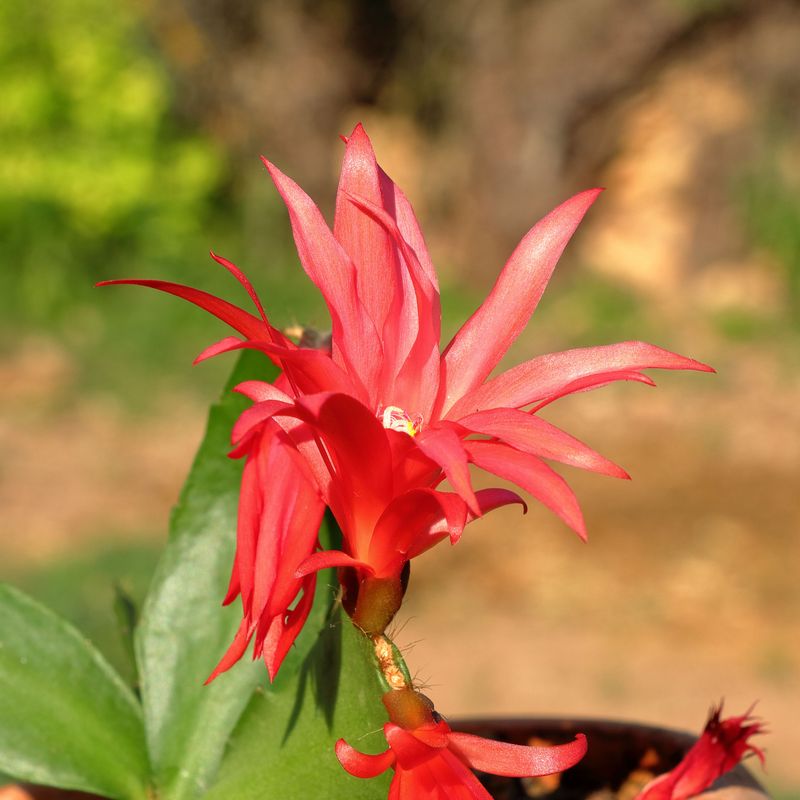
Bright afternoon sun can scorch those flat green stems fast. Many plant owners think more light equals more growth, but direct sun is one of the worst things for Christmas cactus care in summer.
Those stems are not built for intense UV exposure. They evolved under forest canopies where light is soft and filtered all day long.
A south-facing window in July can get brutally intense. Even a few hours of direct afternoon sun can bleach the stems to a pale, washed-out yellow.
Once the stems bleach, they rarely recover their deep green color fully. Prevention is far smarter than trying to fix the damage afterward.
Move the plant a few feet back from the window. Indirect bright light is the sweet spot for healthy summer growth.
A sheer curtain works wonderfully as a light filter. It lets in enough brightness without the harsh intensity that causes stress.
East-facing windows are often ideal during summer months. Morning light is gentler and less likely to cause any burning or bleaching.
If you move your plant outdoors for summer, choose a shaded porch or covered patio. Never place it where midday sun hits directly.
Outdoor summer placement can actually benefit the plant when done carefully. Fresh air and filtered natural light mimic its native environment beautifully.
Protect those stems now, and they will be lush and ready to set buds when fall temperatures begin to drop.
4. High Heat Without Humidity Stresses The Plant
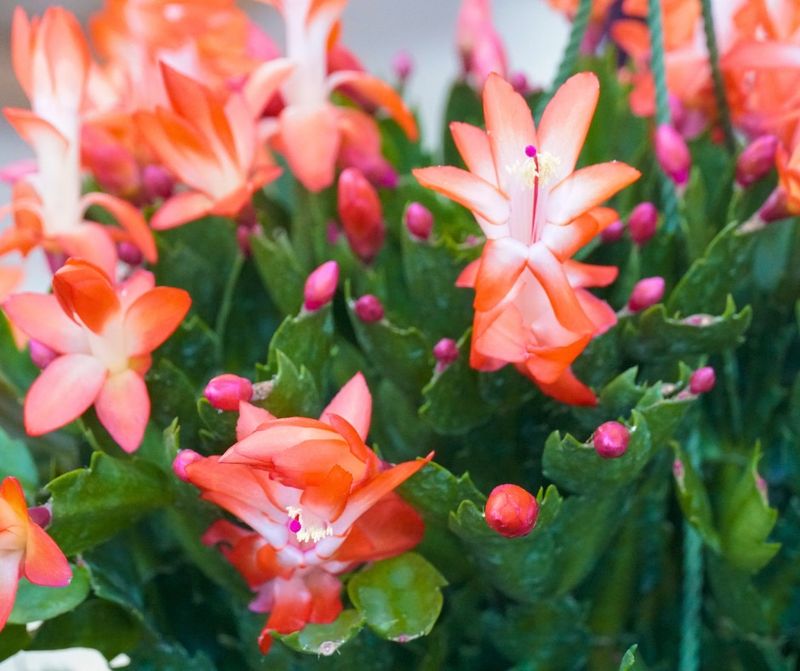
Air conditioning feels great for people, but it is rough on this plant. Dry, artificially cooled air creates a low-humidity environment that stresses a Christmas cactus more than most owners realize.
The plant originally lives in a humid Brazilian forest. It expects moisture in the air, not just in the soil.
When indoor humidity drops below 50 percent, the stems can start to shrivel slightly. That shriveling is the plant trying to conserve whatever moisture it has left.
A simple humidity tray can make a noticeable difference. Fill a shallow tray with pebbles and water, then set the pot on top without letting it touch the water.
As the water evaporates, it creates a small humid zone around the plant. It is an easy, low-cost fix that works surprisingly well.
A small humidifier nearby is another solid option. Even running it for a few hours each day helps maintain a comfortable moisture level.
Grouping plants together also raises local humidity naturally. Plants release moisture through their leaves, and a cluster of pots creates a mini humid microclimate.
Keep the plant away from heating vents, air conditioning ducts, and drafty windows. Temperature swings are stressful, but dry airflow is equally damaging.
Consistent warmth between 65 and 80 degrees Fahrenheit is the target range. Anything above 90 degrees can cause the plant to drop segments as a stress response.
Balance heat and humidity together, and your plant stays resilient all summer long.
5. Skipping Fertilizer Means Missing A Key Growth Window
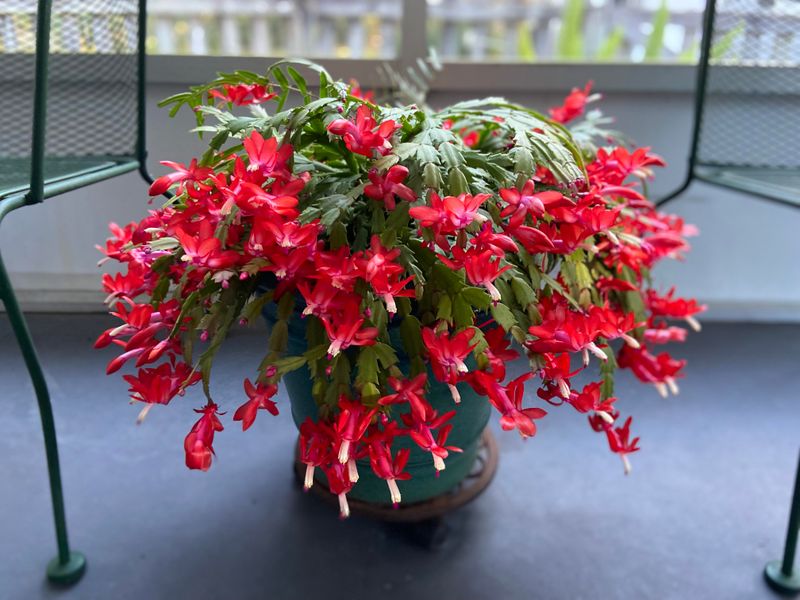
Summer looks quiet on the surface, but underground something important is happening. Skipping fertilizer during summer is a missed opportunity that affects Christmas cactus bloom quality months down the road.
The plant is actively building roots and storing nutrients during these warmer months. Feeding it now gives it the fuel it needs for a strong fall bud set.
A balanced liquid fertilizer works well for this purpose. Look for something labeled 20-20-20 or a formula made specifically for cacti and succulents.
Feed the plant once a month from spring through late summer. Avoid fertilizing in fall and winter when the plant shifts into its pre-bloom rest phase.
Too much fertilizer is also a problem worth mentioning. Over-fertilizing causes salt buildup in the soil, which damages roots over time.
Always water the plant before applying fertilizer. Feeding dry soil can shock the roots and cause more harm than skipping the feeding entirely.
Dilute liquid fertilizer to half strength if you are unsure. A gentler dose applied consistently beats a heavy dose applied randomly.
Slow-release granular fertilizer can work in a pinch, though liquid fertilizer gives you better control over the dose. If you go the granular route, sprinkle it on the soil surface and let watering do the rest gradually.
Watch the plant after feeding for any signs of leaf burn or unusual yellowing. Those are signs the fertilizer concentration may be too strong.
Consistent summer feeding builds a stronger, more bloom-ready plant by the time October arrives.
6. Repotting In Summer Can Set It Back Significantly
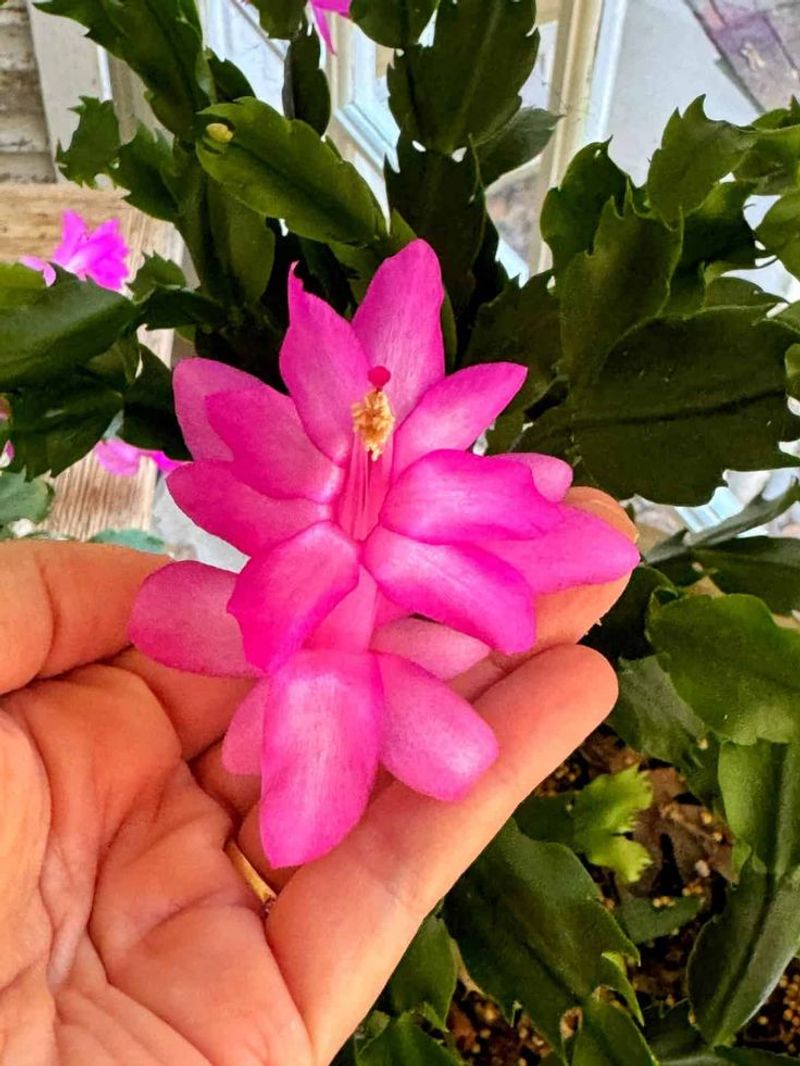
Repotting feels productive, but timing matters more than most people think. Doing it in summer puts the plant through unnecessary stress during an already demanding season.
The combination of heat, lower humidity, and disrupted roots is a tough triple threat. Your Christmas cactus needs stability in summer, not a major upheaval.
Spring is the ideal window for repotting this plant. Just after blooming ends and before summer heat peaks is the sweet spot.
If you missed spring, wait until early fall before temperatures drop sharply. The plant handles transplant stress better when conditions are mild and stable.
Signs that repotting is truly needed include roots poking out of drainage holes. You might also notice the plant drying out unusually fast after watering.
Choose a new pot only one size larger than the current one. Going too big causes excess moisture to linger in unused soil, which invites rot.
A well-draining potting mix is essential for a healthy transplant. Blend standard potting soil with perlite or coarse sand for better aeration.
After repotting, keep the plant in a shaded spot for at least two weeks. Avoid fertilizing immediately since fresh soil already contains nutrients the roots can access.
Water lightly right after repotting, then hold back slightly for the first week. This encourages roots to reach outward in search of moisture.
Patience after repotting pays off, and your plant will settle in stronger than before.
7. Ignoring The Rest Period Sets Up A Weak Bloom Season
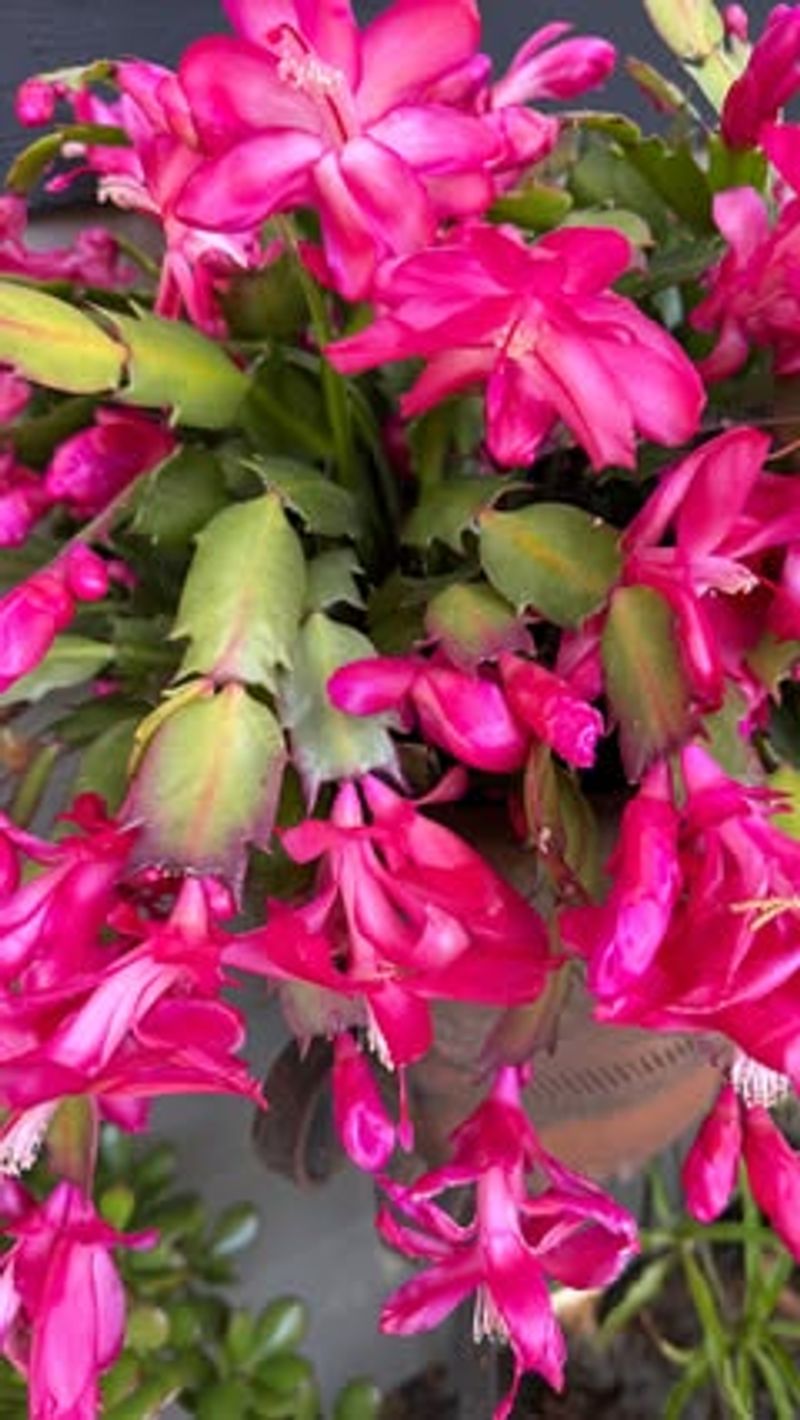
Summer quiet does not mean summer simple. Most owners assume that because the Christmas cactus is not blooming, it does not need much attention, but that assumption quietly undermines the entire growing cycle.
The rest period typically begins after the spring blooms fade and runs through mid to late summer. During this window, the plant is conserving energy and preparing its internal resources for the demanding task of bud production later in the year.
What this means practically is that you should scale back watering slightly and avoid moving the plant to new locations.
Consistency is what the plant needs most during rest. Frequent changes to light exposure, temperature, or watering rhythm send mixed signals that can delay or reduce bud set when fall arrives.
One of the most overlooked aspects of the rest period is light duration. As summer progresses and days stay long, the plant registers that it is not yet time to bloom, and that is completely normal.
Come September, shorter days and cooler nights naturally trigger bud formation. Your job in summer is simply to keep the plant stable and undisturbed so it arrives at that trigger point in the best possible condition.
Think of the rest period as loading a spring. The more stable and stress-free summer is, the more energy releases when blooming season finally arrives.
8. Pruning At The Wrong Time Costs You Next Year’s Flowers
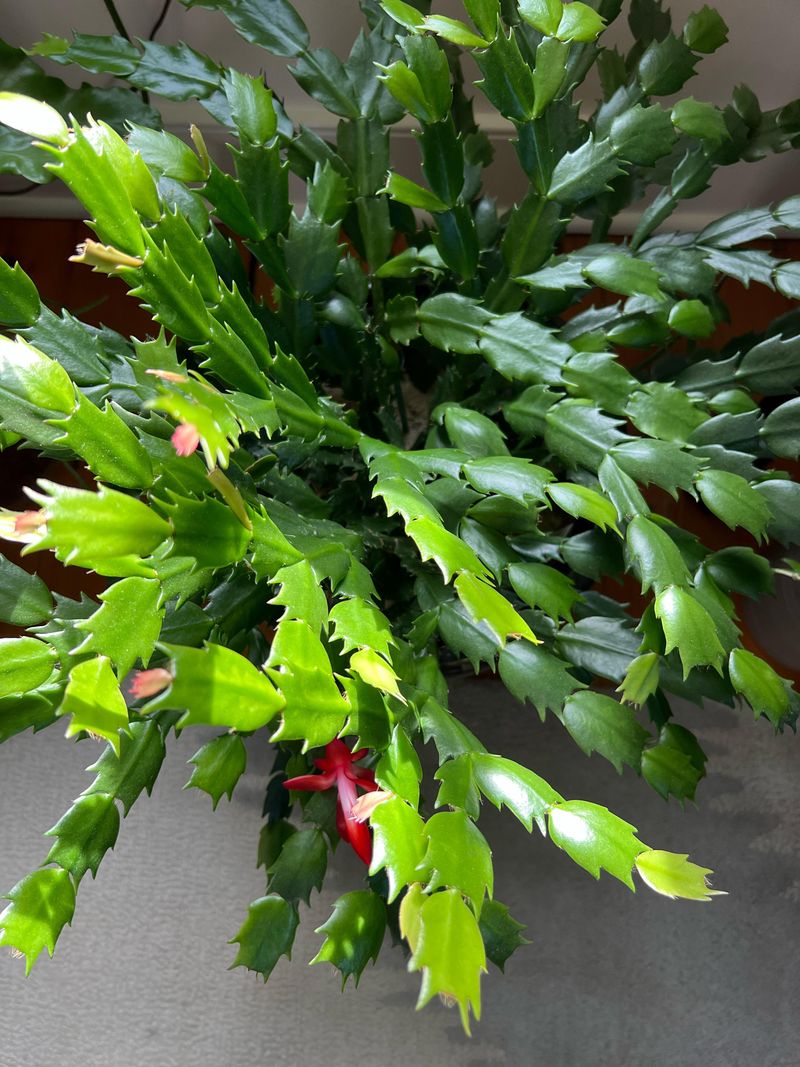
Pruning feels like maintenance, but timing it wrong can wipe out an entire bloom season before it even starts. This is one of those mistakes that does not show consequences until months later, which makes it easy to overlook.
The best time to prune a Christmas cactus is right after it finishes blooming, typically in late winter or early spring. At that point, the plant has already used its stored energy for flowers and is ready to push out new growth.
Pruning in summer is the problem. By midsummer, the plant may already be developing the segments that will eventually carry next season’s buds, and cutting those off means cutting off future flowers.
The pruning process itself is straightforward. Pinch or twist off one to three segments at the joints rather than cutting with scissors, which can leave ragged edges that invite bacterial issues.
Light pruning encourages bushier, more compact growth. A fuller plant produces more branching points, and more branching points mean more places for buds to form come fall.
Never remove more than a third of the plant at one time. Aggressive pruning stresses the root system and can trigger segment drop even outside of normal stress conditions.
If you notice any damaged, shriveled, or discolored segments during summer, those can be removed carefully without affecting bloom potential. Removing compromised growth actually redirects energy toward healthier segments.
Save the shaping and trimming for after bloom season ends. Your plant will be easier to work with and far more forgiving when it is not in the middle of building toward its next big display.