Who Is Responsible For Cleaning Up Leaves And Debris From A Neighbor’s Oregon Tree
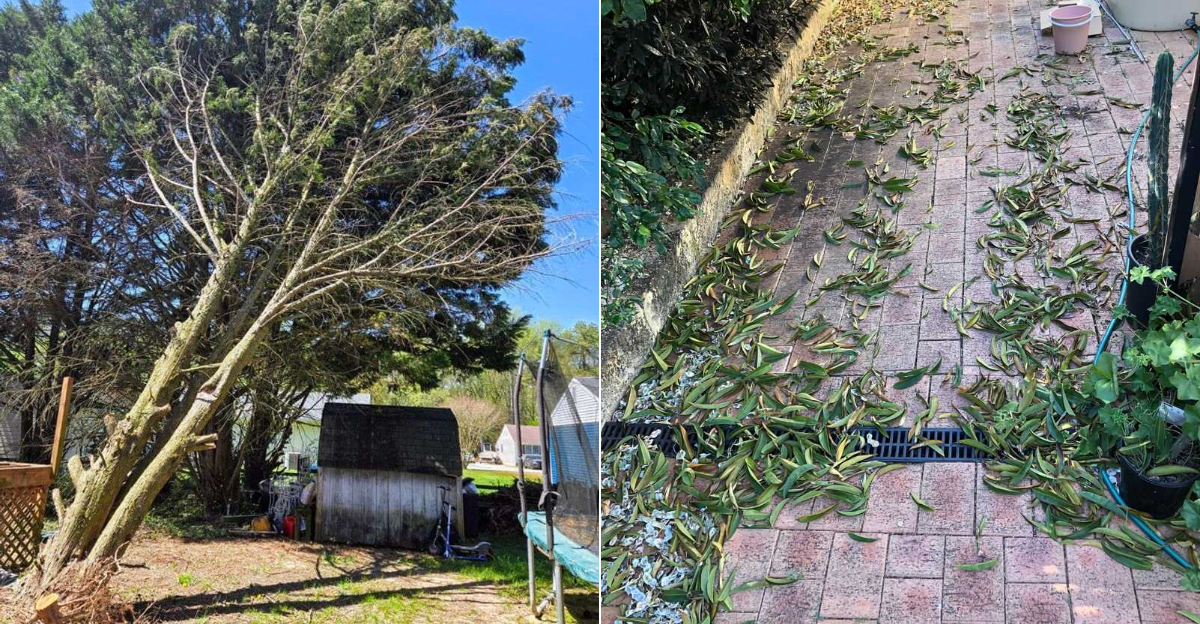
Fallen leaves can turn a neighbor’s beautiful tree into a seasonal headache fast. One week the shade feels nice.
The next, your gutters, lawn, or driveway may be covered in cleanup work you did not ask for.
Oregon homeowners often wonder if the person who owns the tree has to handle the mess once it lands across the property line.
The answer is not always what people expect. Normal leaf drop is usually treated differently than damage from a neglected or unsafe tree.
Location matters too, but so does whether the debris is just part of everyday nature. Before starting an awkward fence line conversation, it helps to know how responsibility is usually viewed.
A little clarity can keep a pile of leaves from turning into a bigger neighbor dispute.
1. Fallen Leaves Usually Become Your Cleanup Problem
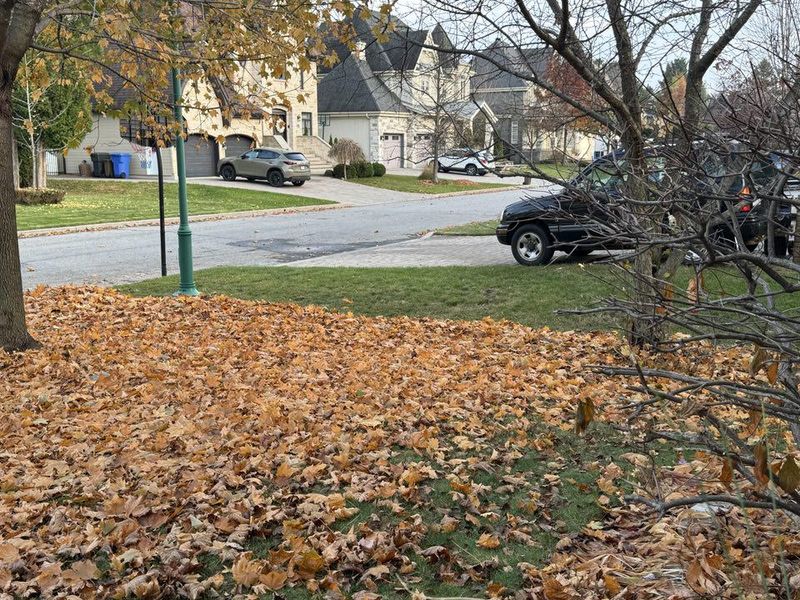
Most people are surprised to learn that once leaves land on your property, they become your responsibility. It does not matter where the tree is located.
Once that debris crosses the property line and lands in your yard, you are the one who needs to clean it up.
This rule applies across Oregon and is backed by long-standing legal tradition. Courts have consistently ruled that a neighbor is not required to pick up leaves that fall naturally from a healthy tree.
Natural leaf drop is considered a normal part of owning property near trees.
It can feel unfair, especially when your yard fills up with someone else’s leaves every autumn.
But the law looks at it as a shared experience of living near nature. You are expected to manage what lands on your land.
The best approach is to stay ahead of it with regular raking or leaf blowing. Investing in a good leaf blower or mulching mower can make the job much easier.
Some homeowners also use leaf collection services in their area. Talking to your neighbor about the situation is always a good idea. They may be willing to help trim the tree or share the cost of a cleanup service.
A calm, respectful conversation can go a long way toward keeping the peace between neighbors.
2. A Healthy Tree Dropping Leaves Is Usually Not Negligence
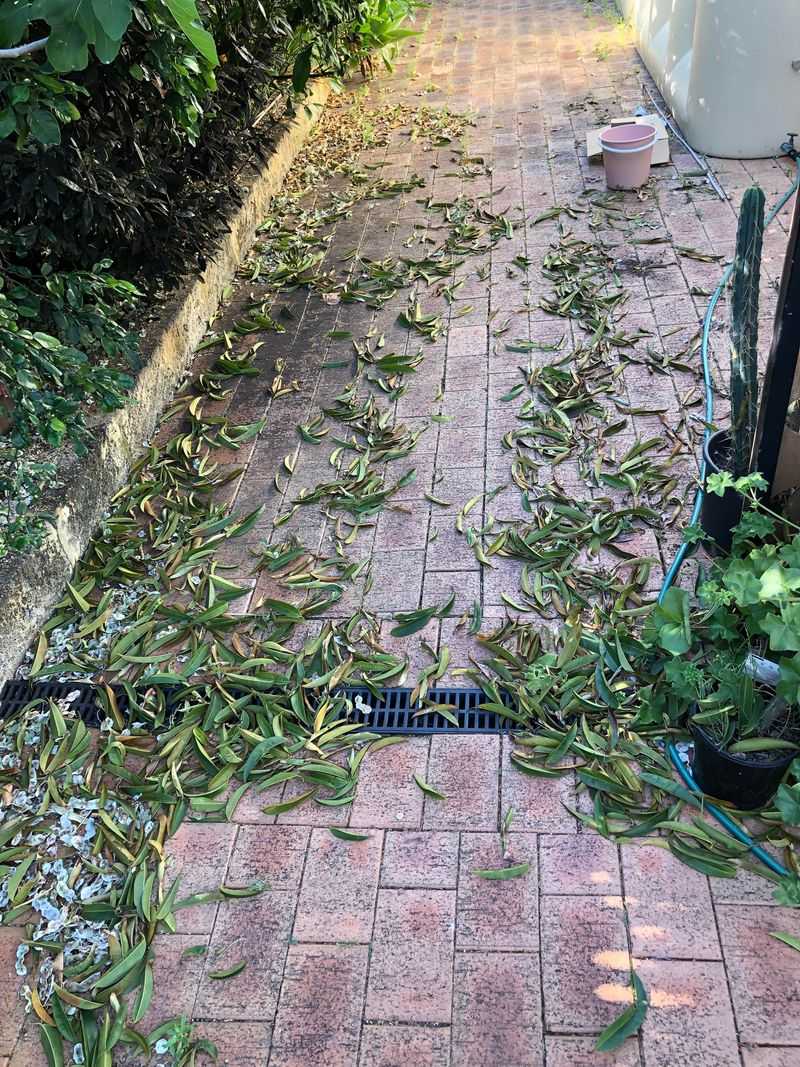
Some homeowners get so fed up with fallen leaves that they consider taking legal action against their neighbor. Before going that route, it helps to understand what the law actually says about healthy trees.
A tree that is alive and well-maintained is not considered a legal nuisance just because it drops leaves. Leaf drop is a natural, seasonal process.
No court is going to hold your neighbor responsible for something a healthy tree does every fall without any human involvement.
Negligence in tree law usually involves something more serious. It means the tree owner knew about a problem, like a diseased trunk or cracked branch, and chose to do nothing about it.
Simply owning a leafy tree is not negligence.
This distinction matters a lot if you are thinking about filing a complaint or a lawsuit. You would need to prove that the tree posed an actual hazard and that your neighbor ignored it.
Your Oregon Garden Changes Every Week. Your Plan Should Too.
Gardening in Oregon changes quickly throughout the season. Every Friday you’ll receive a simple weekly plan showing exactly what to plant, prune, fertilize, harvest, and protect so you never miss the right timing.
Leaf drop alone will not hold up as a legal claim. Knowing this can actually be a relief. It means you do not need to worry about being sued just because your own tree drops leaves into a neighbor’s yard either.
Both sides are protected when the tree is healthy and well-kept. Focus your energy on managing the debris rather than building a legal case. It saves time, money, and the relationship with the people next door.
3. Natural Debris Is Different From Tree Damage
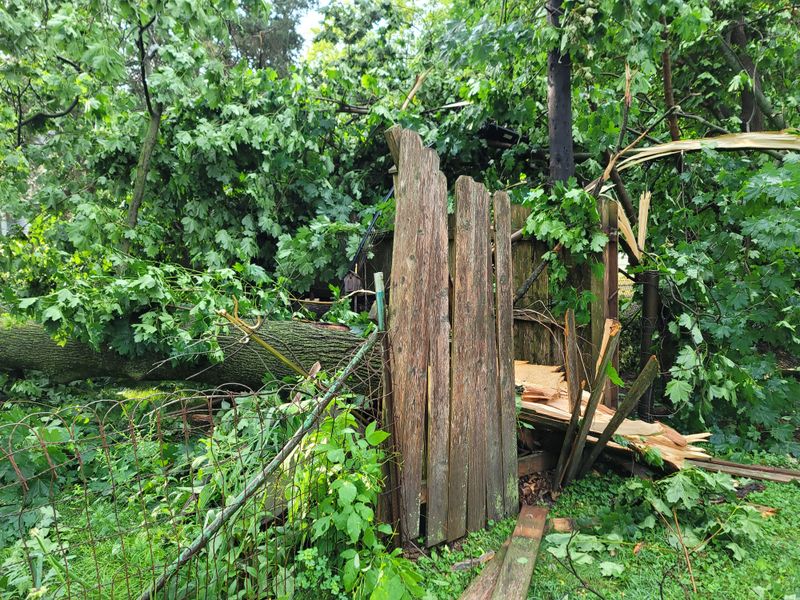
There is a big difference between a leaf landing in your yard and a heavy branch crashing through your fence.
The law treats these two situations very differently, and it is important to understand which category your situation falls into.
Natural debris like leaves, small twigs, and seed pods is considered part of normal tree behavior.
No one is held legally responsible for that kind of material drifting onto your property. It is just nature doing its thing.
Tree damage is a whole different story. If a branch falls and breaks your fence, crushes your garden, or damages your car, you may have a valid claim depending on the circumstances.
The key factor is whether the tree owner knew or should have known the tree was a risk.
For example, if a tree had a visibly damaged limb hanging over your yard for months and your neighbor did nothing about it, that changes things.
A property owner who ignores known hazards can be held liable for the damage those hazards cause.
Documenting the condition of a tree before damage occurs is smart. Take photos, note the dates, and keep records of any conversations you have with your neighbor about the issue.
That kind of evidence can be very useful if you ever need to file an insurance claim or take legal action.
Understanding this difference helps you know when to grab a rake and when to call a lawyer.
4. Your Neighbor May Be Responsible If The Tree Is Dangerous
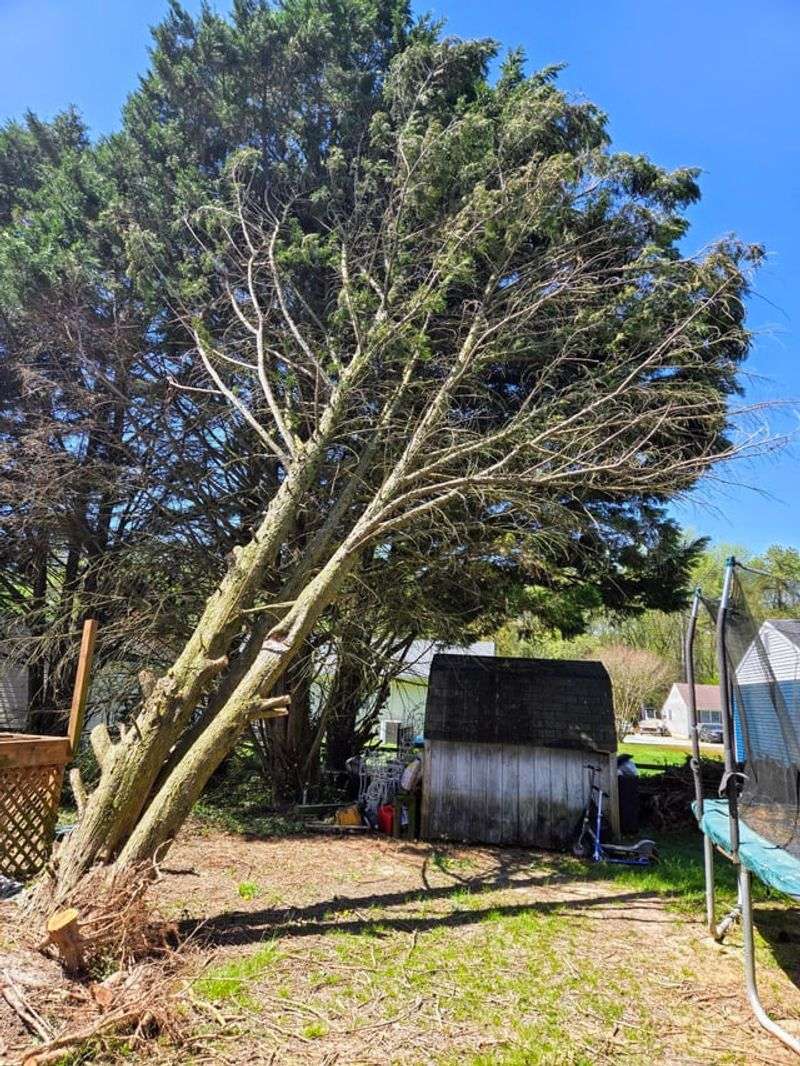
Not every tree situation is a simple leaf cleanup issue. When a tree becomes dangerous, the rules shift, and your neighbor’s responsibility increases significantly.
A dangerous tree is one that shows signs of serious problems. This includes a withered or hollow trunk, large cracks in major limbs, heavy leaning toward a structure, or visible root damage.
These are warning signs that the tree could fall and cause real harm.
Property owners are expected to take reasonable care of trees on their land. If a tree is clearly hazardous and the owner does nothing, they can be held liable for any damage it causes.
The word “reasonable” is key here. Courts look at what a reasonable person would have done in the same situation.
If you believe your neighbor’s tree is dangerous, start by having a calm conversation with them.
Many people are unaware of the condition of their trees, especially if the problem is on the side facing your yard. A friendly heads-up can solve the issue quickly.
If talking does not work, consider sending a written notice. This creates a paper trail showing that you informed your neighbor of the problem.
After receiving notice, the neighbor has a responsibility to act.
You can also contact your local city or county office. Some areas have ordinances that require property owners to maintain trees that pose a safety risk to others.
5. Document Problems With Hazardous Branches
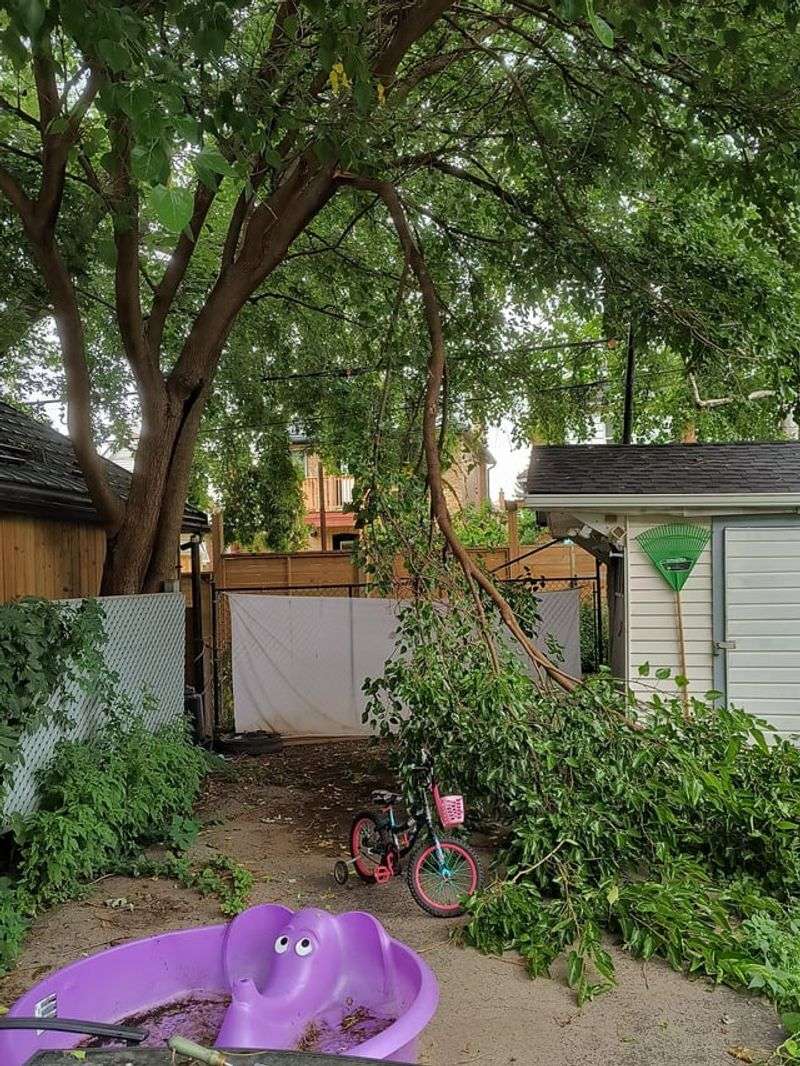
Good documentation can make all the difference when a tree dispute turns into a legal or insurance matter.
If you spot a damaged or hazardous branch hanging over your property, start keeping records right away.
Take clear photos from multiple angles. Make sure the images show the branch’s condition, its location relative to the property line, and any structures it might fall on.
Date-stamped photos are especially useful because they show a timeline of the problem.
Write down every interaction you have with your neighbor about the issue. Include the date, what was said, and how they responded.
If you send a written notice, keep a copy for yourself. If you leave a voicemail, note that down too.
This kind of paper trail is valuable for a few reasons. If the branch eventually falls and causes damage, your documentation shows that the hazard was known and ignored.
That can strengthen an insurance claim or a legal case significantly.
You should also consider hiring a certified arborist to assess the tree. An arborist can provide a professional written opinion about the tree’s condition and any risks it poses.
That expert report adds serious weight to your case if things ever go to court.
Do not wait for something bad to happen before you start documenting. The sooner you begin keeping records, the stronger your position will be if the situation ever escalates.
Being proactive protects you and your property.
6. You Can Trim Overhanging Branches Carefully
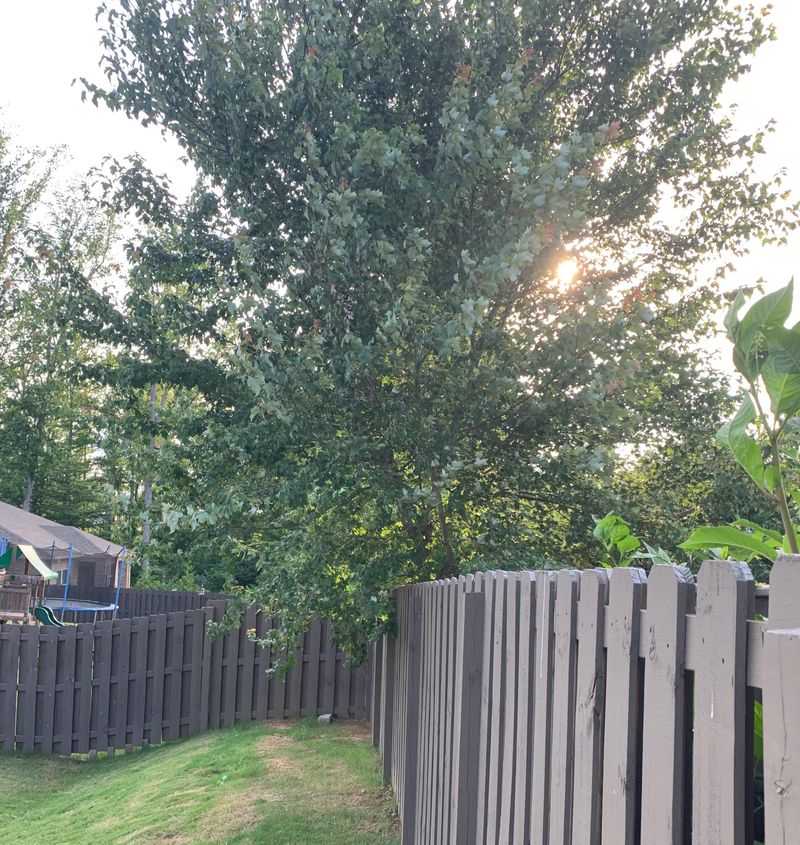
Here is something most people do not know: you have the legal right to trim branches that hang over your property, up to the property line.
You do not need your neighbor’s permission to do this, but you do need to be careful about how you go about it.
The right to trim only extends to your side of the property line. You cannot go onto your neighbor’s land to cut branches, and you cannot cut further back than where the property line sits.
Anything beyond that boundary belongs to your neighbor, and touching it without permission could get you into legal trouble.
Always use proper pruning techniques when cutting branches. A bad cut can harm the tree and lead to disease or structural weakness.
If the branch is large or located near power lines, hire a licensed arborist or tree service to do the work safely.
Be aware that if your trimming harms or destroys the tree, you could be held liable for its value. Tree damage disputes can get expensive quickly.
Courts in Oregon have awarded significant damages to tree owners when a neighbor’s trimming was reckless or excessive.
Talk to your neighbor before you start trimming, even if you are legally allowed to do it. Giving them a heads-up shows respect and often prevents conflict.
Some neighbors may even offer to have the work done professionally at their own expense once they realize the branches are a problem.
7. Do Not Cross The Property Line Without Permission
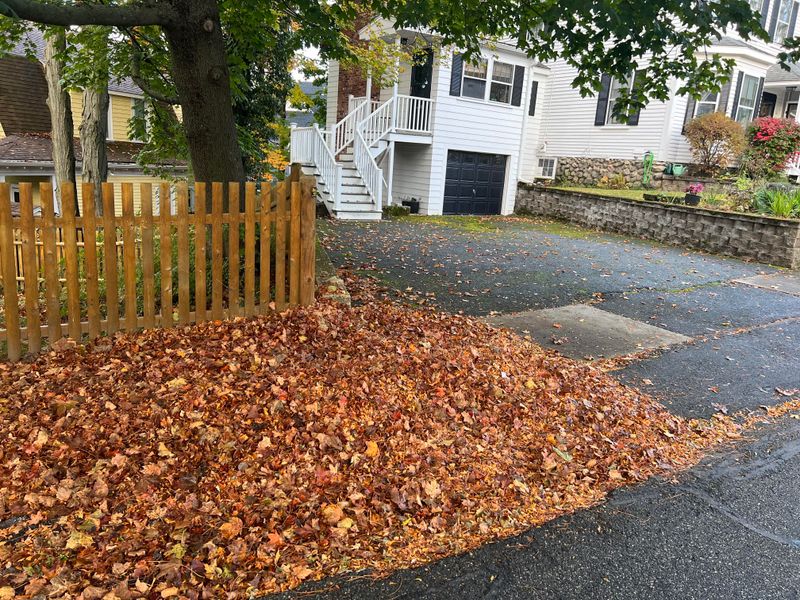
Property lines are more than just invisible boundaries. They are legally enforced limits that define where your rights end and your neighbor’s rights begin.
Crossing that line without permission, even with good intentions, can create serious legal problems.
Even if a tree branch is dropping leaves all over your yard, you cannot walk onto your neighbor’s property to deal with it without their consent.
Entering someone else’s land without permission is considered trespassing, and it can expose you to a lawsuit.
This rule applies even if you are just trying to clean up debris at the base of the tree or remove a fallen branch that originated from their side. The moment you step past the property line, you are on their turf.
The smart move is always to ask first. Most neighbors will say yes, especially if you explain what you want to do and why.
Getting permission in writing, even just a quick text message, gives you a record that you were invited onto the property.
If your neighbor refuses and the problem is causing real damage to your property, you may need to explore legal options. A property attorney can advise you on what steps are available.
In some cases, a formal written notice or a court order may be needed to resolve the situation.
Respecting property lines keeps the relationship civil and keeps you out of legal hot water. It is always worth taking the extra step to do things the right way.
8. Do Not Damage The Neighbor’s Tree
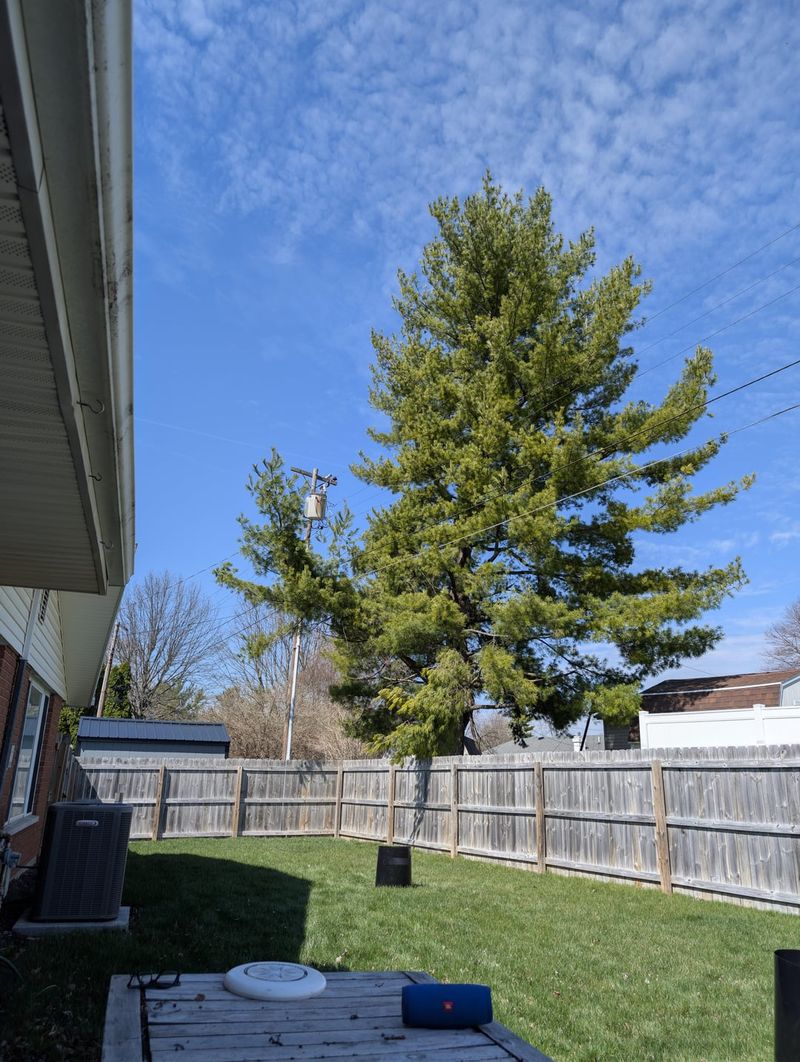
Frustration with fallen leaves and debris can sometimes push people to take drastic action. Deliberately harming a neighbor’s tree, however, is never the right move and can land you in serious legal trouble.
Intentionally cutting roots, applying herbicide, or removing bark to harm a tree is considered property destruction. In Oregon, tree damage laws are taken seriously.
A neighbor can sue you for the value of the tree, and that value can be surprisingly high depending on the size and species.
Courts do not just look at the lumber value of a tree. They consider its aesthetic value, its age, its contribution to the landscape, and the cost of replacement.
A large, mature tree can be worth thousands of dollars under Oregon property law.
Even accidental damage can cause problems. If you are trimming branches and you accidentally cut too far into the trunk or strip bark from the main stem, you could be held responsible.
Always use proper techniques and hire a professional if you are unsure.
The best protection is to communicate openly with your neighbor. Most disputes over trees come down to a lack of communication.
When both sides talk things through calmly, solutions are usually easier to find than expected.
Respecting your neighbor’s tree, even when it causes inconvenience, is both legally smart and personally respectful. It keeps the relationship intact and avoids costly legal battles that no one really wants to deal with.
9. Check Local Rules Before Blowing Leaves Into The Street
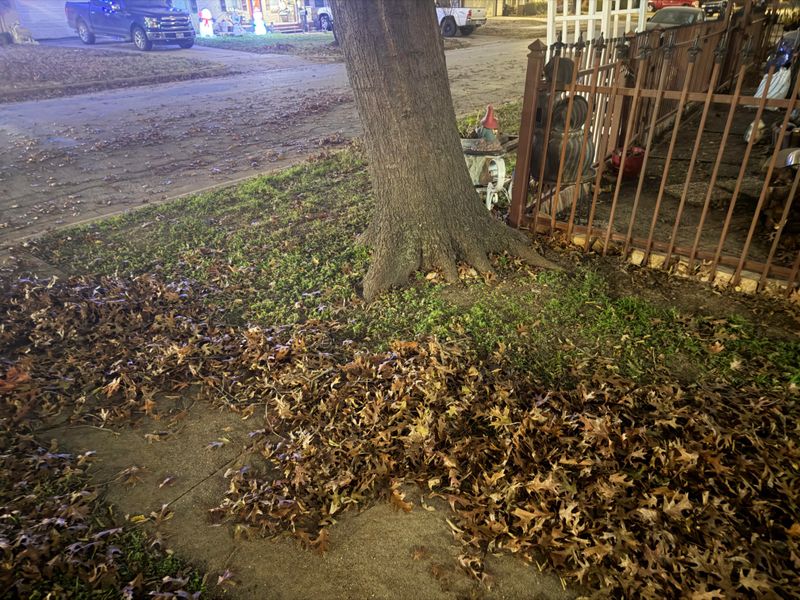
When the leaves pile up, it is tempting to just blow them out to the curb and be done with it.
But before you do, it is worth checking your local city or county rules about leaf disposal. Not every area allows this, and some places have strict regulations.
Many Oregon cities have rules against blowing leaves or debris into the street. The reason is simple: loose leaves in the road can clog storm drains, create slippery conditions for drivers, and cause flooding during heavy rain.
Local governments take these issues seriously. Some municipalities offer a seasonal leaf collection program where residents can rake leaves to the curb on specific pickup days.
Outside of those scheduled days, leaving leaves in the street may result in a fine. Check your city’s website or call your local public works department to find out the rules in your area.
Composting is a great alternative. Many homeowners create a compost pile in a back corner of their yard where leaves can break down naturally over time.
Leaf mulch is excellent for gardens and flower beds and saves money on fertilizer.
Bagging leaves for curbside green waste pickup is another solid option. Most areas in Oregon offer green waste collection as part of regular garbage service.
This keeps leaves out of the street and out of storm drains. A little research goes a long way. Knowing your local rules saves you from fines and keeps your neighborhood clean and safe for everyone.
10. City Street Trees May Have Different Rules
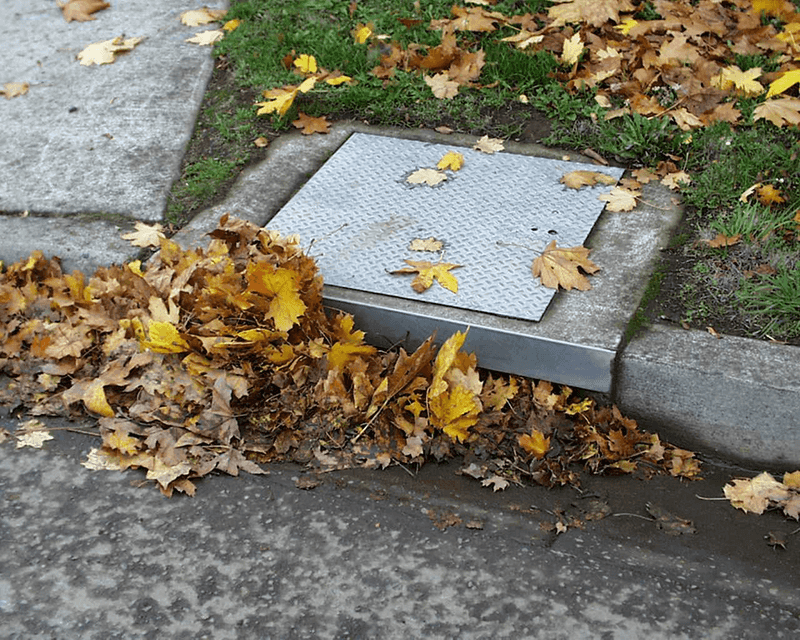
Trees planted along city streets are a special case when it comes to cleanup responsibility. These trees are often owned and maintained by the city or municipality, not the adjacent property owner.
That changes who is responsible for the debris they produce. In many cities across Oregon, the municipality is responsible for maintaining street trees.
This includes pruning, removal of hazardous branches, and sometimes leaf cleanup in high-traffic areas.
However, sidewalk cleanup near those trees often falls to the adjacent homeowner.
Rules vary quite a bit depending on where you live. Some cities require homeowners to keep the sidewalk in front of their property clear of leaves and debris, even if the leaves came from a city-owned tree.
Failure to do so can result in a fine or a notice from the city. If you are unsure about the rules in your area, contact your city’s parks department or public works office.
They can tell you exactly what is expected of you and what the city will handle.
Many cities also have online portals where you can report hazardous street trees. Street trees add real beauty and value to neighborhoods. They provide shade, improve air quality, and make streets more walkable.
Understanding who manages them helps everyone do their part to keep the neighborhood looking great.
When a city street tree drops branches or causes damage to private property, contact the city directly. They have teams trained to assess and address those situations quickly and safely.