How To Grow Dragon Fruit In California Backyards Without A Lot Of Space
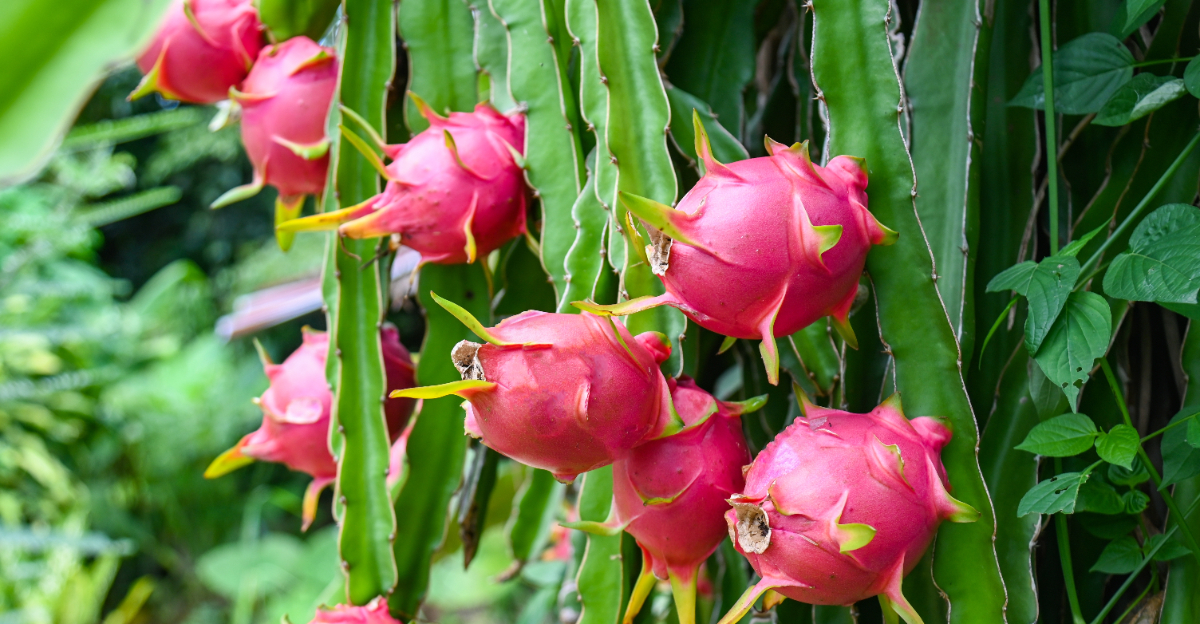
Dragon fruit looks like something that needs a huge tropical setup, but it can fit into a California backyard better than many gardeners expect.
This climbing cactus grows upward, which makes it useful for small spaces with strong support.
A sunny corner, sturdy post, or large container can give it room to grow without taking over the yard. The plant has a bold look even before fruit appears, so it can double as an eye-catching patio feature.
Warmth matters, but so does protection from harsh exposure when plants are young. Good drainage is just as important as sunlight.
Once dragon fruit settles in, the real reward is watching those wild flowers and colorful fruit develop.
For gardeners short on space but big on curiosity, this plant can turn a small backyard spot into something surprisingly productive.
1. A Sturdy Post Saves The Most Backyard Space
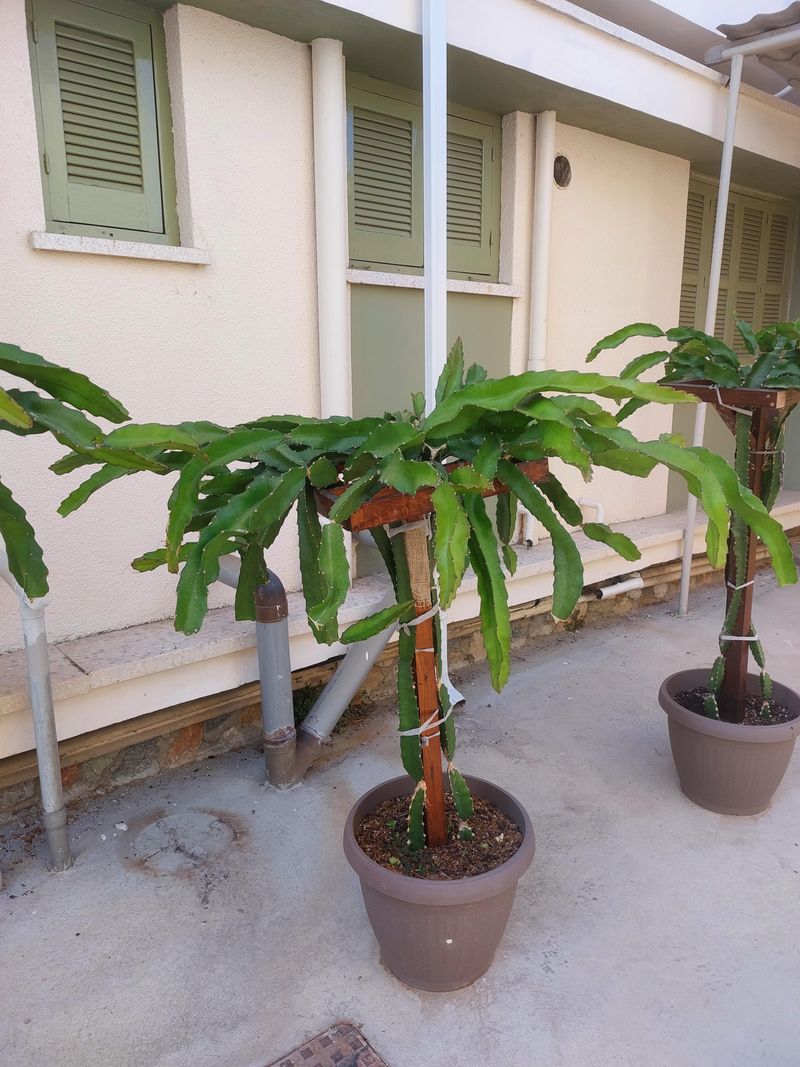
One of the smartest moves a small-space gardener can make is going vertical. A single sturdy post planted in the ground gives dragon fruit a place to climb instead of sprawl.
This saves a huge amount of ground space in your backyard.
Dragon fruit is a climbing cactus by nature. In the wild, it wraps itself around trees and rocks to reach sunlight.
A post mimics that natural support and keeps the plant growing in a tight, manageable column shape.
Use a wooden, metal, or concrete post that stands at least five to six feet tall. Make sure it is set deep enough in the ground so it does not wobble when the plant gets heavy.
The stems of a mature dragon fruit can weigh a lot, especially when fruit is hanging from them.
You can use soft plant ties or strips of cloth to gently secure the stems to the post as they grow. Check the ties every few weeks and loosen them if they start cutting into the stem.
The goal is to guide the plant upward, not restrict it.
Many backyard growers in California use a single post per plant and get great results. Once the stems reach the top of the post, they will naturally cascade down in a fountain shape.
That cascading growth is actually where most of the flowers and fruit appear, so do not be alarmed when it happens.
2. Containers Work Well For Small Patios
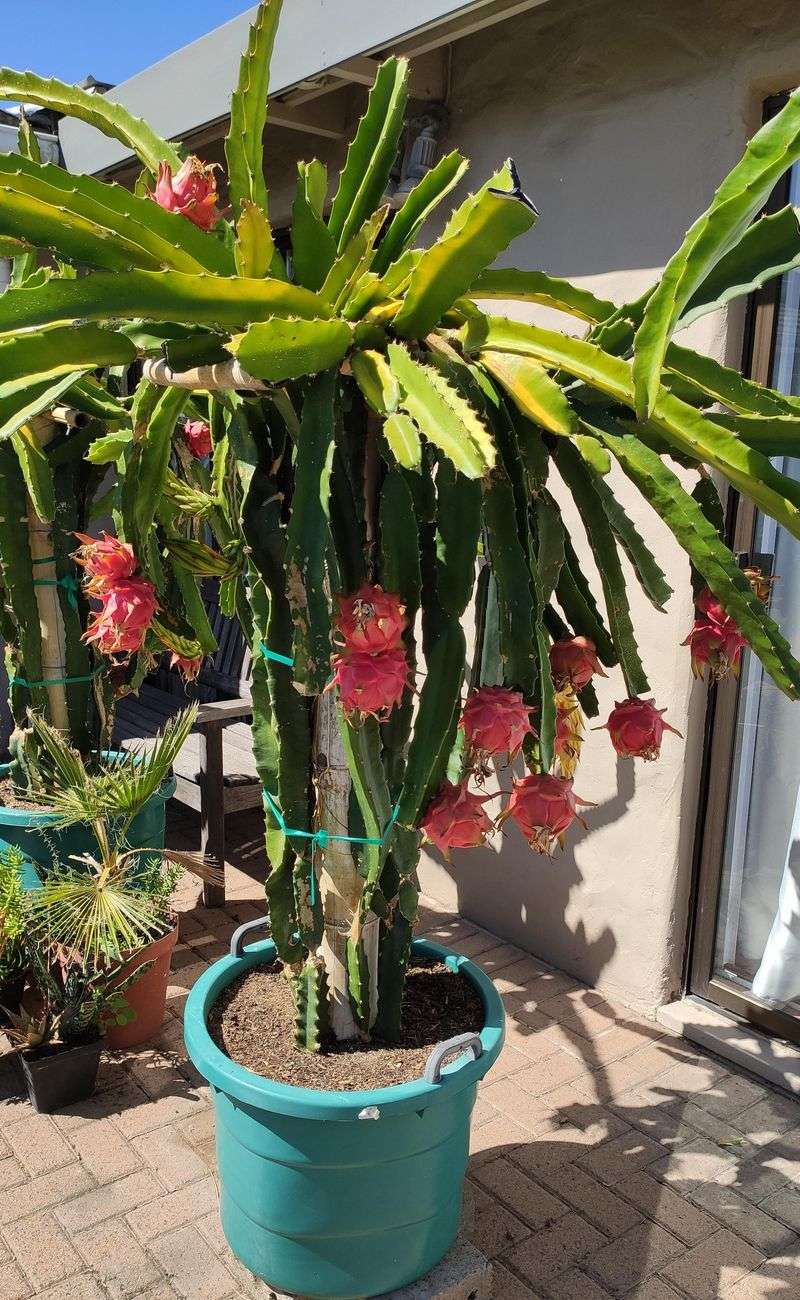
Not everyone has a patch of ground to plant in, and that is perfectly fine. Dragon fruit grows surprisingly well in large containers, making it a great option for patios, balconies, and tight backyard corners.
Choose a container that holds at least 25 to 30 gallons of soil. The bigger the pot, the more room the roots have to spread out and anchor the plant.
A wider pot also helps prevent tipping once the plant gets tall and top-heavy.
Terracotta pots work well because they allow air and moisture to move through the walls. This helps prevent soggy soil, which dragon fruit absolutely does not tolerate.
Plastic pots also work, but make sure they have plenty of drainage holes at the bottom.
Your California Garden Changes Every Week. Your Plan Should Too.
Gardening in California changes quickly throughout the season. Every Friday you’ll receive a simple weekly plan showing exactly what to plant, prune, fertilize, harvest, and protect so you never miss the right timing.
One big perk of container growing is mobility. If an unexpected cold snap rolls through your area, you can move the pot to a sheltered spot or indoors overnight.
This is especially helpful for growers in northern regions where winter temperatures can dip lower than expected.
Place a sturdy stake or small trellis inside the container to give the plant something to climb. As the stems grow, gently tie them to the support.
Water the container more frequently than you would an in-ground plant, since pots dry out faster. Check the soil every couple of days during summer to keep moisture levels steady without overwatering.
3. Fast-Draining Soil Keeps Roots From Rotting
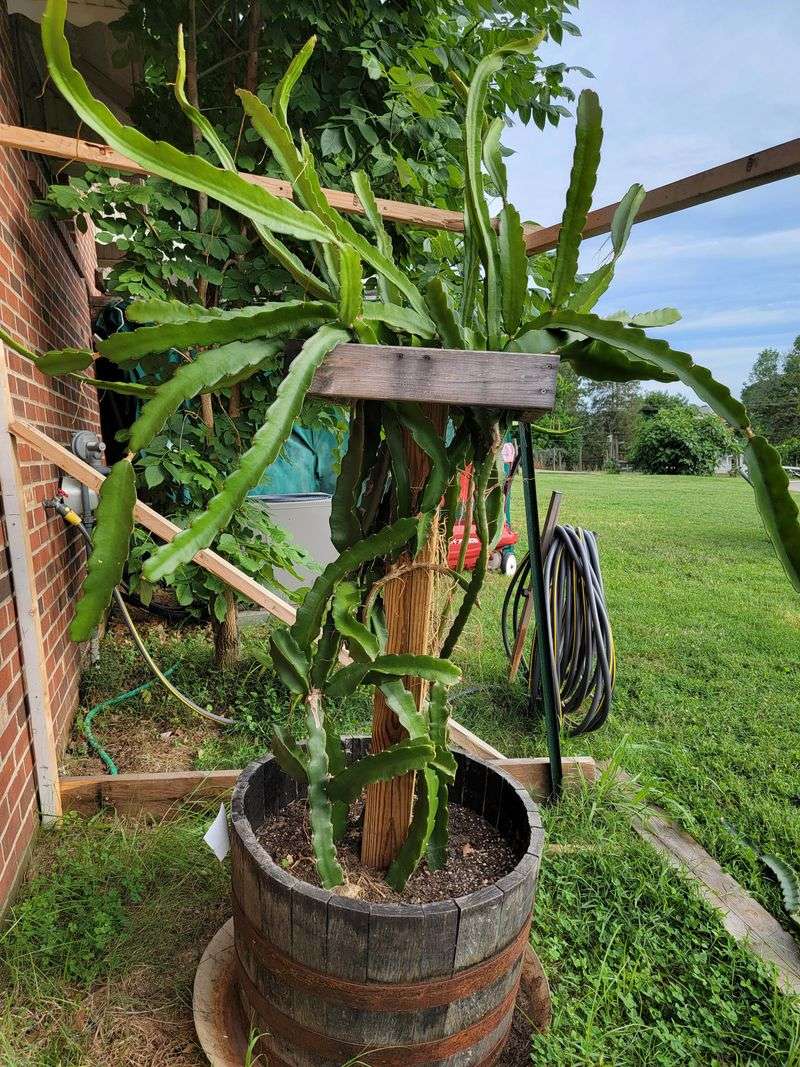
Soggy roots are one of the fastest ways to lose a dragon fruit plant. These cacti come from tropical and semi-arid regions where rain drains away quickly.
Replicating that type of soil in your backyard is key to long-term success.
The best soil for dragon fruit is light, airy, and drains fast. A mix of cactus potting soil, coarse sand, and perlite works very well.
Aim for a ratio of about 60 percent cactus mix and 40 percent drainage material like perlite or pumice.
Avoid using heavy clay soils or regular garden soil straight from the ground. Clay holds too much water and suffocates the roots.
Even if your native soil seems fine, mixing in sand and perlite will improve drainage significantly.
Check your soil pH before planting if you can. Dragon fruit prefers a slightly acidic to neutral pH range, somewhere between 6.0 and 7.0.
Most garden centers sell simple pH testing kits that are inexpensive and easy to use.
If you are planting in the ground, consider building a small raised mound of amended soil. This helps water drain away from the root zone naturally.
Raised beds are another great option because you have full control over the soil mix from the very start.
Good soil setup at the beginning saves a lot of trouble later and gives your plant the best possible foundation to grow strong and healthy over time.
4. Full Sun Helps Dragon Fruit Grow Stronger
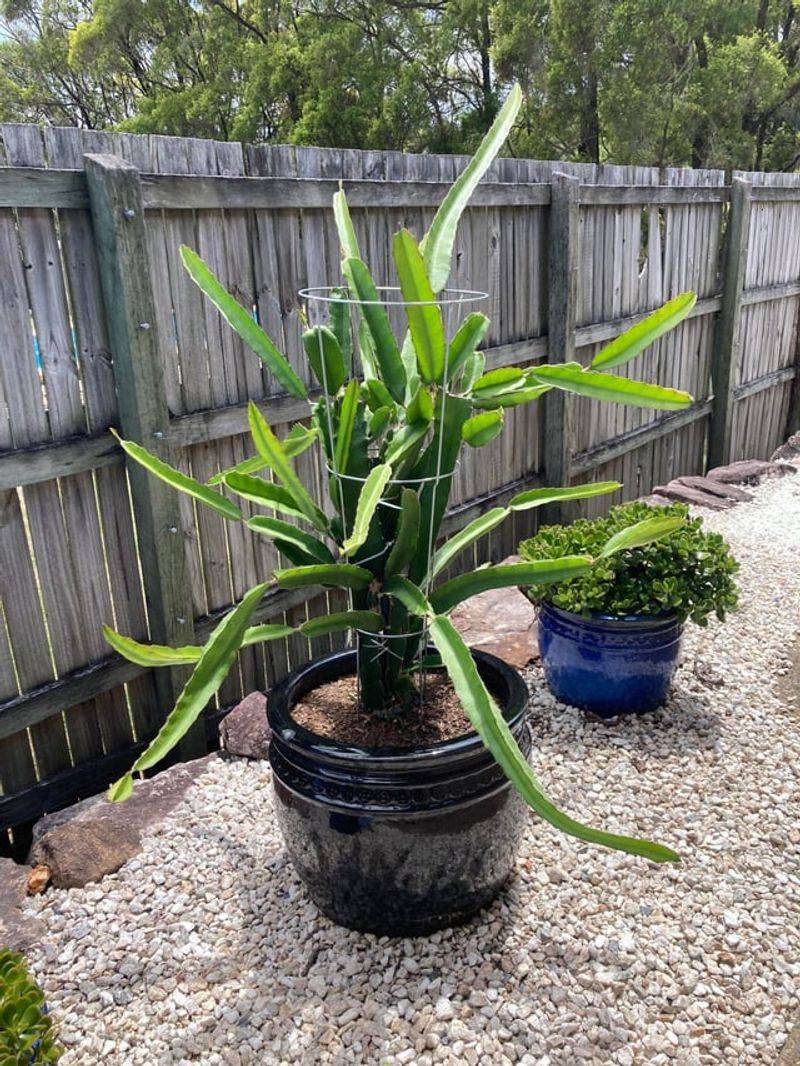
Sunlight is fuel for dragon fruit. The more direct sun this plant gets, the faster it grows and the more fruit it eventually produces.
Choosing the right spot in your yard makes a big difference right from the start.
Dragon fruit needs at least six hours of direct sunlight every day. Eight to ten hours is even better if you can manage it.
South-facing or west-facing spots in your yard tend to get the most consistent sun throughout the day.
Young plants can be a little sensitive to intense afternoon sun when they are first getting established.
If you notice the stems turning yellow or looking bleached, that can be a sign of too much direct exposure too soon.
A little filtered shade during the hottest part of the day helps newly planted cuttings settle in without stress.
Once the plant is established, usually after a few months of growth, it handles full sun much better. Mature stems actually toughen up and become more heat-tolerant over time.
At that point, the more sun it gets, the happier it tends to be.
Avoid planting dragon fruit under large trees or near structures that cast long shadows. Even partial shade for several hours a day can slow growth noticeably.
If your yard has limited sunny spots, prioritize the sunniest corner for your dragon fruit plant.
A well-lit location is one of the simplest things you can do to set your plant up for a strong, productive growing season.
5. Afternoon Shade Can Help In Hot Inland Areas
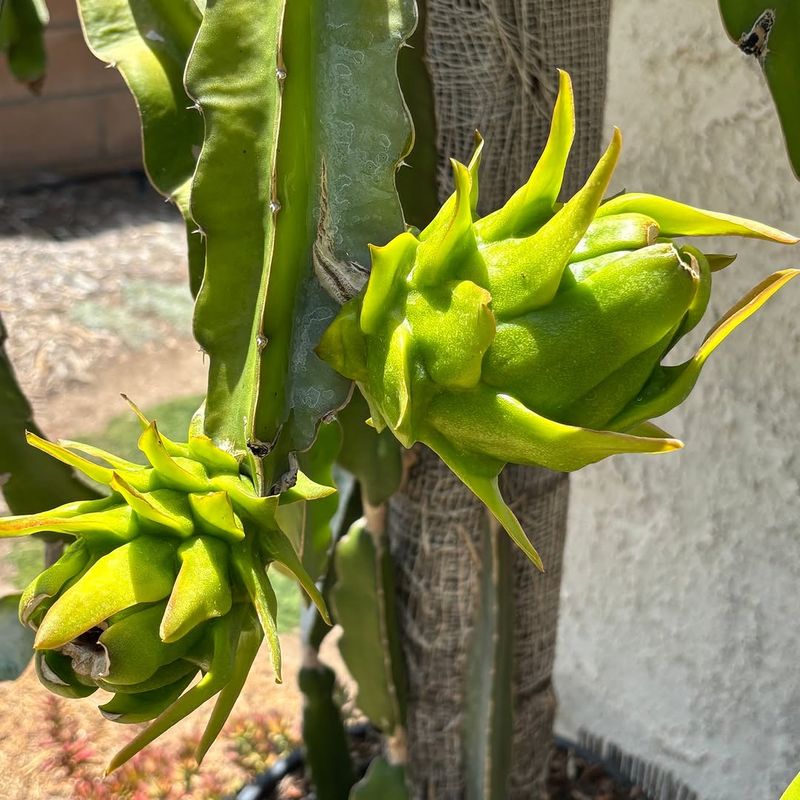
Living in a hot California inland valley comes with its own set of gardening challenges. When summer temperatures climb past 100 degrees Fahrenheit, even sun-loving plants can struggle.
Dragon fruit is no exception, especially during extreme heat waves.
In areas like the Central Valley or the Inland Empire, afternoon temperatures can get intense enough to stress the plant.
You might notice the stems shriveling slightly or turning a pale yellowish color during the hottest weeks.
That is a sign the plant needs some relief from the heat.
A simple shade cloth rigged over the plant during the afternoon hours can make a real difference. Look for a cloth that blocks about 30 to 40 percent of sunlight.
That amount reduces heat without cutting off too much of the light the plant still needs to thrive.
You can also plant dragon fruit near a wall or fence that blocks the harsh western sun in late afternoon.
Brick or concrete walls absorb heat during the day and release it slowly at night, which dragon fruit actually appreciates.
Just make sure the plant still gets good morning sun to balance things out.
Watering in the early morning also helps the plant handle afternoon heat better. Moist soil stays cooler than dry soil, which protects the root zone during the hottest part of the day.
A thin layer of mulch around the base of the plant also holds moisture in and keeps soil temperatures more stable throughout those scorching summer afternoons.
6. Pruning Keeps The Plant From Taking Over
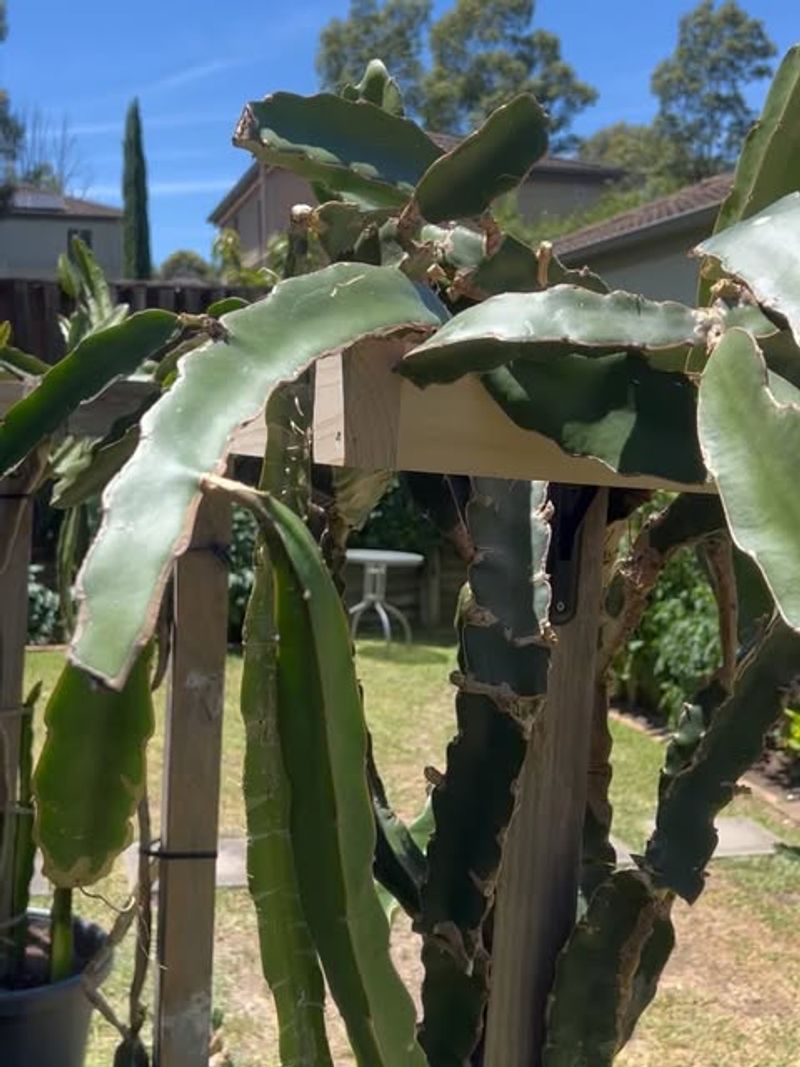
Left on its own, dragon fruit can grow into a wild, tangled mess of stems that spreads in every direction.
Regular pruning keeps the plant tidy, manageable, and focused on producing fruit rather than just growing more stems.
Start pruning once the plant has been growing for about a year and has established a strong root system.
Remove any stems that are growing sideways across the ground or pushing into nearby plants or fences.
Cut them cleanly with a sharp pair of pruning shears to avoid tearing the flesh of the stem.
Pruning also improves airflow through the plant. When stems are packed tightly together, moisture gets trapped and can lead to fungal issues.
Thinning out crowded growth helps keep the plant healthier overall.
Focus on keeping three to five main stems growing up the support post. These primary stems are the backbone of the plant.
Side shoots that branch off from them can be trimmed back or removed if they start taking up too much space.
The best time to prune is after a fruiting cycle ends, usually in late summer or early fall. Avoid heavy pruning during the active flowering period in California because you could accidentally remove buds that are about to bloom.
Always let cut ends dry out for a day or two before they come into contact with wet soil or water.
This simple step helps prevent bacteria from entering the freshly cut stem and causing problems underground.
7. Train New Stems Before They Sprawl
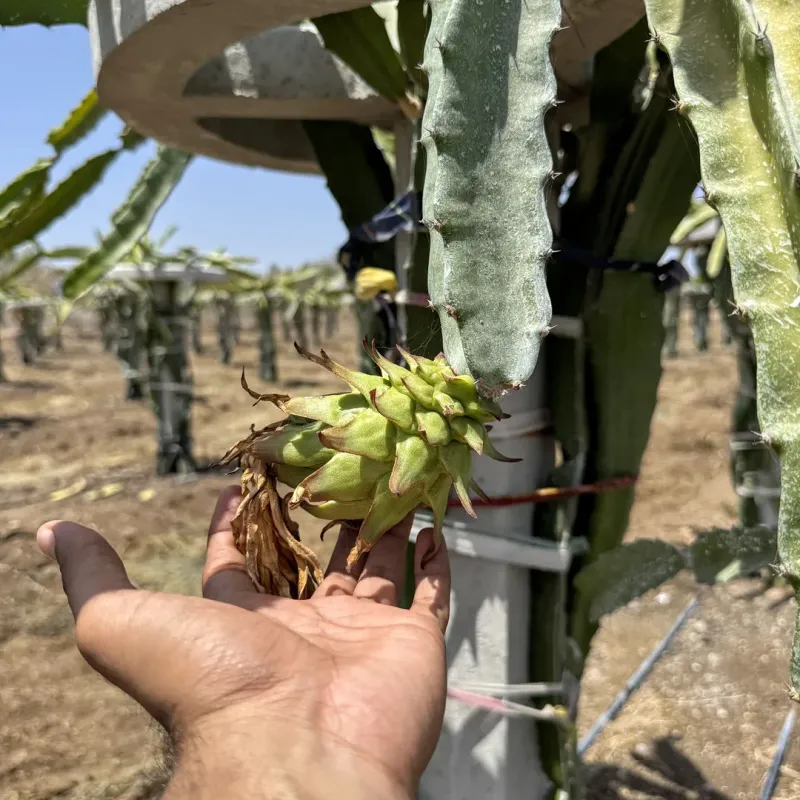
Young stems are flexible and easy to guide. Once they harden and mature, they become rigid and much harder to redirect without snapping.
Training new growth early is one of the most effective space-saving habits you can build.
As soon as you notice a new stem emerging and growing past six to eight inches, gently guide it toward your support structure.
Use soft plant ties, foam-coated wire, or strips of old fabric to loosely attach the stem to the post or trellis.
Never use anything sharp or thin like wire alone, since it can cut into the tender stem as it grows.
Check on new growth at least once a week during the active growing season. Dragon fruit can push out new stems quickly, especially in warm weather.
Staying on top of new growth means less corrective work later and a much neater plant overall.
If a stem starts growing in an unwanted direction, gently bend it toward the support and tie it in place. Do this gradually over a few days rather than forcing it all at once.
Slow redirection is much safer than a sudden sharp bend, which can crack the stem.
Training also helps you plan for fruit production. Stems that are properly supported and spaced tend to flower more reliably than tangled, unsupported ones.
Think of training as building a good framework early on. A well-organized plant is easier to care for, harvest from, and enjoy throughout the entire California growing season year after year.
8. Top Growth Needs Strong Support
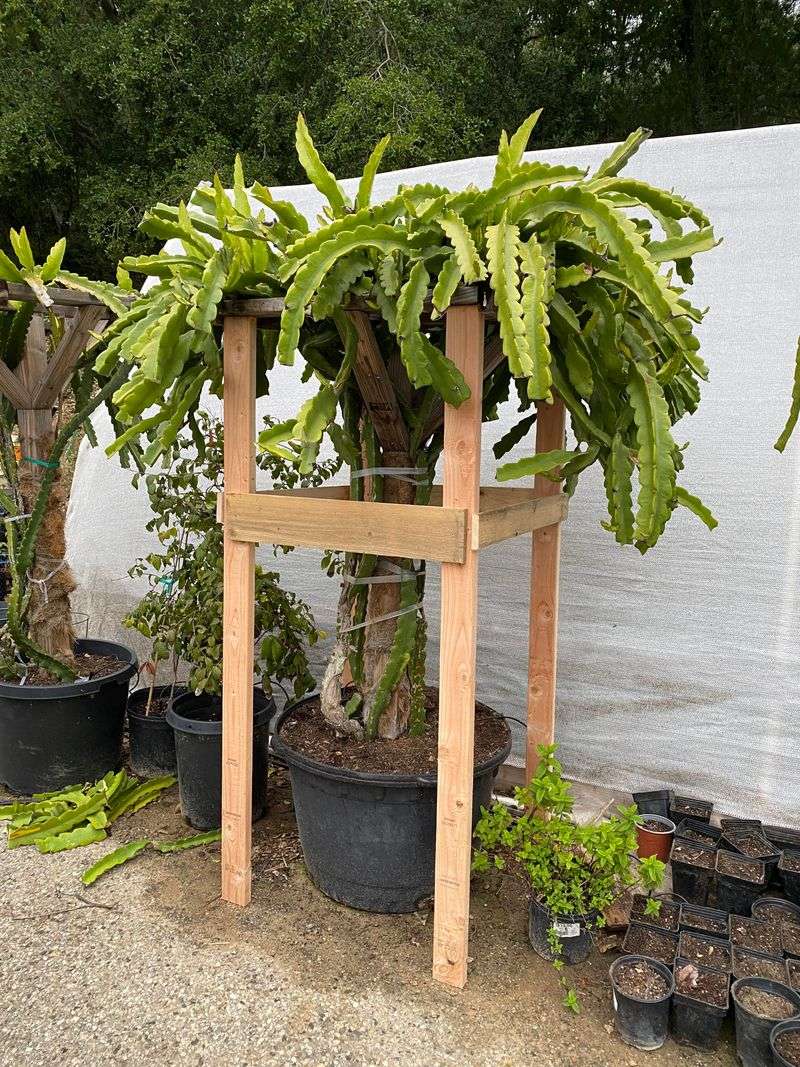
Here is something that surprises many first-time dragon fruit growers in California. The top of the support post is actually where the magic happens.
When the main stem reaches the top and spills over, that cascading growth is where most of the flowers and fruit develop.
Because of this, the top of your post or trellis needs to be extremely sturdy. A flimsy structure that wobbles or tips under the weight of cascading stems can cause serious damage to the plant.
Make sure your post is set at least two feet deep in the ground and is made of a durable material like hardwood, steel pipe, or thick concrete.
Some growers add a horizontal crossbar or a circular hoop at the top of the post. This gives the cascading stems more surface area to rest on and spread out.
It also distributes the weight more evenly so the post does not lean over time.
Check your support structure at the start of each growing season. Look for signs of rust, rot, or loosening in the ground.
A post that seemed solid last year might have shifted after winter rains or dry summer soil conditions.
Reinforce the base with concrete if needed, especially if your soil is sandy or loose.
The investment in a strong support system pays off over many years since a well-supported dragon fruit plant can keep producing fruit for a decade or longer with proper care and attention given consistently each season.
9. Water Wisely To Avoid Overwatering Problems
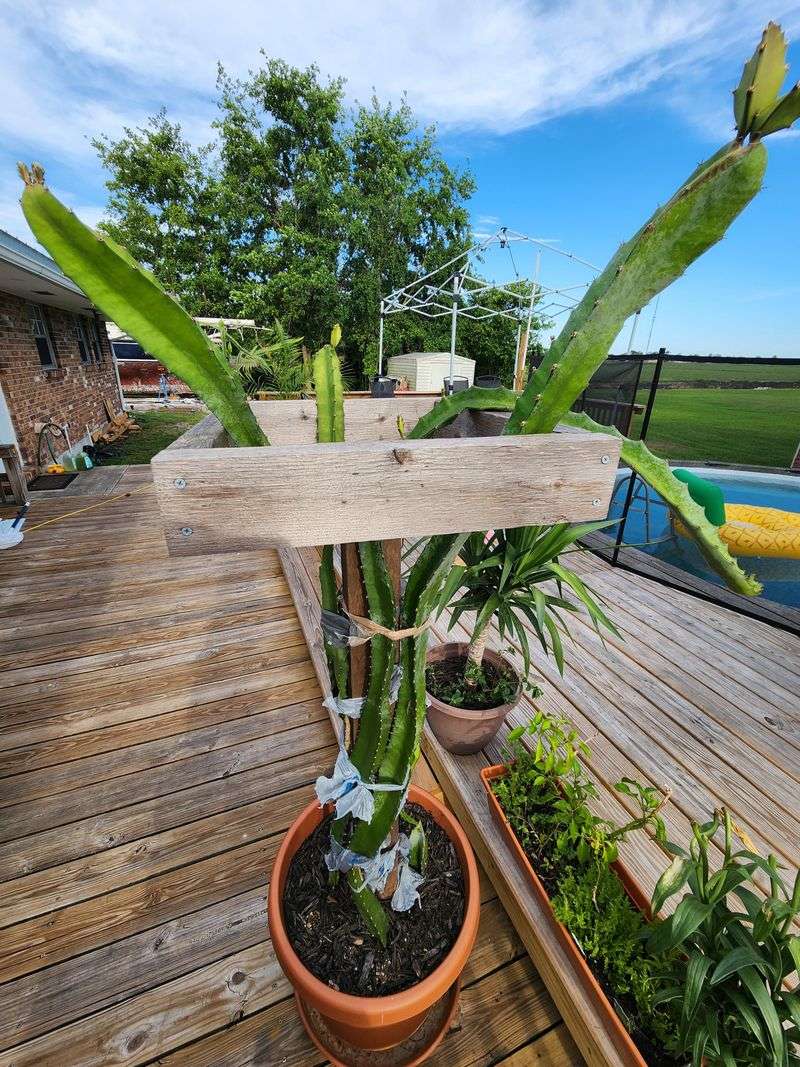
Watering dragon fruit is a balancing act that trips up a lot of new growers. Too little water and the plant shrivels and slows down.
Too much water and the roots suffocate and rot. Finding the right rhythm takes a little observation but becomes second nature quickly.
During the active growing season in spring and summer, water your dragon fruit every one to two weeks depending on how hot and dry the weather is. Always check the soil before watering.
Stick your finger about two inches into the soil near the base of the plant. If it still feels damp, wait a few more days before watering again.
In fall and winter, dragon fruit goes into a slower growth phase. Cut back watering significantly during these cooler months.
Once a month or even less is usually enough to keep the plant stable without encouraging rot in cold, wet soil.
Drip irrigation works really well for dragon fruit in backyard gardens. It delivers water directly to the root zone slowly and consistently without soaking the stems or creating puddles.
Many California gardeners use simple drip systems on timers to keep things low-maintenance.
Avoid wetting the stems and aerial roots when you water. Moisture sitting on the surface of the stems for long periods can encourage mold or soft spots to develop.
Water at the base of the plant and let the soil do the work of delivering moisture to the roots where it is actually needed most.